

Who Would Win: Arsenal 2000s XI vs. Arsenal 2010s XI?
Arsene Wenger's reign at Arsenal is now into its third decade. His sides of the 2000s tend to be regarded as his best, but what would happen if they came up against a team of players comprised of names who have turned out for the Gunners since 2010?
There are some incredible names in these two sides. Wenger has been fortunate enough to coach some extraordinary players, many of whom improved massively under his management.
We've picked our two XIs based on a simple rule: Each player must have turned out for Arsenal in the selected decade, but they are not permitted to appear in both teams. That means Cesc Fabregas from the 2000s can't become embroiled in a midfield battle against himself in the 2010s, for instance.

.jpg?w=2560)

The teams' different styles are reflected in their formations. In the 2000s, Wenger's most successful sides used a 4-4-2, so they line up in that system. The 2010s team, by contrast, use a variant on a 4-3-3. The new-look three-at-the-back system does not make the cut.
We've selected the teams, and it's up to you to make the call on who would win.
Arsenal 2000s
GK: David Seaman
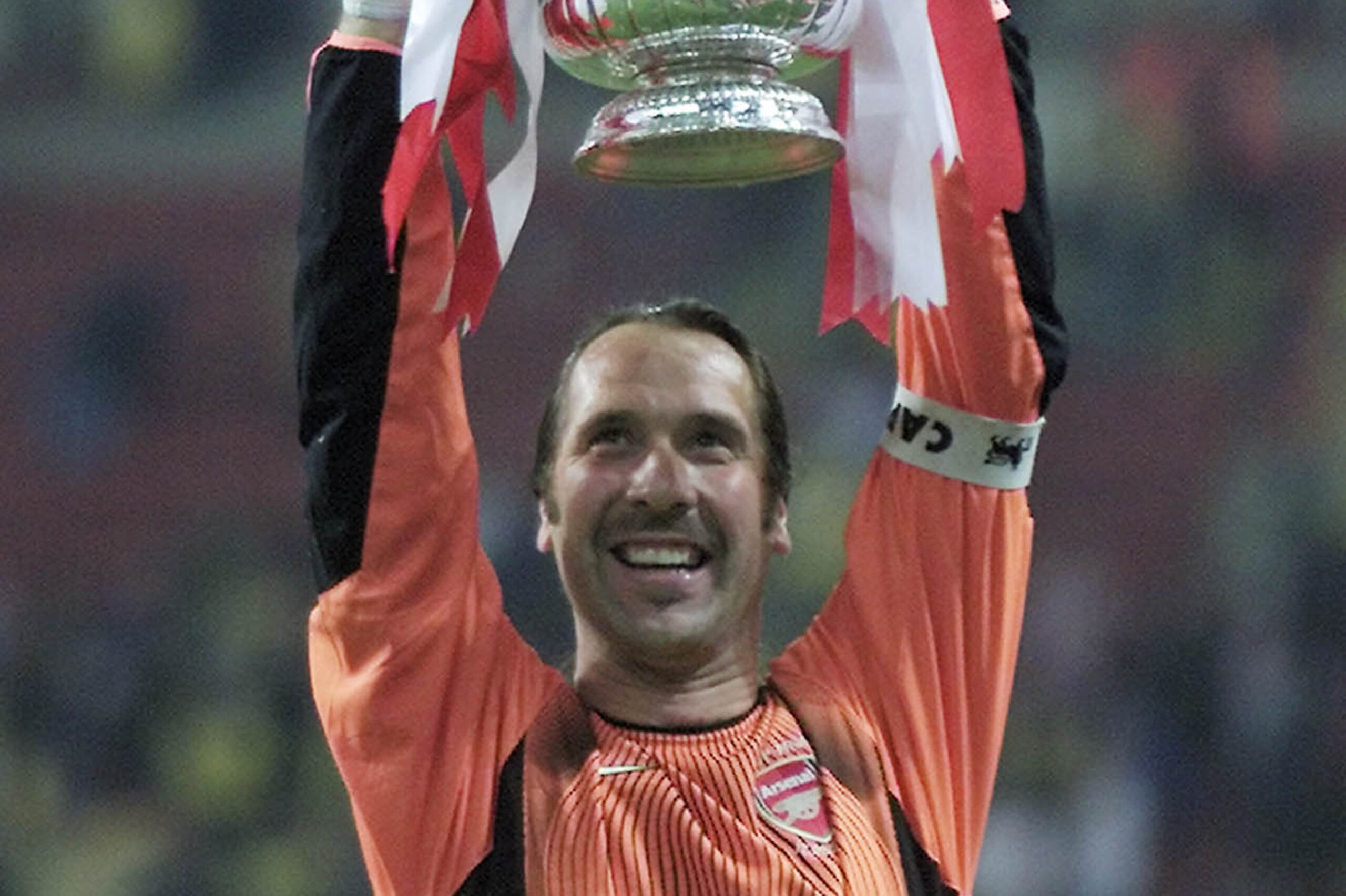
There are only two real contenders for this position in the Arsenal team of the 2000s—Seaman and his successor, Jens Lehmann.
The German offers some strong competition. After all, his debut year was Arsenal's "Invincibles" season. For a new arrival to English football to go through an entire league campaign unbeaten is a remarkable demonstration of quality and character.
However, Seaman is an Arsenal legend—someone whose shadow still looms over contemporary Gunners goalkeepers.
Although he was at his best in the 1990s, he was still good enough to help Arsenal to a domestic double in 2001/02—a feat Lehmann never managed. He also captained the Gunners to the 2003 FA Cup in his final season.
RB: Bacary Sagna
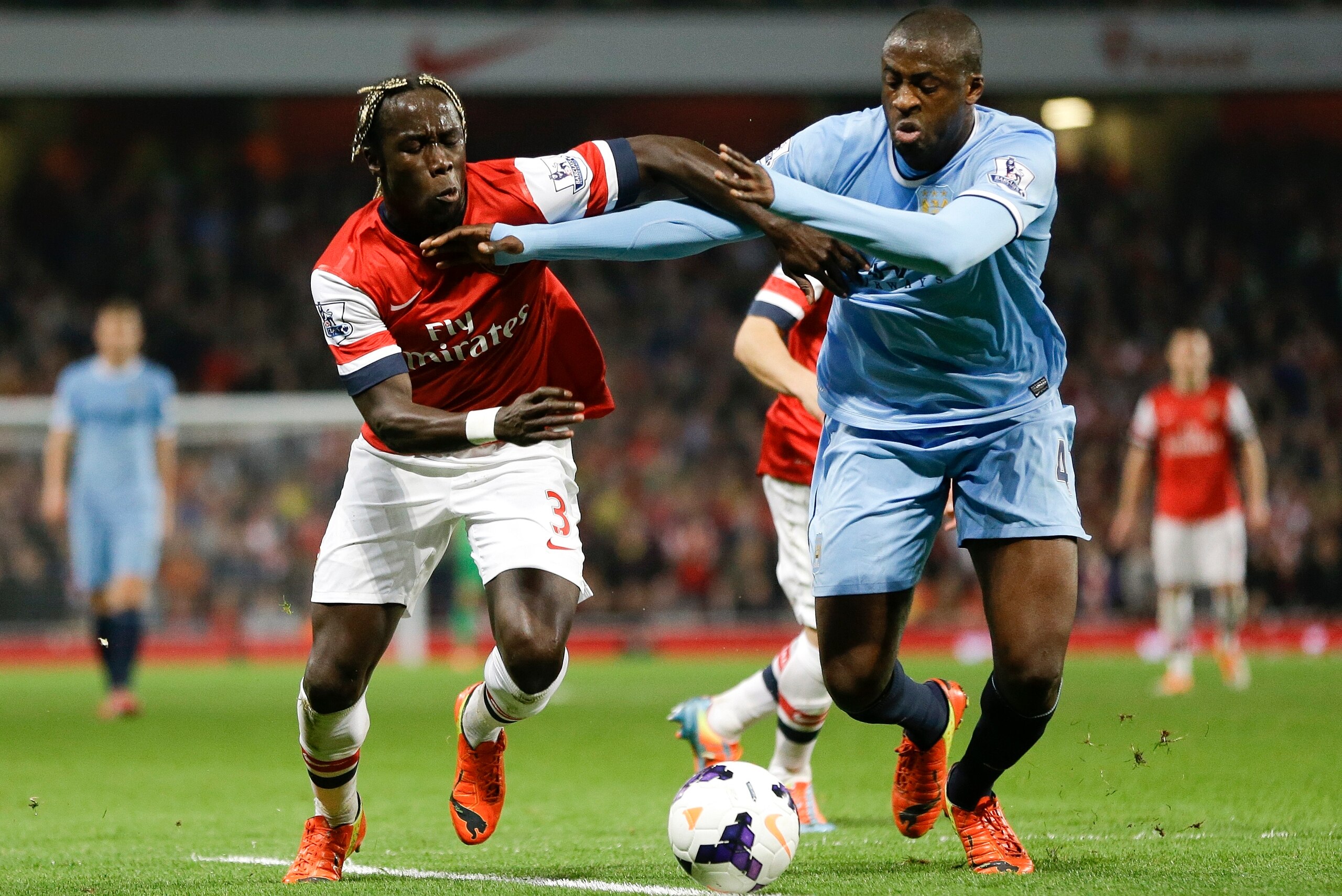
This might be a controversial selection, given the enormous popularity of former Cameroon international Lauren. The steely full-back was an integral part of Arsenal's 2003/04 title-winning side, and his combination of ability and aggression made him a hero to the fans.
However, Sagna was a more natural defender—and given the attacking nature of this side, that skill set might well be required. Although the Frenchman didn't win a trophy in this decade after joining in 2007, he was an incredibly consistent performer on the right flank.
CB: Kolo Toure

The success of a central defence often hinges on an effective partnership, and we've plumped for a pair who managed to go through a whole league season without suffering defeat.
It was something of a surprise when, in the summer of 2003, Wenger began playing Toure at the back alongside Sol Campbell. However, the Ivorian shone in his new role. He was strong, quick and technically gifted, as comfortable bringing the ball out from the back as shackling centre-forwards.
Once Arsenal moved into the Emirates Stadium in 2006, Wenger struggled to find reliable centre-halves. That has meant memories of Toure have grown all the fonder.
CB: Sol Campbell

Titanic centre-half Campbell would make it into any Arsenal team of any era. He was brutishly strong—an intimidating sight for even the most rugged centre-forward.
However, to talk only about his athleticism would do him an injustice. He was also a natural leader and an intelligent marker.
In Toure, Campbell also had the perfect partner. Tony Adams and Martin Keown played for Arsenal in this decade, and it speaks volumes that Campbell and Toure have been selected ahead of them.
LB: Ashley Cole
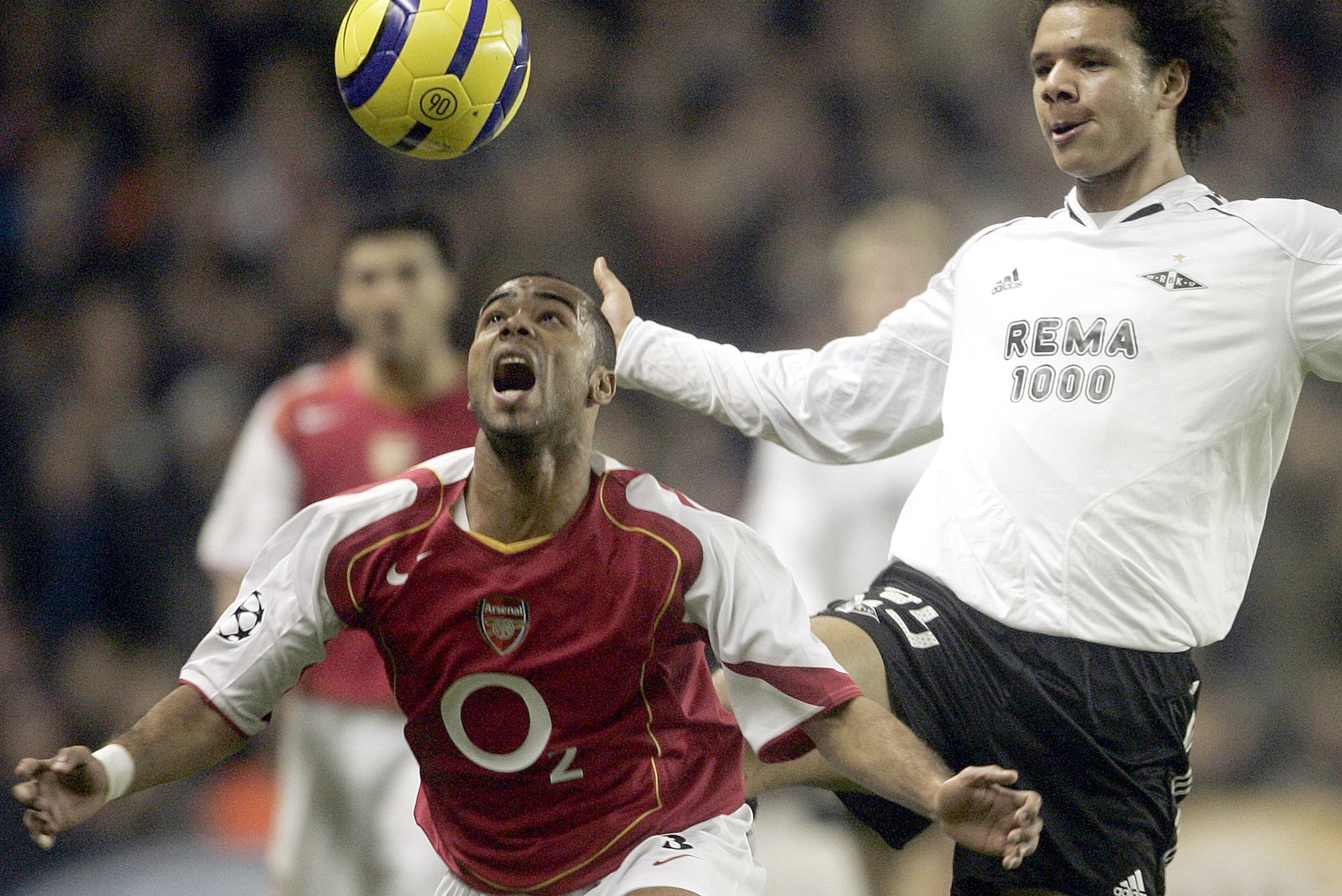
The end of Cole's Arsenal career must remain one of Wenger's biggest regrets. The Gunners produced arguably the greatest English full-back of all time and then lost him to a loathed London rival.
Nevertheless, Cole was fantastic for Arsenal. He had begun his career as a winger, but he picked up the defensive side of the game so quickly. Before long, he was a complete left-back.
With Sagna tucking in on the right side, Cole would be granted license to combine with the players ahead of him—and there would be some familiar faces for him on that wing.
RM: Freddie Ljungberg
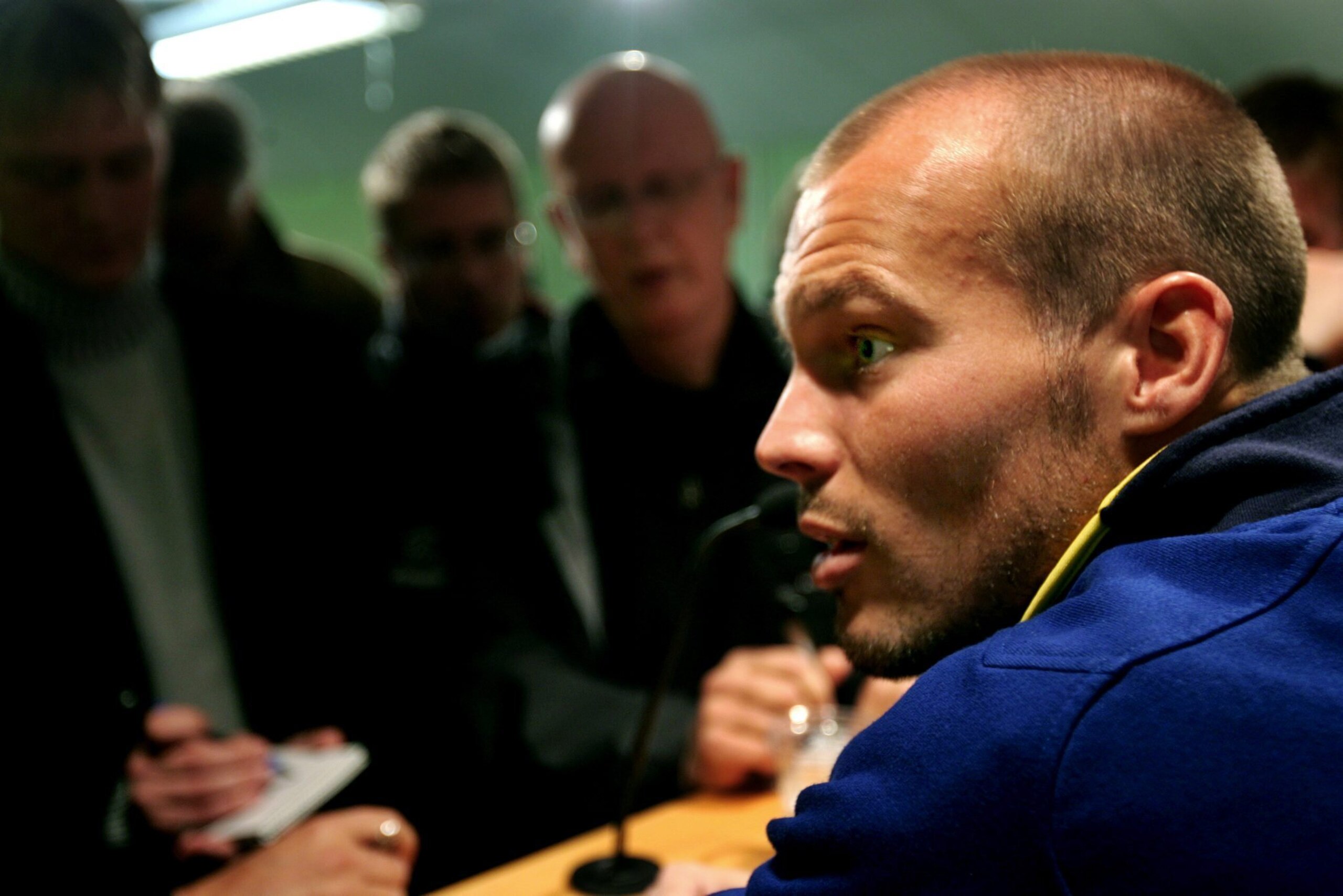
Now comes the fun part. Arsenal's teams of the 2000s were renowned for their attacking play, and this front six will take some beating.
Swedish cult hero Ljungberg is the man selected for the right-hand side, beating off competition from club stalwart Ray Parlour.
Fans loved Ljungberg's passion and colourful personality, but it was his intelligence that made him stand out. He had a knack of making superb runs from deep to find goalscoring positions—and when played through on goal, he invariably finished. He was as composed as he was charismatic.
CM: Gilberto Silva
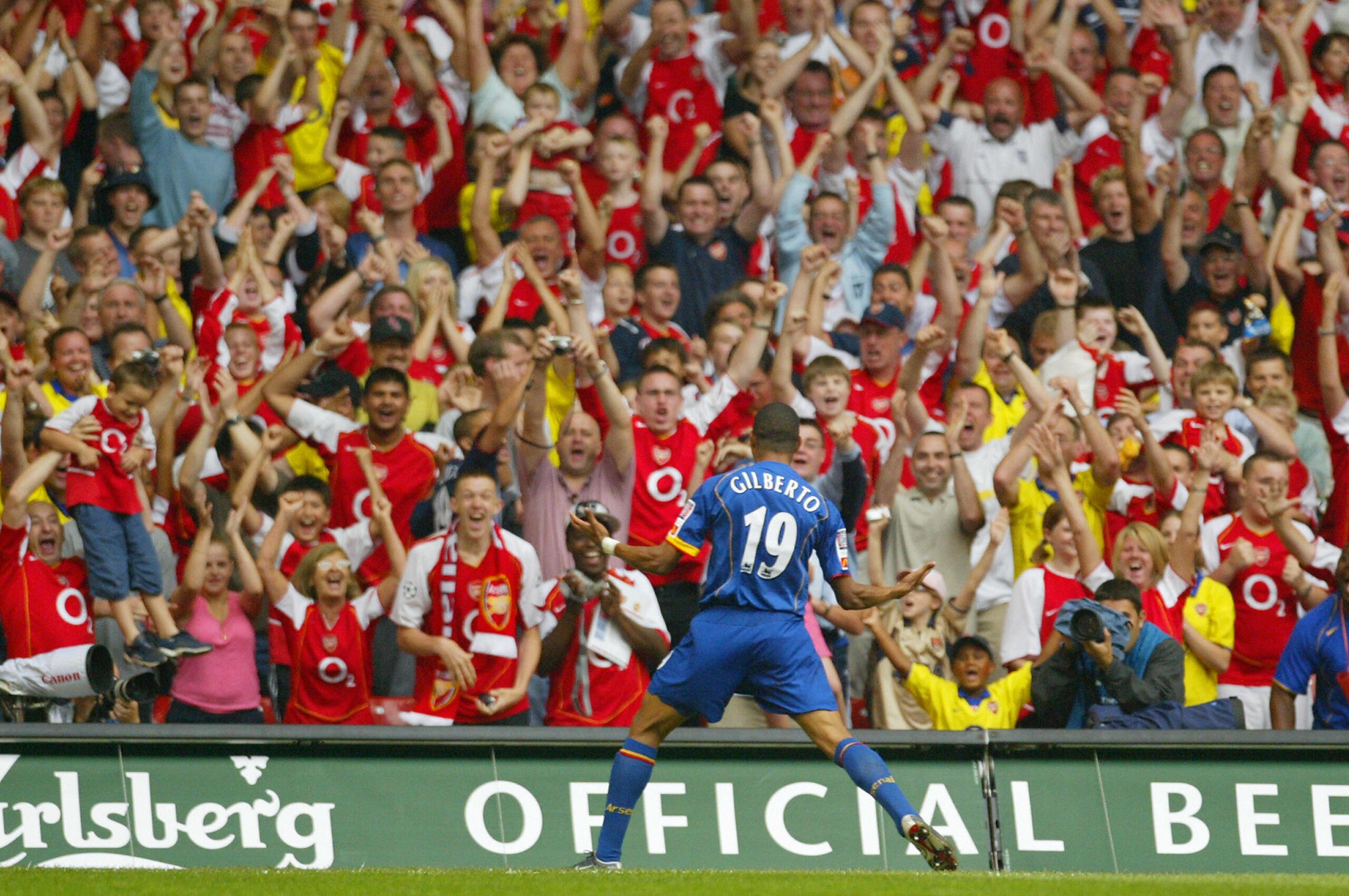
With the rest of the midfield flying forward, Arsenal need someone to be a bit more sensible in their spine. Gilberto is that man—his outstanding defensive ability earned him the nickname "The Invisible Wall."
He could play, too. After all, you don't find your way into a Brazil World Cup-winning team without a good deal of ability. Gilberto even occasionally liberated himself from his customary position, sprinting into the box to get on the end of crosses. He was also a reliable penalty-taker.
However, his primary role was to offer balance to the team. He did that unflinchingly, never serving his ego. That made him invaluable to Wenger.
CM: Patrick Vieira
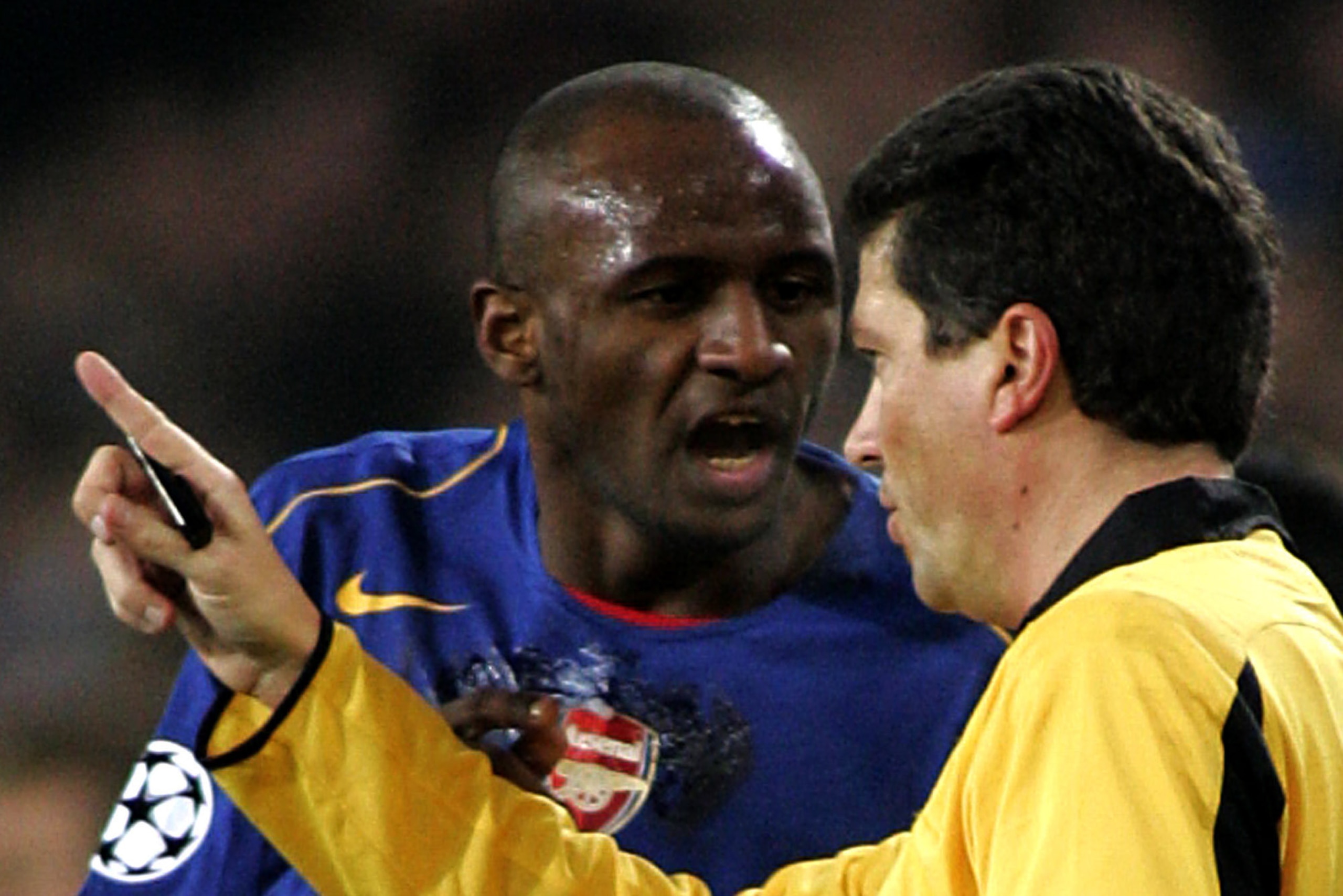
Arsenal's legendary former skipper was one of the first names on this teamsheet. It's impossible to think of the 2000s without calling to mind the image of Vieira storming through opposition midfields with ease.
The Frenchman effectively reinvented what it meant to be a modern midfielder—he could do it all. His long legs made him an excellent tackler, while he was also capable of escaping his markers with nimble dribbling skills. He was a perceptive passer and a decent finisher.
Having Vieira in this Arsenal team is a huge boost to their midfield. He was such an outrageously gifted player that his presence sometimes made it feel like Wenger had an extra man at his disposal.
LM: Robert Pires
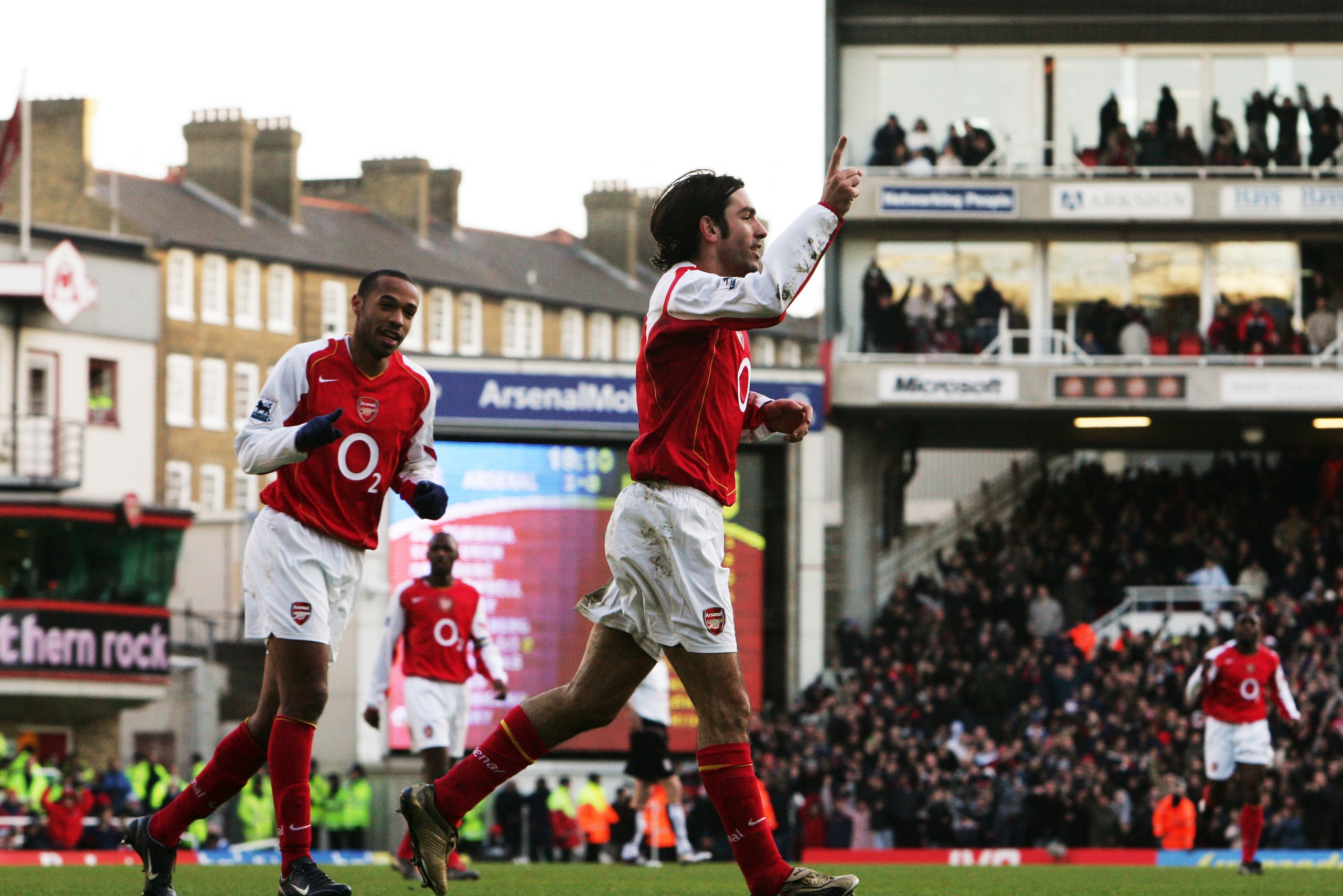
If you pick Cole, you have to pick Pires. They were a superb partnership on the left, effortlessly combining to leave the opposition bamboozled.
There was a natural balance there—Pires would drift infield while Cole drove to the byline. In those central areas, the Frenchman could do real damage by creating goals for others or finishing moves off himself.
Pires was the oil in Arsenal's engine. His swaggering style is what helped make the Gunners so easy on the eye throughout the early 2000s.
FW: Dennis Bergkamp
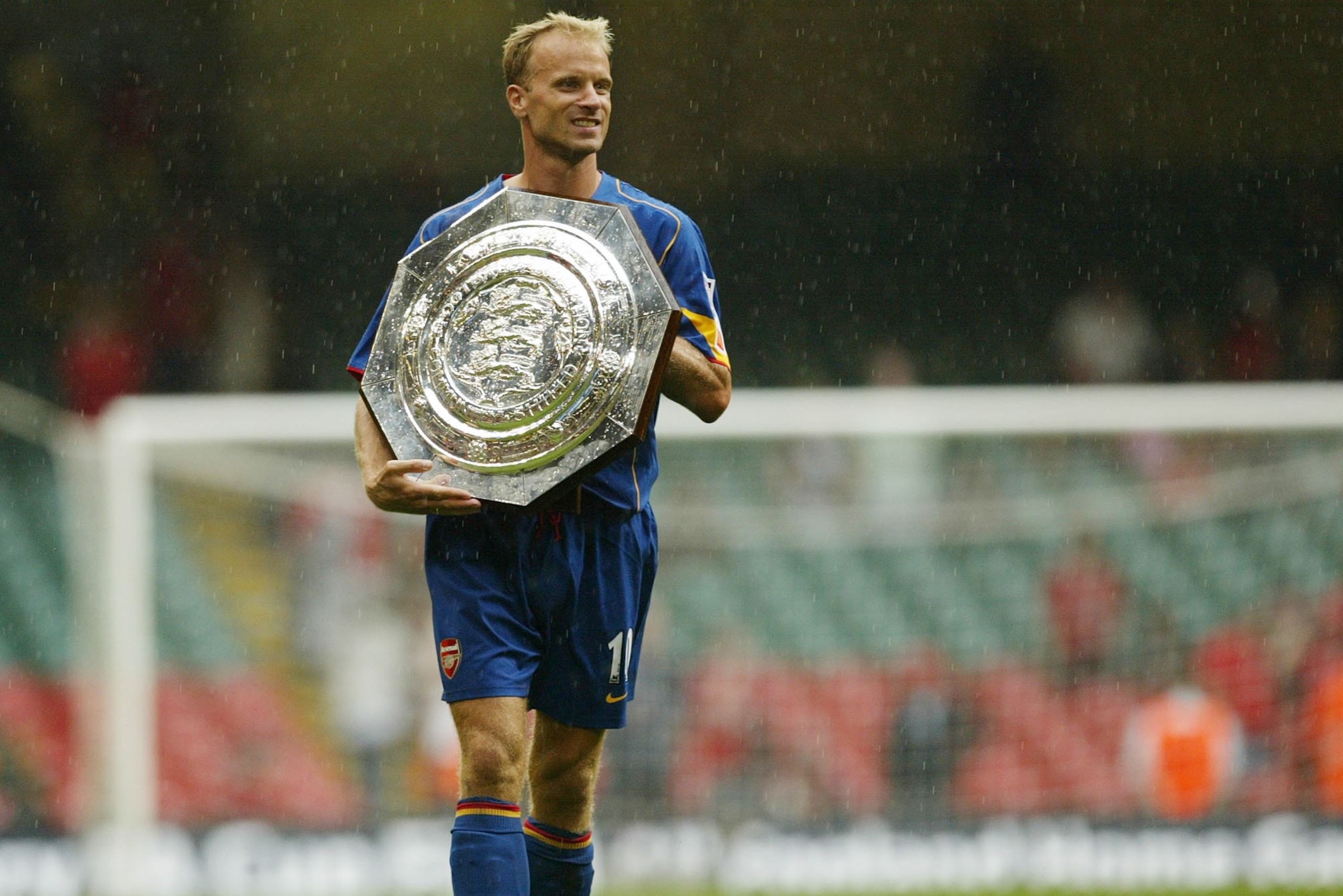
If you have the opportunity to select Bergkamp, you select him.
When the Dutchman arrived at Arsenal in the mid-1990s, he set about transforming the perception of the club. Gone was the talk of "boring, boring Arsenal"—instead, the Gunners swiftly became established as the most exciting attacking team in the land.
However, Bergkamp barely slowed down in the 2000s. He deserves enormous credit for adapting his game and reinventing himself as a creator rather than a goalscorer. He was able to drive countless chances for others—now this team just needs someone to finish them.
FW: Thierry Henry
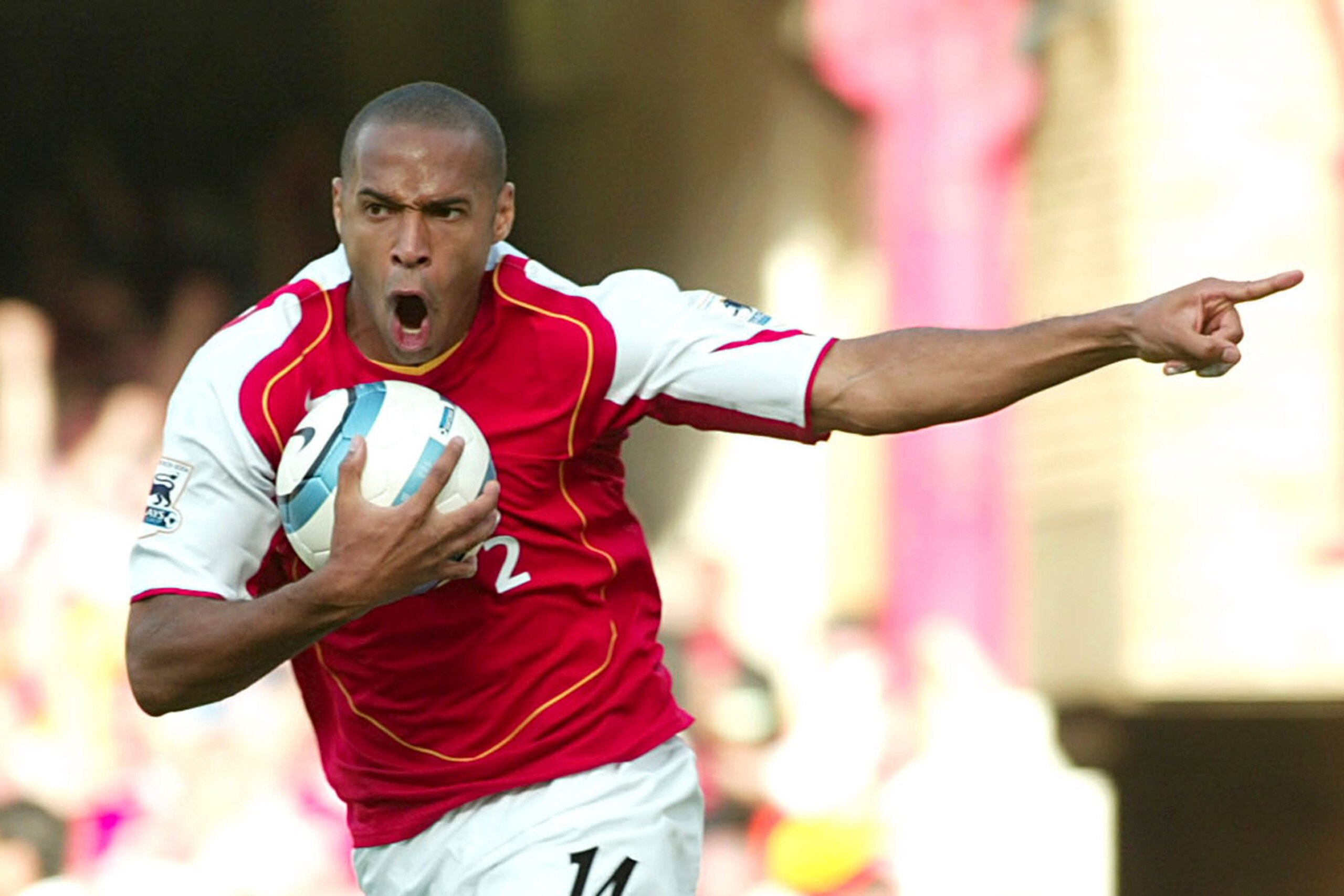
What a striker Wenger had at his disposal for the majority of this decade. In the 2000s, Henry was at the peak of his powers. Of course Arsenal's record goalscorer makes the cut.
He was a one-man front line, seemingly capable of dribbling through teams with ease.
Although nominally a striker, Henry would frequently drift to the left wing to engage in dazzling combination play with Cole and Pires. His selection also means nine of this XI are plucked from the Invincibles team of 2003/04.
Arsenal 2010s
GK: Petr Cech

When Arsenal signed Cech from Chelsea in 2015, they acquired one of the greatest goalkeepers in Premier League history.
After Lehmann left the club in 2008, the Gunners struggled to find someone with the stature to fill the void. The likes of Manuel Almunia, Lukasz Fabianski and Wojciech Szczesny all shone briefly before ultimately falling foul of Wenger.
From the minute he arrived in north London, Cech has been Arsenal’s undisputed No. 1. His three years with the club have already yielded two FA Cup wins, and despite his advancing years, the 35-year-old is showing few signs of slowing.
RB: Hector Bellerin

With Sagna selected for the 2000s team, Bellerin is a shoo-in for this side.
Although Mathieu Debuchy was initially earmarked as the man to replace Sagna, Bellerin's rise has made the Frenchman the forgotten man of the Arsenal squad.
Speed is his greatest asset. In the team of the 2000s, only Henry could realistically match Bellerin's electric pace. He is able to offer a constant threat on the overlap, whether playing as a wing-back or conventional full-back.
Arsenal's challenge now is to hold on to the 22-year-old until the end of this decade. The Spaniard's performances will have the caught the eye of admirers back in his homeland, and his loyalty to the Gunners is likely to be tested over the next few summers.
CB: Per Mertesacker
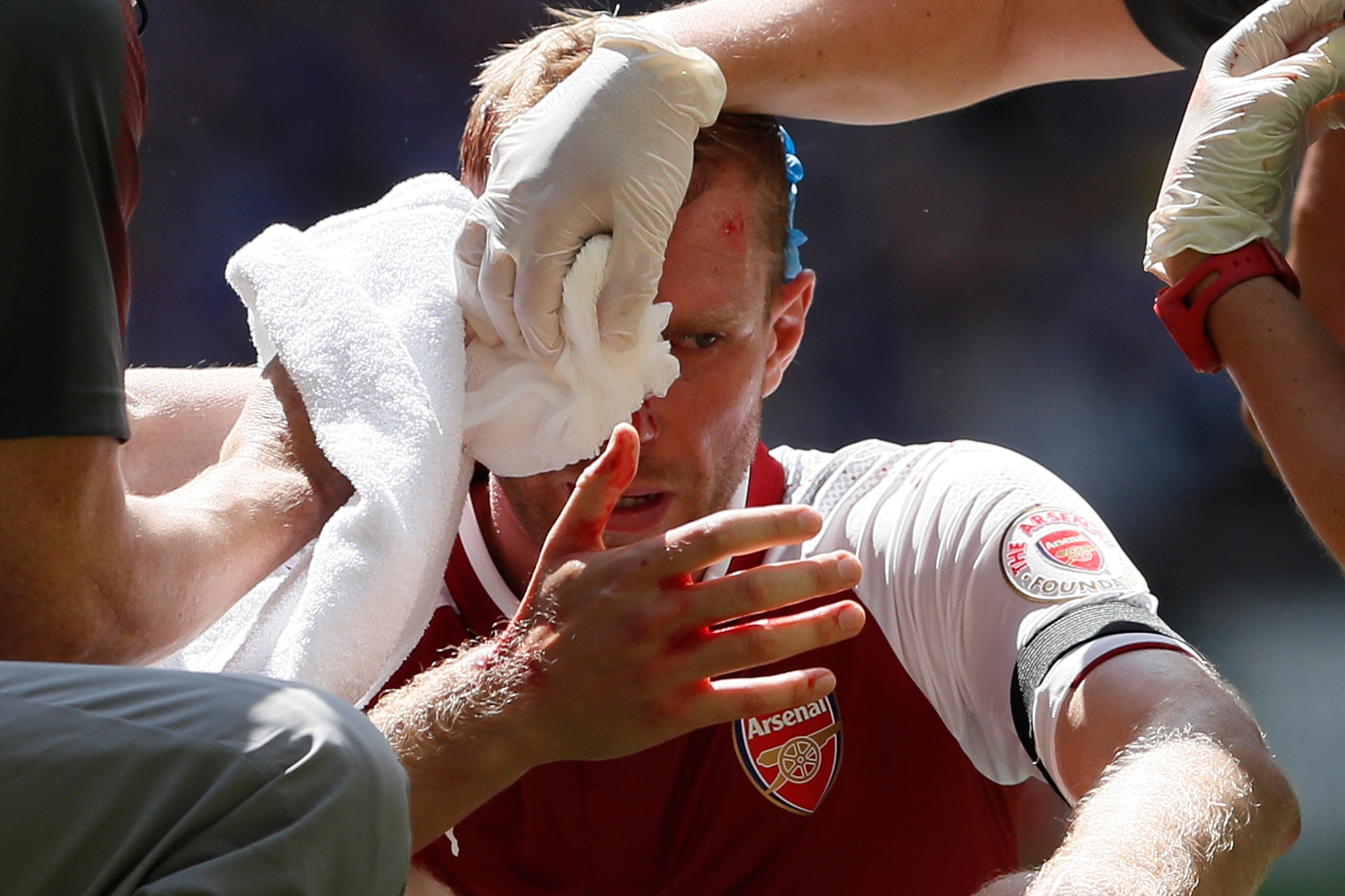
When he first arrived in English football, Mertesacker was widely mocked for his pronounced lack of pace. However, in his own steady fashion, the German has become one of Wenger's most trusted lieutenants.
What he lacks in speed he makes up for with positional intelligence and organisational ability—rare qualities among recent Arsenal centre-halves.
Mertesacker cemented his place in Arsenal folklore with his man-of-the-match performance in the 2017 FA Cup final win over Chelsea. That heroic display ensures he will be fondly remembered by Gunners fans.
CB: Laurent Koscielny
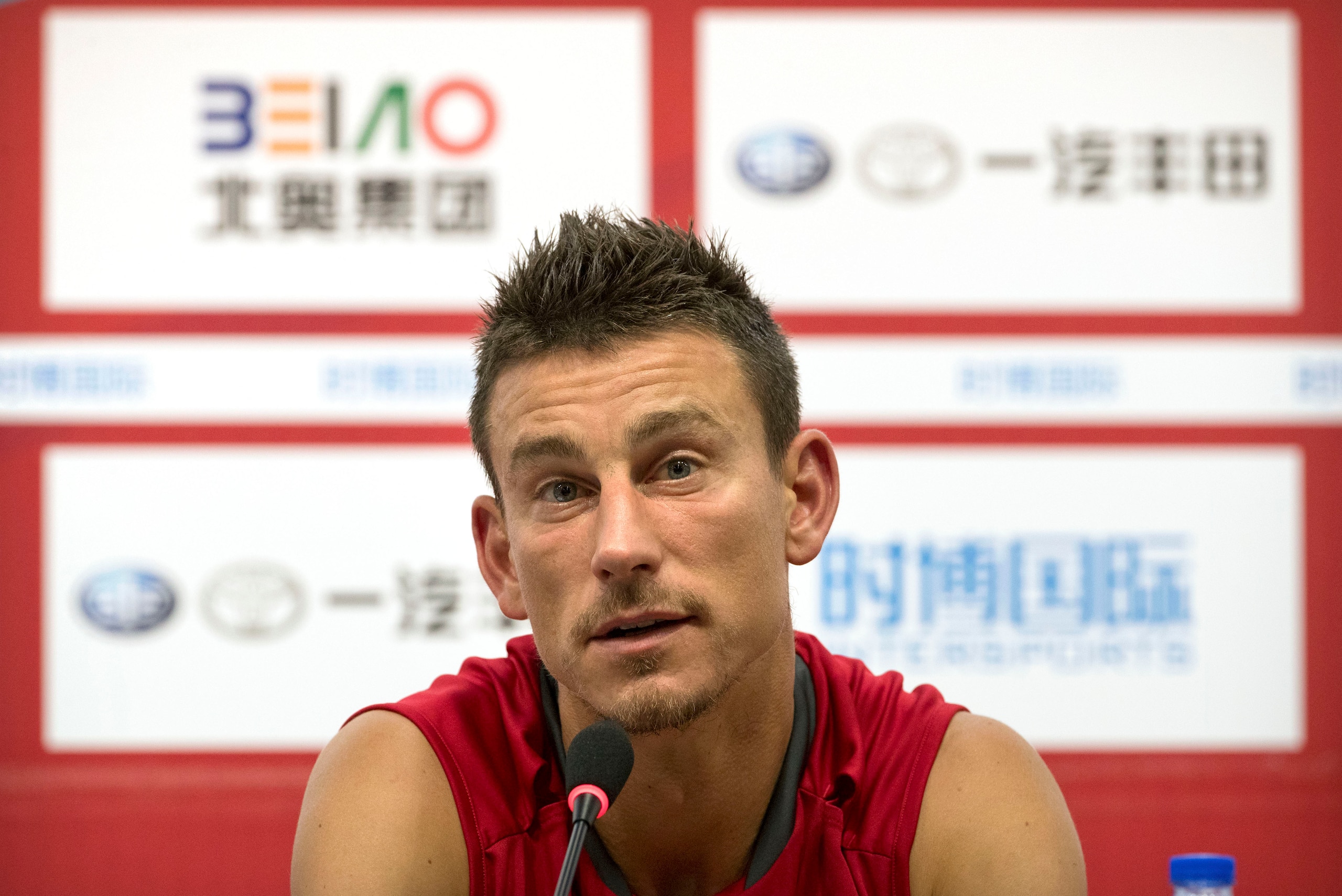
Being a central defender in a modern Arsenal side is not easy. To survive, you must be a good player. To thrive, you need to be exceptional—and Koscielny is one such player.
Perhaps the reason he's able to cope is that he is not dependent on organisation and structure. He is blessed with outstanding recovery pace and superb reactions. When Arsenal need someone to make a last-ditch intervention, the France international is invariably there.
On top of that, he even has a handy knack of popping up with valuable goals. Picking Koscielny is a no-brainer.
LB: Nacho Monreal
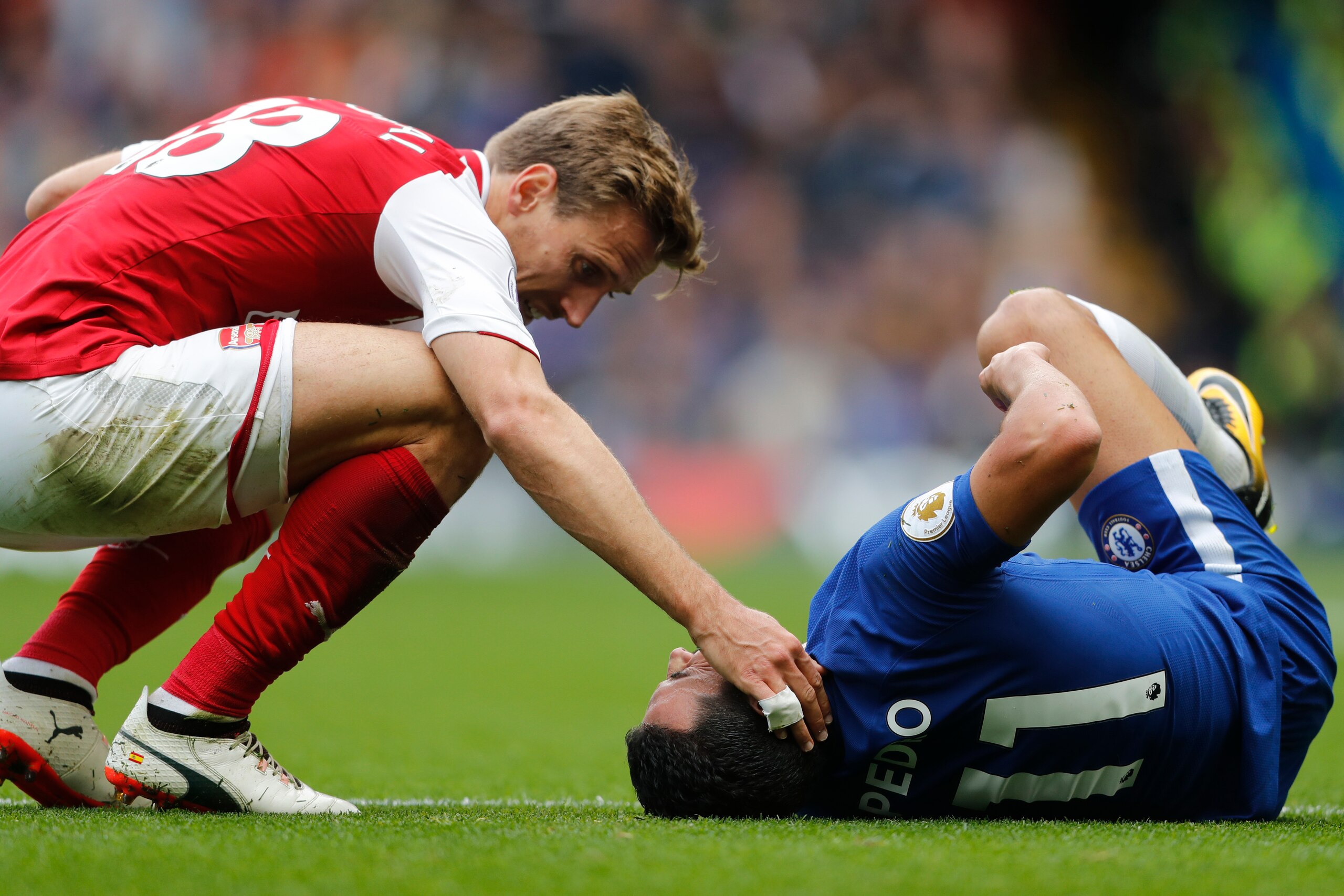
The Spanish defender has arguably been Arsenal's most consistent player over the past couple of seasons. He's not necessarily an eye-catching name, but he rarely puts a foot wrong.
Initially signed as cover and competition for Kieran Gibbs, Monreal quickly displaced the Englishman as Wenger's first-choice left-sided full-back.
In the current Arsenal team, Monreal has embraced a new role as the left-sided centre-half in Wenger's back three. However, with this team lining up in a 4-3-3, he will be deployed in his original role as a left-back.
CM: Santi Cazorla

If Arsenal fans were magically given the ability to grant one current player immunity from injury, they might well choose Cazorla.
There are so few players who can offer what Cazorla does to the Arsenal team. He's a brilliant passer with both feet, and a dazzling dribbler with a low centre of gravity that makes him almost impossible to contain.
In his first few years at Arsenal, he played as a No. 10 or wide player. But he's been at his best since switching to play at the base of the midfield. It's just a shame fitness issues have prevented him from featuring more regularly.
CM: Cesc Fabregas
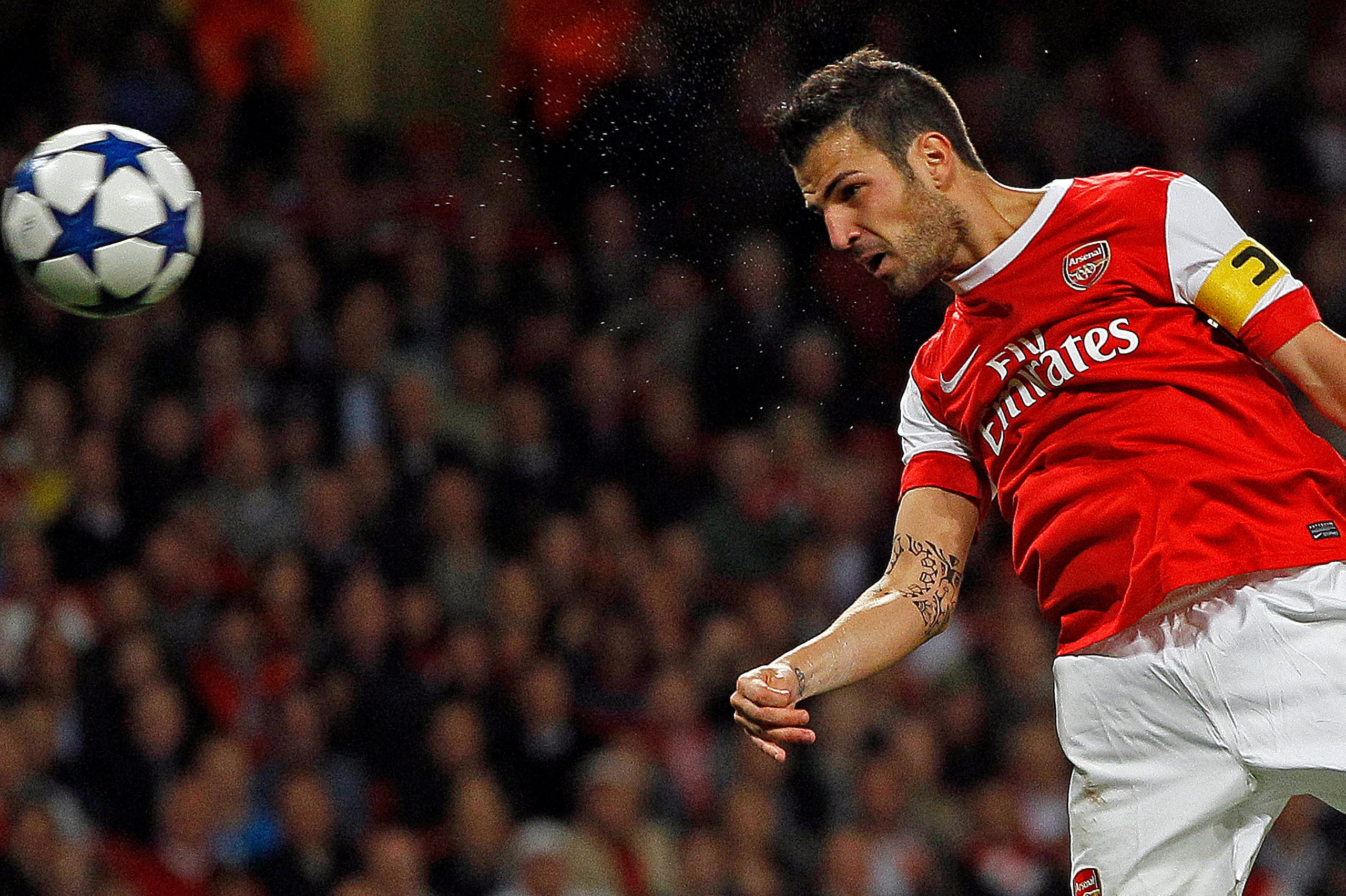
He might have been kept out of the 2000s team by the dynamic duo of Vieira and Gilberto, but Fabregas walks into the 2010s team.
The playmaker was a mainstay of the Arsenal team once Vieira departed in 2006, eventually becoming club captain.
Although his relationship with the Gunners supporters was soured by his move to Barcelona, few would be able to argue with his selection in this side.
CM: Aaron Ramsey
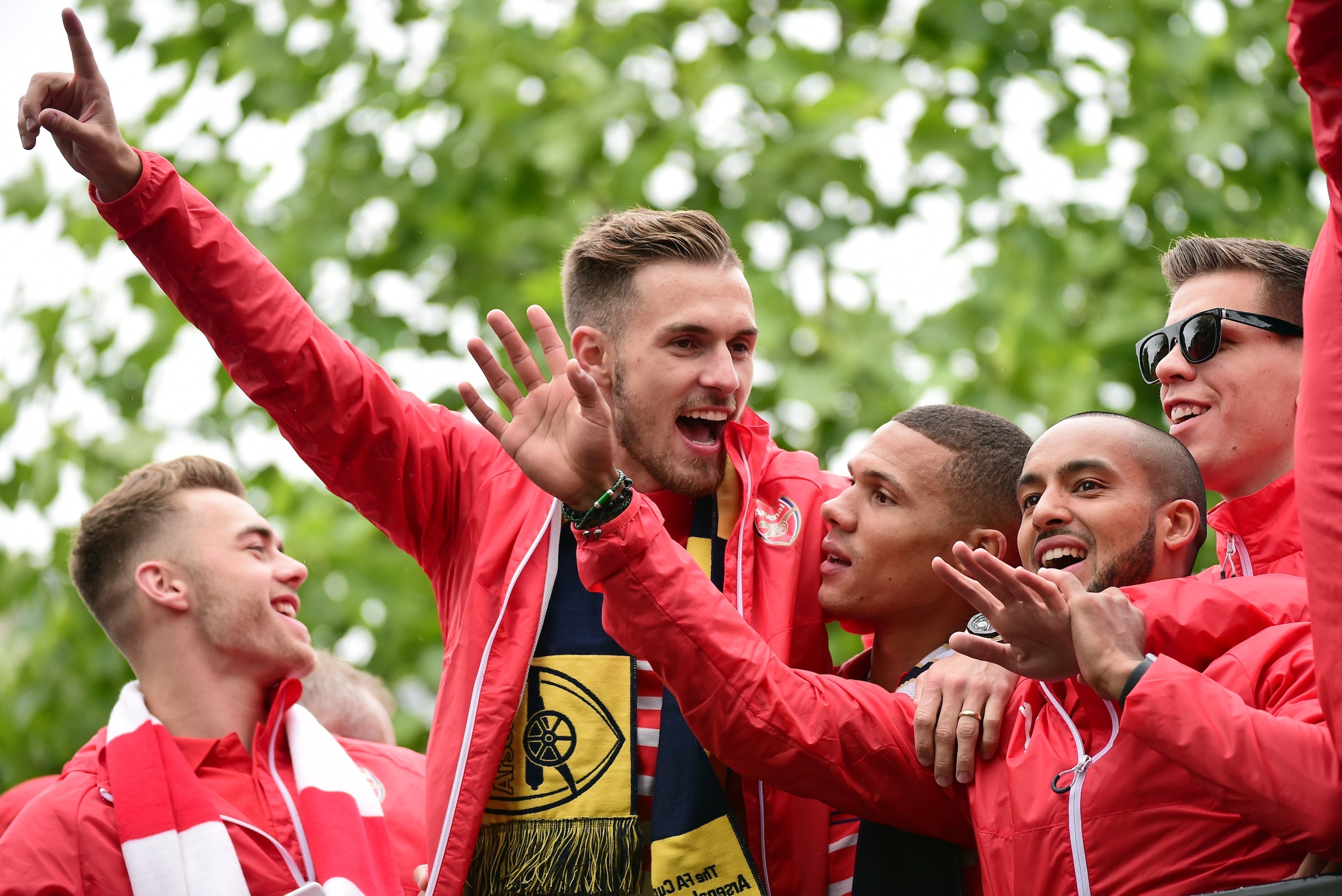
Ramsey is sometimes a divisive figure among Arsenal fans. He can be a frustrating player to watch—his eagerness to accelerate play and make things happen sometimes leads to unnecessary concession of possession.
However, this is nonetheless a man who has scored Arsenal's winning goal in two FA Cup finals. He has fought his way back from a broken leg to become a mainstay of the side and is now emerging as one of the squad's on-pitch leaders.
With Cazorla and Fabregas creating chances behind him, Ramsey's forward breaks from midfield would be a great asset to this team.
AM: Mesut Ozil
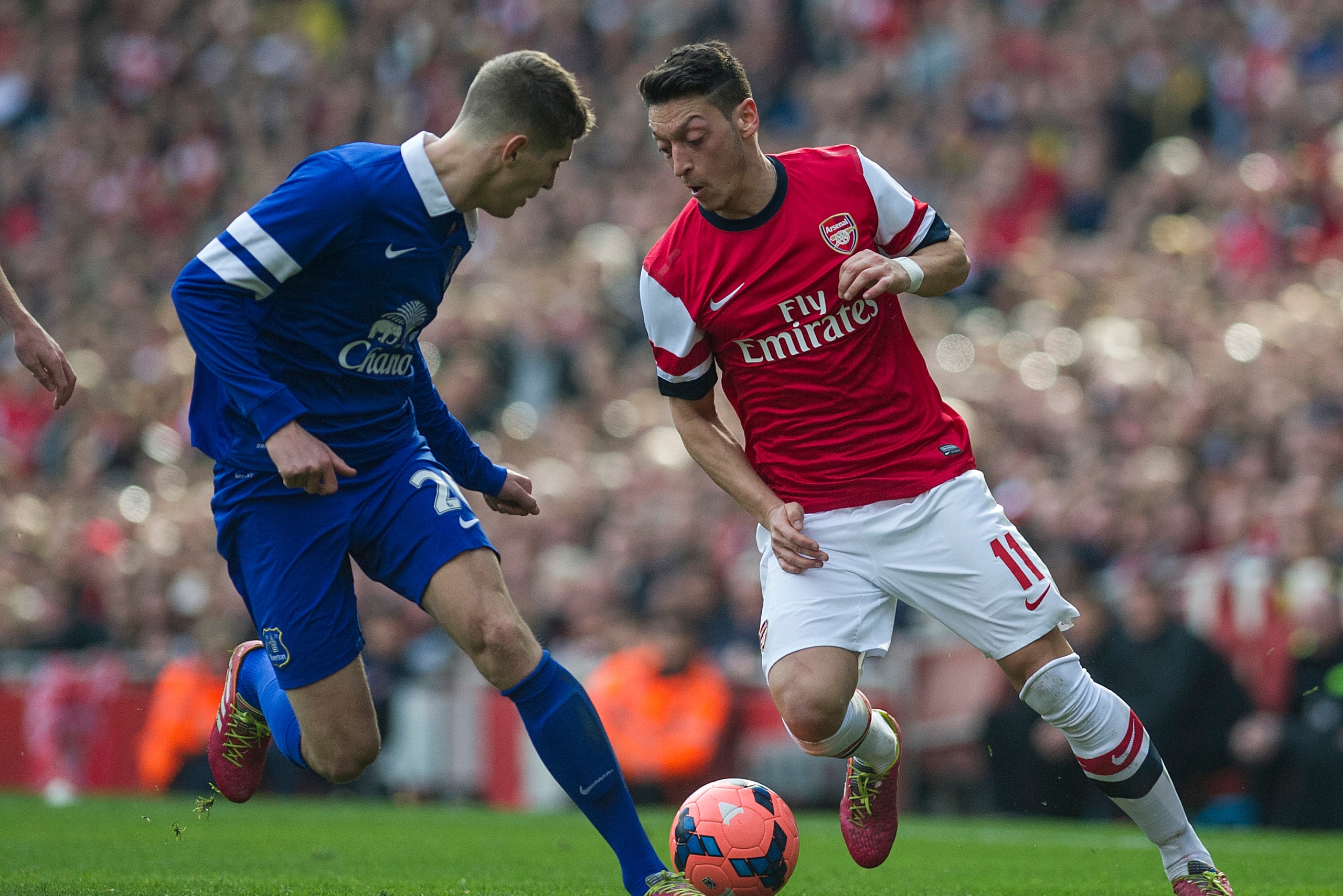
When Ozil became Arsenal’s record signing in 2013, it sent shock waves through football. After years of parsimony, the deal re-established the Emirates Stadium as a plausible destination for top-class talent.
It's arguable Ozil has not lived up to his starry billing. However, his arrival prompted the end of Arsenal's nine-year wait for silverware, and he has helped the club to three FA Cups in just four years.
Arsenal have not had two many genuine world-class stars in the 2010s, but Ozil is certainly one.
AM: Alexis Sanchez
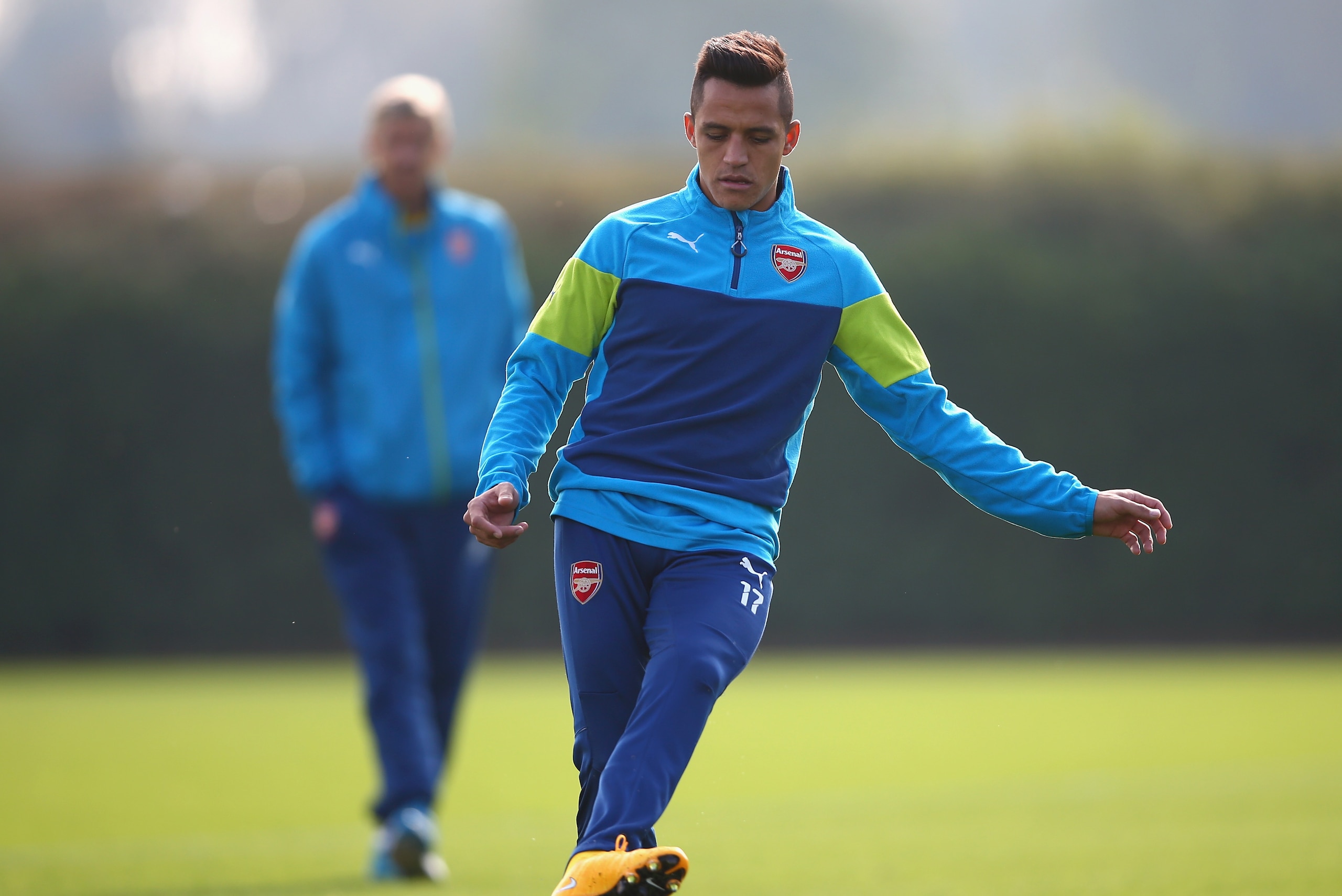
Alexis might just be Arsenal's best player of the 2010s. He hit the ground running after being signed from Barcelona in 2014 and has barely let up since.
He's an unusual combination of outrageously talented and incredibly hardworking. Alexis is as likely to get the crowd off their feet with a sprint to retrieve the ball as with a step-over.
He also seems to have a good on-field relationship with Ozil, so it makes to sense to have that pair pulling the strings behind the striker.
FW: Robin van Persie
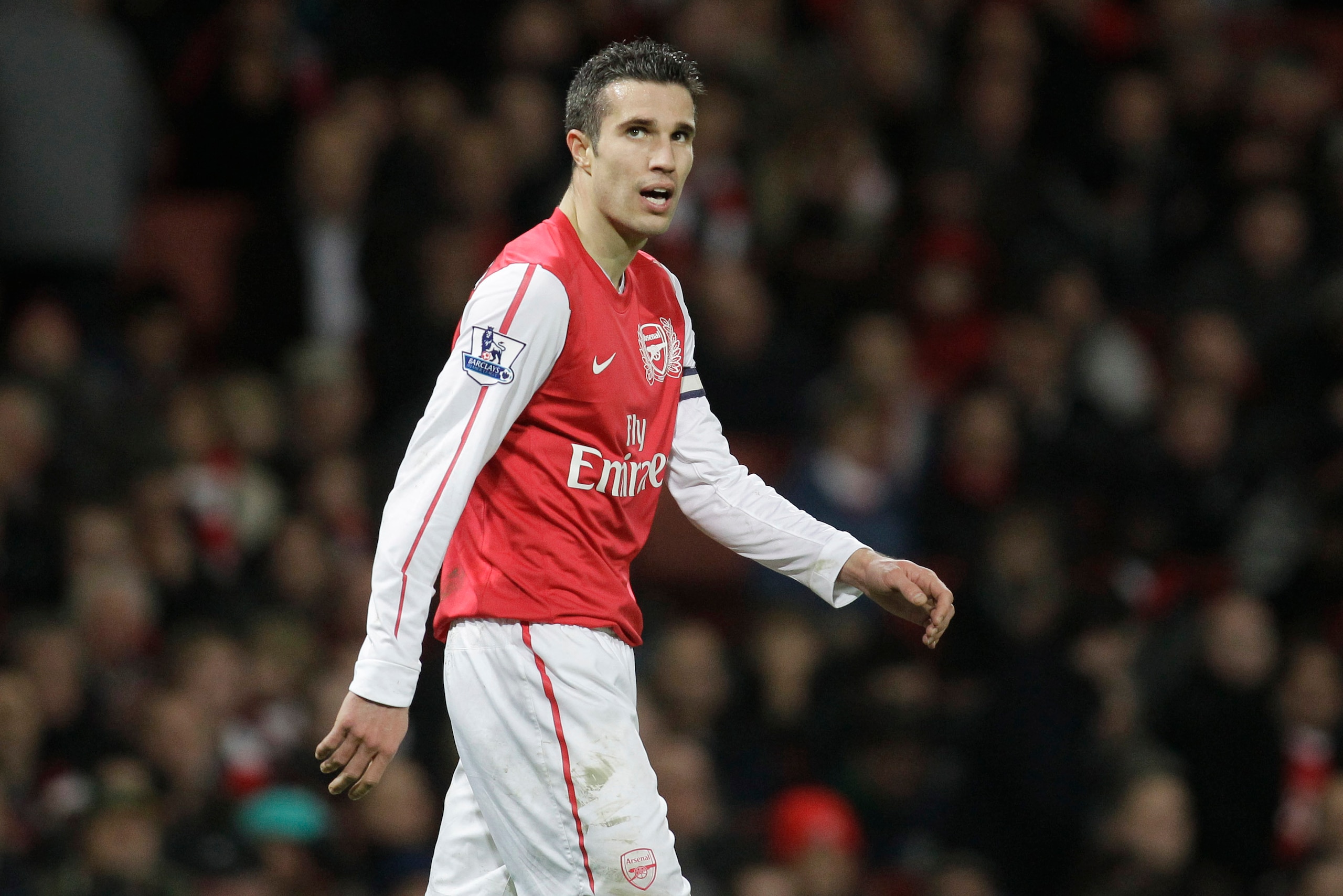
With over 100 goals for Arsenal in his time with the club, Olivier Giroud might feel he deserves a place in this team. However, when it comes to pure talent, he can't match Robin van Persie.
The Dutchman is a pariah at Arsenal these days, having defected to Manchester United in 2012. However, at one time he was idolised for his goalscoring ability.
It's sometimes said that top strikers fall into two categories: scorers of great goals and great goalscorers. At his best, Van Persie was both.
There you have our two Arsenal XIs, but which would emerge triumphant in a head-to-head game at the Emirates? Join the debate on B/R Football's social media accounts.
.jpg?w=2560 "Falcons Saints Football")
.jpg?w=2560 "Rams Eagles Football")
.jpg?w=2560 "Injury-stricken Seahawks signing veteran RB")


.jpg?w=2560 "2 NFL Officials Suspended")
