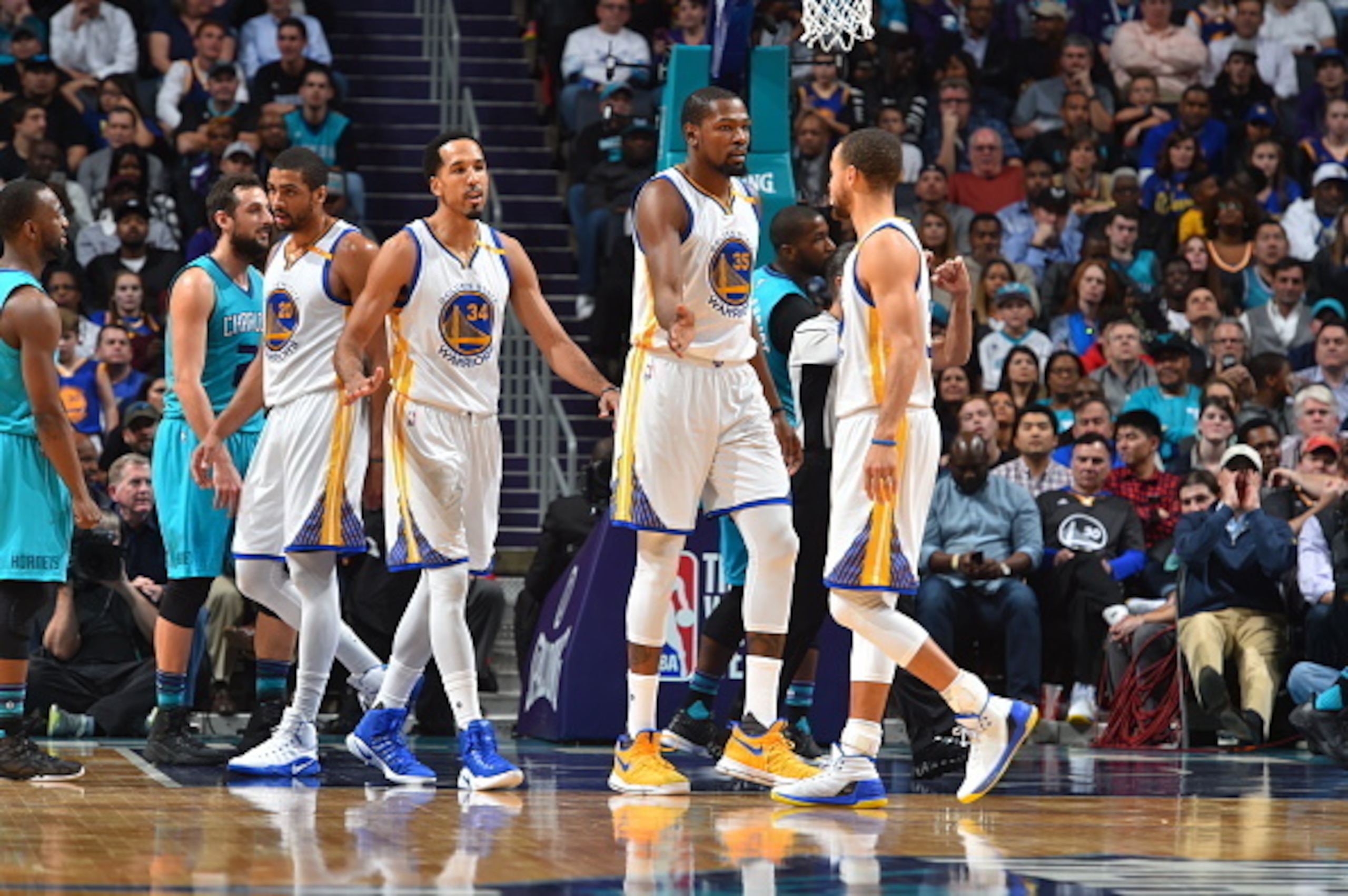

Golden State Warriors' Biggest Needs Heading into 2016-17 NBA Trade Deadline
Perched atop the NBA standings, the Golden State Warriors seem positioned to sit out the Feb. 23 trade deadline.
But this organization isn't one to rest on its laurels.
Remember that the Dubs reeled off 140 wins over the past two seasons, finished each one in the NBA Finals and ended a 40-year championship drought. They followed that up by shedding two starters and reforming their reserve unit.
Granted, those moves were made to bring former MVP Kevin Durant to the mix. Still, the Warriors have displayed the recognition that their world-beating roster always has room for improvement. Hence, the waiving of popular locker room presence Anderson Varejao to add defense-first point guard Briante Weber.
While that transaction could stand as their lone swap, the Warriors do have five areas that may receive attention before the deadline passes.
Swiss Army Stopper
1 of 5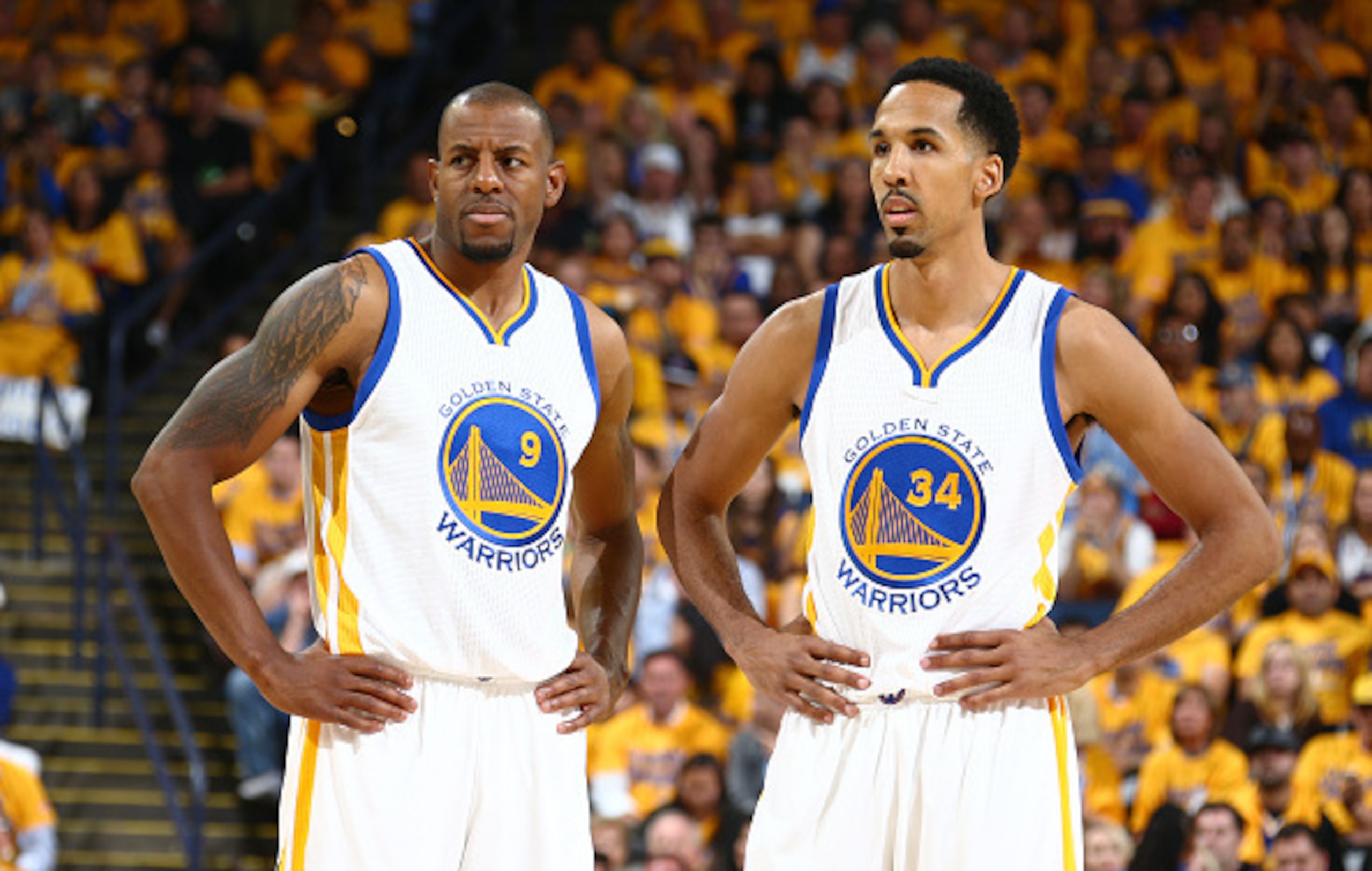
When the Dubs are at their defensive best, they field a swarm of malleable stoppers who are comfortable handling assignments from the paint to the perimeter.
Their famed "Death Lineup" uses this versatility to ignite game-breaking runs. But they can squeeze more mileage out of the setup when they have additional pliable parts. Outside of 6'7" point guard Shaun Livingston, this roster runs light on non-Death Lineup switchers.
Rookie Patrick McCaw should fit the mold one day, but for now, his rail-thin, 185-pound frame is easily pushed around by stronger wings. Ian Clark's lack of size—he's a 6'3" shooting guard—makes him a mismatch target for taller guards and forwards. The Warriors don't have many fleet-footed bigs who can comfortably defend away from the basket.
Even though the league perhaps values this player type now more than ever, Golden State has made a habit of finding off-the-radar versatile defenders. From Kent Bazemore to Justin Holiday to Brandon Rush, the Warriors have filled this void without breaking the bank before.
Playmaking Protection
2 of 5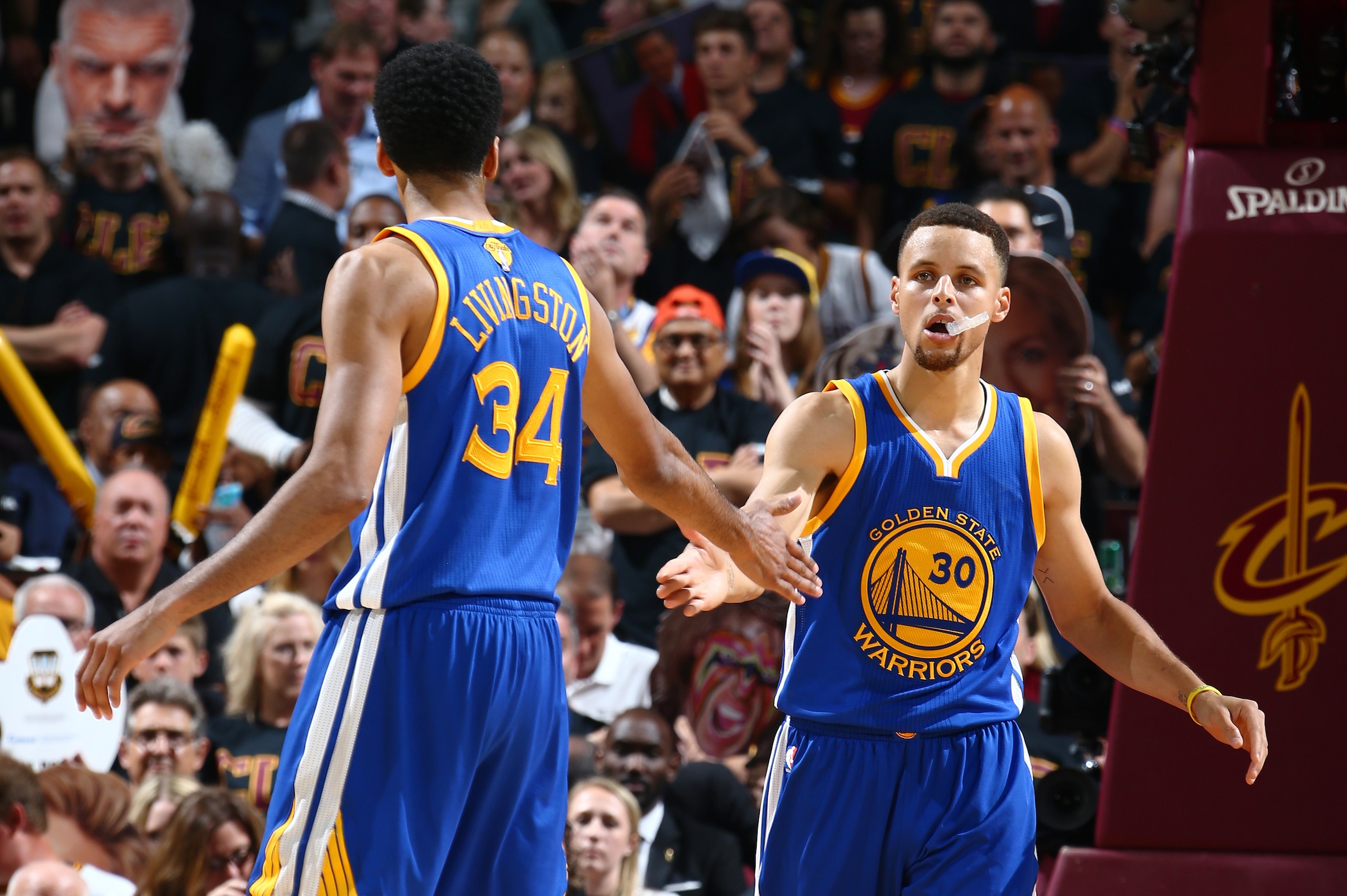
The Warriors broke camp with an unbalanced roster, and the scales still tip toward the frontcourt after dumping Varejao and adding Weber. They have seven different players who can suit up at center and eight who naturally reside on the perimeter.
And that's assuming Weber—who failed to latch on with either the Miami Heat or Memphis Grizzlies—can hold his own in an NBA backcourt. He shot just 35.9 percent from the field and averaged only 4.5 assists per 36 minutes over seven games with the Heat and Grizzlies last season. Offense is not what led him to Golden State.
"He's a dynamic defensive player," Warriors head coach Steve Kerr said on KNBR 680 (via CSN Bay Area). "He's quick and active. Kind of a pest. I've had a couple of scouts compare him to Patrick Beverley with Houston."
Beverley, though, is a career 37.4 percent three-point shooter. Weber shot a dismal 27.4 percent from outside over four years at VCU. He could shrink the offensive end as a non-shooter, and he lacks the creativity to work around his shooting limitations the way Livingston does.
Maybe Weber's defensive tenacity is enough to garner a roster spot anyway. But if it's not, the Warriors need playmaking insurance behind Stephen Curry and the aging duo of Livingston and Andre Iguodala.
Spark Plug
3 of 5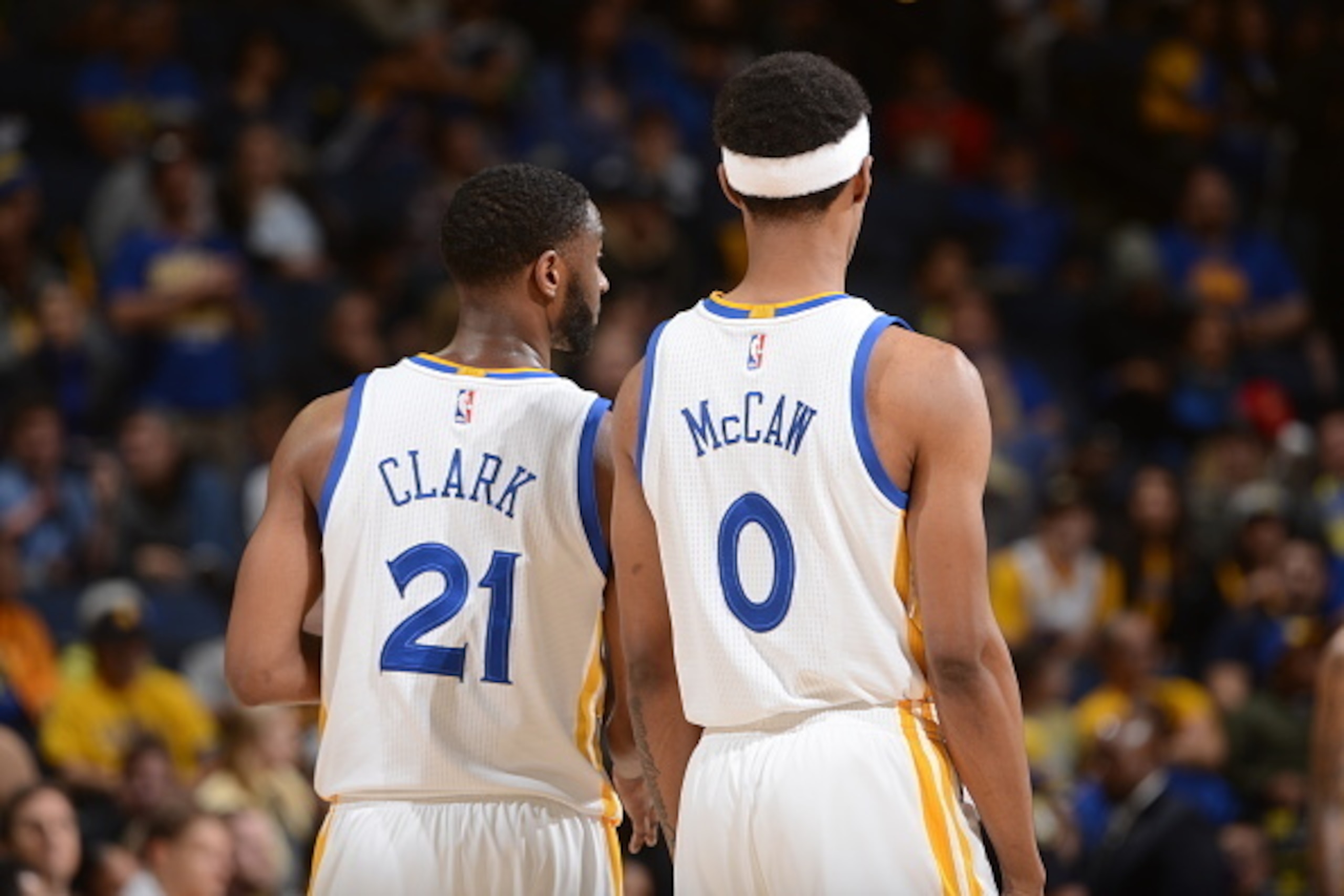
Put four All-Stars on the same roster, and there are only so many scoring chances to go around for the supporting cast. But if the Dubs needed an instant-offense reserve to break open a game—a "Mo Buckets" special, if you will—which player can fill that role?
Clark seemed like the obvious choice for a while, but his shot went haywire after the calendar change, and his rotation spot has wavered because of it. McCaw is just a 40.2 percent shooter for the season. Iguodala, Livingston and David West shine brightest as distributors. There isn't a scoring specialist among the many backup bigs.
Clark leads Golden State's second-teamers with 6.5 points per game. Last season, that average would have ranked fourth on the bench. Leaguewide, Clark ranks 87th among regular subs. Golden State's bench collectively sits 27th at 29.8 points per game, per HoopsStats.com.
To be clear, this is more of a nitpick than a significant issue. The reserves are shooting an incredible 52.8 percent together, meaning this is largely a reflection of opportunity—or lack thereof. But if this becomes a need at any point, it's unclear how the Warriors would address it with their current roster.



Interior Defender
4 of 5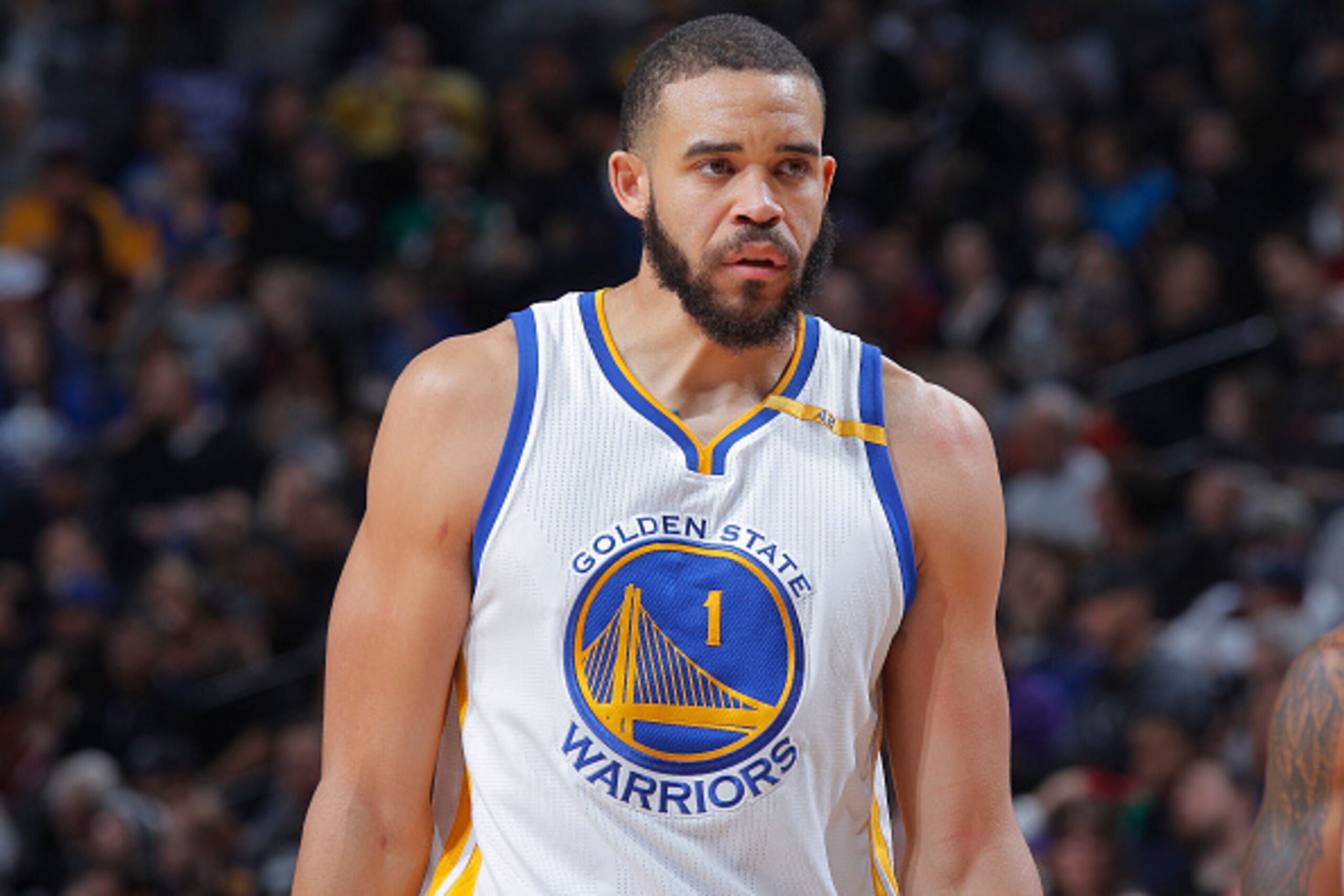
The offseason departures of Andrew Bogut and Festus Ezeli were supposed to bring about a host of defensive challenges on the interior. Well, more than halfway through the campaign, the Warriors lead the league in blocks (6.5 per game) and rank fourth in field-goal percentage allowed at the rim (50.7).
That's largely a testament to Kevin Durant's continued growth and Draymond Green's defensive superpowers. It's not, however, a sign that the interior defense is perfect. The Warriors have been a middle-of-the-pack team against restricted-area shots (60.1 percent, 13th) and are in the bottom half on the defensive glass (76.3 defensive rebounding percentage, 17th).
"The rim protection and rebounding are two areas where Bogut is clearly missed," NBA.com's John Schuhmann wrote. "With Bogut on the floor last season, opponents shot just 55.4 percent in the restricted area and the Warriors grabbed 77.7 percent of available defensive rebounds."
Golden State has struggled to find the right combination of size, strength, explosiveness and savvy up front. That's why starting center Zaza Pachulia paces the traditional bigs at only 18.8 minutes per game. But as long as the Warriors play small ball, opponents will try to exploit them underneath, especially over the course of a playoff series.
The Oklahoma City Thunder, Houston Rockets and Memphis Grizzlies are all top-10 teams on the offensive glass. And if there's an NBA Finals rematch with the Cleveland Cavaliers looming, the Dubs will have to corral glass-cleaner extraordinaire Tristan Thompson. The 6'9" center ranks fifth in offensive rebounds (3.6 per game) and averaged 3.9 in last year's championship round.
Draft Debits
5 of 5
Finding the Warriors' needs is like gift-shopping for the friend who has everything. What more could they possibly want?
Their current asset list features two in-prime former MVPs, a pair of All-Stars around them, a former Finals MVP off the bench and the league's most efficient second unit. They have the NBA's best winning percentage, net efficiency rating and point differential, which stands at an all-time rate of plus-12.8 points per game.
It isn't a stretch to assume that, if general manager Bob Myers covets anything, it would be future assets. If there's a chance to flip a seldom-used player for a draft pick—and, more importantly, the cheap rookie contract attached to it—Golden State must explore that option. With Durant and Curry both likely hitting free agency this summer, inexpensive labor becomes a necessity.
"Because of future cap restrictions Golden State will need to put a heavy emphasis on player development with their current and future first-round picks, and continue to find under-the-radar talent such as McCaw, a second-round pick," The Vertical's Bobby Marks wrote.
With Pachulia, Iguodala and Livingston all on the wrong side of 30, this roster is itching for an injection of youth. As an added bonus, swapping someone for a pick would open a roster spot and potentially make the Warriors players in the buyout market.
Unless otherwise noted, statistics accurate through Feb. 5 and courtesy of NBA.com and Basketball-Reference.com.
Zach Buckley covers the NBA for Bleacher Report. Follow him on Twitter @ZachBuckleyNBA.
.jpg?w=2560 "NFL investigating 2 referees for separate viral exchanges")
.jpg?w=2560 "OBJ Calls Out Giants After Release")
.jpg?w=2560 "Tyreek makes another cryptic post amid Chiefs rumors")
.jpg?w=2560 "Report: Chiefs Contact Hill's Agent")