

The Future of the NBA's Small Forward Position Is in Very Good Hands
If there's a position that has rivaled the importance and volume of the point guard pool in recent years, it's the NBA's small forward platoon.
Five of the last seven MVP awards have been handed to those who predominantly play the 3. Three of the last four NBA Finals MVPs have gone to small forwards. The one that didn't went to Andre Iguodala at the end of the Golden State Warriors' championship run last season, and he still split his time between the 2 and 3 slots.
The best player in the world, LeBron James, is counted as a small forward. He has paved the way for many more star 3s who, like him, serve as the focal point of an offense. And it's small forwards who are most commonly tasked with defending the opposition's toughest scorer.
TOP NEWS

LeBron's Special Helicopter Deal

MJ Makes Record-Setting Donation 🙌
Collins on Brooks Scuffle 👀
Will this obvious importance hold true in the years to come, as the game continues to evolve and the Association welcomes in a new batch of talent? Or are the NBA's small forward ranks, much like its shooting guard caste, at risk of entering a decline?
Bleacher Report's Jonathan Wasserman and yours truly are back on the case, pulling back the curtains on the future of the small forward position.
Current Crop
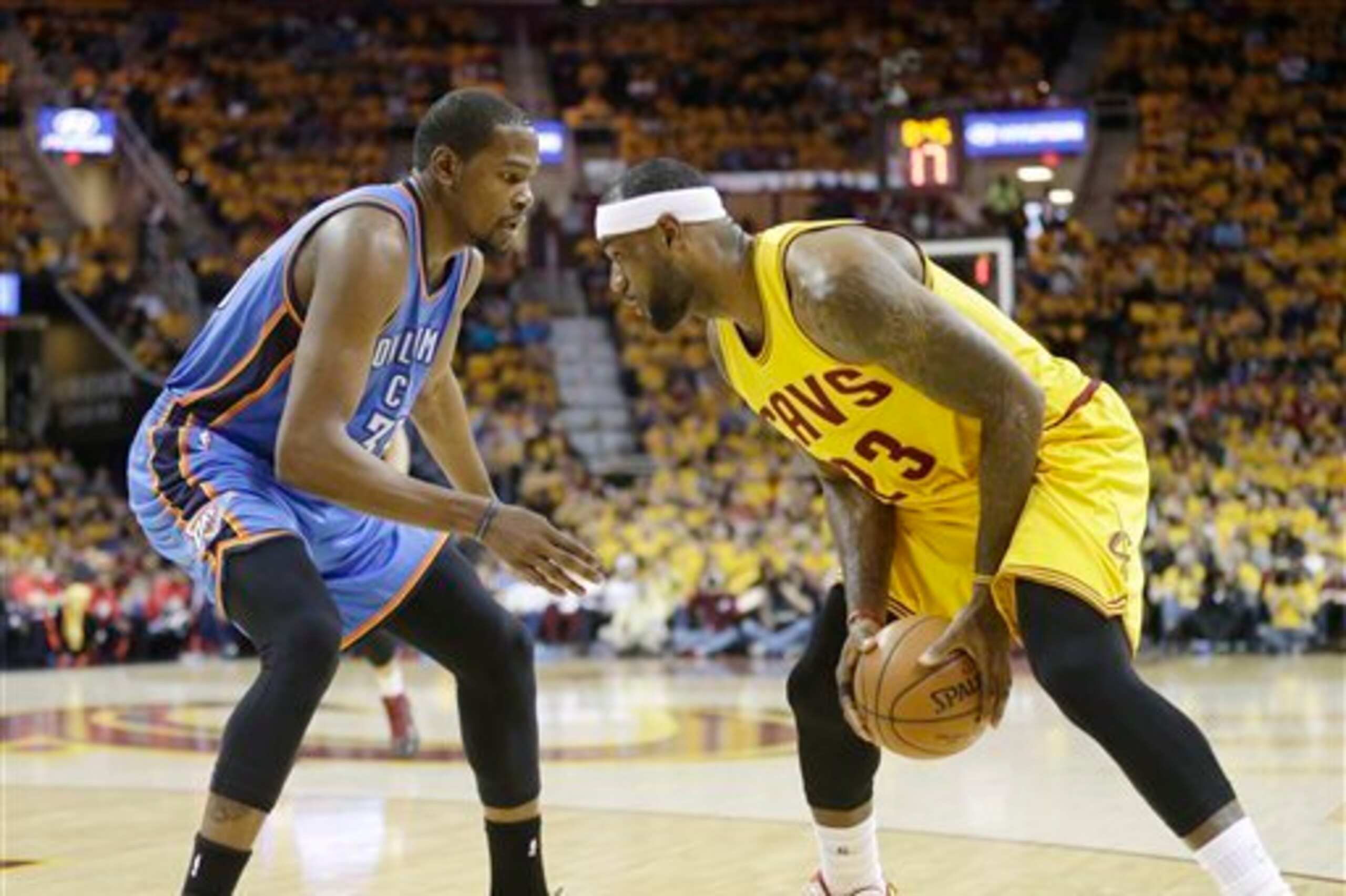
DF: We needn't fret over the NBA's current small forward climate—like, at all.
James, the face of his position for more than a decade, is on the wrong side of 30, entering the back end of his career, during which he'll appear almost human on some nights. But he still ranks in the top six of win shares and player efficiency rating.
Kevin Durant, still only 27 years old, hasn't let his recent struggle with injuries, namely hamstring and foot issues, slow him down. He remains an all-galaxy superstar and is presently posting the highest PER of his career.
Carmelo Anthony, now 31, continues to be one of the Association's premier offensive superpowers. His shooting percentages are a roller coaster, but he's a stat-stuffer with a PER north of 20.
Better still, and similar to the point guard post, the small forward hierarchy is brimming with established stars who remain young enough to fall under the up-and-coming blanket.
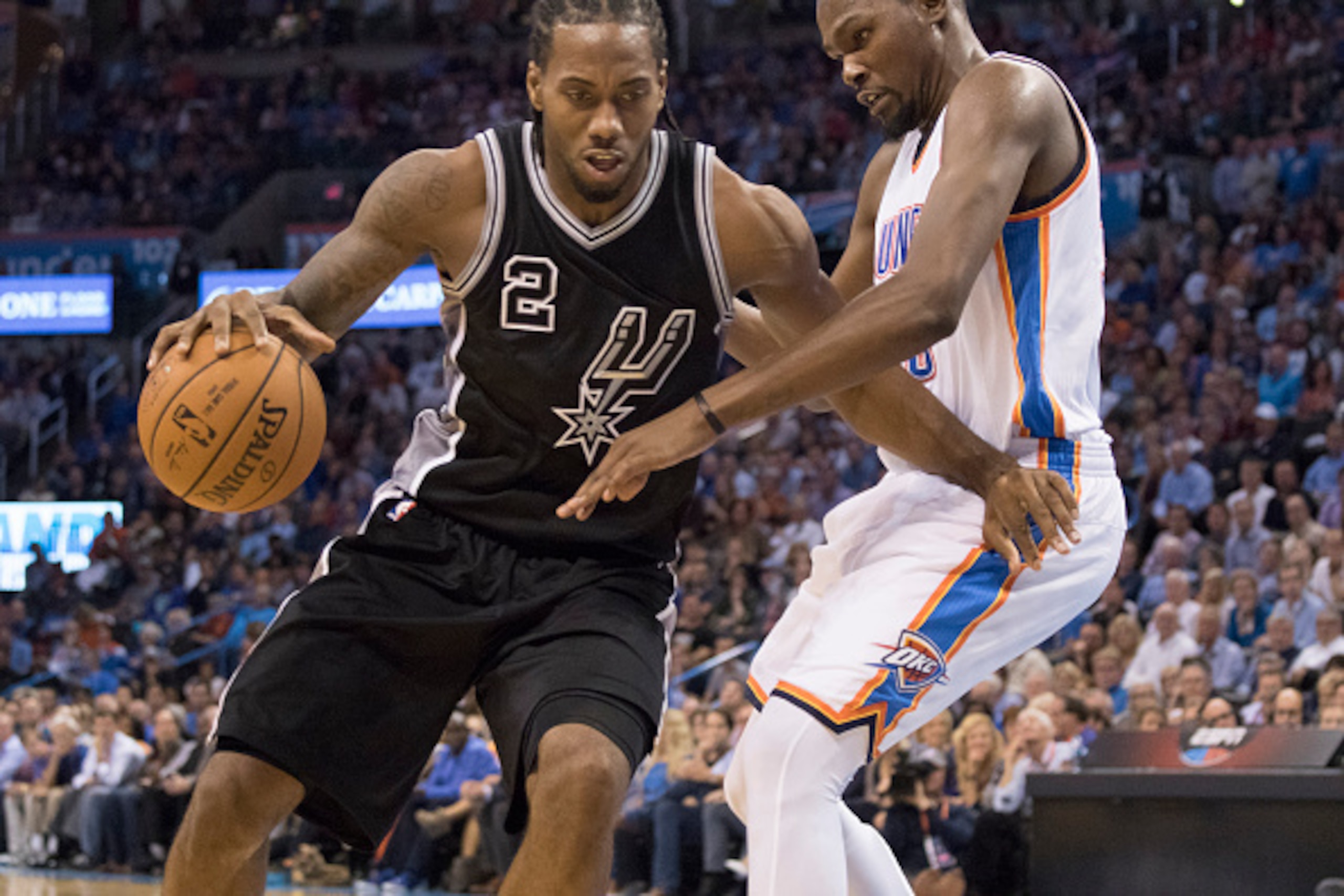
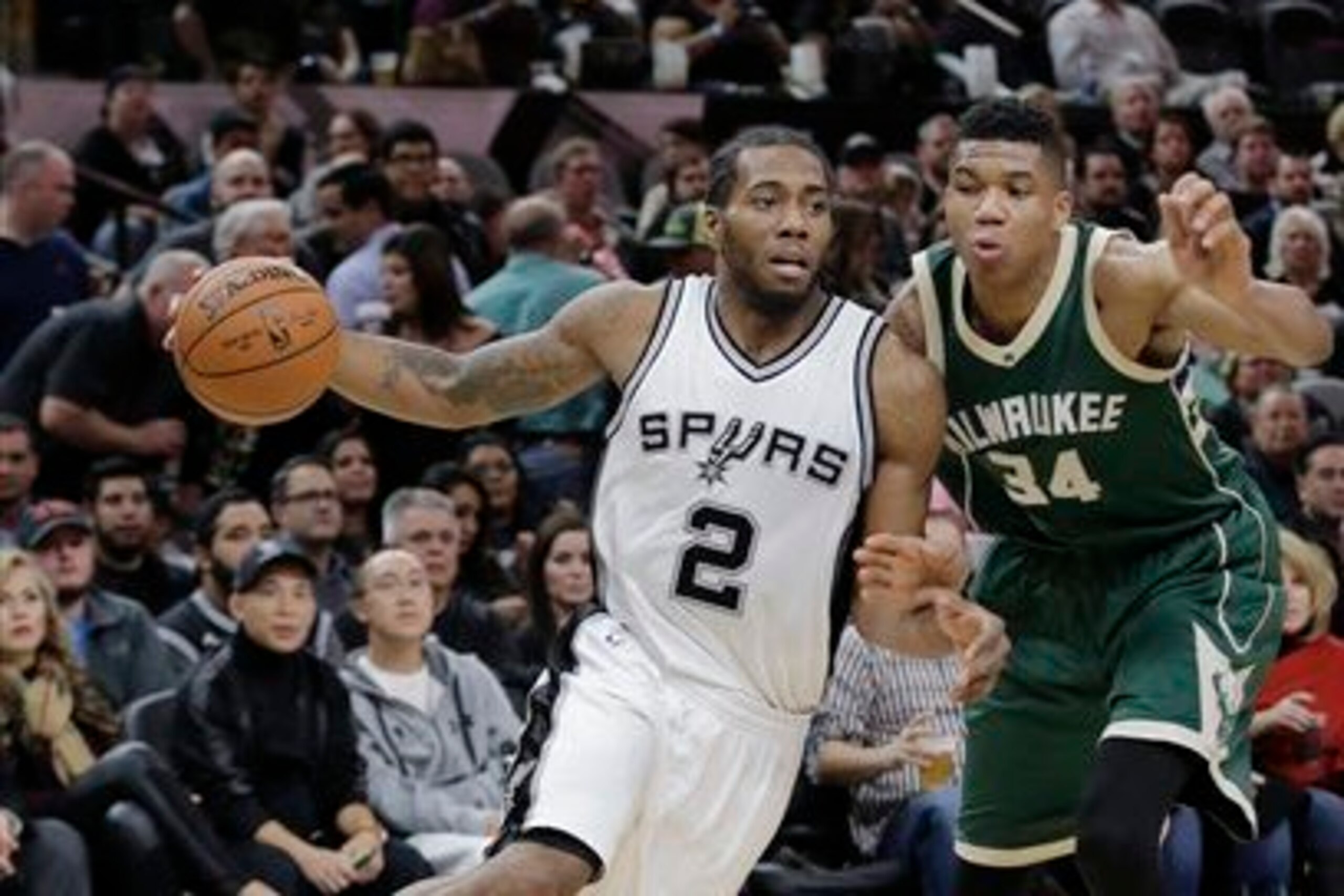
Kawhi Leonard isn't yet 25 and has already earned Defensive Player of the Year honors, won NBA Finals MVP and turned himself into the San Antonio Spurs' most indispensable player.
Paul George, 25, is having a career year after missing most of 2014-15 with a broken leg. He ranks inside the top 11 of both win shares and PER, and it's largely because of him that the rebuilding-yet-competing Indiana Pacers are contending for a top-three Eastern Conference playoff seed.
Even the middle class of small forwards is alive and well.
Gordon Hayward, 25, is a borderline star. Nicolas Batum, 26, is gradually working his way back into that same fringe-star conversation.
Iguodala, 31, has played mostly small forward this season. Trevor Ariza (30), DeMarre Carroll (29), Jae Crowder (25), Luol Deng (30), Rudy Gay (29), Danilo Gallinari (27), C.J. Miles (28) and Chandler Parsons (27) all represent some of the soundest contributors at the 3 spot.
This bottomless well of talent doesn't want for actual up-and-comers, either.
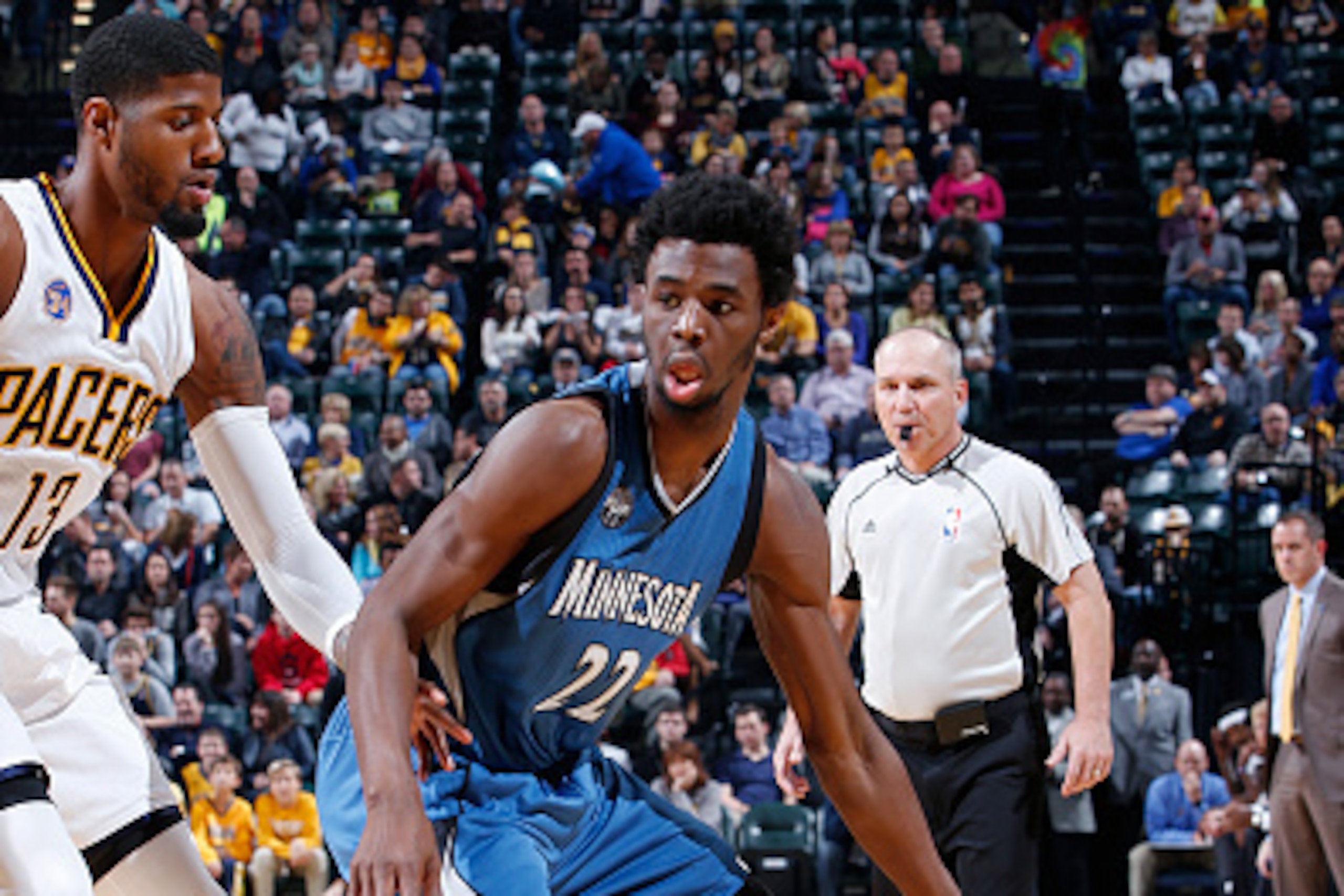
Andrew Wiggins, just 20 years old, is only the fifth player since 2000 to total 1,700 points, 200 assists, 75 steals and 50 blocks through his first 100 games. The other four: Durant, Blake Griffin, James and Dwyane Wade.
Harrison Barnes, 23, is good enough that he turned down a four-year, $64 million extension from the Warriors, according to Yahoo's Adrian Wojnarowski. Though a positional chameleon, Giannis Antetokounmpo, almost 21, is spending most of his time at the 3 these days.
Otto Porter, 22, is a reliable catch-and-shoot stroke away from entering Harrison Barnes territory. T.J. Warren is an outside jumper shy of being Jae Crowder 2.0. Rookies Stanley Johnson and Justise Winslow, both only 19, are Kawhi Leonard understudies. The 20-year-old Rondae Hollis-Jefferson, also a rookie, may already be the Brooklyn Nets' most valuable player.
The NBA's small forward depth is seemingly endless. The lone threat to its survival, as Jonathan Tjarks of RealGM hinted at while riffing on the 2015-16 Warriors, is the league's march toward a different, undefined brand of basketball:
"It’s almost as if they are a team from the future that’s traveled back in time to give us a preview of what the NBA is going to look like in 2020. The greatest teams in NBA history force other teams to adapt to them and they change the way the game is played in the process. The Warriors have a chance to be one of those teams. Either the league is going to figure out a counter to what they are doing or they are going to win a bunch of championships until everyone else can catch up.
"
Combo forwards such as Draymond Green and Khris Middleton are exceedingly prevalent. Even those most married to the small forward position—Durant, James, Leonard, etc.—find themselves shifting to power forward frequently. In George's case, while we recognize him as a 3, most of his playing time comes at the 4.
Malleable defensive schemes make it even more difficult to pinpoint a player's exact niche. Take George again. He's technically the Pacers' power forward, yet it's Miles who is often found guarding rival 4s.
But does this indefinable versatility actually pose a threat to the otherwise unflappable strength of the 3 spot? Could this popularized transition to formless basketball directly impact the kind of players who enter the league in years to come?
Or is the future of the small forward position, like it is now, in good-to-great hands?
The Skill Set Isn't Obsolete
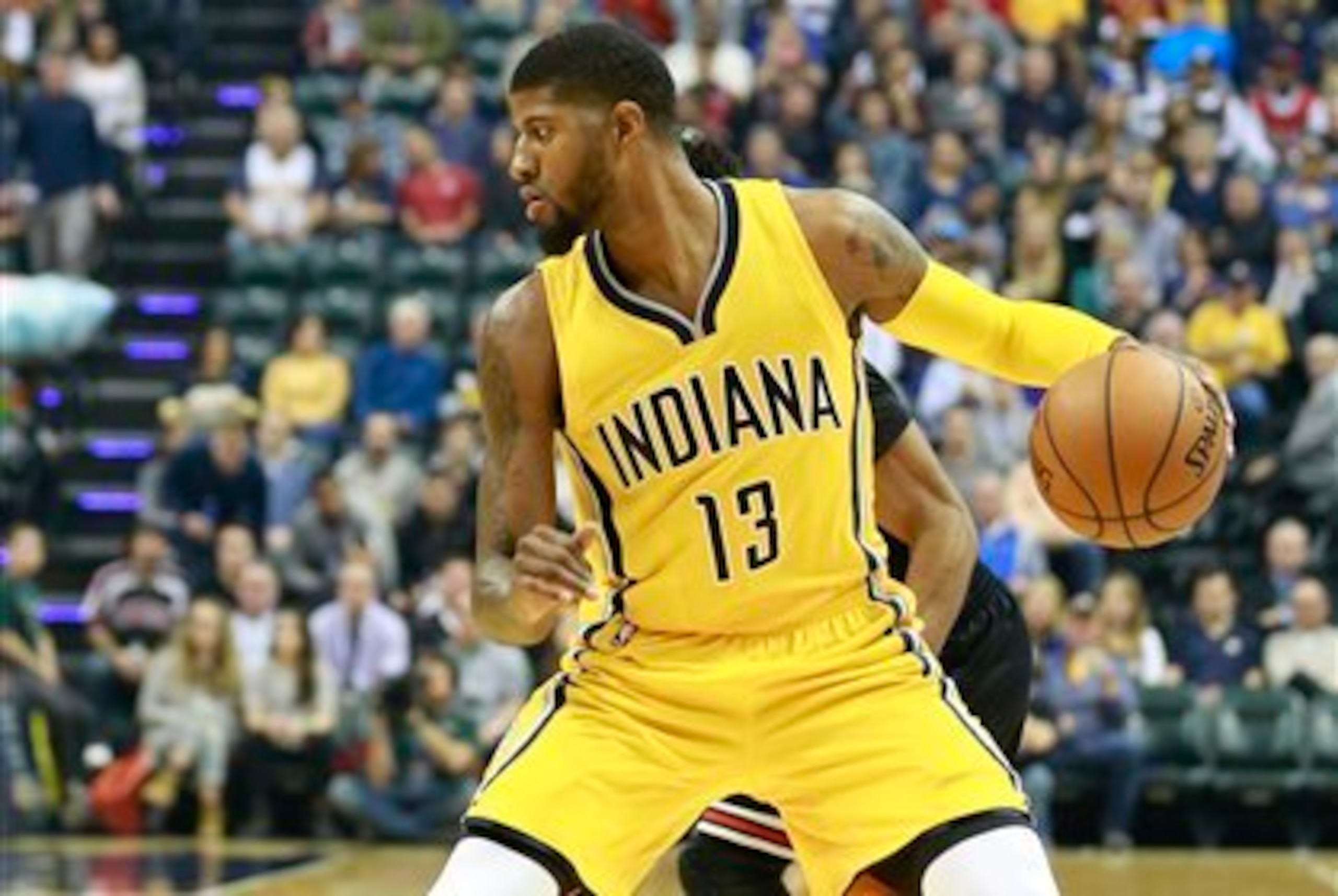
JW: I wouldn't consider positional versatility a threat to the small forward community. Just because guys such as James, George and Wiggins spend fewer minutes at the 3, their natural identities don't change. These are small forwards who just happen to be versatile enough to move around, create mismatches and ultimately provide lineup flexibility.
Nowadays, coaches have become more creative in an attempt to exploit the strengths typically tied to traditional wings.
Players who have enough strength to compete physically with power forwards—yet possess the quickness, burst, mobility and shooting range that normally separate natural 3s from 4s—can cause matchup problems against slow-footed frontcourts.
Incoming!
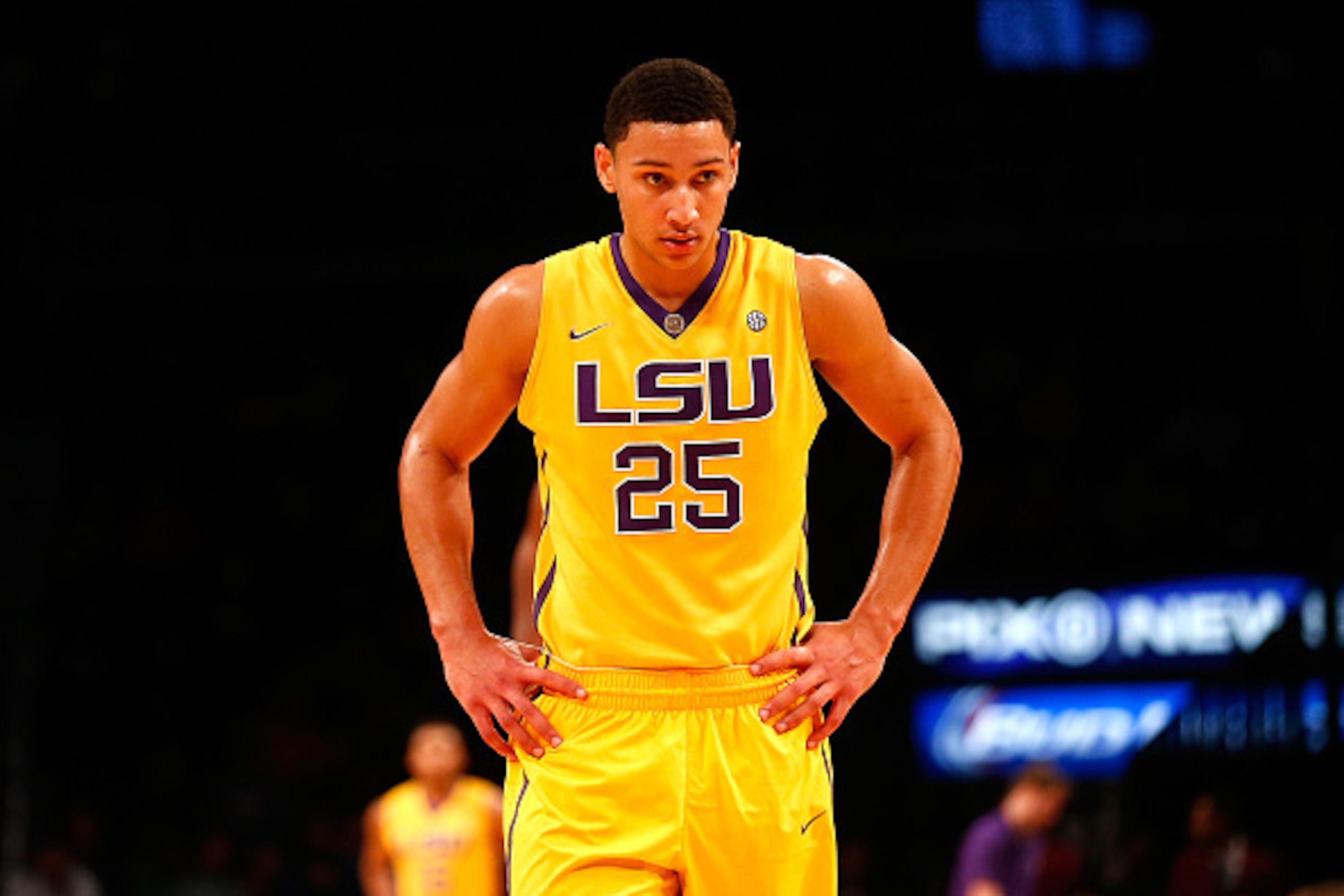
JW: In terms of incoming talent, we're all good at the small forward position. We're actually better than good—over the next two years, the NBA could be adding another few batches of exceptional wings.
LSU freshman Ben Simmons doesn't quite have a natural position, but he'll likely start his career at the 3, where his blend of 6'10" size, athleticism and strength poses the greatest mismatch.
An NBA coach will be able to the run his offense through him—the same way the Cleveland Cavaliers do with LeBron James.
Unparalleled versatility sets Simmons apart. He's a natural playmaker and facilitator with the ball-handling and passing skills of a guard and the body of a big man. He turns defensive rebounds into easy fast-break points and dedicates his focus in the half court to attacking and setting the table for teammates.
After dropping 43 points, 14 boards and seven assists on North Florida on Wednesday night, he's now averaging 19.9 points, 14.9 rebounds and six assists through seven games.
You just don't see these types of numbers. Even if he doesn't show off much of a jumper, which he hasn't had to really take yet, given how tough he is to stop from penetrating, there is a good chance Simmons still finishes the year atop draft boards.
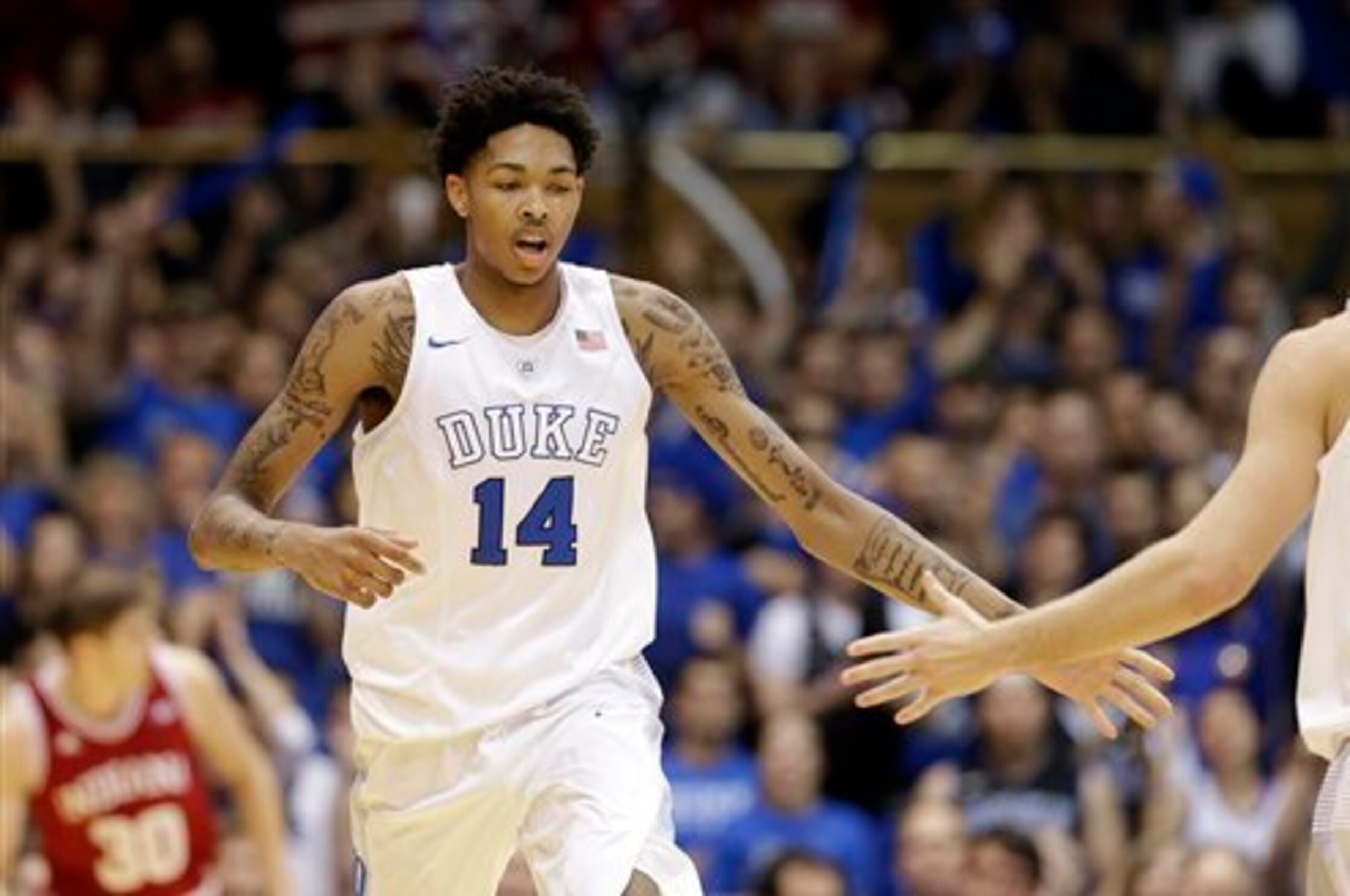
Meanwhile, we're just now starting to see what fueled all of the hype surrounding Duke's Brandon Ingram out of high school. He recently went for 24 points in a breakout performance against Indiana on Wednesday night.
Ingram ultimately has a style of play and measurements (6'9" size, 7'3" wingspan) that nearly mirror Kevin Durant's. Super skilled with pull-ups, step-backs, an attack game and three-ball in the arsenal, Ingram, who is just 18 years old, is seemingly oozing with long-term potential that could ultimately trigger a bite from a team with a top-three pick in June.
California's Jaylen Brown is another small forward prospect to watch in college. At 6'7", 225 pounds, he projects as a two-way wing who can guard multiple positions, explode above the rim and plow through contact on the way to it.
Developing a sounder perimeter game would ultimately take his offense to a whole new level, but he's shown promise there as well.
This year's high school senior class may be even more exciting to track. You could argue Chaminade College Prep's Jayson Tatum and Prolific Prep's Josh Jackson would be considered top-three options in 2016 if they were eligible.
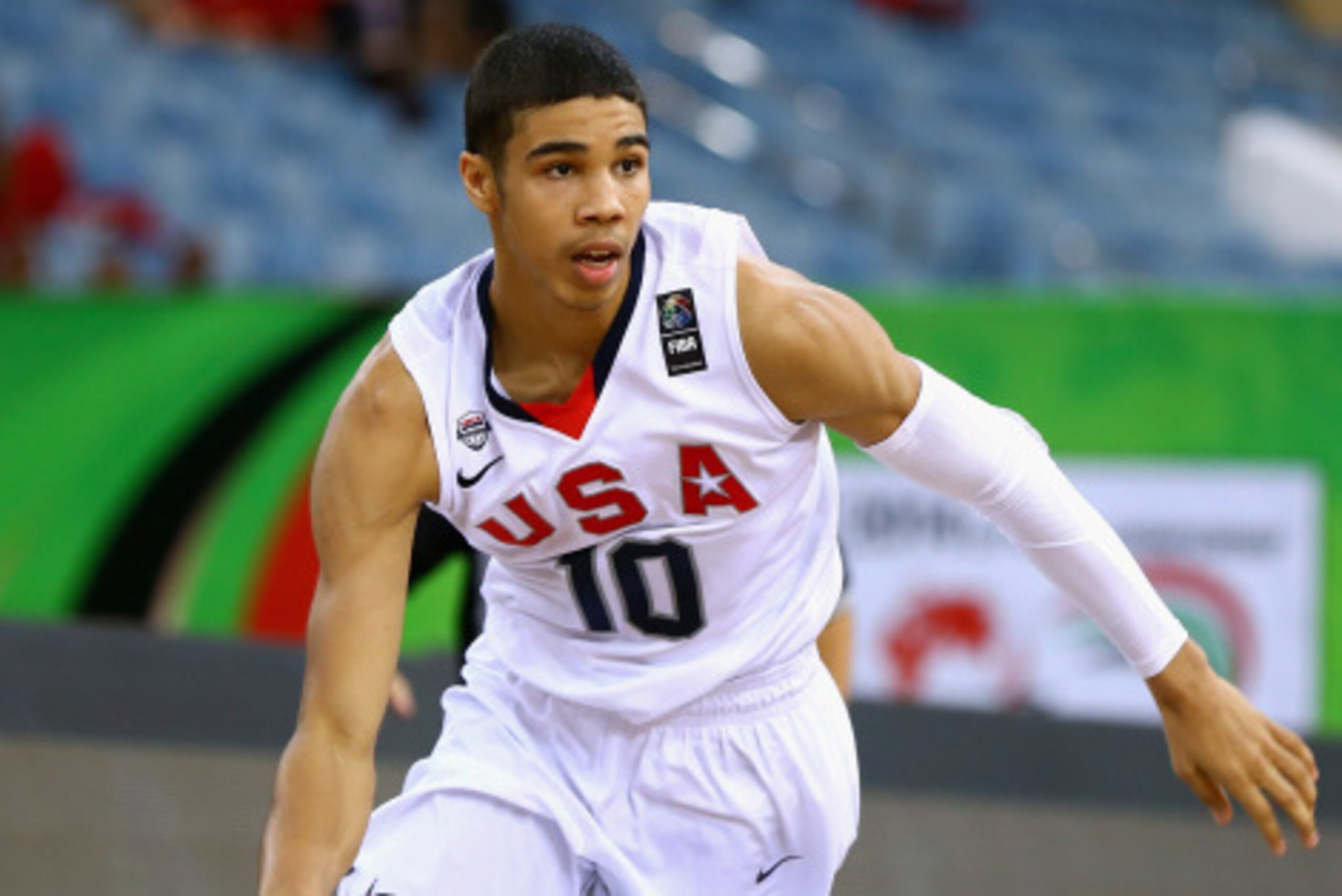
Both should ultimately be considered No. 1 overall candidates for 2017.
Tatum, who's heading to Duke, has made a name for himself in both the EYBL and FIBA tournaments for the USA. He has strong 6'8" size and athleticism to match an advanced mid-range scoring repertoire consisting of step-backs, pull-ups and floaters. He's a rare natural scorer in the half court.
Jackson, who's suited up alongside Tatum for the USA over the summers, plays with tremendous bounce and energy, which translates to highlights above the rim and easy scoring opportunities. He also projects as a major defensive weapon capable of guarding 2s, 3s and 4s. Jackson will get listed as a small forward, but chances are, he ends up logging minutes from different spots all over the floor.
With Harry Giles, ESPN's No.1 high school player, having recently torn his right ACL (he tore his left one in 2013), I wouldn't be shocked to see Tatum and Jackson go top two in 2017.
Crystal Basketball
DF: Like Wasserman noted, it's not that the NBA is ditching positions.
Emphasis is instead being placed on "creating mismatches." And the college ranks are following suit. As Kentucky coach John Calipari said, per the Courier-Journal's Kyle Tucker:
"Have you watched the small-ball stuff, the phenomenon? Like, you had (NBA champion) Golden State play with a 6-7 center. Harrison Barnes played fine for himself. I want to play small ball – with 6-10 guys. I want to be able to do the same thing they’re doing with that 6-3, 6-4 guy, but do it with 6-10. Like Anthony Davis. They’re long. They’re skilled basketball players. They just happen to grow more than they thought they’d grow.
"
At this point, we're not solely dealing with the rookie classes of 2016, 2017 or even 2018.
If the way the game is being coached and taught evolves for college players, it's going to evolve for high school players. And these transformations at the more fundamental levels will have a lasting effect on the type of talent being churned out not just for the next three years, but the next five to 10, maybe more.
Where other positions might be adversely affected by this stark shift, small forwards stand to reap the benefits. They are the game's natural tweeners, with the speed and explosion to keep pace with wings and the size and length to hold their own against today's frontcourts.
So no, the future of the NBA's small forward position isn't in any immediate danger. There's nothing to see here—not when the Kawhi Leonards and Paul Georges of the game are the new standard for small forwards, both present and incoming.

Actually, on second thought, there's everything to see here.
There's just nothing to worry about.
Stats courtesy of Basketball-Reference.com unless otherwise cited and are accurate leading into games on Dec. 4.

.jpg?w=2560 "Grading WWE Raw 🔠")


.jpg?w=2560 "2 NFL Officials Suspended")
.jpg?w=2560 "Viral Rams Coach Vid 🖕")