

Evaluating the Tenure of New York Giants General Manager Jerry Reese
If the New York Giants don’t make the playoffs this year, one of the blazing topics that is sure to consume conversation among the Giants faithful is what changes ownership might make moving forward.
When it comes to debates, the biggest one seems to be about general manager Jerry Reese and his role in the team’s struggles since 2012.
While many people are convinced Reese has done a poor enough job to warrant the team going in a new direction regarding their general manager, a closer look at Reese’s track record might suggest that’s not as much of a slam dunk as some would like it to be.
TOP NEWS
Contenders starting to separate themselves after Week 7

Geno Explains Wilson Exchange
.jpg?w=2560 "Rams Raiders Football")
Raiders Could Start Mendoza
In reviewing Reese’s performance, I’m going to look at the last six seasons because, according to the NFLPA, the average length of a NFL player’s career is six years (h/t Statista).
That means that most of the players on the current roster who are approaching or at their prime should have entered the league starting in 2010.
This article breaks down Reese's performance in three areas: the draft, trades/free agency and salary-cap management and comes to a conclusion as to whether he truly needs to go if the Giants miss the playoffs or if he should get another opportunity.
The Draft
When evaluating a general manager’s tenure, the first thing you have to look at is his draft history because the draft is the team's foundation. Simply put, the more picks that are squandered, the worse things look for the general manager and the team.
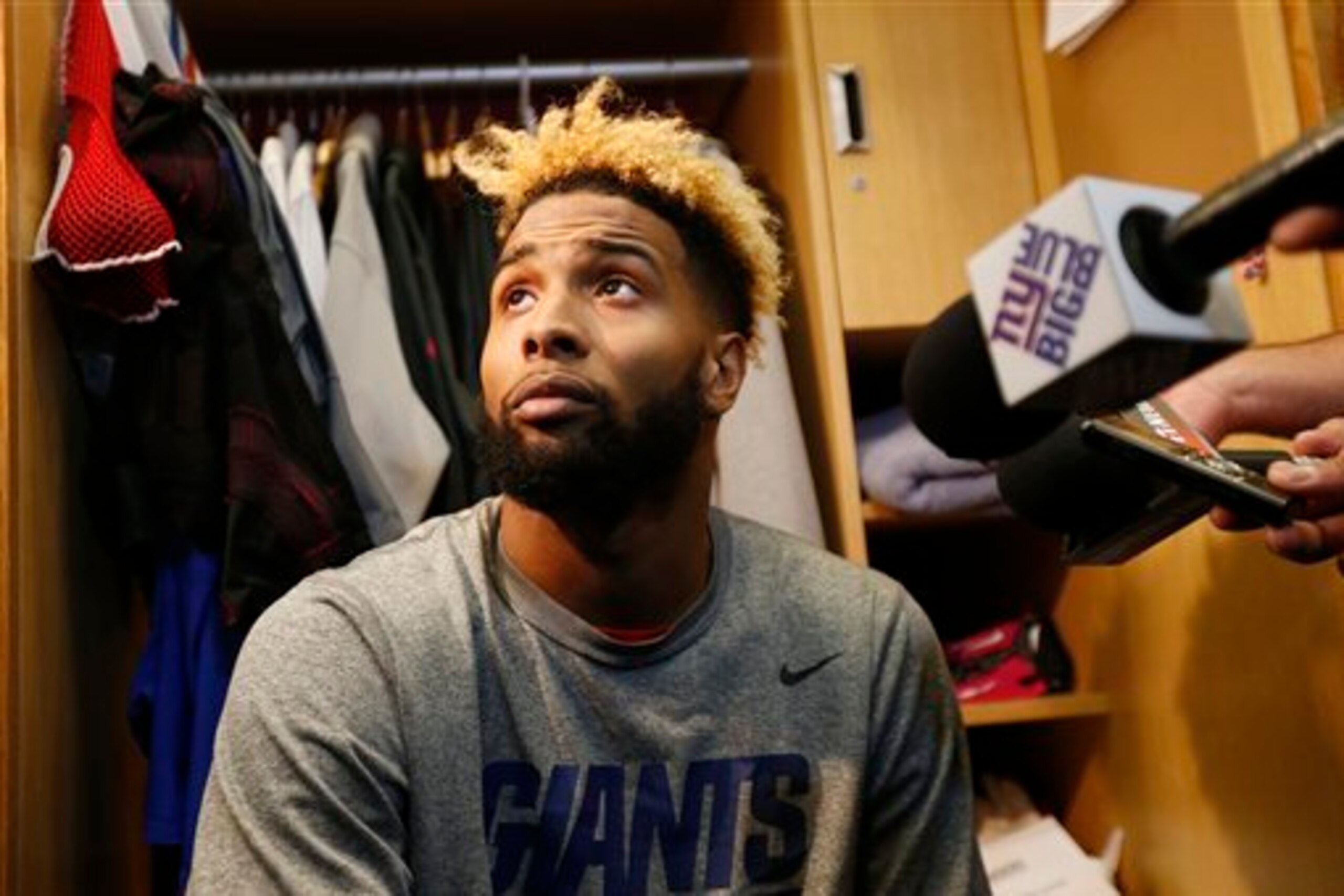
The way the Giants' draft-selection process is believed to work (this based on crumbs that Reese himself has offered in past press conferences) is that the picks are made via a consensus among the scouts, Reese, director of college scouting Marc Ross, head coach Tom Coughlin and his assistant coaches.
Reese, as the general manager, has the final say with ownership having the right to veto any pick.
The Giants work off a draft value board in which a player with the highest grade in their row system is usually the pick; if two or more players have similar grades, it becomes a matter of need, which is where the debate potentially becomes more intense.
Let’s look at Reese’s last six draft classes (2010-15) as they relate to the composition of the 2015 roster.
| Total Picks | 7 | 8 | 7 | 7 | 7 | 6 |
| Starters | 1 | 1 | 2 | 2 | 3 | 2 |
| Backups | 0 | 0 | 1 | 3 | 4 | 4 |
| On Other Teams | 1 | 0 | 1 | 0 | 0 | 0 |
| Out of League* | 5 | 7 | 3 | 2 | 0 | 0 |
| Pro Bowlers | 1 | 0 | 0 | 0 | 1 | 0 |
| Re-signed (including franchise tag) | 1 | 0 | 0 | 0 | 0 | 0 |
| Cut Before End of Rookie Deal | 5 | 4 | 2 | 2 | 0 | 0 |
Out of 42 draft picks, 11 became starters (26.1 percent), and 12 are currently backups (28.5 percent) for a grand total of 23 picks (54.7 percent) of the draft picks making the 2015 roster.
Also worth noting, two players—RB David Wilson and DB Chad Jones—never really got out of the gate due to injuries that prematurely ended their football careers.
Thirteen players (30.9 percent) never made it to the end of their rookie deals and a whopping 18 players (42.8 percent) are out of the league.
Let’s break down the positions drafted over that six-year period of time.
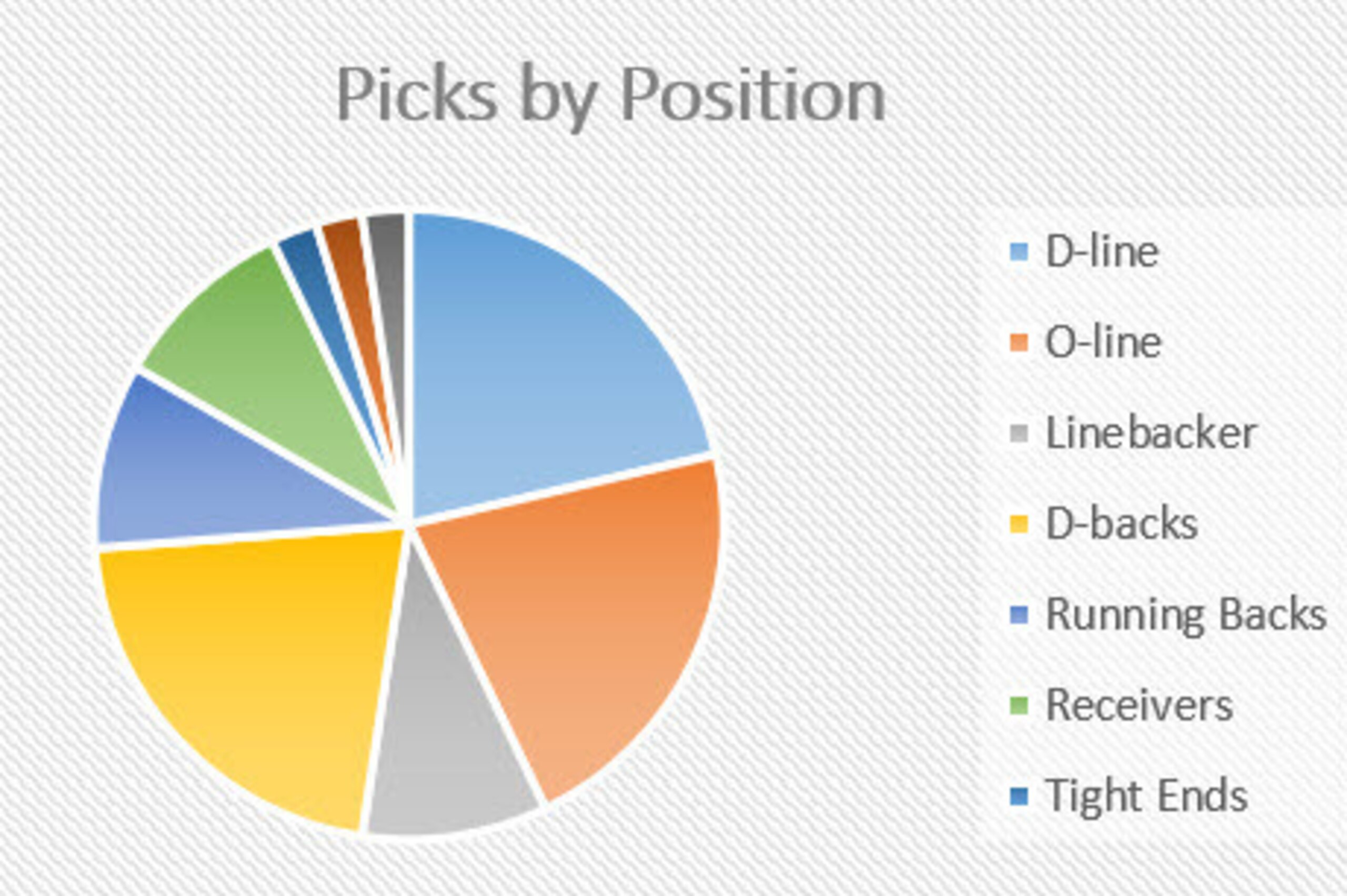
The biggest failures of the last six drafts include defensive backs, where out of nine picks, the Giants got two starters (cornerback Prince Amukamara and safety Landon Collins); defensive line, where nine picks yielded two starters (Jason Pierre-Paul and Johnathan Hankins); linebacker, where four picks produced one starter (Devon Kennard); and offensive line, where eight picks yielded three starters (Justin Pugh, Weston Richburg and Ereck Flowers).
Where are the Giants’ most glaring perceived needs as they head into the offseason?
Strong cases can be made for defensive line (defensive end), middle linebacker, offensive line (right tackle) and the defensive backfield (safety and backup cornerback depth).
If the draft is supposed to be the team's foundation, based on the last six years, it's probably safe to assume that if there was such a thing as the "GM Hall of Fame for Drafting," Reese probably wouldn't get a nomination, despite the Odell Beckham Jr. pick.
Trades/Free Agency
When a team comes up short in the draft, regardless of the reason, the quick fix is to supplement the roster through free agency and trading.
Both involve a balancing act. For starters, teams have to spend judiciously on players, many of whom think they’re worth top dollar. Second, the player has to be the right fit for the system the coaches have in place. Third, there is the player’s injury history to consider—are past injuries a fluke or a sign of what’s to come.
Trades
We’ll start with trades, specifically for veteran players and not draft picks.
In measuring whether a trade was a success, I look at the Chicago Bears-Carolina Panthers 2011 trade of tight end Greg Olsen.
According to Pro-Football-Reference.com, the Panthers sent the Bears a third-round pick in 2012 for Olsen— a pick the Bears then flipped to the San Diego Cargers who selected safety Brandon Taylor.
Since joining the Panthers, Olsen, a Bears first-round pick in 2007, made the 2014 Pro Bowl and has led or been tied for the Panthers’ team lead in both receptions and receiving yardage since 2013.
The Giants trades since 2010, detailed in the chart below, haven’t even come close to meeting that gold standard the Panthers and Olsen have set. Here is the rundown:
| RB Darius Reynaud | 2010 | R5-2011 | 9 | |
| QB Sage Rosenfels | 2010 | R5-2012 (Conditional; not exercised) | 12 | |
| LB Keith Rivers | 2012 | R5-2012 | 27 | |
| LB Jon Beason | 2013 | R7-2014 | 21 | |
| P Brad Wing | 2015 | R7-2016 (conditional) | 16 |
Of these players, only one, punter Brad Wing, who is in his first season with the Giants, seems to have the potential to pay off dividends over the long term.
Sage Rosenfels and Darius Reynaud didn’t even last an entire season with the Giants. And of the two linebackers, Keith Rivers and Jon Beason (both former first-round picks, by the way), neither panned out due to the on-going injury histories each brought when coming to the Giants.
Free Agency
Let’s look at veteran free-agent acquisitions—players who were either cut by their previous teams due to salary-cap issues or who simply weren’t re-signed. For the sake of article length, only some key free agents will be listed; also, no undrafted free agents or Giants players who were re-signed as free agents are counted in these numbers.
| 2010 | 6 | S Antrel Rolle, S Deon Grant | OL Shawn Andrews, S John Busing | |
| 2011 | 15 | C David Baas, P Steve Weatherford, QB David Carr, DT Rocky Bernard., RB Andre Brown | TE Ben Patrick, TE Daniel Coats, WR Brandon Stokley, K Rhys Lloyd, DT Gabe Watson | |
| 2012 | 6 | TE Martellus Bennett, S Stevie Brown, OL Sean Locklear, DT Shaun Rogers | CB Antwaun Molden, DT Marcus Thomas | |
| 2013 | 11 | K Josh Brown, DT Cullen Jenkins, CB Aaron Ross, DT Mike Patterson | TE Brandon Myers, LB Dan Connor | |
| 2014 | 17 | OL Geoff Schwartz, RB Rashad Jennings, CB Dominique Rodgers-Cromartie, LB Jameel McClain, DE Robert Ayers, OL John Jerry | OL J.D. Walton, CB Walter Thurmond, KR/PR Trindon Holliday, OL Charles Brown | |
| 2015 | 16 | RB Shane Vereen, WR Dwayne Harris, LB J.T. Thomas, LB Jonathan Casillas | S Jeromy Miles, DB Josh Gordy, DT Kenrick Ellis |
The key takeaway from this data is that the number of free agents brought in from other teams increased from 2013-15.
This is likely a result of the poor draft classes whose members should have been coming into their respective primes over this three-year period. (In 2011, the number of free agents was also high, most likely because the league was coming out of the lockout.)
Because of these holes, the Giants had to devote whatever cap space they had toward filling in gaps. That’s probably why they didn’t get into a bidding war for tight end Martellus Bennett or defensive tackle Linval Joseph.
Of the free agents the Giants signed over the last six years, one, safety Antrel Rolle, went to the Pro Bowl.
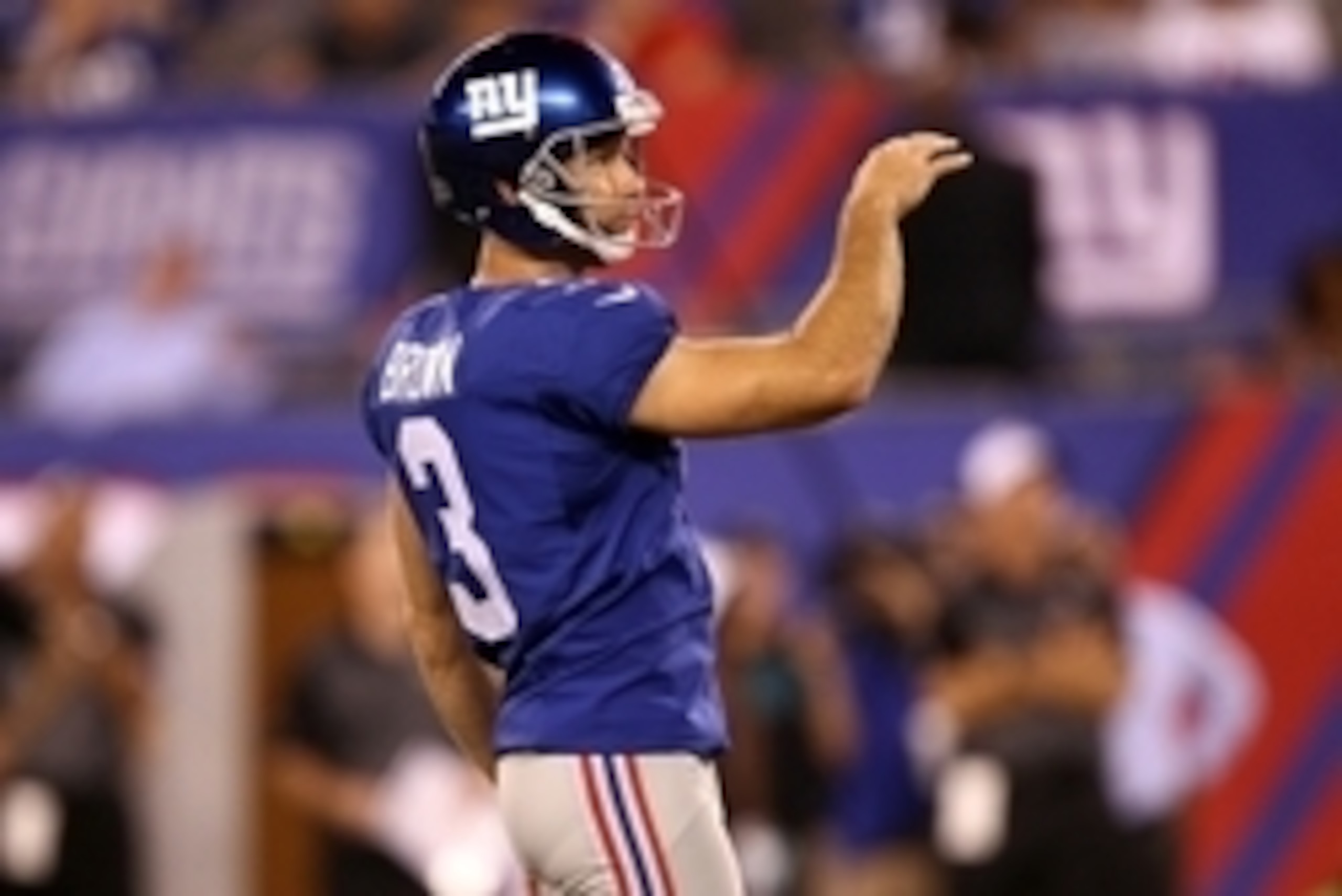
Other solid contributors the Giants got their money’s worth out of include safety Deon Grant and punter Steve Weatherford (both of whom contributed to a Super Bowl XLVI win); kicker Josh Brown, defensive tackle Cullen Jenkins, cornerback Dominique Rodgers-Cromartie, LB Jameel McClain, defensive end Robert Ayers and linebacker Jonathan Casillas.
With the current roster likely to experience a significant turnover (more on that in a future article), and with the Giants projected to have at least $37,134,405 of cap space (based on a $150 million cap-figure forecast by Over the Cap, it probably stands to reason that the Giants are going to once again have a busy offseason with quite a few splashes.
One final note about the current roster composition. On offense, five of the starters are homegrown draft picks, while three starters are free agents (two are undrafted free agents, and quarterback Eli Manning was acquired via trade in 2004). That’s actually a good mix for the offense.
The same can’t be said for the defense that has five homegrown draft picks as starters and six free agents.
Thus it should be no surprise if the Giants place a heavy emphasis on the defensive side of the ball either in the draft or in free agency next year.
Salary-Cap Management
The final area we’ll look at is Reese’s salary-cap management, specifically two areas.
Dead Money
The first area is dead money, which is the prorated signing bonus that gets charged to the team’s salary cap if a player’s contact is terminated prior to running its course.
This is why when evaluating whether a team “overpaid” for a player, it’s important to not look at the total value of the contract, but rather the total guaranteed money, e.g. base salaries guaranteed and the signing bonuses, and then compare that figure to the actual production the team gets from a player.
The following table shows the Giants’ dead cap money charged to their annual salary cap from 2011 through 2015:
| 2011 | $3,689,261 | 19th |
| 2012 | $4,014,949 | 25th |
| 2013 | $8,836,853 | 23rd |
| 2014 | $12,642,349 | 19th |
| 2015 | $13,608,153 | 20th |
Contrary to popular belief, the Giants don’t spend their cap dollars like an out-of-control patron at a strip club, which is why the Giants have ranked in the bottom half of the league in lowest dead cap space from 2011 through 2015.
That’s not necessarily being cheap; that’s being prudent.
Again, the idea is to build through the draft. When the draft fails, the idea is to supplement through free agency but to not go crazy because if a team does that (think the Dallas Cowboys and the New Orleans Saints), it is then forced to have a fire sale on players who might otherwise help it but who suddenly become too expensive to carry.
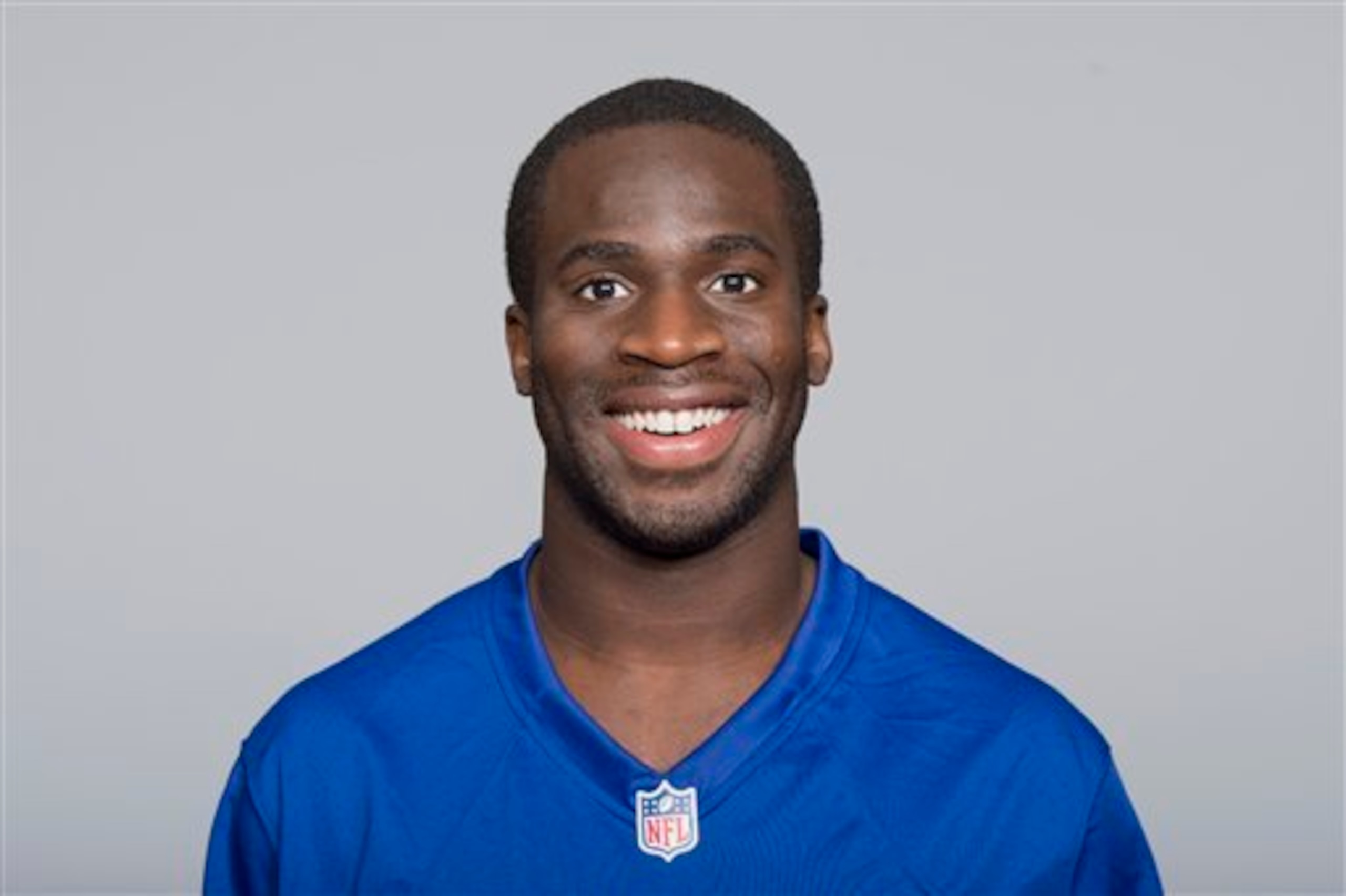
It’s rare to find a free agent who hangs around with a team for more than four years—safety Antrel Rolle, who was here for five years, is a recent exception.
The Giants approach to free agency has been prudent because ultimately, they’d rather re-sign their homegrown picks where possible.
Victor Cruz, Eli Manning, Will Beatty, Prince Amukamara and Jason Pierre-Paul are all examples of homegrown players the Giants have developed since day one who either got handsome contract extensions (Cruz, Beatty and Manning) or who are in line to get one (Amukamara and Pierre-Paul).
This is why it’s rare to see the Giants sign a free agent to anything longer than a four-year deal—receiver Dwayne Harris is a recent exception. He's and the most likely reason why that is so is because they had to up the guaranteed money to get Harris. By spreading the $4 million signing bonus over five years instead of four, they lessen their cap hit regarding Harris, whose 2018 and 2019 cap figures are identical.
Value
The last topic in this area is contract value—have the Giants gotten what they paid for or better in terms of production?
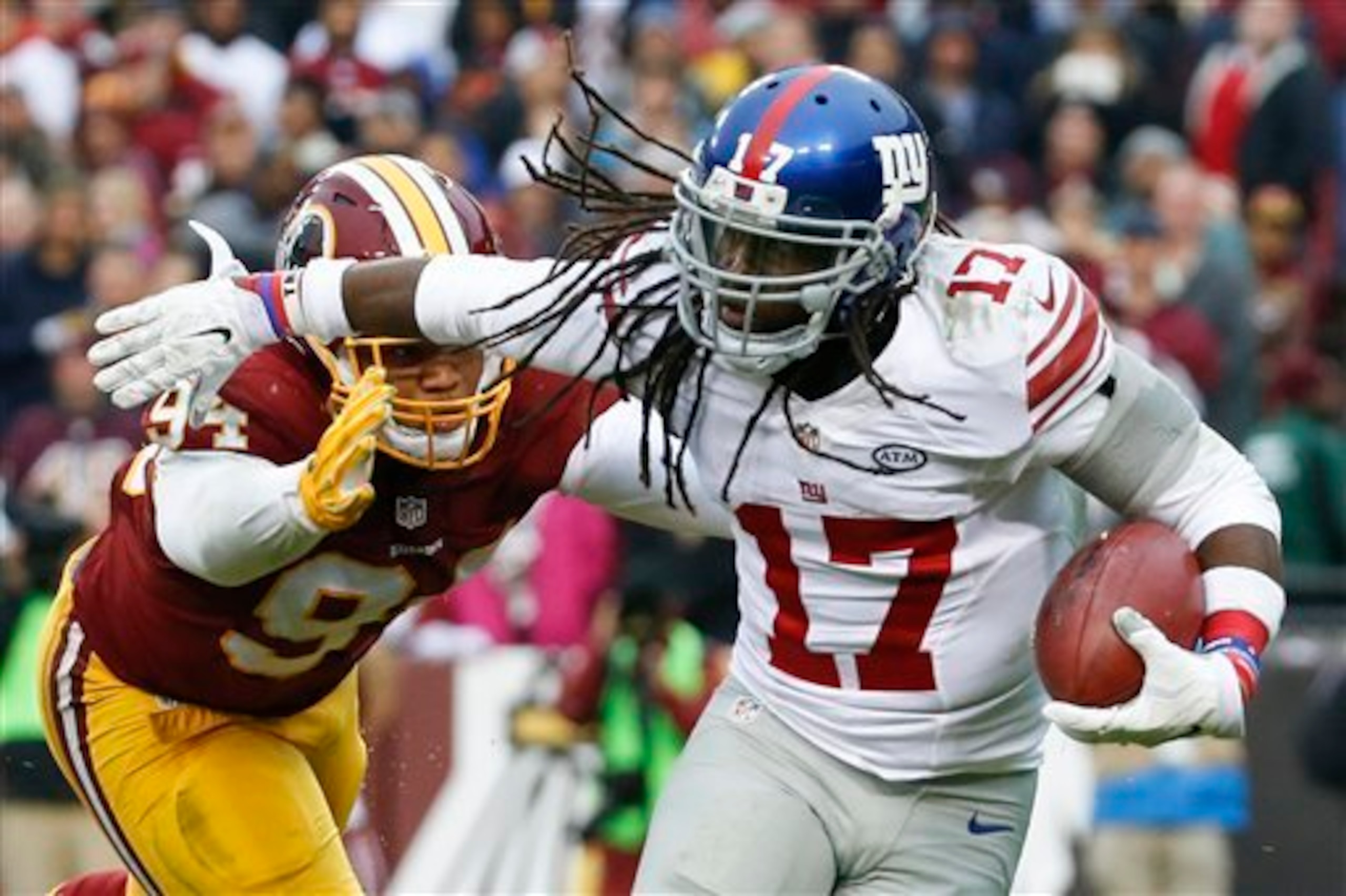
Surprisingly, they have, for the most part, gotten a decent return on investment for their money.
Dwayne Harris comes to mind—he’s not only contributing on offense, he’s been durable and has played on all four special teams and has helped with improving the starting field position this season on kickoff returns.
Other current examples include linebacker Jonathan Casillas, kicker Josh Brown and running back Shane Vereen.
Past examples include safeties Rolle and Deon Grant, punter Steve Weatherford, offensive lineman Sean Locklear, cornerback Dominique Rodgers-Cromartie, linebacker Jameel McClain and tight end Martellus Bennett.
There have certainly been contracts that have been the exception, though.
The first that comes to mind is left tackle Will Beatty, who, per Spotrac, received a five-year, $37.5 million contract with a $12.5 million signing bonus and $18.35 million guaranteed after the 2012 season.
In this case, Reese probably decided there was no better option at left tackle, so he went for the gusto with Beatty despite some early warning signs that included him missing five games in 2011 and a very forgettable 2013 season where, per Pro Football Focus, he allowed a whopping 13 sacks.
Beatty rebounded in 2014, but in 2015, between his torn pectoral muscle (something that Reese obviously couldn’t predict) and Ereck Flowers' emergence at left tackle, Beatty’s deal looks worse and worse.
If Beatty, who remains on the PUP list for 2015, is cut after this year—and it wouldn’t be a surprise if he is—he’ll cost the Giants $5 million in dead money unless he’s designated as a post-June 1 transaction, which would likely be the case.
In that instance, he’d cost them just $3.5 million in dead money this year and $2.5 million in 2017.
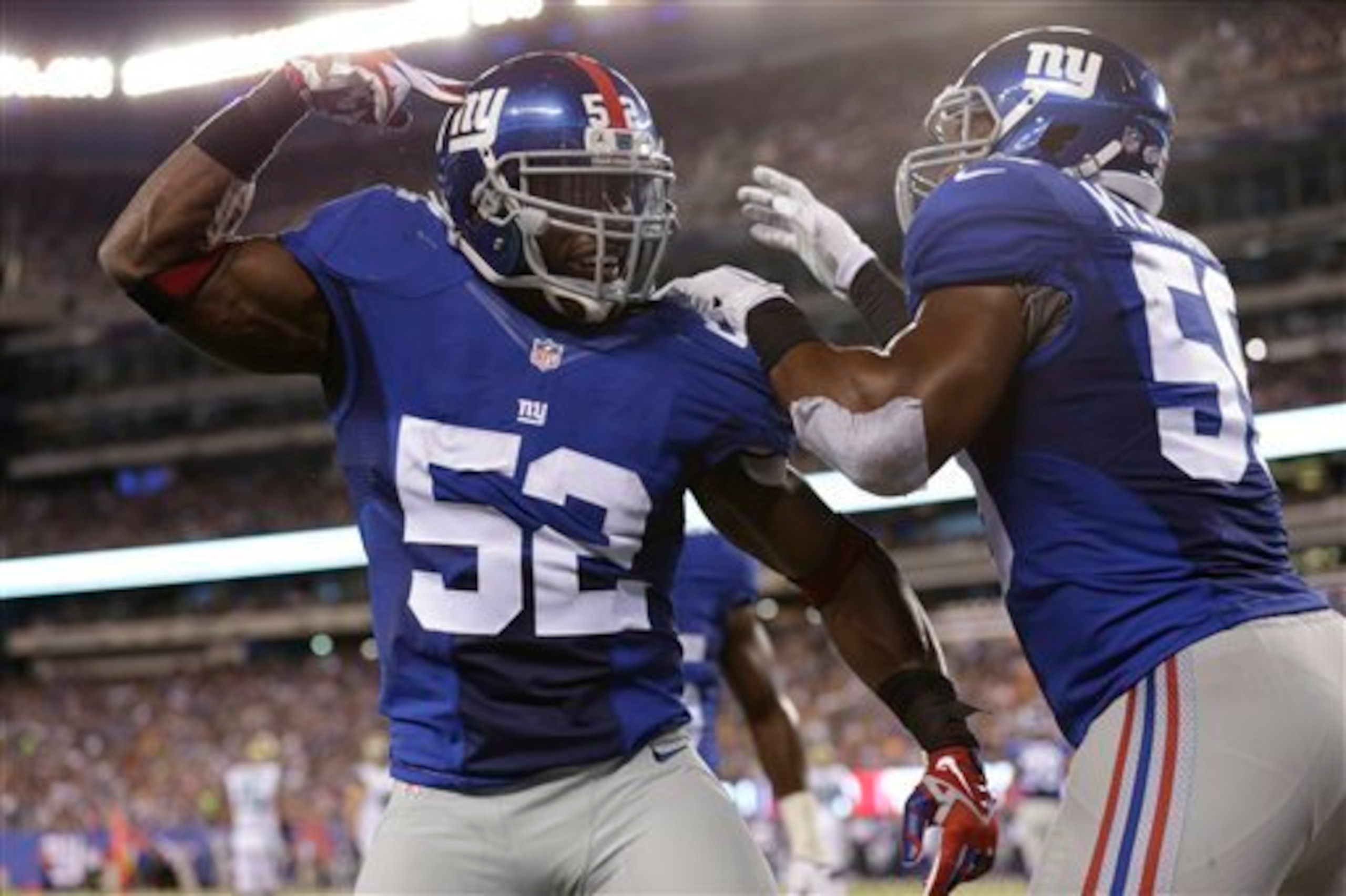
Another contract that, in retrospect, didn’t work out as hoped is the three-year $17 million deal Beason signed that included $6.03 million in guaranteed money.
In his prime, that contract would have been a bargain for a player of Beason’s caliber. However, the Giants’ first warning sign that should have given them pause was that Carolina was willing to take a seventh-round draft pick for a three-time Pro Bowl player whose injury history made him a high-risk, high-reward gamble.
Because Beason was able to stay on the field for the Giants once he came over in 2013, Reese and the Giants rolled the dice.
The gamble failed. Since signing that deal, Beason has appeared in just nine games because of ongoing injury issues and is almost certain will not be back on his $6.566 million 2016 cap figure.
Overall, the Giants have been judicious with their contracts. While fans no doubt want to see bigger names and splashes, and grumble when the team fails to come up with money to sign the Devin McCourtys of the world, the Giants’ salary-cap picture is very rosy looking to where when youngsters like Johnathan Hankins and Odell Beckham Jr. come up for renewal, the Giants should be able to retain their services.
Conclusion
The bottom line is winning and getting to the playoffs, something the Giants haven’t done since 2012. A big reason for that is the poor drafting that set this team back at key positions—that is why when injuries struck this team at said positions, there was a noticeable drop-off in the talent level and hence a lack of the desired results.
The good news is that Reese appears to have the drafts back on track.
There is still more work that needs to be done, more clean-up, if you will, before he completely eradicates the damage he did by falling in love with athletes instead of football players.
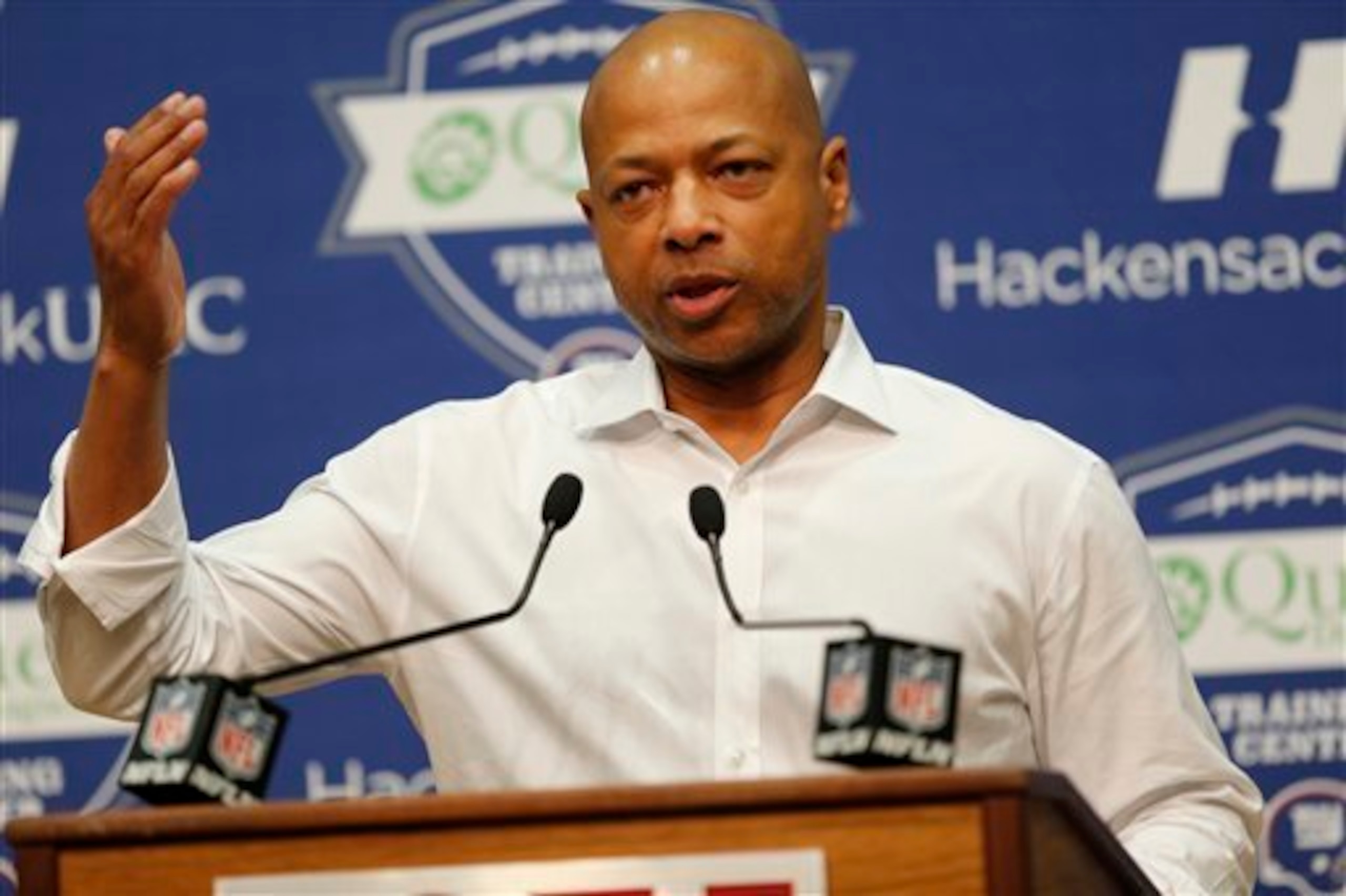
Will the Giants make the playoffs this year? That’s still to be determined—and quite frankly, just making the playoffs shouldn’t satisfy anyone.
With all that said, if the Giants miss the playoffs, there is a very, very good chance that Reese will be retained and will get his one and perhaps only chance at having a say in the team's next head coach.
But here’s the good news for those who still want to see Reese sent packing. If a coaching change is made, there will be no more excuses for Reese.
If this team should make a coaching change and get the same results, ownership might want to re-think its longstanding reluctance to fire its general manager. At that point, the roster will have been turned over and the coaching staff will have been turned over, leaving the general manager and his band as the one remaining constant in the string of failures.
Unless otherwise noted, advanced statistics from Pro Football Focus and salary cap and contract data from Spotrac.
Patricia Traina covers the Giants for Inside Football, the Journal Inquirer and Sports Xchange. All quotes and information were obtained firsthand unless otherwise sourced.
Follow me on Twitter @Patricia_Traina.
.jpg?w=2560 "Steelers Saints Football")



.jpg?w=2560 "🚨 Week 8 AP Top 25 Poll")
.jpg?w=2560 "Blockbuster Trade Idea To Shake Up the Eastern Conference 🎇")