

Why 25 Goals Is a Realistic Aim for Totttenham's Harry Kane in 2015-16 Season
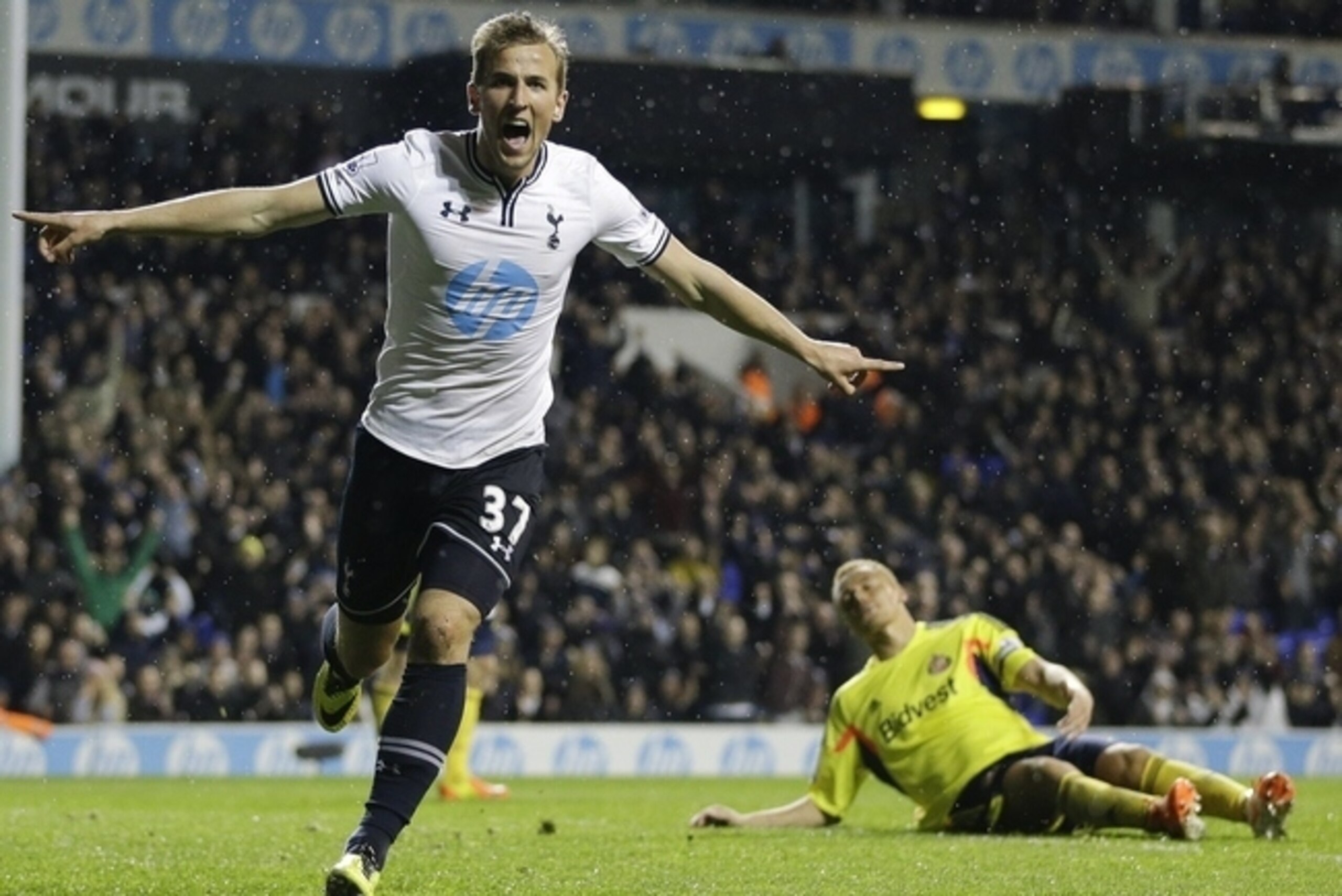
Those who had been following his progress closely had high hopes for Harry Kane last season. The Tottenham Hotspur striker performed encouragingly in sporadic performances in 2013-14, scoring three times late in the campaign after being handed his first proper run in the first team.
Still, the level Kane would reach in 2014-15 was more than just about anyone expected. Continued, measured progress seemed reasonable—the kind that would see him confirm his status as a regular contributor. But scoring over 30 goals and receiving an England call-up? That was special.
TOP NEWS

Messi Picks Next Gen Talent 💫
Live World Football Goals and Highlights 🔥
5 Potential Replacements for Michael Carrick as Manchester United Manager Amid Rumors
Expectations have understandably been raised moving forward and, conversely, plenty will be backing him to fall short of them. Health and fitness permitting, though, Kane adding another, plenty respectable 25 goals to his record in 2015-16 is a more than realistic aim.
Matching the 31 club goals the 21-year-old netted for Tottenham last term may be too much of an ask this time around.
Eight of the first 10 goals Kane scored before head coach Mauricio Pochettino began starting him in the Premier League were against weaker opposition (the two exceptions being Aston Villa and Besiktas).
Now, that is not to detract from his efforts—two of those goals helped Spurs on the way to the Capital One Cup final, and no other Spurs player delivered so frequently. But it is likely Pochettino will opt for others in any similar early-season cup matches, preferring to keep last season's top scorer fresher for tougher contests. That could impinge on his prospective tally.
One of the doubts expressed about Kane moving forward is he will be found out by opponents now prepared for him. No longer will he be allowed the room to summon the opportune and explosive strikes that derailed sides as varied as Burnley, Chelsea and West Bromwich Albion last season.
Critics will point to him scoring just two goals in eight games following his England debut as evidence opposition defences were beginning to suss him out. However, the story of Kane's performances in that stretch was not as black and white as the numbers make it out.
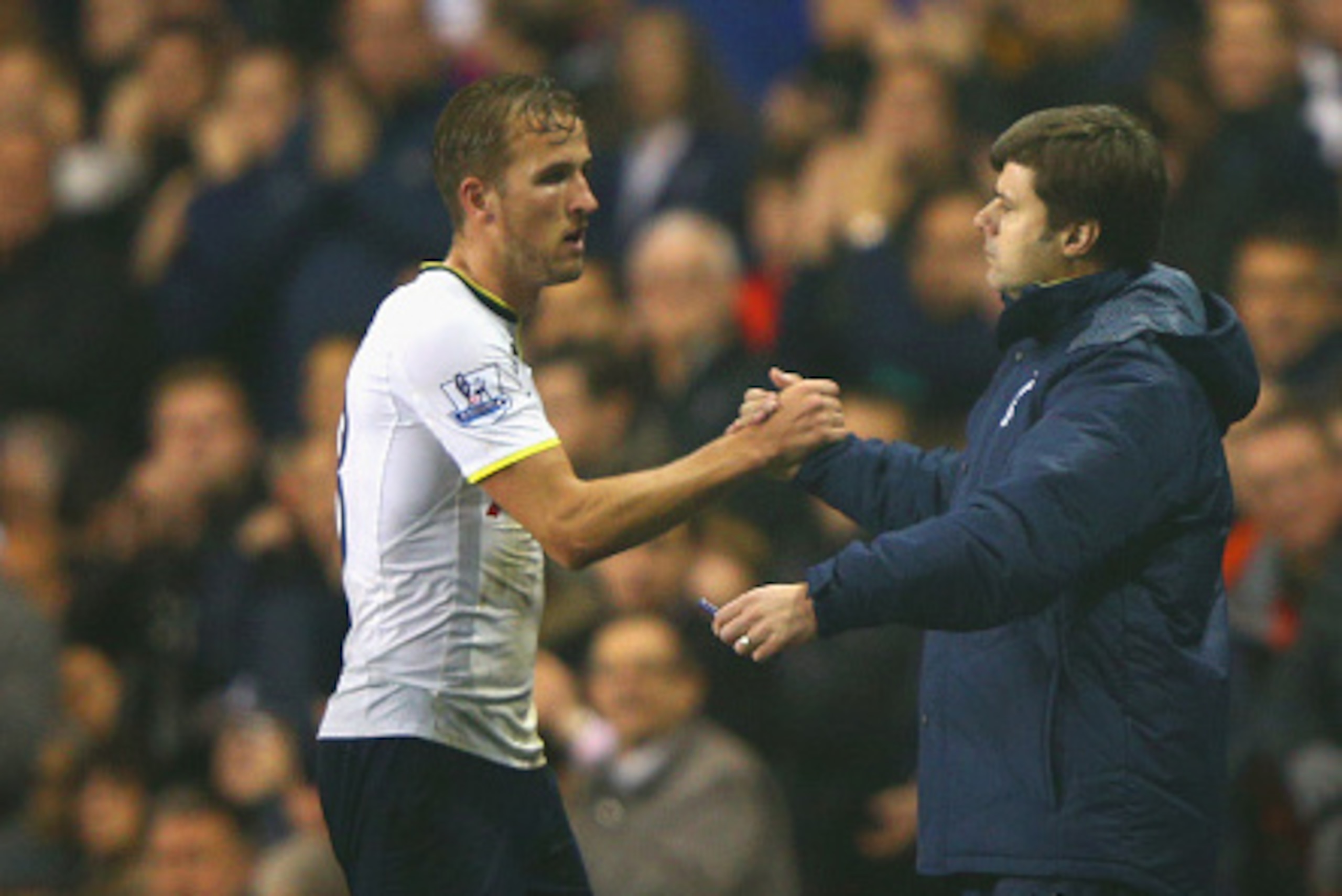
If anything, Tottenham as a team were cottoned onto more than he was individually. In springtime defeats to Manchester United, Aston Villa and Stoke City, they were caught out defensively and—more pertinently as regards to Kane—stifled in attack. Perhaps as a consequence of tiredness, they came across unmotivated at times.
With a lack of quality service coming his way, Kane was left to fight for scraps. He did this valiantly at Stoke, for example, but others times, Spurs were so negative even sporadic opportunities were not forthcoming—see the 0-0 draw at Burnley.
When suitably provided for, though, Kane showed his scoring touch had not deserted him. The lone frontman finished off Newcastle United with aplomb in April and a month later punished awful Everton defending with a finely taken header.
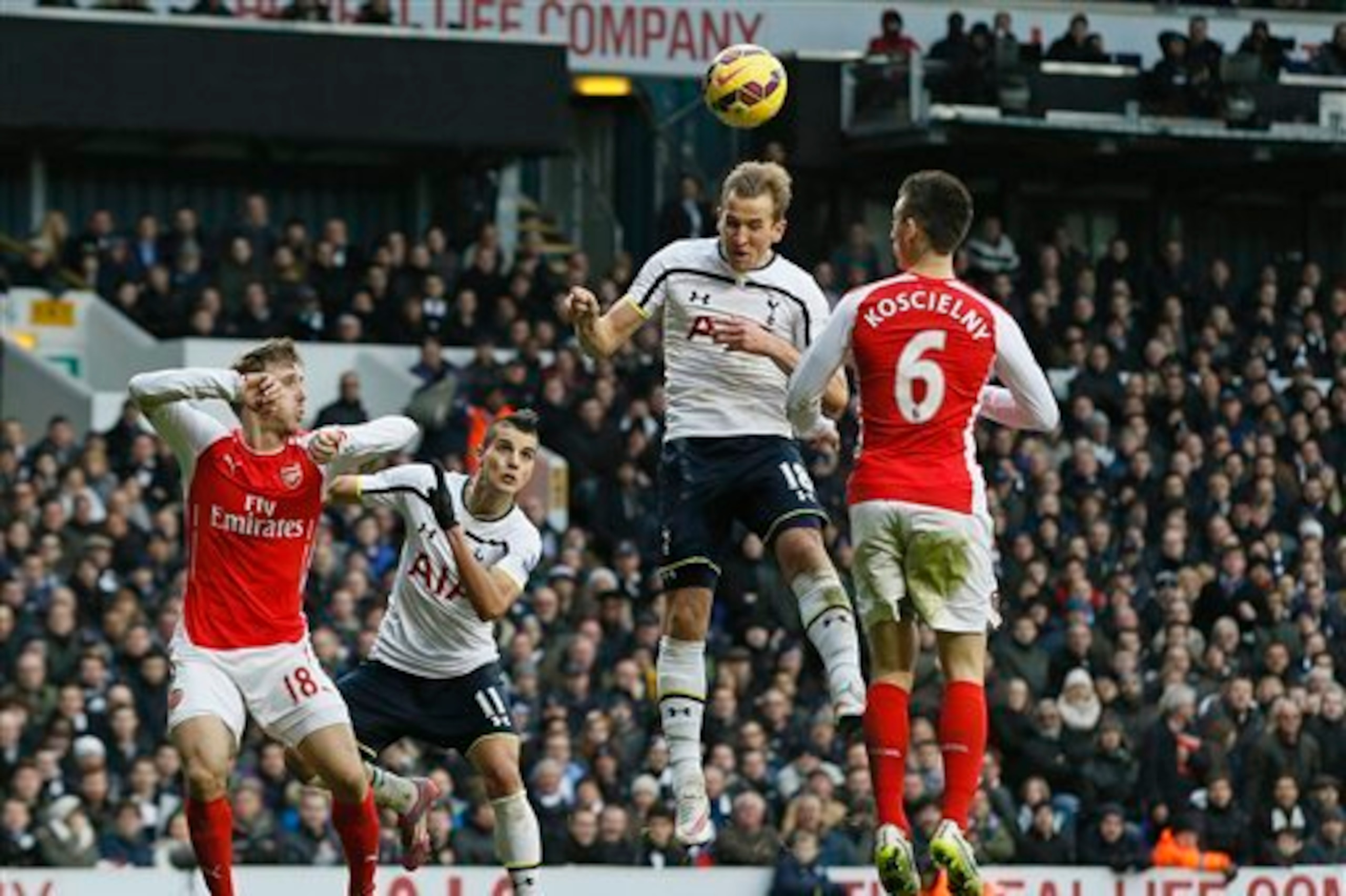
The goals Kane scored throughout the campaign were a reflection of his variety as a finisher and a confidence that extended to other related aspects of his game, such as on- and off-the-ball involvement in buildup play.
Closer attention in the penalty box and less space to attack it outside may perhaps account for his scoring fewer goals. But to any opponent properly researching Tottenham last season, he was hardly an unknown quantity. By the turn of the year, his form was such there was no excuse for negligence of his threat, and he still found his way past teams.
Even within games there were warnings. Arsenal left Kane unmarked for the first of his winning double in February's north London derby, yet they still could not stop him out-jumping them to head in the decider.
Kane's evidenced quality is such that as long as sufficient service is delivered—and again, he can stay fit—he should continue to score.

The only lingering doubt surrounding him at this point in pre-season preparations is to do with Tottenham's need to provide additional firepower to ensure he is not overworked.
Pochettino will hope team-mates such as Nacer Chadli and Christian Eriksen can continue to help carry the scoring load. But a legitimate alternate striking option to replace the waning influences of Emmanuel Adebayor and Roberto Soldado will not only allow Kane to be rested but should also provide the extra option the head coach needs to also vary his attack in certain scenarios, distracting opponents away from Kane.
For his part, he is confident he can continue to progress.
"It’s just the start for me and I’ve proved to myself that I can do it at the top level so I’m gaining confidence," the attacker told TheFA.com's Nicholas Veevers (see above). "Everywhere that I’ve been, I’ve scored goals so I should be able to score goals again if I’m playing next season."
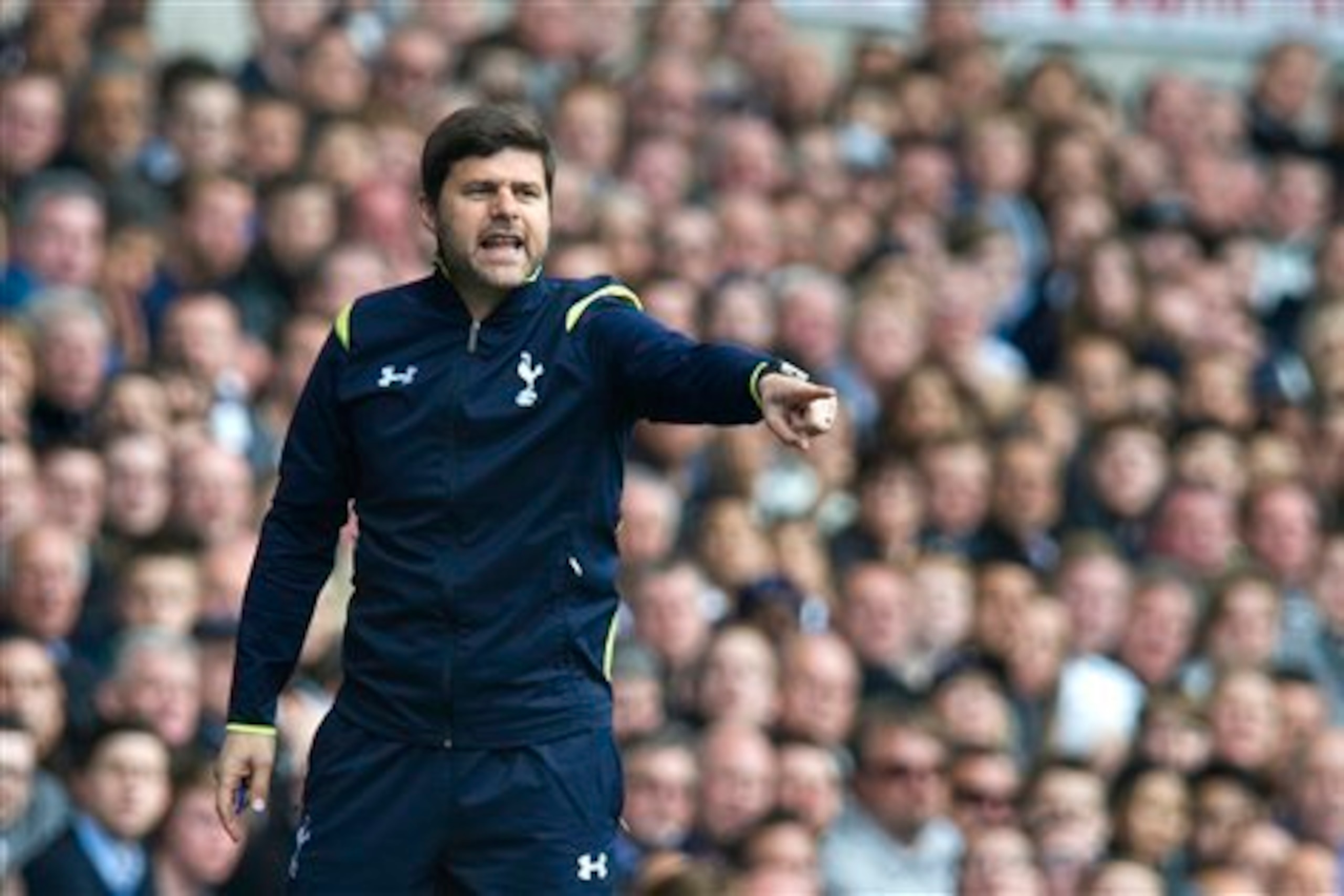
Kane has not come out of nowhere. From the academy and toughening initial first-team experiences to international youth tournaments and training with a cosmopolitan squad at Spurs, incremental steps have seen this young man develop at a prompt but natural pace.
The achievements of last season may have been greater, or at least sooner than was anticipated. But the fact is he scored 31 goals, and you do not do that for a Premier League club without having something about you.
There will be tough days ahead, that is unavoidable. But Kane plays for a good team that finished fifth last season and has ample reason to believe it can continue to compete at the upper end of the Premier League, not to mention enjoy a good cup run or two.
Within that environment, scoring a further 25 in all competitions is well within the realms of possibility for Kane.

.jpg?w=2560 "Cam Ward Says He's Not A Loser")
.jpg?w=2560 "🚨 Texans Trade for MHJ")
.jpg?w=2560 "Chargers Fall to 0-5 🤢")
.jpg?w=2560 "Grading MHJ Trade 📝")


.jpg?w=2560 "MHJ Bought Own Jugs Machine")