

Why 4-3-3 Should Be the Go-to Formation for Louis van Gaal at Manchester United
That Manchester United's best football last season was played in Louis van Gaal's 4-3-3 is inarguable. That alone makes it a good candidate to be United's default formation in the coming season. But there is more in its favour than just that.
That a Dutch manager is playing the 4-3-3 is no surprise. Dutch football has long been synonymous with the formation. It is so inherent to the country's football culture that when Van Gaal—in response to the loss of Kevin Strootman—switched the national side to 5-3-2, he faced considerable criticism in the Netherlands.
TOP NEWS

Messi Picks Next Gen Talent 💫
Live World Football Goals and Highlights 🔥
5 Potential Replacements for Michael Carrick as Manchester United Manager Amid Rumors
In June 2014, Christopher Clarey of the New York Times wrote:
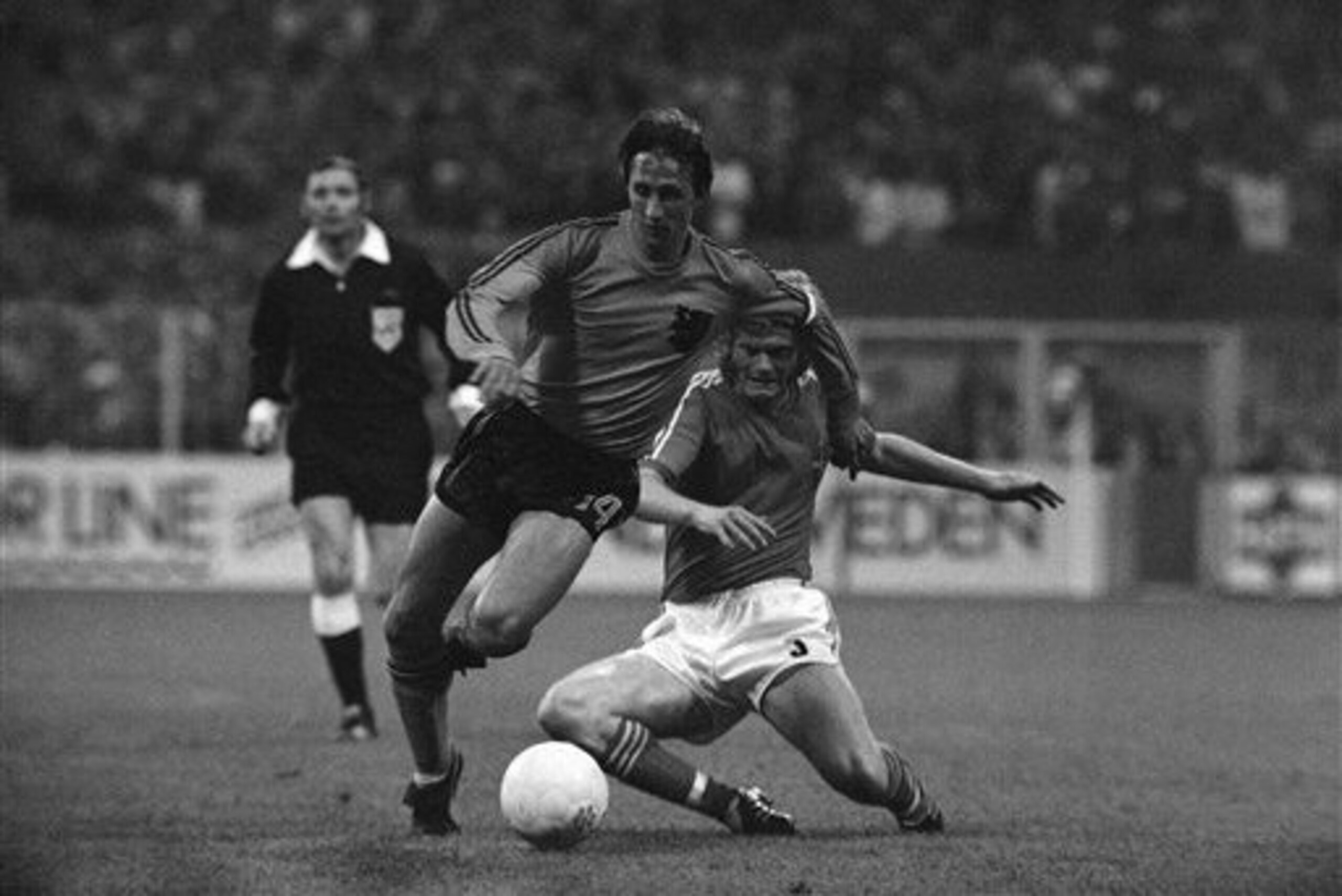
"Formation seems a particular Dutch obsession, and 4-3-3, with its two wingers, is wrapped up with national identity, underscored by Johan Cruyff, Dutch soccer’s most influential figure. Cruyff, the former star player and coach and exemplar of Total Football, remains a vocal proponent of three man up front and has long clashed with Van Gaal on a variety of issues.
"
For a man who speaks so often about "philosophy," Van Gaal has amply demonstrated that he is more pragmatic than to develop an obsession with a formation.
However, he has never made a secret of the fact that playing a back three, both for Netherlands and for United, was a back-up option. By the end of last season, he had reverted to plan A, and it was considerably more successful.
There were two key changes that brought about the advent of the 4-3-3 in 2015. Firstly, the squad recovered from the worst of the injury crises that had dominated the first half of the season.

Secondly Robin van Persie was sidelined and Radamel Falcao's loan spell was approaching its end, with his form apparently irreparable. Thus Van Gaal could play with one up front without causing significant fallout within his squad.
With Falcao now at Chelsea and Van Persie linked with a move to Fenerbahce, per Jamie Jackson and Emre Sarigul in the Guardian on Saturday, that problem looks somewhat solved.
The addition of Memphis Depay and the emergence of Andreas Pereira from the youth ranks mean United are well stocked with wide-forwards who can play in the system.
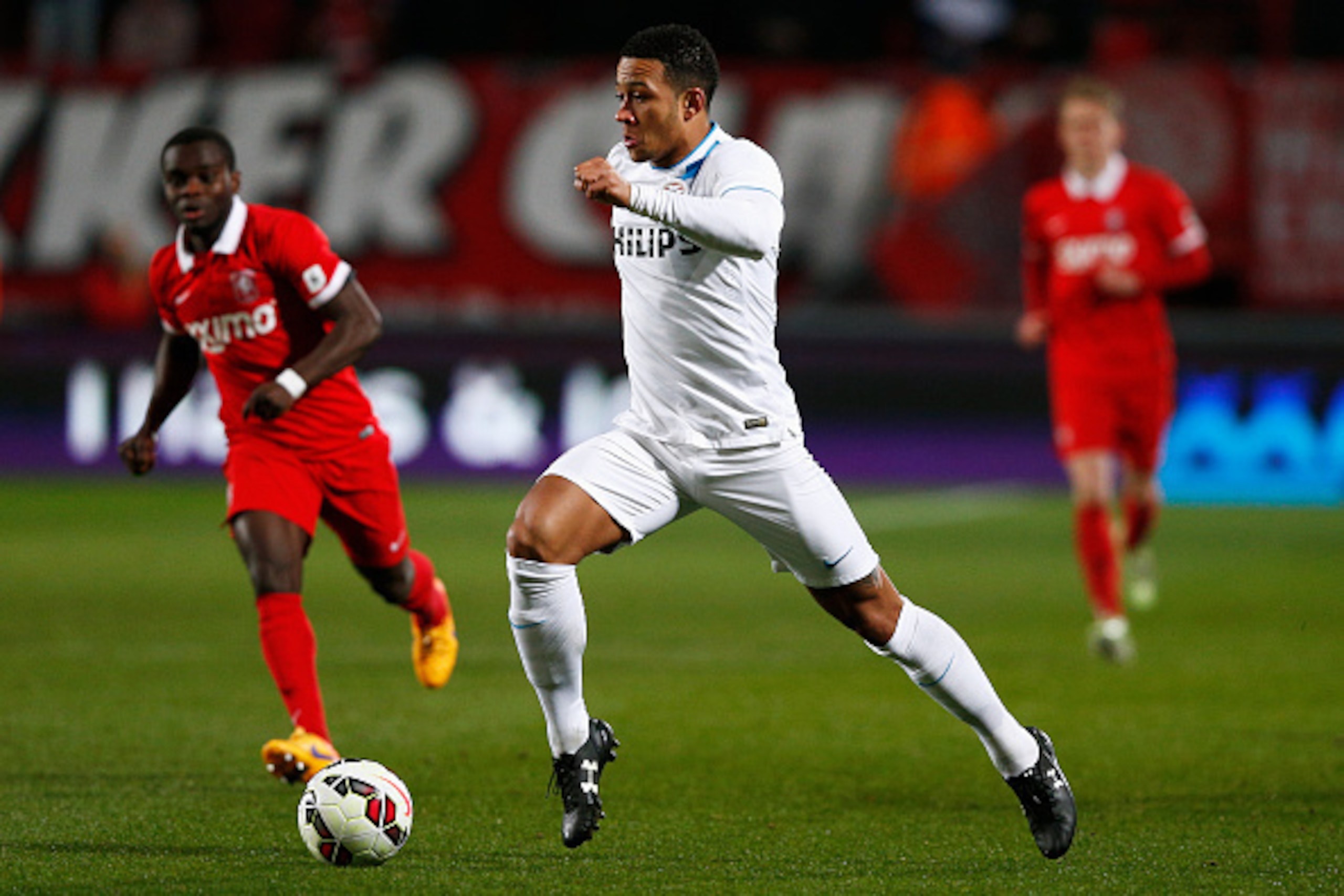
Last season, the 4-3-3 at its best allowed United to dominate possession, break up counter-attacks and provide a platform for attacking players to shine.
The simple numerical description of the formation, though, can mean a lot of different things.
Last time out for United, it meant a back four, a holding defensive midfielder, two attacking midfielders—essentially playing as old-fashioned inside-left and inside-right—a defensively sound left-winger, a centre-forward and what Van Gaal dubbed a "false right-winger" in Juan Mata.
It is also possible to play the position with two deeper-lying midfielders and one out-and-out No. 10 behind the striker. That formation, akin to a 4-2-3-1, could see Van Gaal play Michael Carrick and Ander Herrera behind Mata, Depay and Angel Di Maria.
It is also possible to play the system with more conventional wingers. Ashley Young is the embodiment of the inverted winger, playing on the "wrong" flank for his natural right-footedness. This is why he cuts inside so often, and he has proven he can be effective. Depay is in a similar mould.
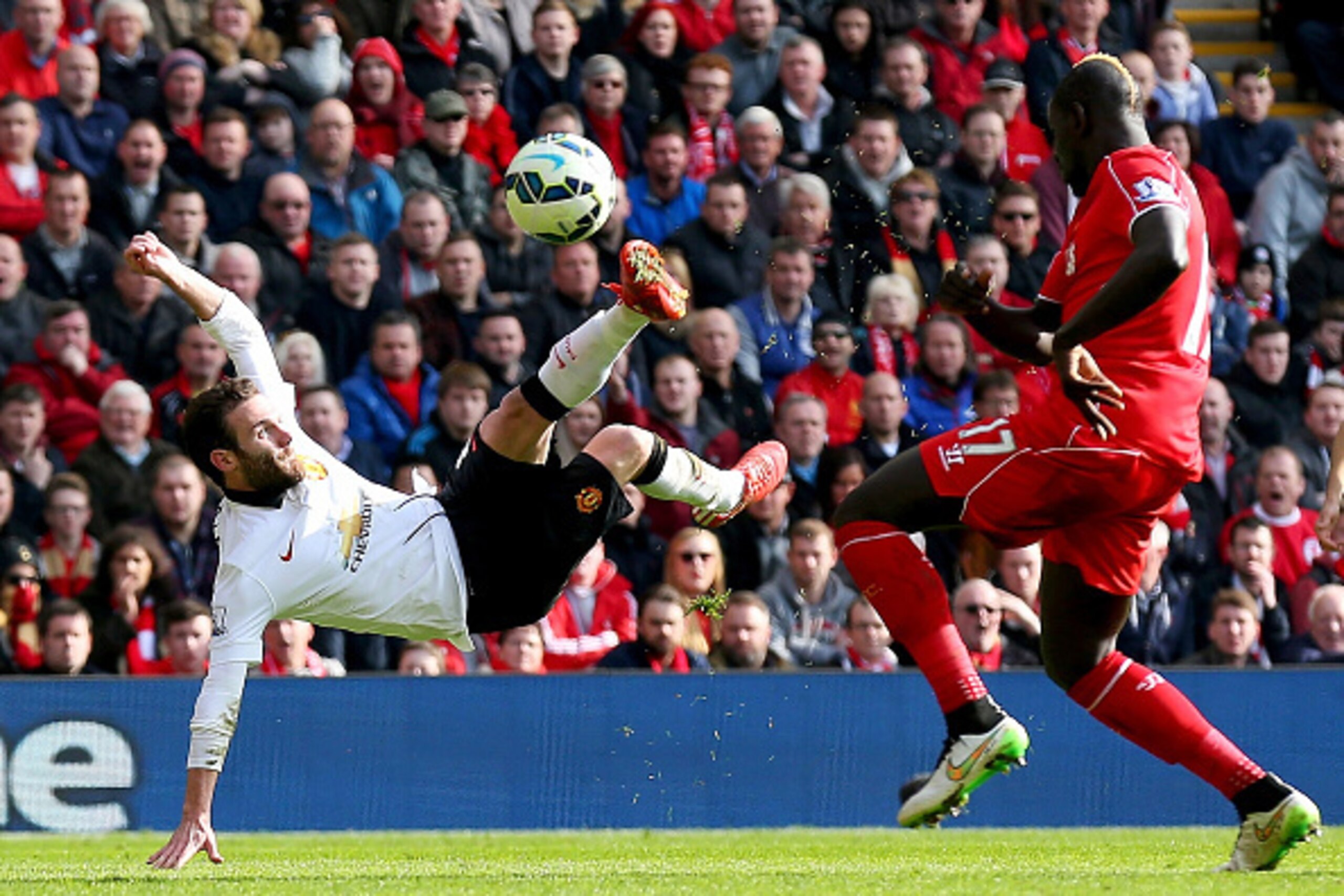
Mata, of course, is not a winger. Indeed, even when played on the flank, he never tried to be. Instead, he took the role of wide-playmaker. His performance against Liverpool was the definitive example of this—he essentially ran the game from the flank, coming inside whenever the opportunity came up.
By the end of the season, though, the formation was no longer as effective. Teams had followed Jose Mourinho's lead and were defending very deep. Assuming Van Gaal sticks with the 4-3-3, he will have to find a way for the side to be less easily negated through the simple act of parking the bus.
Liverpool, Manchester City and Spurs tried to trade blows, but United were rampant, capitalising on the space they were afforded. When that space was denied, frustration grew, and United reverted to retaining anaemic and sterile possession.
However, it is not yet clear whether that was a function of the system or the personnel. Marouane Fellaini in particular was less effective when denied space. In the absence of Carrick, first Herrera and then Daley Blind were deployed in the holding role. Blind struggled a lot, particularly against Everton.
Herrera did a better job, but United missed his guile further up the pitch.
With refreshed personnel and the additional options that will presumably arrive as the summer progresses, there will be more options available to the manager to make his system work.
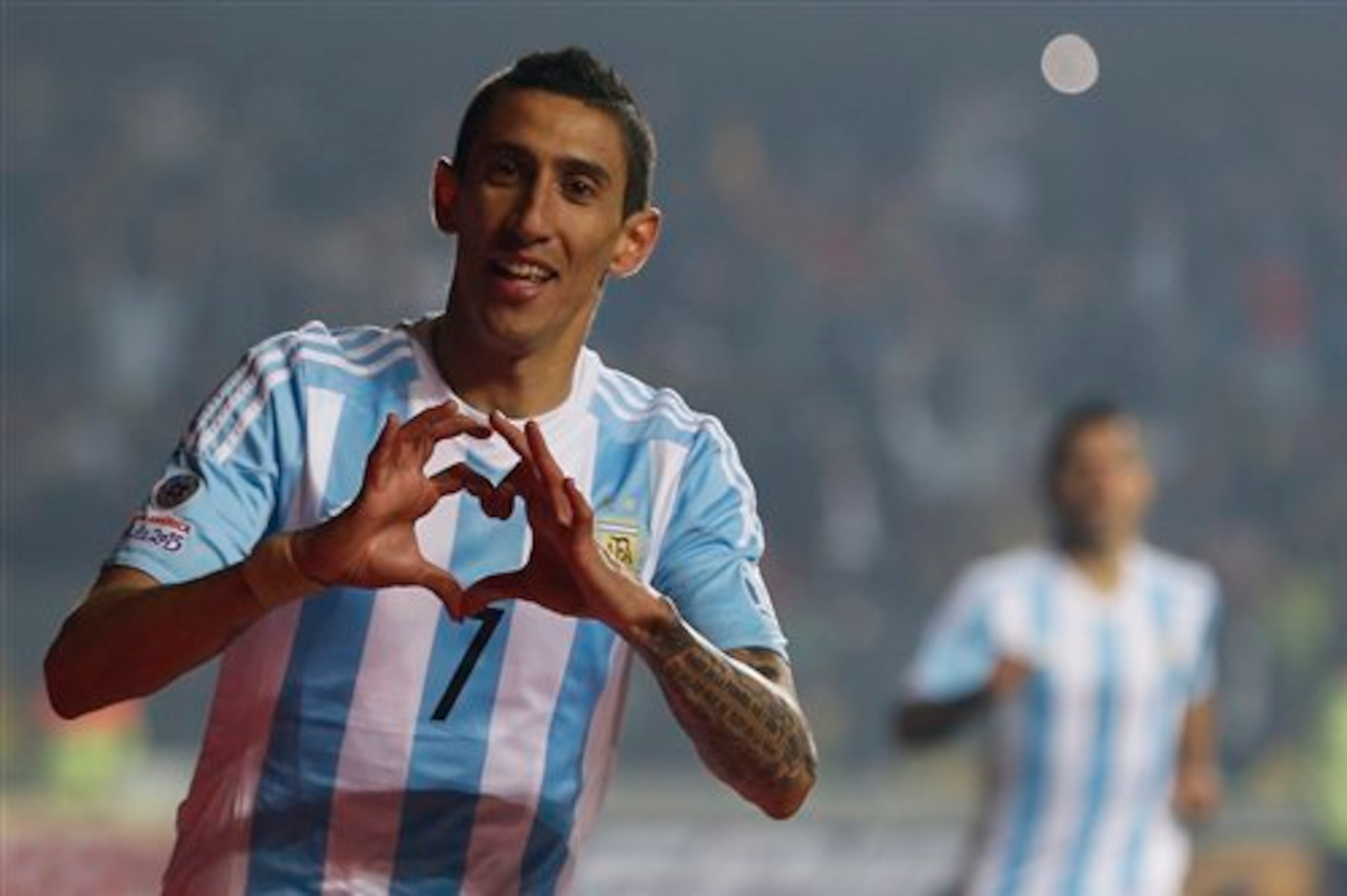
Di Maria could be crucial to the process, assuming he stays and can rediscover his form.
Indeed, he was a player Van Gaal cited before the Argentinian had arrived as the type he would need to make the 4-3-3 work. Perhaps he had in mind the task of unlocking stubborn defences when he mentioned him as the kind of wide attacker United were missing, per Goal.com in August 2014.
By the time Van Gaal settled on the 4-3-3, though, Di Maria was out of the first-team picture. Combining the kind of possession-based fluency United managed at their best in spring 2015 with the kind of dynamic, cutting-edge excitement Di Maria can offer seems a recipe for success.
The 4-3-3 will allow that. United's back four will hopefully be in less urgent need of protection, assuming they receive their anticipated upgrades. Thus the midfield will be able to concentrate more on attacking matters, although in Herrera and Fellaini, they have players who are comfortable with defensive duties as well as attacking.
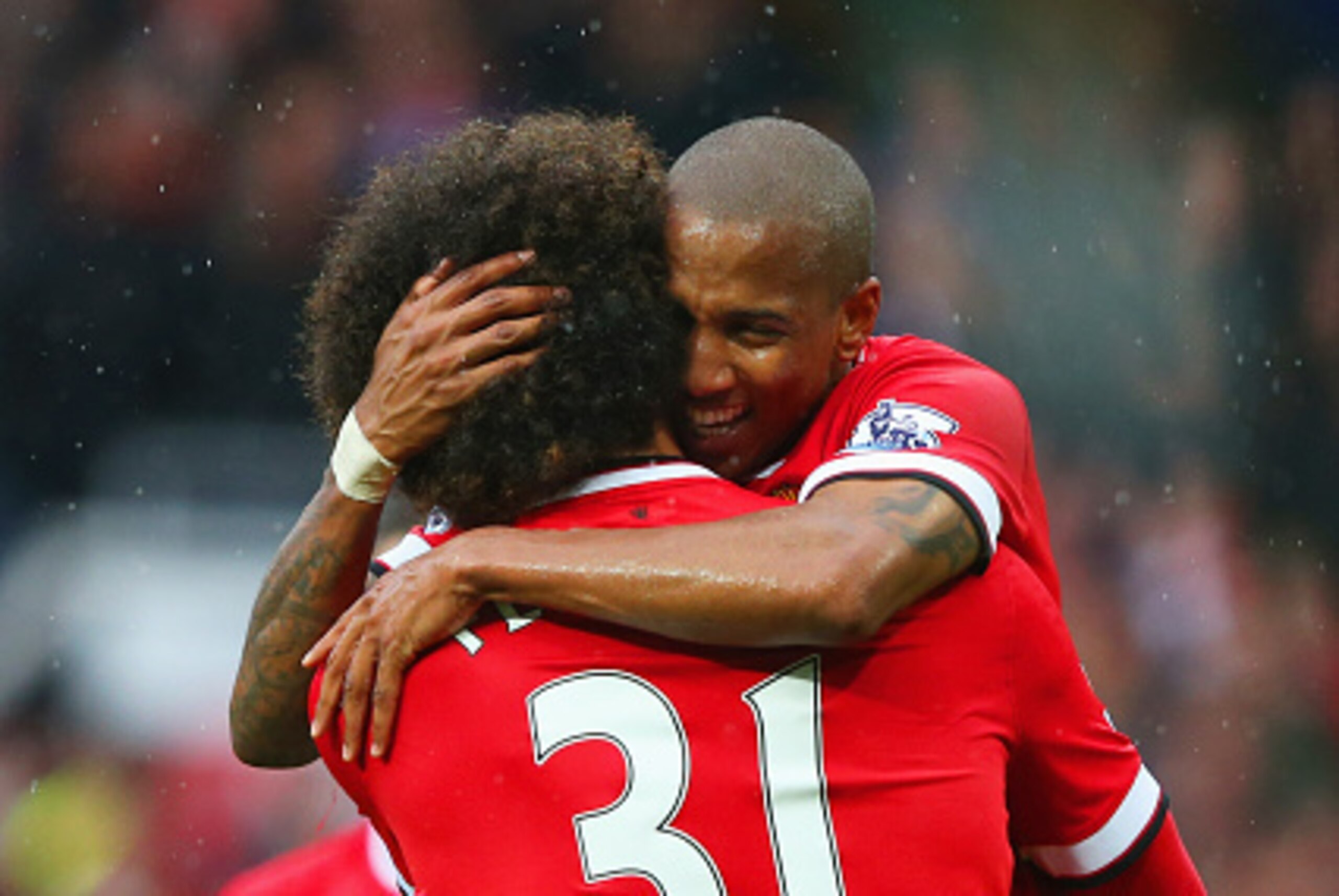
It is a natural formation for possession-oriented teams. United demonstrated this with the triangles that formed on either flank during their brief golden period.
In Young, Blind and Fellani on one side; Antonio Valencia, Herrera and Mata on the other; and in the interchange between Herrera, Rooney and Fellaini in the middle, there were opportunities to create space, confuse defenders and bring about chances.
Those triangles, when they were working properly, meant there was always a variety of passes available for whoever was on the ball.
It is also potentially highly effective on the counter-attack—particularly if players like Depay, Young and Di Maria are involved up front with their capacity to stretch defences.

When not on the ball, depending on personnel, there is a lot of potential to limit the opposition's space, too. The 4-3-3 quickly becomes a 4-5-1 when the two wingers tuck back into midfield.
Of course, it is ultimately premature to claim definitively that United should be playing one formation or another, given that the club's transfer business is ongoing. However, given Van Gaal's history and the formation's role in United's best displays the last time out, it seems sensible to bring in the kind of signings who can fit a 4-3-3.
Given the importance the manager seems to place on possession, playing the system most associated with the best possession sides in modern times only seems sensible. Even with no new additions, it would seem to be the formation that best fits United's current squad.
With the right new additions, it could prove even more effective.
.jpg?w=2560 "Texans Titans Football")
.jpg?w=2560 "Chargers Fall to 0-5 🤢")
.jpg?w=2560 "🚨 Texans Trade for MHJ")
.jpg?w=2560 "Grading MHJ Trade 📝")


.jpg?w=2560 "MHJ Bought Own Jugs Machine")