

Why Manchester City Must Keep Faith in Eliaquim Mangala
If Eliaquim Mangala’s debut season at Manchester City had to be described in one word, it would surely be “inconsistent."
The Frenchman arrived from Porto 12 months ago—City’s big summer signing who was seen as the new long-term partner for Vincent Kompany.
Kompany had played alongside Joleon Lescott, Matija Nastasic and Martin Demichelis in the previous three campaigns. The Kompany-Lescott axis was superb in 2011/12, but as City looked to evolve, the former Everton man was seen as too limited on the ball to fit the team’s style.
TOP NEWS

Messi Picks Next Gen Talent 💫
Live World Football Goals and Highlights 🔥
5 Potential Replacements for Michael Carrick as Manchester United Manager Amid Rumors
Nastasic had a wonderful debut season as a 19-year-old during Roberto Mancini’s final season in charge but was never fancied by Manuel Pellegrini. He was ultimately banished in somewhat mysterious circumstances before joining Schalke, initially on loan, before a permanent deal was agreed.
Demichelis remains at the club and has proven to be one of the best pound-for-pound signings in City’s recent history, but, at 33, he is a short-term option.
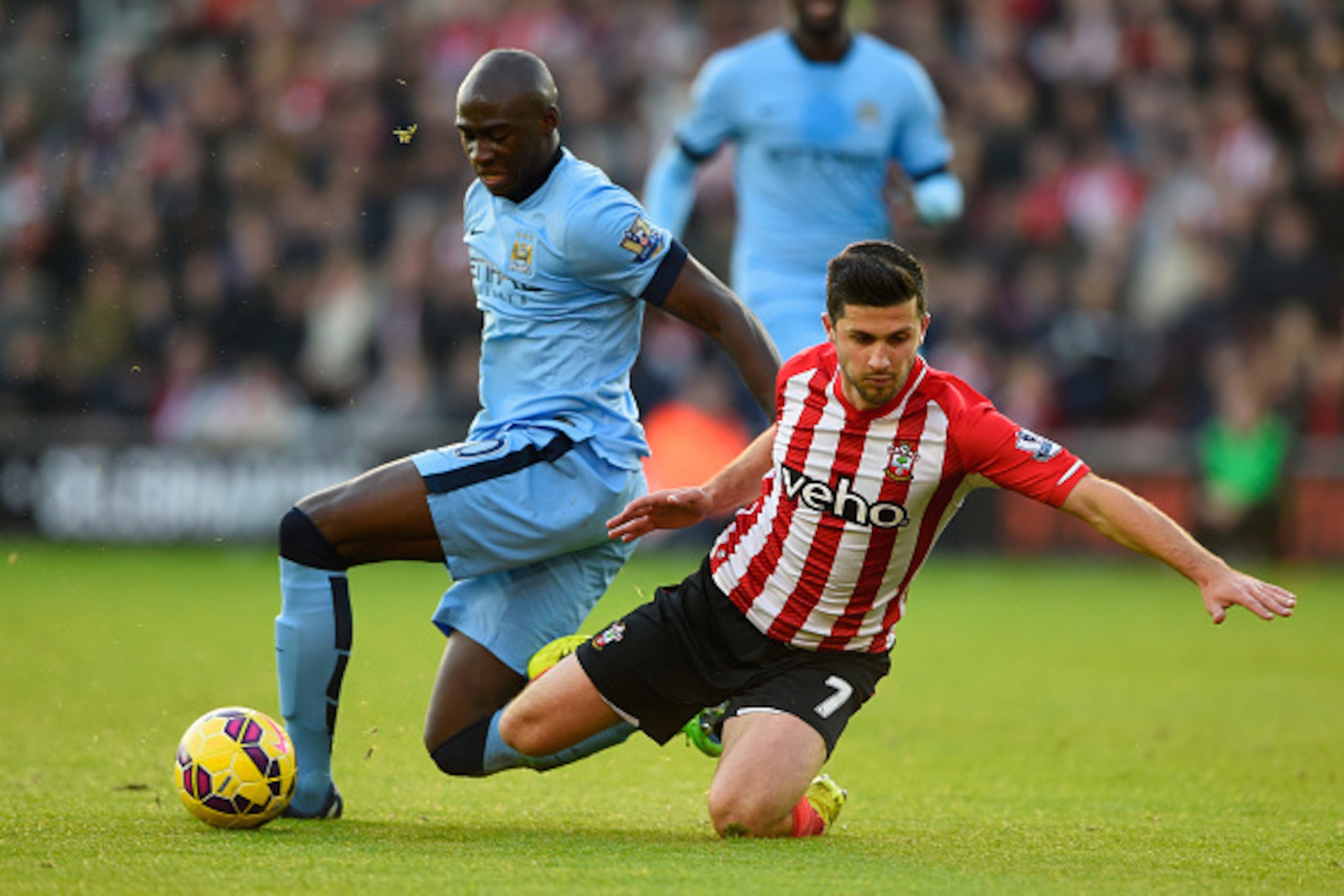
Mangala was seen as the answer to City’s problems. In their title-winning season of 2013/14, Pellegrini’s side scored 101 league goals and appeared to have few problems in an attacking sense. A young defender with the potential to become world-class was worth spending the majority of their transfer budget on. Mangala was the man identified as their principal target.
He cost £42 million. Initial reports stated £32 million, but it was later revealed his complicated transfer had seen the price escalate, as this article by Mark Ogden in the Telegraph confirms. It was a significant investment that put pressure on the player to deliver immediately.
"@pickles0303 he cost £42m. £24m to Porto, £14m to agent, £4m to former club Standard Liege. Total outlay £42m. Why are you in denial?
— David McDonnell (@DiscoMirror) April 14, 2015"
Diego Costa was nullified in a remarkable debut against Chelsea at the Etihad back in September, but from then on it was a turbulent few months—a string of shaky displays characterised by nervousness.
“My debut against Chelsea went very well. After that I had games that didn’t go as well as I would have liked and some that went great,” he told Jamie Jackson of the Guardian back in February.
“I need to be more consistent – not to have one good game, then a bad game, two good games, and one medium performance and so on.”
His reading of the game was letting him down, too easily pulled out of position and given the runaround by forwards. The intensity of English football appeared too much for him to handle.
The form of the players around him didn’t help in the early weeks. City were playing badly. Gael Clichy was woefully out of form, leaving City vulnerable down the left, and Mangala suffered.
Take his own goal away at Hull City in September. His header that beat Willy Caballero was erratic, but the ease with which Clichy was beaten in the build up to the goal, allowing Liam Rosenior time and space to play a ball into the box, did him no favours. A young player, new to league and in need of some help, was offered little support from the more senior men around him.
As a result, he wasn’t an automatic choice. For a player who had cost City a huge slice of their restricted transfer budget, it simply wasn’t good enough. The criticism grew louder and Mangala struggled.
“When you go to a club for a big fee you are always aware the fans expect a lot," he told Daniel Taylor in an interview for the Guardian. "I understand that and I understand the reaction if I have received criticism in some quarters. I also have to be brutally honest with myself and say I have not been totally happy with my season.
“I don’t want to make excuses in any way but one thing that has affected me this season is that I arrived so late. It was 13 August when I had my first day of pre-season training and there is a parallel to be drawn with my first season in Portugal."
There had been flashes of brilliance, though. In terms of natural attributes, very few can deny Mangala has a mix of qualities that could see him become one of the finest defenders around. He’s fast, strong, athletic and aggressive. When it clicks, he looks a frighteningly good prospect.
Kompany’s poor form and late-season injury saw Mangala given an unbroken run of games in the side, and he showed signs of huge improvement. Without the fear of being dropped hanging over him, Mangala was looking steadier and more at home in the Premier League. He looked more comfortable in possession and was looking to start moves from the back with his passing—a player who was finally settling.
Next season will be a big one for Mangala. There will be no preseason distractions, no truncated summer preparations after protracted transfer negotiations. He has to hit the ground running and assert himself as City's first-choice centre-back.
He clearly has the raw attributes. If he settles and improves his reading of the game, City could have exactly what they wanted when they made him their primary target last summer.
Rob Pollard is Bleacher Report's lead Manchester City correspondent and follows the club from a Manchester base. All quotes were obtained firsthand unless otherwise noted. Follow him on Twitter: @RobPollard.
.jpg?w=2560 "Texans Titans Football")
.jpg?w=2560 "Chargers Fall to 0-5 🤢")
.jpg?w=2560 "🚨 Texans Trade for MHJ")
.jpg?w=2560 "Grading MHJ Trade 📝")

.jpg?w=2560 "MHJ Bought Own Jugs Machine")