

Carolina Panthers: Position Breakdown and Depth-Chart Analysis at Wide Receiver
The Carolina Panthers’ depth chart at wide receiver is one of the more interesting storylines during training camp. Other than the early draft picks from the last two years, Kelvin Benjamin and Devin Funchess, every other spot on the roster can be considered up for grabs. An interesting mix of young talent and veterans are looking for one more shot at competing for roles up and down the depth chart.
Sometimes, uncertainty is a result of not having anyone qualified to play the position, but that’s not the case for the Panthers. This is the exciting kind of uncertainty—a competition designed to bring the best out of all players involved. While I wouldn’t rank the Panthers in the upper half of receiving corps at this point, they definitely have some interesting players with potential, and the franchise is trending in the right direction.
The situation in June 2015 is leaps and bounds beyond what it was in June 2014.
With so much uncertainty, any depth-chart analysis can only be considered speculation at this point. You’ll find different rankings of the players on Pro Football Focus, OurLads, ESPN, CBS Sports and Rotoworld. This reflects, to some extent, the fact that the Panthers don’t know who will fill what role in 2015. You can basically split the receivers into four boxes, however:
- Kelvin Benjamin, who has the only undisputed role on the roster as the No. 1 receiver.
- Jerricho Cotchery and Devin Funchess, who will likely fill the other starting receiver and slot receiver roles in some order.
- Philly Brown and Ted Ginn, who are likely competing for the fourth receiver role.
- Everyone else who is trying to earn a possible sixth roster spot or make the practice squad.
Let’s take a quick look, from No. 1 to No. 11, at the wideouts on the roster and see how they’re trending as the 2015 season approaches.
1. Kelvin Benjamin
1 of 11
2014: 73 receptions; 1,008 yards; nine touchdowns
2013 (Florida State): 54 receptions; 1,011 yards; 15 touchdowns
2012 (Florida State): 30 receptions; 595 yards; four touchdowns
Benjamin had some growing pains as a rookie, dropping 11 passes, according to Pro Football Focus. There were also early-season chemistry issues with Cam Newton, as PFF charted Benjamin as being the target on 58 uncatchable passes, tied for second-most in football last season. Overall, however, he flashed significant promise last season and is trending upward as 2015 begins.
The light went on in the Week 11 loss to Atlanta, when Benjamin caught nine passes for 109 yards and a touchdown. It wasn’t his biggest single-game performance of the year—that was the Week 3 game against Pittsburgh—but it seemed to be the point where his undeniable talent and skill set began to outweigh his inexperience.
He was arguably the best offensive player on the field in the playoff loss to Seattle, thrashing Tharold Simon over and over again. If he can keep that level of performance up over this upcoming season, Benjamin could become one of the top receivers in the NFL.
That’s obviously the pie-in-the-sky dream outlook for Benjamin, and he still has a lot to polish before he can be even a consistent top receiver. He has, however, flashed that potential.
In order to realize that potential, he’s going to have to see the field. Benjamin has been battling a nagging hamstring injury for a month or so, only returning to practice toward the end of the Panthers’ OTAs, according to Steve Reed of the Associated Press. He also reported to OTAs overweight and had to sit out Wednesday’s minicamp practice with another hamstring injury, according to Jonathan Jones of the Charlotte Observer.
None of these concerns should impact his availability for the season, but you never like seeing young, developing players miss so much time. The sooner he gets back on the field, the better.
2. Jerricho Cotchery
2 of 11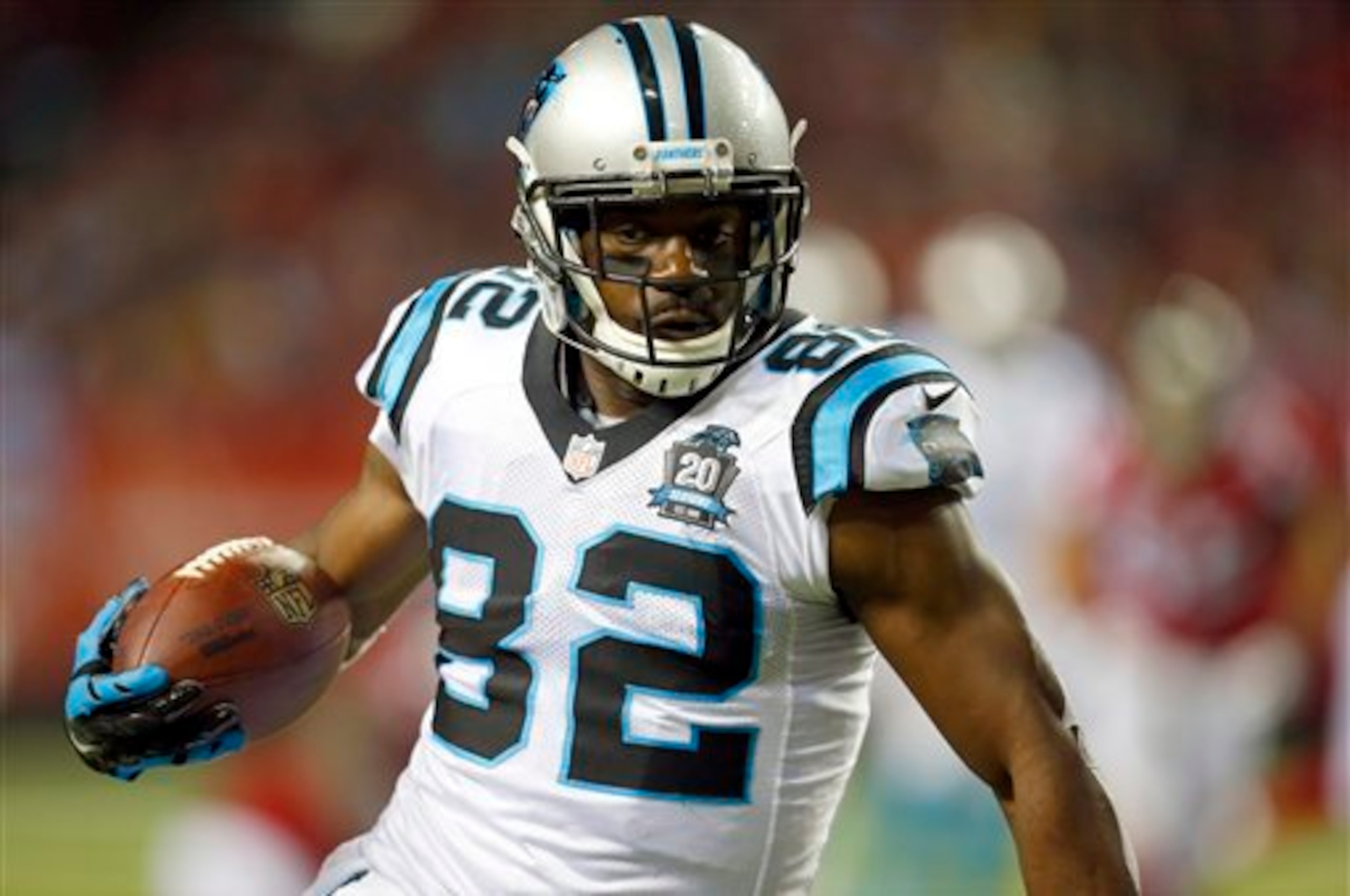
2014: 48 receptions, 580 yards, one touchdown
2013 (Pittsburgh): 46 receptions, 602 yards, 10 touchdowns
2012 (Pittsburgh): 17 receptions, 205 yards
Like most teams in training camp, I’m giving deference to the veteran by ranking him above Devin Funchess at this point in time. That might not even last to the beginning of training camp, much less the regular season.
When you look at the whole season, Cotchery was better than Benjamin last season. No, he didn’t have as many receptions or as many yards as the rookie, but he was the more consistent receiver. Per PFF, he only dropped three passes and did some solid work out of the slot. Benjamin was the big-play threat, but Cotchery was the more reliable option.
That’s a simplistic way to look at it. Yes, Cotchery’s lows weren’t as bad as Benjamin’s growing pains, but that should be expected for a veteran versus a rookie. Cotchery rarely had any dramatic highs—he mostly just plodded along, providing slightly below-average production week in and week out. By the end of the year, Benjamin had clearly passed him.
That seems to be the case entering 2015 as well. Though his best days are behind him, Cotchery has still been consistent in practice, according to the Panthers’ official website. On a team with so many young players at the position, having a consistent veteran like Cotchery in the corps is a boon but not an exciting one.
He might start the season as the second starting receiver simply because putting a rookie and a second-year player out as the starting duo from Week 1 is a risky proposition. By the end of the year, though, the Panthers would love for Cotchery to be passed up once again, getting less and less of a role as Devin Funchess gets a bigger and bigger one.
3. Devin Funchess
3 of 11
2014 (Michigan): 62 receptions, 733 yards, four touchdowns
2013 (Michigan): 49 receptions, 748 yards, six touchdowns
2012 (Michigan): 15 receptions, 234 yards, five touchdowns
The biggest beneficiary of Benjamin’s gimpy hamstring has been Funchess, who has received the lion’s share of the first-team snaps during OTAs alongside Cotchery. He’s lined up at all three receiver positions during camp, according to the Charlotte Observer, and has been impressive so far.
Funchess’ best position remains to be determined. He played both split out wide and in-line as a tight end at Michigan, and he might be best suited in the slot at the NFL level. It’s nice to see that he’s getting work in multiple positions during OTAs. The ideal way for the Panthers to use him would be as a matchup nightmare, moving him around the formation at will depending on the situation and weaknesses of the opposing defense.
His route running isn’t polished yet, but that’s a common case for rookie receivers who often dominate in college based on raw talent more than anything else. He presents a size mismatch, at 6’4” and 232 pounds, though I’d like to see him use his height advantage to go up and get balls more than he did at Michigan rather than waiting for them to come to him.
By the end of the season, Funchess will be utilized on intermediate throws, matching up against safeties, linebackers and nickel corners and simply proving too much of a size mismatch for them. His ceiling isn't nearly as high as Benjamin’s, but that’s why Funchess was a second-round pick and Benjamin was a first-rounder. Like Benjamin, Funchess will get better as his rookie season goes on.
.jpg?w=2560 "Seahawks Chiefs Football")


4. Corey Brown
4 of 11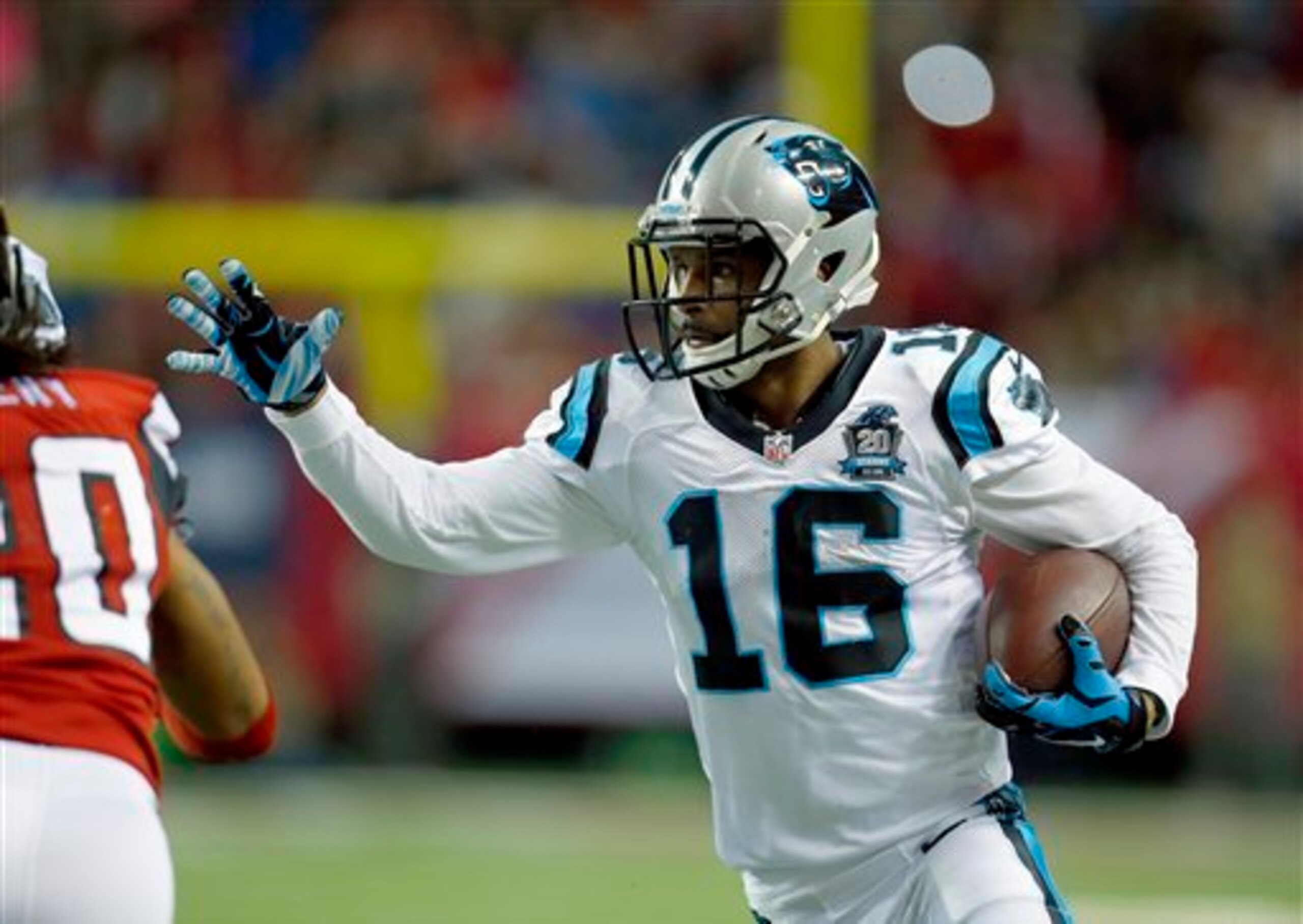
2014: 21 receptions, 296 yards, two touchdowns
2013 (Ohio State): 63 receptions, 771 yards, 10 touchdowns
2012 (Ohio State): 60 receptions, 669 yards, three touchdowns
Brown didn’t quite come out of nowhere last season, but no one expected the undrafted free agent to make quite as big of an impression as he did. He entered regular play in Week 11 after the team released Jason Avant, getting at least one reception in every game from that point on. He was an immediate improvement in the third receiver role, though that perhaps said more about the quality of Avant rather than the quality of Brown.
Brown won’t be one of the top three receivers in 2015, but don’t count out his ability to win the situational deep-threat role. ESPN.com’s David Newton thinks that’s possible, noting that Brown is “running more precise routes” and developing good chemistry with Cam Newton. Brown might well be faster than the aging Ted Ginn at this point, as well.
The former high school sprinter is rounding out his game, in other words. The Charlotte Observer named him one of its OTA MVPs, and I don’t see any reason why he couldn’t build on his role from 2014. His ceiling isn’t as high as Benjamin's or Funchess' thanks to a lack of size and strength, but if his route running continues to improve, he’ll be a real steal as an undrafted free agent—a contributor for the next few years, at least.
5. Ted Ginn
5 of 11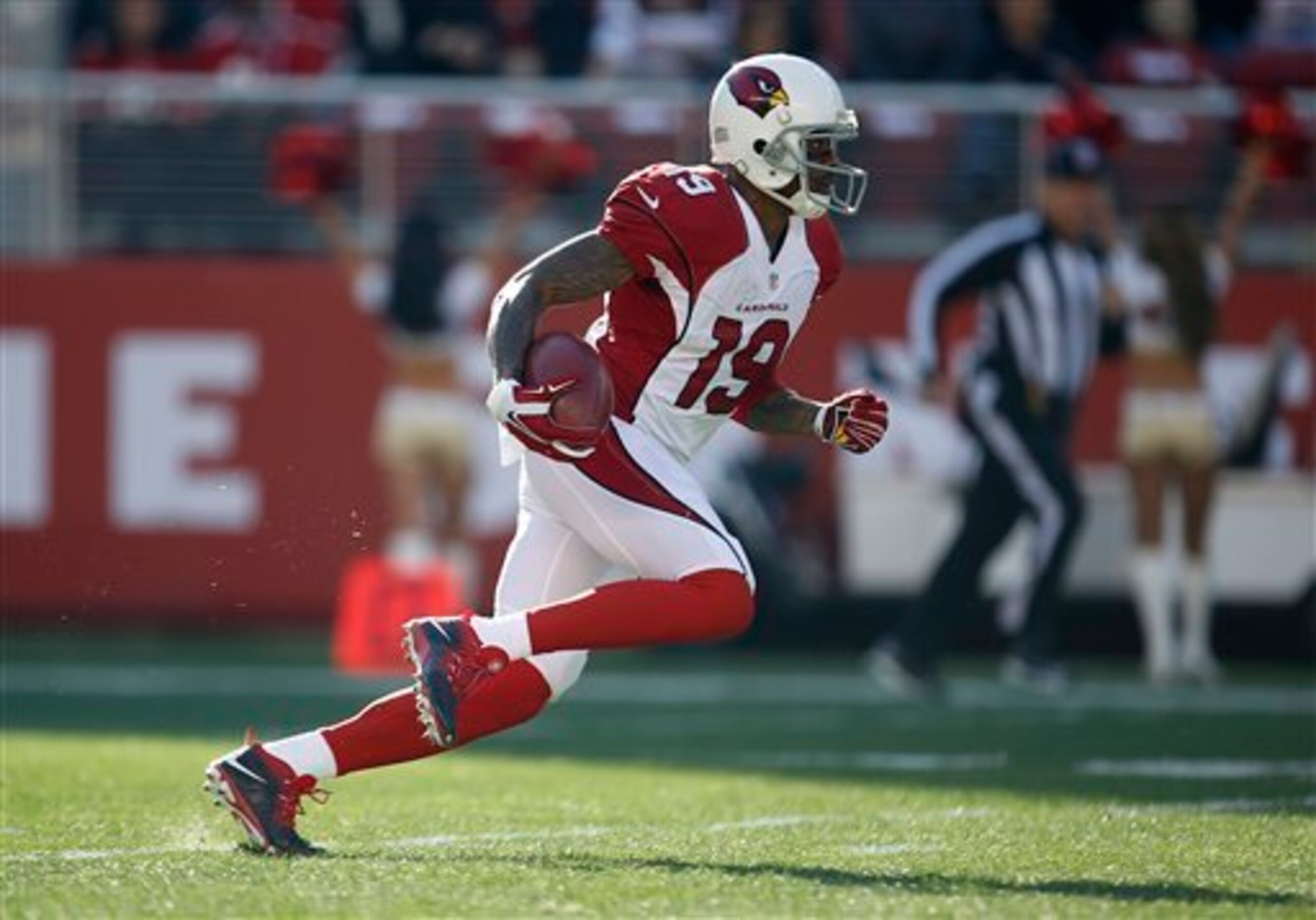
2014 (Arizona): 14 receptions, 190 yards
2013: 36 receptions, 556 yards, five touchdowns
2012 (San Francisco): Two receptions, one yard
Ginn, who is returning to the Panthers after a season out in the desert, has been getting a lot of coverage as being the deep threat that the team has been seeking. But that's not true for a number of reasons.
The main argument seems to be that, because Ginn and Newton had chemistry in 2013, they’ll continue to have chemistry in 2015. His poor numbers in Arizona can be explained by the rotating quarterback situation the Cardinals had last season, with player after player going down to injury. If 2014 was the only down season Ginn had had recently, that would make a lot of sense—he definitely did have success in 2013 with Newton, and bringing him back to revitalize that chemistry is a solid plan.
The problem is, 2013 was Ginn’s first season since 2008 where he had more than 500 yards and his only stop outside of Miami where he had even 30 receptions. He’s never been a consistent contributor at wide receiver in the NFL.
Now, as a punt returner, Ginn is still one of the best in the league and will represent an upgrade over Corey Brown or Brenton Bersin. Couple that with his success in 2013 with Newton, and bringing him back in free agency makes a ton of sense. Nevertheless, counting on him to be a threat as a receiver is unwise. If he adds any value in the receiving game, that’s more of a nice bonus than anything else—but all things considered, I’d rather have him returning kicks and Corey Brown as the deep threat.
6. Jarrett Boykin
6 of 11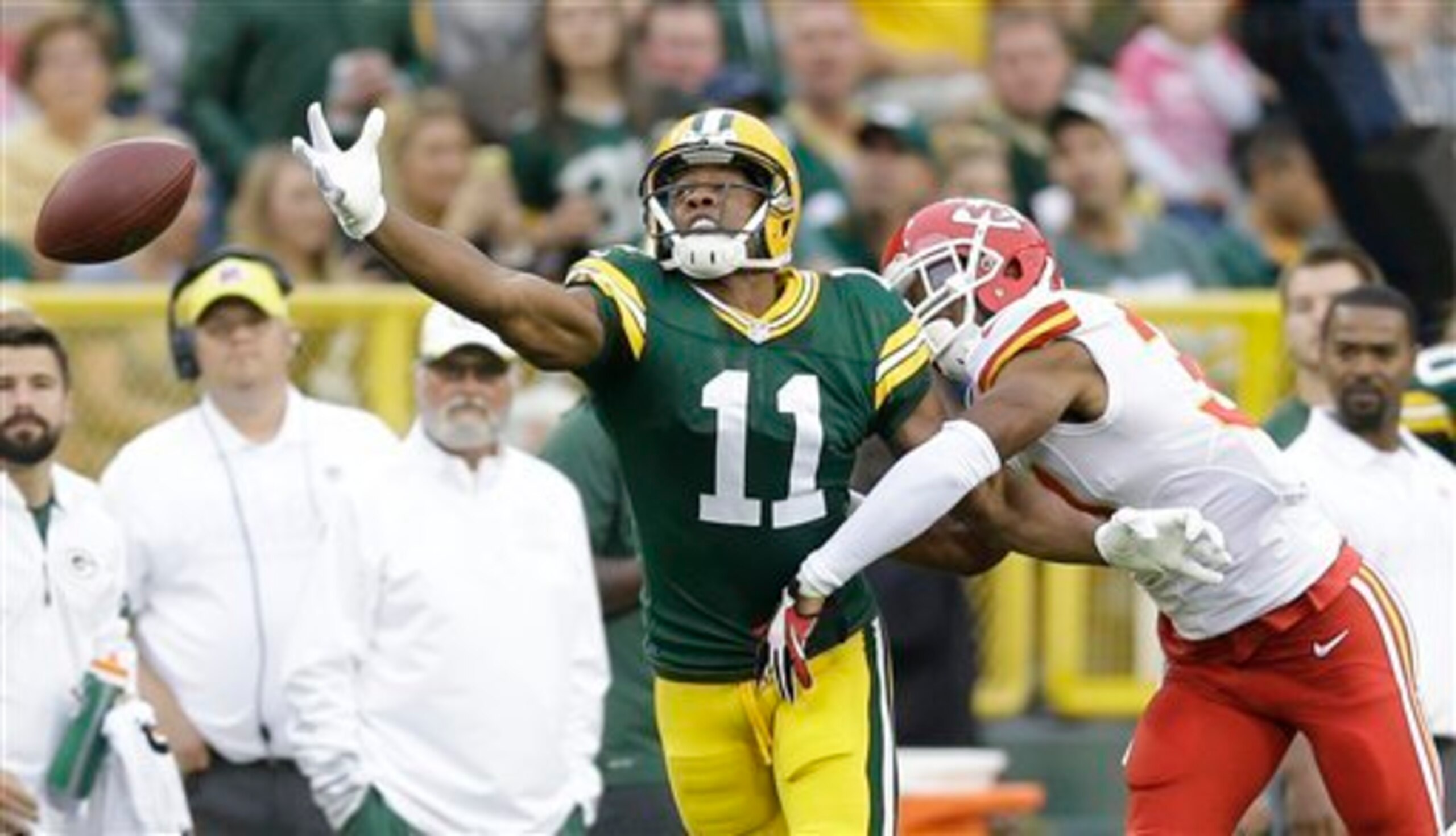
2014 (Green Bay): Three receptions, 23 yards
2013 (Green Bay): 49 receptions, 681 yards, three touchdowns
2012 (Green Bay): Five receptions, 27 yards
Boykin is basically a one-season wonder at this point. He had a great year in 2013 catching passes from Aaron Rodgers but has been buried on the depth chart most years. He’s mostly a possession receiver but had as many drops as receptions last year, which isn’t good.
He is basically a younger version of Jerricho Cotchery—a (normally) sure-handed possession receiver who isn’t going to blow you out of the water.
His two 100-yard games in 2013 represent nearly 30 percent of his career production. Picking him up in restricted free agency represents a flier on a player who’s shown flashes and nothing more than that.
So far, those flashes have not repeated themselves in Carolina. The Charlotte Observer singled him out as having a bad OTA session, noting that he "did little to separate himself from the crowd." This was despite the injury to Benjamin, which gave the other receivers more chances to shine.
My hunch is that Boykin’s 2013 success has more to do with Rodgers than Boykin. While Cam Newton was worth the big contract he just got, he’s not exactly Rodgers-esque when it comes to throwing a catchable ball. Boykin is atop that last tier of receivers at the moment, thanks to him being a free agent specifically brought in for this role. If any of the names behind Boykin on this list stand out, however, he might end up without a job in 2015.
7. Brenton Bersin
7 of 11
2014: 13 receptions, 151 yards, one touchdown
2013: Practice Squad
2012: Practice Squad
Bersin has been a regular in camp since he was signed as an undrafted free agent out of Wofford in 2012. He has managed to beat out the lower-quality receivers the Panthers have brought into camp year after year, but has never made a major impact on the roster.
He was a shaky return man last year, and that job is probably Ted Ginn's at this point. Bersin also no longer has any practice squad eligibility, so it’s the 53-man roster or bust for him at this point.
It will probably be "bust." He’s surprised people before by doing just enough to grab the last receiving slot, but the additions of Funchess and Ginn, as well as the faster rise of fellow UDFA Corey Brown, put Bersin behind the eight ball at this point. The Charlotte native has a bit of a following, being a local boy who made good, but he’s not quite an NFL-caliber receiver and hasn’t developed a particular skill or ability that would set him apart in any way.
8. Stephen Hill
8 of 11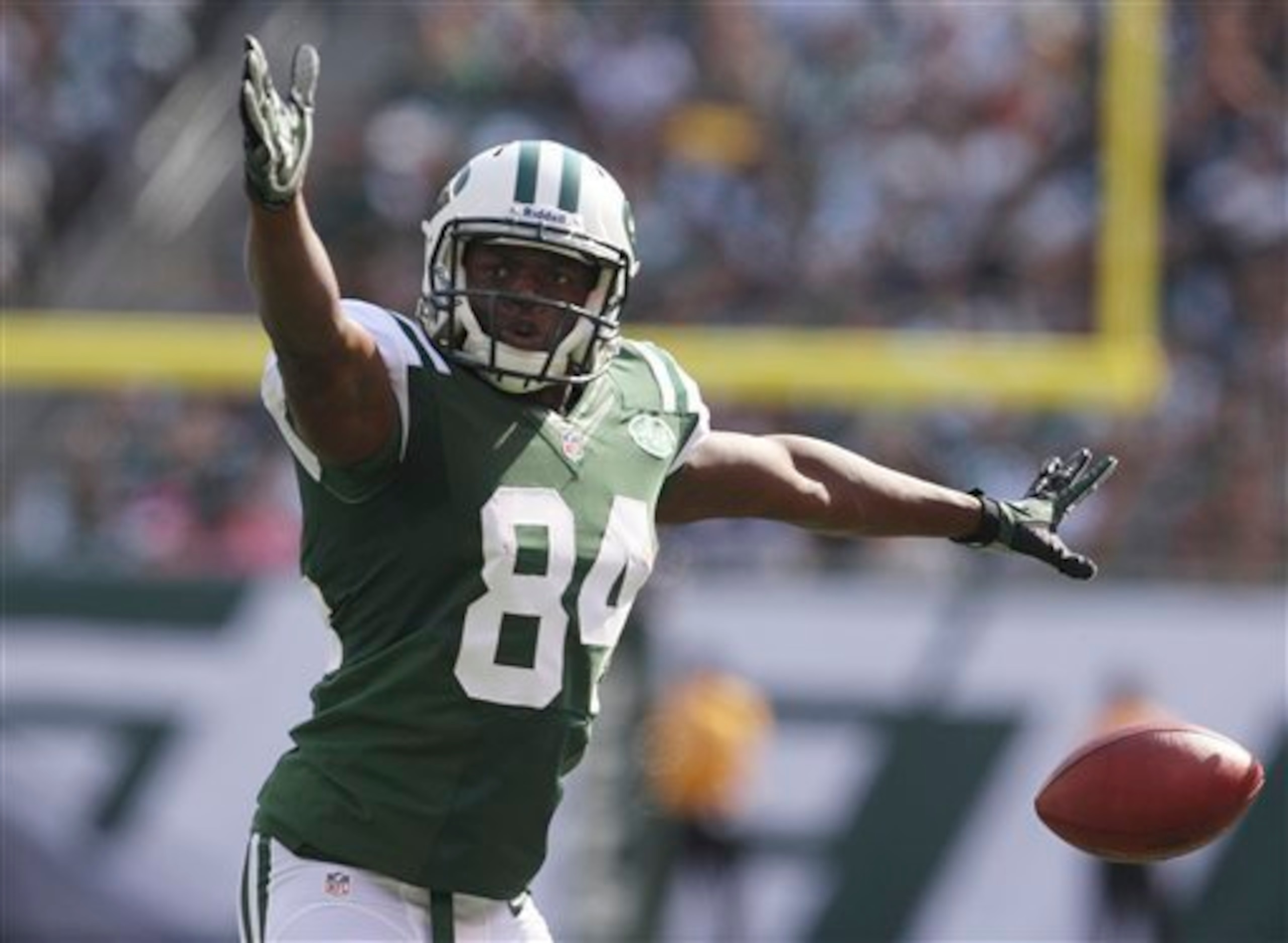
2014: Practice Squad
2013 (NY Jets): 24 receptions, 342 yards, one touchdown
2012 (NY Jets): 21 receptions, 252 yards, three touchdowns
Unlike Bersin, Hill does have a particular skill that sets him apart—he’s a massive deep threat who averaged nearly 30 yards per reception at Georgia Tech as a senior and showed great blocking in that triple-option system. There’s a reason he was a second-round pick back in 2012.
Hill has never translated those skills to the pros, though. However, there may be extenuating circumstances. The New York Jets, with the likes of Mark Sanchez and Geno Smith, have been far from the ideal location for receivers to develop over Hill’s career. For a player coming out of a gimmicky system like a triple-option, needing to learn a full route tree and the general ins and outs of playing an NFL receiver position, the Jets might have been the worst place possible to develop.
The idea, then, is that a year learning his craft with the practice squad in Carolina could unlock his talents and turn him into a competent NFL receiver. Ron Rivera has named Hill the standout of OTAs, though the fact that he’s bigger, faster and stronger than second- and third-team defenses might have a lot to do with that.
Hill has never been able to translate his obvious skills into production on game day, but he’s with a more stable franchise now than he was in New York. If he shows production during training camp and game situations in the preseason, and if the Panthers opt to keep six receivers on their active roster, Hill has a good shot of making the 53-man roster. I wouldn’t hold out hopes that he’d ever live up to his second-round draft slot, but he might yet contribute.
9. Mike Brown
9 of 11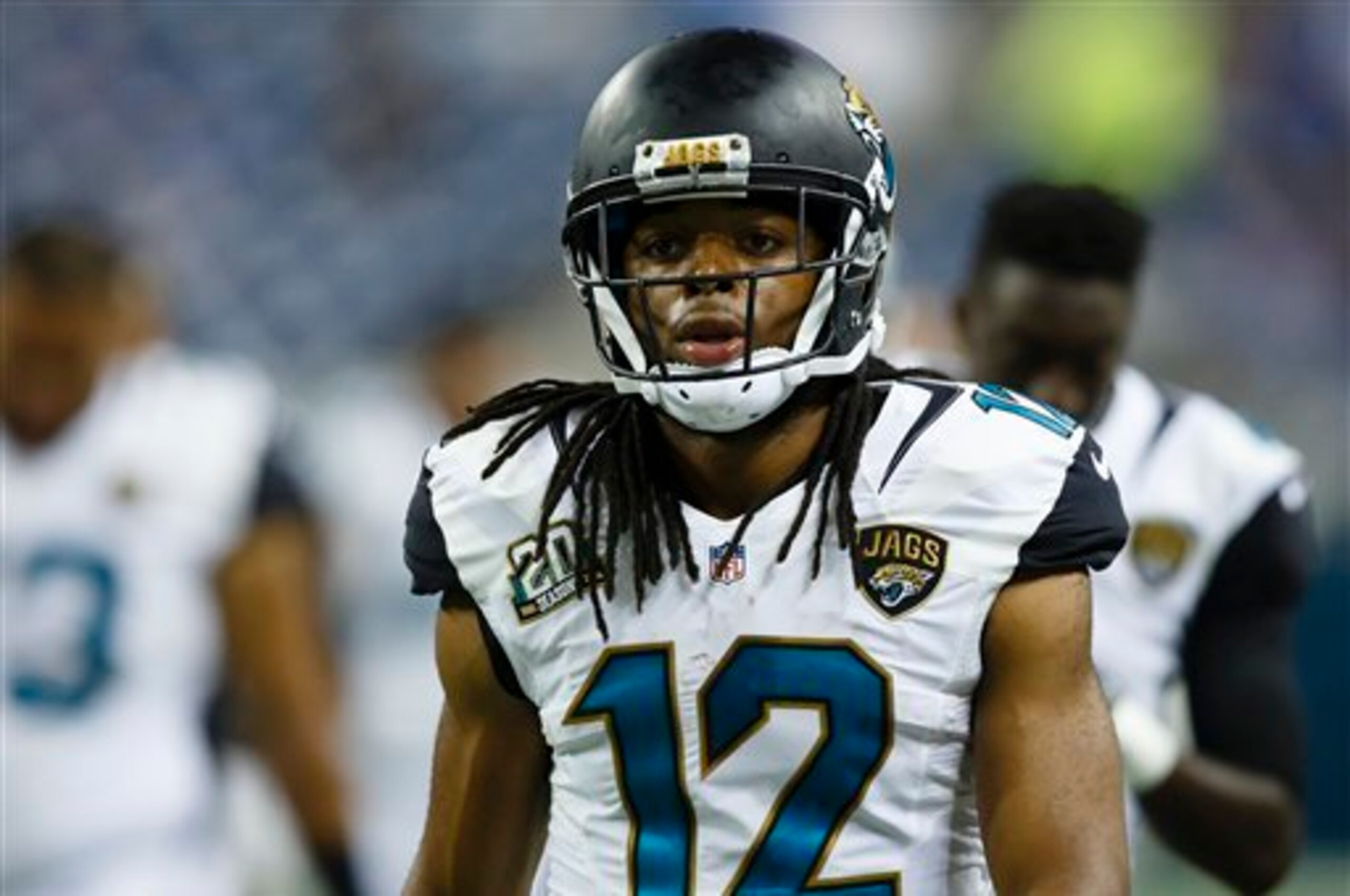
2014 (Jacksonville): Seven receptions, 88 yards
2013 (Jacksonville): 32 receptions, 446 yards, two touchdowns
2012 (Jacksonville): Practice Squad
Mike Brown is essentially a camp body at this point in his career. He’s bounced up and down from Jacksonville’s practice squad, and it’s rarely a good sign when you can’t make the Jaguars roster. He’s undersized at 5’10” and 200 pounds, and the converted quarterback hasn’t really flashed anything that makes you go wow.
I watched his receptions from 2013 in Jacksonville, and there wasn’t a game that I can point to and say "this is what he can bring to the table."
Brown still has practice squad eligibility, so he might end up there, but he won't line up on the 53-man roster at any point in 2015, barring a massive injury epidemic.
10. Marcus Lucas
10 of 11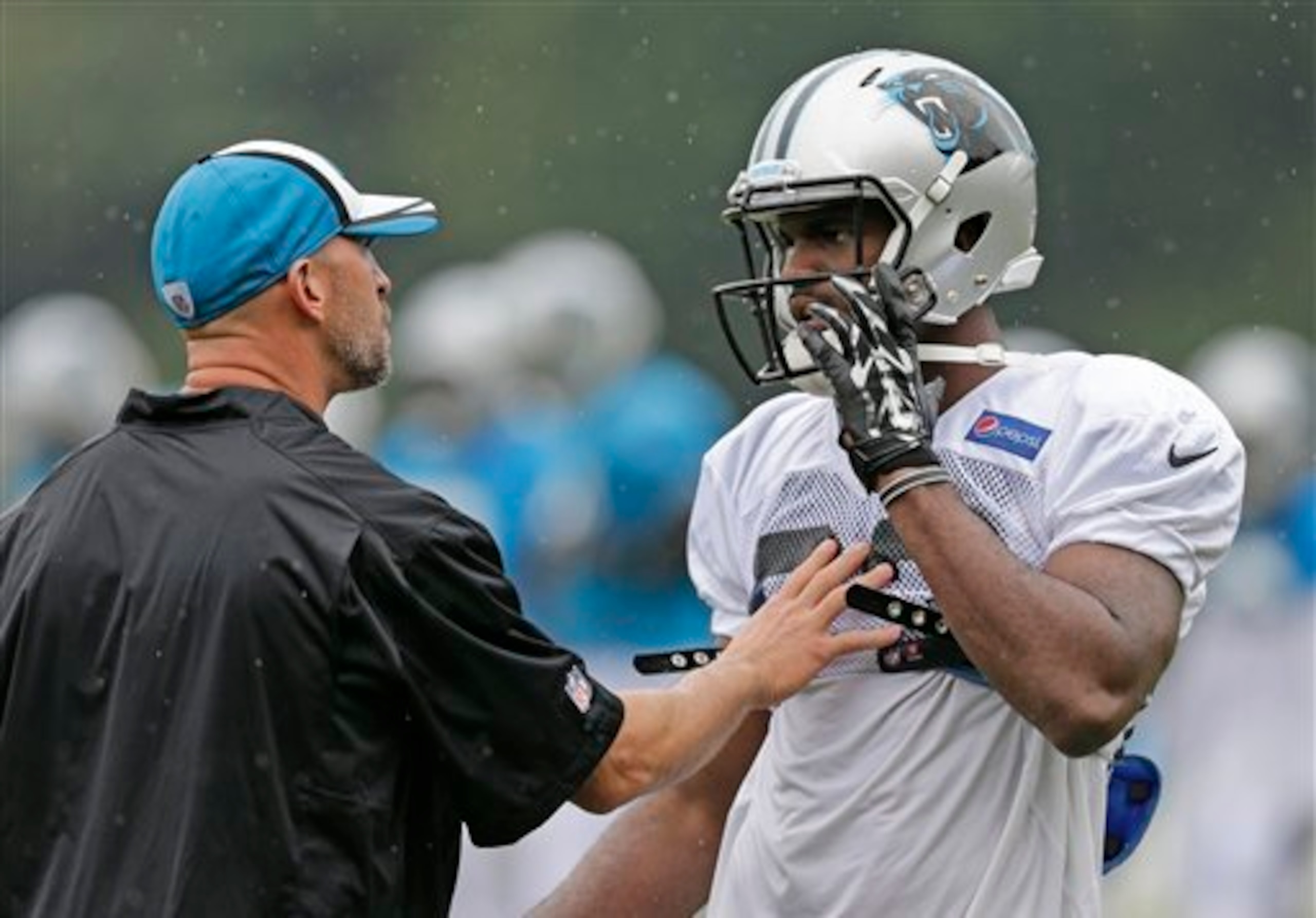
2014: Practice Squad
2013 (Missouri): 58 receptions, 692 yards, three touchdowns
2012 (Missouri): 46 receptions, 509 yards, three touchdowns
Lucas had some big numbers in Missouri in a spread scheme, and he is built like you’d want a receiver to be, at 6’4” and 220 pounds with nice long arms. He’s not fast or exceptional with the ball in his hands, but he has some developmental potential as a possession receiver.
He will not make the main roster, though he could get a spot on the practice squad as the Panthers continue to see if they can take his physical attributes and mold them into a sure-handed stick-mover. He’s likely still a few years away from realizing any potential.
11. Damiere Byrd
11 of 11
2014 (South Carolina): 20 receptions, 318 yards, three touchdowns
2013 (South Carolina): 33 receptions, 575 yards, four touchdowns
2012 (South Carolina): 14 receptions, 366 yards, three touchdowns
Attempting to become this year’s Corey Brown and make an impact as an undrafted free agent is South Carolina’s Damiere Byrd. Like all UDFAs, he is a long shot, but he has flashed some potential.
He put up a blazing 4.28-second 40-yard dash on grass at his pro day, according to Gil Brandt. Grass normally slows you down, as well, though the pro-day time was hand-timed rather than electronically monitored like at the NFL combine. That’s am impressive number to put up regardless, and he matched it with good numbers in all the other standard drills.
So, why wasn’t he drafted? His lack of production at South Carolina is part of it, and Pro Football Focus reported he dropped quite a few catchable balls. He’s also tiny at only 5’9” and 173 pounds.
That size, in and of itself, doesn’t exclude him from being a pro. Antonio Brown, Andrew Hawkins and DeSean Jackson all hover around those numbers, and they had success last season. It’s certainly an uphill battle for someone below 70 inches to make an NFL roster, but there are small slot receivers.
He impressed in rookie minicamp, according to the State, and has occasionally been mentioned as standing out in individual drills. Does he have a chance of making the main roster? Probably not, but with speed like that, he’s worth stashing on the practice squad and seeing what develops.
Bryan Knowles is a featured columnist for Bleacher Report, covering the Carolina Panthers. Follow him @BryKno on twitter.
.jpg?w=2560 "Raiders Saints Football")



