
Winning Through the Draft…The Other Way
To win big in sports, it takes at least a superstar or two, the type of franchise-altering assets that are most commonly found at the very top of draft boards or on free-agent markets.
Every so often, though, a franchise defies the odds, putting together star-led winners with savvy draft skills and a keen eye for diamonds in the rough.
The Golden State Warriors, for example, are in the midst of competing for an NBA title, yet they are led by four stars they drafted outside of the top five.
Likewise, on the gridiron, the Pittsburgh Steelers won four Super Bowls between 1974 and 1979 and did so utilizing nine Hall of Famers, six picked outside of the top 20.
Finally, in the NHL, the New Jersey Devils won two Stanley Cups behind the play of stars like Martin Brodeur, Patrik Elias, Petr Sykora and Scott Gomez, and not a single one of them was drafted higher than 18th overall.
Inspired by such skillful drafting, we've decided to put together a comprehensive list, specifically honoring franchises that have gone outside the box in order to win big.
Teams under consideration had to win or at least compete for world championships, and, of course, these teams also had to be led by at least a few stars they selected anywhere but at the top of drafts.
That said, we've spotlighted 11 sports franchises that managed to achieve tremendous and prolonged success, thanks in large part to their ability to spot stars in places no one else could.
San Antonio Spurs
1 of 11
Key Draft Picks: Tim Duncan (1st overall in 1997); Manu Ginobili (57th overall in 1999); Tony Parker (28th overall in 2001); Tiago Splitter (28th overall in 2007); Kawhi Leonard (15th overall in 2011).
The Skinny: Since 2001, the San Antonio Spurs have been champions of the basketball world on five separate occasions. The title-winning teams in 2001 and 2003 were carried by top picks like David Robinson and Tim Duncan, but the later three were dominated by assets found in the bottom half of first and second rounds.
While Duncan was around for all five, San Antonio's championship teams of 2005 and 2007 relied heavily on Parker and Ginobili—who were selected 28th and 57th overall, respectively—while the '07 squad also received a helping hand from Splitter, who fell to the Spurs at 28th overall.
Of course, Parker, Ginobili and Splitter also played major roles during the 2014 title run, but were also aided in a major way by Leonard, a Defensive Player of the Year whom the Spurs stole at 15th overall in 2011.
Tampa Bay Buccaneers
2 of 11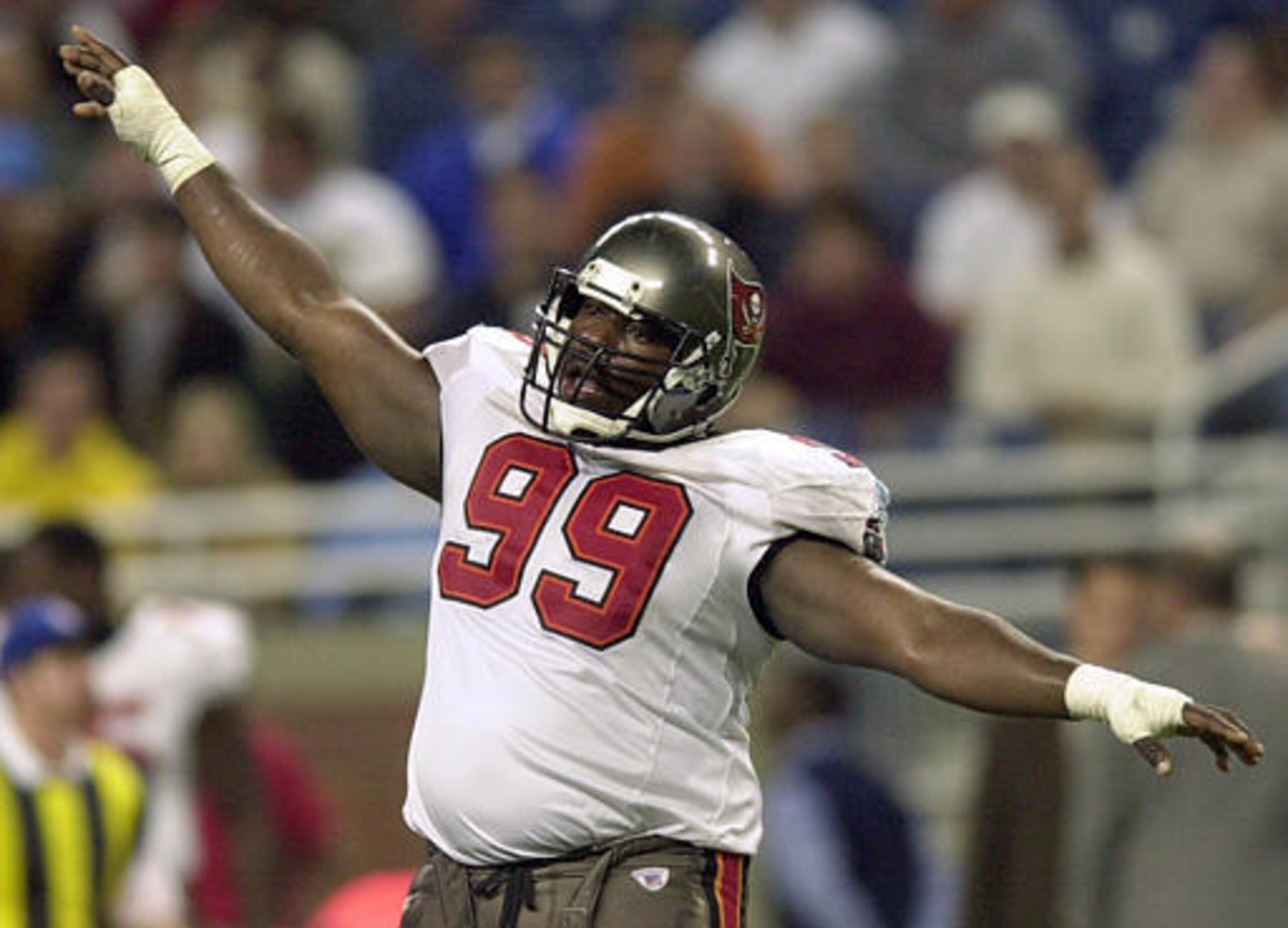
Key Draft Selections: John Lynch (82nd overall in 1993); Warren Sapp (12th overall in 1995); Derrick Brooks (28th overall in 1995); Mike Alstott (35th overall in 1996); Ronde Barber (66th overall in 1997).
The Skinny: With the exception of Mike Alstott, Tampa's genius drafting throughout the '90s occurred almost exclusively on the defensive side of the ball. That said, it paid huge dividends.
Combined, the four defensive stars (listed above) played a total of 50 seasons in Tampa and yielded 32 Pro Bowl appearances, forming one of the league's top and most consistent units.
And speaking of the Pro Bowl, when the Bucs won their first and only Super Bowl in 2002, they sent six star players to the prestigious game and were responsible for drafting four of them (Alstott, Sapp, Brooks and Lynch).
Most impressive of all, none of Tampa's aforementioned stars were selected in the top 10 of their respective drafts, proof the Bucs got tremendous value when they were on the clock.
New York Rangers
3 of 11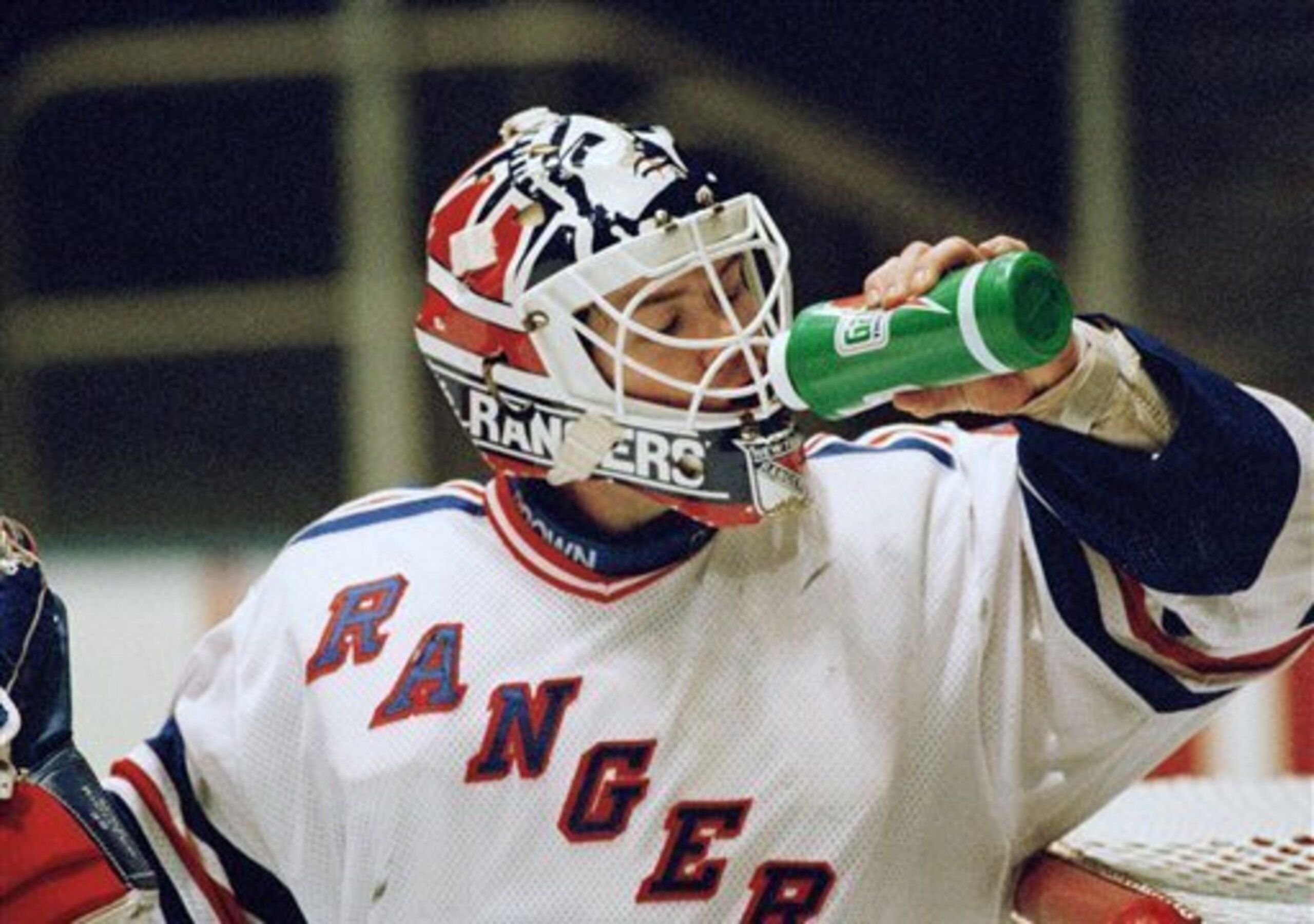
Key Draft Picks: Mike Richter (28th overall in 1985); Brian Leetch (9th overall in 1986); Sergei Zubov (85th overall in 1990); Sergei Nemchinov (244th overall in 1990); Alexei Kovalev (15th overall in 1991).
The Skinny: When the New York Rangers captured the 1993-94 Stanley Cup, guys like Mark Messier and Adam Graves—who were drafted by Edmonton and Detroit, respectively—no doubt played a huge role. Messier, the team's captain, contributed a considerable 84 points on the year while Graves led the team in scoring with a gaudy 52 goals.
Still, the crux of the title-winning Rangers arrived in New York via the draft. At No. 9 overall, Leetch was the highest-drafted player of the bunch, but as an elite defender and future Hall of Famer, he represented tremendous value nonetheless.
The Rangers also had impressive success finding productive Russian talent in the middle and toward the end of a couple drafts, with Zubov—the team's leader in both points and assists—Nemchinov and Kovalev combining for 194 points on the year.
More than anything, though, the championship Rangers took advantage of brilliant goaltending courtesy of Hall of Famer Mike Richter, who they snagged at the very end of 1985's first round.


San Francisco 49ers
4 of 11
Key Draft Picks: Patrick Willis (11th overall in 2007), Joe Staley (28th overall in 2007), Ray McDonald (97th overall in 2007), Michael Crabtree (10th overall in 2009), Mike Iupati (17th overall in 2010), NaVorro Bowman (91st overall in 2010), Anthony Davis (11th overall in 2010), Colin Kaepernick (36th overall in 2011), Aldon Smith (7th overall in 2011), Vernon Davis (6th overall in 2006), Chris Borland (77th overall in 2014).
The Skinny: Though San Francisco hasn't won a Super Bowl since 1994, the franchise has nonetheless been on quite the run of late. Thanks to a good eye for draft-eligible talent, the 49ers have won 44 games and an NFC Championship in the last four seasons.
Of course, they laid the groundwork for the impressive run with savvy drafting, finding 11 true difference makers dating back to 2007. In fact, in that year alone, the Niners found Willis—a seven-time Pro Bowler—Staley and McDonald, and each made a significant impact as they quickly worked their way into the starting lineup. None, though, were top 10 picks.
It's worth noting that Vernon Davis, Michael Crabtree and Aldon Smith were high draft picks and blossomed into stars in San Fran, but everyone else in the talented group was selected beyond the first round.
The most notable hidden gem was Kaepernick, who fell to the Niners at 36th overall in the draft of 2011. And despite tumbling on draft day, the dynamic quarterback managed to supplant Alex Smith and carry the Niners all the way to the Super Bowl in just his second season with the team.
Los Angeles Angels
5 of 11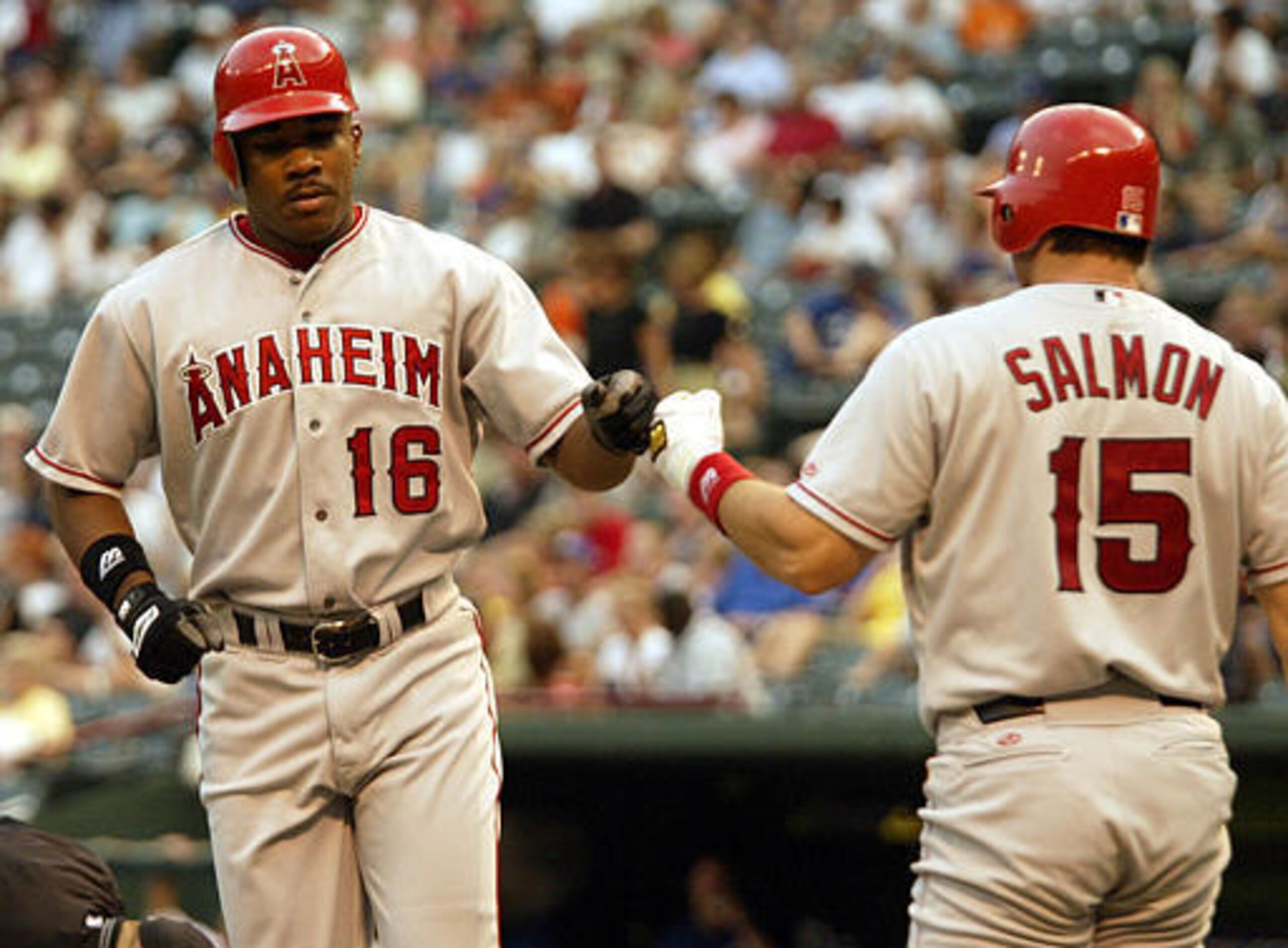
Key Draft Picks: Tim Salmon (3rd round in 1980); Garret Anderson (4th round in 1990); Troy Percival (6th round in 1990); Darin Erstad (1st overall in 1995); Jarrod Washburn (2nd round in 1995); David Eckstein (19th round in 1997); Troy Glaus (3rd overall in 1997); Scot Shields (38th round in 1997); John Lackey (2nd round in 1999).
The Skinny: When the then-Anaheim Angels captured their first and only World Series title back in 2002, they did so utilizing talent they acquired almost exclusively through the draft.
In fact, Angel management was responsible for drafting five of the team's nine starters, including stars such as Anderson, Eckstein, Erstad and Glaus. More importantly, outside of Glaus and Erstad, the rest of the group was unearthed in the third round or later (Eckstein, it's worth noting, was found in the 19th round).
Better yet, even if we exclude undrafted free-agent signings like Francisco Rodriguez and Ramon Ortiz, the Anaheim front office can take credit for hand picking the team's four most important pitchers. The list, of course, includes starters like Lackey and Washburn in addition to key relievers like Percival and Shields.
We should note, Washburn and Lackey—who fell into second rounds—were the highest draft picks of the bunch, as Percival went in 1990's sixth round and Shields in 1997's 38th round.
Dallas Cowboys
6 of 11
Key Draft Picks: Mel Renfro (17th overall in 1964); Bob Hayes (88th overall in 1964); Jake Kupp (116th overall in 1964); Roger Staubach (129th overall in 1964); John Niland (5th overall in 1966); Walt Garrison (79th overall in 1966); Rayfield Wright (182nd overall in 1967); Blaine Nye (130th overall in 1968); Calvin Hill (24th overall in 1969); Charlie Waters (66th overall in 1970); Billy Joe Dupree (20th overall in 1973); Harvey Martin (53rd overall in 1973); Ed Jones (1st overall in 1974); Randy White (2nd overall in 1975); Thomas Henderson (18th overall in 1975); Bob Breunig (70th overall in 1975); Pat Donovan (90th overall in 1975); Herbert Scott (330th overall in 1975); Tony Dorsett (2nd overall in 1977); Tony Hill (62nd overall in 1977).
The Skinny: Between 1964 and 1970, the Dallas Cowboys struck draft gold time and time again, and it all culminated in a 1971 Super Bowl ring.
The title-winning team was led by 10 standouts drafted by the Dallas front office, and all but one—John Niland—fell outside of the top 15 picks. In fact, of the remaining nine, Renfro and Hill went 17th and 24th, respectively, while no one else in the group was taken higher than 66th overall.
Led by Staubach—who went 129th overall in 1964—the accomplished 10-man group produced four Hall of Famers—Staubach, Renfro, Hayes and Wright—in addition to another six Pro Bowlers.
Of course, the Cowboys won another world championship in 1977, with holdovers like Staubach, Renfro, Wright and Waters again leading the charge.
The team was also buoyed by 10 more key draft picks, including two more Hall of Famers and another eight Pro Bowlers. Again, if you take out top picks like Jones, White and Dorsett—the latter of whom was just a rookie at the time—the other seven NFL All-Stars fell outside of their draft's top 17 picks, with five of them landing outside of the top 50.
Now that's draft-day value!
New Jersey Devils
7 of 11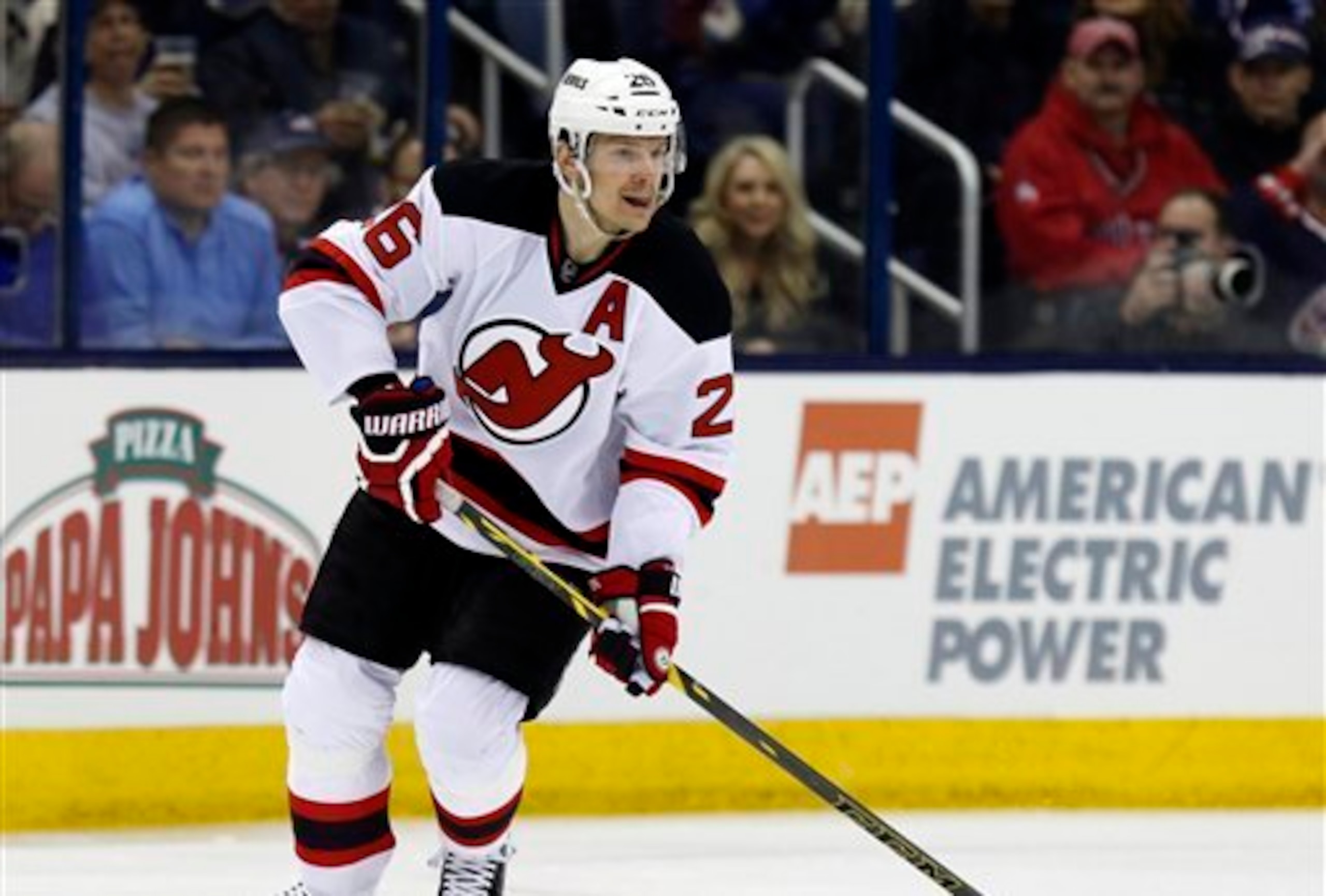
Key Draft Picks: Martin Brodeur (20th overall in 1990); Scott Niedermayer (3rd overall in 1991); Patrik Elias (51st overall in 1994); Petr Sykora (18th overall in 1995); Scott Gomez (27th overall in 1998).
The Skinny: Like most of the other franchises on our list, the New Jersey Devils mastered the draft and won a world championship as a result.
More specifically, the 1999-2000 Stanley Cup winners acquired their top three point producers—Elias, Gomez and Sykora—via the draft, while the same can be said of their top defenseman—Niedermayer—and their all-world goalie—Brodeur—too!
Most impressive of all, New Jersey managed to find four of the five NHL stars in the bottom of the first round or later, with Elias falling all the way to 51st overall.
And when the Devils won another title just two years later—in 2002-03, to be exact—they were again carried by the once overlooked but always dynamic Elias-Gomez-Brodeur trio.
Seattle Seahawks
8 of 11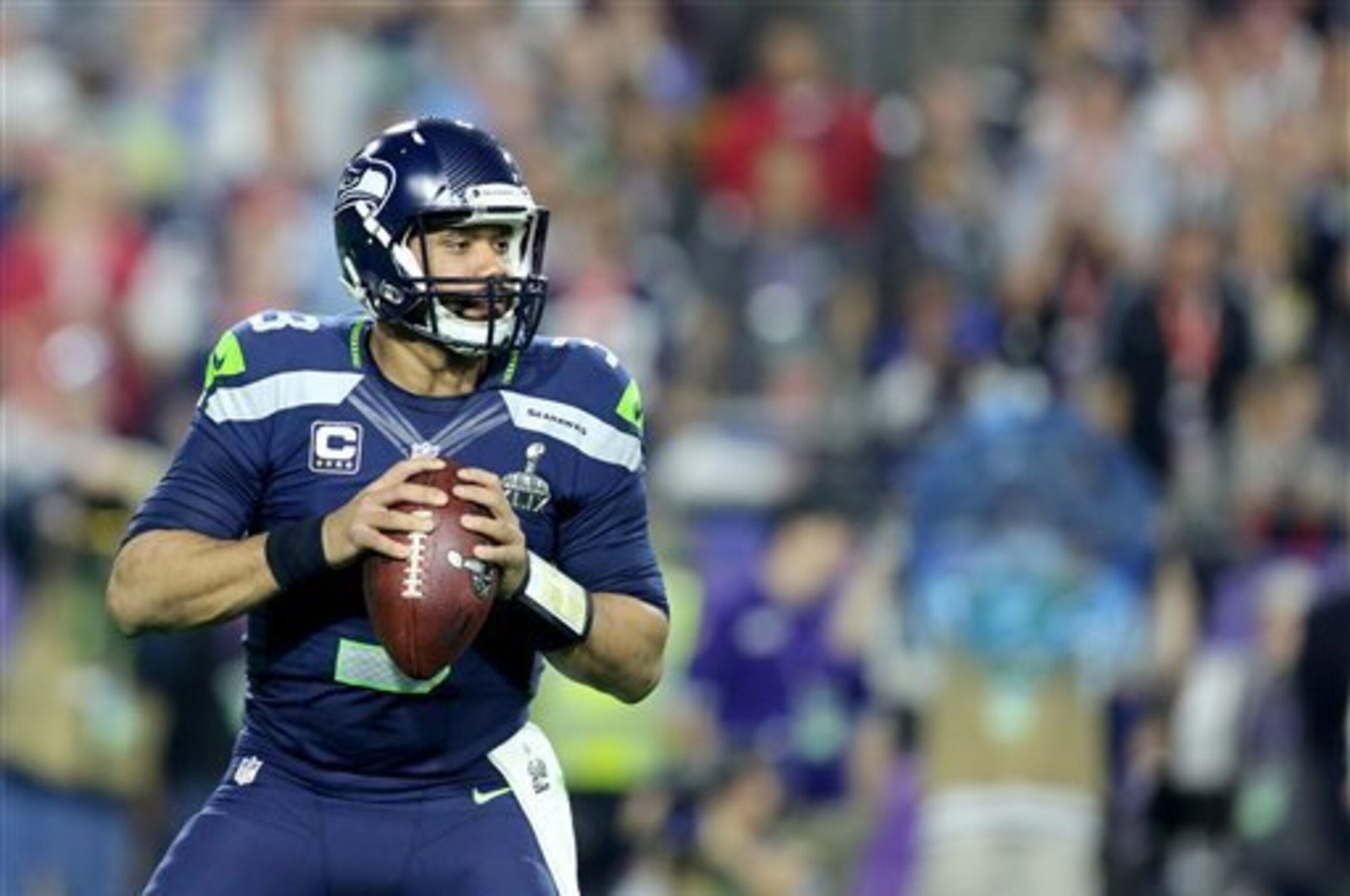
Key Draft Picks: Brandon Mebane (85th pick in 2007); Max Unger (49th overall in 2009); Russell Okung (6th overall in 2010); Earl Thomas (14th overall in 2010); Kam Chancellor (133rd overall in 2010); Golden Tate (60th overall in 2010); Richard Sherman (154th in 2011); Byron Maxwell (173rd in 2011); Malcolm Smith (242nd overall in 2011); Russell Wilson (75th overall in 2012); Bruce Irvin (15th overall in 2012); Bobby Wagner (47th overall in 2012).
The Skinny: In the last five years or so, no team in the NFL has drafted as well as Seattle. And for their scouting efforts, the Seahawks have won a total of 36 games over the last three seasons, which includes two Super Bowl appearances and one Super Bowl title.
In both 2013 and 2014, Seattle made it all the way to the NFL's final game and did so on the backs of 12 standout draft picks. Of the dozen elite assets, only three were selected within the top 15 picks of their respective drafts—Okung, Thomas and Irvin—while the Seahawks found the other nine 47th or higher.
Seattle's gaudy list of diamonds in the rough includes stars such as Russell Wilson (75th overall), Kam Chancellor (133rd overall), Bobby Wagner (47th overall), Max Unger (49th overall) and Richard Sherman (154th overall) in addition to 2013 Super Bowl MVP Malcolm Smith (242nd overall)!
Golden State Warriors
9 of 11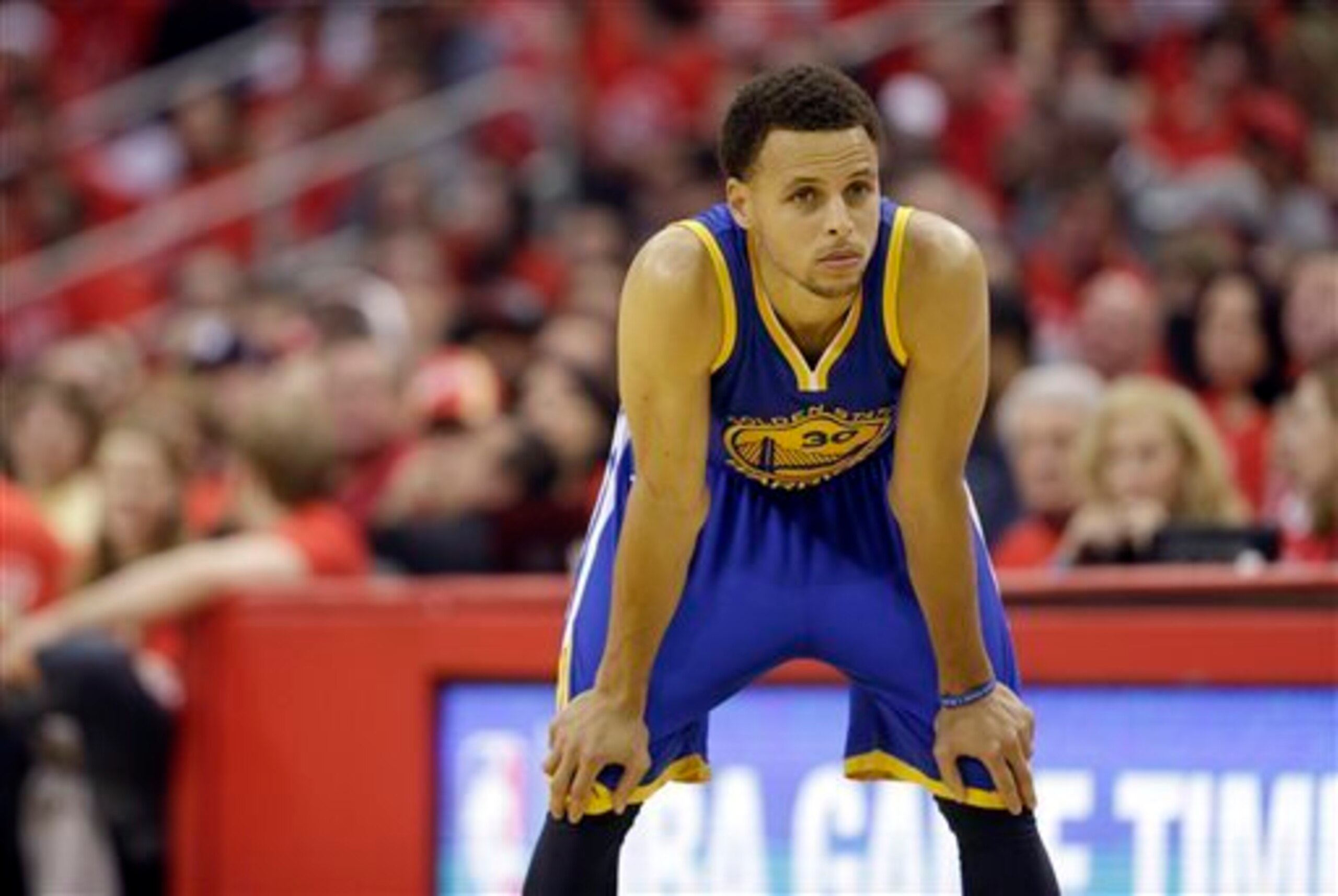
Key Draft Picks: Steph Curry (7th overall in 2009); Klay Thompson (11th overall in 2011); Draymond Green (35th overall in 2012); Harrison Barnes (7th overall in 2012).
The Skinny: When it comes to the NBA Draft, it's extremely rare for teams to find true difference-makers outside of the top five picks, and most drafts are devoid of franchise-altering talent altogether.
However, when the Golden State Warriors begin their NBA Finals series with the Cleveland Cavaliers on June 3, 2015, they will do so without a single top-five pick among their top four contributors (with regard to both points and minutes per game, Golden State is led by Curry, Thompson, Green and Barnes).
Of course, Warrior management is responsible for uncovering all four assets.
The team's biggest star, Steph Curry, was overlooked in the weak draft of 2009 and dropped to No. 7, falling behind the likes of Hasheem Thabeet, Tyreke Evans, Ricky Rubio and Johnny Flynn. Meanwhile, Golden State's second-best player—Klay Thompson—went 11th overall in 2011, after an uninspiring group that included Derrick Williams, Enes Kanter, Jan Vesely, Bismack Biyombo and Jimmer Fredette.
And while a number of teams passed on both Curry and Thompson in favor of numerous inferior talents, the Warriors didn't flinch when drafting either.
The front office's biggest achievement, though, came in 2012, when the brain trust found Michigan State star Draymond Green laying in the weeds at 35th overall. In just his third season in the league, Green leads the Warriors in rebounding, is second in minutes, assists, steals and blocks per game, and also ranks third on the team in scoring.
Pittsburgh Steelers
10 of 11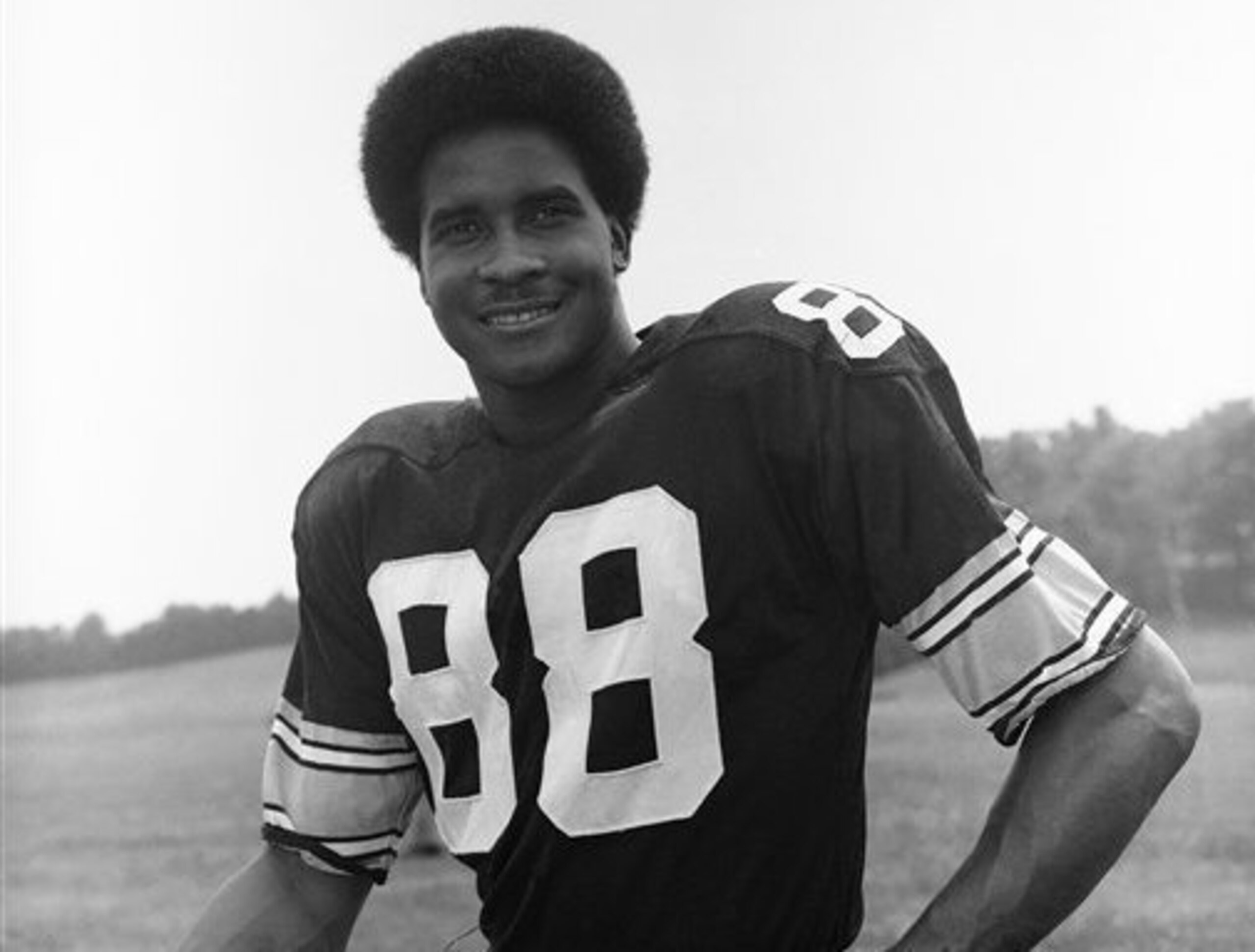
Key Draft Picks: Joe Greene (4th overall in 1969); Mel Blount (53rd overall in 1970); Terry Bradshaw (1st overall in 1970); Jack Ham (34th overall in 1971); Franco Harris (13th overall in 1972); Lynn Swann (21st overall in 1974); Jack Lambert (46th overall in 1974); John Stallworth (82nd overall in 1974); Mike Webster (125th overall in 1974).
The Skinny: Between 1974 and 1979, the Pittsburgh Steelers went on one of the most impressive runs in the history of team sports, winning four out of a possible six world championships ('74, '75, '78 and '79).
The title-winning teams were led by an astonishing nine future Hall of Famers, and in truly impressive fashion, the Pittsburgh front office was responsible for drafting every last one of them.
And while stars like Joe Greene and Terry Bradshaw were top-five picks, none of the other seven legends were selected in the top 10, with six of them falling outside of the top 20 altogether.
In 1974 alone, Pittsburgh drafted four future Hall of Famers, with all but Swann going 46th or lower and Webster falling all the way to 125th overall.
New England Patriots
11 of 11
Key Draft Picks: Troy Brown (198th overall in 1993); Ty Law (23rd overall in 1995); Lawyer Milloy (36th overall in 1996); Tedy Bruschi (86th overall in 1996); Terry Glenn (7th overall in 1996); Kevin Faulk (46th overall in 1999); Damien Woody (17th overall in 1999); Tom Brady (199th overall in 2000); Richard Seymour (6th overall in 2001); Matt Light (48th overall in 2001); Deion Branch (65th overall in 2002); Asante Samuel (120th overall in 2003); Vince Wilfork (21st overall in 2004); Patrick Chung (34th overall in 2009); Rob Gronkowski (42nd overall in 2010); Devin McCourty (27th overall in 2010); Dont'a Hightower (25th overall in 2012); Jamie Collins (52nd overall in 2013); Logan Ryan (83rd pick in 2013).
The Skinny: Though they haven't done quite as well of late, over the last two decades or so, no team in football has drafted as well as the New England Patriots.
Between 2001 and 2004, New England captured three of four Super Bowls, all while relying heavily on an astonishing 13 of their own draft picks. Out of the accomplished group, 11 were picked outside of the top 10 while eight went in the second round or later.
And as their three world championships would suggest, the 13-man haul was filled with far more talent than their draft positions would imply. In fact, all but two made at least one Pro Bowl appearance while the outliers—Kevin Faulk and Deion Branch—were huge contributors as well, especially Branch, the 2004 Super Bowl MVP.
Of course, in 2014, the Patriots added yet another title to their loaded list of achievements and once again did so by riding overlooked players they recently drafted. Out of the six key cogs who led the Pats to the promised land, none were selected in the top 20 and four were taken outside of the first round altogether. The most notable draftee would have to be unstoppable tight end Rob Gronkowski, who New England found at 42nd overall in 2010.
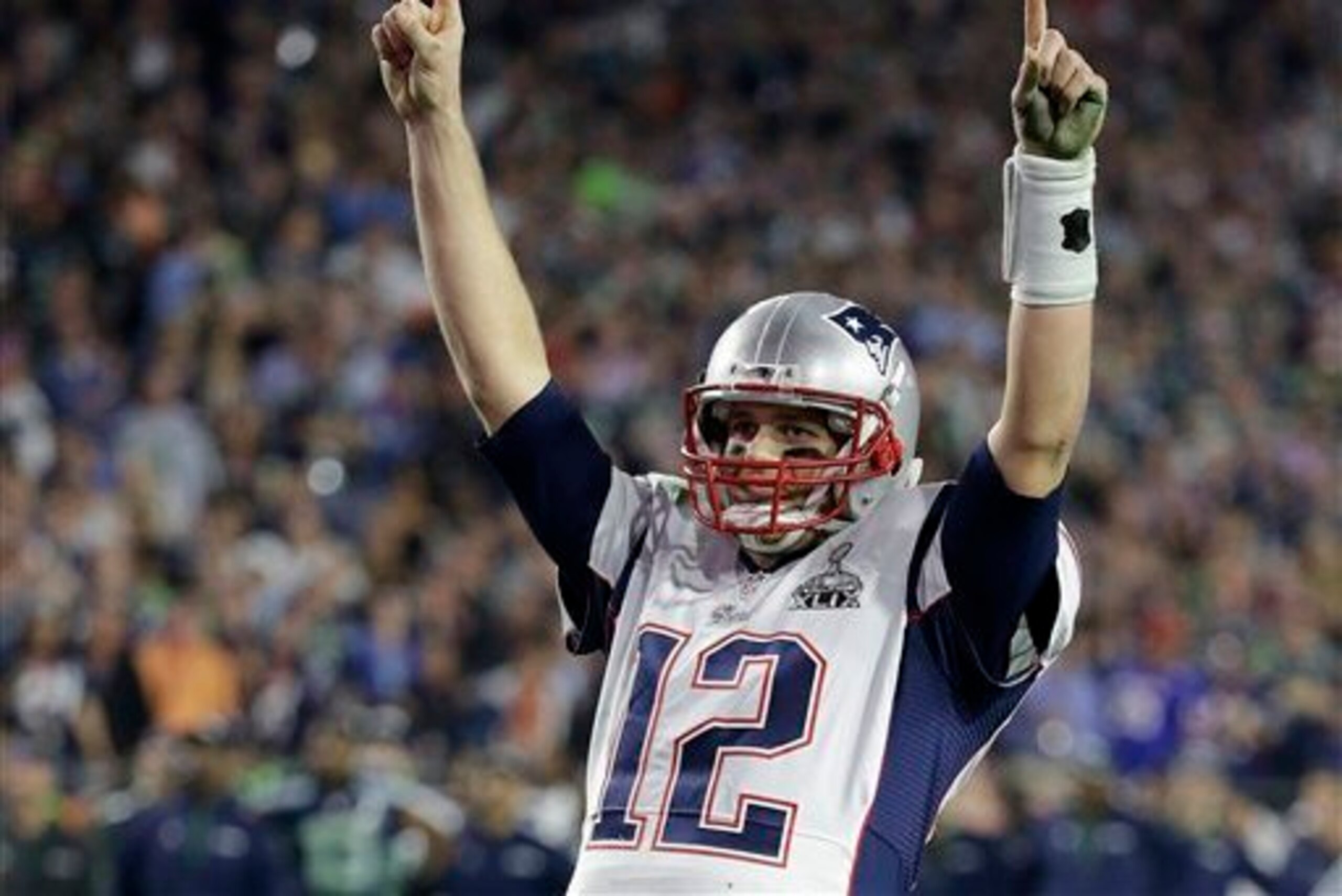
Finally, and most importantly, we must give special acknowledgment to New England's smartest and most significant pick of all: 10-time Pro Bowl quarterback Tom Brady. Not so coincidentally, Brady represents the only constant in all four title runs, which is all the more impressive considering the Patriots selected the former Wolverine in the sixth round of the 2000 draft.
.jpg?w=2560 "Seahawks Chiefs Football")


.jpg?w=2560 "Latest Peyton-Colts Rumors")