
Vinny Del Negro: Why NBA Coaches Use Hack-a-Big Strategy
Fans want to see NBA superstars make incredible, athletic, creative plays—whether it's in the air, sound basketball with spacing, with ball movement, with body movement. You want a flow to the game.
NBA head coaches prefer the game that way, too, but they also want to win.
Like Gregg Popovich said, it's not something he liked doing. But you're almost forced to use it, because it makes sense from a strategic and numbers standpoint.



We know it's not the best-looking basketball. But coaches also have to do their jobs, play the percentages and give their team the best chance to win.
Why I Used It
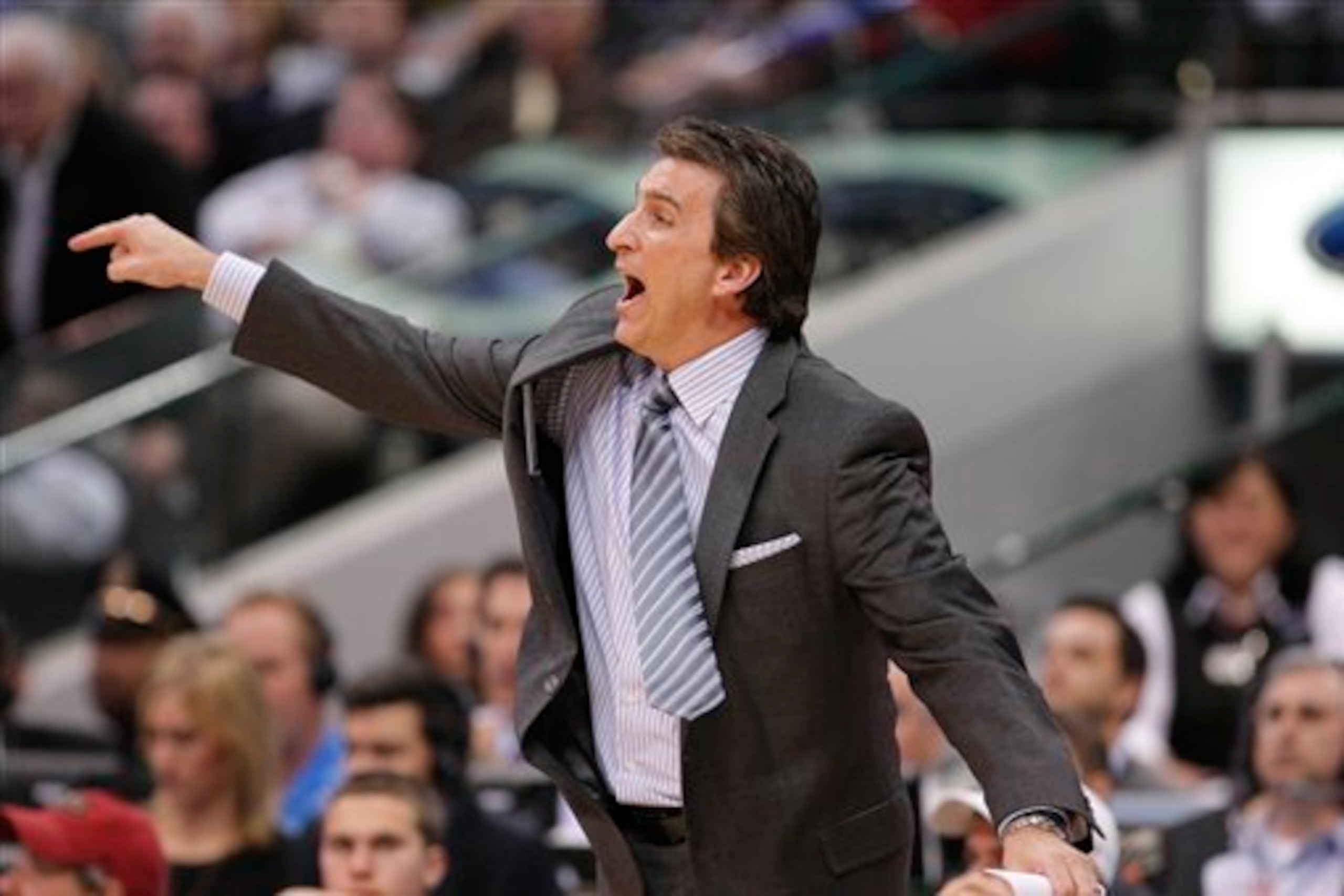
The biggest factor was possessions. Percentage-wise, it's always about possessions and flow of the game.
When you're consistently initiating offense off a free throw, the opponent's defense will consistently be set in the half-court. The pace of the game slows, benefiting the less efficient team.
If my team can run set plays for good shots off free throws, and we can take a possession away from a team that's very efficient, you have to consider the strategy.
If an opponent's 50 percent FT shooter is going 1-of-2 at the line, and you're averaging over one point per offensive possession, you play the odds.
Coaches with poor free-throw shooters suddenly have a decision to make: Do you take your stud big man out of the game?
But maybe the player has hit a couple in a row. Do you leave him in, even though the other team will continually foul him?
Those variables go into it. But it's all timing. It's all gut feeling. As the game progresses, you have to make those decisions.
Game-Planning Around DeAndre Jordan
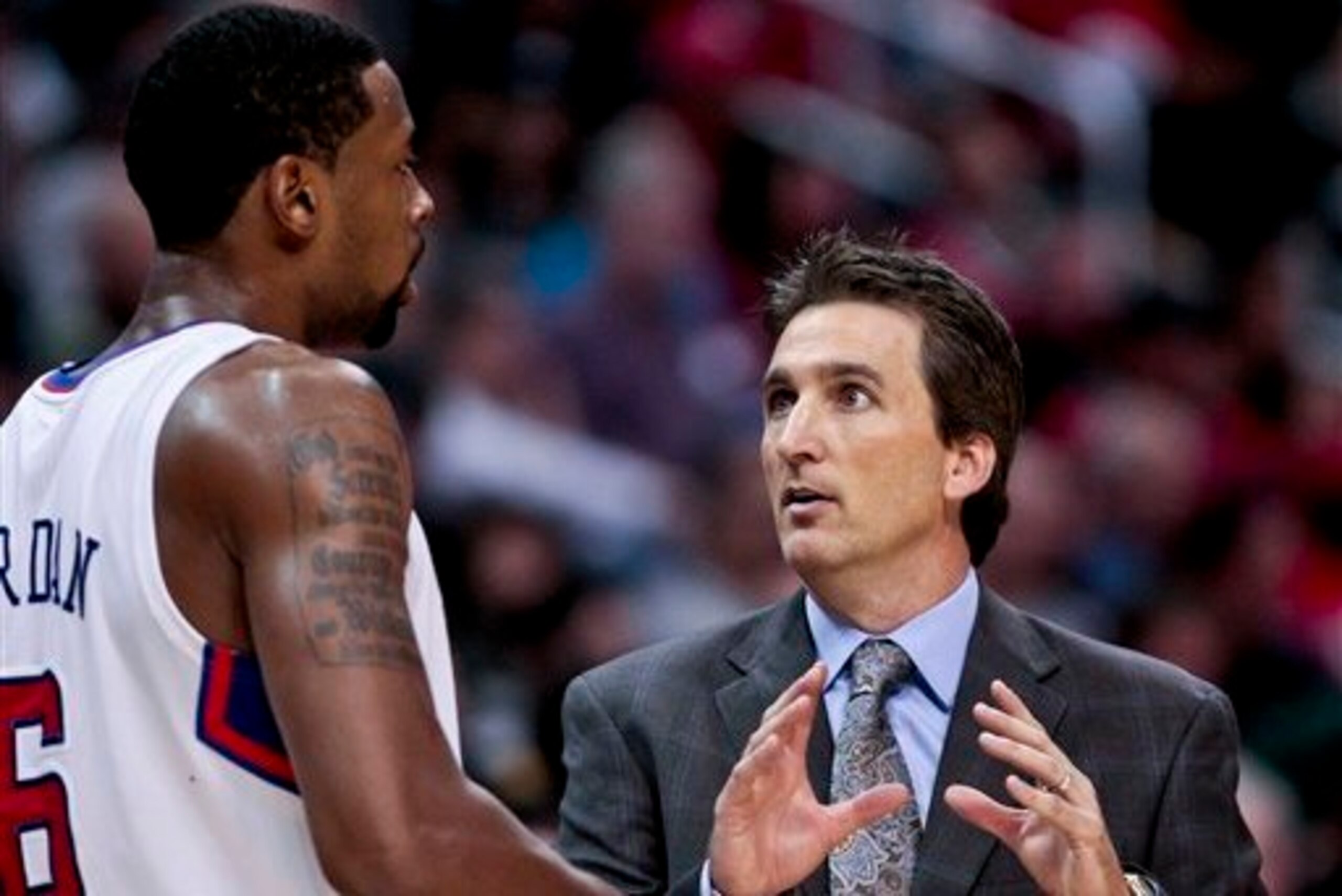
It varied for me. Sometimes we had a good offensive flow going. If that was the case, we took him out. If he's making free throws and we're still playing with pace, you keep him in.
It changes. The Clippers do the same thing now. They had to take him out in Game 2 against Houston.
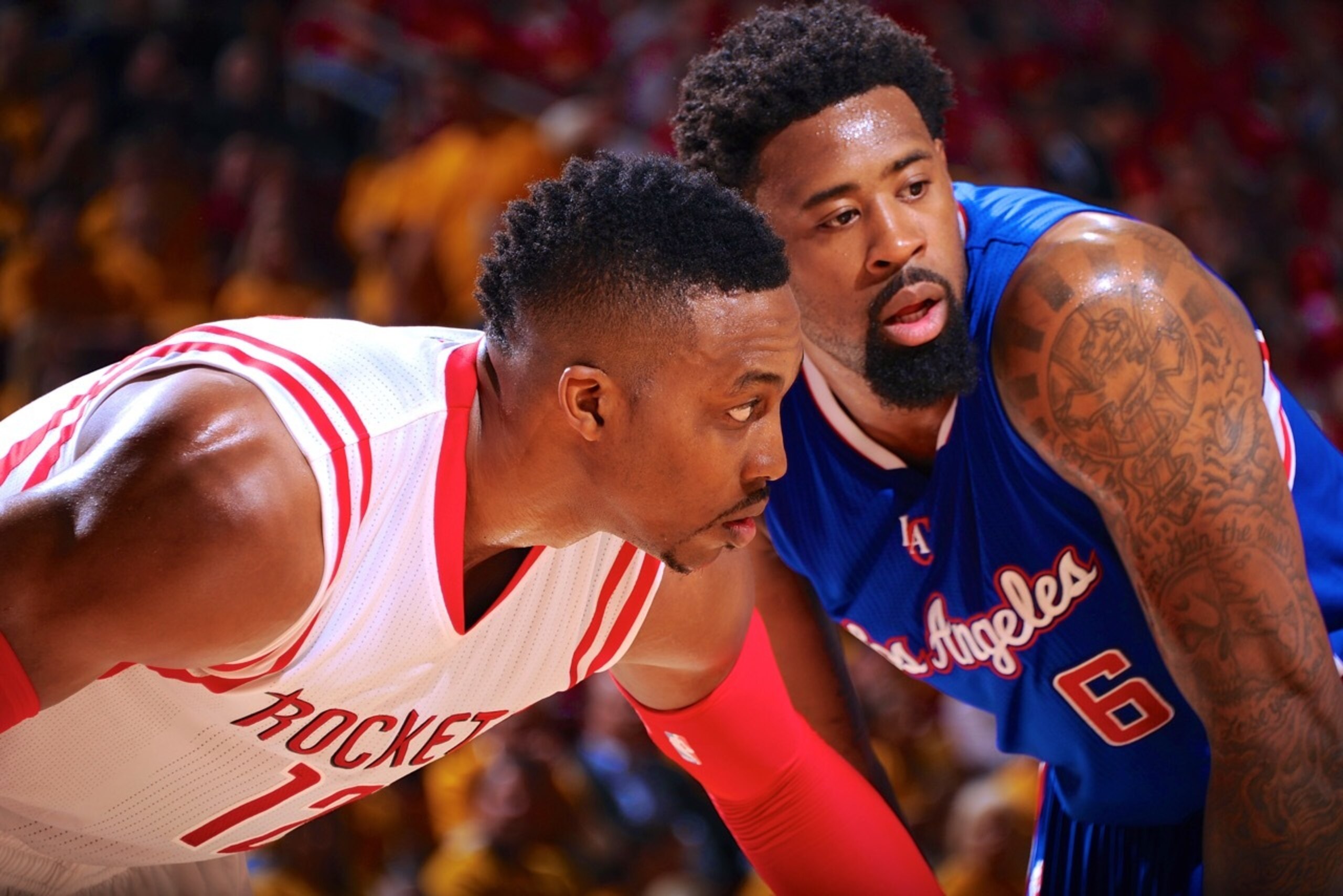
We know DeAndre, Dwight Howard and some of these guys who struggle at the line have an effect on the defensive end. They're defensive anchors back there. You have to protect your rim, and they do a lot of very important things because of their athleticism and size.
You're always trying to balance that, and it can be difficult. Take the Clippers-Spurs series. According to ESPN.com's Kevin Pelton, Jordan was intentionally fouled 30 times, which is "more than all players in either the 2013 (17) or 2014 (15) postseasons."
Coaching through it is a game-to-game thing. You try to be as consistent as you can, but the game will dictate some of the things that need to be done at particular times.
Concerns of Hack-A Strategies
You worry about disrupting the flow of your own team. It's a game of runs for both teams.
You don't want to use it if your team is guarding well, getting into the open court, making plays, attacking the rim and scoring the basketball.
And you risk giving the other team more opportunities to rest their star players. If you're the deeper team, you want to test their bench.
Potential Causes of Poor Free-Throw Shooting
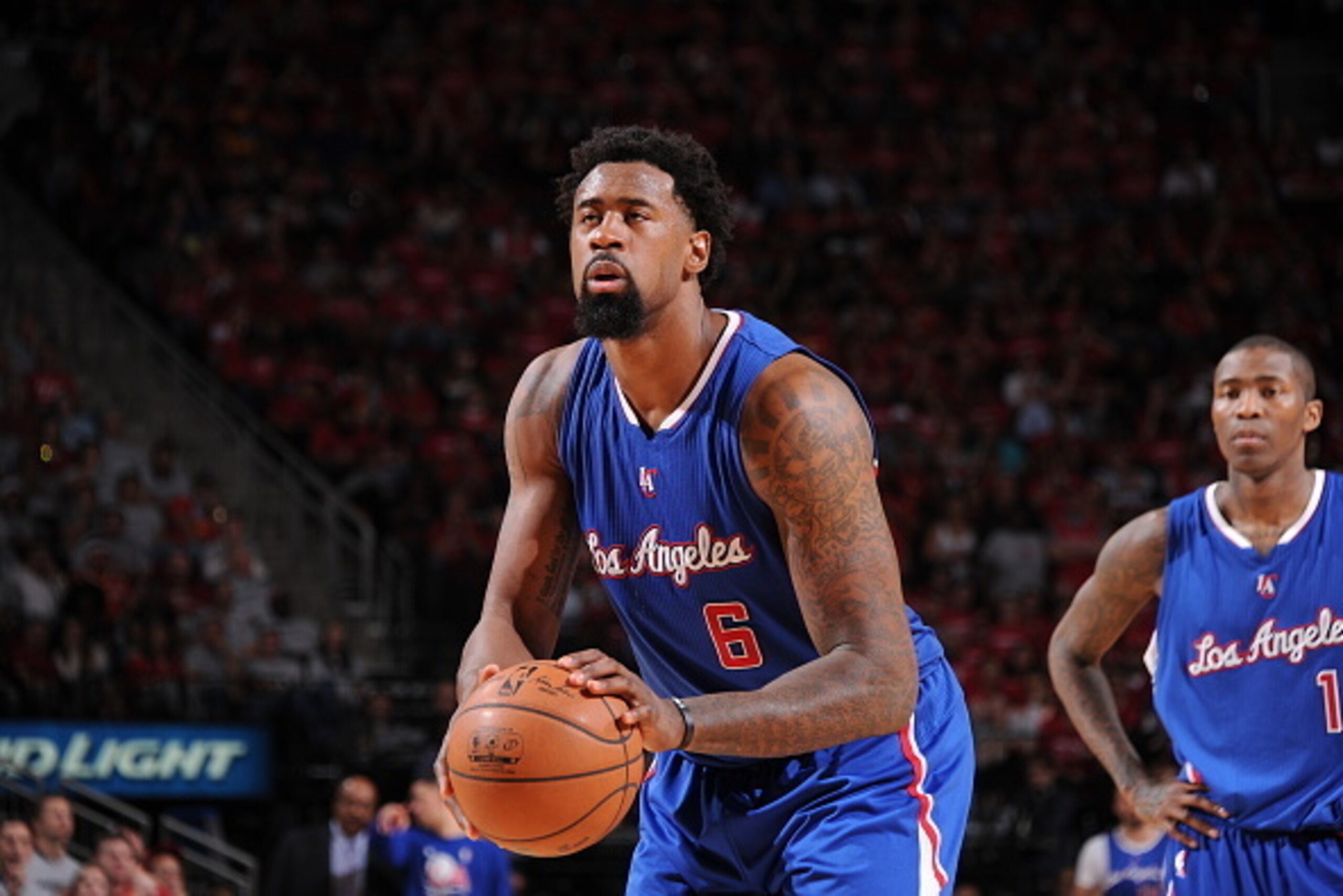
Obviously, there's the stress and pressure of it. Some guys also practice them more than others.
People would always say, "How come these guys just can't shoot free throws?" I would say, "Well, it's not that they don't want to make them. There are things in life that are particularly easy for some people, but you struggle with them. And then some things in life you're very good at, but other people struggle with them."
It's like that in any sport or profession.
I don't think it's from a lack of effort or lack of players wanting to. But guys can improve. If you're taught the right way and diligent in doing it, it can be done.
Of course, if it was that easy, there wouldn't be so many guys over the years who have struggled. It takes a lot of effort, a lot of concentration.
What Should the NBA Do About Hack-A Strategies?
I'm not fond of just rewarding guys who struggle from the free-throw line. That doesn't send the right message to future players about working on certain things to get better.
The Rockets shot 64 free throws in their Game 2 win over the Clippers. Dwight Howard went 8-of-21 at the line. If he went 15-of-21, maybe the Clippers don't even let him get to 21 and go away from fouling him.
Free throws are part of the game, and change will be met with resistance.
Some coaches who have very good bigs that shoot free throws well probably don't want it to change. Others with poor free-throw shooters would probably prefer change.
But the fan experience matters. Paying customers don't want to see guys walking up the court and being fouled continuously. TV ratings are important. People have options out there.
It's especially pivotal late in the regular season and during the playoffs, when more eyes are on the NBA. There were more intentional fouls during the month of April (104) than the first four months of the regular season combined (73), as well as the entire 2012-13 basketball calendar (102), according to Pelton.
That volume adversely impacts the quality of the game. You don't want to take the best players off the court, but that's what's happening.

Referees should be able to distinguish between players who are fouled in the backcourt during fast breaks and players fouled in the half-court. The NBA should also consider implementing a rule that stipulates only players directly involved in offensive possessions can be fouled, sort of like they do during the last two minutes of games.
For example, if DeAndre runs a pick-and-roll with Chris Paul, DeAndre would be fair game, because he's part of the action. But if he's simply watching the play unfold as a weak-side rebounder or something, a foul would result in one shot and the ball.
This would allow coaches to keep their best players in the game without compromising the ability of their opponents to exploit all possible weaknesses.
The NBA will look at everything, though. The challenge is protecting the integrity of the game while also protecting the fans, who want to watch real basketball.
Whatever the solution, it should not ease the burden so much that players lose incentive to work on their craft. It should give the best players an opportunity to play at a pace and level that can be appreciated.
Vinny Del Negro played 12 seasons in the NBA and was the head coach of the Chicago Bulls from 2008 to 2010, and the Los Angeles Clippers from 2010 to 2013. Del Negro is currently an analyst with NBA TV.

.jpg?w=2560 "Raiders Could Start Mendoza")

.jpg?w=2560 "Rodgers Iced Out on Plane 💎")
.jpg?w=2560 "Packers Safety Slams Refs 🤬")
.jpg?w=2560 "🚨 Week 8 AP Top 25 Poll")