

Whom the Boston Celtics Should Target in the 2015 NBA Draft
The Boston Celtics are in the playoffs. That's fantastic news! The bad news? Bye-bye lottery.
The Celtics have a 0 percent shot at landing a top-three pick in this year’s draft and have instead been awarded the 16th selection. Additionally, Boston owns the Los Angeles Clippers’ 28th pick and a juicy 33rd overall pick from the Philadelphia 76ers.
Boston’s unexpected rise in the standings may also alter its approach to the draft. Will it simply take the best player available regardless of position or will it try to plug a specific roster hole?
TOP NEWS

Brown with an all-time summary of relationship with Tatum

Heat, Giannis were down by 20+ in each of their 3 losses
Worst NBA Predictions 🫣
Here’s a look at the what the Celtics should do with their own pick.
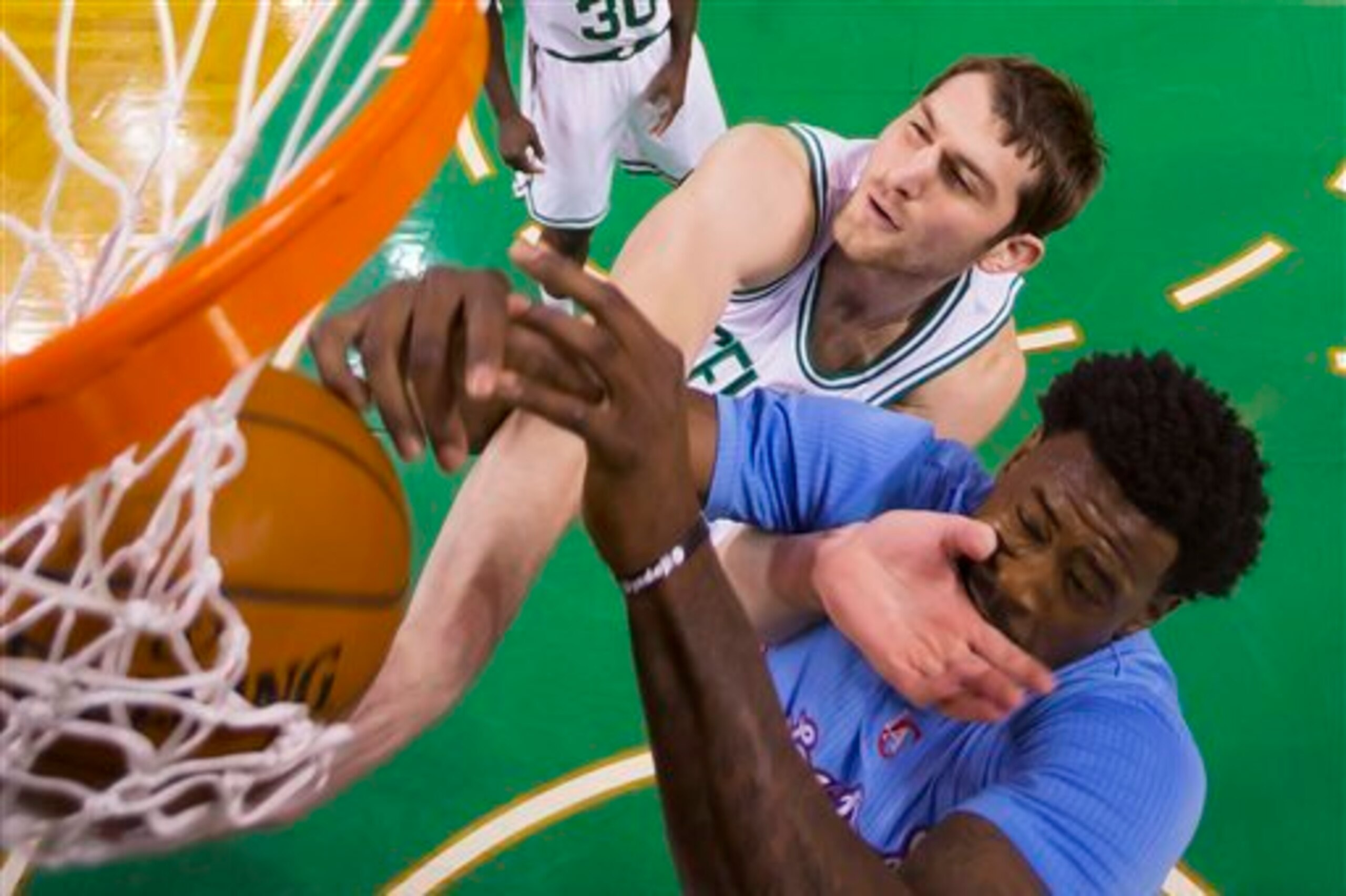
Heading into this season, Boston’s main problem—besides not having a superstar—was its noticeable lack of height. There were no rim protectors to be seen, no traditional bigs who could anchor a top-10 defense.
Tyler Zeller’s had a phenomenal year, but he’s more of a finesse player, not strong enough to bang down low against beefy opposing centers or consistently alter shots in the paint.
Opponents shot 51.8 percent at the basket when Zeller was within five feet of the rim and shooter. That’s not terrible, but it doesn’t line up with the performance of other starting centers who play for the league’s best defenses, either.
So, common sense says the Celtics should take a big guy, right? Here are three reasons why the answer leans toward "No":
- This draft has several franchise-altering centers to choose from—Jahlil Okafor, Karl-Anthony Towns, Willie Cauley-Stein, Jakob Poeltl and Myles Turner, just to name a few—but there’s a good chance all will be gone by the time Boston’s turn rolls around.
- If the Celtics absolutely must have a big man, maybe buying a proven veteran in free agency is the better route? Roy Hibbert, Tyson Chandler, Kosta Koufos, Robin Lopez, DeAndre Jordan and Omer Asik are six names off the top of my head. There will be a few others.
- Since the All-Star break, Boston has allowed just 100.3 points per 100 possessions, giving it the eighth-best defense in the NBA. This team has pit bulls on the perimeter and values its versatility all over the floor. The Celtics switch, play with discipline and have fully embraced the direction this league is headed in. Do they really need a time-honored 7-footer?
If the Celtics aren’t going to draft a big, who are they going to take? A ball-dominant guard would be redundant, since they already have Marcus Smart, Avery Bradley, Isaiah Thomas and James Young in place.
The ideal prospect is someone with extremely high upside who can defend and shoot.
Here’s a look at two players with interesting skill sets who could help make Boston even more formidable next season.

Sam Dekker, Forward
The University of Wisconsin nearly won this year’s NCAA championship, and Dekker was a huge reason why. He averaged 14 points and 5.5 rebounds per game in his junior season, making 63.9 percent of his two-point field goals to lead the Big Ten.
But what if Dekker’s overwhelmingly positive perception is the result of hardcore recency bias? He averaged 19 points per game and made 41.7 percent of his threes in the NCAA Tournament, with the nation watching his every move.
Granted, those games are against stiff competition, with more pressure than he’s ever felt in his life, but it’s still a tiny sample size.
Dekker nearly shot 40 percent from deep as a freshman but was a poor three-point shooter the last two years, and if defenses don’t respect his outside shot in the NBA, his career could end sooner than later.
How can he help the Celtics? They need an athletic wing who can consistently score the basketball, drive to the hoop and draw fouls. Their offense goes through drowsy scoring lulls, and right now there’s only one or two players on board who can score on their own.
Aside from the potentially porous outside shooting, another downside is his age. Dekker turns 21 in a couple of weeks. Boston’s 17th overall pick in last year’s draft was Young, who’s still 19. Then again, 21 isn't exactly old.
If Dekker's still on the board at No. 16, Boston should strongly consider taking him.

Trey Lyles, Forward
It’s impossible to predict Trey Lyles’ potential just by looking at statistics from his lone college season.
Playing most of his minutes out of position alongside Towns and Cauley-Stein, the 6’10” Kentucky freshman averaged just 8.7 points and 5.2 rebounds per 23 minutes, shooting 48.8 percent from the floor and hardly ever venturing out to the three-point line.
But there’s real potential here! He’s only 19 years old, can jump out of the gym, started for one of the best defenses in college basketball history and is already fundamentally sound.
According to SB Nation’s Kevin O’Connor, Lyles could be a matchup nightmare at the pro level.
"Lyles brings an intriguing mix of tools to the table, especially as a shooter off the dribble. He must prove that he can catch-and-shoot, but few players with his size and length can attack the rim or pull up as well as he does," he wrote.
If Lyles can rebound, stretch his range and prove competent switching out on speedy NBA ball-handlers, he could replace Jared Sullinger and/or Kelly Olynyk as Boston’s power forward of the future.
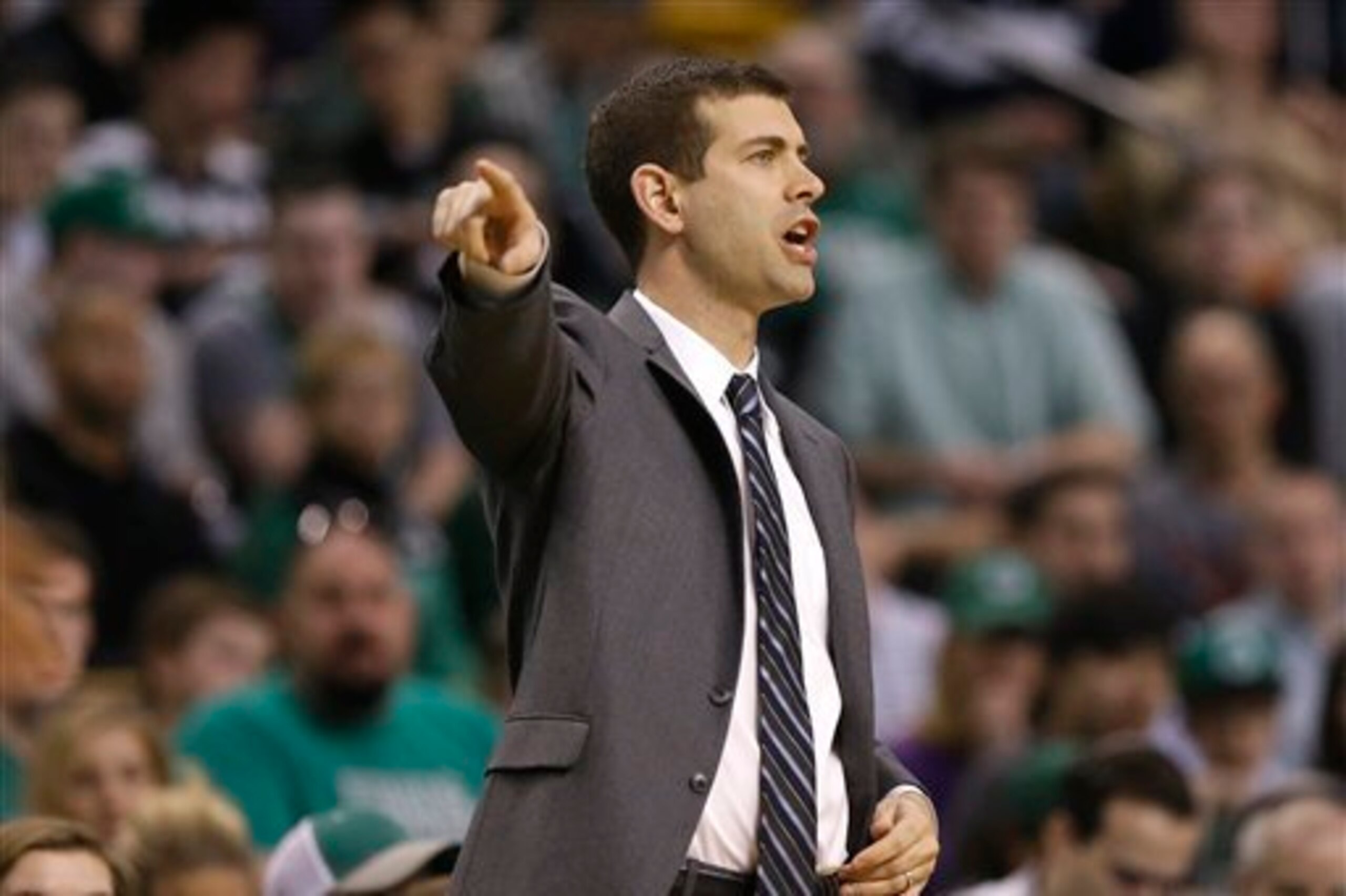
Head coach Brad Stevens can only do so much with the talent he's so far been given, and if the Celtics want to take the next step and become a legitimately feared playoff out, they'll need All-Star-caliber players.
Unfortunately, that is tough without a lottery pick. But if the two candidates listed above reach their respective ceilings and the Celtics pick either one, the team will have found more than a role player to slide into its proud, overachieving culture.
All statistics are courtesy of Basketball-Reference.com or NBA.com, unless otherwise noted.
Michael Pina is an NBA writer who lives in Los Angeles. Follow him on Twitter @MichaelVPina.


.jpg?w=2560 "5 Teams Eyeing Jonathan Taylor")
.jpg?w=2560 "Mahomes Told Teammate to Leave Meeting")


.jpg?w=2560 "Jonathan Taylor Landing Spots 📍")
