
6 2014 Stats Denver Broncos Must Improve Upon in 2015
As the Denver Broncos worked toward another appearance in the Super Bowl last season, they seemed to have the players and the ability to get there.
At first glance, some of the statistics the team put up certainly indicate that it was one of the NFL's best teams.
The Broncos put up 403 yards of offense per game, which was good for fourth in the league. The 30.1 points per game the team averaged were more than all but one team.
Defensively, the Broncos were no slouches either. The team ranked third in terms of total yards allowed and was second against the run, allowing less than 80 yards per game on the ground.
But those facts alone didn't get the Broncos to the Super Bowl. In fact, they fell far short. However, once you delve into some more numbers, you get a look at a few of the reasons for the team's early playoff exit.
Those are the areas the team will have to improve upon in 2015, and six of those areas are detailed here.
Punting
1 of 6
2014 NFL Rank in Net Average: 27 (38.8 yards per punt)
Britton Colquitt has punted the ball well for the Broncos during most of his tenure with the team, but he regressed in 2014, never kicking the ball well. His 38.8-yard net average was one of the worst in the league, and it will certainly cause the Broncos to question whether he should be the team's punter moving forward.
Colquitt still has respectable career numbers, but whether he is worth the $3 million he is due this coming season is a big question.
Based on his 2014 numbers, Colquitt isn't worth anywhere near that. If Karl Schmitz, a free-agent punter the team recently acquired, shows any promise at all in camp, there's a good chance Colquitt will be looking for work before the 2015 season starts.
Kick Coverage
2 of 6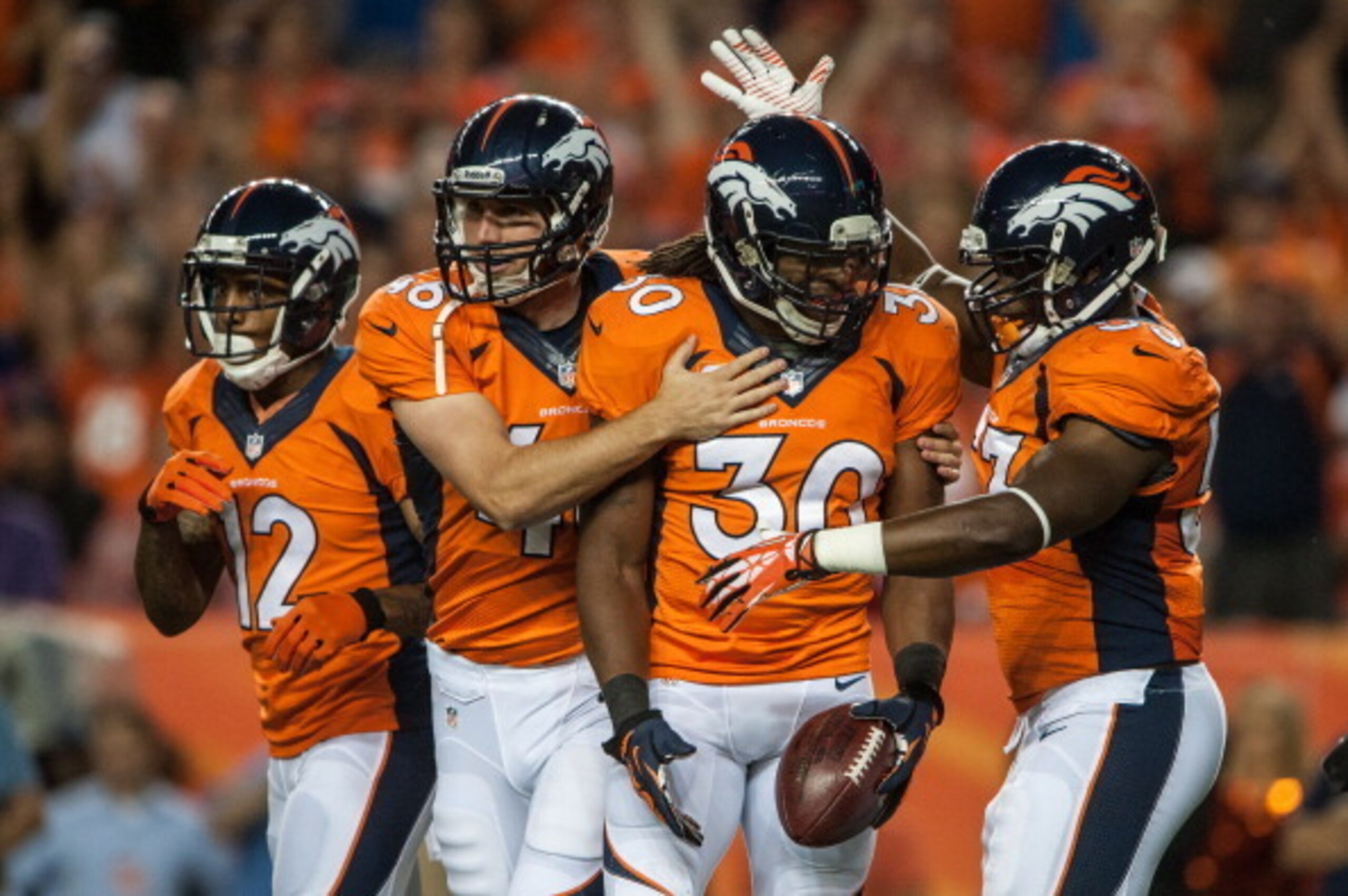
2014 NFL Rank in Punt Coverage: 29 (11.2 yards per return)
2014 NFL Rank in Kickoff Coverage: 24 (25.9 yards per return)
We'll stick with the special teams area, a true weakness of the Broncos.
Last season, the team gave up far too many yards on both punt and kickoff returns. Only three teams (Seattle, Carolina and Houston) allowed more yards per punt return than Denver. This compounded Colquitt's kicking woes.
Kickoff coverage wasn't much better. The Broncos had the NFL's fourth-best touchback percentage at a little over 64 percent, according to Team Rankings. Still, the team allowed nearly 26 yards per return on the ones that weren't touchbacks.
Jacob Tamme, one of the team's best special teams players, was recently signed by the Atlanta Falcons. However, the team still has David Bruton and Steven Johnson, and between them, they need to rally the rest of the unit.
Cutting down on yardage allowed during punt and kickoff returns needs to be a focal point for new special teams coordinator Joe DeCamillis.
Penalties
3 of 6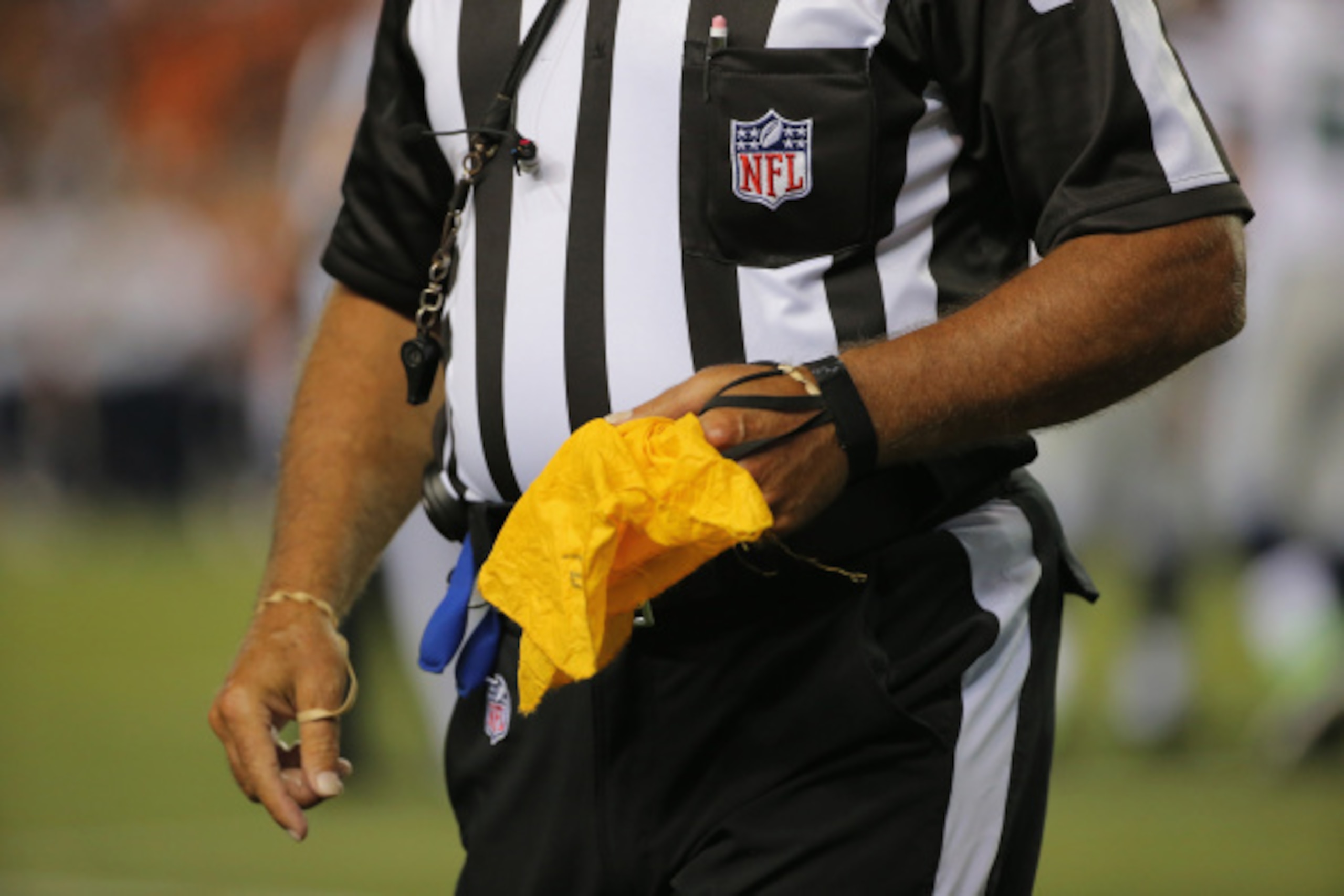
2014 NFL Rank: T-27 (120 penalties)
The Broncos were penalized way too often in 2014. The Seattle Seahawks, Buffalo Bills and St. Louis Rams were the only teams that saw more yellow flags.
Denver was penalized 120 times for 1,045 yards. Of those, 39 were either false starts or holding penalties. The team was among the most penalized in each of those categories.
How many times did the team find itself facing 2nd-and-20 after a holding penalty on first down? Nothing will kill a drive faster.
The Broncos need to develop some cohesiveness along the offensive line, as that is where many of the flags were thrown.
During his eight seasons as head coach of the Houston Texans, Gary Kubiak's teams averaged 94.5 penalties a year. That still isn't a great number, but perhaps he can help the Broncos become a more disciplined team, specifically when it comes to the pre-snap penalties.


.jpg?w=2560 "Cardinals Giants Football")
Turnover Ratio
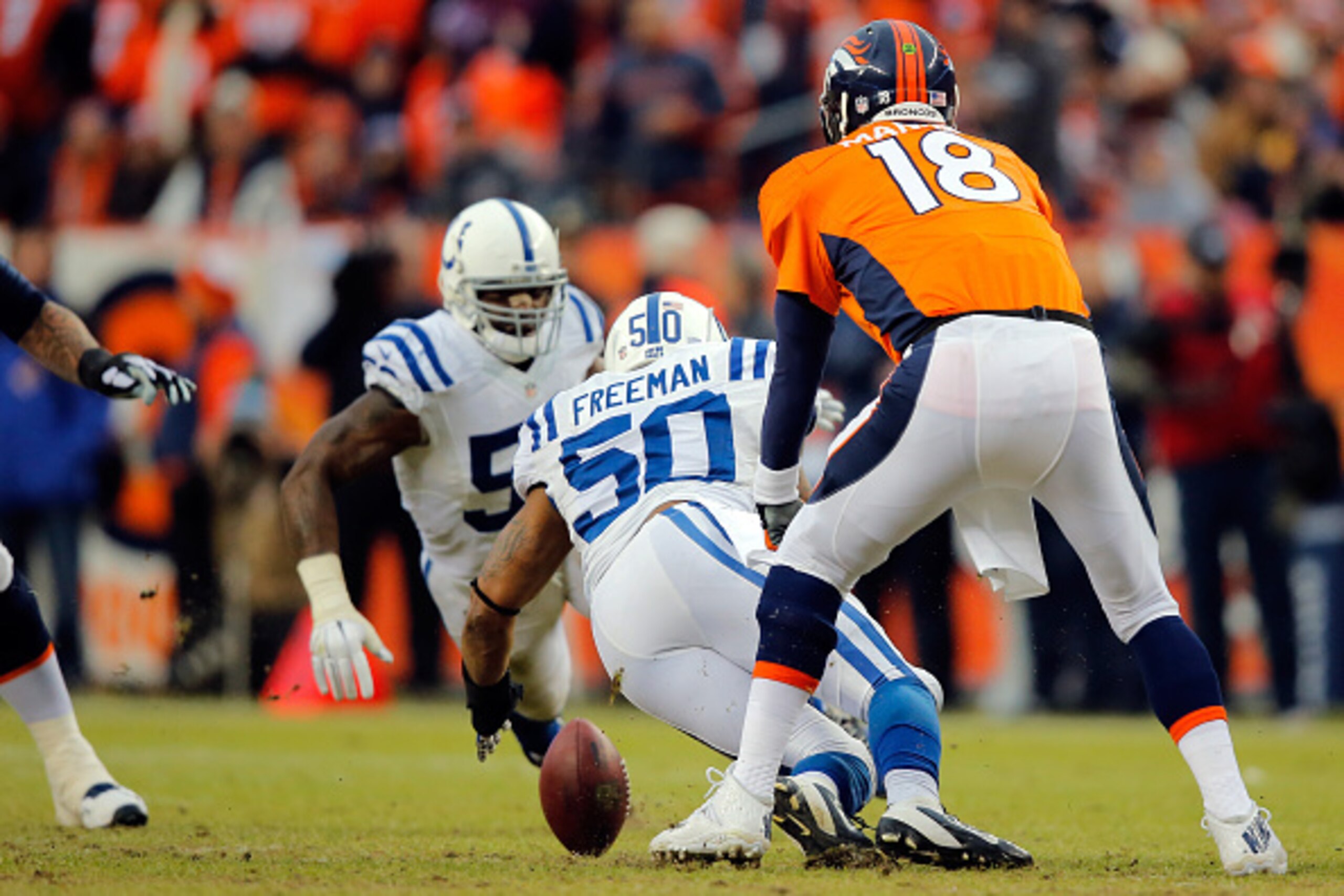
4 of 6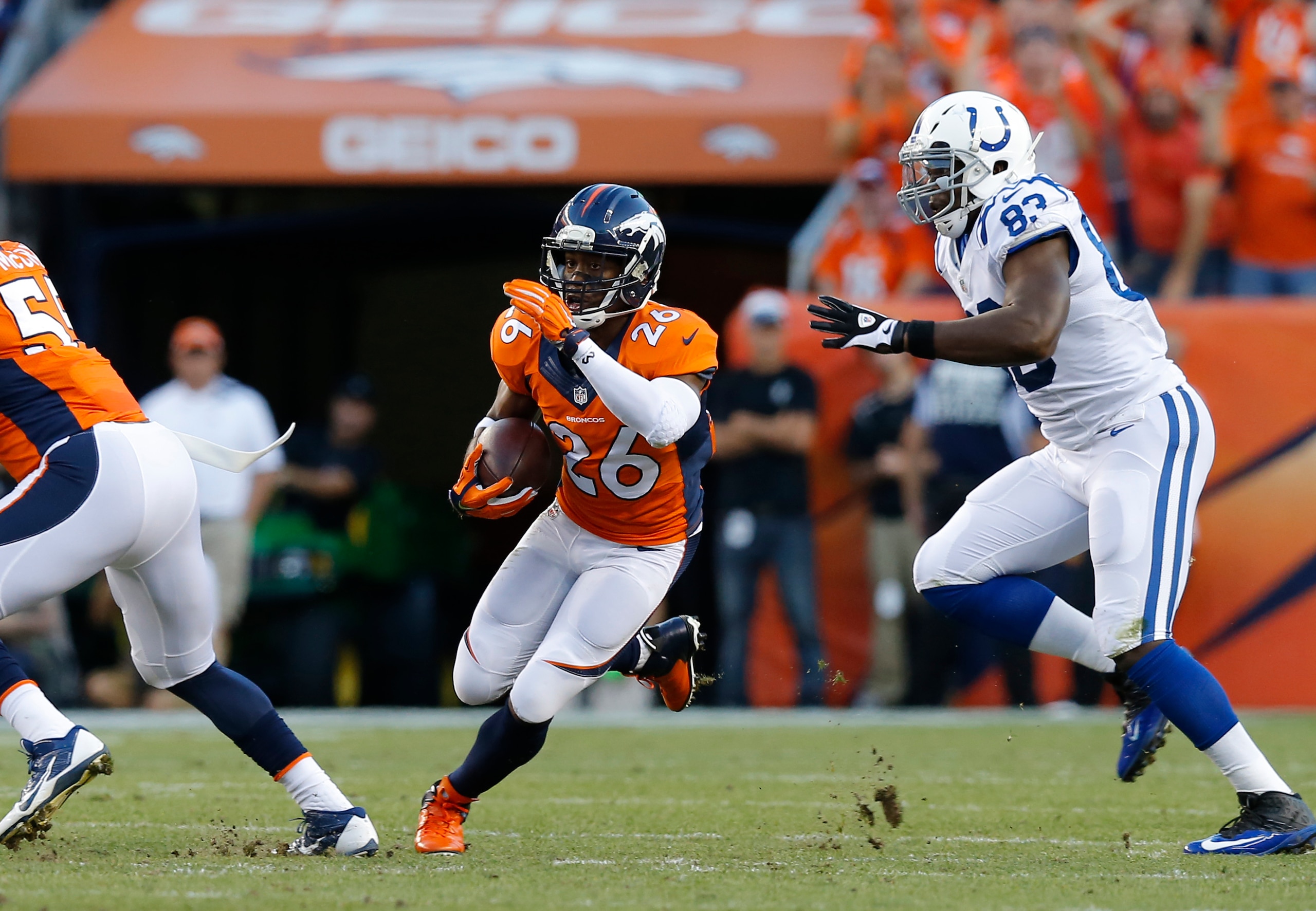
2014 NFL Rank: T-11 (plus-five)
The Broncos were actually in the upper half of the league in this category in 2014, but there is still room for improvement. After all, their giveaway-takeaway ratio was just plus-five. The Broncos turned the ball over 20 times, including 15 interceptions, while creating 25 turnovers.
Forcing 25 turnovers is actually a solid number, but 20 is way too many times to give the ball away. Ball protection will be a key in 2015, particularly at the quarterback position. Peyton Manning threw too many interceptions last season and needs to make better decisions this year.
New England and Seattle both ranked in the top five in turnover ratio last season, and it's no coincidence they played in the Super Bowl.
The bottom line is the good teams create turnovers and protect the ball. The Broncos need to learn how to do that.
Yards Per Carry
5 of 6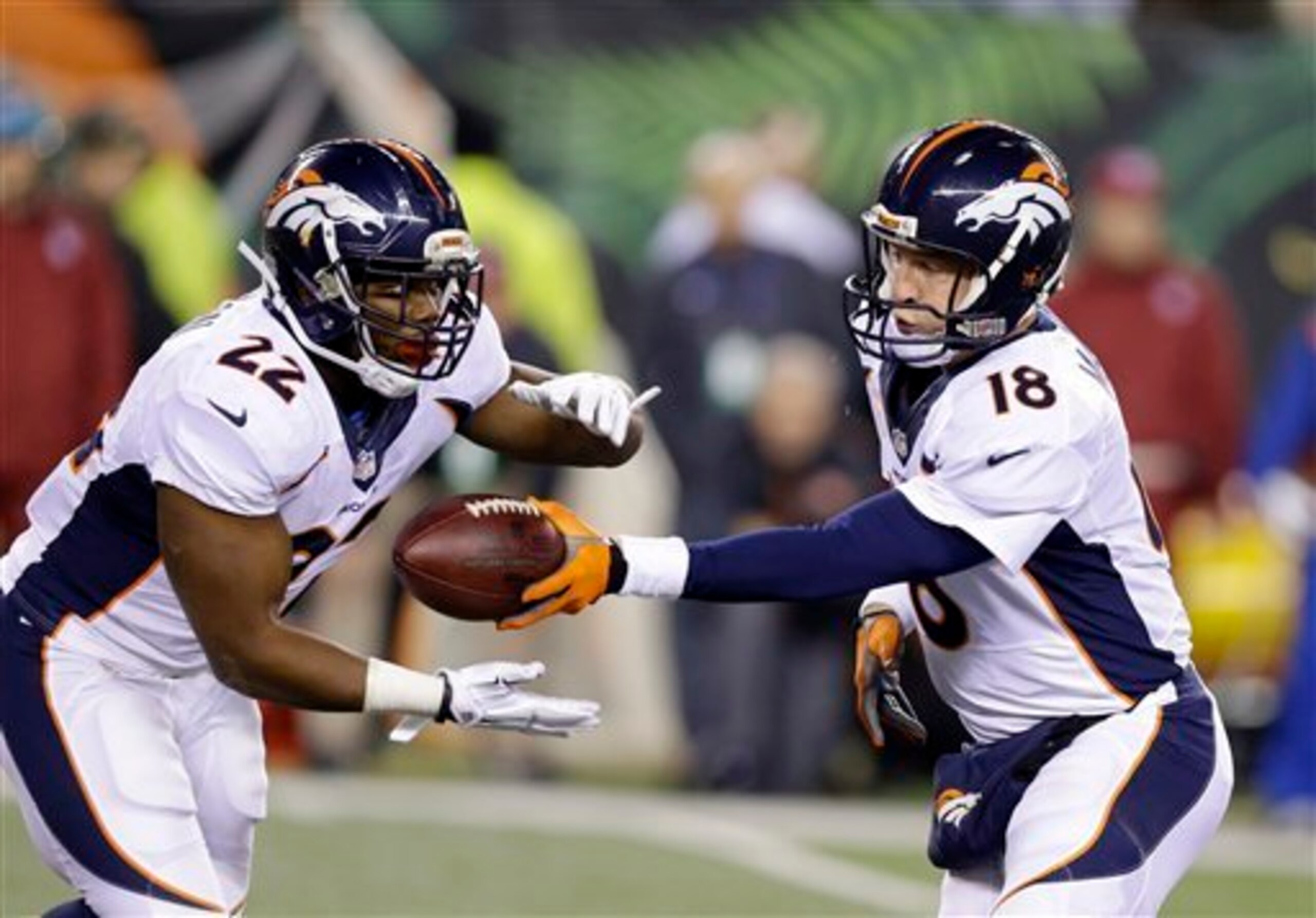
2014 NFL Rank: 20 (4.0 yards per carry)
Four yards per carry doesn't sound bad, but it's not great when it puts you at No. 20 in the league. If not for the late-season effort put forth by C.J. Anderson, that number would've likely been a lot worse.
The Broncos had a tough time getting the running game going in the first half of 2014, forcing them to depend on the pass far too often.
The team did a good job to become more balanced toward the latter stages of the season, and that is something they need to build upon in 2015.
The Broncos' 4.0 yards-per-carry average was over one yard less than the No. 1 team in the league, Seattle (5.2). As mentioned earlier, they played in the Super Bowl.
Run-to-Pass Ratio
6 of 6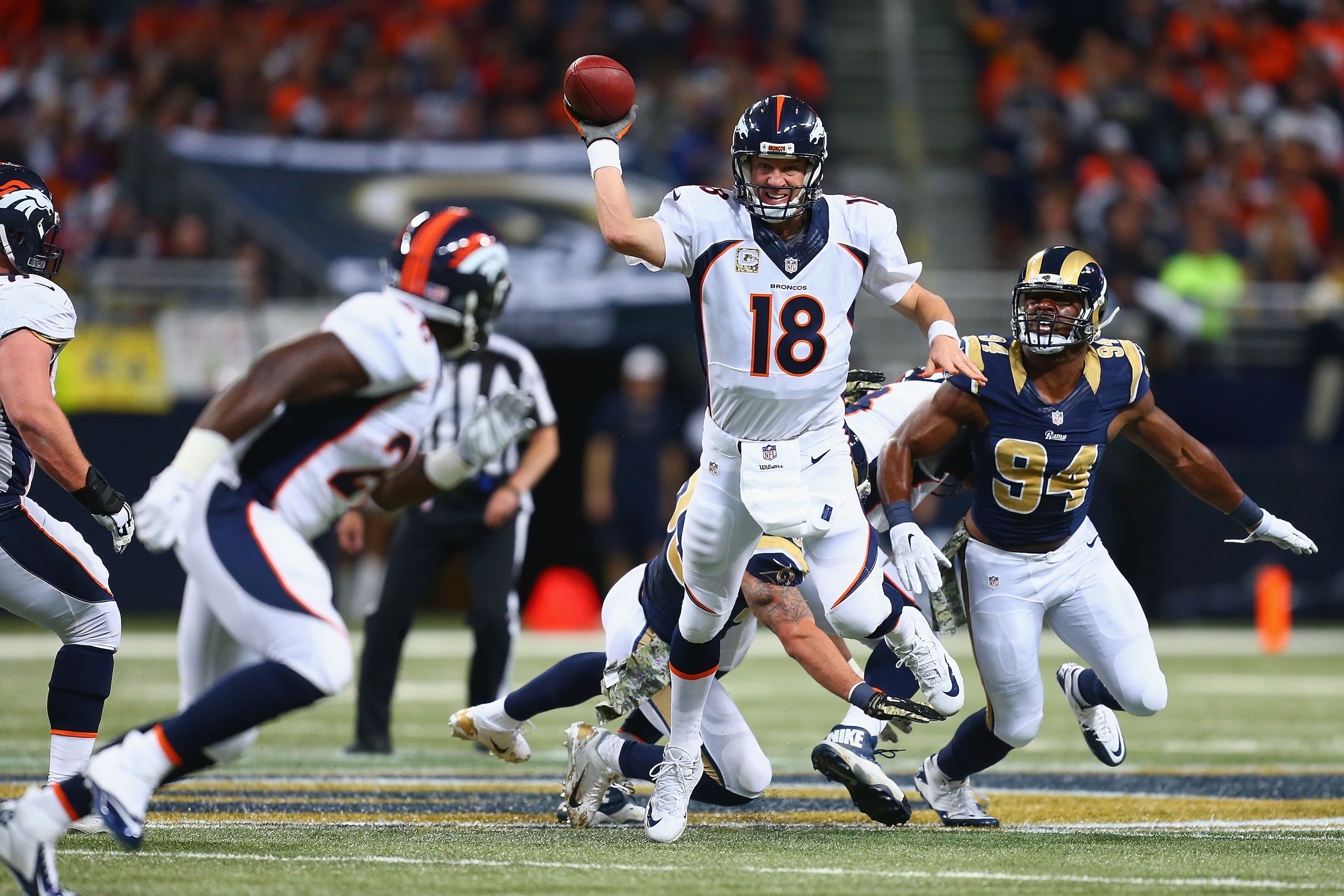
2014 NFL Rank: 17 (59.2 percent passing plays)
If you watched a lot of Denver Broncos football last year, you probably felt like the team threw the ball too often. At times, it seemed as though offensive coordinator Adam Gase wanted to throw the ball on every play.
The team's Week 11 defeat at the hands of the St. Louis Rams is a prime example of how being too dependent on one phase of the game doesn't work well. Following that game, the Broncos made a point to run the ball more often, and that came with plenty of success.
Still, the team threw the ball on 59.2 percent of its offensive snaps last season. On the road, the Broncos passed the ball nearly 63 percent of the time. Only seven teams chose to throw the ball more when they were away from home.
Even more interesting, the team dialed up a pass on 64.7 percent of its plays during the final three games of the season. This shows that the Broncos were a little too dependent on their 38-year-old quarterback down the stretch.
In 2015, the Broncos need to be a team that runs the ball much more than 40 percent of the time. Manning needs to become a quarterback that throws 25-30 passes a game, rather than 45-50.
Gase is no longer the offensive coordinator in Denver, so Kubiak and Rick Dennison need to construct a balanced offense that focuses on the run and makes Manning and his aerial attack less predictable.
All stats and rankings are courtesy of ESPN, TeamRankings.com and The Football Database unless otherwise stated.
.jpg?w=2560 "Jets Dolphins Football")
.jpg?w=2560 "Ward Nearly Walks Out of Presser ▶️")
