
Best and Worst Moves the Philadelphia Eagles Have Made in Free Agency
Give Philadelphia Eagles head coach Chip Kelly credit. In his first offseason with full control of personnel decisions, he spent big bucks and made bold moves.
Of course, as is always the case, some transactions look better than others.
As legions of Birds fans have taken to warning me in recent weeks, time will tell whether Kelly’s radical blueprint will ultimately prove successful or not. You’ll hear no argument from me, but somebody has to analyze and evaluate these things in real time, and I’m not one to rubber-stamp any one person’s decisions.
With that in mind, we’re looking at which Eagles acquisitions have been the best and which have been the worst. For somebody such as myself who has been critical of much of the offseason plan, this falls somewhere down the middle. Hopefully, you won’t see these descriptions as optimistic or pessimistic but, instead, merely realistic.
Best: Sam Bradford
1 of 6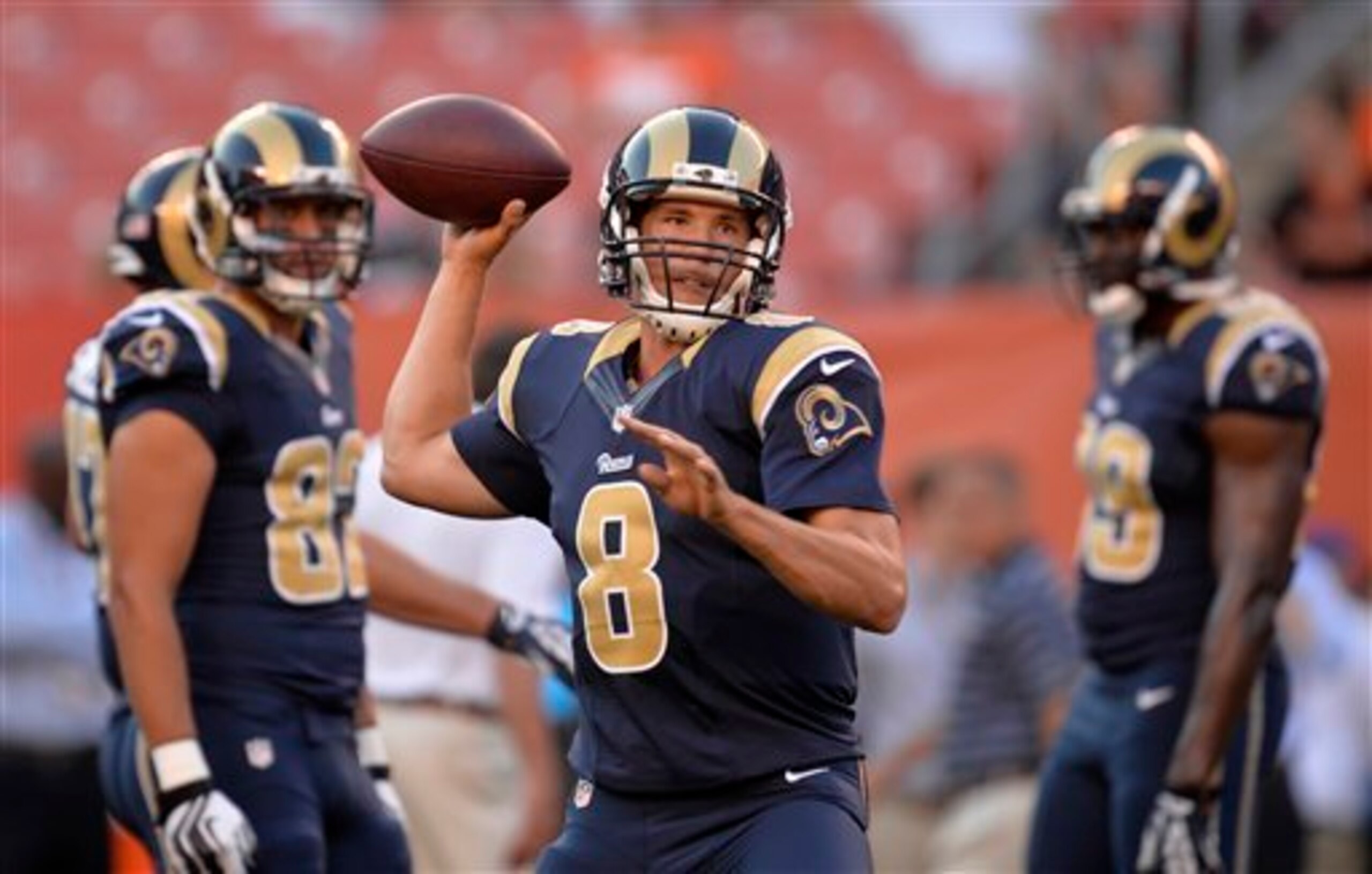
The only way to evaluate Philadelphia’s trade for Sam Bradford is from the perspective that Kelly didn’t view Nick Foles as a franchise quarterback and would have moved on from him regardless. With that in mind, there’s some brilliance to this swap.
The Eagles replace Foles with a former No. 1 overall draft pick who’s been victimized to a certain extent by poor supporting casts. For five NFL seasons with the St. Louis Rams, Bradford has been surrounded by innocuous weapons in the passing attack and provided inadequate protection from the offensive line. Philly possesses vastly superior personnel that might allow Bradford to thrive.
For what it’s worth, Mark Sanchez struggled under similar circumstances for five seasons with the New York Jets and then have a career year with the Eagles in 2014. Sanchez’s completion percentage, yards per attempt and passer rating all blew his previous highs away.
The cost for Bradford was not overwhelming, either. The Eagles flipped a fourth-round pick for the Rams’ fifth this year—no big deal. The Birds also had to send their second-round pick in 2016; however, they can recoup either a third- or fourth-rounder if Bradford doesn’t meet certain playing-time or health-related conditions.
That’s key, because arguably the biggest concern with Bradford are back-to-back ACL injuries that caused him to miss the majority of the past two seasons. Philadelphia is protected to a degree in the event he gets hurt again or isn’t the same player.
Again, it’s important to note that Foles wasn’t Kelly’s guy and was gone either way. At least this way, the Eagles flip him for a potential franchise quarterback rather than a package headlined by a second-round pick. Whether a change of scenery allows Bradford to live up to expectations remains to be seen, but as gambles go, this risk was worth taking.
Worst: DeMarco Murray
2 of 6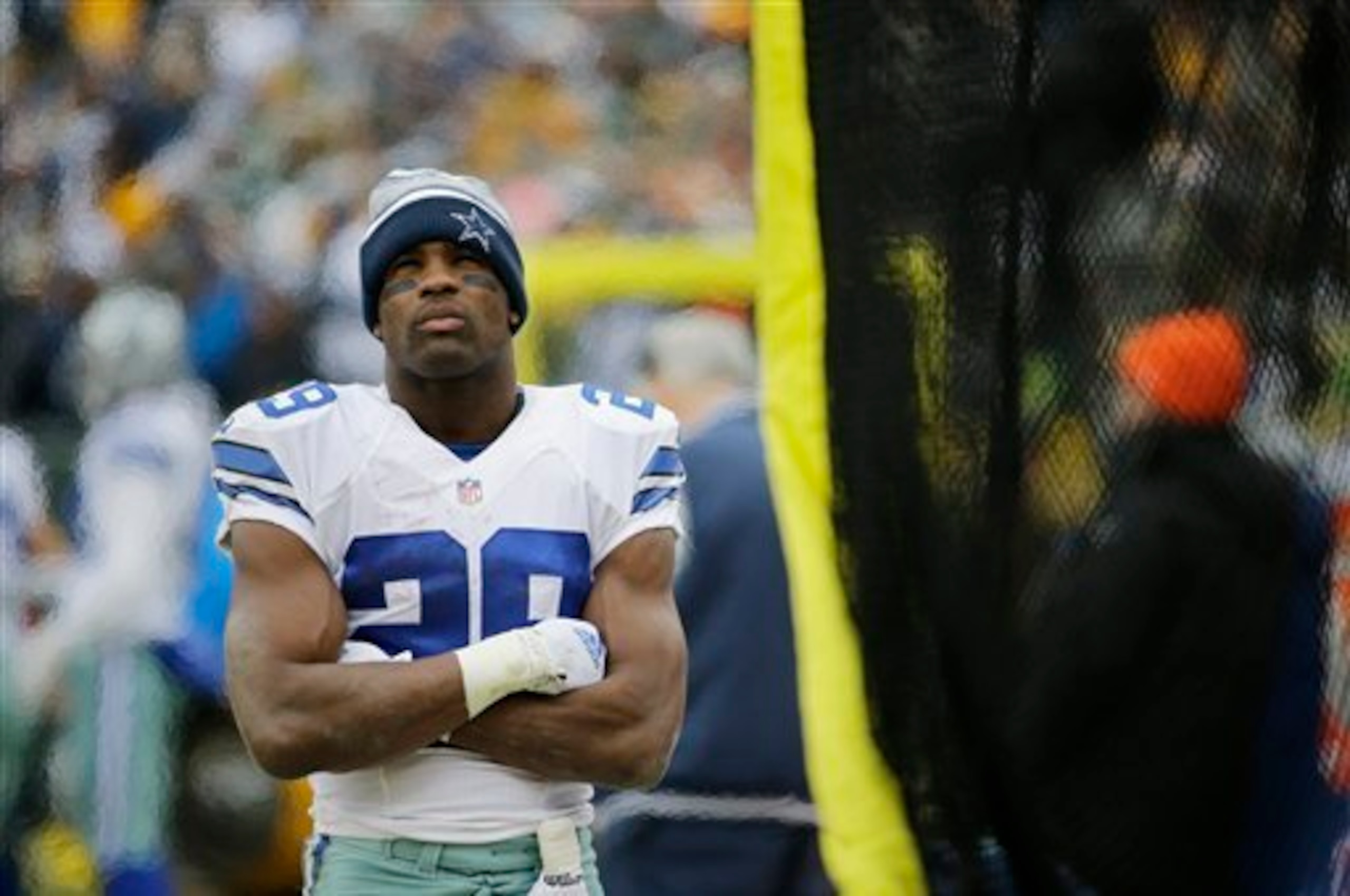
In terms of pure ability, there’s nothing to not like about DeMarco Murray. He’s an explosive, powerful ball-carrier who can run by defenders or through them. He’s a threat to catch the ball out of the backfield and is a plus pass protector. Murray’s one-cut rushing style is even arguably a better fit for Kelly’s offense than LeSean McCoy ever was.
That being said, Murray may be the NFL’s reigning rushing champion, his departure from the Dallas Cowboys may weaken a division rival, but I am philosophically opposed to this type of signing in most cases. Was it really necessary to sign a 27-year-old running back to a five-year, $40 million contract, $21 million of which is guaranteed?
It’s an even greater cause for concern given Murray’s workload last season. His 392 carries were the most by one player since 2006, his 449 touches sixth all-time—and that was only the regular season. Including playoffs, Murray had the football in his hands nearly 500 times in 2014-15.
No doubt, many of you have heard of the “Curse of 370,” as defined by Football Outsiders, which suggests a correlation between the heavy usage of running backs and injury, decline or both.
Paul Domowitch of the Philadelphia Daily News writes that of the 10 backs to log 390 carries in a season in league history, only two were very productive afterward. Studies and statistics aside, it’s just common sense that such a workload could lead to fatigue-related issues.
Murray’s production was already slipping, as his yards per carry dipped every month during the regular season, from 5.4 in September down to a 4.0 in December. He isn’t durable to begin with—2014 was the first time he appeared in all 16 games as a professional. Plus, fumbles are also a concern, with 12 over the past three years, including playoffs.
I simply wouldn’t have tied up all that money in a long-term commitment for a running back when data, courtesy of ESPN Stats & Info (via ESPN.com's Kevin Seifert), further indicates Murray is approaching his decline. I would rather sign a stopgap and start over in the draft. Maybe Murray bucks several of these worrisome trends, but I’m not very optimistic.
Best: Kiko Alonso
3 of 6
If you understand where I’m coming from on Murray, then it probably isn’t a stretch to see why I was such a big fan of trading LeSean McCoy for Kiko Alonso. The Eagles dealt an expensive player at the peak of his career from arguably the most replaceable position on a football field in exchange for a promising 24-year-old linebacker on rookie contract who just happens to fill a huge hole on defense.
McCoy might be the best back in Philadelphia history—he is, after all, the leading rusher in franchise history—but the Birds took care of that need rather easily with Murray. At interior linebacker, where DeMeco Ryans is, age 31, entering the final year of his contract, coming off his second Achilles injury and a questionable fit to boot, improving was not as simple.
Not unlike Bradford, Alonso carries some doubts after a torn ACL erased his entire 2014 campaign. Beyond that, we only have his rookie season with the Buffalo Bills to go on, but it was a good one. A line of 159 total tackles, 2.0 sacks, four pass breakups, four interceptions and a forced fumble would’ve been excellent for a grizzled vet, let alone a second-round rookie out of Oregon.
Alonso appeared to be on the verge of becoming a perennial Pro Bowler before his injury, perhaps for the next decade. McCoy almost certainly has another dominant season or two left in the tank, but he would inevitably decline and cost the team a lot of money in the process. It’s a shame to watch a popular player go, but the compensation was well worth it in this case.
.jpg?w=2560 "Chiefs Giants Football")
.jpg?w=2560 "Steelers Buccaneers Football")
.jpg?w=2560 "Steelers Saints Football")
Worst: Ryan Mathews
4 of 6
Ryan Mathews wasn’t a bad signing, per se. It wouldn’t have been bad at all, except once the Eagles landed Murray, and with Darren Sproles already in house, you had to question the need to invest even more free-agent money at running back.
Philadelphia is currently second in the NFL in salary-cap space allocated to running backs heading into 2015. Sure, Kelly values the ground attack, and there’s nothing wrong with that, but it doesn’t necessarily have to cost a ton of money.
Mathews would’ve been a perfectly viable solution as the starting running back while the Eagles developed a rookie back. Now the former San Diego Charger is part of some complicated three-headed monster in Philadelphia, for millions and millions of dollars per year as opposed to the hundreds of thousands a draft pick makes.
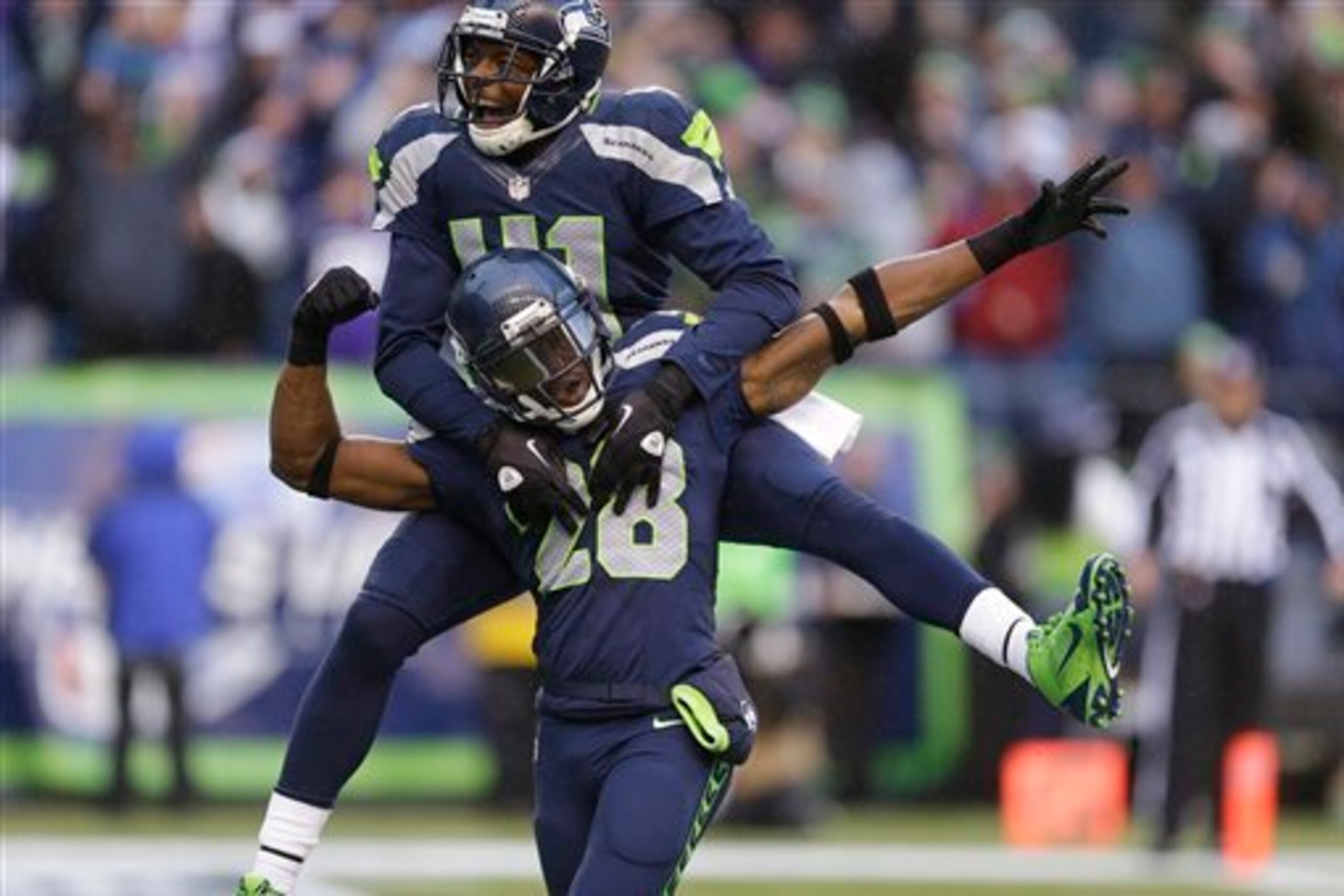
Best: Byron Maxwell
5 of 6
Regular readers are likely aware I have been critical of the Byron Maxwell signing. That doesn’t mean I think it was the wrong move.
Maxwell’s body of work up to this point did not warrant a six-year contract worth $63 million. He’s started just 17 games in the NFL. Last season, he ranked 25th out of 73 cornerbacks in opponents’ passer rating, according to Pro Football Focus, this while playing on an all-time great defense with the Seattle Seahawks. Maxwell is getting paid like a shutdown corner, and there’s no evidence he is one.
Yet the Eagles were desperate for cornerback help. Philadelphia’s pass defense ranked 32nd and 31st the past two years. The only other corner on the roster signed beyond this coming season is 2014 fourth-round pick Jaylen Watkins. The front office couldn’t possibly stand by and do nothing, and aside from Darrelle Revis, Maxwell was the consensus best-available player in free agency.
Not only that, but Maxwell is also a fit in Philly. At 6’1”, 207 pounds, he has the size, length and physicality Kelly looks for in defensive backs. The Seahawks defense uses a similar scheme, so it’s not as much of a projection as taking a player from a different system.
Did the Eagles overpay? Probably. There is absolutely no frame of reference for Maxwell as the No. 1 corner in any defense, let alone one where he’s not surrounded by multiple All-Pros. That being said, the team can get out from under his contract in as little as two years, so even if Maxwell doesn’t pan out, this probably doesn’t wind up ranking up there with the worst signings in the world.
In other words, the upside of possibly taking a big step toward fixing one of the league’s worst secondaries far outweighs the minimal financial risk the Birds wound up taking.
Worst: Walter Thurmond III
6 of 6
The flip side to the Maxwell argument is Walter Thurmond comes with almost no risk at all. It’s a one-year contract, and while we could nitpick over the $3.25 million it’s worth, the money is ultimately irrelevant on most short-term contracts.
That being said, the very idea the Eagles would rely on Thurmond to do anything at any price is somewhat troubling. We’re talking about an athlete who’s suited up for 27 of a possible 71 regular-season and playoff games over the last four years of his career.
What about his history leads anybody to believe Thurmond is going to be available to any team in a significant capacity?
Even if the former Seattle Seahawk and New York Giant is healthy, most of his playing experience is in the slot, where Brandon Boykin plays. Boykin could compete for a starting job this year, although his inability to beat out the likes of Cary Williams and Bradley Fletcher for playing time in recent years is reason enough to be skeptical of that happening.
Thurmond was presumably brought in to start on the outside, where he’s relatively inexperienced. Of course, for a 28-year-old, five-year veteran, Thurmond is relatively inexperienced in general, because he seldom plays NFL football.
If the Eagles were merely taking a flyer on a talent-yet-injury-prone talent, that would be on thing. Unfortunately, it seems they are counting on Thurmond to contribute in an already very flawed defensive backfield.
All salary-cap and player-contract details courtesy Spotrac.
.jpg?w=2560 "Eagles Jaguars Football")
.jpg?w=2560 "Titans Colts Football")
.jpg?w=2560 "🚨 Week 8 AP Top 25 Poll")
.jpg?w=2560 "Updates from EVERY Game")