
5 Biggest Takeaways from Dallas Mavericks' First Half
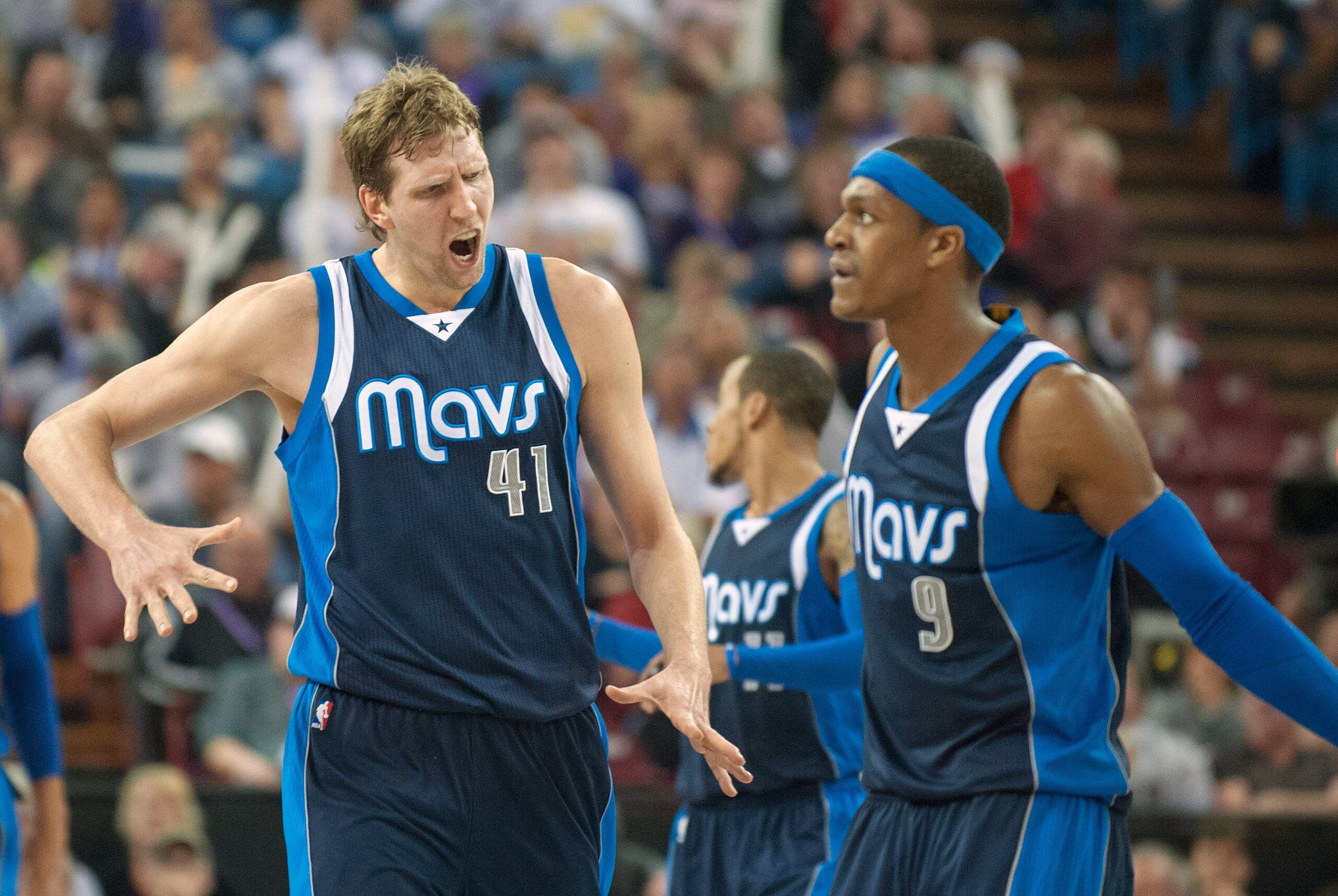
The Dallas Mavericks haven't disappointed through the season's first half, but they haven't really surpassed expectations, either. Despite enough weapons to cause playoff upsets, the team is still struggling against the elites.
Dallas sits with the sixth seed and a 30-16 record in the super-competitive Western Conference. The Mavs are stable enough to essentially be guaranteed a spot in the playoffs, but fighting for a top-four seed is proving to be a challenge.
Going into the season, there were a lot of question marks hovering above the Mavs. The roster around Dirk Nowitzki and Monta Ellis was reinforced, but it wasn't clear how well the pieces would fit. That question was quickly answered, as Dallas' new additions fit perfectly in Rick Carlisle's offense.
The Mavericks put up exceptional offensive numbers over a long period of time, proving their hot start wasn't just a fluke. However, with defensive issues and title contention in mind, Mavs owner Mark Cuban sanctioned a blockbuster trade that stripped the team's bench but brought in elite point guard Rajon Rondo.
Since the trade, the Mavs' early identity has changed. There is still a lot of unanswered questions with this team, but there are several conclusions that can be drawn from the first 46 games.
Dallas Is Not a Top Contender—Yet
1 of 5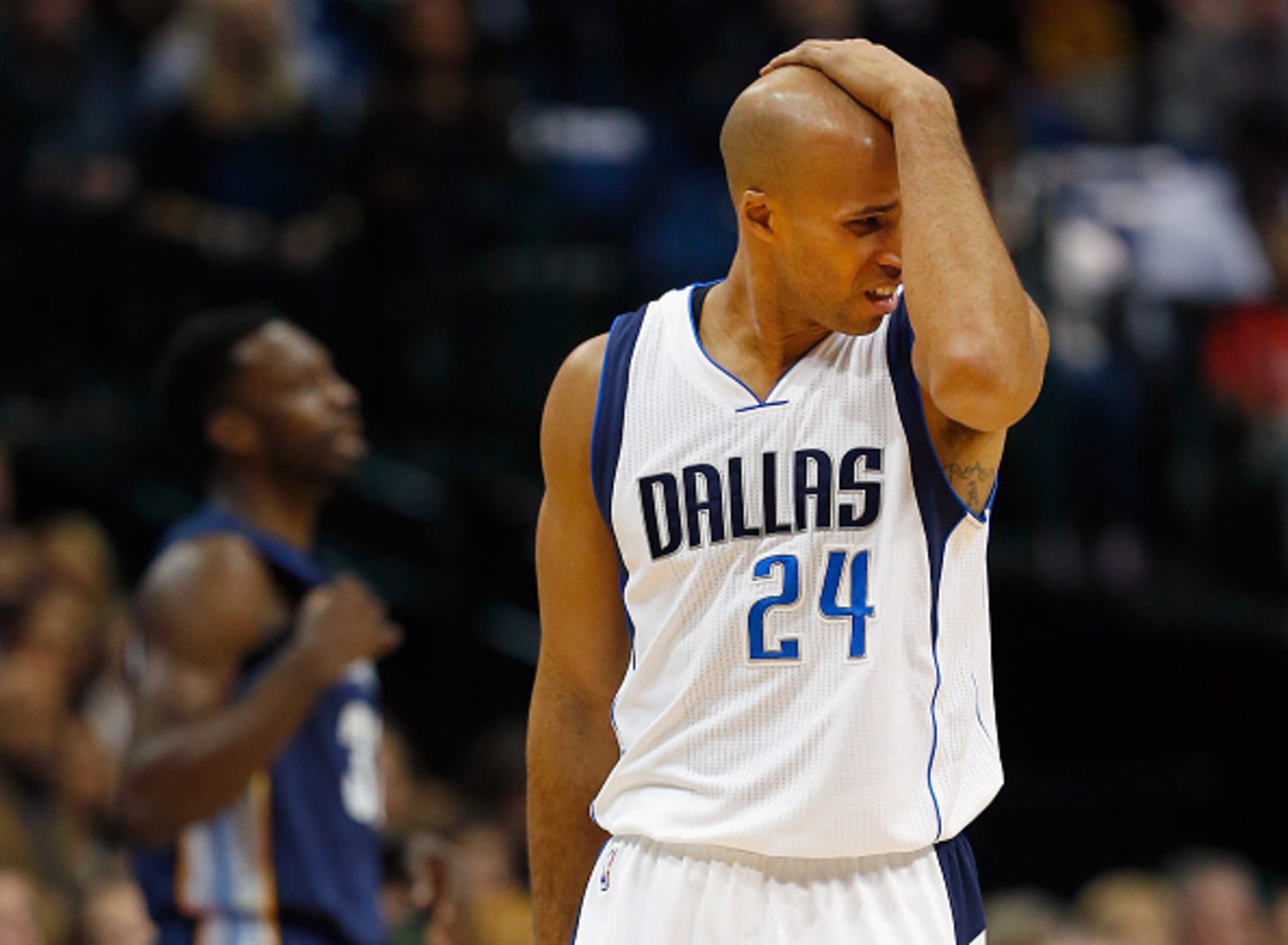
The Mavs' sensational offense was tearing up the league, but they lacked a defensive backbone. Even though Dallas obliterated lesser opponents, going up against elite defensive teams revealed the flaws of relying solely on offensive production.
Grabbing Rondo and solidifying the perimeter defense was presumably a step in the right direction for an aspiring contender, but the Mavs are still not there yet.
Even though regular-season records don't mean much, it's still a little worrying that Dallas has gone 2-9 against Western playoff teams. Smart defenses have figured out ways to halt the Mavs in transition, while containing their half-court sets.
Since trading for Rondo, Dallas has gone 11-8. That's a winning percentage of 0.579, which would be just the eighth-best win-loss ratio in the West.
The schedule has been a lot tougher for Dallas lately, and it remains to be seen whether the team manages to establish itself as a serious contender when the postseason rolls around.
Rondo Trade Was a Risky, Necessary Gamble
2 of 5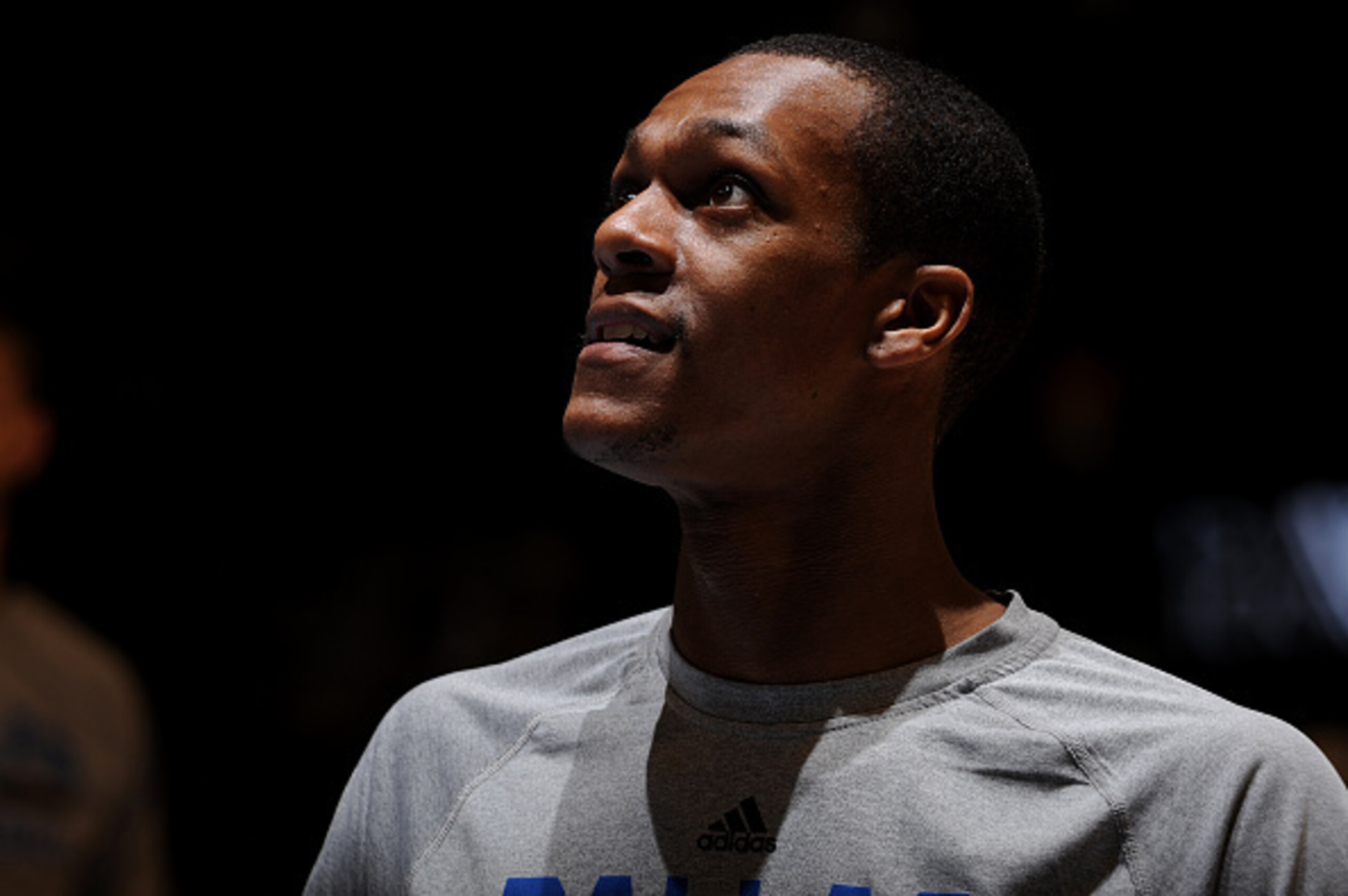
Although Dallas was clicking on all cylinders offensively, trading for Rondo was a worthy gamble.
Even though the Mavs maintained a solid winning percentage before the trade, it was an inflated record. For a long period of time, Dallas had the easiest schedule in the West (based on strength of schedule). While going 11-8 since adding Rondo is worrying, it's unclear whether the pre-trade roster would have done much better in this stretch.
Dallas has received mixed results after sacrificing what would have been the best offense in the league by far. The Mavs rank seventh in offensive efficiency since Dec. 19, dropping from a dominant first position. Defensively, Dallas has been the 12th-best team in that time period, a solid improvement from a bottom-10 ranking.
The fact that the Mavericks are sniffing around the top 10 in both offensive and defensive efficiency is a sign of the team moving in the right direction.
Serious contenders generally have a balance on both ends of the floor. Trading for Rondo has moved Dallas into a somewhat more promising future outlook, but there is still a lot of work that has to be done.
The Elite Offense Will Be Missed
3 of 5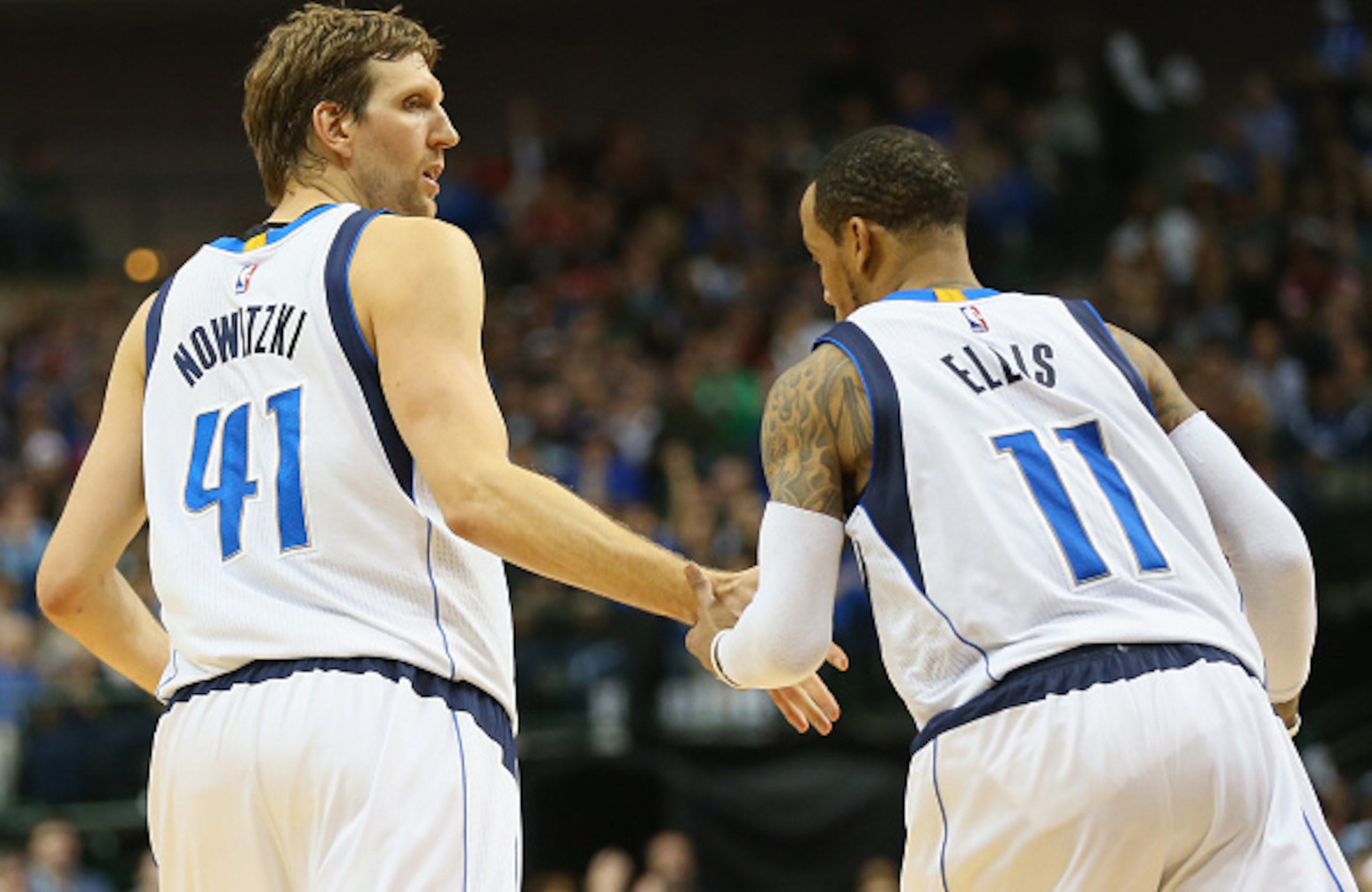
Before making the trade for Rondo, Dallas had one of the most eye-popping and efficient offenses the NBA has seen in recent years. Even though trading for Rondo was an understandable move, it's still painful to wave goodbye to the beauty that was the Mavs' old offense.
Everything was perfect—Dallas surrounded one of the most fearsome finishers around the rim in Tyson Chandler with four shooters, terrorized opponents with unpredictable pick-and-roll combinations and moved the ball in spectacular fashion.
No team in the league was even close to the offensive versatility the Mavs possessed. Jameer Nelson, Ellis and Chandler Parsons could all shoot and break down defenses off the dribble, while Nowitzki sucked in defenders all over the floor. Every player complemented each other, and Dallas had an incredible amount of space to work with.
Brandan Wright was also a key cog off the bench. His style of play was almost identical to Chandler's, which allowed the Mavericks to maintain their pace even when utilizing reserves.
The Atlanta Hawks and the Golden State Warriors are both examples of supremely talented and well-coached offenses. Even so, the Mavs' historically good offense was even more gratifying to behold.
The Mavericks combined an abundance of talent into a selfless powerhouse offense, and it will take time until another NBA team reaches that level.

Tyson Chandler Is Meeting All Expectations
4 of 5
Chandler's return to Dallas was a welcomed move among the fanbase, but there were some concerns. The big man had a long injury history, and was seemingly exiting his prime in his early 30s.
Needless to say, Chandler has not disappointed. He has looked every bit as good as he did during Dallas' 2011 championship run. In fact, he is playing at an even higher level.
Chandler trails just the Los Angeles Clippers' DeAndre Jordan in field-goal percentage this season. His smothering screens and relentless rim rolls are a huge part of Dallas' offense. The team has lacked a center with that skill set since Chandler's departure in 2011, and Coach Carlisle agrees that the big man is rejuvenated.
"He's better," Carlisle said, according to USAToday.com's Howard Megdal. "Really in all areas. So we're really thrilled to have him back. He's fit right back in. And he walked right in the door as one of the leaders of our present team."
Defensively, Chandler has often been the lone bright light for the Mavericks. He cleans up for other players' errors as much as humanly possible, plays stellar one-on-one defense and is a solid rim protector.
Paying Chandler Parsons Was the Right Move
5 of 5
There was a lot of skepticism when the Mavericks signed Parsons to a three-year, $46 million deal last summer. It was a hefty amount and looked a little like a desperate move by the Mavs, who had missed out on some big free agents.
While his numbers are not spectacular, bringing in Parsons, 26, was undoubtedly the right move. There are very few wings in the league who can shoot, drive and pass. That type of a player can practically fit into any offense, and that versatility is highly valued in the NBA.
The Mavericks desperately needed to upgrade on the wing after letting Shawn Marion go, and Parsons was the logical choice. He isn't quite the defender Marion was, but he is young and could stick around for years to come.
Parsons' skill set was a huge reason behind the Mavericks' spectacular offense, and it has helped the team stay afloat even as the spacing has cramped with Rondo.
Even though Parsons went through a major shooting slump early in the season, there is absolutely no doubt the Mavericks made a terrific signing.

.jpg?w=2560 "Chiefs, Steelers Eye WR Trades")