
Washington Redskins Initial 2015 Round-by-Round Draft Big Board
Washington Redskins fans can justify feeling very excited about a draft that's still almost five months off. Not only does Washington own the fifth overall pick in the 2015 NFL draft, the franchise also has a rare full slate of selections to work with.
So there's a great chance to significantly upgrade a roster that went 4-12 in 2014. The hope is strengthened by the arrival of new general manager Scot McCloughan, a reputed master team-builder who has already declared the draft a team's "lifeline."
Rarely will there be this much optimism for a Redskins draft haul.
But the optimism will only be justified if McCloughan demonstrates a commitment to targeting help at this team's obvious areas of weakness. If you need a reminder, here's Washington's current roll of shame, in order of priority: offensive line, secondary, defensive line, pass rush, tight end.
How to fix those areas should be on the mind of every decision-maker at Redskins Park. Fortunately, this year's draft batch boasts plenty of talent at most of these key positions.
With that in mind, here's what an early big board should look like for Washington.
Breaking Down the Needs
1 of 9
The needs are obvious, but here's a refresh of why they're so pressing. Beginning with the offensive line, the position has been the bane of successive teams since 2007.
A lack of elite size and flexibility, particularly on the right side, has especially hampered the unit in recent years. In turn, woes up front have stymied the entire offense.
This is most obvious at quarterback. Each of Robert Griffin III, Kirk Cousins and Colt McCoy know how tough it is setting up to throw a pass behind a line that routinely crumbles in the face of even an adequate rush.
If the offensive line has wrecked one half of the team, a diabolical secondary has done for the other. In fact, an ageing and ineffective defensive backfield could even lay claim to being the worst unit on the roster.
Starting safeties Ryan Clark and Brandon Meriweather are set for free agency, which should only be a relief to a franchise that must also show cornerback E.J. Biggers the door.
Veteran corners DeAngelo Hall and Tracy Porter have injury concerns and high cap figures heading into the offseason. This has to be McCloughan's cue to completely overhaul the last line of defense.
Of course, he'll also have a tough decision or two to make up front. Stud pass-rusher Brian Orakpo was given the franchise tag last season.
He responded with just half a sack through his first seven games in 2014. Orakpo then missed the last nine with yet another injury.
Now this talented, but inconsistent and brittle, outside linebacker is eligible for free agency. If Orakpo goes, the roster won't feature many other capable pass-rushers around star man Ryan Kerrigan.
A solid front seven needs some star power at both linebacker and along the line.
Finally, tight end rates as a need because Niles Paul is headed for free agency, and Jordan Reed can't stay healthy or consistent long enough to deliver on his immense potential.
Third option Logan Paulsen is usually limited to the role of blocker, although he doesn't always excel.
So that's what Washington needs, but how will the new-look front office approach finding solutions in its first draft?
Possible Criteria for Selection
2 of 9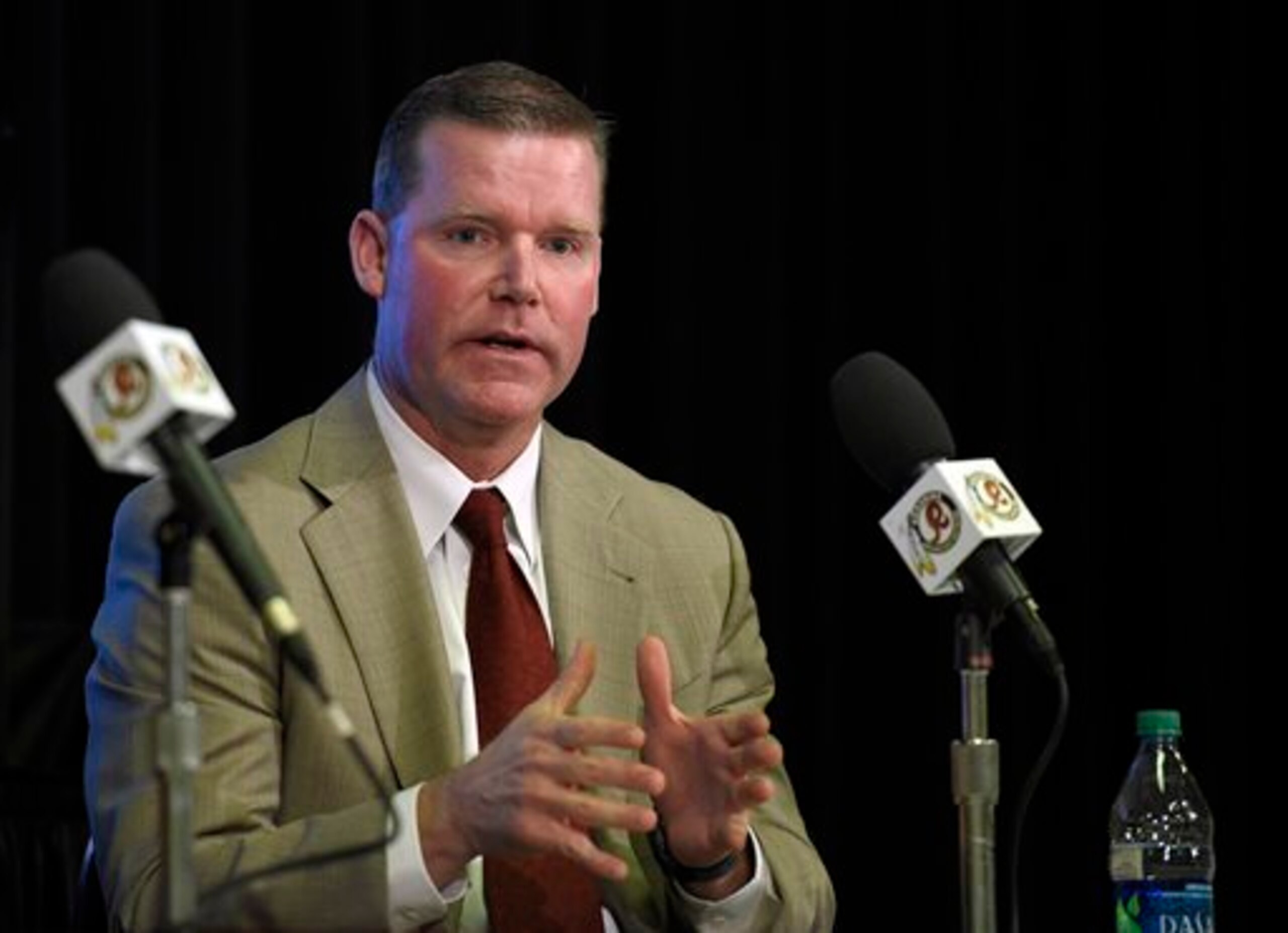
McCloughan has already offered two very interesting pointers regarding his potential draft strategy. The first is his declaration the Redskins won't draft for need, per Real Redskins blogger Rich Tandler:
"I’m never under the assumption that you draft for need. You draft the best available football player on the board. You know people say, ‘Well, if you have this and this, why would you do that?’ Because, you know, in the long run, they are the ones who will help you win the most games.
"
That would appear to contradict the main point of this slideshow's introduction. But it's important not to take these terms too literally.
For one thing, there's a difference between taking the best player available and ignoring needs altogether. What McCloughan is really saying is that you don't draft an offensive tackle you don't particularly rate simply because the position is your biggest need.
However, if there's a tackle rated highly on the board who's available, take him and answer your need. It's about balance.
True balance isn't just targeting extra bodies at weak positions regardless of talent. At the same time, a balanced approach doesn't take a stud at a position that's already loaded.
For instance, a best-player-available strategy might make Alabama wide receiver Amari Cooper the top prospect on the board with the fifth pick. But it wouldn't be very smart for a team already boasting quality veterans DeSean Jackson, Pierre Garcon and Andre Roberts to add another receiver who wants to be the main man.
The Redskins can have all the talent at receiver they want. But without a credible quarterback and a line solid enough to protect him, those pass-catchers will never receive enough of the ball.
A better example of how things might work would be to say: What if McCloughan, Gruden and team president Bruce Allen don't rate any of the offensive tackles highly enough for the fifth pick?
But the trio does like X outside pass-rusher or X defensive lineman. Both positions rate as needs but are nowhere near as pressing as getting help along the offensive front.
Yet it wouldn't be too damaging for the Redskins to draft one of those positions if the players in question rate higher on their board. Then McCloughan would have to prove his reputation as a scouting wonder is justified by still finding immediate help for the team's more pressing needs in the later rounds.
Another indicator about the type of players McCloughan may target on draft day comes from a quote he made at the 2010 NFL Combine as then-general manager for the San Francisco 49ers. It's per another report from Tandler: "I’ll never lose sight of this and maybe I’m a dinosaur in this, but it’s a big man’s game."
This will impact not only the prospects scouted for the trenches but also other key positions. In this sense, McCloughan's big-man-wins view can coincide with the challenges Washington faces in the NFC East.
For instance, the team may want to get bigger along the D-line to combat the powerful interior blockers boasted by the Dallas Cowboys. Center Travis Frederick and guards Ronald Leary and Zack Martin are the platform for NFL rushing champion DeMarco Murray's dominance.
Perhaps the Redskins need bigger guards to help cope with Philadelphia Eagles blue-chip tackle Fletcher Cox twice a season. Speaking of the Eagles, a bigger cornerback or two would help nullify Philly's stable of towering pass-catchers, including Riley Cooper, Jeremy Maclin and future star Jordan Matthews.
Or how about an intimidating safety who can actually lock down the division's talented tight ends? The Washington defense certainly needs an antidote for Zach Ertz, Jason Witten and Larry Donnell.
A good draft strategy should always be geared to establishing dominance over the teams you face twice a season.
Right, enough setting the table. Here's the big board.
Round 1
3 of 9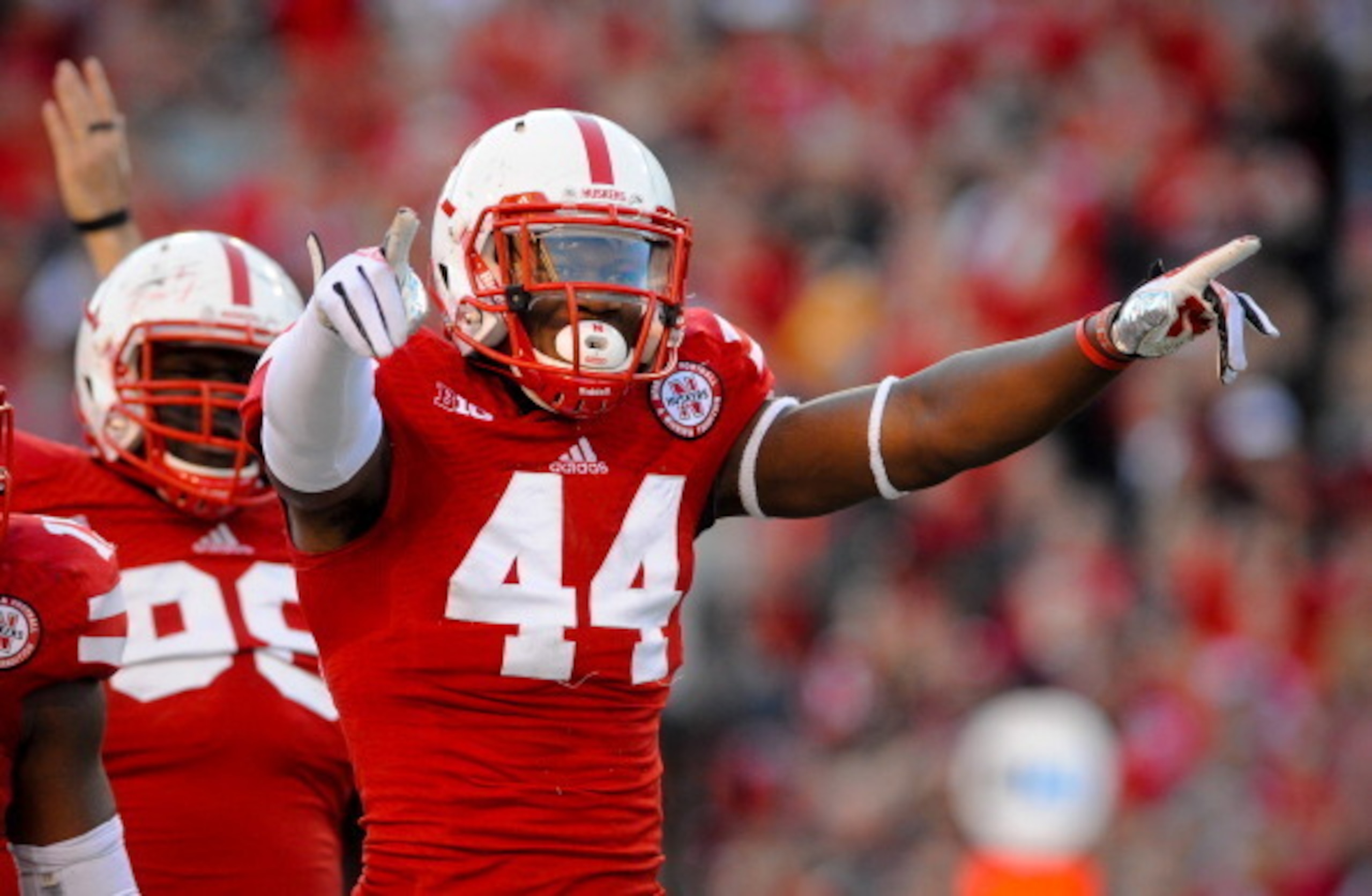
- Brandon Scherff, OT, Iowa
- Leonard Williams, DT, USC
- Randy Gregory, DE/OLB, Nebraska
- Landon Collins, S, Alabama
- Andrus Peat, OT, Stanford
Analysis
Straight away you'll notice two offensive tackles on this list. That's merely a reflection of how much help the current O-line needs.
McCloughan and head coach Jay Gruden should run the rule over every top trench warrior in this class. As it stands, Scherff and Peat are the best options.
The former represents the smart pick. Scherff is a wide-framed, powerful tackle who would soon become the focal point of the run-blocking schemes.
The Iowa mainstay is scrappy and determined whenever he's opening holes on the ground. Scherff fires off the line and slams into his man, often turning him instantly to clear the hole.
If there's a weakness in Scherff's run-blocking, it's that he's sometimes too eager to crash down inside. This can leave him vulnerable to quick-twitch stunts and well-timed run blitzes off his outside shoulder. Yet that's a coaching point the Redskins could soon fix.
In pass protection, Scherff simply engulfs rushers. Once he clamps his hand on a pass-rusher, it's over. However, he sometimes isn't the quickness on the turn.
Ironically, the slight foibles in Scherff's game only further recommend him to Washington. Some, including SI.com's Chris Burke, believe Scherff can project to guard or right tackle.
His sometimes evident lack of top-notch agility wouldn't show up as much at either position. It also means Scherff could help at multiple spots along a Washington front five that needs help everywhere.
As for Peat, he's just a towering, power-based blocker who would add brawn and toughness to a line sadly lacking in both. Adding the 6'7", 312-pounder would certainly fix the problem.
Whomever the front office likes best, it's clear the line that surrendered 58 sacks in 2014 and has been dreadful for far too long needs a major overhaul. But it's not just along the offensive front where the Redskins need more muscle and dynamism.
That's why USC defensive tackle Leonard Williams has to merit a long look from McCloughan. Williams is the kind of big-bodied playmaker Washington's 3-4 front has been missing.
He's an instant-impact prospect, one who would immediately become the focal point of the front seven. That would make the 6'5", 300-pounder a welcome gift for whomever succeeds Jim Haslett as defensive coordinator.
A smart play-caller will still scheme ways for Williams to live in the backfield even from a three-man front. In fact, Williams could be the Calais Campbell, Muhammad Wilkerson-type of versatile behemoth the Arizona Cardinals and New York Jets build their defenses around.
Of course, a new coordinator might prefer a bookend he can trust across from star outside linebacker Ryan Kerrigan. The 2011 first-rounder notched a career-best 13.5 sacks last season despite not having an effective complement.
Orakpo's issues meant Kerrigan missed another pass-rusher to ease his burden. To make matters worse, 2014 second-round choice Trent Murphy struggled to make the grade just one year after leading the nation in sacks at the collegiate level.
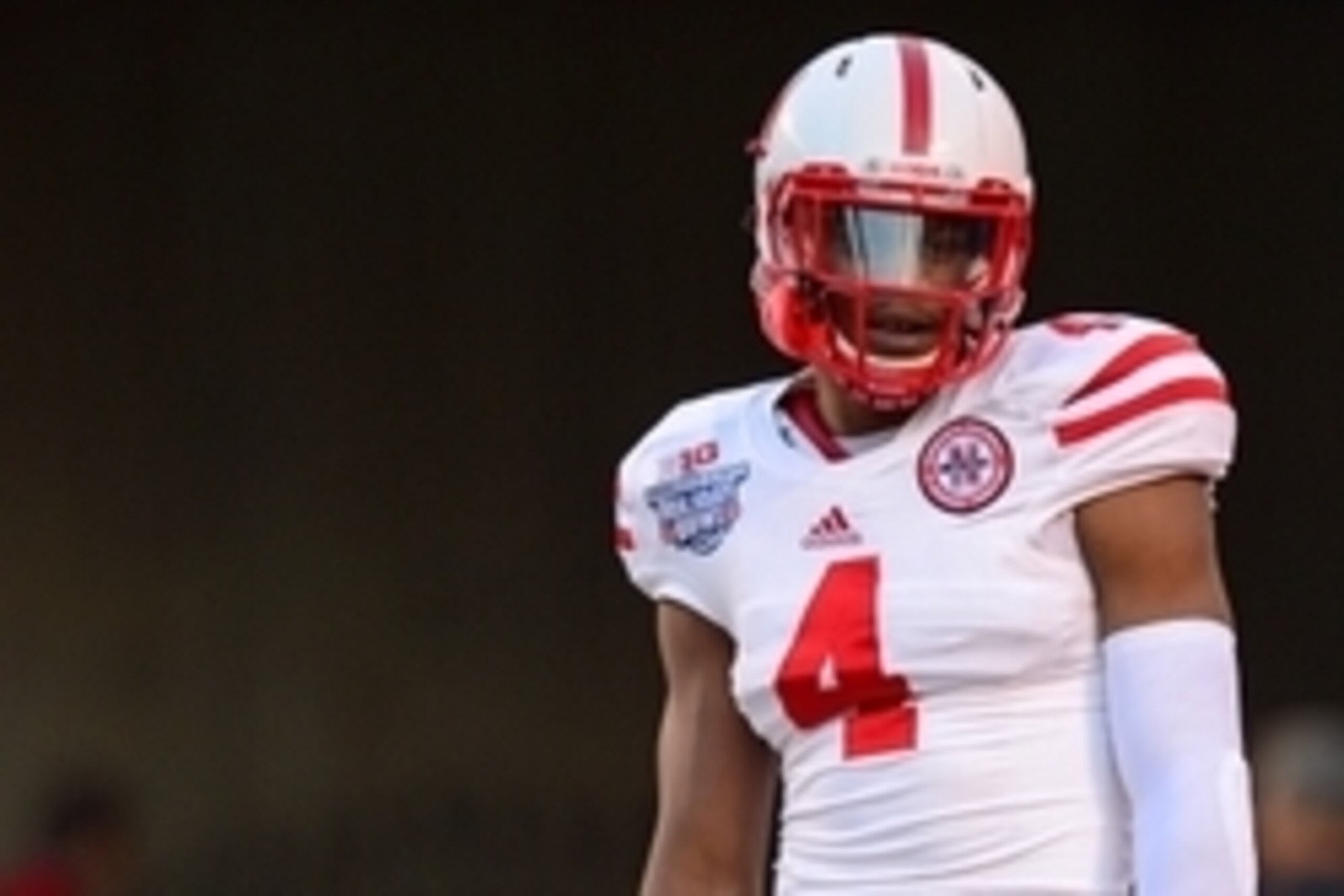
With Orakpo now a free agent, McCloughan could justify Washington opting for yet another edge-rusher at the top of a draft. That is if McCloughan believes a prospect such as Nebraska's Randy Gregory is the proverbial "best player available."
CBS Sports analyst Dane Brugler believes Gregory is a good bet for Washington thanks to his "easy change of direction skills." Gregory certainly has the frame and versatility of a natural 3-4 bookend, but he's had trouble staying healthy.
Adding the Cornhuskers ace could complete an already talented front seven and give a new coordinator plenty of weapons for pressuring quarterbacks. An arsenal featuring Gregory alongside Kerrigan would be a boost for a defense that only felt the collar of quarterbacks 36 times in 2014.
Yet even a host of the best pressure specialists won't be enough to improve the Washington defense unless there's better talent at safety. Putting another layer of duct tape over this perennially woeful position won't be good enough.
Instead, the Redskins need a true playmaker at the position. That's the cue to seriously consider using a top-five pick on Alabama's Landon Collins.
B/R draft analyst Matt Miller believes Collins makes sense for Washington. Collins fits because he's a dynamic presence down in the box.
He's tough and scrappy in underneath coverage as well as truly brutal in run support. Collins is also very useful on the blitz. Again, a smart coordinator could use a player like Collins in 100 effective ways.
None of the current safeties on the roster, or those on the free agency market for that matter, will offer the same playmaking skills Collins possesses.
Whichever direction McCloughan goes, picking at the end of the top five positions the Redskins to target a plethora of talented prospects who could bolster their most obvious weaknesses.
.jpg?w=2560 "Seahawks Chiefs Football")


Round 2
4 of 9
- Cody Prewitt, FS, Ole Miss
- Marcus Peters, CB, Washington
- Malcom Brown, DT, Texas
- Arie Kouandjio, G, Alabama
- Maxx Williams, TE, Minnesota
Analysis
Picking at the top end of Round 2 often yields rich pickings. Washington should have no shortage of help for its primary needs. McCloughan may not be able to look past Cody Prewitt as the best player available at the 37th pick. The Ole Miss star is a natural free safety, per CBS Sports analyst Rob Rang:
"Prewitt generally is asked to play two-deep or the single high free safety role, rarely dropping down close to the line of scrimmage to cover slot receivers. From this center-field vantage point, Prewitt shows good understanding of route concepts, anticipating where the ball is going and getting a jump on it. He has good hands for the interception and times his leap to take the ball at its highest point."
The Washington secondary has lacked those type of skills for too long. A true center fielder opens up the playbook for a savvy coordinator.
It allows him to play Cover 1 with man coverage underneath, a major asset against the type of intermediate crossing patterns and combination routes prevalent in today's passing games.
As a big safety, 6'2", 217-pound Prewitt would also be a punishing force from Cover 2 looks whenever receivers taking an inside release are passed his way.
While Collins would be a boost for the pressure defense up font, Prewitt could be the key to the coverage scheme.
Marcus Peters is another player who could instantly upgrade the secondary. He's a big-bodied, press-style cornerback. That type of cover man can be the key to shutting down some of the league's finest timing-based passing attacks.
McCloughan would have to decide if that potential is worth overlooking some of Peters' troubles at the collegiate level. He was kicked off Washington's program because of his inability to get along with coaches, per Jerry Brewer of The Seattle Times.
Peters has talent, but McCloughan might not want to take too many risks during his first draft calling the shots.
Further forward, D-tackle Malcom Brown would add greater size, quickness and agility to a rotation needing all three. The Texas star can slant across blockers or burst through gaps to get into the backfield.
But at an imposing 6'2" and 320 pounds, Brown is no mighty mite. He could just be this team's long-term answer at nose tackle.
Flipping the line of scrimmage to the other side of the ball, Arie Kouandjio is the powerful road-grader the Redskins need along the interior. Current starting guards Shawn Lauvao and Chris Chester lack the brawn, raw strength and disposition to dominate inside.
But Kouandjio has all those qualities. He's a frightening force on the move.
Whenever he pulls around the corner, the running back who follows him is guaranteed a big gain. Meanwhile, the defender he runs into is sure to be left bruised and bloodied.
Kouandjio would help Washington get bigger inside. That doesn't mean the team would necessarily have to abandon its highly successful zone-blocking techniques. A team can still block zone with some behemoths up front.
But Kouandjio's addition, preferably along with a powerful tackle, would let the Redskins overpower and wear down defenses in the trenches more often. It would also fit with McCloughan's big guys win strategy.
McCloughan would have to be satisfied Kouandjio's knees issues are now just history. The beefy guard underwent "multiple knee surgeries," per Montgomery Advertiser writer Cliff Kirkpatrick.
If Kouandjio delivers a clean bill of health, the man who helped draft Mike Iupati, Anthony Davis, Joe Staley and Alex Boone with the San Francisco 49ers, could find it very difficult to pass on this talented blocker.
The last player who could creep into Washington's thinking in this round is late-blooming tight end Maxx Williams. The Minnesota product has the complete game the Redskins lack at the position.
If Reed and Paul's problem is they can't block, while Paulsen offers little as a receiver, Williams is capable in both areas. At 6'4", 250, he has the size of a classic in-line tight end. But he's also quick and versatile enough to be moved around formations to create matchup problems.
As a more traditional-style tight end, Williams would be an asset to whomever is taking snaps as the starting quarterback next season. He'd also be a boost to a hopefully revamped line in both pass protection and run blocking.
Round 3
5 of 9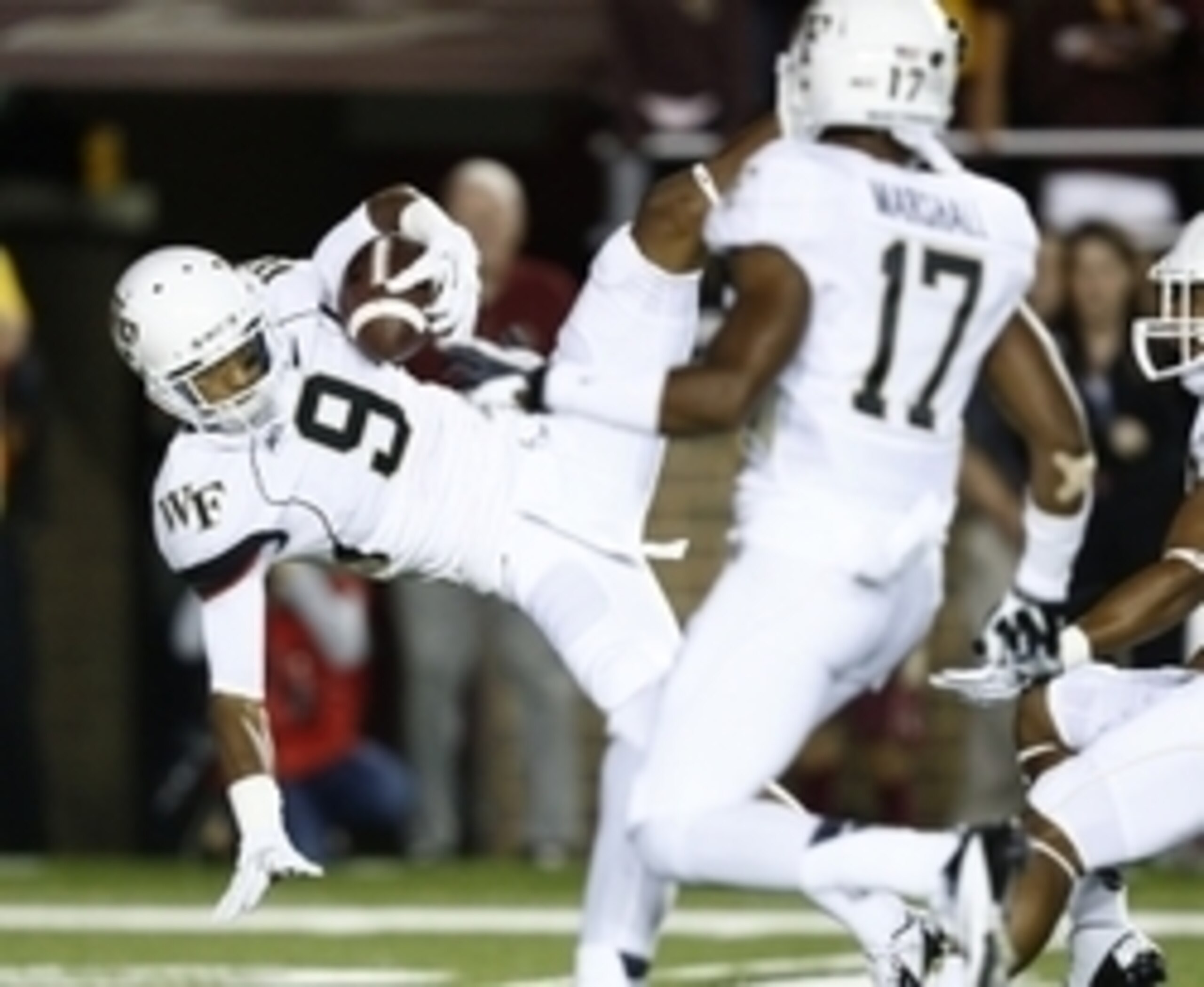
- Kevin Johnson, CB, Wake Forest
- Tre' Jackson, G, Florida State
- Geneo Grissom, OLB, Oklahoma
- Ben Koyack, TE, Notre Dame
- Gerod Holliman, FS, Louisville
Analysis
Washington's turnover-shy defense intercepted just seven passes in 2014. That pitiful number has to put a player like Louisville ball hawk Gerod Holliman on the radar.
After all, the Cardinals star snatched an eye-popping 14 picks last season, per CFBStats.com. Holliman's knack for turnovers has encouraged rave reviews and some lofty comparisons, per NFL.com Media analyst Bucky Brooks:
"That's why I believe veteran scouts will see a young Ed Reed in Holliman's play when they take a closer look. When I evaluated Reed during his final season at Miami, I was blown away by his instincts, awareness and ball skills as a deep defender in the Hurricanes' scheme. ...
With those traits also fueling Reed's production as a pro (64 career interceptions in 12 seasons), it is possible that Holliman could develop into a game-changing defender at the next level.
"
However, Brooks also noted concerns Holliman is a so-called "one-year wonder." There is also reason to be wary about how his wiry frame would withstand the rough-and-tumble environment at the pro level.
Yet when drafting defensive players, ability as a playmaker should rank near the top of any list of desired attributes. Holliman has proved he has the proverbial "nose for the ball" that usually creates takeaways.
A defense so short of big plays a year ago has to give Holliman a long look.
Similarly, a versatile corner like Kevin Johnson could be very useful at a rotation as much in need of help in the slot as on the outside. Johnson has proved at Wake Forest he can play the inside well.
Yet like Holliman, the 6'0", 175-pounder doesn't boast the level of physicality currently the vogue for NFL defensive backs. But considering Washington has no credible option for the slot since Biggers and Porter have floundered, Johnson merits his place on this big board.
So does Notre Dame tight end Ben Koyack. He stands 6'4" and weighs in at 261 pounds. So Koyack can supplement the offensive line or release from an in-line alignment. But he's also surprisingly nifty in space for a pass-catcher his size. That versatility makes him a potential matchup nightmare.
Koyack might just remind Gruden of former Irish star Tyler Eifert, a player he worked with as offensive coordinator of the Cincinnati Bengals.
If McCloughan is really intent on creating his own land of the giants, then Florida State guard Tre' Jackson has to be on his radar. The 6'4", 330-pounder is the type of interior leviathan Washington's O-line needs to deal with some of the beefy D-lines in the NFC East.
Jackson's arrival could even encourage a shift to more power-based blocking in the running game. That's Gruden's preference, per CSN Washington reporter Rich Tandler. He also suggested McCloughan might push for a power approach on the ground.
Jackson would be a great fit for that scheme. He can also slide over and play center, offering yet more help to a feeble offensive front.
Finally, Washington could claim a steal if the team's willing to take a risk on raw athletic marvel Geneo Grissom. The Oklahoma standout is a physical phenom who just needs nuance and technical refinement added to his game.
He's a natural outside linebacker with tremendous potential as a pass-rusher in the right scheme. CBS Sports analyst Rob Rang has suggested a "team willing to gamble on his upside could be handsomely rewarded."
As a project for a team short of quality pass-rushers, Grissom makes a lot of sense.
Round 4
6 of 9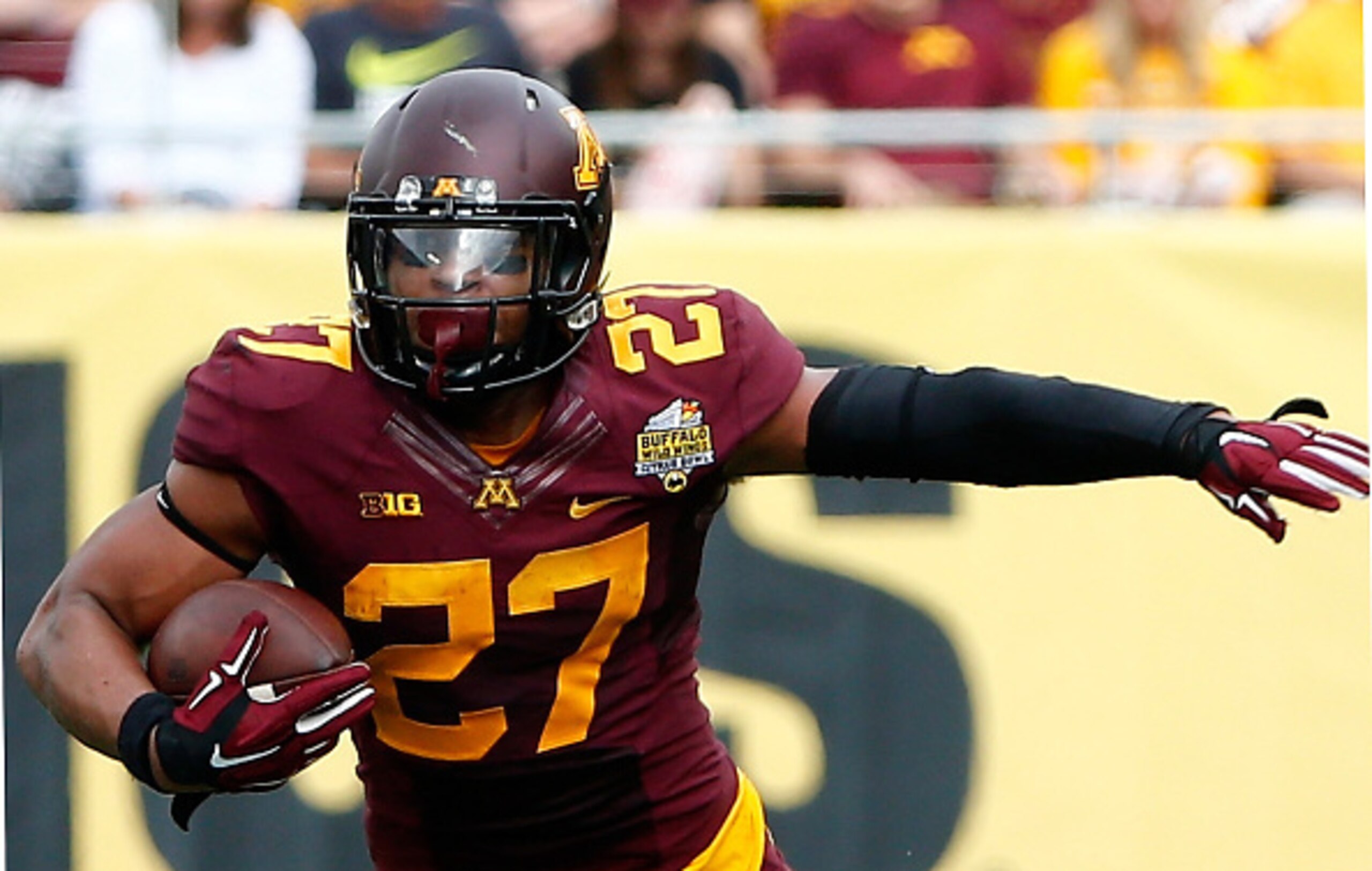
- Jordan Richards, SS, Stanford
- David Cobb, RB, Minnesota
- B.J. Finney, C, Kansas State
- Eric Rowe, CB, Utah
- Louis Trinca-Pasat, DT, Iowa
Analysis
Yes, there's a running back on this list. In fact, Minnesota's David Cobb is just one of a quartet of backfield playmakers to appear on this big board.
Let's be clear: Alfred Morris remains this team's unquestioned starter. Yes, he experienced some bumps along the road transitioning to Gruden's offense, following two years in the system installed by Mike Shanahan. But Morris still topped 1,000 yards for the third season in a row.
The problem is the depth behind Morris, or rather the lack of it. Roy Helu Jr. is a free agent who might not be back. Meanwhile, 2014 undrafted rusher Silas Redd was OK in spot duty, but nothing more. Chris Thompson has also struggled to stay healthy.
Washington's offense needs another ball-carrier. Cobb would answer that need. He's smart and steady, even if he'll never wow coaches on film.
Just as important, at 5'11" and 229 pounds, Cobb has legitimate power-back potential. He could be an asset between the tackles, particularly if Gruden and McCloughan do transition to more of a straight-ahead blocking scheme.
B.J. Finney is the type of barrel-chested pivot man who could help knock open holes for Cobb. Finney is powerful at the top of his frame but also deceptively mobile. He'd certainly challenge veteran lightweight anchor Kory Lichtensteiger for playing time.
There's still room for another safety on the board, in the form of Stanford's heavy hitter Jordan Richards. Like Cobb, he's no athletic marvel. But Richards is a solid player who can be trusted to be where the defense needs him to be, both in coverage and run support.
Up front, Iowa's Louis Trinca-Pasat plays like a true nose tackle. He engages and slides off blocks to move down the line well. He also generates solid and consistent push.
Jarvis Jenkins and Chris Neild, this roster's only natural nose tackle, are both set to enter free agency. Trinca-Pasat would be a good replacement.
One year after striking potential gold by selecting a cornerback in Round 4, Washington could try its luck again by taking Eric Rowe. The towering Utah ace has flip-flopped between both corner and safety during his collegiate career.
Along with his aggression, the 6'1", 201-pounder could remind the Redskins of 2014 draftee Bashaud Breeland. He might also offer quality depth at two positions for a talent-shorn defensive backfield.
Round 5
7 of 9
- J.R. Tavai, OLB, USC
- Austin Shepherd, OT, Alabama
- Kenny Hilliard, RB, LSU
- A.J. Johnson, ILB, Tennessee
- Jarvis Harrison, G, Texas A&M
Analysis
When Round 5 rolls around, a reputed scouting genius like McCloughan gets to earn his crust. If he opts for USC's J.R. Tavai, McCloughan will equip the pass-rush rotation with a hybrid "joker" who can pose a threat with his hand down or from a standing position.
Staying at the linebacker level, Tennessee's A.J. Johnson is a solidly built bruiser in the middle. He's a classic thumper best suited to playing within the guard-center-guard box. Johnson would be an excellent backup behind Perry Riley Jr. and budding star Keenan Robinson.
The current depth is certainly questionable. Will Compton and Steve Beauharnais filled in last season. But the roster needs an infusion of talent here.
The same is true for the offensive front. Natural right tackle Austin Shepherd would provide stronger cover than Tom Compton offered last season. Meanwhile, rotund guard Jarvis Harrison moves well, but he lacks a particularly impressive work rate, even if his raw skills are intriguing.
The inclusion of bowling ball-like running back Kenny Hilliard could be proof this author's enthusiasm for a power-style rushing scheme has gone too far. However, there's no denying how Hilliard's 6'0", 233-pound frame punishes would-be tacklers. He'd make an excellent short-yardage back, something else missing from the offense.
Round 6
8 of 9
- Dee Hart, RB, Colorado State
- Henry Anderson, DE, Stanford
- Marcus Murphy, RB, Missouri
Analysis
Round 6 is where Gruden should be able to pick up the versatile, speedy third-down back he's wanted. Helu tried to fill that role last season.
However, B/R analyst Chris Simms has suggested Gruden prefers more "electric" qualities at the position, referencing Washington's interest in Darren Sproles last offseason. Fortunately, both Dee Hart and Marcus Murphy are closer to what Gruden is apparently looking for.
The latter is particularly intriguing because he's spent so much time in the slot playing receiver. In this sense, Murphy is reminiscent of De'Anthony Thomas, drafted by the Kansas City Chiefs in Round 4 last year. As well as his pass-catching skills, Murphy is also a talented and shifty runner.
But even the Missouri ace lacks the acceleration and moves boasted by pocket-edition dynamo Dee Hart. He was highly productive during 2014, tallying 1,275 rushing yards, per CFBStats.com. Hart fits as the change-of-pace complement Morris has lacked since he arrived in D.C. three seasons ago.
Speaking of being a scheme fit, that's exactly what Stanford's Henry Anderson is for Washington's 3-4 front. He has the ideal size and temperament to operate as a five-technique end.
Round 7
9 of 9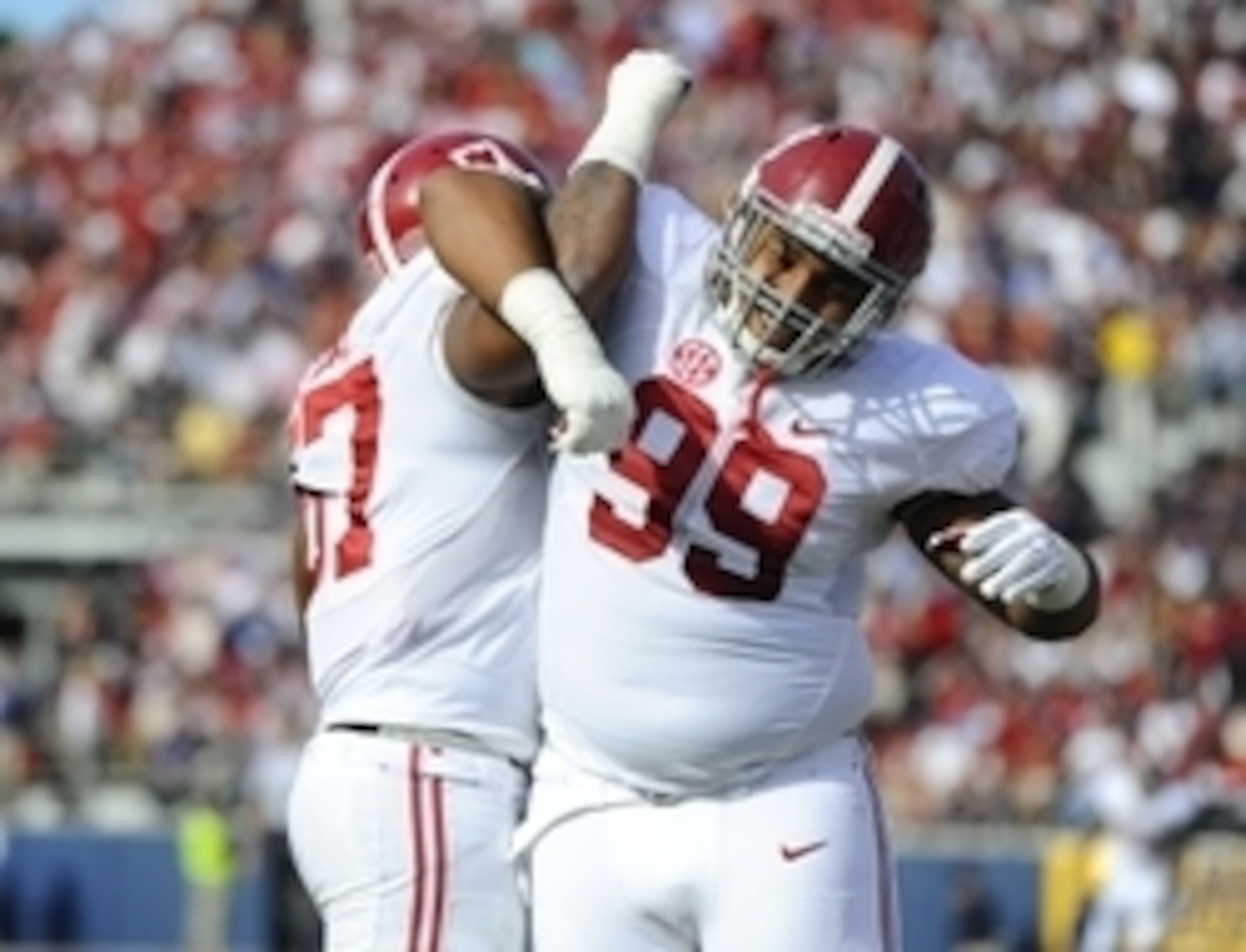
- Brandon Ivory, DT, Alabama
- C.J. Uzomah, TE, Auburn
- Jarrett Grace, ILB, Notre Dame
Analysis
The seventh round is the place to take a chance on players with attributes suited to specific schemes or prospects possessing rough edges with intriguing raw skills.
Alabama D-tackle Brandon Ivory fits the former category. He's burly and tenacious over center with a natural ability for drawing double teams and controlling blockers.
Ivory won't ever make splash plays. But he's the kind of functional anchor who can find a home in 3-4 schemes. He's certainly been well-schooled in a version of the system by Crimson Tide boss Nick Saban.
If Ivory's a safe late-round pick with an obvious spot on the roster, C.J. Uzomah is the proverbial gamble. The Auburn ace is big-bodied but doesn't play like it.
Instead, he's at his best when shifting his 264 pounds across formations to make plays in space. Any tight end with Uzomah's size and quickness can create mismatches in coverage. That makes him worth a risk.
Notre Dame middle 'backer Jarrett Grace is a risk of a different kind. A broken leg has kept him sidelined for over a year. But Grace has the size and 3-4 knowledge to suit Washington's defense.
When healthy, he's an active tackler. If McCloughan and the front office believe Grace can finally get healthy, he's worth a seventh-round selection as a useful backup and special teams contributor.
This big board is loaded with players who can help with Washington's obvious weaknesses. That's the only direction an early look can take, especially when the general manager talks about best players available.
That strategy puts every top prospect in play. But the Redskins know where they need to get better.
One year after overlooking the roster's trouble spots, Washington's front office will make that mistake again at its peril.
.jpg?w=2560 "Raiders Saints Football")




