
6 Statistics That Are Defining Brooklyn Nets' Season so Far
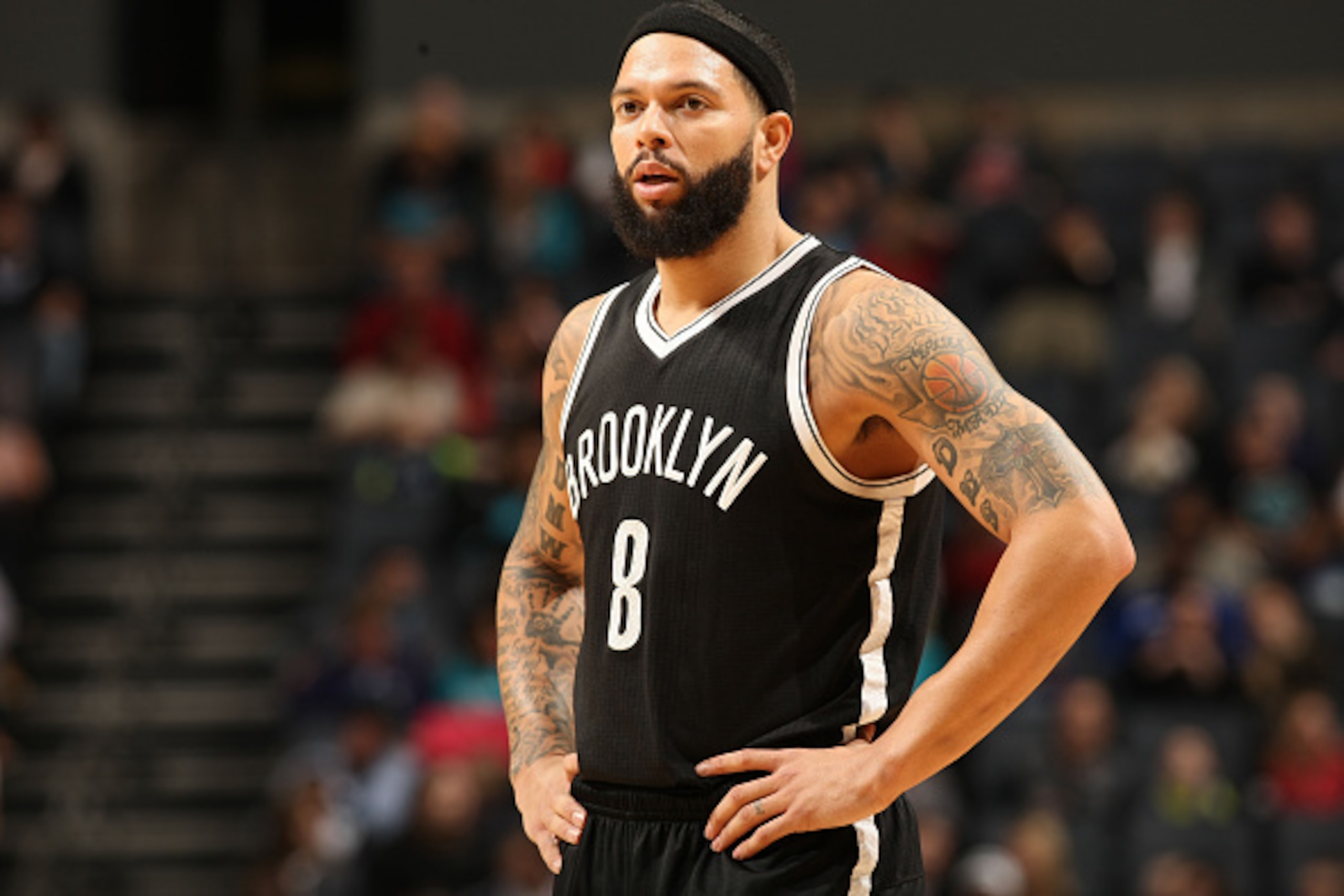
The Brooklyn Nets have gotten off to a disappointing 10-14 start and are on a downward trend, most recently falling to the Toronto Raptors, their second straight loss.
The Nets have had their share of struggles with injuries, but the problems have mainly come on the court.
Whether it's controlling tempo, scoring, defending or staying consistent throughout games, Brooklyn hasn't matched the successful final 51 games of last season, when it went 34-17.
A year older could mean a year wiser. It could also mean a year less physically supple.
Brooklyn will play in Cleveland on Friday night, a game which could drop the Nets five below .500, but it has a nice five-game stretch to follow which could cushion the record a bit.
The Nets probably won't get out of December over .500, but if they concentrate on the numbers which have plagued them through 24 games, they have a chance to improve.
103.1 Defensive Efficiency
1 of 6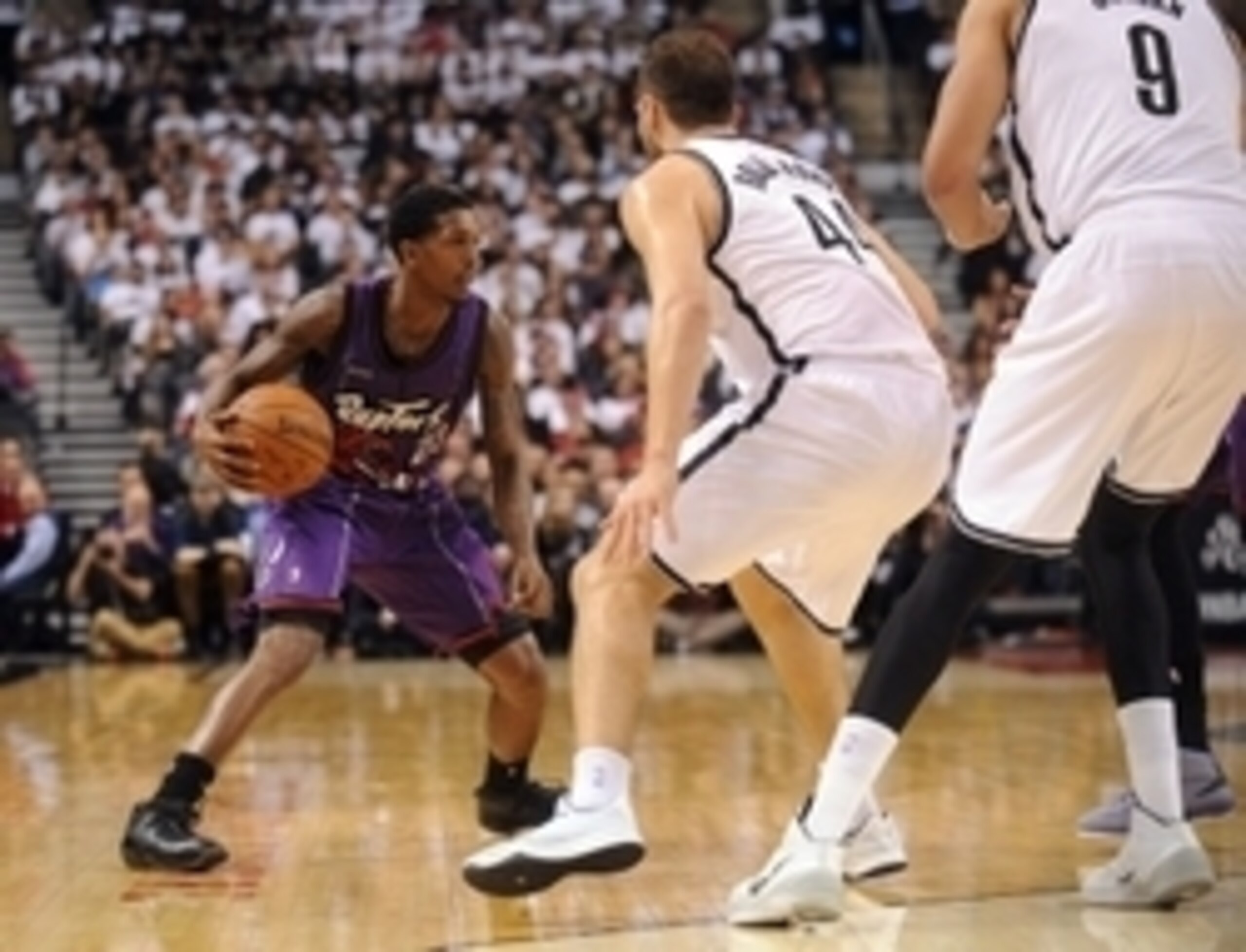
The Nets' 103.1 points allowed per 100 possessions actually ranks decently, 14th in the NBA.
Schemes are cookie-cutter NBA models. The Nets force opponents to the baseline on the pick-and-roll. They close out well on shooters. They use Mason Plumlee's athleticism properly when he's defending on the back line.
But there are still issues.
Brooklyn lacks a rim protector of consequence, though it is hopeful Plumlee can fit that description one day. The Nets have communication breakdowns at times, and there are moments when frontcourt help is too late to deter or defend a shot at the rim.
Some positives. Some negatives.
After all that, the Nets come out to about average on the defensive end. The problem is that the offense is well below that.
100.0 Offensive Efficiency
2 of 6
An offensive efficiency of exactly 100.0 means the Nets are getting outscored by 3.1 points per 100 possessions. It's the fault of inefficient scoring, which ranks 23rd in the NBA.
The Nets don't make a notable amount of threes. They have a tendency to go cold for long stretches and fall into isolation stints. They'll run plays which will get deterred and end up in one-on-one basketball.
The worst part is they know it, too. Joe Johnson has spoken about it time and time again, yet it's continuing to happen—and Johnson isn't necessarily free of blame on that front.
Part of the reason the isolation happens is because of personal styles. But it's also because the Nets struggle to get guys open off the ball.
Fix the latter issue, and the offense can improve as the season progresses.
94.0 Pace
3 of 6
As I wrote Wednesday, Hollins has stressed to an older and not particularly athletic team that it must control game tempo. On the whole, the Nets have done a good job of that, averaging just over 94 possessions per 48 minutes, giving them the fourth-slowest pace in the NBA.
Still, you could argue Brooklyn should be playing at an even more glacial pace.
Even a team like the Miami Heat, who like to play slowly and also find themselves searching for athleticism, tried to get into a running match at the Barclays Center.
After Wednesday's loss to Toronto, Brooklyn is now 7-5 in games with a pace lower than 93. It is 3-9 in contests with one faster than 93.
Keep it slow, and the Nets can probably keep themselves in the game—unless they're completely outmatched against a far superior roster. If Brooklyn doesn't dictate game pace, blowouts start to occur.



9 Starting Lineups
4 of 6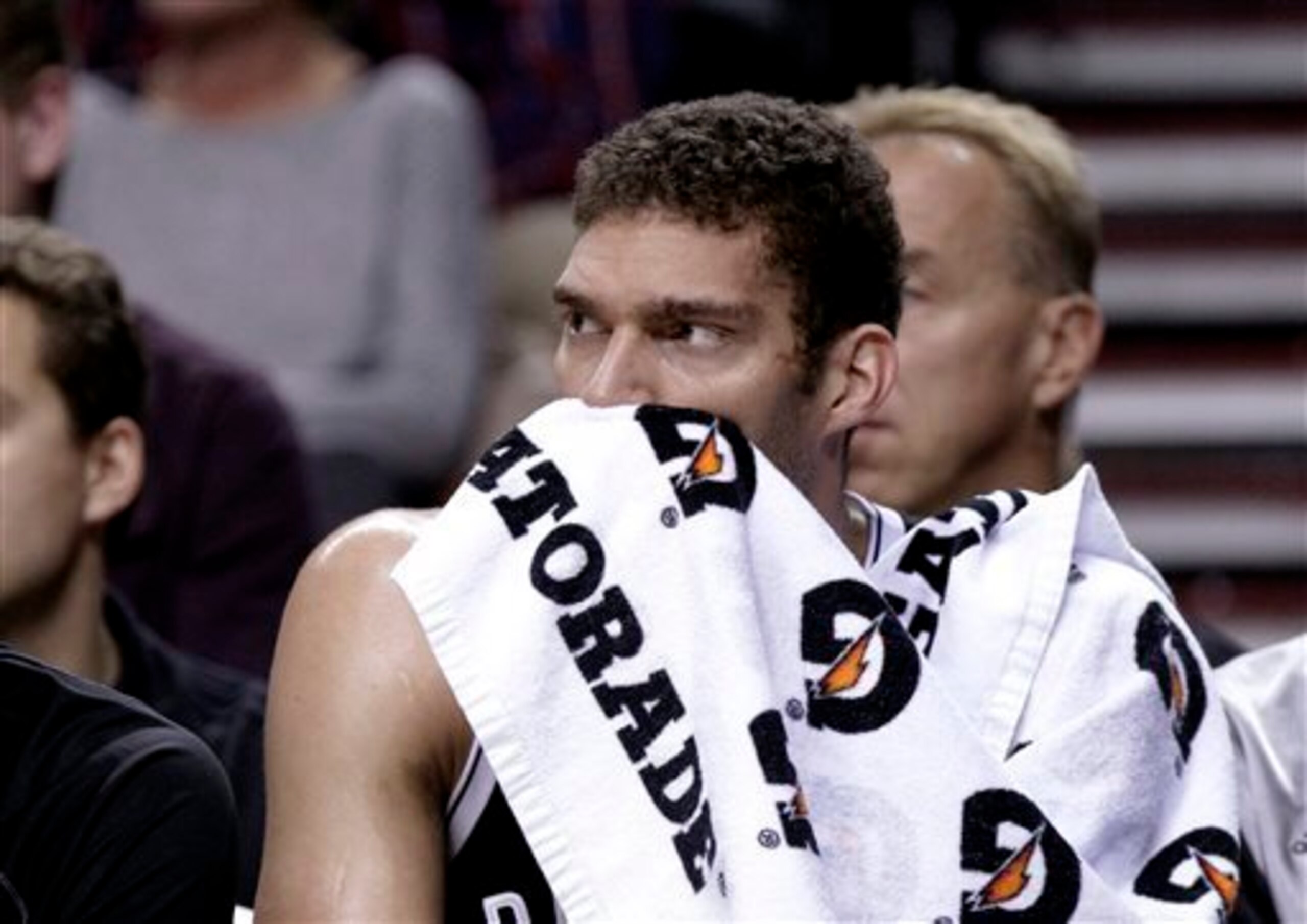
Brooklyn hasn't been fully healthy, and it hasn't been able to maintain any semblance of consistency.
The Nets have run nine different starting lineups over the season's first 24 games. They haven't even played the same starting group in back-to-back games since Dec. 2. That's over two straight weeks of inconsistency.
It seems like everyone has been in and out of the lineup at some point.
Brook Lopez started the season with foot issues and has been coping with a back injury for the past couple weeks. Though it hasn't necessarily been announced as policy, Kevin Garnett hasn't been playing on the second half of back-to-backs.
Bojan Bogdanovic got benched for Sergey Karasev. Mirza Teletovic had a hip pointer issue. Johnson had the flu.
It's possible, like with any team, that an older Nets squad doesn't have everyone at 100 percent for the whole season. But there's also been some bad fortune on top of what is to be expected.
+11.6 1st-Quarter Net Rating
5 of 6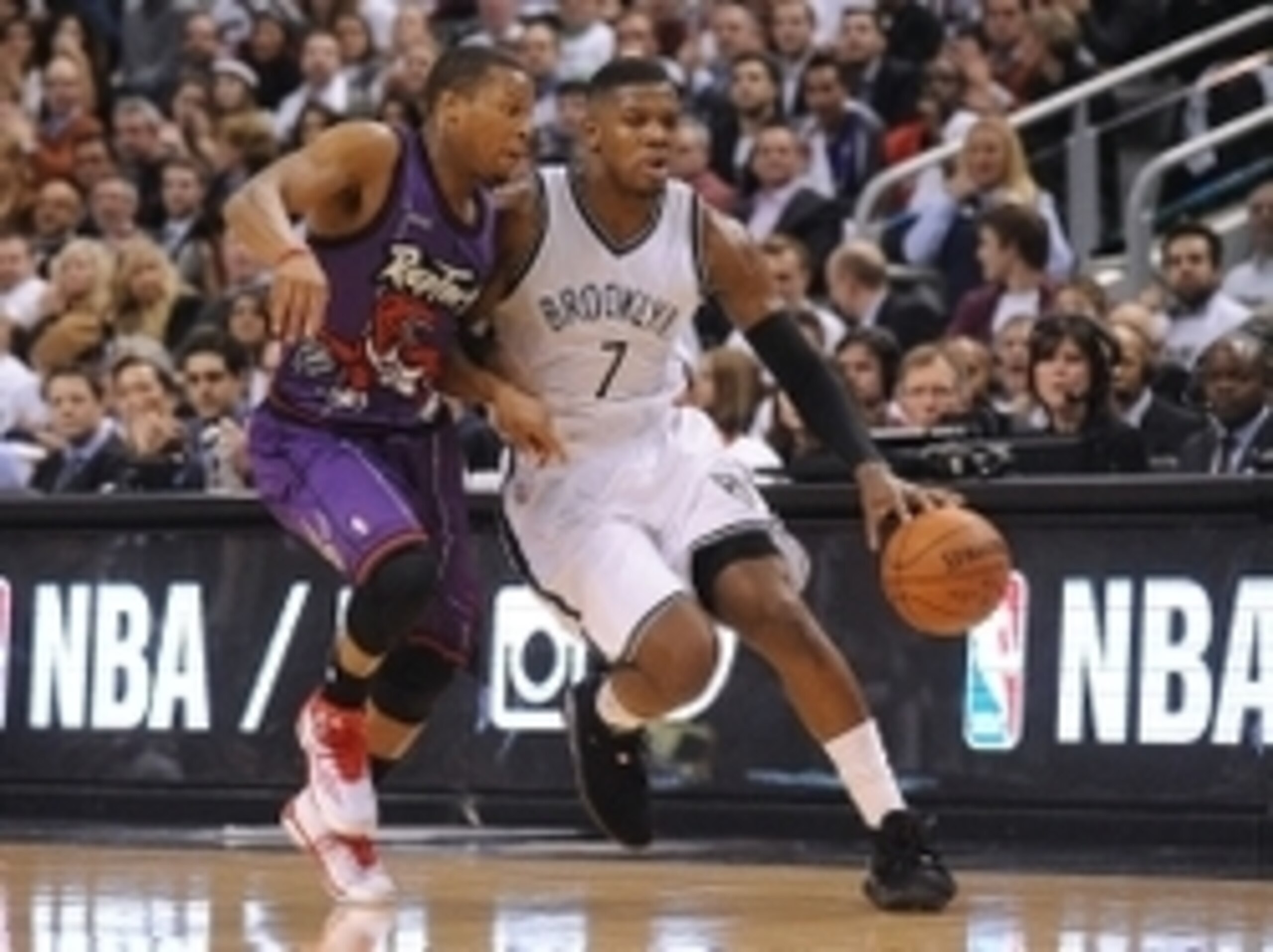
Brooklyn has actually been one of the best teams in the NBA...during first quarters.
The Nets are outscoring opponents by 11.6 points per 100 possessions in opening periods, fifth-best in the league. Look at some of the individual numbers, and you end up wondering what happens in the final 36 minutes.
Deron Williams, Johnson, Teletovic, Alan Anderson and Bogdanovic are all shooting 40 percent or better on first-quarter threes. That's how the Nets end up sinking just under 43 percent of their long-range attempts in a game's beginning 12 minutes.
As it moves on, though, the shooting stalls—as does all the other production.
-14.8 Second-Quarter Net Rating
6 of 6
There's been so much talk about the Nets' third-quarter struggles this year, and those are very real, but statistically, Brooklyn has been worst in the second period.
Nets opponents are outscoring Brooklyn by 14.8 points per 100 possessions in second quarters, second-worst in the NBA only to the Utah Jazz.
There are plausible reasons behind this, though not all explain the issues in the third quarter, when the Nets are still getting outscored by 5.4 points per 100 possessions.
The second period is when the bench plays more minutes, and Brooklyn has struggled with some of its reserve lineups. Troubles could also be occurring because fatigue sets in, a plausible reason for the second-half problems as well.
Remember that 43 percent first-quarter three-point shooting? Well, the Nets have sunk 29.1 percent of their long-range attempts in the second period.
It's still early, so these numbers will probably regress some come season's end. It's hard to imagine a team getting throttled like this in one period for an entire season.
Through 24 games, though, the second quarter has been a serious problem for Brooklyn.
Fred Katz averaged almost one point per game in fifth grade but maintains that his per-36-minute numbers were astonishing. Find more of his work at WashingtonPost.com or on ESPN's TrueHoop Network at ClipperBlog.com. Follow him on Twitter at @FredKatz.
Unless otherwise noted, all statistics are current as of Dec. 18 and are courtesy of Basketball-Reference.com and NBA.com.


.jpg?w=2560 "OBJ Calls Out Giants After Release")