Does Luol Deng Have a Long-Term Future with the Miami Heat?
Luol Deng is a fine basketball player and was an even better offseason pickup, but if he’s still in a Miami Heat uniform after his two-year, $19.9 million contract expires at the end of next season, it likely means something has gone wrong.
The 6’9” small forward is best thought of as a stopgap, a bridge to the next contending Heat team.
Miami’s plan, most observers agree, is to stay pretty good while maintaining maximum flexibility in anticipation for the killer free-agent class of the summer of 2016.
TOP NEWS

Pic of LeBron's Helicopter Commute 🚁

Duren Calls Out 'False' Rumors

NBA Power Rankings Entering Preseason 🔢
That’s Deng’s directive: keep the franchise respectable until Miami can find someone better to replace him.
This is no fault of Deng’s: He’s been a good to very good player in the NBA for some time now. He’s a two-time All-Star. He was second-team All-Defense in 2011-12. He was a top-three player on a handful of almost-great Chicago Bulls teams. He’s averaged 16 points a game in his 11-season NBA career while playing consistently high-level defense.
The advanced stats second all this good stuff.
Basketball-Reference.com’s win shares metric suggests he’s produced 20 percent better than the league-average 3.0 throughout his career.
Wins produced, courtesy of Box Score Geeks, tells a similar tale. Deng has been almost 40 percent better than your typical small forward since he entered the NBA out of Duke with the seventh overall pick of the 2004 draft.
He’s a strong rebounder who avoids turnovers and fouls and whose only real weakness—a substandard outside shot—is mitigated by his awareness of it.
By sticking to his strengths, Deng scores with approximately average efficiency. According to Box Score Geeks, his 52.6 career true shooting percentage is less than a percentage point below the positional average.
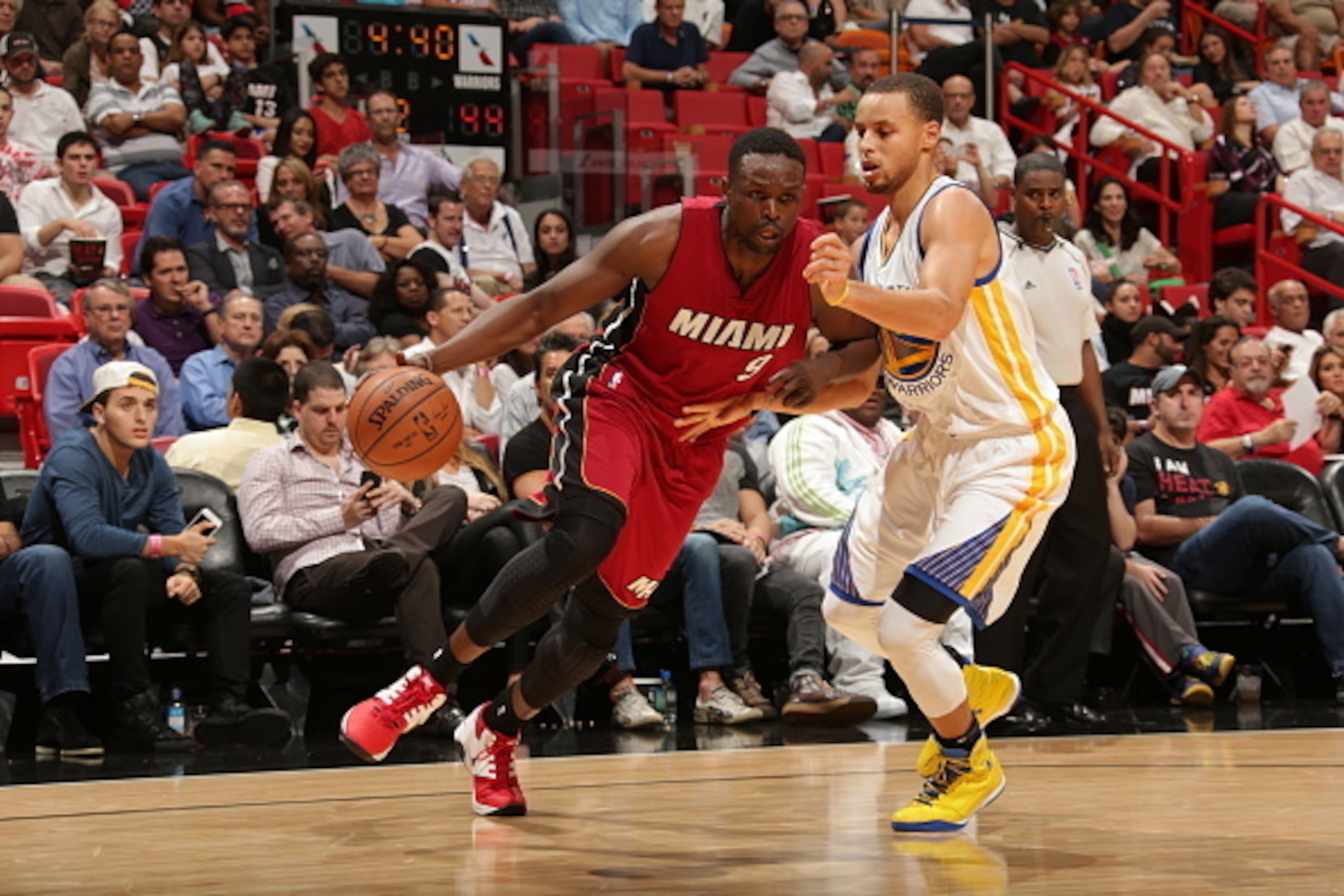
Alas, there’s increasingly little room on contending teams for players like Deng—unless they’re willing to play at salaries below their true value.
The math is pretty simple. While the NBA’s complex salary-cap rules allow some payroll gap between teams, most franchises spend pretty similarly on their rosters. More than half of the league’s teams have payrolls of between $70 and $75 million.
So total team salaries are pretty static. But within that, there are huge deals to be gained by targeting certain categories of player.
As ESPN.com’s Larry Coon and Kevin Pelton, then of Basketballprospectus.com, have demonstrated, the guys who return the biggets bang for their buck are young players whose salaries are artificially deflated by the league’s rookie wage scale.
Additionally, superstar players have their salaries artificially deflated by the league’s cap on maximum player salaries.
The players who return the worst value on their deals? Aging veterans who are in the great middle. At 29, that is precisely where Deng is. There just isn’t a lot of room for pretty good players who make $10 million a year on contenders.
Take it from Grantland’s Zach Lowe:
"The ideal theoretical NBA roster consists of two or three stars earning the maximum salary, a productive young player on a rookie deal, minimum-level role players everywhere else, and perhaps as the last step, a mid-rung veteran or two willing to accept a discount.
"
Though Lowe went on to cite the importance of depth during the playoffs, he conceded that the argument against players in Deng’s tier still had merit.
Regardless, the superstar model is certainly one the Heat have followed recently. And it’s one the franchise, from all indications, intends to continue to follow going forward—this awkward transition period notwithstanding.
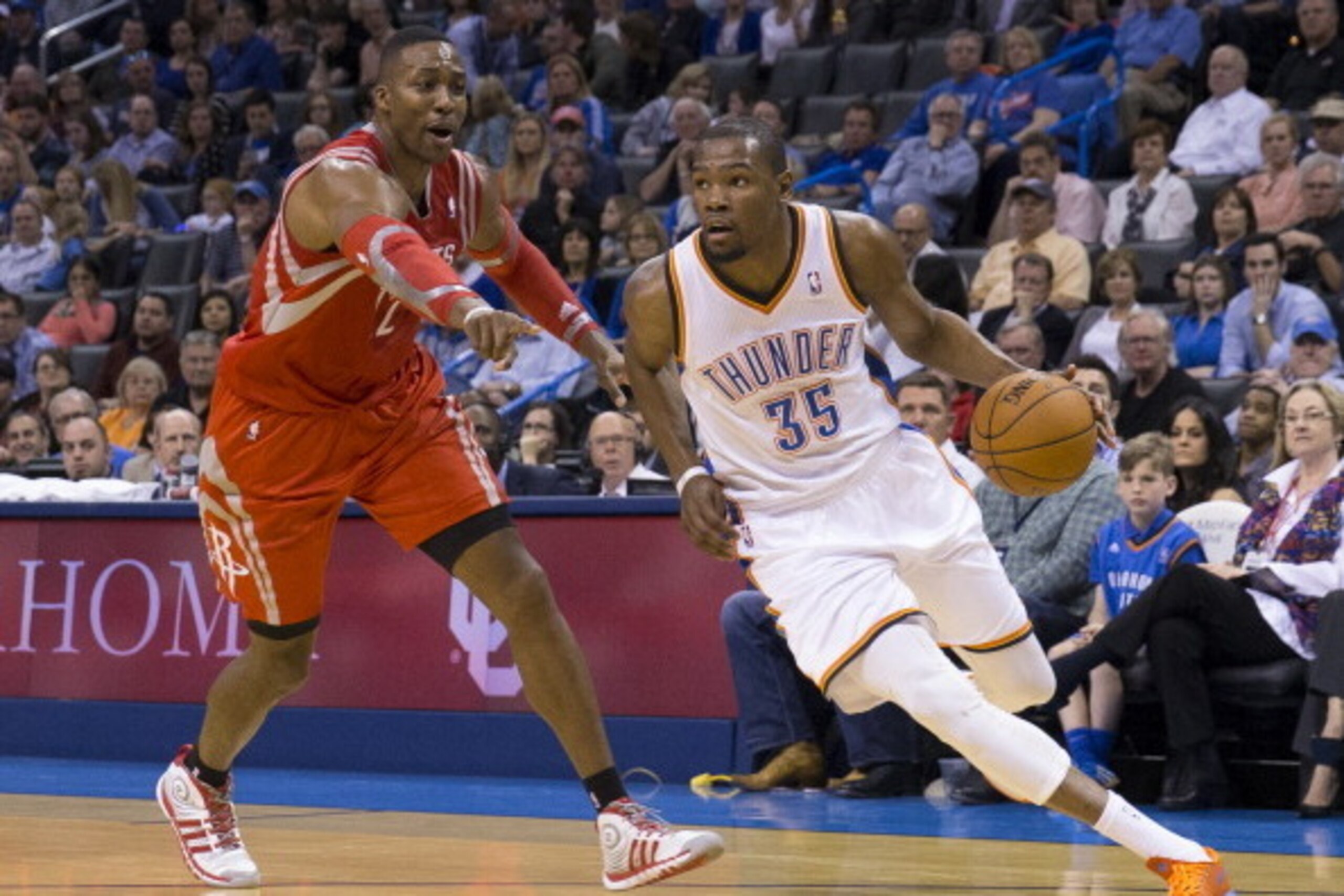
And so Miami’s entire roster, Deng included, has been constructed to allow Miami to devote itself fully to the pursuit of the superstar-studded free-agent class of 2016, where Kevin Durant, Dwight Howard, Chris Paul and other difference-makers could all be available.
The South Florida Sun Sentinel’s Ira Winderman, among others, pointed this out in September:
"The reality is that so much of this team is a rental team, players other than Chris Bosh and Josh McRoberts…[are] on contracts that allow them to opt out after the coming season. The Heat clearly have placed a priority on being a player in 2016 free agency, when the salary cap is expected to rise exponentially.
"
As well as Deng’s played so far with the Heat—and he’s been good, as his 0.13 win shares per 48 minutes and 56.9 true shooting percentage are both above his career averages—it’s clear he’s not part of this long-range plan.
If he returns to Miami in 2016-17, it’ll either be on a pay cut or as a consolation prize for one of the elite players the Heat missed out on.
Sound familiar?
Unless otherwise noted, contract and salary-cap information courtesy of HoopsHype.
.jpg?w=2560 "OBJ Calls Out Giants After Release")