
Kansas City Royals vs. Baltimore Orioles: Keys for Each Team to Win ALCS Game 2
The Kansas City Royals and Baltimore Orioles treated us to an epic Game 1 of the American League Championship Series on Friday night. An extra-inning affair saw the Royals take the series' first tilt and improve to 5-0 this postseason in a game filled with big hits, exciting defensive plays and suspect starting pitching.
Game 1 flipped a few narratives on their heads, with the Orioles proving successful on the basepaths and the Royals riding power to a victory. And while both teams feature fearsome bullpens, both had relievers fail them at various points on Friday night, too.
Still, that it took 10 innings to decide Game 1 underscores how evenly matched these two teams are and how entertaining the rest of the series should be.
Game 2 of the ALCS will see the Royals throw rookie Yordano Ventura against Baltimore’s Bud Norris as both teams attempt to recover from Friday’s 10-inning contest. With Saturday afternoon’s matchup just a few hours away, let’s take a look at what each team can do to capture a victory in the second game of the 2014 ALCS.
Royals: Keep on Running
1 of 5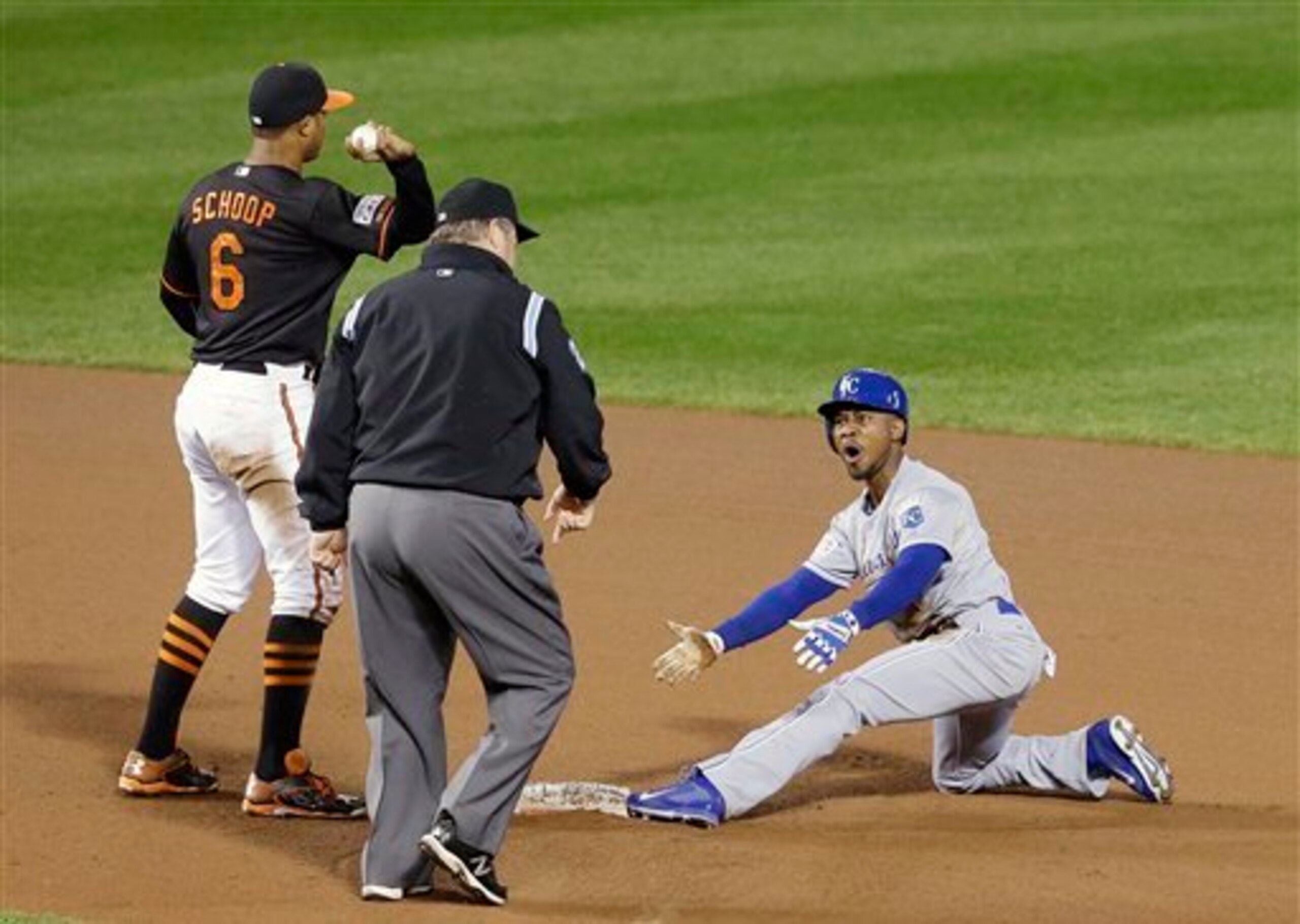
We knew baserunning would be an important factor in the ALCS before the series began. The Royals led the majors in steals during the regular season and entered Friday’s game 12-of-13 in steal attempts in the postseason. The Orioles, meanwhile, gave up the eighth-fewest steals during the regular season, and their starter, Chris Tillman, allowed just two stolen bases in 13 attempts in 2013 and 2014 combined.
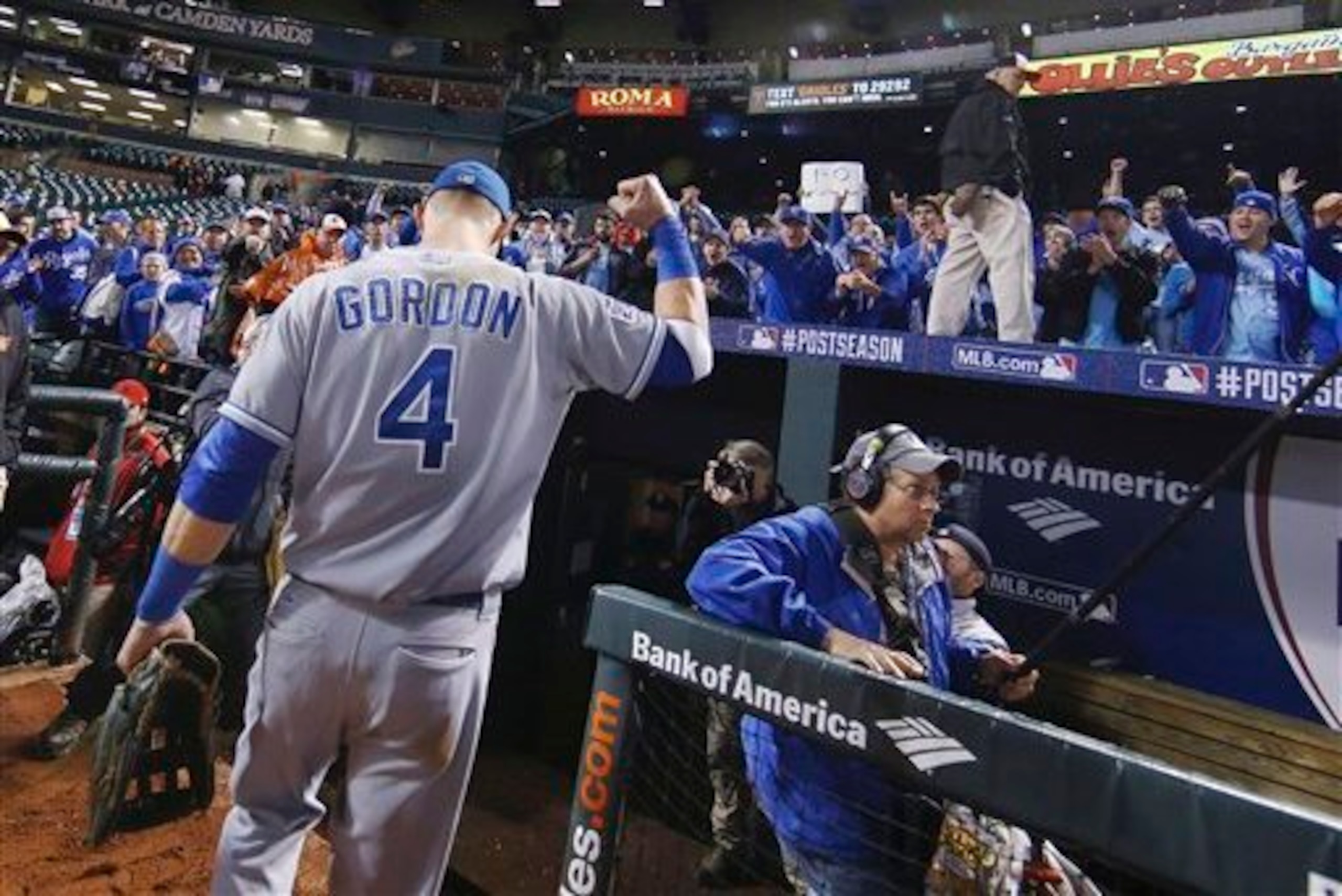
Yet, because baseball is an unpredictable game, it was the Orioles who stole two bases on Friday night, while the Royals went 0-of-1 thanks to a questionable call involving Jarrod Dyson and Jonathan Schoop at second base. Alex Gordon was also picked off at first base, though players like Lorenzo Cain and Billy Butler, of all people, made other good, aggressive baserunning decisions.
The Royals cannot let Friday night’s difficulties deter them from running wild on the O’s moving forward. Dyson and Terrance Gore are still lethal late-inning weapons, and players like Gordon, Cain, Alcides Escobar and Norichika Aoki need to be given the green light selectively, too.
Despite the Royals’ recent power surge, it’s unlikely they’ll be able to go toe-to-toe with Baltimore in the power department all series long. They need to stay within their strengths and run, even if Buck Showalter and Co. are determined to make life difficult for them on the basepaths.
Orioles: Find Their Power
2 of 5
The Orioles were one of the best power-hitting teams in the majors during the regular season, setting the pace with 211 home runs—25 more than the second-place Colorado Rockies. They finished third in the league in slugging percentage at .422 and featured seven players who reached double digits in homers.
Yet at this point in the postseason, the Orioles have just 10 extra-base hits in 142 at-bats and went homer-less in their loss on Friday night. Meanwhile, the Royals—the team that finished last in the majors in homers with 95 during the regular season—hit three homers, giving them seven already in October.
Obviously, the sample size here is too small to draw any meaningful conclusions, but if the O’s want to win the ALCS, they’re going to need to rely on their pop. On Saturday, they’ll face Yordano Ventura, who allowed 14 homers in 183 innings during the regular season.
With Chris Davis, Matt Wieters and Manny Machado all unavailable, the last third of the Orioles lineup is fairly lackluster. To combat this, they need to rely on their big bats, such as Nelson Cruz, Adam Jones and Steve Pearce, to be productive. And when that trio of hitters is productive, plenty of balls will leave the yard.
Royals: Let the Lefties Do Damage Against Bud Norris
3 of 5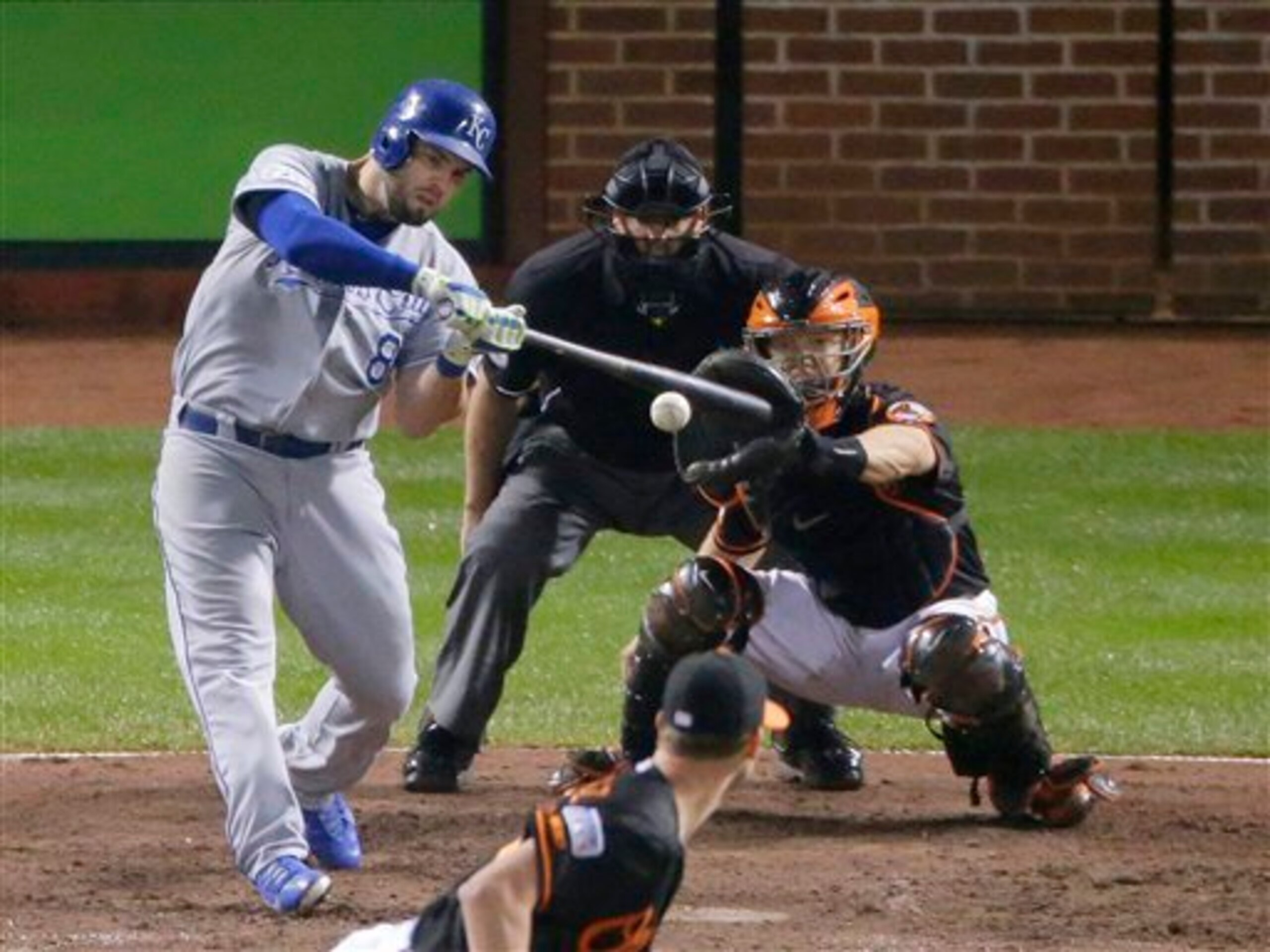
Baltimore’s starter, Bud Norris, is having a very strong year. He pitched to a 3.65 ERA in 165.1 innings in the regular season, walking the lowest percentage of batters in his career at 7.6 percent while seeing a slight uptick in strikeouts at 20.2 percent. He’s been especially good as of late, holding batters to a .212/.289/.402 in his last six regular-season appearances.
Yet getting lefties out has been a problem for Norris during his career, and the likes of Gordon, Eric Hosmer, Mike Moustakas and Aoki should be prepared to do some damage accordingly. Southpaws hit .255/.331/.422 against Norris in 2014 and are at .270/.354/.446 against Norris in his career.
Some of Norris’ newfound success against left-handers is probably legit. As FanGraphs’ Nicholas Minnix noted, Norris is throwing his changeup more in 2014, a pitch which is traditionally seen as a weapon for right-handed pitchers against left-handed batters. He’s also thrown his slider more to left-handers this season.
But Kansas City’s left-handed hitters have a chance to do some damage against Norris in a hitter-friendly ballpark before they’re subjected to the Andrew Miller/Zach Britton one-two punch in Baltimore’s bullpen. Norris did allow 20 homers in the regular season, so Saturday would be a good time for the Royals’ newfound power surge to continue.

Orioles: Be Patient Against Yordano Ventura
4 of 5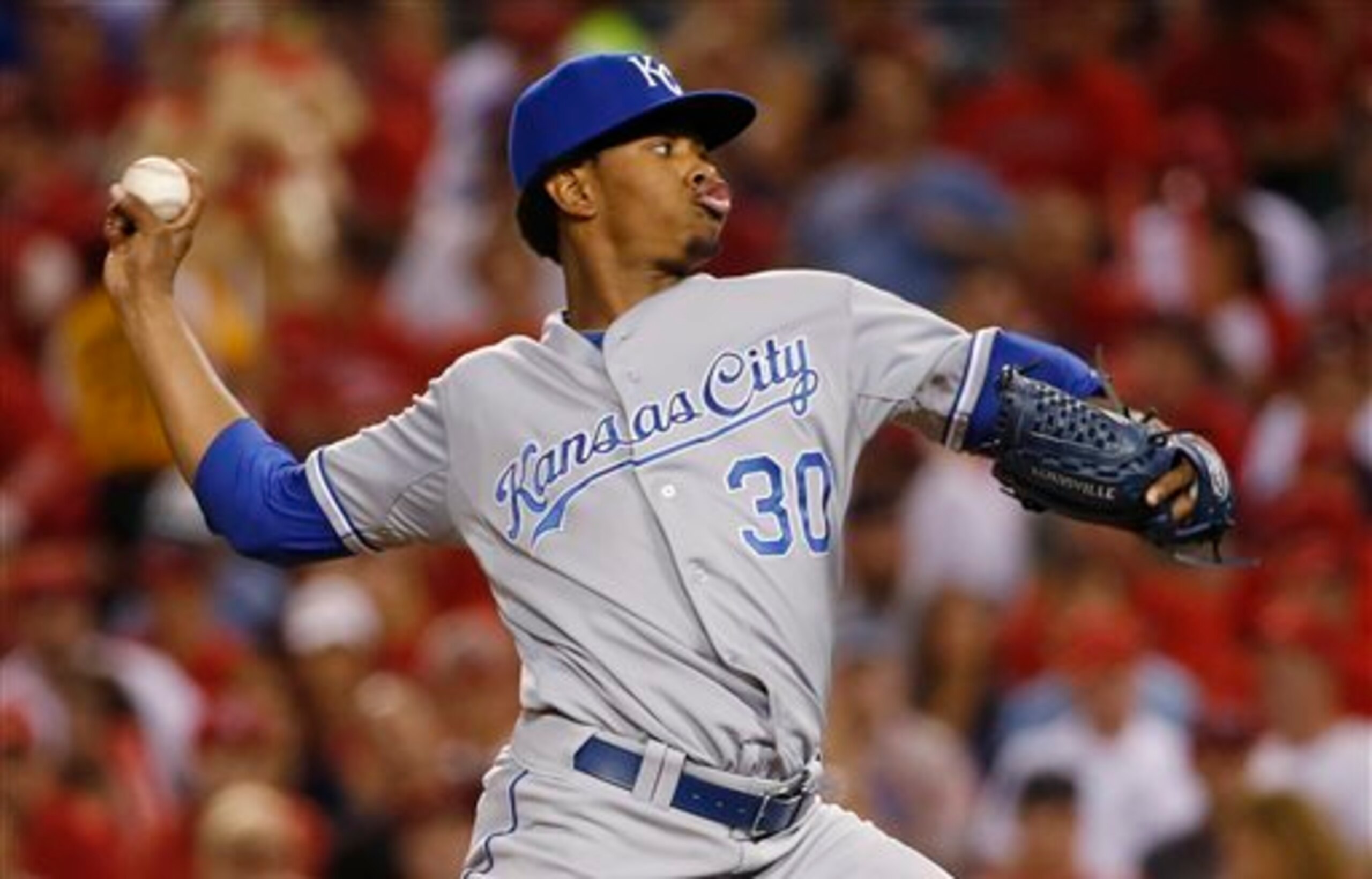
Patience is not a strong suit for the Orioles. They finished with just 401 walks during the regular season, good for the fifth-lowest total in the game, and they lost perhaps their most patient hitter in Chris Davis before the postseason began.
Indeed, Pearce is Baltimore's only starting player with a double-digit walk rate at this point, though Nick Markakis and Cruz have respectable 8.7 percent and 8.1 percent walk rates, respectively. Jones and Scoop, in particular, seem to have disdain for bases on balls.
Walks aren’t the end-all, be-all of offensive production—only the St. Louis Cardinals finished among the top half of the league in walks among the four remaining contenders—and Baltimore has had a productive offense with its aggressive approach. Jones isn’t going turn into Joey Votto overnight, and given Jones’ effectiveness at the plate, he shouldn’t be asked to, either.
But the Orioles have a chance to exhaust the occasionally erratic Ventura, who walked 8.8 percent of all batters he faced during the regular season, giving out 69 free passes in 183 innings. And if the O’s can knock Ventura out with a high pitch count in the first five or so innings of the game, they can force the Royals to further tax a bullpen that is the strength of their club.
The Orioles should stay within their strengths and be aggressive when Ventura is around the plate. But if the O’s see their 23-year-old foe’s command or control wavering, it would behoove Baltimore to take an extra pitch or two in Saturday’s game.
Both Teams: The Starters Must Save the Bullpen
5 of 5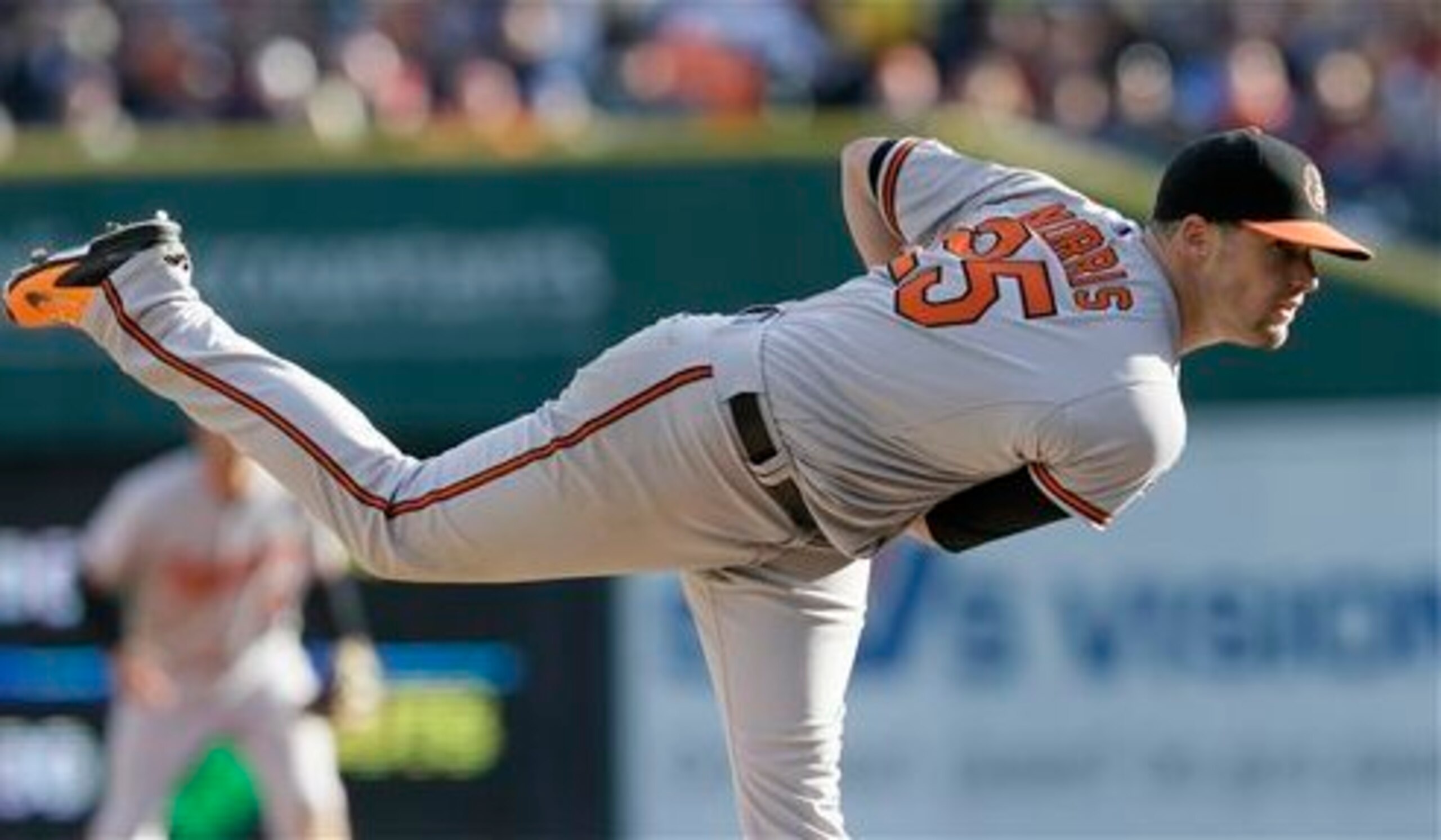
This one is pretty simple, but it’s important in a seven-game series: After an extra-inning game in which both teams heavily taxed their ‘pens, Norris and Ventura must pitch deeper into Game 2 than their starting predecessors did in Game 1.
On Friday, Chris Tillman threw just 4.1 innings, forcing Tommy Hunter, Kevin Gausman, Miller, Britton, O’Day and Brian Matusz to all throw pitches. Gausman and Miller each pitched more than just one inning.
James Shields didn’t fare much better, throwing just five innings. That led to Kelvin Herrera and Wade Davis throwing two innings each, Brandon Finnegan throwing 14 pitches without recording an out and Greg Holland getting some work, too.
Obviously, we’re going to see relievers pitching two or three days in a row from here on out. But should either team be forced to go to the bullpen again early in Game 2, it’s possible a few key weapons could be unavailable in Game 3.
Ventura averaged just over 6.0 innings per start this season, while Norris averaged just less than 6.0 innings. Both starters will need to go at least that long to keep their bullpens in good shape moving forward, and both offenses should be hell-bent on making sure that doesn’t happen.
.png?w=2560)

.jpg?w=2560 "NFL House in Paris Closes for Protests")

.jpg?w=2560 "Trevon Diggs Cut by Seahawks")