
LA Clippers Power Rankings: Rating Every Player Heading into Regular Season
Another season is ready to tip off for the Los Angeles Clippers, which means it is time for the roster power rankings. Doc Rivers is back for his second season with a nearly entire new coaching staff. Meanwhile, he who shall not be named is out as owner, and Steve Ballmer purchased the team this summer.
Thankfully, Ballmer and Rivers were able to solve some problems that plagued the team last season, signing Spencer Hawes as a legitimate third big and replacing Darren Collison with Jordan Farmar. But just how strong is this roster and who are the team’s top players?
While developing the rankings, I focused on a player’s offensive and defensive talents (40 points each), fit within the system and potential (20 points). Every player is scored out of 100 points with each slide breaking down strengths and weaknesses and providing overall analysis.
14. Hedo Turkoglu (59)
1 of 14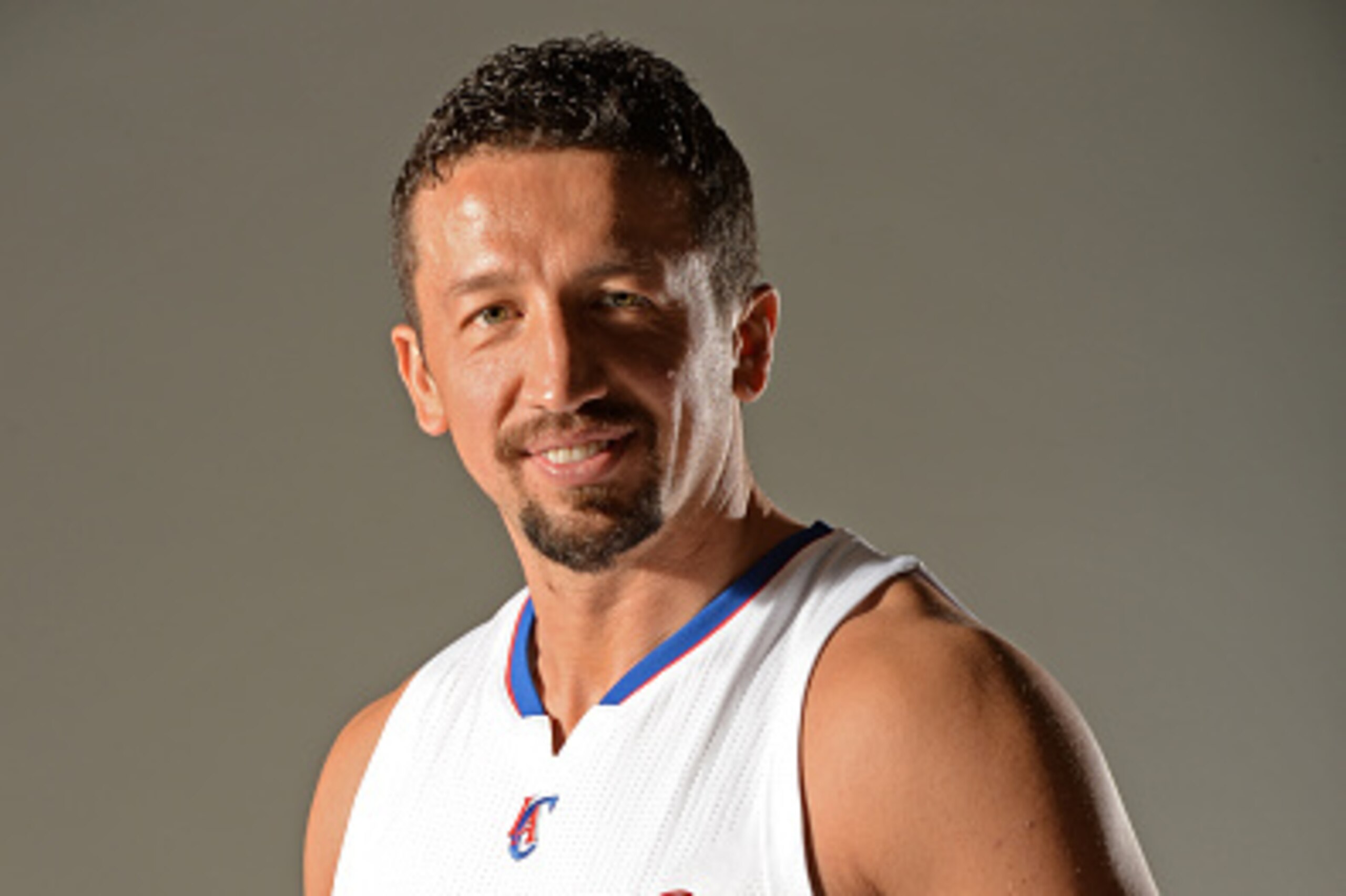
Forced into playing time last season due to the lack of a legitimate backup power forward and small forward, Hedo Turkoglu played decently in limited minutes. He still has the ability to handle the ball out on the perimeter, which combined with this outside shooting allows him to attack larger forwards.
Unfortunately, he only shot 38.5 percent from the field last season and was not very good defensively. Turkoglu is back for another season but will mostly be a bench reserve who will split time in a jersey and a suit.
His fading offensive talents combined with his lackluster defensive ability could make this his final season in the league. If Doc Rivers has to rely on Turkoglu’s outside shooting at all this season, it means Spencer Hawes is not playing well and the Clippers are still searching for a viable backup forward.
13. C.J. Wilcox (60)
2 of 14
I am an avid Pac-12 fan and saw plenty of C.J. Wilcox over the past four seasons. However, I still question this selection despite the fact that he can be a deadly perimeter shooter.
Wilcox will likely struggle to defend, as has already been mentioned by Doc Rivers, according to the Orange County Register’s Dan Woike. Rivers will not play his young guys, especially on the perimeter, if they cannot defend. That does not bode well for Wilcox, who is already at least third on the depth chart at shooting guard.
Offensively, he is a good fit with what Rivers wants to do, because he can shoot the ball and moves well without it. While he fits into the offensive system, his potential is not overwhelming. He will struggle to see the floor this season, barring injuries.
12. Ekpe Udoh (64)
3 of 14
Known as a solid defender and good shot-blocker, Ekpe Udoh was brought in by Doc Rivers to provide some versatility and defense off the bench for the Los Angeles Clippers. While he is not a very good rebounder, the team definitely needed a big man Rivers felt could help protect the rim after losing Ryan Hollins.
Offensively, Udoh is not very productive and shot a miserable 39.9 percent from the field last season. While his offense will limit how much time he plays each game, he will see some time as a defensive specialist so long as he picks up Rivers' system.
Unfortunately, Rivers is already comfortable with Glen Davis, and Spencer Hawes will likely see as many minutes as he can handle at the reserve power forward and center position.

11. Glen Davis (66)
4 of 14
Speaking of Glen Davis, he apparently lost some weight over the summer, but Doc Rivers didn’t notice according to Ben Bolch of the Los Angeles Times (h/t Dime Magazine). He comes in slightly ahead of Ekpe Udoh on this list mainly because we know Rivers is comfortable with Davis, who knows his role in Rivers’ system.
Davis has proved that he is capable of running pick-and-roll sets and that he can hit a mid-range jumper. The real question will be if he can defend better than he did last season, when he recorded a net-negative 6.2 player efficiency rating at the power forward position, according to 82games.
If Davis comes into camp in shape and defends well early in the year, he might force Rivers’ hand as the fourth big off the bench, considering he can contribute offensively. Should he show up out of shape and his defending has not improved over last season, it could be a while before Davis receives consideration for a spot in the rotation.
10. Reggie Bullock (67)
5 of 14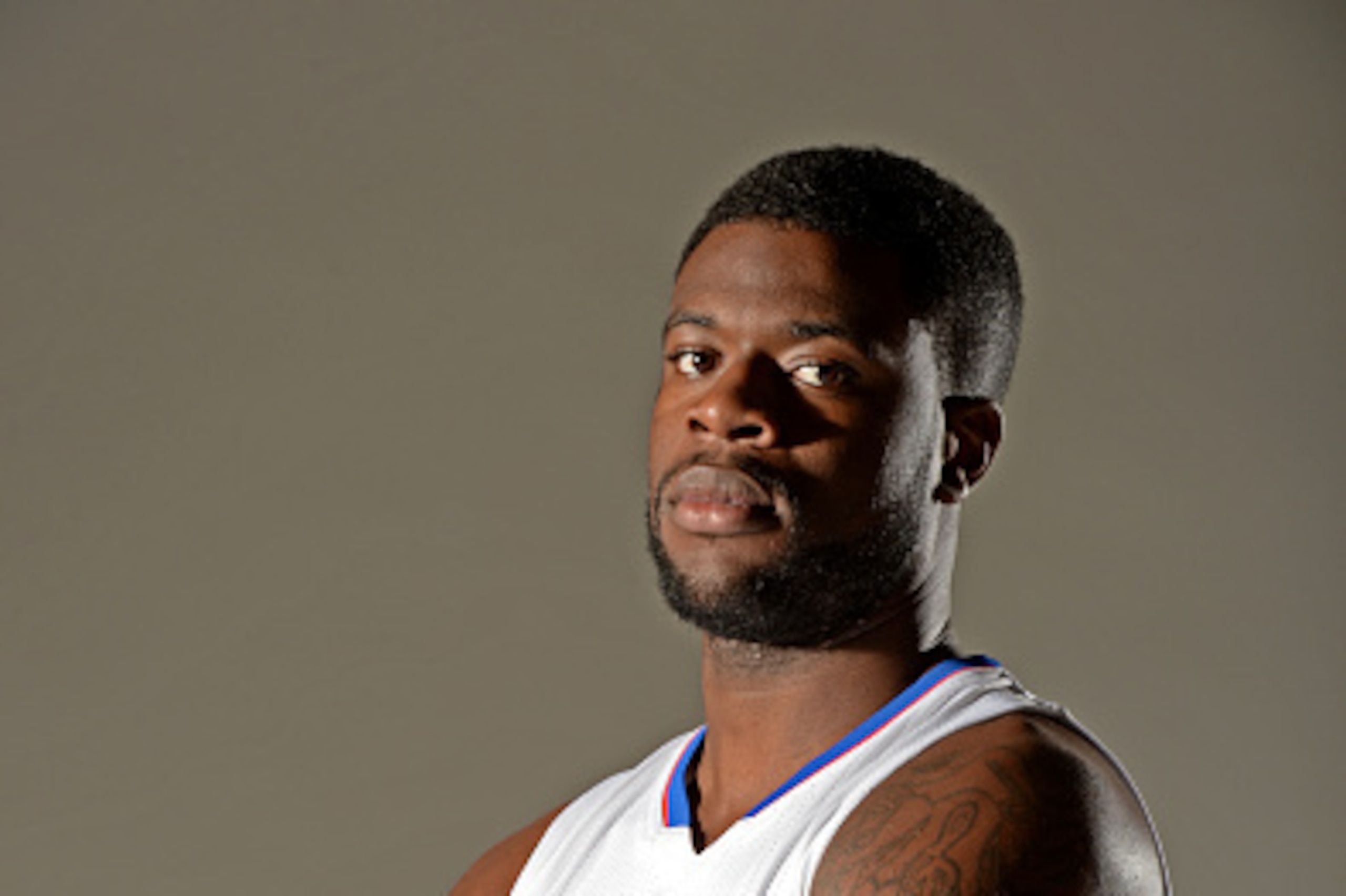
Originally drafted to serve as the Clippers’ three-and-D specialist off the bench, Bullock only managed to play in 43 games last season. However, with Jared Dudley gone this season, Bullock has a chance to break into the rotation as Matt Barnes’ primary reserve.
Bullock’s strengths at the University of North Carolina were shooting and playing good perimeter defense. Those strengths did not immediately transfer to the NBA during his rookie season, as he shot 30.1 percent from three and struggled to earn playing time while learning his defensive rotations.
However, he does have the skill set that Doc Rivers is looking for at small forward. He needs to show Rivers that he can make the proper rotations and be a productive team defender. Additionally, his nerves seemed to get the better of him last season, as he rushed many of his shot attempts.
He will have his work cut out for him to earn a spot in the rotation, but his shooting and defense should force Rivers to give him a chance.
9. Chris Douglas-Roberts (68)
6 of 14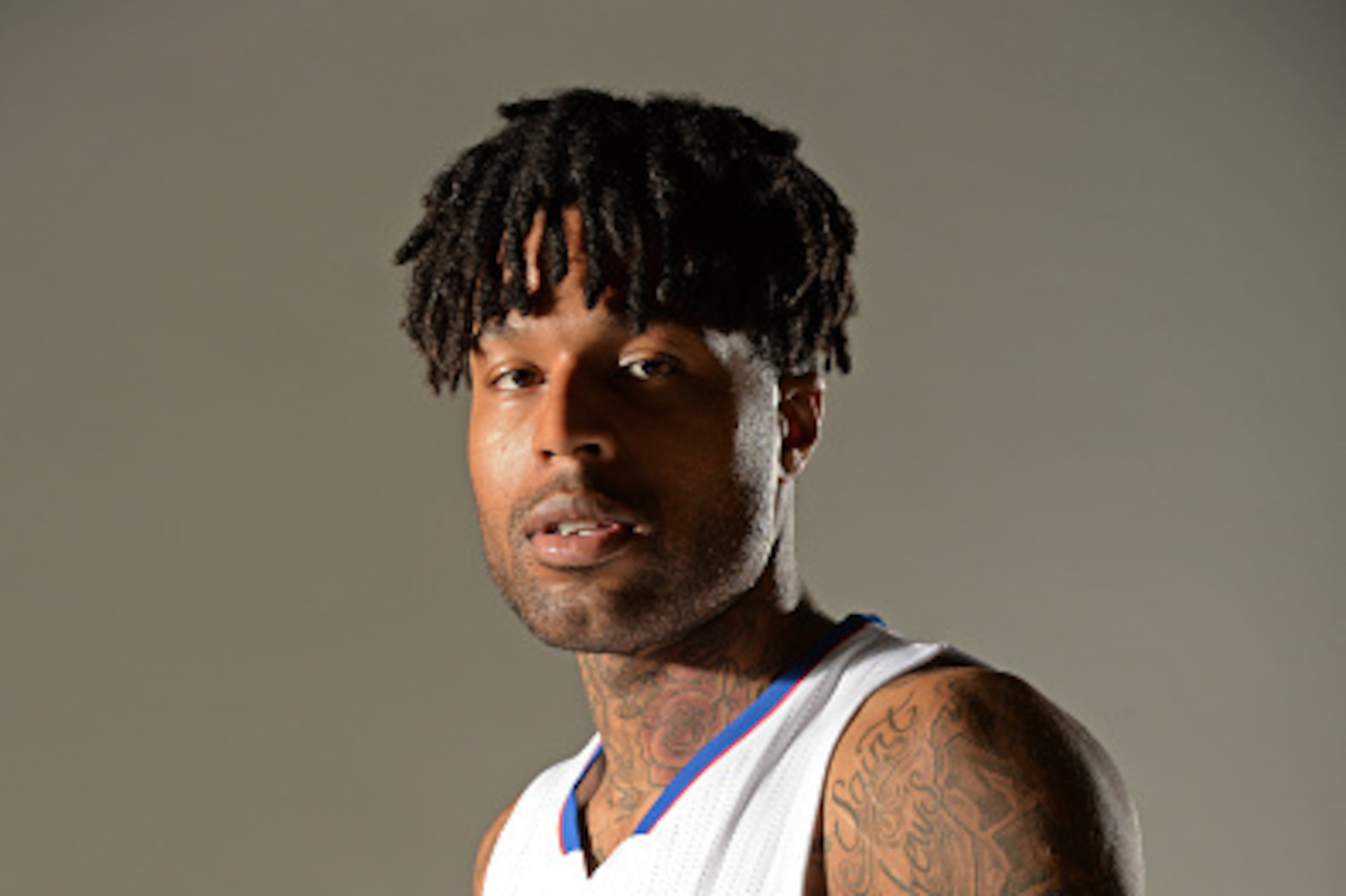
If Reggie Bullock is not in the Los Angeles Clippers’ rotation, it will be because of the play of recently signed Chris Douglas-Roberts. He was brought in to be a wing stopper, something the team has lacked over the years.
Douglas-Roberts proved to be a solid pickup for the Charlotte Bobcats last season, shooting 38.6 percent from three and providing solid perimeter defense. The Clippers could use both, but Douglas-Roberts has never been able to stick in the league due to his inconsistency on offense.
The long, rangy wing will need to show that he can continue his solid defense from last season and that he can hit open jumpers at the other end of the court.
8. Jordan Farmar (72)
7 of 14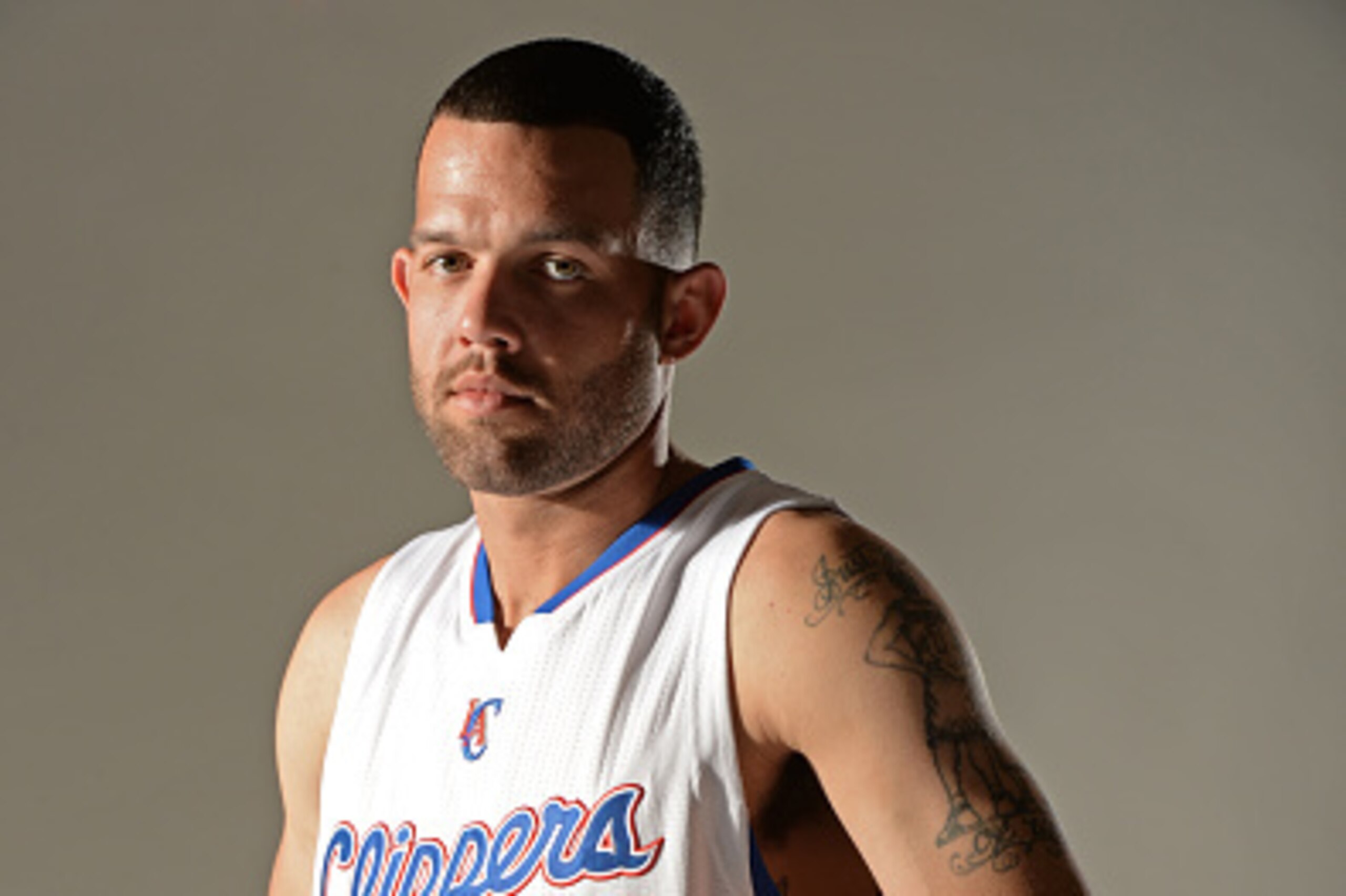
Although he was injured for half of last season, Farmar showed that he can still be a quality backup point guard and a deadly shooter. That is exactly what the Los Angeles Clippers need behind Chris Paul, especially after losing Darren Collison to the Sacramento Kings in free agency.
Farmar is bigger, more athletic and a better shooter than Collison, which should bode well for his playing time as he can play next to Paul or Jamal Crawford in the backcourt. Farmar’s 6'2", 180-pound size and athleticism allow Doc Rivers the ability to play a small backcourt, something that worked quite well in the playoffs last season.
The real weapon Farmar provides is his shooting ability. He is a 37.5 percent three-point shooter for his career and shot a blistering 43.8 last season. It is no secret that the Clippers want to spread the floor, and Farmar can do that quite well.
7. Matt Barnes (75)
8 of 14
Despite bouncing around the league for years, Matt Barnes seems to have found a home with the Los Angeles Clippers. He had two of the best years of his career with the Clippers, shooting more than 34 percent from three each season and averaging 10.1 points and 4.6 rebounds with the team.
While he might not be the ideal starting small forward, Barnes has been effective and provides the team with a boost of energy and toughness. His defense could improve, but it is hard to argue results, as Barnes has been a key contributor the past two seasons.
The question is: What happens if Barnes’ offensive numbers begin to regress? He is 34, and while he does play with plenty of gifted offensive players, if he is not hitting his outside shots, it could be difficult for Doc Rivers to play him extended minutes.
6. Spencer Hawes (77)
9 of 14
One of the most important acquisitions of the summer in the Western Conference, Spencer Hawes is a perfect fit for the Los Angeles Clippers offense. He is a good shooter for a big man, hitting 36.1 percent from three for his career. His ability to space the floor off the bench could prove to be invaluable, because teams will not be able to double Blake Griffin in the paint.
While Hawes is not known as a good defender, he does provide some rim protection, blocking 1.1 shots per game for his career. Griffin is not a very good shot-blocker, so having someone like Hawes off the bench who can play multiple positions and help protect the rim is a nice luxury.
Overall, Hawes makes the Clippers offense, which led the league in scoring last season, even more dangerous. If Doc Rivers can convert Hawes into a decent team defender, he could be the difference between the Clippers reaching the conference finals or going home in Round 2 again.
5. Jamal Crawford (80)
10 of 14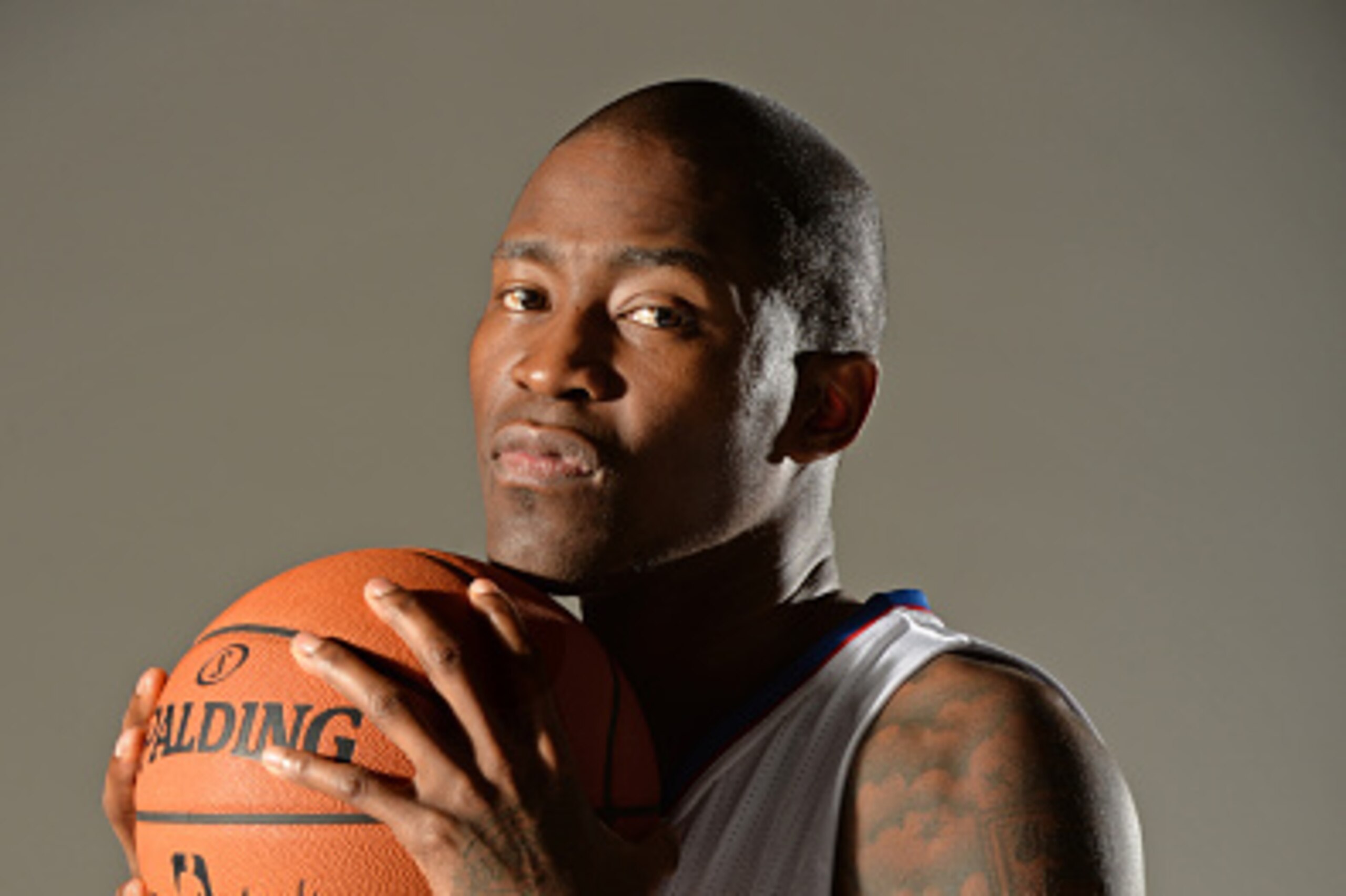
The reigning Sixth Man of the Year, Jamal Crawford has proved he is still one of the most difficult one-on-one matchups in the league. He averaged 18.6 points per game last season, his highest average in five years, and his crossover is still as lethal as it was 10 years ago.
Crawford is vital to the Los Angeles Clippers’ success, as he is the primary scoring option off the bench. Furthermore, his versatility allows him to play off the ball as a shooter or on the ball in attack mode.
Although his defense will never be considered good, his ability to jump passing lanes while limiting his turnovers on offense makes him so valuable that it is hard to imagine this Clippers team without him. Unfortunately, Crawford seems to conserve his energy for offense, which is part of the reason why the reserves were so poor defensively last season.
Furthermore, Crawford may be 34, but he looks and plays like he is 24. His ability to stay in great shape and remain relatively healthy is important to the team’s success. He truly is one of the best reserves in the league and projects to be again this season.
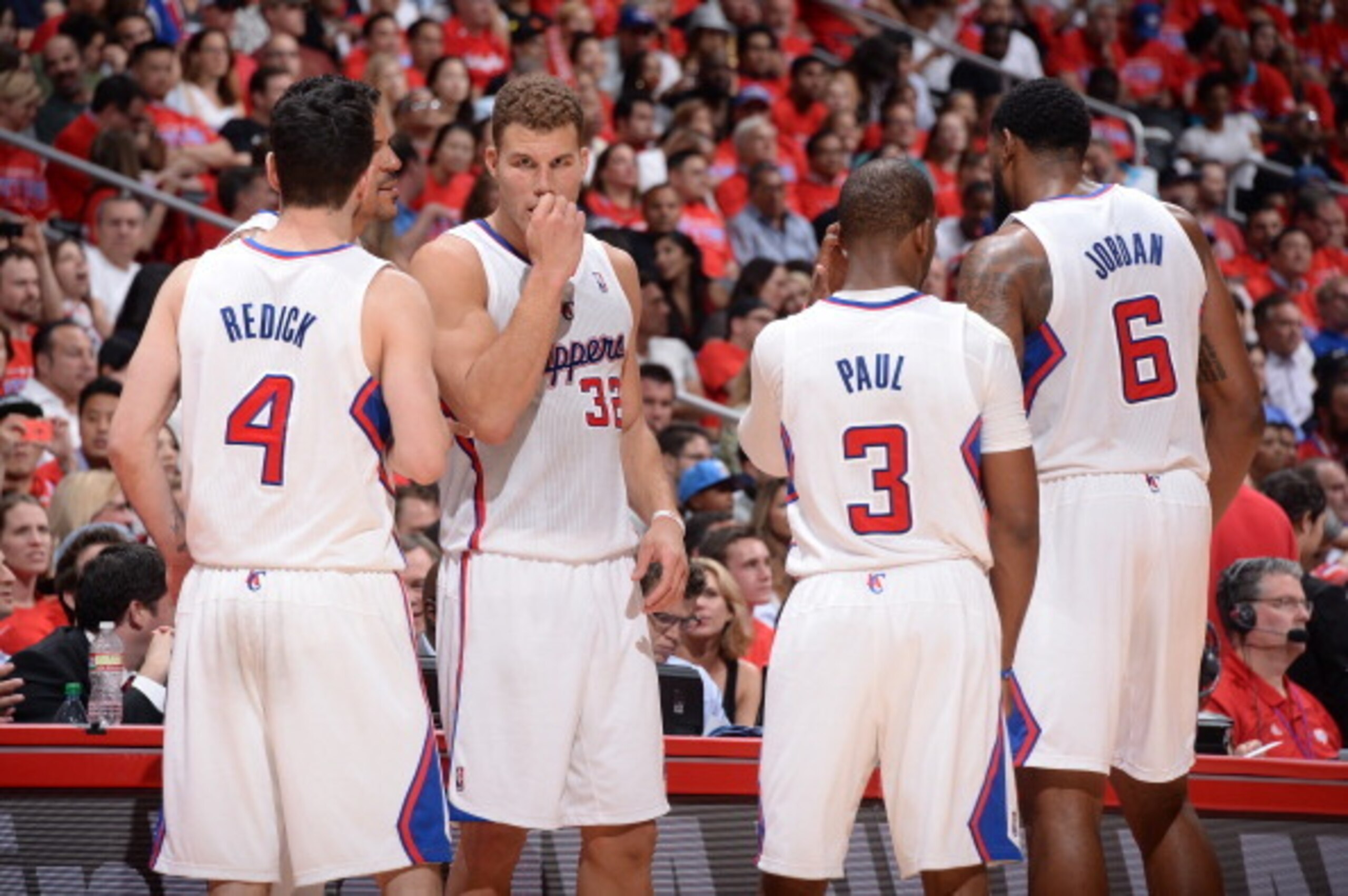
4. J.J. Redick (81)
11 of 14
Players like J.J. Redick, Ray Allen and Rip Hamilton typically do not receive the proper amount of credit they are due for their impact on offense. However, ask Doc Rivers, and he will tell you just how important Allen and now Redick are.
Redick’s off-the-ball movement and lethal shooting from deep help keep opposing defenses honest and prevent them from slanting their alignment to Blake Griffin’s side. Redick shot 39.5 percent from three last season but only played in 35 games. He is too important to the team to miss that many games again, and for the Clippers to accomplish their goals, Redick needs to remain healthy.
The reason why Redick is ranked fourth on this list is not solely based on his shooting and prowess off the ball. He also is a good passer and ball-handler who is capable of running pick-and-rolls and attacking off weak-side rotations.
Finally, Redick’s importance on offense often overshadows his defense. He might not be able to defend shooting guards one-on-one, but he makes quick rotations and knows where and when he needs to help.
3. DeAndre Jordan (84)
12 of 14
Upon taking over the head coaching position of the Los Angeles Clippers, Doc Rivers began talking about how important DeAndre Jordan was. In fact, Rivers even went as far as to claim that he would compete for Defensive Player of the Year.
Well, Rivers was right. Jordan had a breakout year, leading the league in field-goal percentage (67.5) and rebounds (1,114). While his offensive game is still a work in progress and likely always will be, his defense has been rapidly improving.
Jordan recorded a career-high 2.5 blocks per game last year and served as the backbone of the Clippers defense. He does need to focus more on staying home and protecting the rim instead of jumping out at cutters and chasing weak-side blocks, but the improvement was quite noticeable.
If Jordan could begin making his free throws, he could easily add three to four points per game to his average. The form on his shot is fine, but he struggles to block out the crowd noise. Still, he is a cornerstone of the franchise and is finally playing like one.
2. Chris Paul (94)
13 of 14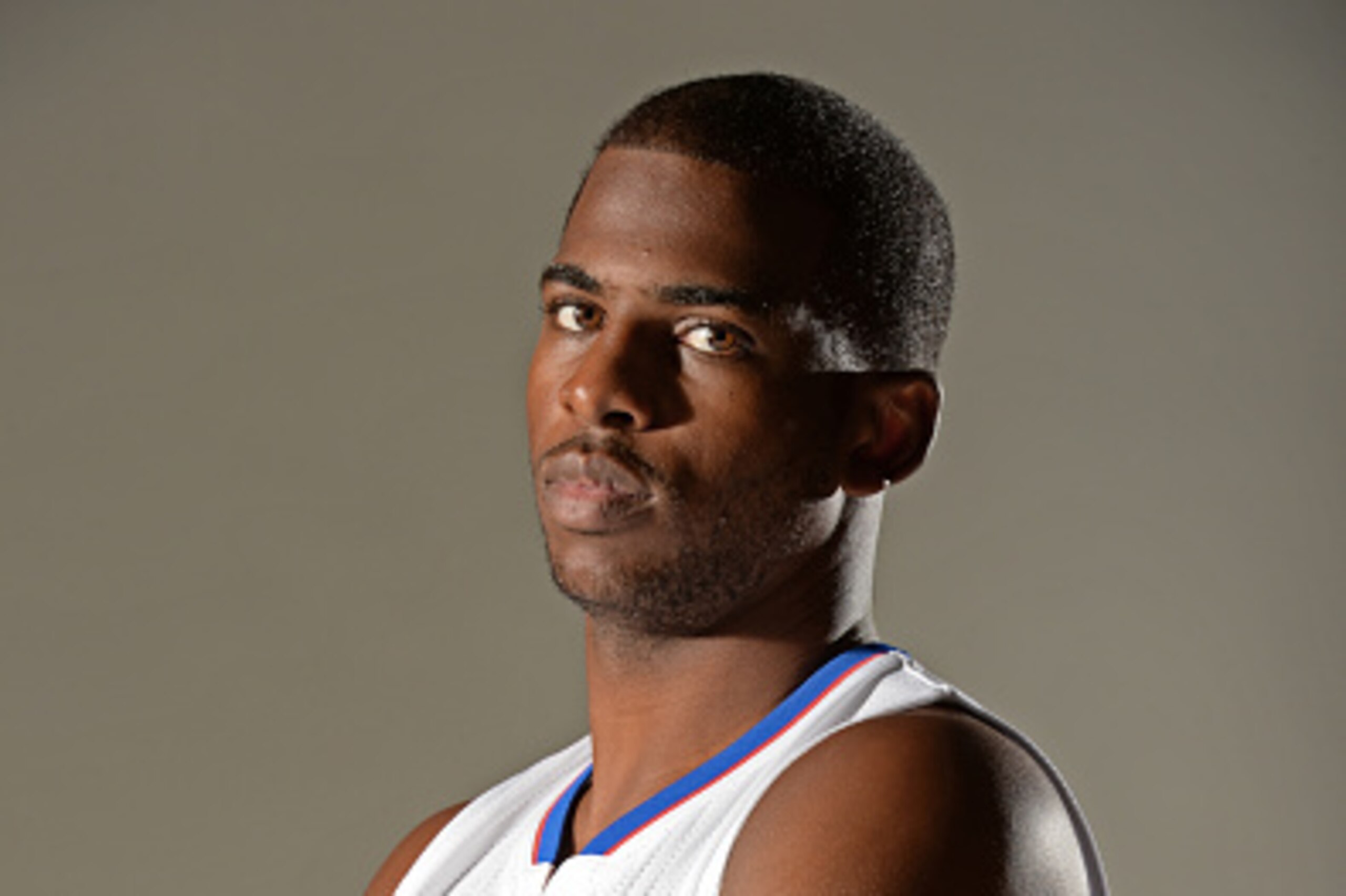
Also known as the Point God, Chris Paul finally surrenders the top overall ranking this season. He still is one of the best, if not the best, point guards in the league, and last year's numbers agree. He averaged a double-double for the first time in four seasons, scoring 19.1 points per game and dishing out 10.7 assists.
The added talent on offense and the development of Blake Griffin’s game have made Paul as lethal as ever. He can get to his patented elbow pull-up jumper anytime he wants because of the added floor spacing. He also has so many targets to kick the ball out to that defenses seem dizzy trying to keep up with him.
Defensively, he still looks solid and consistently frustrates offenses by jumping passing lanes or swatting balls out of the hands of bigger players. As a result, Paul was named to his fourth NBA All-Defensive First Team and led the league in steals per game for the fourth straight season.
Clearly the heart and soul of this franchise, expect Paul to play with a vengeance this season after his blunders last season in the playoffs against the Oklahoma City Thunder. Paul should, once again, be in the Most Valuable Player discussion and is rated accordingly.
1. Blake Griffin (95)
14 of 14
The development of Blake Griffin over the past few seasons has been outstanding. He has added to his post moves and counters to each move, extended his range and has become nearly unguardable when square and facing the basket.
Last season Griffin had, arguably, the best one of his career: a career-high 24.1 points per game, 9.5 rebounds and an amazing 3.9 assists per game. Even more impressive was that fact that he developed into a primary scoring option.
Additionally, Doc Rivers caught Griffin’s attention and has him committed and developing on defense. Griffin had previously been a weak spot in the team’s schemes, but last year he spent time learning his rotations and even checking Kevin Durant and LeBron James at times.
A unique power forward, Griffin’s potential isn’t even fully tapped. In fact, this summer he began extending his range and working on the corner three according to Dan Woike Sports. Fox Sports notes that the hitch in his shot is now completely gone and is one smooth rhythm.
He is no longer a superstar in the making; he is one.

.jpg?w=2560 "NFL House in Paris Closes for Protests")
.jpg?w=2560 "Trevon Diggs Cut by Seahawks")