

Rajon Rondo's Future a No-Win Situation for Rebuilding Boston Celtics
Rajon Rondo's future is uncertainty in its highest form, its direction fluid and fragile, its lone constant the Boston Celtics' inability to reach resolution unscathed.
There is no perfect victory awaiting the rebuilding Celtics once Rondo's Boston-bound fate is determined. Not even the best-laid plans can protect them against the compromises that will come with "winning." There's no blueprint that safeguards them against an outright loss, either.
This situation is that delicate. The Celtics can only hope the solution they reach will be enough to limit the collateral damage they're forced to endure.
TOP NEWS

Buzz: Bron Chopper Part of Deal 🚁

MJ Makes Record-Setting Donation 🙌
Shams: KAT, Hart Could Be Trade Names
Trading Rondo
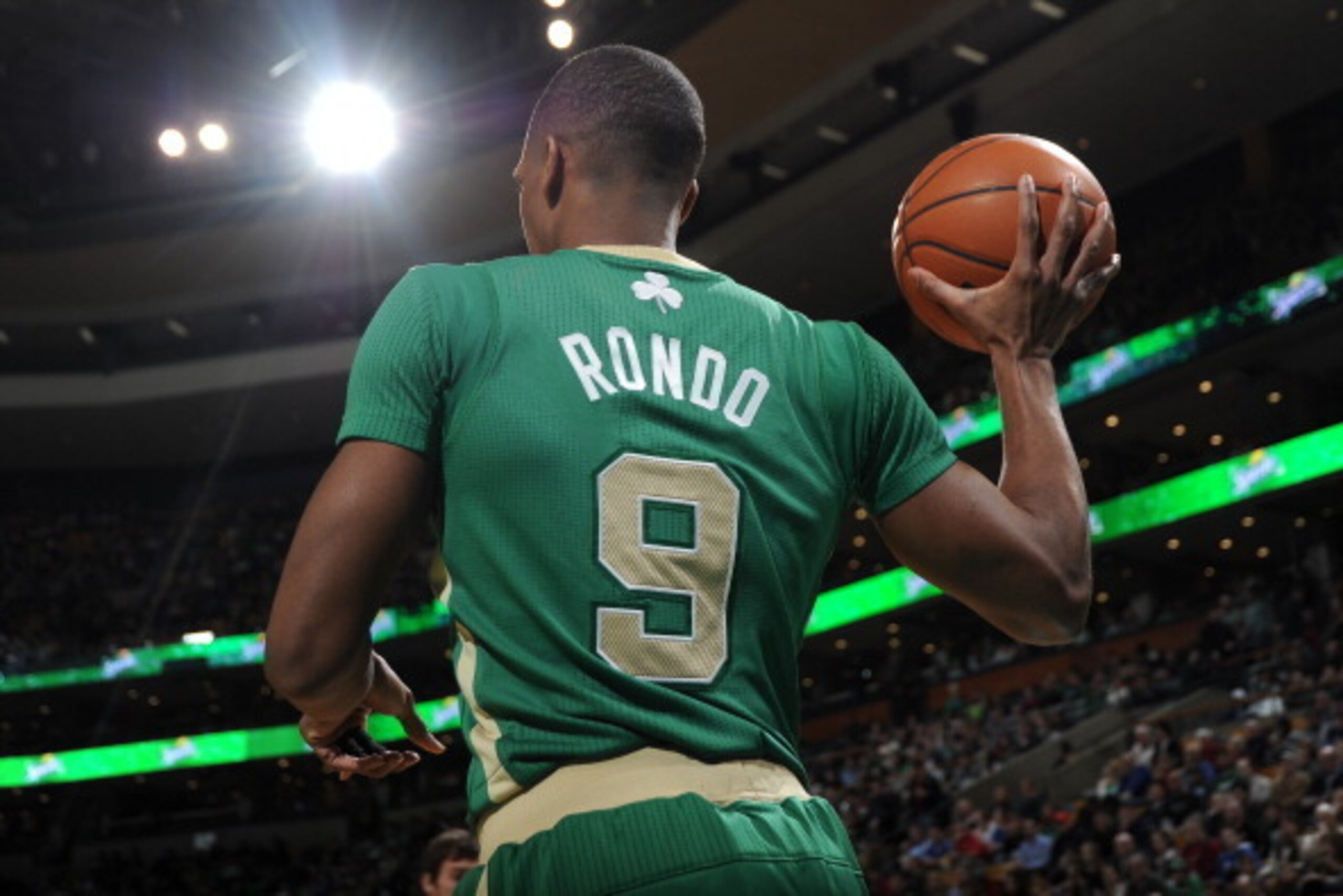
Sifting through Rondo-related trade rumors has become a full-time job.
Conflicting reports are filed almost daily. One day Rondo has never been more available; the next day he's not going anywhere.
Most recently, ESPN Boston's Jackie MacMullan (via Mass Live's Jay King)—during a behind-the-scenes video for ESPN's Around The Horn, which has since been removed but lives on courtesy of Deadspin—reported that Rondo "wants out" of Boston and that a trade "will happen."
Like all other things Rondo, MacMullan's findings were later refuted. Rondo and his agent Bill Duffy quickly pumped the brakes on trade talk, according to Boston Herald insider Mark Murphy, and Celtics president Rich Gotham did the same, per The Boston Globe's Gary Washburn:
Smoke—suggesting fire—still lingers, though.
General manager Danny Ainge remains a half-open book. Each time he's asked about Rondo's availability, he passes on the opportunity to declare him untouchable. A recent appearance at the Church of Jesus Christ of Latter-day Saints in Worcester, Massachusetts proved to be no exception.
"The truthful answer is I really don't know," Ainge posited when asked if he was going to deal Rondo, per the Worcester Telegram and Gazette's Bill Doyle. "I have no intention. I'm not trying to trade Rondo, but because he's a free agent this summer, he assured me that he wants to stay in Boston. We'd love to keep him in Boston."
If nothing else, Ainge and the Celtics seem open to anything. Such is the stance many rebuilding teams wish to maintain. The Celtics aren't just looking at next year or the year after; they're thinking about three, four and five years from now. And beyond.
It's important to consider all options when looking that far ahead. Rondo may not fit the Celtics' long-term model at 28 years old and approaching free agency. Trading him would allow Boston to move on while capitalizing off his departure.
Maybe.

Moving Rondo won't be an easy decision for the Celtics to make. Bidding farewell to a four-time All-Star (three appearances) won't sit well with the organization and its fans, no matter the circumstances or return.
Yet the return itself is an issue. Having appeared in just 68 games over the last two seasons and still working his way back to form after suffering an ACL injury, Rondo's value isn't what it was before.
Flashes of his wily incisiveness and preeminent playmaking were scattered throughout 2013-14, but Rondo has yet to show he's actually back or that career-long weaknesses—his still-developing jump shot—are, without question, trending in the right direction.
Teams won't relinquish top-flight assets for his services unless his recovery is complete. Even then, with free agency looming, finding takers willing to pillage through their stable of assets will be difficult.
"I don't see how you get 80 cents on the dollar for him," MacMullan said, via King. "Tell me where."
On the off chance the Celtics negotiate that ideal trade, that balanced packaged headlined by draft picks, promising prospects and cap relief—which Rondo, as of right now, is no longer worth—they're still left to pick up the pieces his exit leaves behind.
Dealing him prolongs their rebuild. It doesn't matter who or what they get back. Flipping superstars usually results in additional transition.
Shipping out Kevin Love for a king's ransom hasn't expedited the Minnesota Timberwolves' rebuild. It's no different with Rondo. It's actually worse because, again, Rondo won't net the Celtics that kind of return.
Sending him on his merry way only pins them to an even more extensive project that wouldn't include an established star.
Re-Signing Rondo
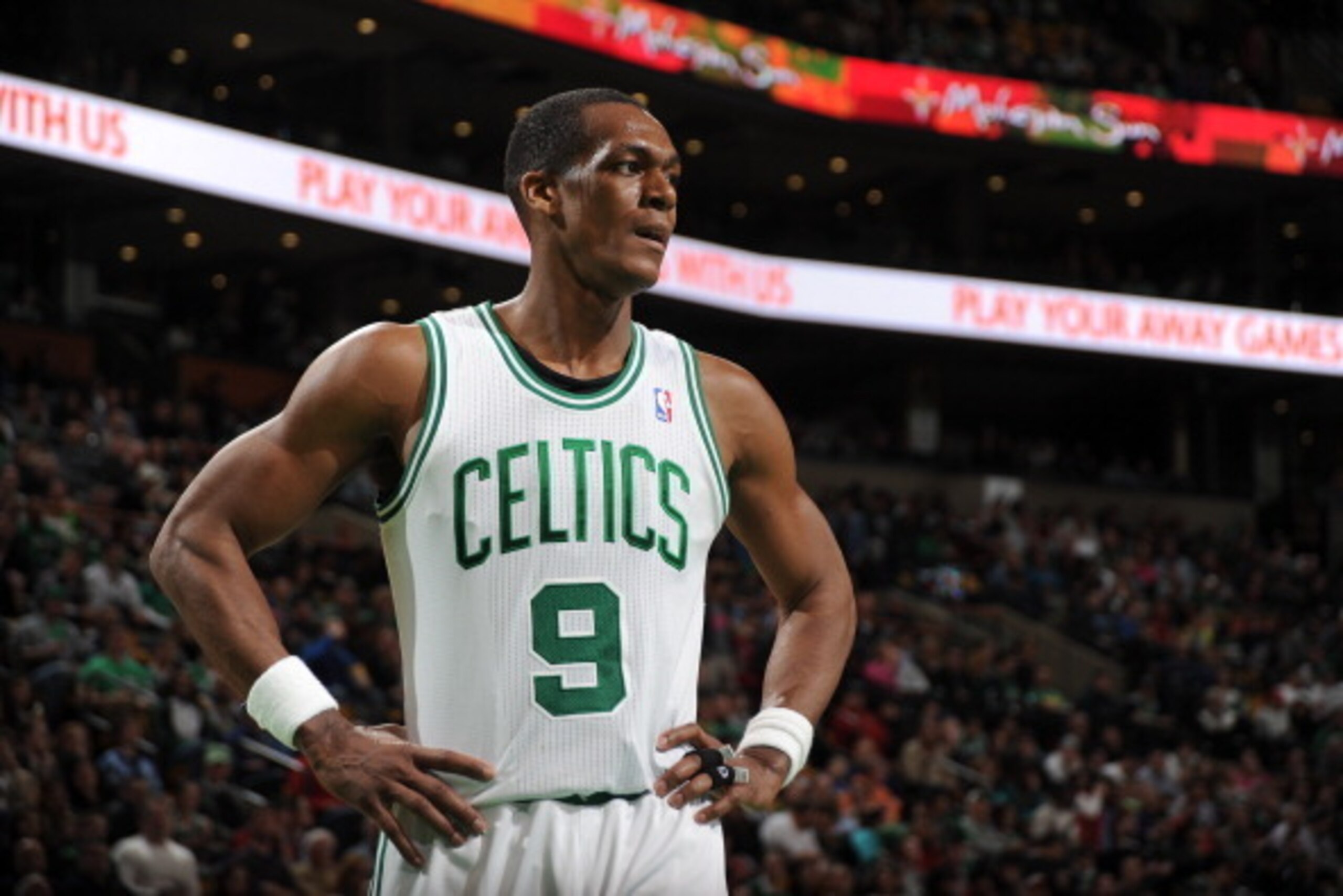
Avoiding the cons that come with trading Rondo isn't difficult. The Celtics could, you know, just keep him.
Assuming that Rondo, like Ainge said, wants to remain in Boston, re-signing him next summer is the easiest course of action. All the Celtics must do is commit a substantial amount of money to him for the next five years.
So, it's not easy.
Gauging Rondo's market value is impossible at this point. For the same reasons trading him would be a trying endeavor, his worth inside and outside Boston is incalculable.
Clarity should be provided as next year wears on and Rondo's play defines his individual standing. But how he fares in 2014-15 will only say so much.
Talented floor generals are everywhere, and the price of bringing one in has dropped dramatically. Kyle Lowry—the Eastern Conference's best point guard last year—landed just four years and $48 million from his incumbent Toronto Raptors. Isaiah Thomas was a steal for the Phoenix Suns at $27 million over four years. Eric Bledsoe isn't still battling restricted free agency because he thinks it's fun.
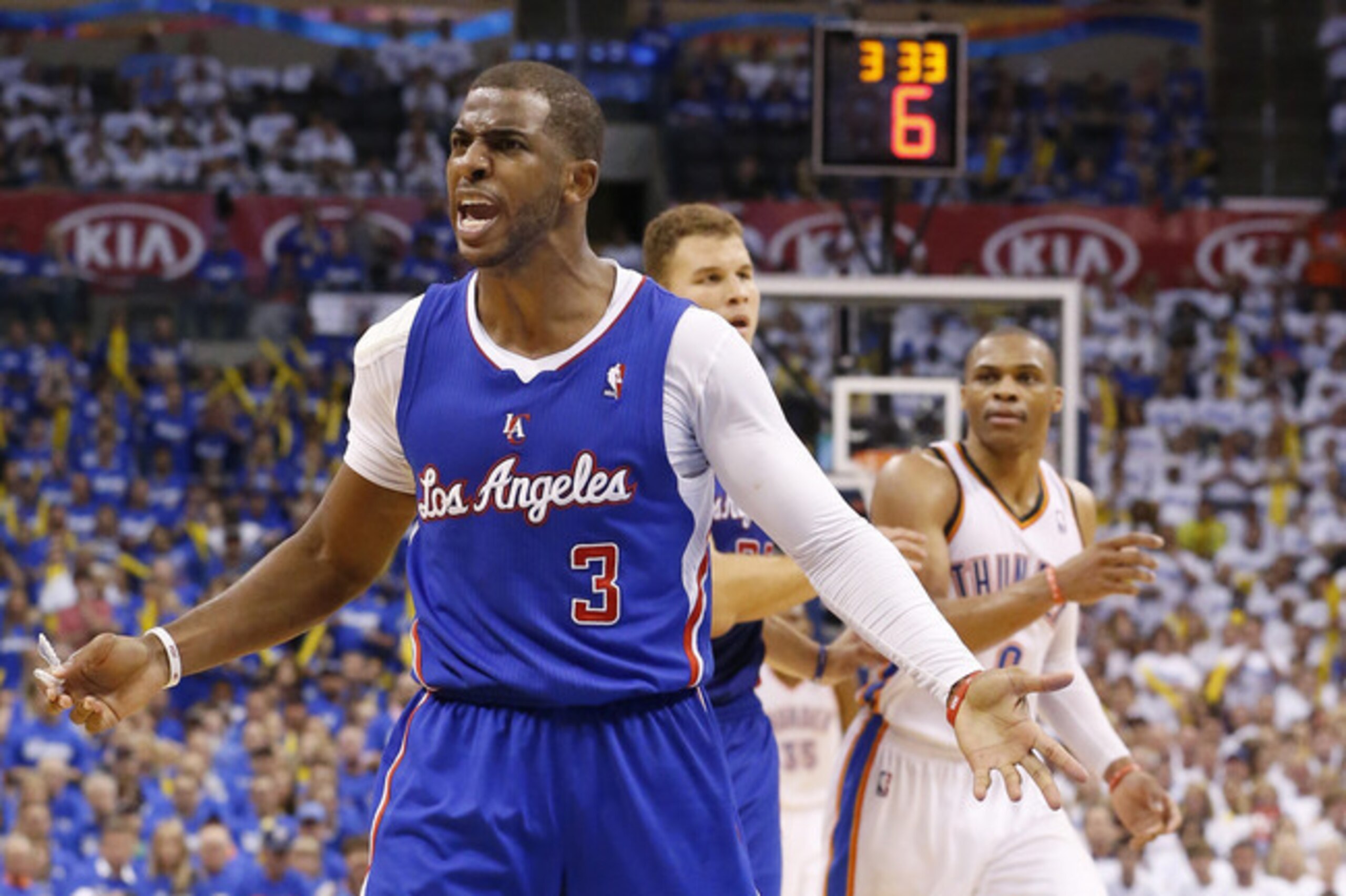
Lucrative contracts aren't handed out as frequently if you're not Chris Paul (or Kyrie Irving, apparently). Rondo, meanwhile, appears to be searching for that exact type of deal.
During an interview with Yahoo Sports Radio (via Ben Rohrbach of WEEI.com) in June, Celtics radio analyst Cedric Maxwell alleged that Rondo is after a $100 million contract. Committing that much coin to him would be an active admittance that Rondo is still in the same class as Paul. It would hamstring the Celtics financially as well.
But comparisons to Paul, Stephen Curry and the rest of the NBA's top point guards cannot be made until Rondo plays through a good portion of next season. Determining his worth—inside and outside Boston—is dependent on his performance.
In the Celtics' case, it's also about him meshing with the rest of his teammates. There's little point in building around Rondo if he doesn't fit alongside fellow cornerstones Avery Bradley, Marcus Smart, Jared Sullinger and Kelly Olynyk.
That means more waiting—waiting to see if Smart and Rondo's overlapping skill sets can be adapted for them to succeed alongside one another, waiting to see if Sullinger is the floor-spacing forward Rondo has never played with, waiting to see if there's pick-and-pop chemistry between Rondo and Olynyk.
Not even Bradley—four years Rondo's teammate—can be considered familiar. The two have appeared in just 68 games together since 2010-11, according to NBA.com.
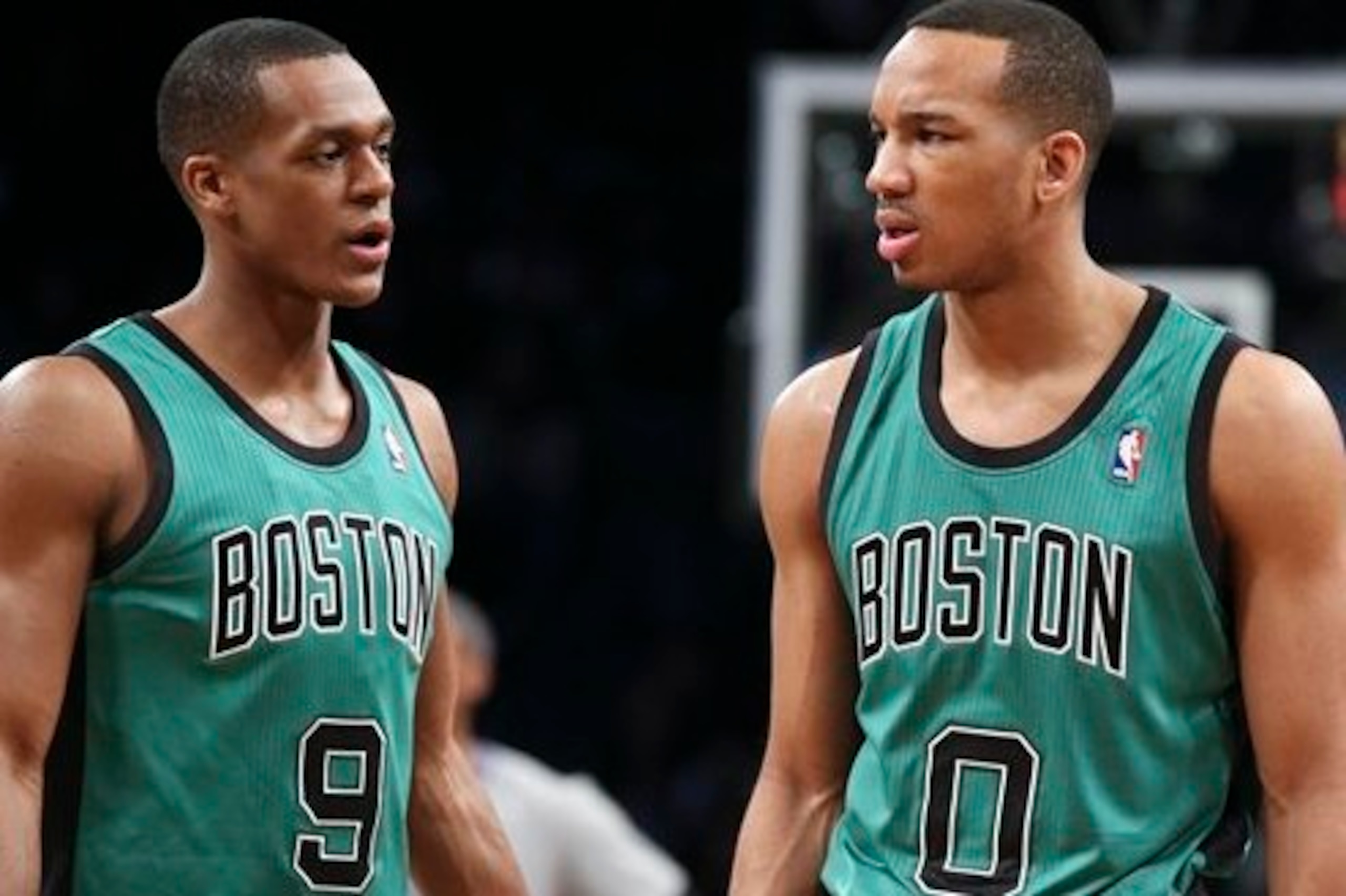
Before re-signing Rondo, before paying him anything at all, the Celtics must be sure what's in place can work. And like Tom Ziller of SB Nation noted in February, they must be equally certain Rondo's ready to see their experiment through:
"The question is whether Ainge thinks he can pull off that switch quickly, and how much patience he thinks Rondo has left. Remember, Rondo is one of the smartest and most brusque players in the league. Observers might take that to mean that he's an a--hole, but that's uncharitable. He does not like wasting effort or a team, and he knows how NBA rosters work. I'm totally convinced that Rondo and Stevens are a good match and that they will get along. I'm not sure Rondo and a dilapidated roster will co-exist long before things get prickly.
"
Indeed, Rondo's morale—however high it may or may not be in the interim—is a bigger concern than his health or production. He's an emotional player with poignant opinions who isn't afraid to voice concerns or displeasure. The Celtics know this. Co-owner Wyc Grousbeck openly admits it.
"He's super stubborn," Grousbeck said during an appearance on WBZ-TV's Sports Final Overtime, per Boston.com's Adam Kaufman. "I don't know how coachable he really is."
Grousbeck isn't belly-aching or being malicious. He's stating facts—truths the Celtics, if we're to believe they really want Rondo back, are perfectly comfortable with.
At the same time, they have a future to worry about.
Stubborn players aren't exactly a boon for business. Free agents won't flock to Boston if Rondo's perceived as uncontrollably bullheaded and incapable of playing nice with others.
Recruiting outside talent is hard enough. The Celtics aren't known for staging free-agency coups as it is. Developing in-house talent is only one ingredient to their rebuild. They'll need to attract players through various channels. It helps their cause if they're building around a star others want to join.
And there's no way of knowing right now if Rondo is that player. There's no way of answering any of these questions.
Unless that changes between now and next summer, it will be difficult to see investing in Rondo as anything more than an expensive dice-roll.
Waiting for Clarity

Don't bother searching for an easy solution to Boston's Rondo conundrum. There isn't one.
Keeping him has its burdens. Trading him has its disadvantages. Letting him walk for nothing in return next summer won't make this situation any better.
Allowing next season to unfold should offer some valuable insight, but it's just one year. Direction-shaping decisions drawn from small sample sizes of players leading lottery-doomed teams aren't made without risk.
For the Celtics, no matter what they decide, there is only this game of chance that, for better or worse, will come to define their rebuild.
.jpg?w=2560 "2 NFL Officials Suspended")


.jpg?w=2560 "Mahomes' Wife Trolls Kubiak 💀")
.jpg?w=2560 "Love's Body Already 'Tired'")
.jpg?w=2560 "Injury-stricken Seahawks signing veteran RB")