

5 Things the Boston Celtics Must Figure Out Before Start of 2014-15 Season
The Boston Celtics will enter the 2014-15 season needing to answer a ton of questions. They’re young and rebuilding, but what’s the next step toward getting better?
Can they avoid a repeat of their debacle in 2013-14? Do they even want to? Here are five especially pertinent issues the Celtics will need to figure out by opening night.
They deal with roster moves, lineup configurations and basic in-season targets. They’re also ranked by how important they are and how Celtics ownership, Danny Ainge and Brad Stevens should prioritize answering them together.
5. Who Starts at Shooting Guard?
1 of 5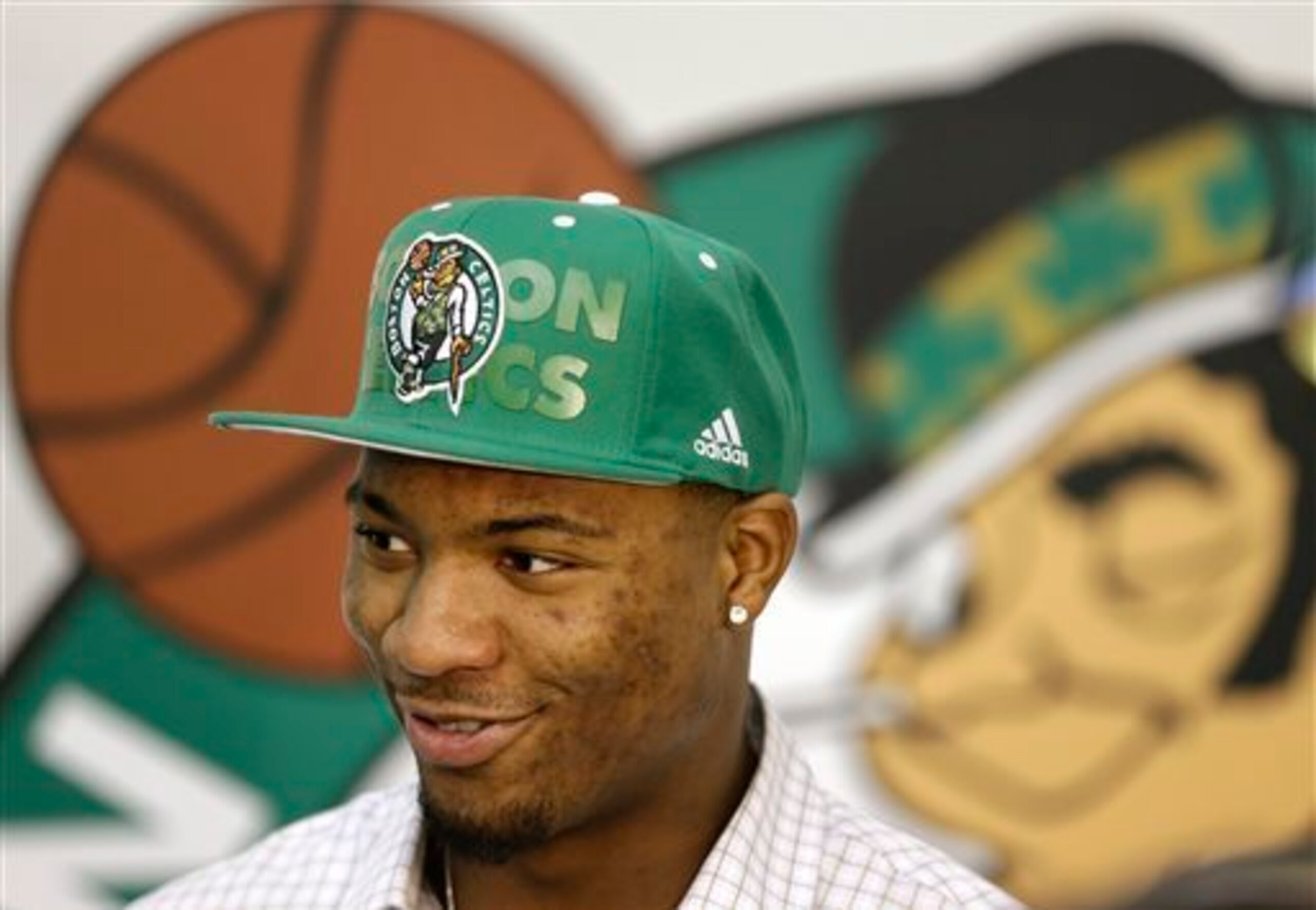
This position is as deep as any on Boston’s roster right now, with Avery Bradley, Marcus Thornton, Marcus Smart, James Young, Evan Turner and several other guards who probably won’t make the final cut still on board.
The prohibitive favorite to start is Bradley, who’s the only player on that list who’s worn a Celtics jersey before. Bradley will also be in the first season of his new four-year, $32 million contract. Brad Stevens is familiar with his skill set and knows how it complements Rajon Rondo.
But if Smart has a monster training camp and establishes himself as the clear-cut better player (entirely possible), Stevens will have a big question on his hands. It may still make more sense to have Smart back up Rondo and gain experience running Boston’s bench unit from his natural point guard spot, but that would only limit the rookie’s playing time.
Turner and Thornton aren’t likely to begin the season in the starting lineup (Thornton especially), but there’s always the chance they resurrect their careers in a similar fashion to what Jordan Crawford did last season. Young will likely spend some time in the D-League.
4. Will They Play Fast?
2 of 5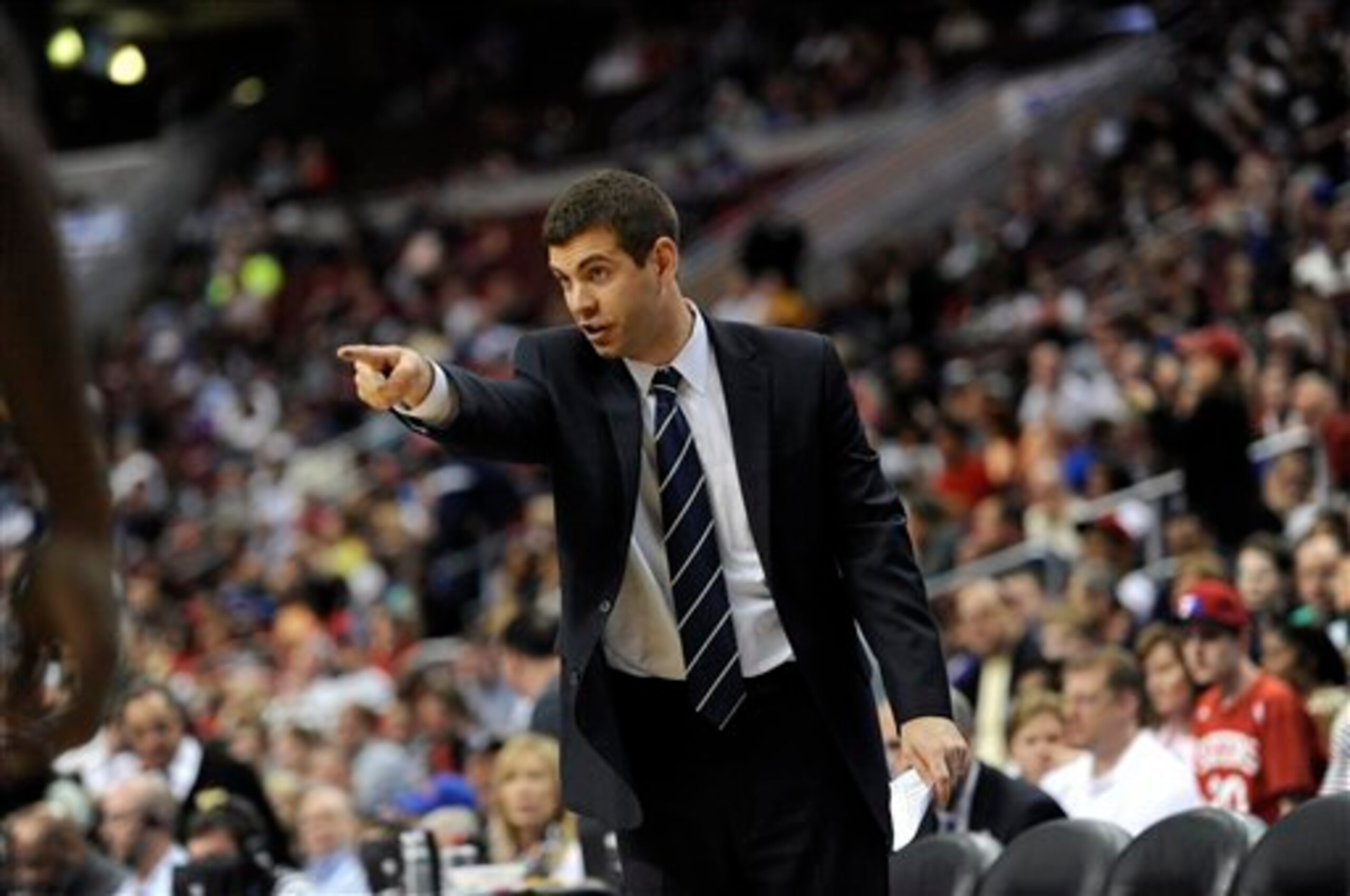
The Celtics are absolutely loaded with capable ball-handlers who can push the pace and get up and down the floor with ease. Rajon Rondo is one of the league’s all-time greats at feeding open spot-up shooters in transition, Marcus Smart bowls into defenders like a running back racing downhill and Avery Bradley is a flicked rubber band.
Jeff Green is a dunking menace in the open floor, Tyler Zeller runs with as much fluidity as any 7-footer in the league and several other players on Boston’s roster would likely benefit from an uptempo style. It only makes sense that they should aim to become one of the NBA’s fastest teams.
But will Stevens play this way? While the NBA’s other sad sacks were conducting nightly track meets last season (most notably the Philadelphia 76ers and Los Angeles Lakers), Boston ended the year slightly below league average in pace (17th overall). Heading into 2014-15, the Celtics need to know how they want to attack the opposition. Going fast seems like a very good option.
3. Who Starts at Center?
3 of 5
The Celtics did not have a starting center last season. Kris Humphries, Jared Sullinger, Kelly Olynyk and Vitor Faverani all spent time filling the role, but those first three are really power forwards, and the last guy isn’t worthy of starting on an NBA team.
The addition of Tyler Zeller to this year's roster could help everything fall into place. The 7-footer has experience starting at center with the Cleveland Cavaliers and knows how to play the position. He's skilled on both ends of the floor and can play an uptempo style beside Boston's other starters.
Splitting minutes at power forward between Sullinger, Olynyk and Brandon Bass will be difficult, but Stevens always has the option of playing the former two together and sizing down his bench units. It's probable Bass is eventually traded.
Joel Anthony is also on the roster, but his pronounced lack of offensive skill should keep him glued to the bench for most of the season.


2. Do They Want to Win or Lose?
4 of 5
What we’ve come to call “tanking” is more a top-down operation OK’d by any given franchise's ownership group than something the head coach executes at an on-court strategic level.
The benefits of being bad are obvious, especially for a team that wants to pair a second star beside Rondo and has multiple first- and second-round picks in next June’s draft at its disposal. Drafting with the first, second or third overall pick is more advantageous than the fourth, fifth or sixth, and losing helps you get there.
The Celtics won 25 games last season and landed the sixth pick. Their roster is better on paper right now (the addition of a healthy Rondo, Smart, Zeller and Turner), and the talent around the Eastern Conference has spread itself out. Maybe they should try and make a run at the No. 8 seed.
It isn’t likely they get it, but it’s also not impossible. Making the playoffs, or, at the very least, ending the regular season with meaningful contests to try and get there, is important in its own way for Boston’s core. Everybody’s trade value will get a boost, and the younger players will earn the “big(ger) game” experience that’s necessary to improve as a team.
Before the season starts, the Celtics should know if they want to lose or win. The final slide will all but answer what they’re thinking.
1. Will They Trade Rajon Rondo?
5 of 5
It’s the team’s most important question by far right now, but also one that doesn’t necessarily need to be answered before the season begins. Rondo is Boston’s franchise player, a four-time All-Star with unprecedented ability and uniqueness that makes him a truly special talent.
His upcoming unrestricted free agency this summer has created a swirling dust storm of rumors, noise and confusion.
CBSSports.com's James Herbert sums the situation up here:
"Through a spokesperson, Boston Celtics guard Rajon Rondo and his agent, Bill Duffy, denied that he asked the team to trade him, via Mark Murphy of the Boston Herald. A since-removed video of ESPN's Jackie MacMullan talking about Rondo off-air on Around The Horn had been posted to YouTube, and maybe it shouldn't have been.
MacMullan did not report the trade demand; she informally discussed it with other reporters. Given that the behind-the-scenes clip has been taken down now, you have to wonder whether or not she had given permission for it to be shared in the first place. In any case, she said, "He's told them he wants out. And no one believes me, but that's the truth."
"
That's mostly because there’s logic behind why the Celtics should and should not trade Rondo.
Moving him for future assets only lengthens the timetable on what already promises to be a good-sized rebuilding process. It also prevents the very real possibility that Boston loses him for nothing in free agency.
Keeping Rondo is a good thing because he’s a great player, and great players are necessary for winning games. No matter what they do, the Celtics’ decision will dictate the course of their immediate and long-term future. It’s vital they get it right.
All statistics are courtesy of Basketball-Reference.com or NBA.com unless otherwise noted.
Michael Pina covers the NBA for Bleacher Report, Sports on Earth, FOX Sports, ESPN, Grantland and elsewhere. Follow him on Twitter @MichaelVPina.

.jpg?w=2560 "Grading WWE Raw 🔠")

.jpg?w=2560 "Viral Rams Coach Vid 🖕")

.jpg?w=2560 "Injury-stricken Seahawks signing veteran RB")