

Is the Honeymoon over for Brooklyn Nets?
From the timing to the talent, the branding to the borough, everything about the Brooklyn Nets’ 2012 move from New Jersey to Atlantic Avenue seemed tailor-made for sustainable success.
But after sinking an NBA record $186 million into a team with but a single playoff series to its credit, the Nets’ shaky near-future prospects can’t help but make one wonder whether the honeymoon magic might be over in Brooklyn.
Short of veteran minimum contracts, the Nets—with $88 million committed for the 2014-15 season and another $70 million the following season—have little in the way of roster recourse at their disposal.
TOP NEWS

LeBron's Special Helicopter Deal

MJ Makes Record-Setting Donation 🙌
Shams: KAT, Hart Could Be Trade Names
And that's not the only hurdle Brooklyn's faced, either.
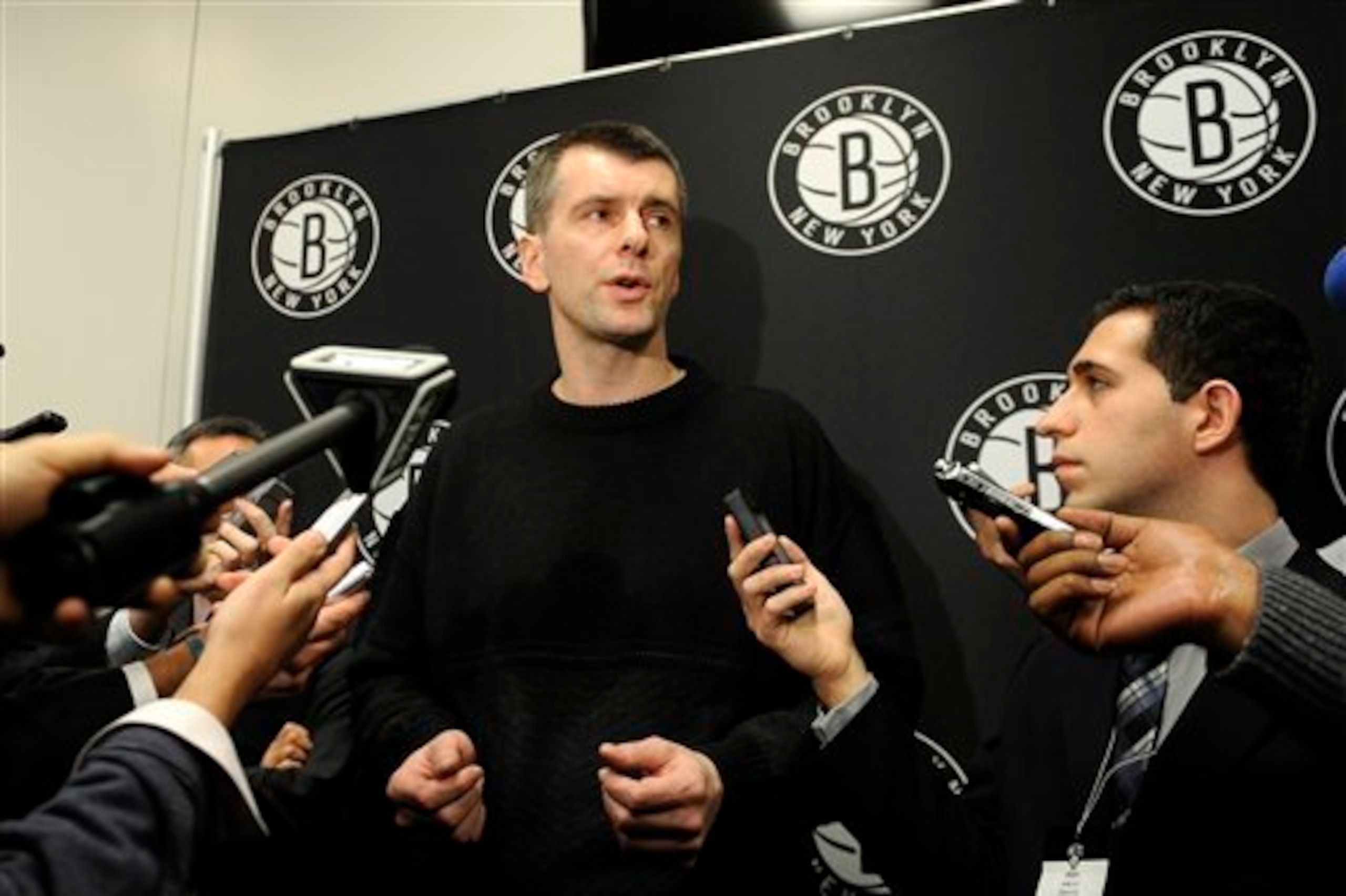
In the past calendar year alone, billionaire owner Mikhail Prokhorov has bore witness to a maelstrom of misfortune: Brook Lopez’s fragile foot, Deron Williams’ ankle-hobbled regression, a team that took half the 2013-14 season to finally right the ship and—most nefarious of all—Jason Kidd’s failed front-office power play and subsequent banishment to the Milwaukee Bucks (per Stefan Bondy of the New York Daily News).
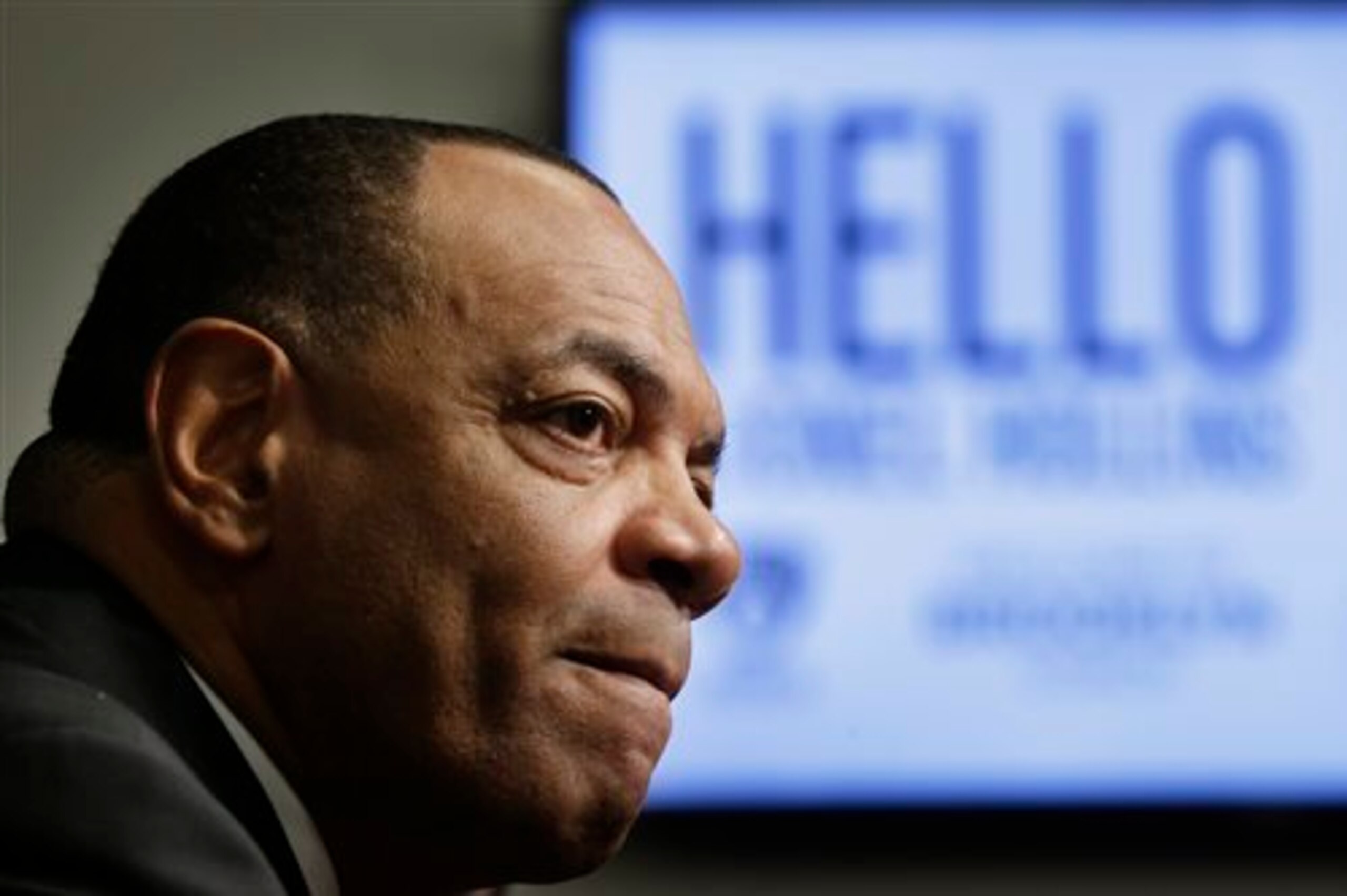
And while the hiring of Lionel Hollins promises to pay dividends on the defense and discipline fronts, the franchise’s financials remain a rocky terrain. Indeed, with no prospects of cap space for at least the next two years, Brooklyn’s ability to bolster an already compromised core will be limited to mere flotsam on the fringes.
Already, the Nets are making it known (via Bondy) that their path to NBA contention—to say nothing of their struggle for the hearts and minds of New Yorkers—lies in one, exceedingly gaudy gambit: reeling in Kevin Durant when the superstar forward finally hits the open market in 2016.
If all this sounds familiar, it should. Like hated rivals the New York Knicks, Brooklyn has spent the better part of the last four years beholden to a very narrow team-building template, one predicated on quick fixes and flights of free-agent fancy, rather than forward thinking and patience.
LeBron James, Dwight Howard, Carmelo Anthony—Prokhorov chased them all, and wound up instead with an overage, overpaid core doomed to a fate of 50-win slates and second-round ousters.
To be fair, the Knicks have been in largely the same beat-up boat, hiring legendary coach Phil Jackson to bring his Zen countenance and sense of accountability to bear on steering the ship back acourse.
Unlike their cross-river rivals, however, the Nets don’t have the kind of longstanding, intergenerational pull to guarantee attention and attendance no matter what.
Perhaps more than any other fanbase, Knicks loyalists have adopted losing—be it in finals heartbreak or as a matter of pure incompetence—as part of their identity. After 40-plus years without an NBA title, the pull of championship possibility, however remote, both animates and magnetizes the fan-team relationship.
The Nets, for all their ABA lore and undeniable edge in terms of recent playoff success, simply don’t have the luxury of such loyalty. At least not yet.
Writing at Atlantic.com, legendary NBA stats guru David Berri underscored the disconnect between Brooklyn’s big-name gambits and the results-based orientation of most fans:
"One might still think this failed effort could have made good business sense. After all, these Nets do have "star power." Perhaps even though the team isn’t winning, these stars can still get fans in the seats. And given the Nets need to make a big splash in their new arena in Brooklyn, maybe these moves—despite the stunning lack of wins—could still make sense.
Unfortunately—as academic research indicates—fans in the NBA care less about stars and scoring and more about actual wins.
"
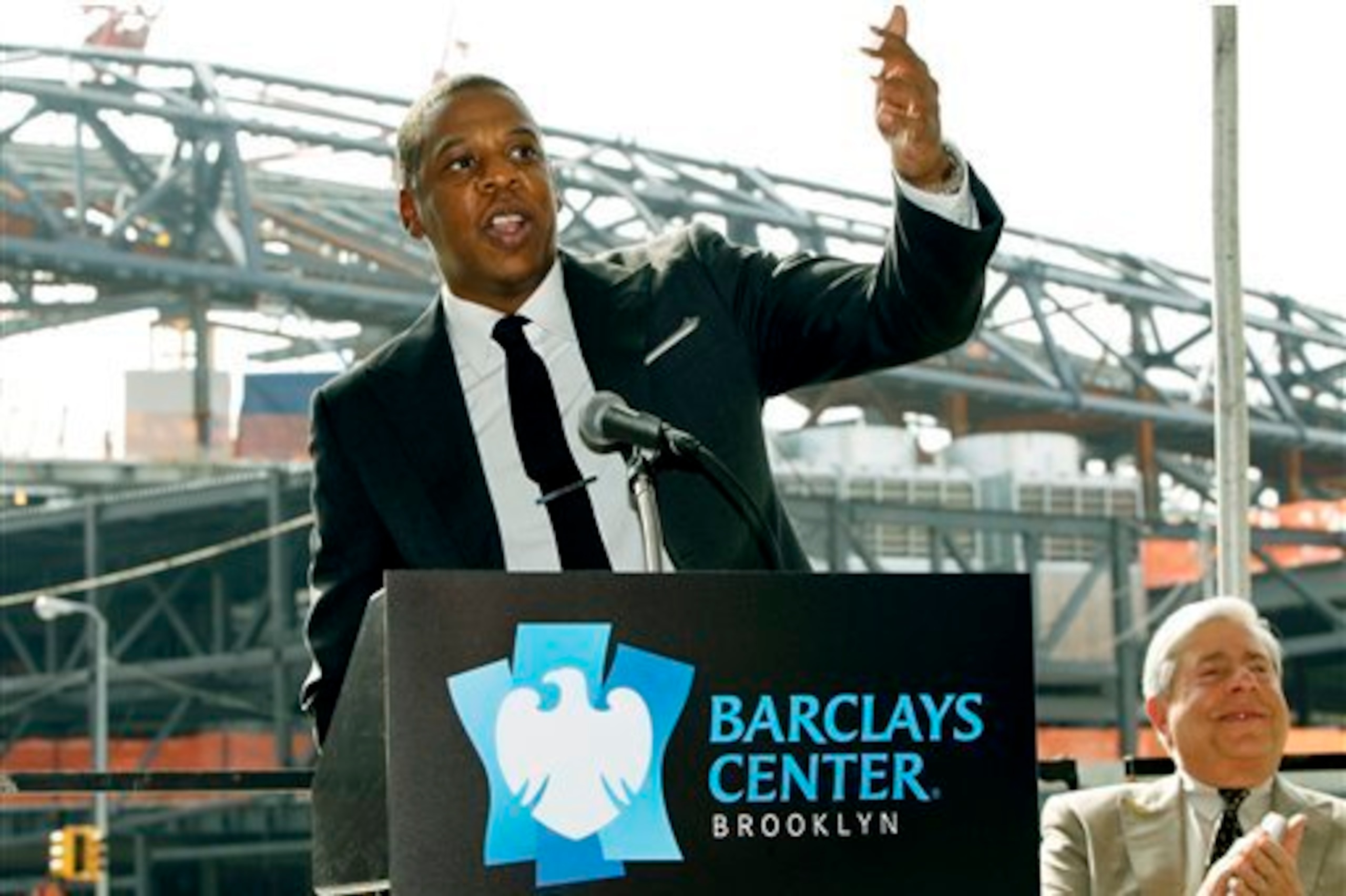
Which is what makes Brooklyn’s branding efforts—black and white the stark schematic of a borough steeped in them—so important to their fanbase foothold. In bringing aboard Jay Z as a kind of Brandmaster In Chief, the Nets staked their claim to a very particular distinction: We’re cool; the Knicks are not.
That kind of PR pot stirring may have paid dividends in the early days of Brooklyn’s renaissance, but unless the team can strike a better balance between Prokhorov’s bottomless bank account and the actual wages of wins, those returns are bound to bottom out.
It certainly doesn’t help when your team’s best player, Williams, openly sounds off on his decided disdain for living in the Big Apple, as he did in a recent interview with Resident.com’s Rory Winston:
"I’m not going to lie. I don’t really feel so much like a New Yorker. I grew up in an apartment in Texas where you could send your kids outside like ‘yeah, go play in the sun.’ Here it’s more challenging…Truth is, we enjoy getting away from the hustle and bustle and going back to Utah every summer. It’s a relief to take that timeout. No traffic. No crowds.
"
There’s nothing revolutionary about NBA players ditching their 9-to-5 digs for the summer comforts of home, of course. Still, Williams’ quotes speak to a disconnect Brooklyn’s brass can’t afford to have become the norm—the restless uncertainty of players who understand very clearly the difference between the pressure upon them and the prospects before them.

With Lopez back in the fold and a solid core at his disposal, Hollins should manage to keep Brooklyn on a steady diet of postseason appearances. In a still-shaky Eastern Conference, not even a deep playoff run is out of the realm of possibility.
Solid as this Nets team will no doubt be, though, the invigorating bombast of Brooklyn’s initial New York arrival has since assumed the fate of so much sound and fury. And though Prokhorov has thus far seemed more than willing to raid his own war chest, sooner or later even he—like any good businessman—will want to see some sort of spike in returns.
Being a basketball borough through and through, Brooklyn’s love affair with the Nets has every chance of finding deeper, more matrimonial roots. So long as too many years of wandering front-office eyes—for fleeting talent and cheap thrills—doesn’t kill the magic first.


.jpg?w=2560 "Viral Rams Coach Vid 🖕")
.jpg?w=2560 "Injury-stricken Seahawks signing veteran RB")
.jpg?w=2560 "Grading WWE Raw 🔠")
.jpg?w=2560 "2 NFL Officials Suspended")
.jpg?w=2560 "Mahomes' Wife Trolls Kubiak 💀")
