
Biggest Winners and Losers of the 2023 MLB All-Star Rosters
They're by no means final just yet, but for now the 32-man rosters for the 2023 Major League Baseball All-Star Game are set.
What's say we react accordingly with a look at the biggest winners and losers from the setting of said rosters?
Two notable teams fall under the latter umbrella, though it's otherwise a window rant about snubs before some of them replace other players who won't participate on July 11 at Seattle's T-Mobile Park because of injuries and whatnot. The winners, meanwhile, cover pleasant surprises and other similarly gratifying storylines.
Let's get to it.
Winner: Atlanta
1 of 8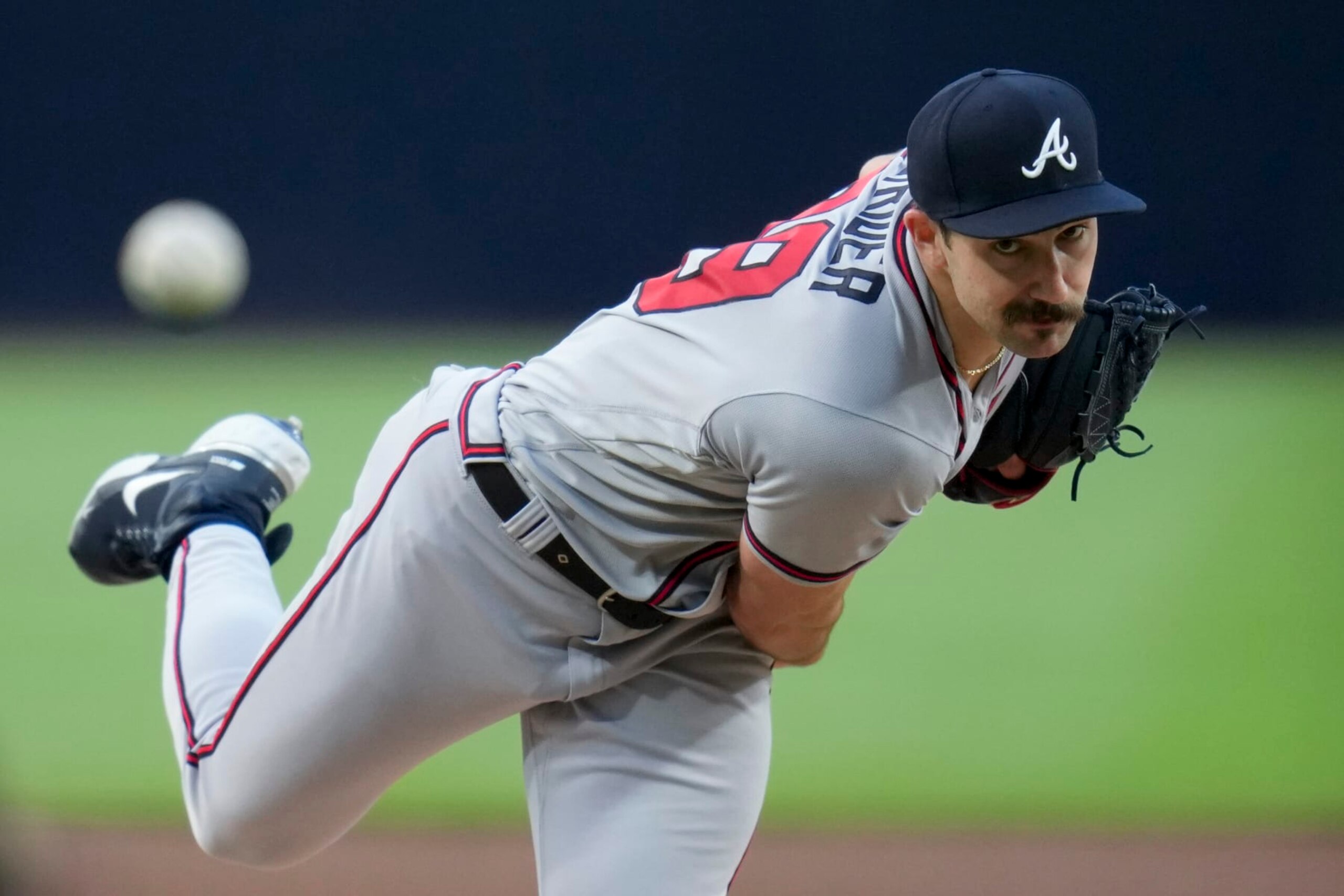
Let's all just try to contain our collective shock that the team with the best record in MLB is also the one with the most All-Stars.
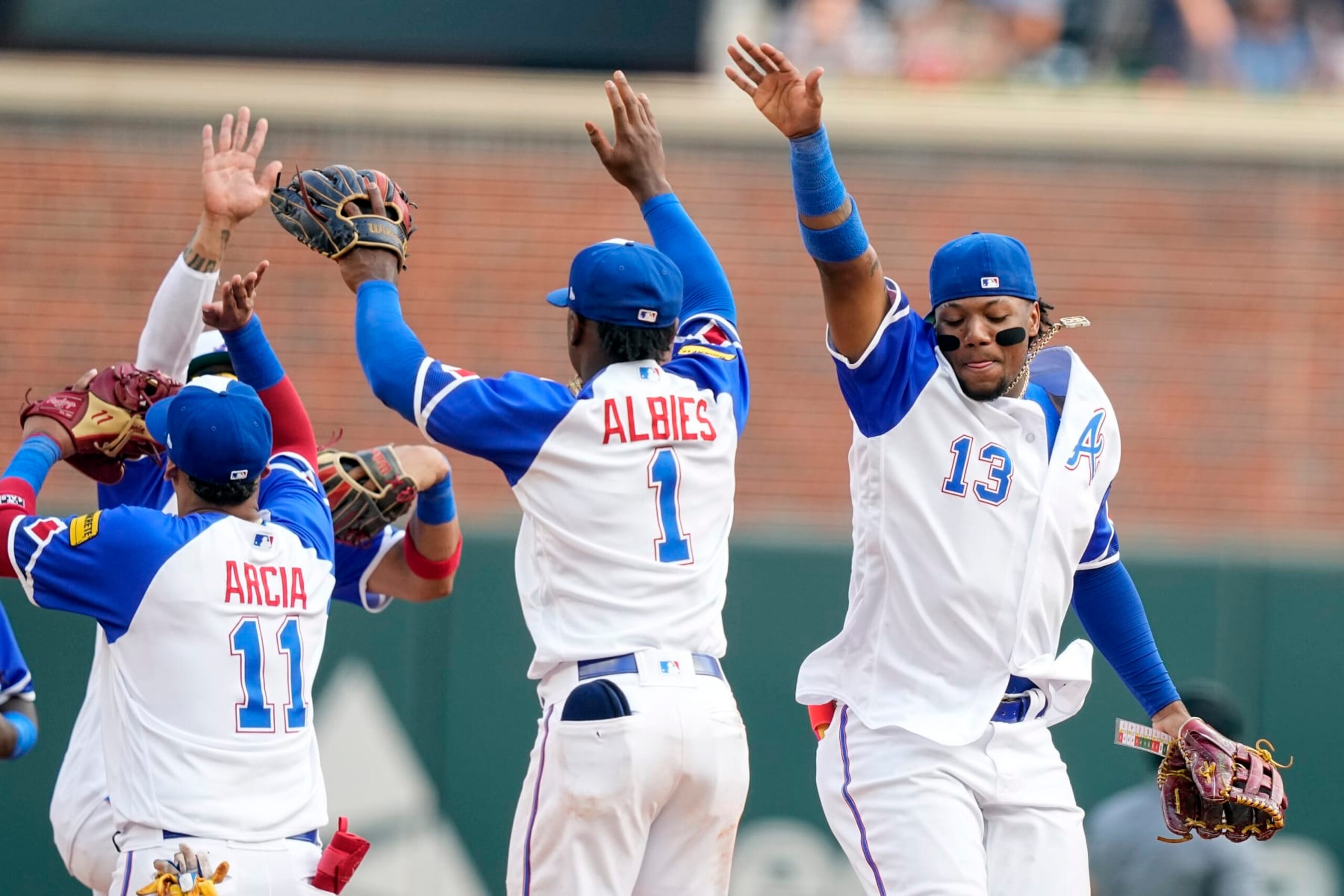
This would be Atlanta, whose latest eight-game winning streak has pushed their record to 56-27. The National League All-Star team will feature a franchise-record eight of their players, including right fielder Ronald Acuña Jr., catcher Sean Murphy and the club's entire starting infield.
Arguably an even better testament to Atlanta's organizational excellence is the first-time selections of Spencer Strider and Bryce Elder. The club picked the two hurlers in the fourth and fifth rounds of the 2020 draft, which was supposed to be a crapshoot at a time when the entire baseball world had been uprooted by the COVID-19 pandemic.
"That was probably the best [All-Star selection] I've been a part of and I've been part of some cool things," manager Brian Snitker said, according to MLB.com's Mark Bowman. "To have eight guys is really something special for the organization."
Losers: New York Mets and Philadelphia Phillies
2 of 8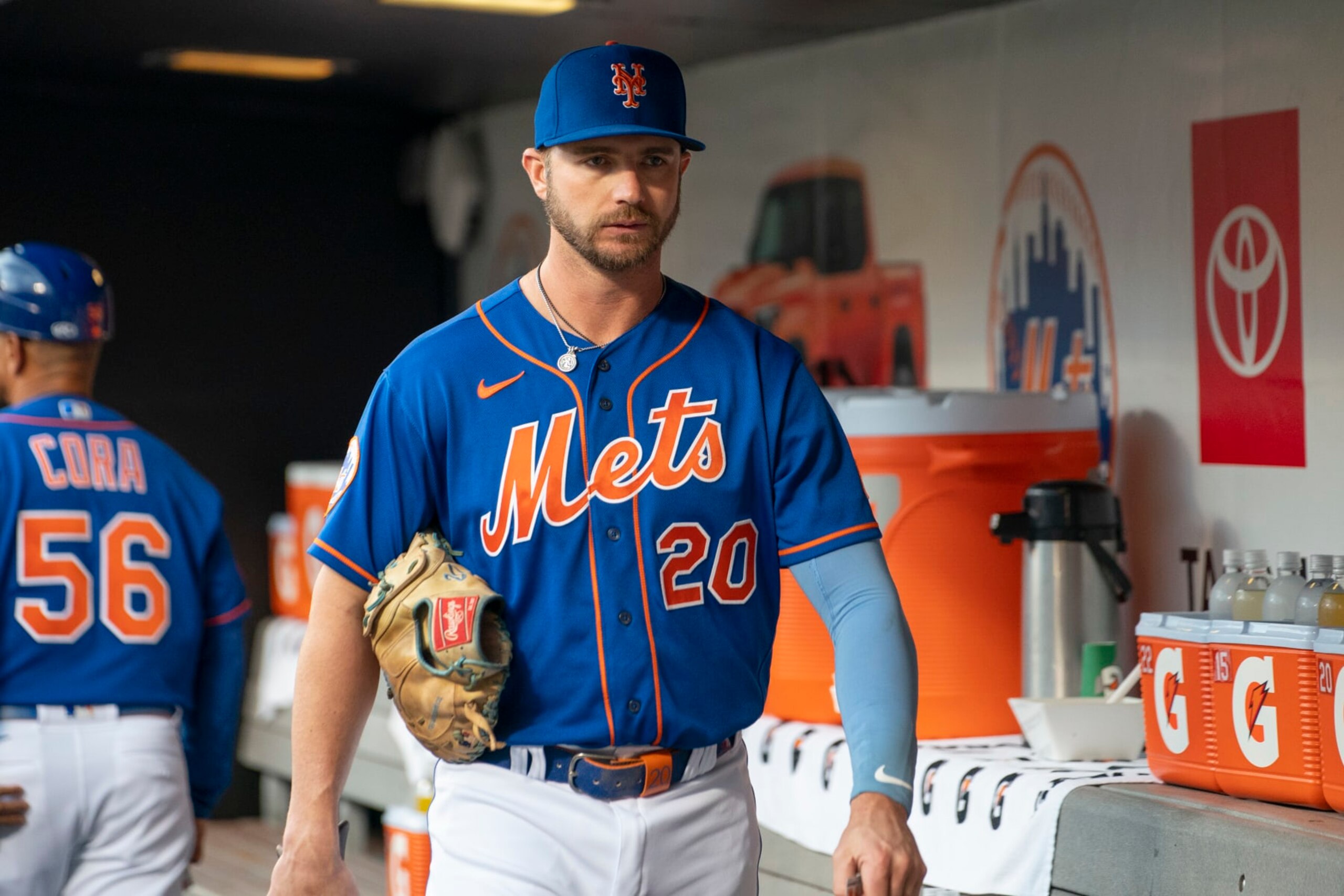
Elsewhere in the National League East is where you'll find the New York Mets and Philadelphia Phillies, whose first- and fourth-ranked payrolls add up to nearly $600 million.
You'd think that kind of money would buy more than two All-Stars but, well, apparently not.
This is to take nothing away from Pete Alonso and Nick Castellanos, mind you. Neither was purely a sympathy pick for the NL All-Star squad, as Alonso has 25 home runs and Castellanos is batting .316. It's also true that other members of the Mets and Phillies (i.e., Brandons Nimmo and Marsh) can claim to have been snubbed.
That Alonso and Castellanos are their respective clubs' lone representatives for now nonetheless speaks to how much has gone awry for the Phillies, who are 44-39, and especially for the Mets, who are 38-46. Whereas both were seen as World Series contenders coming into the season, neither is on track to so much as qualify for a wild-card spot.
Winner: Baltimore Orioles
3 of 8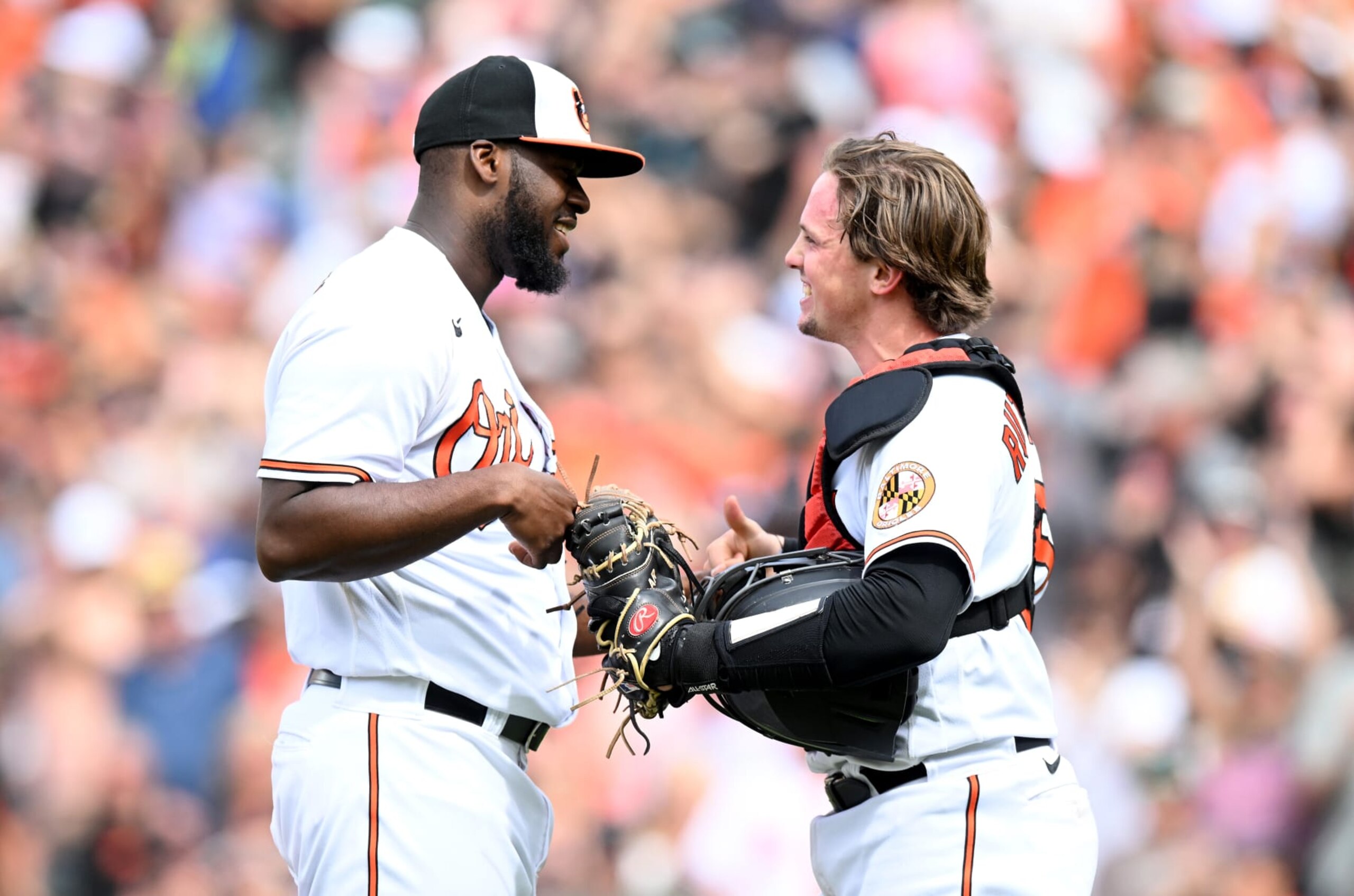
Given that they'll be represented by a league-high six players on the American League All-Star squad, this space should perhaps belong to the Texas Rangers.
But as we were perusing the list of the highest payrolls in MLB, the thought that occurred is that it's pretty danged cool that the team in the No. 29 slot happens to be one with four All-Stars who are all first-timers, to boot.
All-Stardom was probably inevitable for Austin Hays, formerly a top prospect, and certainly inevitable for Adley Rutschman, formerly Baltimore's No. 1 pick in 2019 and one of baseball's most productive all-around players over the last year.
But similar to Strider and Elder in Atlanta, the Orioles should feel especially proud of the selections of relievers Yennier Cano and Félix Bautista. Their names were far from the household variety upon their arrivals in Baltimore, yet you can now find them at the very top of the wins above replacement leaderboard for AL relievers.

.jpg?w=2560)

Losers: Matt Chapman and Kevin Kiermaier
4 of 8
Sticking in the American League East, Matt Chapman and Kevin Kiermaier had every reason to be bullish on their All-Star prospects after fans tabbed them as finalists for the American League's starting lineup.
In the end, though, neither Toronto Blue Jays star so much as made it onto the AL's bench.
It's not for lack of numbers that neither made the cut, and particularly where Chapman is concerned. Though he's cooled somewhat since a red-hot April, he still boasts an AL-high 27 doubles and the most rWAR of any third baseman not named José Ramírez.
Yet Kiermaier's snub is the bigger bummer. If the three-time Gold Glover was ever going to be an All-Star for the first time in his 11-year career, it figured to be amid a year in which he was also having one of his best offensive seasons. Unless he gets named as a replacement, it's wait 'til next year once again for the 33-year-old veteran.
Winner: Brent Rooker
5 of 8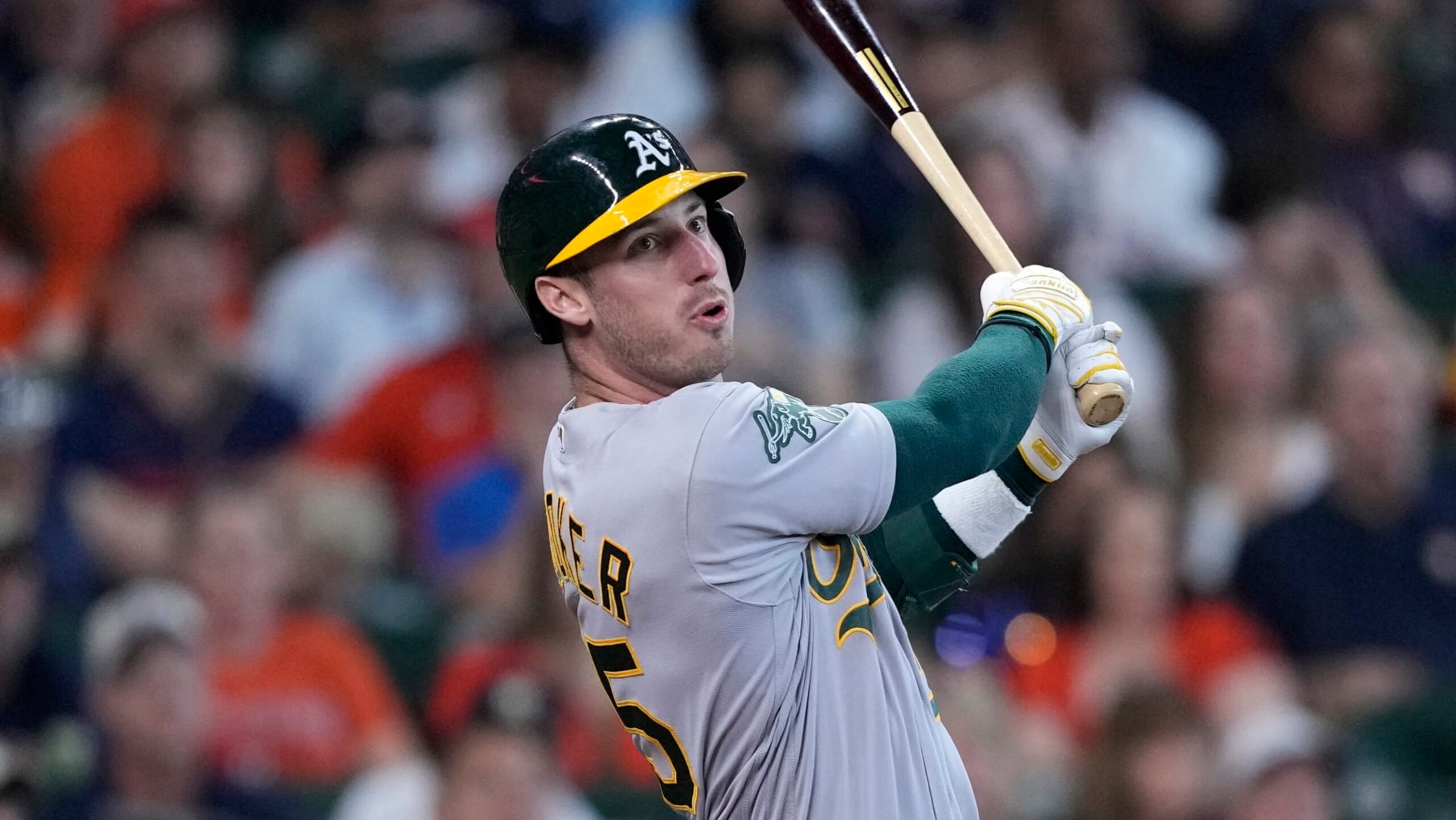
Last year didn't give Brent Rooker many chances to get settled. He was traded in April and again in August, and later designated for assignment in November.
Just a few short months later, the 28-year-old finds himself having graduated from anonymous journeyman to All-Star.
Go ahead and make your jokes about the 23-63 Oakland Athletics having to send somebody to the All-Star Game, but Rooker has earned it. Though his numbers have tumbled since he put up a 1.245 OPS in April, he's still been 32 percent better than the average hitter overall.
How Rooker was named an All-Star is not to be overlooked either. He has a ticket to Seattle not because MLB Commissioner Rob Manfred handpicked him, but because he was voted in by his peers on the Players Ballot.
Loser: Wander Franco
6 of 8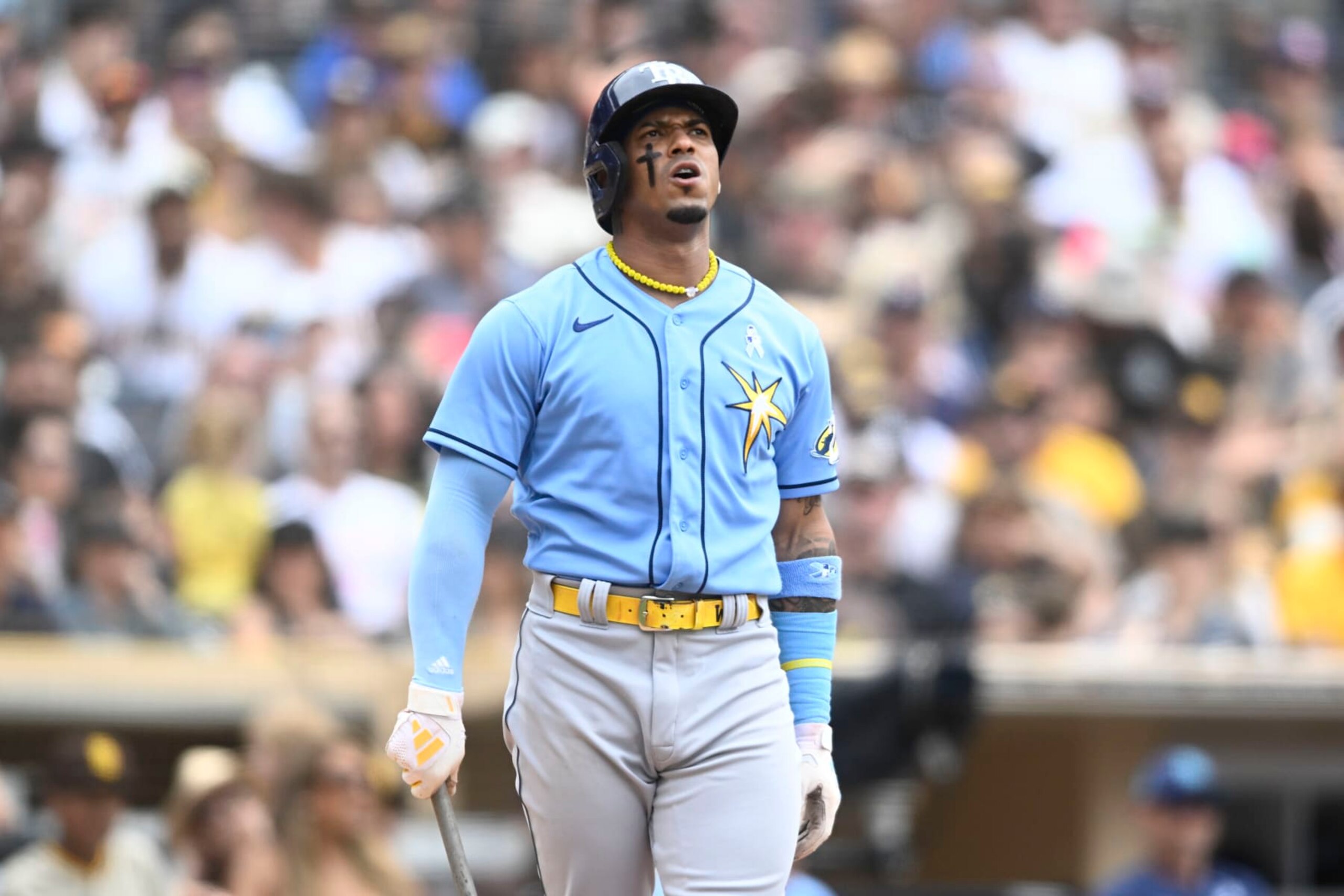
The best player in the American League is obviously Shohei Ohtani. And he's going to be there in Seattle on July 11, both as a pitcher and as a hitter for the third time in as many years.
If the question is who's the second-best player in the American League right now, Wander Franco has a good case. He's playing a terrific shortstop for the Tampa Bay Rays and also hitting .283 with 26 stolen bases. Thus, he leads all AL batsmen in wins above replacement.
Hence this next question: Why is the 22-year-old not an All-Star?
Unless the Rays were acting on behalf of the entire league when they benched Franco for a couple games to teach him a lesson about his attitude, there are no good answers. He got snubbed, plain and simple.
Winner: Josiah Gray
7 of 8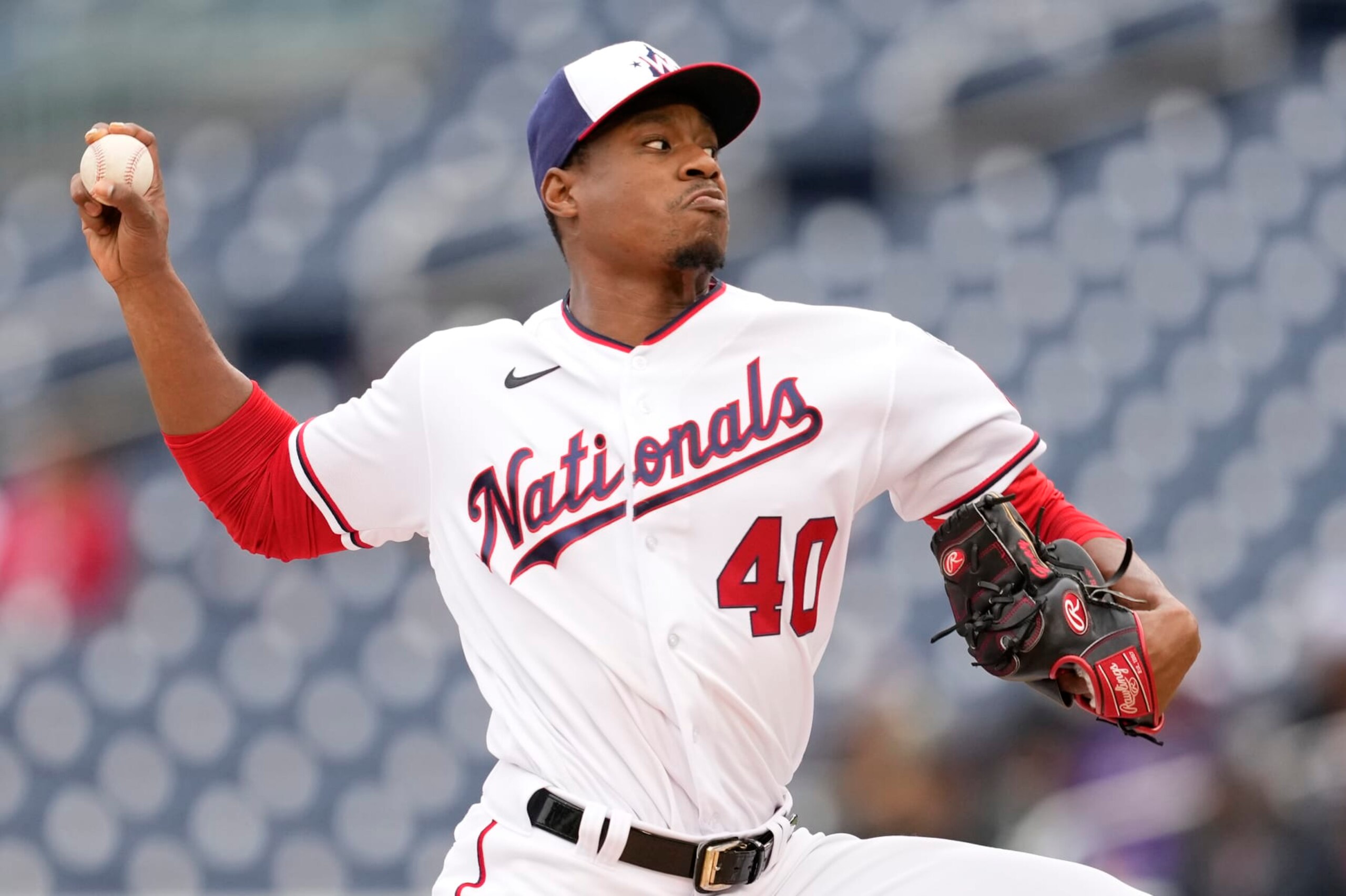
So, about Josiah Gray. He was bad in 2022. As in, "5.02 ERA" bad. And maybe even more to the point, "led the National League in walks and home runs allowed" bad.
Well, now he's good. As in, "2023 All-Star" good.
Granted, Gray is headed to Seattle in part because the 34-49 Washington Nationals had to have at least one representative. But it has more to do with how much the man himself has improved since last year, which is easily seen in his diminished home run rate and 3.30 ERA.
"We talk about Josiah all the time and what he's done and how much he's matured," Nats manager Dave Martinez said, per Paul Casella of MLB.com. "But this is big for one of our young players. Proud of him. He's getting better. Every time out there, he's getting better."
Loser: Fernando Tatis Jr.
8 of 8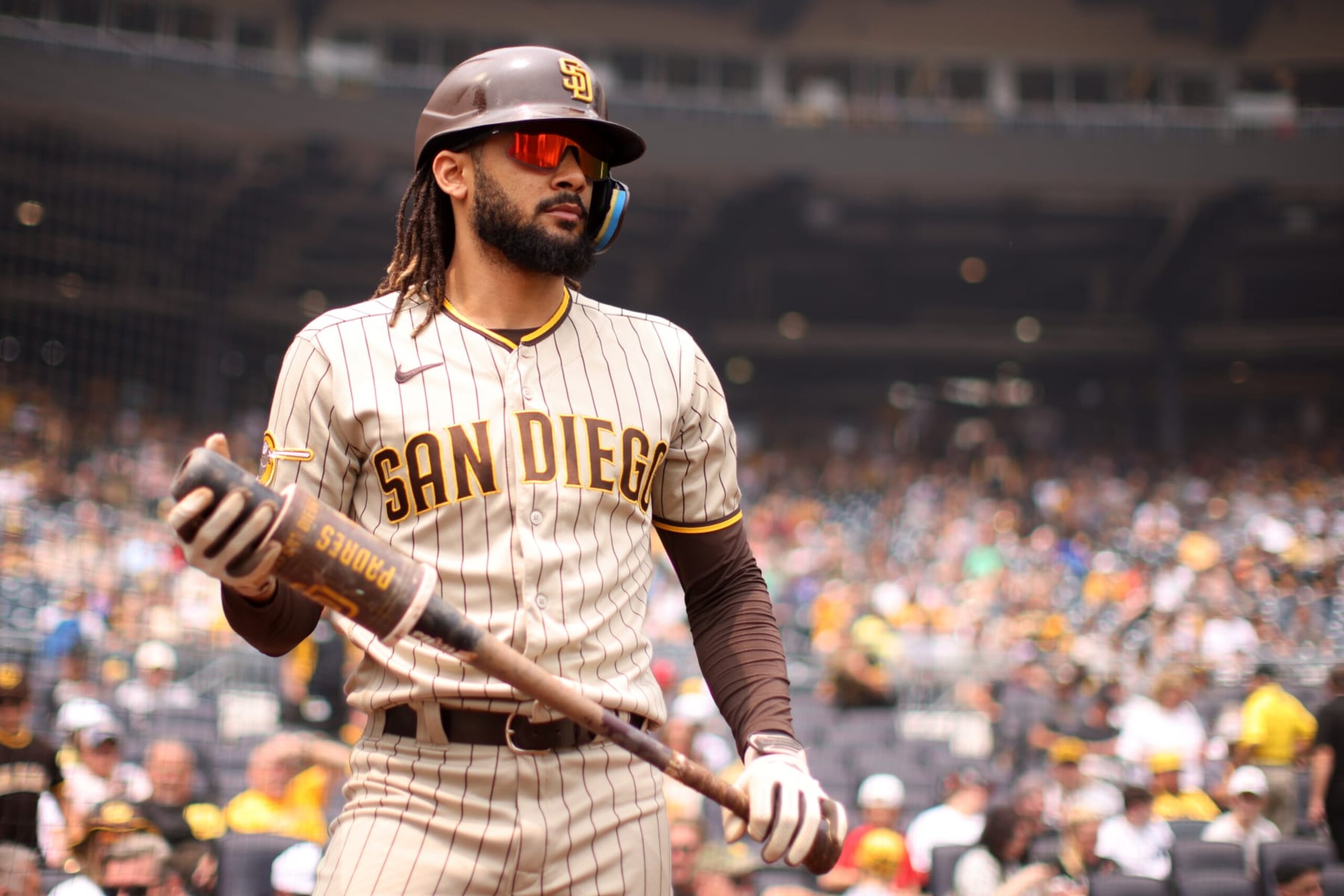
Whereas Franco's snub from the AL All-Stars was a true shocker, it's not terribly surprising that Fernando Tatis Jr. didn't make the National League squad. Though his debt is technically paid, grudges against performance-enhancing drug users have been known to die hard.
But what if we told you that the San Diego Padres star has been one of the NL's two best hitters since he returned from his suspension on April 20? At least according to FanGraphs' version of WAR, it's true.
What if we also told you that, regardless of time frame, Tatis has been one of the five best outfielders of 2023? Per Baseball Reference's version of wins above replacement, this is likewise true.
These things track with the .867 OPS, 16 homers and 14 steals on Tatis' record, not to mention his spectacular work in right field. And as such, the notion that the National League All-Star team is worse off without him should also track.
Stats courtesy of Baseball Reference, FanGraphs and Baseball Savant.

.jpg?w=2560 "Cam Ward Says He's Not A Loser")
.jpg?w=2560 "🚨 Texans Trade for MHJ")
.jpg?w=2560 "Chargers Fall to 0-5 🤢")
.jpg?w=2560 "Grading MHJ Trade 📝")

.jpg?w=2560 "MHJ Bought Own Jugs Machine")