

Football's Foundations Are Being Turned to Quicksand by a Culture of Sackings
Football has never been a serene or forgiving environment, not even during the season for giving.
So when Les Reed was sacked by Charlton Athletic on Christmas Eve in 2006, having presided over five defeats in seven games and with his team bottom of the Premier League, one might have thought the man labelled Les Miserable and Santa Clueless by a baying, festive-less media would have seen it coming.
Reed's predecessor, Iain Dowie—in what was a chaotic autumn for Charlton—had lasted only 15 games before being axed, departing in November with the club propping up the table despite having forked out a transfer-window record £11 million in the summer.
.png?w=2560 "FC Barcelona v Real Madrid CF - LaLiga")

It’s Reed’s tenure that most catches the eye, though; at 41 days, it makes his the quickest sacking of the Premier League era. Merry Christmas, Les. Have a good one.
Ten years later, a culture of sackings is changing football and also the way in which fans and the media interact with the game and with each other.
Dismissing a manager is no longer a last resort, and as observers we have had our expectations evolved and our vocabulary adapted to account for its burgeoning frequency. Demand for change whips up on the terraces because supporters have become accustomed to the quick fix, and the whole thing swiftly becomes something circular and self-fulfilling.
This week, former Liverpool and Germany midfielder Dietmar Hamann spoke to TalkSport about Jose Mourinho’s Manchester United future with a foreboding tone of inevitability that would have seemed absurd—obscene even—weeks ago.
The media, in truth, are never responsible for getting any manager of a club side the sack, and it feels rare that supporter pressure truly forces a chairman’s hand. But there’s a feeling now that we are locked inside a culture of impatience and ruthless entitlement in which the full range of the football spectrum is complicit.
Something rotten is at work, and the game is changing. It should be of concern to anyone who holds a stake.
Charlton were relegated at the end of 2006/07, a misfortune they are still struggling to recover from 10 years later. Reed was one of seven Premier League sackings that year, and of the clubs who ditched their coach, all but one have suffered at least one relegation in the decade since, with Manchester City the only exception.
The total number of top-flight sackings actually dropped over the next two seasons but then continued to rise year on year until 2014. The Championship saw the number of sackings double between 2013/14 and 2014/15. Damning stats one and all, but they’re suggestive of an industry built on quicksand when taken collectively.
In the last 10 years, the collective number of relegations suffered by every team that changed manager in the 2006/07 season—either through a sacking or a resignation—is 15, while the total number of subsequent managerial changes made by the same group (discounting caretaker appointments) is 61, after Wigan Athletic announced they had sacked Gary Caldwell on Tuesday.
Who wins and who loses inside the managerial swap shop—those who stick or those who twist—remains anyone’s guess.
The current top seven sides in the Premier League have kept managers in their jobs for an average of 2.7 years in the last two decades, while the other 13 have given an average tenancy of just over 1.5 years.
So does sticking by a manager encourage success, as these numbers would seem to suggest? Surely that success comes from the top sides’ increased spending power, which in turn makes a change at the top feel less necessary?
Off the back of this, it doesn’t seem absurd to question whether the Premier League would even look much different if no club had made a change at the top in the last 10 years, at which point the process starts to feel more than a little existentially pointless.
Every Premier League fan with even an ounce of cynicism will have their own pick as to what exactly about the last 24-and-a-half years of change has contributed most to altering the game for the worse.
But the cumulative effect of seemingly endless wealth washing into top-level football has been that clubs’ decision-making processes have been flipped on their head.
Today, football is dominated by top-down thinking, the belief that the most effective way to impart change is to install someone with new ideas into the top job where influence is most concentrated, rather than work upwards from the foundations where collaboration is paramount.
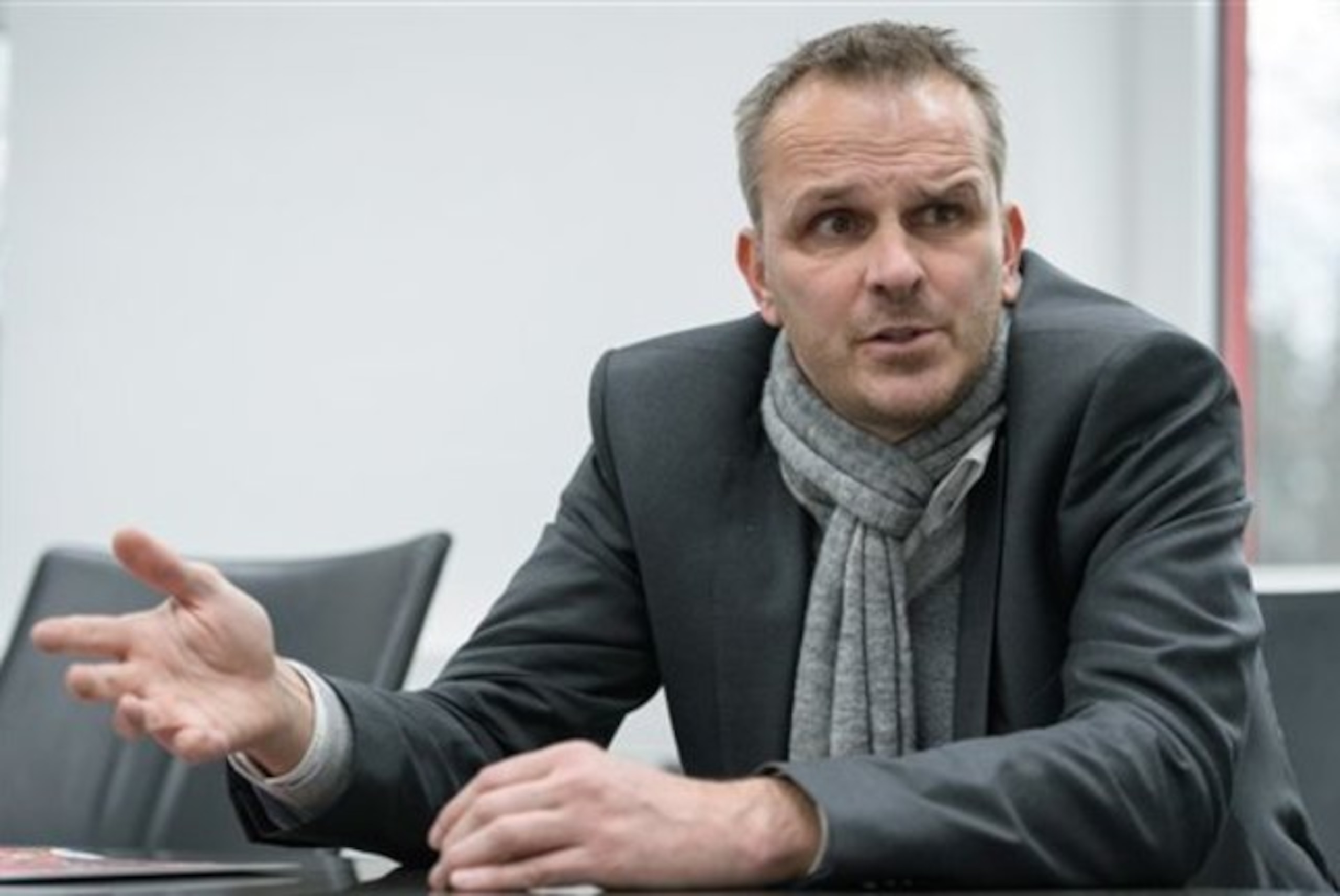
Hamann’s words aren’t the cause of a problem, nor do they even really contribute much to one. But the attitude itself is the product of a culture of quick, uncritical thinking, and that cuts across the media and supporter groups alike, primarily because it is as easy to consume as it is to manufacture. It’s a troubling reliance upon what is most easily within reach.
To give Hamann his due, there is always some deeper analysis on which the harbingers base their doom-mongering, and this was true for United on Sunday.
Nobody who watched Chris Smalling and Daley Blind dither and stumble over the through ball that allowed Pedro to score after 30 seconds should doubt that there is something clogging up the minds of Mourinho’s players.
This was a frustrated, truculent showing from United, eschewing any virtues posed by a noticeable game plan such as was observed so impressively by their opponents; the Red Devils instead huffed around Stamford Bridge like recalcitrant adolescents who believe that the world is against them.
Irrefutably, that comes from the manager. There seems to be little more communication between Mourinho and his players than there was the previous time he managed a side at Stamford Bridge; whatever scrutiny falls on the manager during this extended period of staleness from United is not much more than is fair and to be expected.
It’s worth saying also that there seems little to no chance of Mourinho being given the chop now or at any time this season, notwithstanding the kind of collapse his Chelsea team suffered last year.
United executive vice-chairman Ed Woodward showed himself to have the patience of a saint in standing by Louis van Gaal during the desperate winter of 2015/16, even if there was something in the report from Jonathan Northcroft of the Sunday Times that the Dutchman was being persuaded to stick it out until Ryan Giggs was ready for the job.

There does still seem to be a genuine desire at United to pursue the kind of long-term strategies and stability that Sir Alex Ferguson’s 26-year reign made so appealing, if not in the scattergun transfer policy then in terms of appointments.
Van Gaal’s dismissal, remember, came two years into a three-year deal, after he had intimated more than once that he intended to spend the original duration of his contract at Old Trafford and when a wholly suitable alternative had come unexpectedly on to the market. Mourinho will be given time.
But across the Premier League—and alarmingly in the Championship—there is a perceived impatience among fans that makes club owners feel like they need to be seen to be taking action when things aren’t going well, instead of allowing the man they have appointed to just get on with his job.
Part of that job is to build a squad he feels comfortable working with, not making a handful of expensive additions before being shown the door to leave someone else to come in and repeat the cycle.
Les Miserable found out the hard way that the bell has tolled on the long game in football. It seems a matter not of if, but of who will be following in his footsteps to the unemployment line as another Christmas nears.
All quotes, stats and information secured firsthand unless otherwise indicated

.jpg?w=2560 "🚨 LIONS GIVE GIBBS RECORD DEAL")


.png?w=2560 "CJGJ Fired Up to Face Texans😤")
.jpg?w=2560 "Larry Fitzgerald Not Retired 😅")
.jpg?w=2560 "NFL Suspends Saints WR")
.jpg?w=2560 "Tomlin Makes TV Debut 📺")
