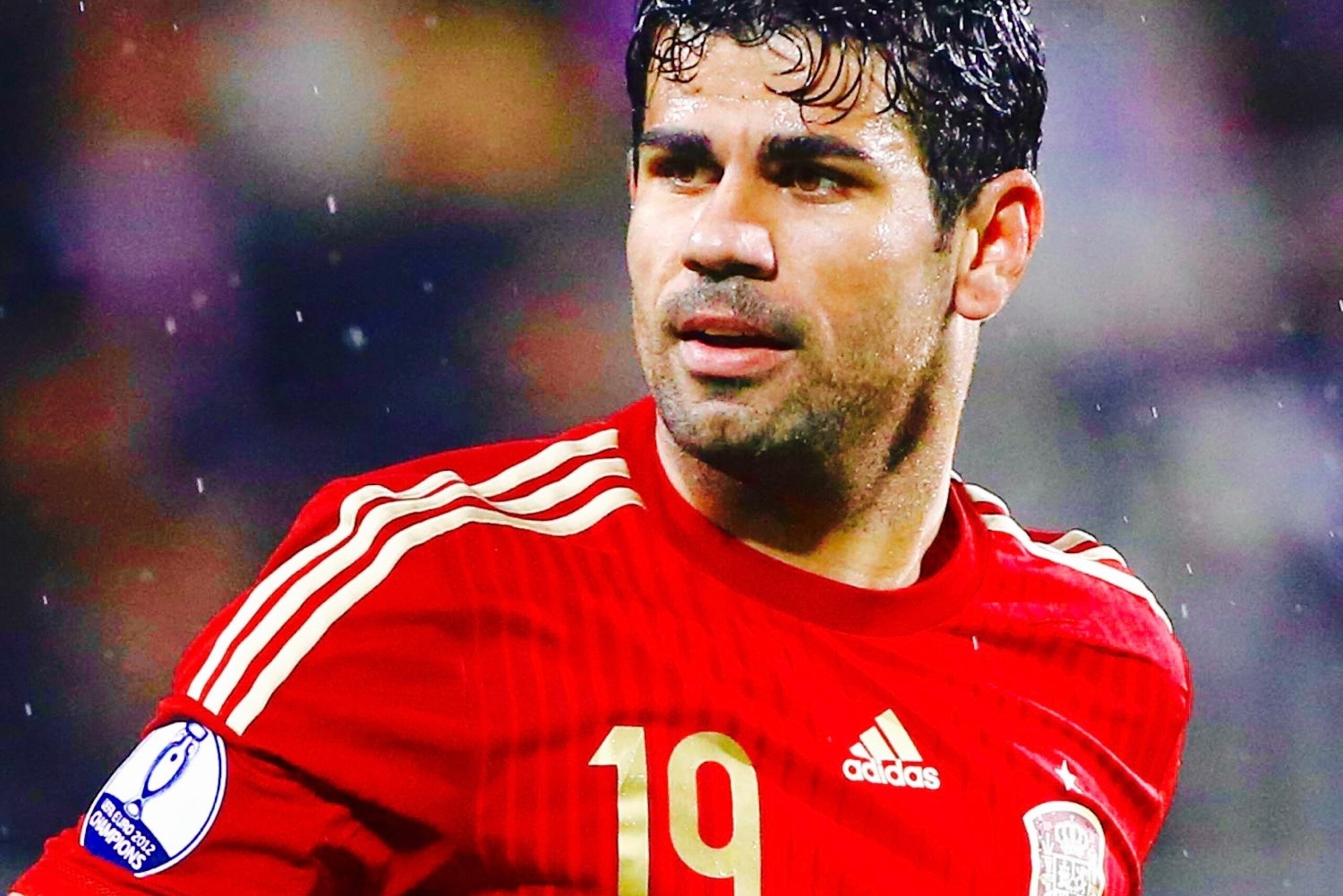

Weekly Why: Diego Costa, FIFA's International Laws and the Myth of Nationality
Welcome to Bleacher Report's Weekly Why, a place where we discuss world football's biggest questions that may go neglected and/or avoided. Ranging from the jovial to the melancholic, no subject matter is deemed off limits.
Why Are International Football's Rules So Loose?
I don't really like writing about things an international break inspires. It's almost tacit complicity, as if my writing validates its presence, that I'm fine not having club football. Well, I'm not; no Premier League or UEFA Champions League football for upwards of two weeks starts a form of withdrawal.

.jpg?w=2560)
I can't be the only one, but we'll make do with what we have.
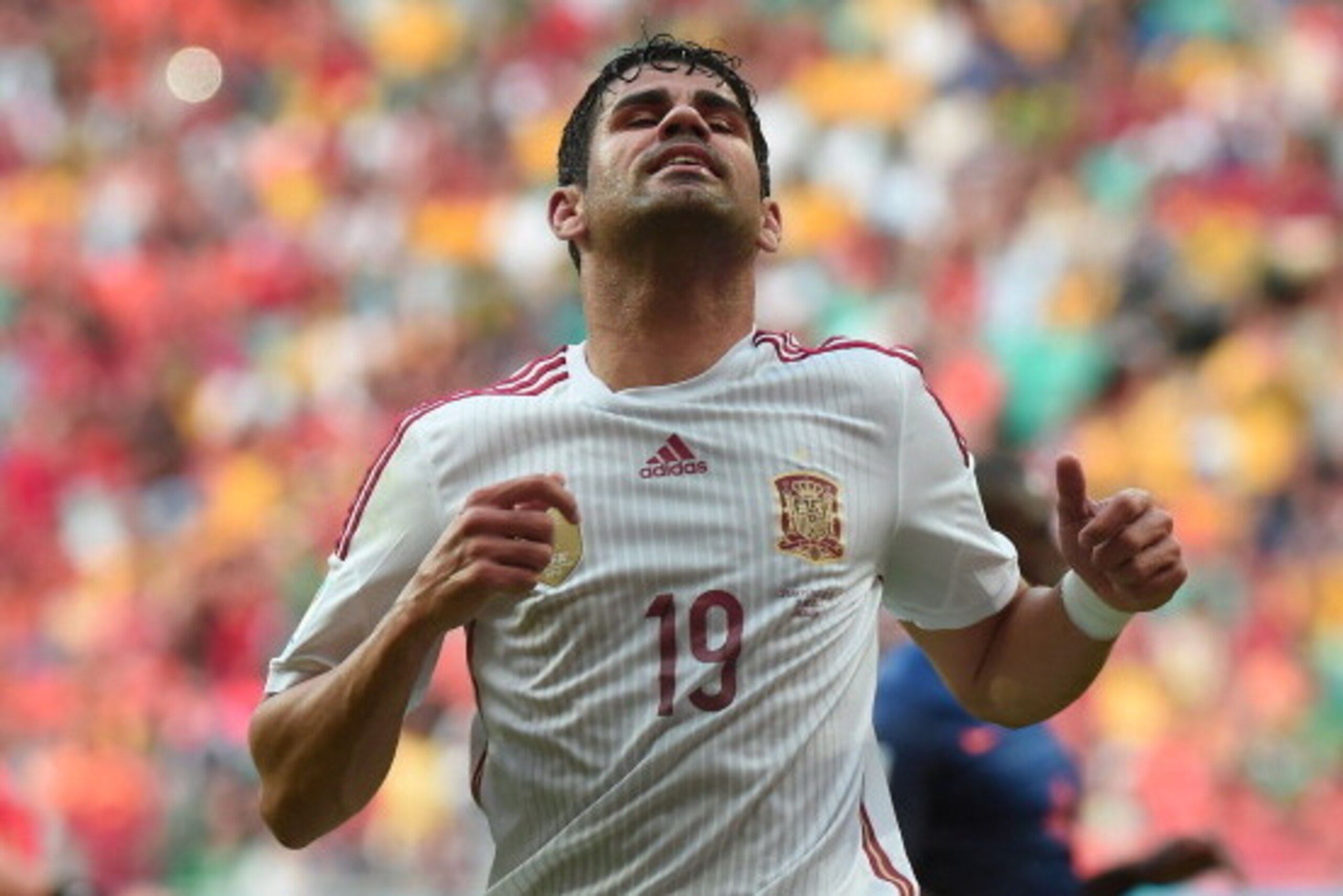
When Chelsea's Diego Costa aggravated a thigh injury against Paris Saint-Germain—and was substituted—many thought he would be rested until after the international break, but three days later the 27-year-old featured in the FA Cup vs. Everton. Receiving his first red card in English football (surprising as that may seem), he missed the Blues' next league match vs. West Ham United.
The injury was not as severe as first worried, hence Costa playing for Spain vs. Italy and Romania looked an absolute certainty. Except it wasn't.
Manager Vicente del Bosque left his best available striker off Spain's 23-man roster. Per the Daily Mail's Richard Arrowsmith, Del Bosque told reporters Costa's absence was "due to a quadriceps injury not his on-field temperament," but given his FA Cup appearance (and "rest" vs. West Ham), the decision was rather odd.
On Costa's official Instagram account, he posted a picture of himself in his native Brazil—specifically his hometown of Lagarto—apparently making the best use of this would-be holiday.
The photo, in conjunction with his Spanish omission, got me thinking: Would the capricious centre-forward have been better off plying his international game for Brazil?
It's a tricky question.
For the better part of five years, Brazil had opportunities to play Costa and elected to play Fred and Jo. Assuming the forward's pride is as mammoth as his temper, seeing that calibre of striker chosen above him probably soured his opinion of the Selecao—making him seek greener pastures elsewhere.
Playing in two friendlies for Brazil, Costa decided in 2013 he wanted to represent Spain. FIFA's international law allows players with multiple nationalities to represent multiple nations, provided the matches are friendlies. Once entered into an "official match," though, one's international career is locked.
Then-Brazil manager Luiz Felipe Scolari told reporters, via the Telegraph's Jason Burt: "A Brazilian player who refuses to wear the shirt of the Brazilian national team and compete in a World Cup in your country is automatically withdrawn. He is turning his back on a dream of millions, to represent our national team, the five-time [World Cup champions] in Brazil."
Had Scolari used Costa in more than friendlies prior to his decision, maybe what transpired at the 2014 World Cup wouldn't have happened—that being Costa receiving boos for Spain and Brazil relying on less-than-enviable striking options.

"1 - Aritz Aduriz has scored one goal in his second appearance for Spain, as many as Diego Costa in his 10 games. Instinct.
— OptaJose (@OptaJose) March 24, 2016"

What's done is done, and Costa's international career is settled, but I can't help feeling neither party has benefited.
Brazil have all the creative talent necessary to be an international force; Neymar, Douglas Costa and Willian would strike fear into any defence. Add Costa to that trio and manager Dunga has the makings of something special.
Spain aren't prepared to play like Costa prefers. Years spent with David Villa and/or Fernando Torres perfecting "tiki-taka" football cannot exactly be abandoned because their best centre-forward option is more battering ram than ballet dancer. Possible evidence being: In 10 Spain caps, Costa has only scored once—against perennial European powerhouse Luxembourg.
Moreover, international football requires more cohesion than club football. Nations have styles of play. Youngsters are schooled from birth to learn what that style is. Of course, idiosyncrasies exist from player to player, but they are tailored to whichever country's desire.
This concept, for example, helps explains Lionel Messi's occasional international struggles. Coming from his schooling in Spanish football, switching gears when he enters Argentina's national side isn't quite plug-and-play. Even for the world's best footballer, there appears to be situational incompatibility.
Argentinian football isn't based on Spanish football, but Messi's game is unmistakably linked with Spain. Were Barcelona's talisman playing internationally for La Furia Roja, I'm not sure they'd ever lose a match—the same can't be said for Argentina, even though their talent (on paper) could be argued as Earth's best.

The question, for which I don't have an answer, is: Why does FIFA allow players to swap nationalities?
If there are extraordinary circumstances (I'm thinking civil war, etc.), then fine, but "just because I feel like it" doesn't float my boat.
It makes the concept of nationality a myth. This is FIFA after all, so maybe I'm questioning why water is wet, but I've never understood this practice.
This doesn't even touch national federations scouring the globe for young talent, figuring out where their parents or grandparents are from. I remember hearing Everton's Ross Barkley was approached by Nigeria because his grandfather was Nigerian and laughing at the prospect of watching a Barkley and John Obi Mikel midfield partnership for the Super Eagles.
As it stands, FIFA's laws allow players to move wherever they like and wear whatever colours they choose. I'm all for player power and taking advantage of football's loopholes, just not this one. Where you are born (provided your parents live there also) should be where you play your international football.
Must everything be complicated?
Unfortunately, I'm starting to think it is.
Last Weekly: Marcus Rashford, Dele Alli, Bertrand Traore and Youth's Expectation | Why Aren't Young Footballers More Protected?
*Stats via WhoScored.com; transfer fees via Soccerbase where not noted.

.jpg?w=2560 "Rams Eagles Football")

.jpg?w=2560 "Injury-stricken Seahawks signing veteran RB")
.jpg?w=2560 "Bijan's INSANE 1st Half 🤩")

.jpg?w=2560 "2 NFL Officials Suspended")
