
Weekly Why: Premier League, Jose Mourinho and the 'Sovereignty' of Player Power
Welcome to Bleacher Report's Weekly Why, a place where we discuss world football's biggest questions that may go neglected and/or avoided. Ranging from the jovial to the melancholic, no subject matter is deemed off-limits.
Why Don't Managers Outlast Players?
I don't like where football is headed.
TOP NEWS

Haaland's Latest Troll Post 🤣
Henry Lists NYC Penthouse for $25M
Report: Arteta Gets New Arsenal Deal 🤑
You could tell me: "Daniel, it's been this way since the beginning," and though accurate, who here's bold enough to announce what has been always translates to righteousness?
The existence of a pattern does not necessarily equal the discovery of the truth. The fact that an event happens regularly doesn't mean it's a formula for correctness, it merely tells us that what transpires is—as playwright William Congreve might suggest—the way of the world.
Not just apparent in football, but in all team sports, the concept of player power is inescapable. If a group of players decide among themselves a situation has become untenable, they can, quite easily, find themselves working against their manager's best interest.

In some cases, player power can be principled; one could investigate the University of Missouri in November.
Minority football players, mostly black, told their university they wouldn't participant in any game until graduate student Jonathan Butler ended his hunger strike, amid campus-wide concerns of racial discrimination. Their protest, supported by then-head coach Gary Pinkel, was taken seriously; Missouri president Tim Wolfe (the target of Butler's hunger strike), as documented by the Wall Street Journal's Douglas Belkin and Melissa Korn, resigned before any matches were forfeited.
Thus proving athletes can, in select circumstances, use their collective power for upstanding causes. More often than not, however, that power isn't used for societal gain, rather a tool for usurping their coach/manager's authority.
Since the last edition of Weekly Why, the Premier League has lost (even if only momentarily) one of its most recognisable and controversial brands: Portuguese manager Jose Mourinho.
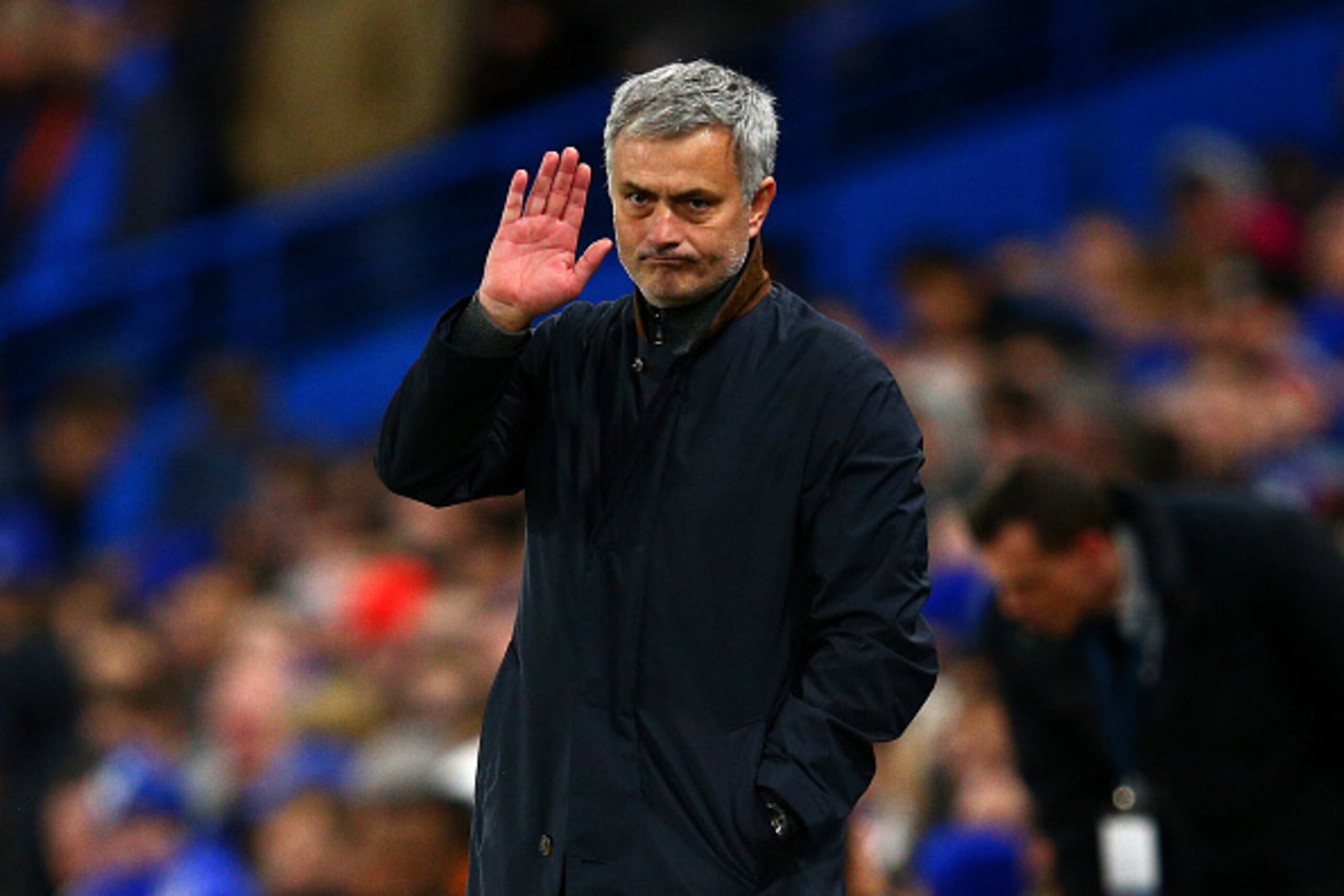
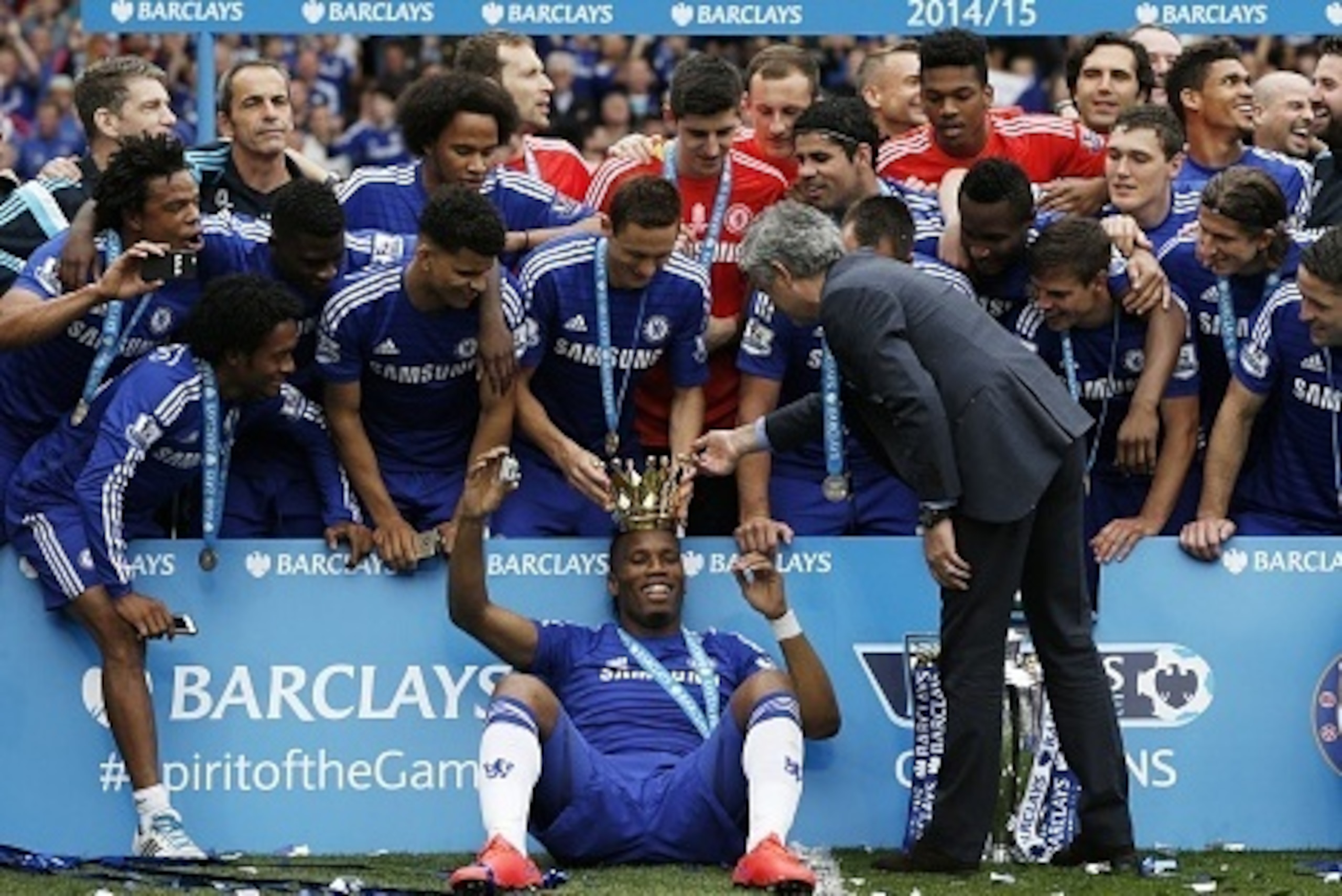
Parting company with Chelsea Football Club—they claim by "mutual consent," we know better—for the second time in eight years, what was meant to be a long-lasting relationship, rebuilt after his 2007 departure and strengthened by last season's domestic double, seemed to crumble in the space of four months.
I pondered for weeks—along with the entire footballing community—why Chelsea struggled so mightily. Harebrained theory after harebrained theory was concocted, almost if buying time, expecting the champions of 2014/15 to show themselves.
They never did.
If football is a meritocracy, which it often claims, losing nine of 16 matches, and positioned 16th in the league table warrants investigation, and possibly removal. On its face, Mourinho's sacking release was justified. Managers are employed to earn results—no matter their methodology. If results evaporate, one's job security does the same.
The issue I have isn't that the sacking split happened, as that's a logical consequence of everything we understand about football; I have questions (no different than before) about why that particular scenario even existed. Those questions extending to Chelsea players.
How can a team that lost four games in all competitions last season—playing 54—morph into bottom-feeders in the space of a summer. It made no sense in August, it made little sense last week, but it makes slightly more sense now.
Occam's razor (though flawed in numerous ways, but handy in others) tells us: In the event of competing theories, the simplest explanation is the preferred choice.
Of all the hypotheses surrounding Chelsea's current predicament, the simplest choice—having stripped every complex detail possible—is not "Mourinho became an inept manager in four months," neither "the defending champions forgot how to play football over the summer."
Our simplest solution is Mourinho's group of players gave up on him.
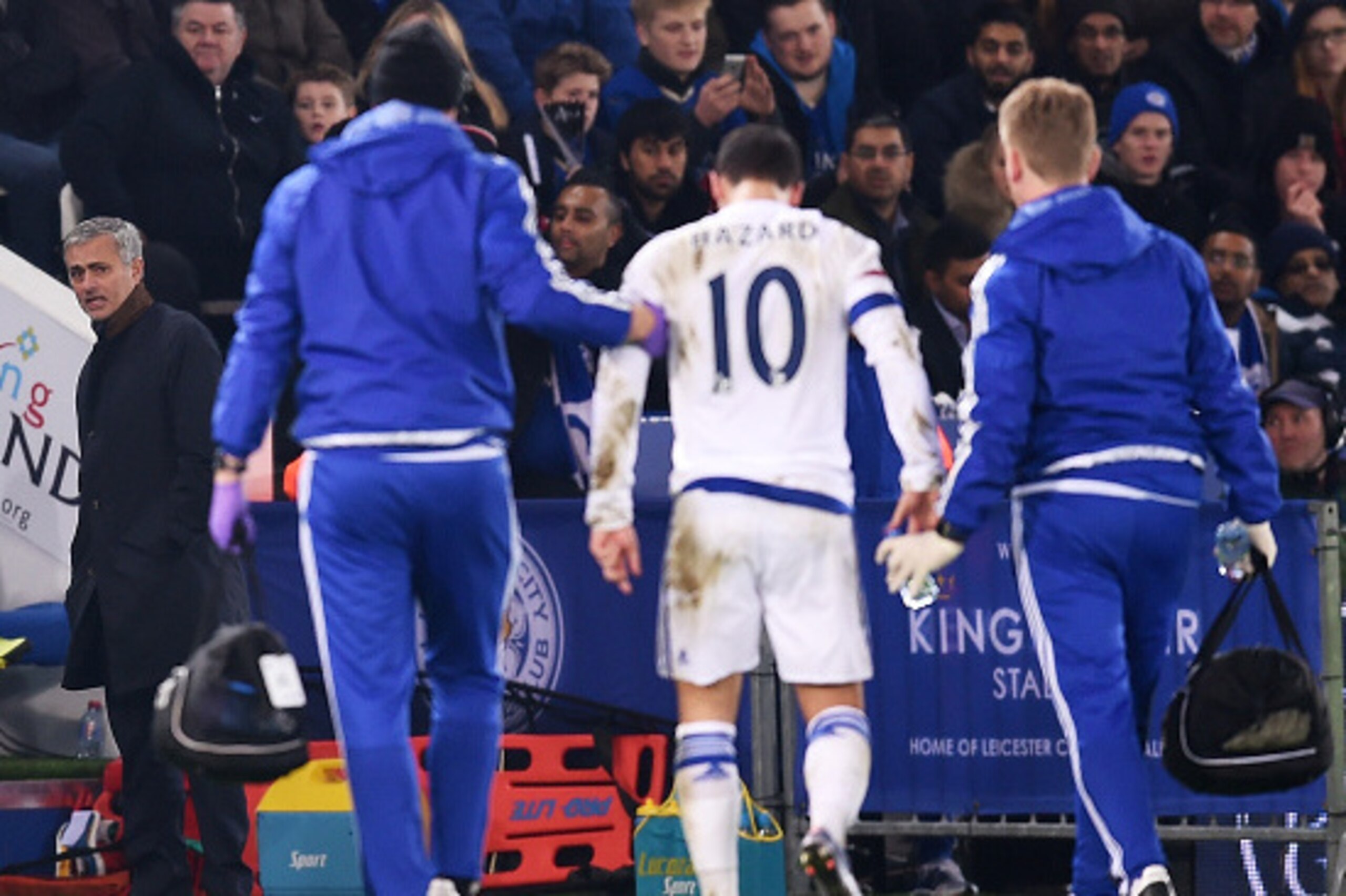
The who and why are questions answered by tell-all books written in five years' time, but the how and what are becoming increasingly more obvious by the passing day—culminating with Chelsea's best performance of the season against (an admittedly porous) Sunderland, beating the Black Cats 3-1 at Stamford Bridge.
Mourinho was undone by his players' lack of effort and his own combative nature. His personality was the same as always, never lasting longer than three-and-a-half seasons anywhere he's been, maybe his sacking release was an expected outcome. What cannot be accepted, and must be admonished—despite whatever conflicts—is the notion players can abandon professionalism because they don't like their immediate boss.
Obviously, clubs cannot remove "bad apples" en masse. If, for example, eight players are disrupting an environment, a footballing enterprise cannot release eight players; their only recourse is removing the manager, hoping those eight players fall in line.
It sets a disgusting precedent.
There are few other places where this strategy could function.
If teachers deliberately circumvented curriculums because they were against their boss, would that be stood for? If police officers or firefighters decided they weren't answering distress calls because they were in disagreement with their bosses, would that be stood for? If doctors were found letting patients in their hospital die because they had issues with their boss, would that be stood for?
The answers are no on all counts.
Interestingly enough, if you peel back all the layers on those examples—teachers, police officers, firefighters and doctors—their ultimate boss is the public. Yes, they answer to some director/manager of sorts, but their primary duty of care is serving the community.

Footballers, in that respect, have a similar obligation.
Hence, under no circumstance, in front of paying support and those watching on television, should "the simplest solution" to a failing club be "the players aren't playing for their manager"—it's an affront to everything sports are purported to be.
If football clubs had the luxury of selling players year-round, rather than having designated months of transactional permission, managers might stand a better chance at removing problems before they fester.
Until then, though, you and I should expect more of the same; if not in west London, elsewhere.
Apologies in advance.
Last Weekly: Premier League, Chelsea Woes and the Expectation of Better Talent | Why Isn't Form Placed Over Talent?
*Stats via WhoScored.com; transfer fees via Soccerbase where not noted.

.jpg?w=2560 "Report: Bears' Backup QB Has Concussion")
.jpg?w=2560 "Jets to sign new QB")
.jpg?w=2560 "Broncos HC Had Beef with Seahawks 😡")