

Weekly Why: Arsenal, Arsene Wenger and the Question of Modern Science
Welcome to Bleacher Report's Weekly Why, a place where we discuss world football's biggest questions that may go neglected and/or avoided. Ranging from the jovial to the melancholic, no subject matter is deemed off-limits.
Why Is Staying Healthy Such a Struggle?
A few years ago, I ruptured an ankle ligament. Being generally spooked of surgery, and not an athlete of any professional distinction, I opted to forgo an operation. Occasionally, however, when playing recreational sports, I'll tweak an admittedly weakened joint.
TOP NEWS

1 Word for Every EPL Team 🗣️

Live Latest Buzz on Martinelli Move 👀

Ranking Top 10 Kits This Season ✨
It happens at least once a year. I have the RICE (rest, ice, compression and elevation) mnemonic memorised, there are various braces/casts littered across my residence, and whenever it happens, I immediately know how long I'll be sidelined. It's something I've come to live with.
Each time I'm watching a football match, though, and an HD, slow-motion replay from seven angles shows someone's ankle buckle, I think back—remember the pain—and cringe. I'd imagine something similar happens to those who've suffered muscle and/or knee-ligament injuries. You get transported back and have instant empathy for whoever's laid on the pitch, field or court.
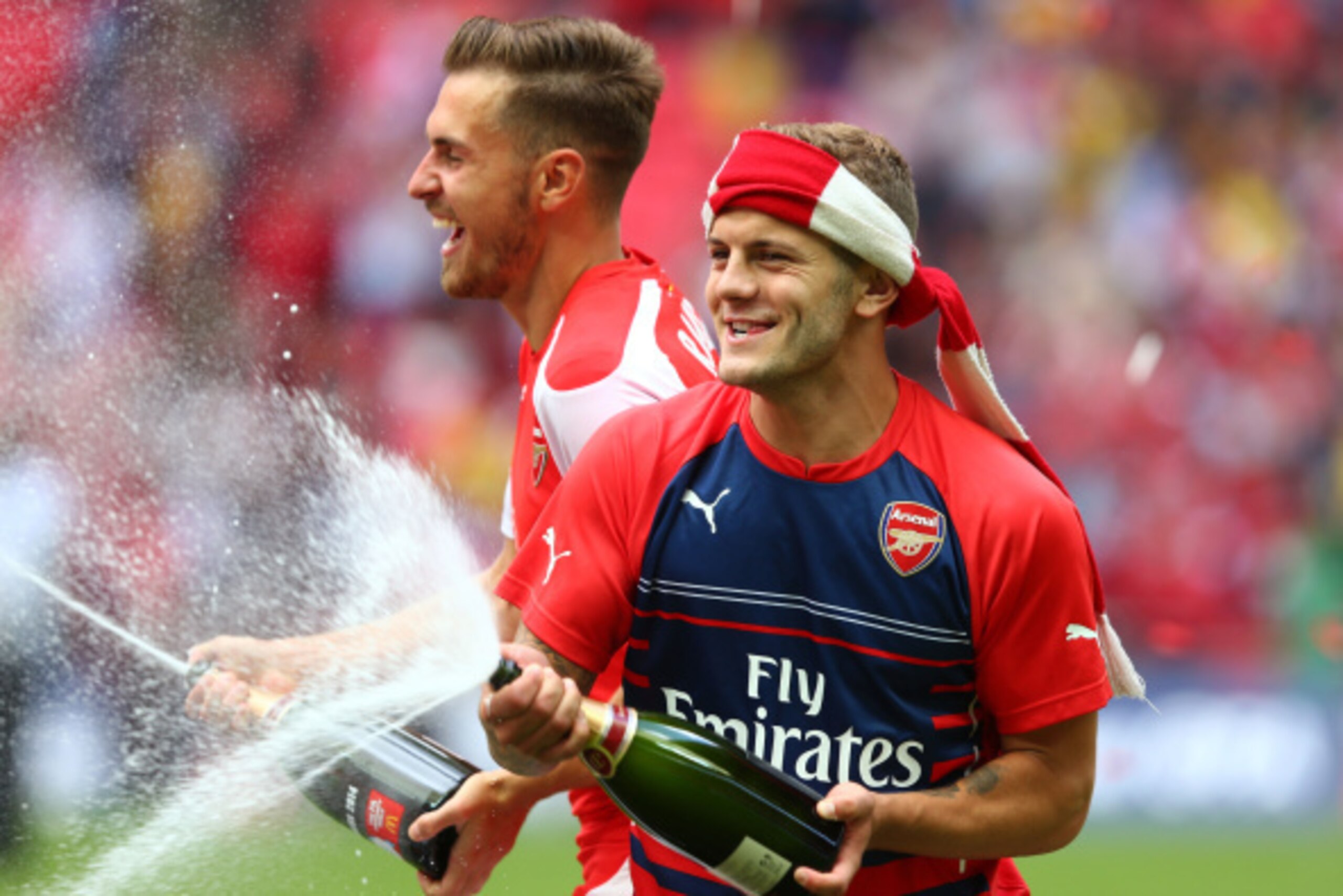
Arsenal Football Club put me in that awkward time machine more than most.
If there was a league table for injury, the north Londoners would lift silverware seemingly every season. From Aaron Ramsey's hamstring to Jack Wilshere's ankle and beyond, Arsene Wenger's men couldn't stay healthy to save their lives.
It's not their fault. Playing a contact sport, things happen. Bodies are made differently. Some players can go their whole career and only miss games because of the flu, while others can be in the same team, train the same way and be sidelined for half a season because their body can't cope.
What gets me, however, is the notion of modern science—specifically sports science.
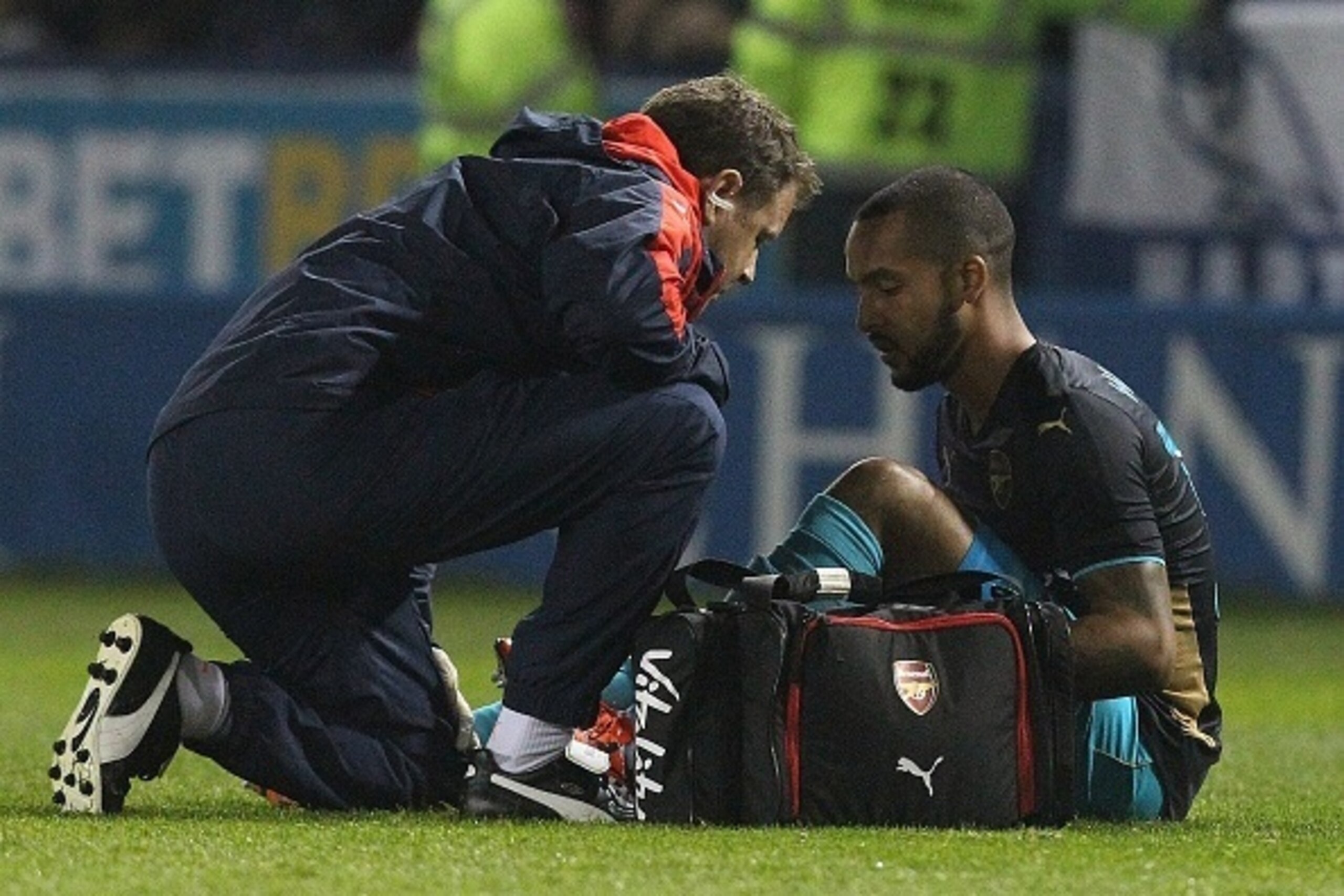
In generally poor circumstances, a training staff doesn't own the requisite technology, nor expertise, to diagnose a degenerative hamstring muscle or micro-fractures in a knee, so they're forced to train each player the same—just kind of hoping, in essence.
At a club like Arsenal, in the richest league in world football, having access to any and all information about their players, there should be no excuse for not perfecting complex, individualised methods of training. Wenger shouldn't have to hope his players don't pull groins or hamstrings, he should already understand where his athletes are and manage them accordingly.
Dutch fitness coach Raymond Verheijen—who has worked at Barcelona, Chelsea and Manchester City—suggested, as noted by the London Evening Standard's James Benge, Wenger was a "dinosaur," in terms of his training methods, stating further:
"The problem with revolutionary coaches is they are only revolutionary once and apply this "revolutionary" approach during their entire career.
Applying the same "revolutionary" approach an entire career means after 10 years the coach has been average, and after 20 years he’s behind.
"
Verheijen's comments followed Alex Oxlade-Chamberlain and Theo Walcott suffering muscular injuries during the Gunners' recent loss to Sheffield Wednesday in the League Cup.
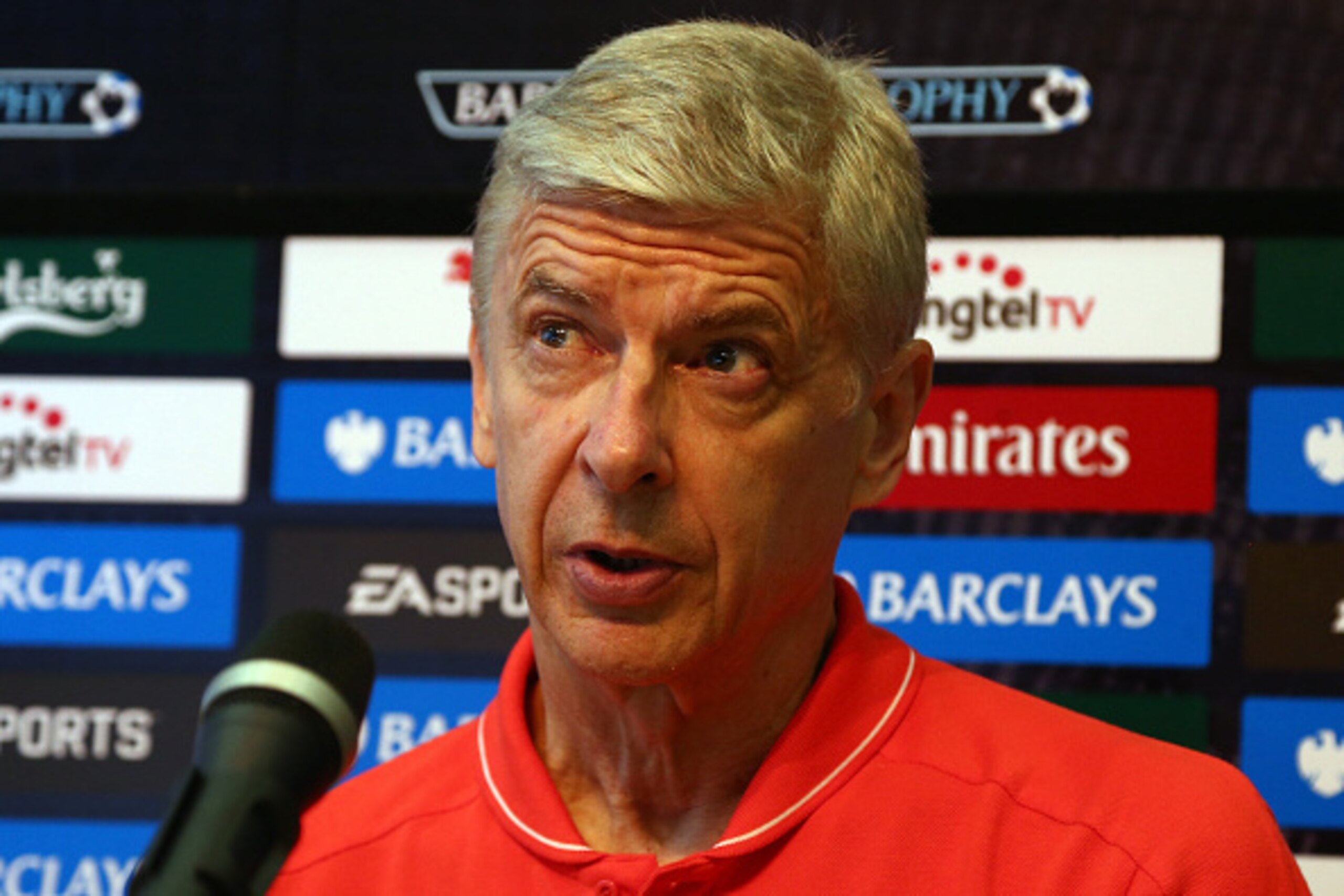
Not taking kindly to the strong criticism, Wenger responded, via the London Evening Standard's James Olley: “This guy looks like he knows absolutely everything. I'm amazed he knows more than all our physics and doctors. I trust my medical staff to do well and my coaching staff to do the fitness planning very well."
On his training staff is Shad Forsythe, who was handed Arsenal's athletic performance enhancement department in July 2014. A strength and conditioning coach, holding experience with the German national team (including during the 2014 World Cup), Arsenal hired the American to help solve their long-standing injury crisis.
Currently, only Newcastle United have more injures than Arsenal. The north Londoners have eight players out. Some are expected back after the season's third international break, and others aren't expected to return until after Christmas.

This might suggest Forsythe's progress is being handcuffed. Wenger has possessed control of the training methods and nutritional program for nearly 20 years, so expecting the American to instantly modernise the Frenchman's setup was always a bridge too far.
Possibly the next generation of Arsenal players will benefit from having a more contemporary view on training, but we must start considering their current crop have already been conditioned.
Much in the same way I've learned to cope with a crappy ankle, could some in the Arsenal squad have learned to accept, then normalise, recurring injury as a part of their career? It doesn't seem a giant leap to conclude they might.
The main difference here is my situation doesn't have any real effect on others—my ankle only effects me. If Wilshere, Ramsey, Walcott, Oxlade-Chamberlain, Danny Welbeck, Mikel Arteta, David Ospina and Tomas Rosicky are all injured, an entire footballing brand suffers in their absence.

To expect no injuries is folly.
Football's a mad game, and Premier League football is home to the quickest, roughest and most intense version in Europe's major leagues. Not coincidentally, five of Arsenal's eight injured are British players—their dogged, tenacious nature is programmed from young.
That said, especially at a massive football club like Arsenal, every step can, and should, be taken to reduce certain kinds of injuries and/or prevent less-than-enviable circumstances from arising.
No matter Wenger's rhetoric, that doesn't appear to be the case.
There are too many resources at the north London club's disposal, and too many sidelined, for me to believe otherwise.
Last Weekly: Chelsea, Jose Mourinho and the Detriment of Serial Success | Why Is Learning to Lose a Vital Lesson?
*Stats via WhoScored.com; transfer fees via Soccerbase where not noted.

.jpg?w=2560 "Lawrence to Retire After 2026")

.jpg?w=2560 "James Pearce Jr. Suspended 8 Games (AP)")
.jpg?w=2560 "Report: Colts Coach Suffers Serious Knee Injury")
.jpg?w=2560 "Tua Underwhelms in Debut 🤙")
.jpg?w=2560 "Breaking News")