

Weekly Why: Yaya Toure, British Media and the Quandary of African Footballers
Welcome to Bleacher Report's Weekly Why, a place where we discuss world football's biggest questions that may go neglected and/or avoided. Ranging from the jovial to the melancholic, no subject matter is deemed off limits.
Why Does Success' Definition Change?
I've long contended Yaya Toure is an underappreciated talent.
TOP NEWS
Sullivan, Hall Lead USMNT to Big Win 💥
.jpg?w=2560 "Titans Giants Football")
OBJ Calls Out Giants After Release

Pic of LeBron's Helicopter Commute 🚁
The Cote d'Ivoire international is technically brilliant, a dead-ball threat, a nightmare to defend in space and a man who started the 2008/09 Champions League final at centre-back but scored 20 goals in the 2013/14 Premier League from central midfield.
For my money, Toure is the best all-round footballer Africa has ever produced and, in contemporary settings, I'd be willing to assert he's the best all-round footballer our planet has to offer (though nearing the proverbial finish line).
His singular skill set, however, makes him a target for vented frustration and/or speculation.
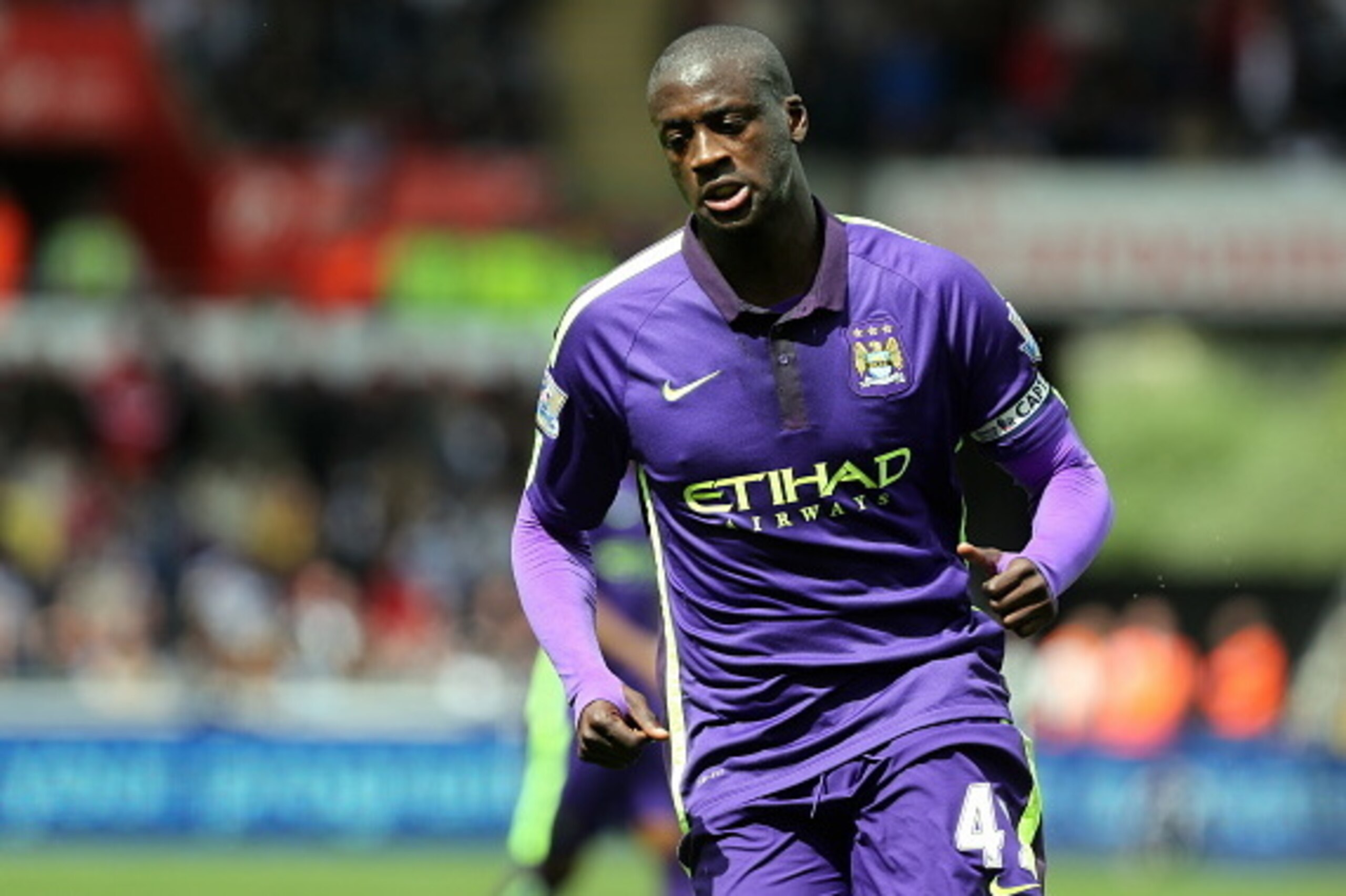
As a player who can single-handedly alter the course of matches, when the Manchester City stalwart goes missing, the absence is blatantly conspicuous.
When criticized, Toure—as discussed with French publication L'Equipe (via ESPN FC's Mark Rodden)—isn't thrilled with the lopsided treatment he garners from media outlets.
Discussing his past year-and-a-half at length, the Ivorian told L'Equipe:
"I've come out of a season where City finished second in the Premier League, which is the most difficult [league] in the world. I scored 12 goals even though I had to leave my club to join my national team who were taking part in the African Nations Cup.
I was away for almost two months and they reproach me for not having scored as many goals as the season before? The season before, as it happens, I scored 26 goals—20 in the Premier League—and nobody mentioned it.
You can understand my disgust a little bit.
"

As someone who works in a largely subjective arena, I comprehend Toure's ire: We all desire credit for what we do. If you're arguably the best at your profession in a global context (for Toure, playing central midfield), then your successes should outweigh your faults—all in the name of fairness—but the 32-year-old has rarely received that benefit while plying his trade in Manchester.
Somewhat surprisingly, it seems others don't get the point or, even worse, choose to ignore it. It leaves me with questions I don't want to answer.
I wonder how Toure would be judged if he was European? If the world's best all-round footballer was an Englishman, for instance, would he receive the credit he deserves? What if Toure were South American, would he receive commensurate plaudits?
Does being an African footballer (or possibly more apt, does being black) have anything to do with his public perception?

Since 2009/10, one could make the argument two of the Premier League's five best individual campaigns have been registered by African players. Didier Drogba (2009/10) and Toure (2013/14)—among Robin van Persie (2012/13), Gareth Bale (2012/13) and Luis Suarez (2013/14)—gave stellar performances.
Drogba, despite winning the Golden Boot with 29 goals and helping Chelsea win the 2009/10 Premier League and FA Cup, was beaten by Wayne Rooney in individual awards. The Manchester United striker, who won less trophies and scored less goals, earned PFA Players' Player of the Year and the FWA Footballer of the Year honours.
Toure was pitted against one of the Premier League's most gifted goalscorers in Liverpool's Suarez during the 2013/14 campaign. While most would've given the awards to the Uruguayan (based on the ease in which he dismantled the country), I can imagine Toure—after scoring 20 goals, assisting nine times and winning the EPL and League Cup—would have thought his performances were enough to seal individual honours, but he was snubbed.

You'd have to imagine at some point in the Cote d'Ivoire dressing room, Drogba and Toure discussed their nearly moments, and might've come to the conclusion, "if only we were European or South American."
I've often thought African football is viewed as more callous than calculated. That players from the African continent are seen as high-energy workhorses/powerhouses and don't necessarily have the technical prowess to compete with their European or South American counterparts.
Should that assumption be true, I can't help thinking it affects the view of what African footballers are meant to play like and, in turn, how they are meant to perceive themselves.
Toure has every right to consider himself treated unfairly, because he is. When the seemingly nonchalant Ivorian takes the ball, turns on his pace/power and marauds into the heart of an opponents' 18-yard box, I'm not sure people know how to interpret his game, given the stereotypical lens African footballers are sometimes viewed through.

At Manchester City, when things go sideways, one of the first points of analysis is looking at Toure's movement—or lack thereof.
Pundits and supporters alike expect because he's powerful in possession, that quality is immediately transferable to every other facet of his game.
If tasked with defending, the 32-year-old has shown his ability in Belgium, Russia, Greece, France, Spain and England to do so, but if his manager wants him to be an attacking outlet, should we expect him to complete the jobs of two footballers?
It's all a bit mad.
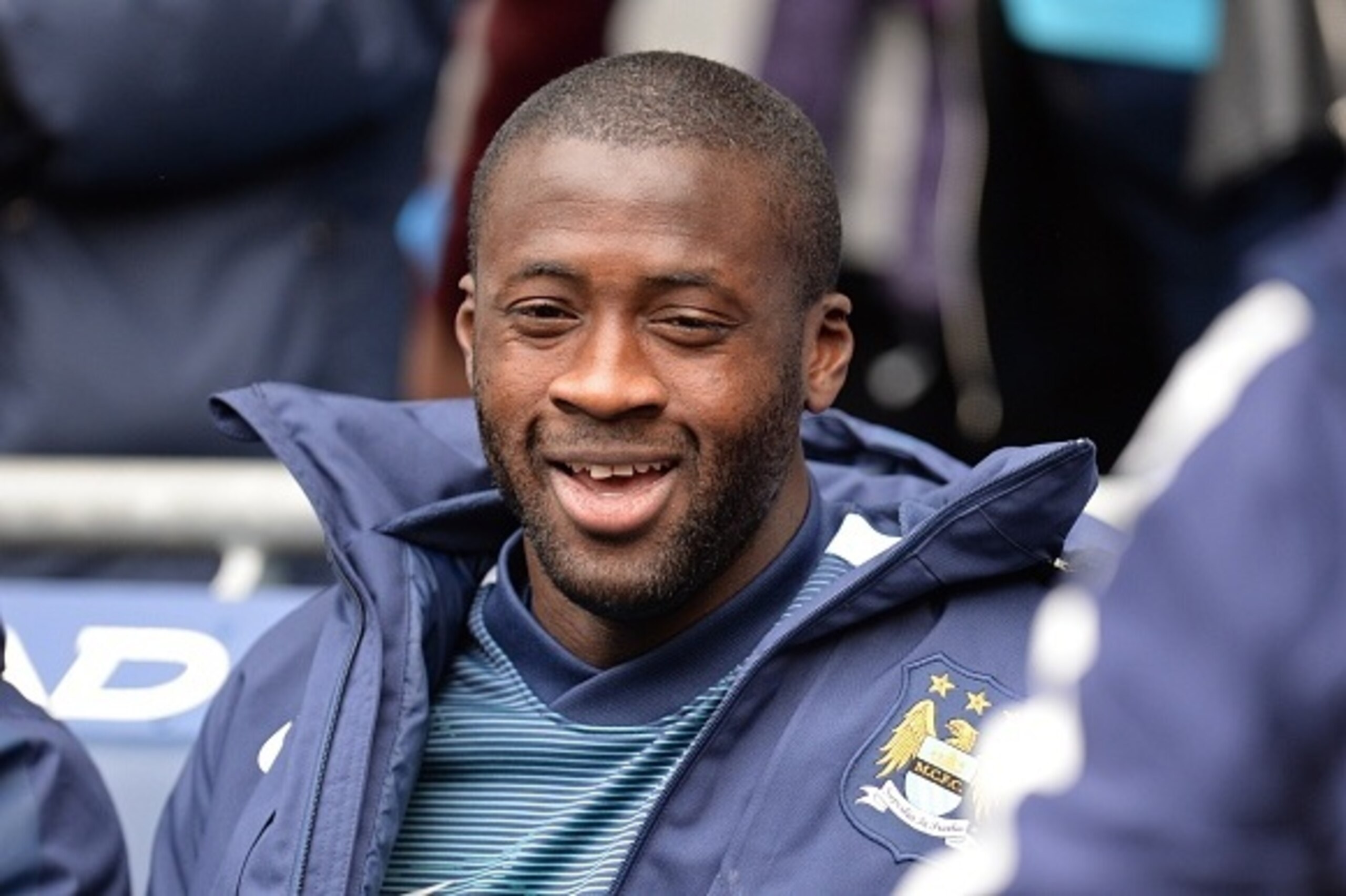
I won't suggest Toure doesn't complain more than most, but you have to place yourself in his rather unique position.
If you truly think you're one of the world's best footballers, but receive little recognition outside of the African Footballer of the Year award—how would you feel?
"Everyone thinks I'm happy," Toure told L'Equipe. "I've won titles, earned lots of money, but no, I'm not happy."
Yaya, I don't think I'd be happy either.
Last Weekly: Liverpool, Jurgen Klopp and the Fragility of Management | Why Is Expectation Seldom Realistic?
*Stats via WhoScored.com; transfer fees via Soccerbase where not noted.

.jpg?w=2560 "Rap: Lions, LaPorta End Contract Talks")

.jpg?w=2560 "Report: Baker May Miss Up to 6 Weeks")