Weekly Why: Liverpool, Jurgen Klopp and the Fragility of Management
Welcome to Bleacher Report's Weekly Why, a place where we discuss world football's biggest questions that may go neglected and/or avoided. Ranging from the jovial to the melancholic, no subject matter is deemed off limits.
Why Is Expectation Seldom Realistic?
As an English major, one of the things I noticed was many of the quotes I thought I knew were incorrectly attributed. It became a reoccurring theme in my studies.

I was under the presumption William Shakespeare penned: "Expectation is the root of all heartache," but came to learn he said something similar and was given the credit for his quip, on top of everything close; he earned the benefit of the doubt I suppose.
Digressing from yesteryear, whomever the quote's author, its words hold truth: What we expect (in nearly every aspect) determines our subsequent reaction—not necessarily the result itself. Sport, specifically football, tends to illuminate the notion perfectly, and no moment is greater then when clubs hire new managers—especially one possessing a fantastic reputation and/or pedigree.
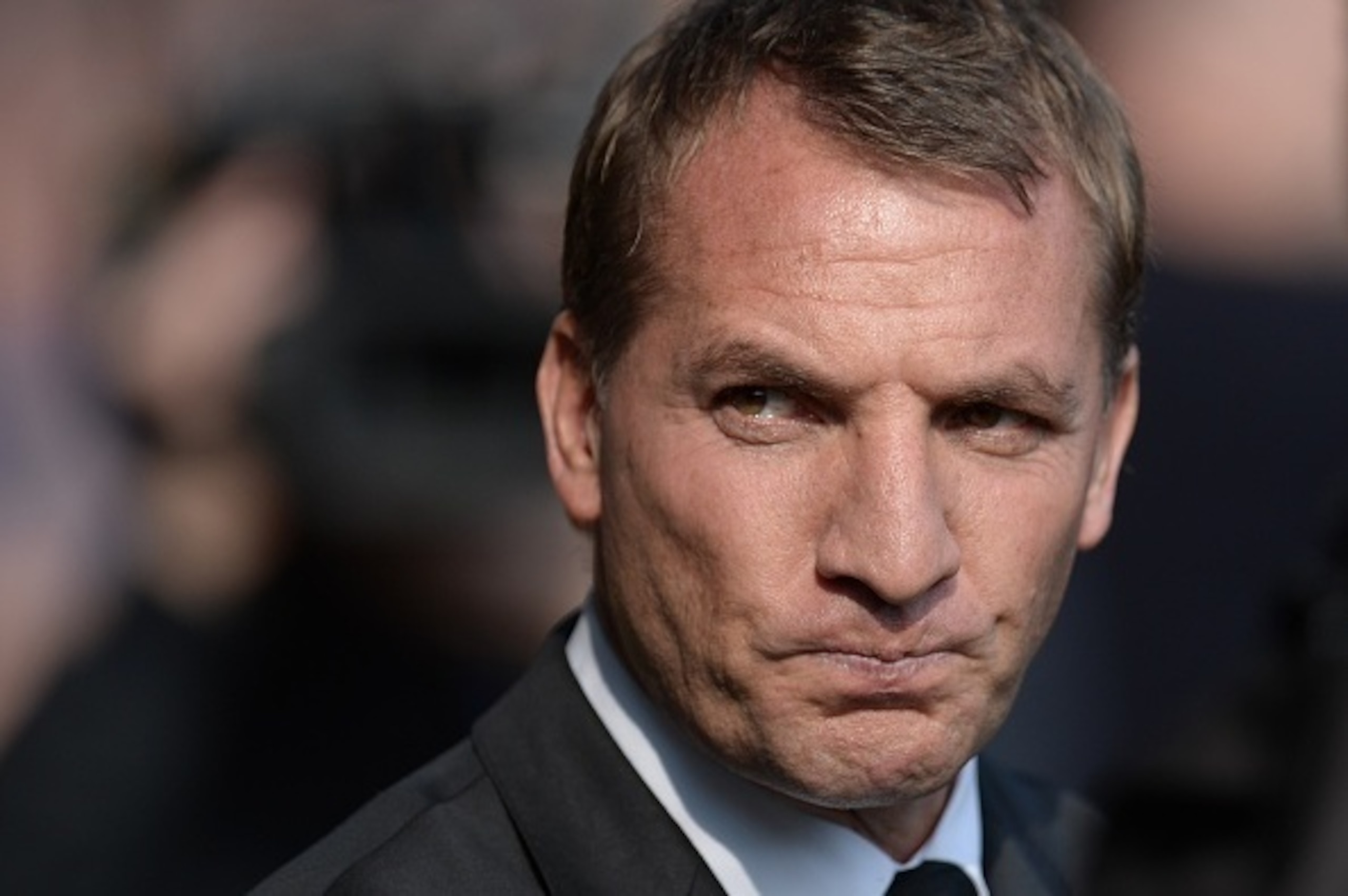
Liverpool, after three years of former manager Brendan Rodgers' incessant character-building project, elected to dissolve ties with the Northern Irishman.
The Reds quickly handed Jurgen Klopp, of Bundesliga fame, the reins to their club, expecting him to return a former thoroughbred to the winner's circle.
Twenty-six years removed from their last English crown, Merseyside's red half have joined the Fenway Sports Group (FSG) in thinking Klopp's presence is a catalyst for renewal. Blessed with an impressive track record, a unique playing style and an affable personality, Klopp seems a worthy manager for lofty expectations, but rarely are things plug-and-play in England.
When a footballer joins the Premier League, only in exceptional cases do they burst from their starting blocks. Alexis Sanchez springs to mind as a contemporary exception to the rule, but it often takes one season to fully integrate and understand the physical rigours of English football.
Managers have a similar learning process, albeit cognitive. Some (e.g. Jose Mourinho), have the wherewithal to grasp the Premier League game quickly and are rewarded with silverware. Others, though (e.g. Andre Villas-Boas), never find the commensurate balance.
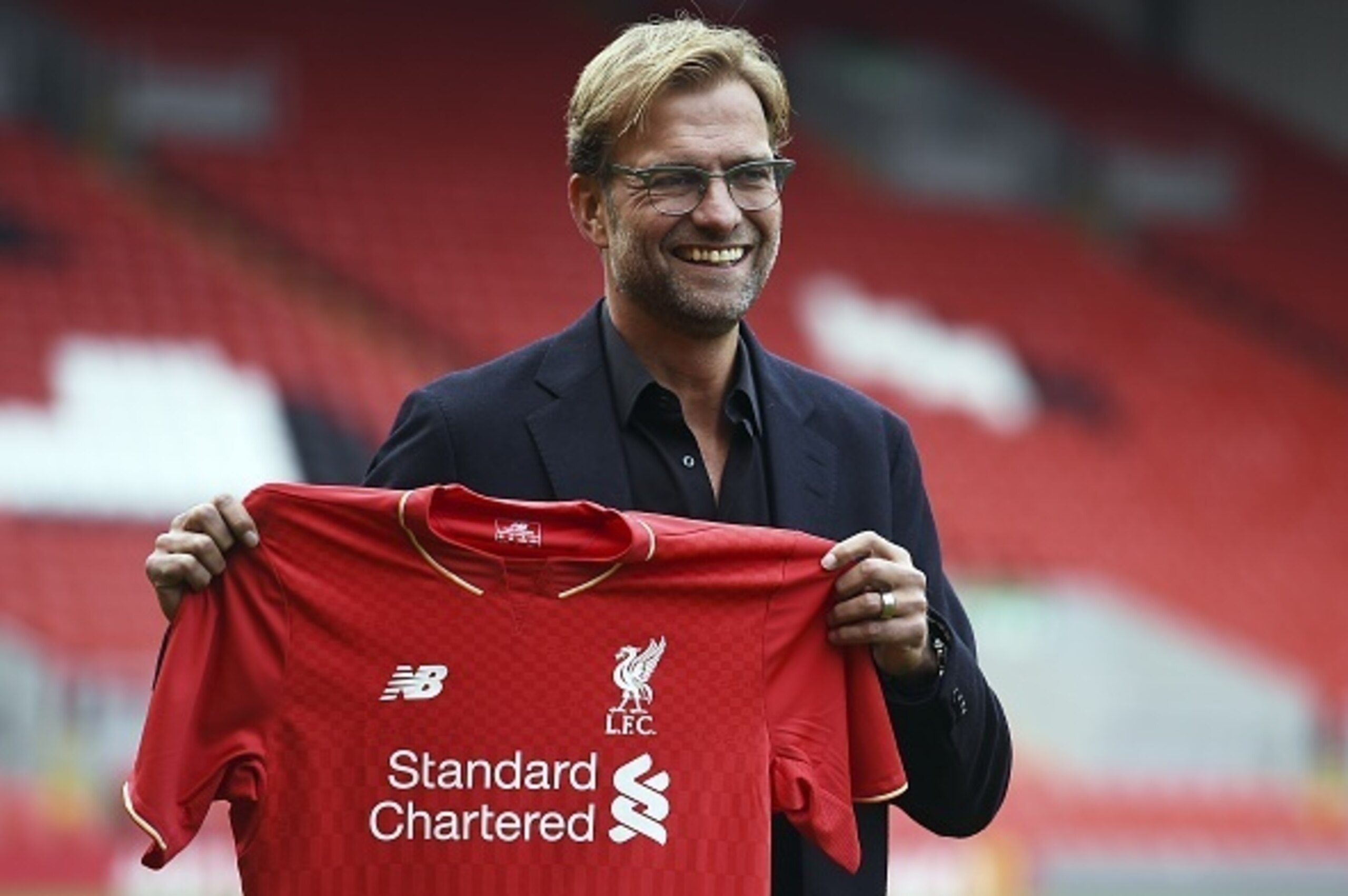
Klopp has one massive question to answer during his Liverpool tenure: Is the 48-year-old a great manager, or a great coach? The distinction between manager and coach may seem minute, but the difference carries all the fragility and/or longevity in world football's managerial merry-go-round.
At Borussia Dortmund, Klopp created an ideal environment for "gegenpressing." Marco Reus, Robert Lewandowski, Mario Gotze, Ilkay Gundogan, Shinji Kagawa and others formed one of the best sides in European football.
Using a high-octane press, attempting to recover possession as far forward as possible, BVB were able to challenge the Bayern Munich juggernaut—winning back-to-back Bundesliga titles and earning a runners-up medal in the UEFA Champions League.
In many respects, Dortmund under Klopp was a perfect storm. The combination of style and footballers worked splendidly, but once Lewandowski and Gotze left for Bayern (not neglecting the injury woes of the talismanic Reus), Klopp struggled to maintain the levels of previous seasons.

A great coach has the capacity to flourish under optimal circumstances. Rodgers, for instance, was a brilliant coach in 2013/14 when Daniel Sturridge, Luis Suarez, Steven Gerrard and Raheem Sterling marauded through England's top flight, nearly winning the league. Once those players were unavailable (for a confluence of reasons), Rodgers struggled to find competence.
Conversely, a great manager can take whatever he's given and make it work. The likes of Mourinho, Carlo Ancelotti and Sir Alex Ferguson can mold players who might not mesh entirely with their vision and fashion a trophy-winning system regardless.
Klopp has proved his aptitude as a coach, but without his brand of players—and the nefarious January transfer window looming—his Anfield project might need 18 months to get off the ground.
This scenario tests not only his methodology, but managerial prowess.
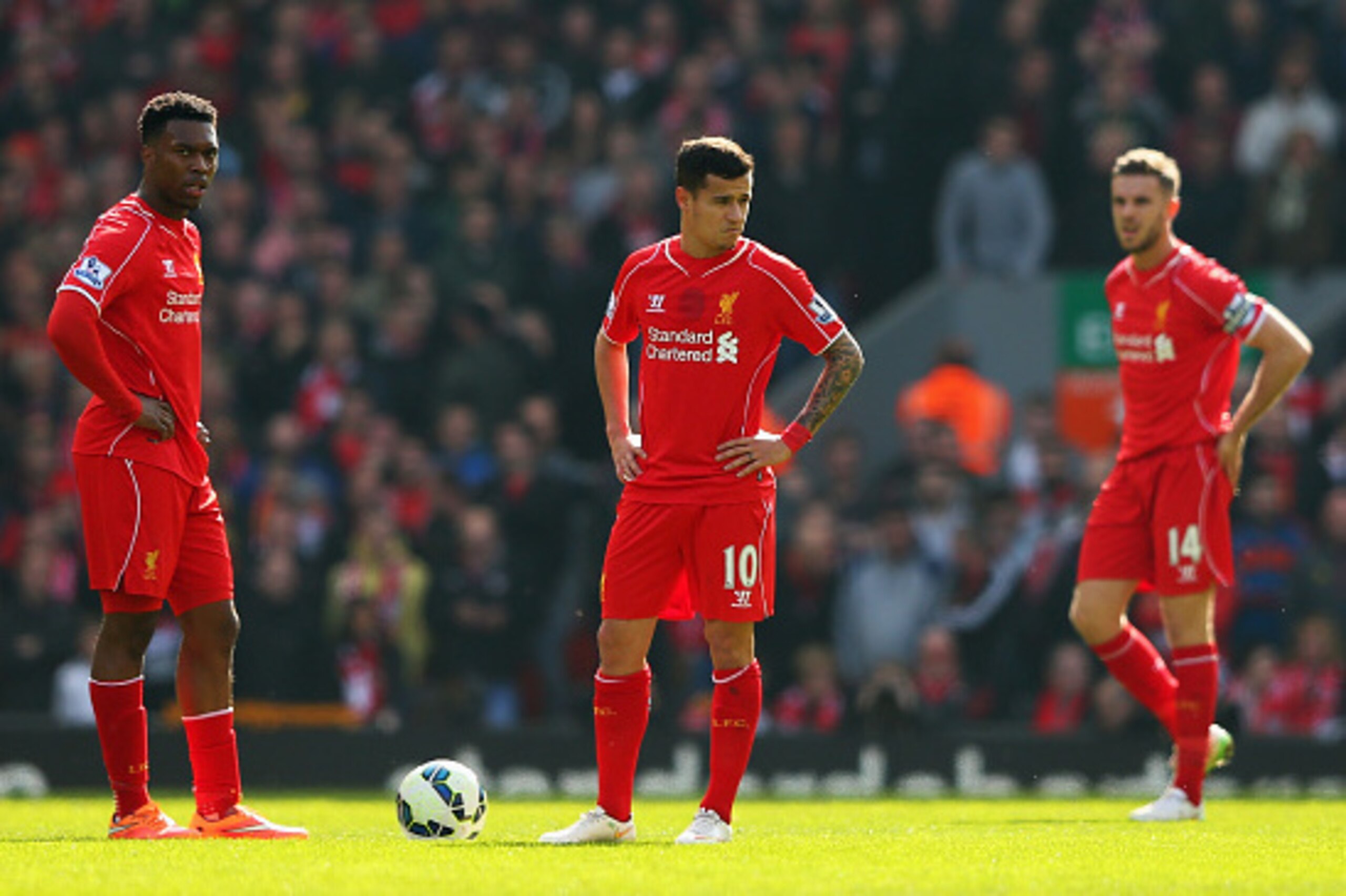
The laundry list is extensive.
Klopp must shake the rust off Rodgers' players, determine which of the current crop have the talent/potential to continue, earn results to obtain European football and use the January and summer transfer windows to buy/sell players. Then that group (heading into the 2016/17 campaign) must solidify before winning the league is even plausible.
It's no small task—which brings us back to expectation.
A new manager, even one with domestic titles elsewhere, isn't a miracle worker.
The former Dortmund boss cannot consciously be expected to forge a viable Liverpool identity in the space of one-and-a-half seasons, but our society isn't in the business of allotting time for things it readily forecasts.
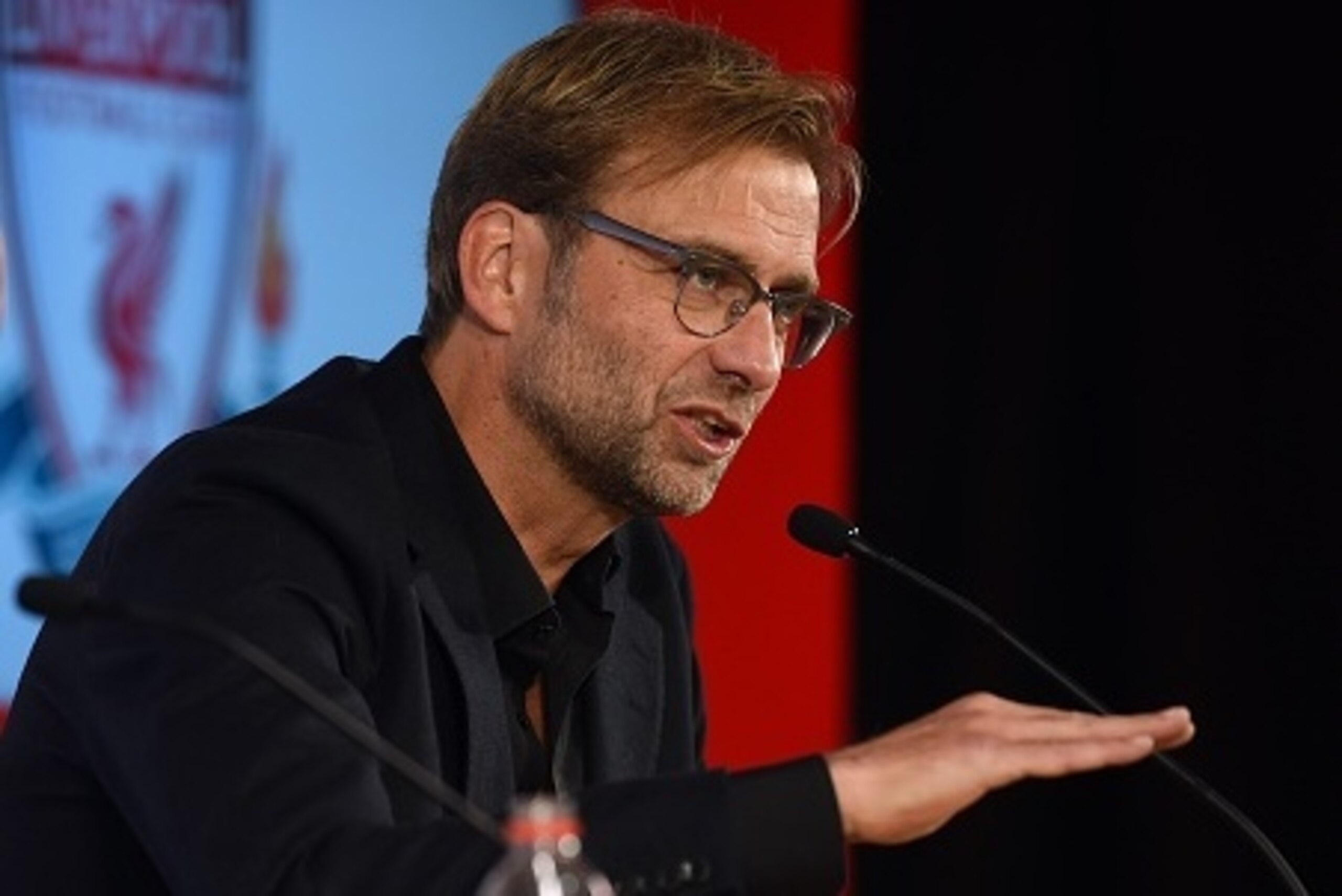
I worry Klopp, and others in corresponding positions, won't be given the requisite time to succeed as football is presently constituted.
Success is so vehemently expected from the off, that any turbulence through the journey creates contagious panic and widespread doubt.
Liverpool have procured a brilliant footballing mind (and one of the most coveted in Europe); Klopp's arrival on Merseyside should breed a sense of hope, but lofty expectation must be married with the reality of modern football.
Anything other than a common-sense approach to Klopp's first foray into the Premier League's grinder will likely cause heartache for the German himself, Liverpool Football Club and their supporters.
Some author, not named Shakespeare, said as much—I tend to agree.
Last Weekly: CFC, Jose Mourinho and the Symptoms of 'Golden Badge Syndrome' | Why Aren't Premier League Champions Repeating?
*Stats via WhoScored.com; transfer fees via Soccerbase where not noted.


.jpg?w=2560 "Buzz: Donald Eyeing Media Future")