

Weekly Why: Chelsea, Jose Mourinho and the Symptoms of 'Golden Badge Syndrome'
Welcome to Bleacher Report's Weekly Why, a place where we discuss world football's biggest questions that may go neglected and/or avoided. Ranging from the jovial to the melancholic, no subject matter is deemed off limits.
Why Aren't Premier League Champions Repeating?
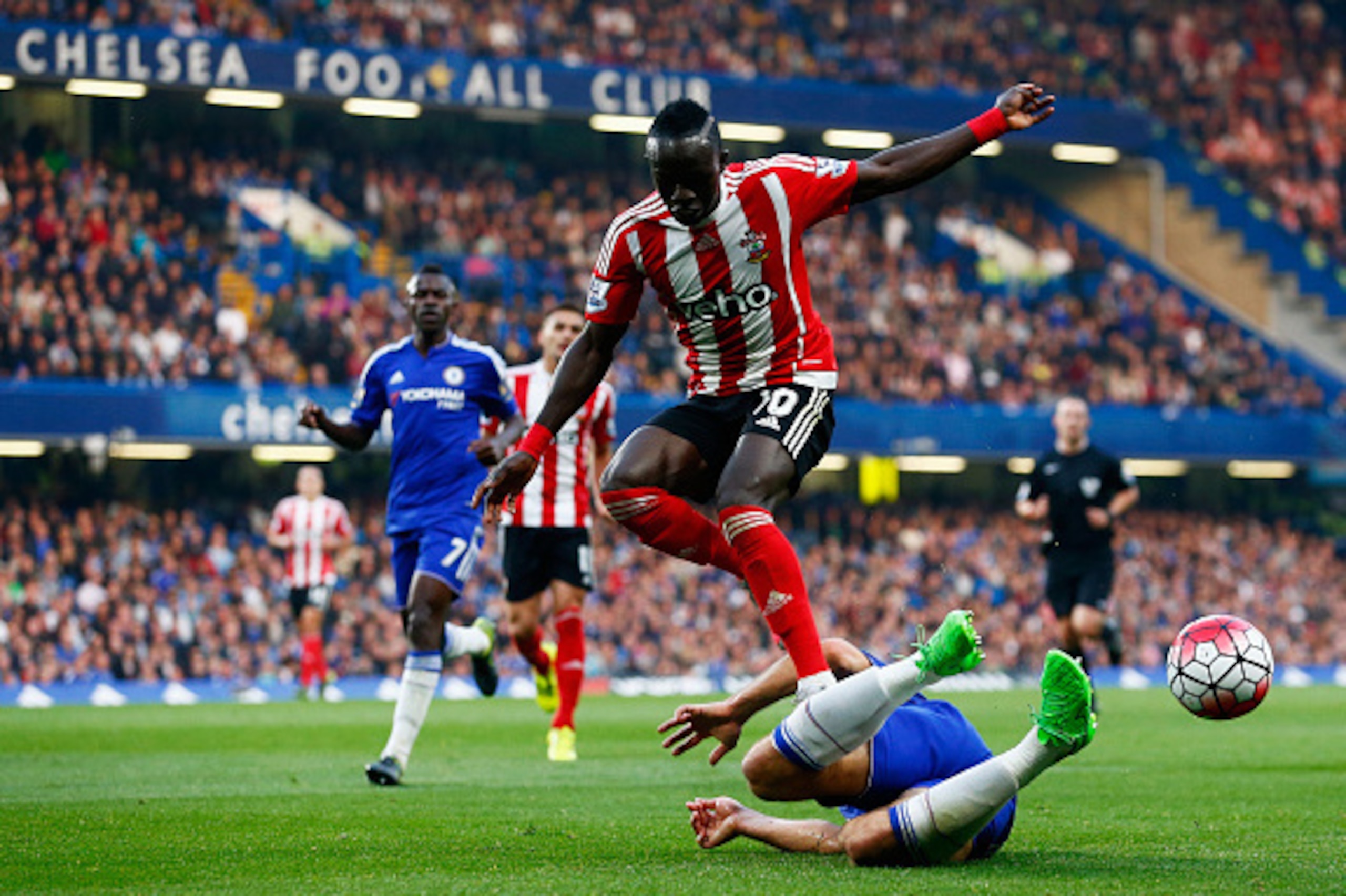
Not three months ago, consensus thought was Chelsea Football Club were ready to oversee the Premier League's next great era.

.jpg?w=2560)
With every key player in the prime of their respective careers (excluding 34-year-old John Terry), Jose Mourinho had—and, in many respects, still has—a squad built for both present and future success.
Much to my personal confusion, things have gone pear-shaped. I was one of many who thought the Blues would repeat as Premier League champions. I loathe making assumptions on small sample sizes—but the time has come, belatedly so, to pull Stamford Bridge's fire alarm.
Smoke is everywhere.
I don't know where the exits are—and neither does Mourinho.

Perhaps the most damning component in this west London fiasco is previous history.
Readily available, Chelsea could have Google-searched for "Premier League champions" after receiving the 2014/15 trophy and learned what we all understand: No club has retained the crown since Manchester United in 2008/09.
In the previous 23 seasons of Premier League football, only seven times have champions retained their title; Manchester United kept hold of their crown six times, while Chelsea have once. As of late, however, the task has become increasingly difficult.
There is an amalgamation of reasons for this trend. Manchester City's arrival, the influx of ungodly television money and, subsequently, an improved middle-class are unquestioned contributors, but something bigger is at hand.
I'm far from a doctor; the closest thing I know to diagnostic medicine is the television show House. With that understood, after years of research and study in the realm of football, I propose Chelsea are suffering from what I'm labeling as "Golden Badge Syndrome."
Certain leagues have different apparel items that commemorate their champions, the Scudetto in Serie A for instance. England gives its winners golden Premier League badges. Recently, though, the badges have represented struggling outfits more than would-be conquerors.
There are four hallmark symptoms, readily apparent, when diagnosing Golden Badge Syndrome:
• Transfer Window Complacency
• Attritional Shortcomings
• Lack of Dedication
• Managerial Stubbornness
Winning silverware (especially in domestic leagues) with sub-par talent is impossible. The requisite level of footballer needed to win the Premier League verges on world-class. Once a league is won, however, teams tend to rest on their laurels.
Not tampering with a functioning machine admittedly makes sense, but that's exactly what clubs require to move forward.
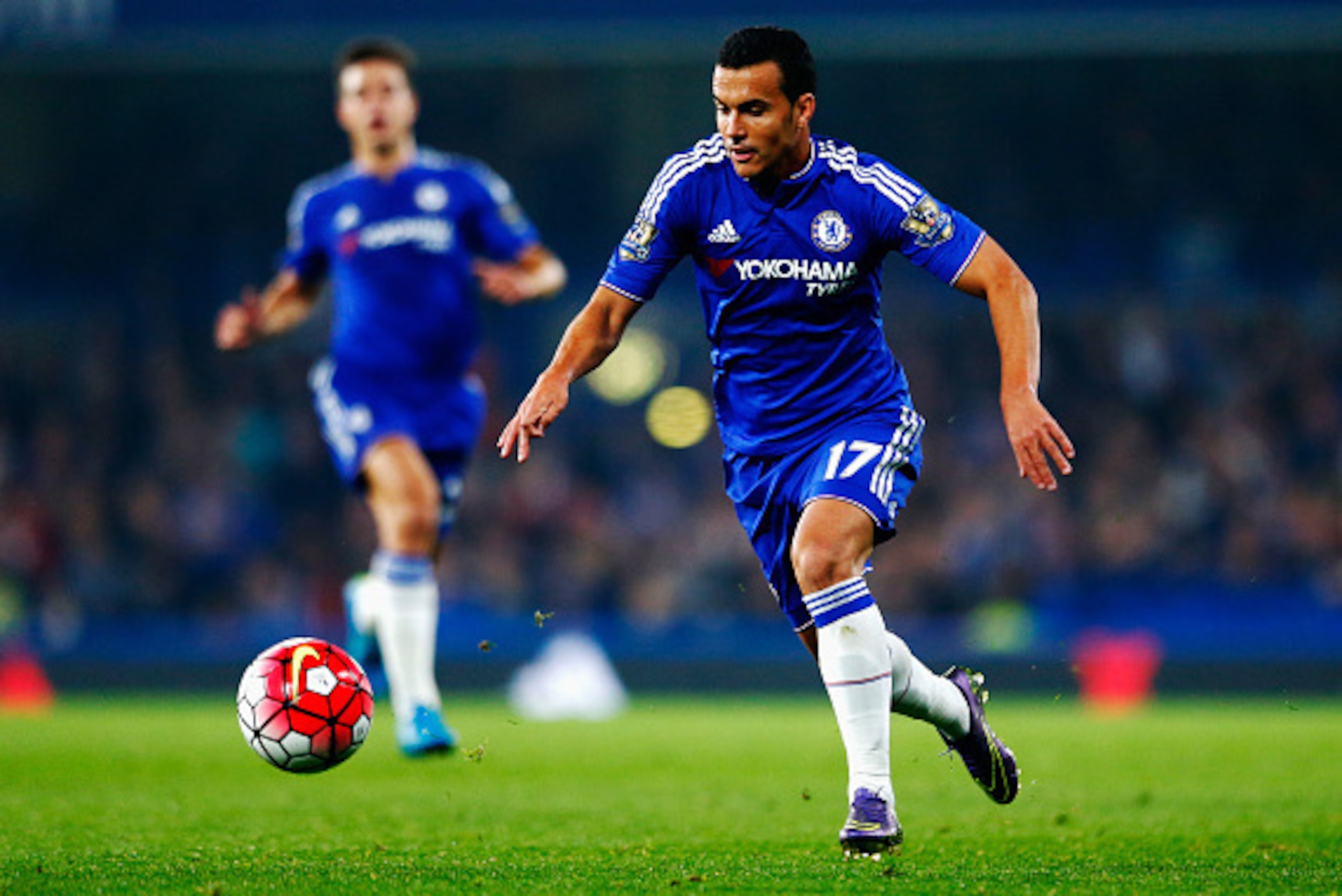
Chelsea added just one ready-made, first-team option in the 2015 summer window. Pedro cost £21 million from Barcelona, but he isn't enough to carry the weight. Asmir Begovic and Radamel Falcao were replacements for Petr Cech and Didier Drogba, so they cannot be classed as true additions.
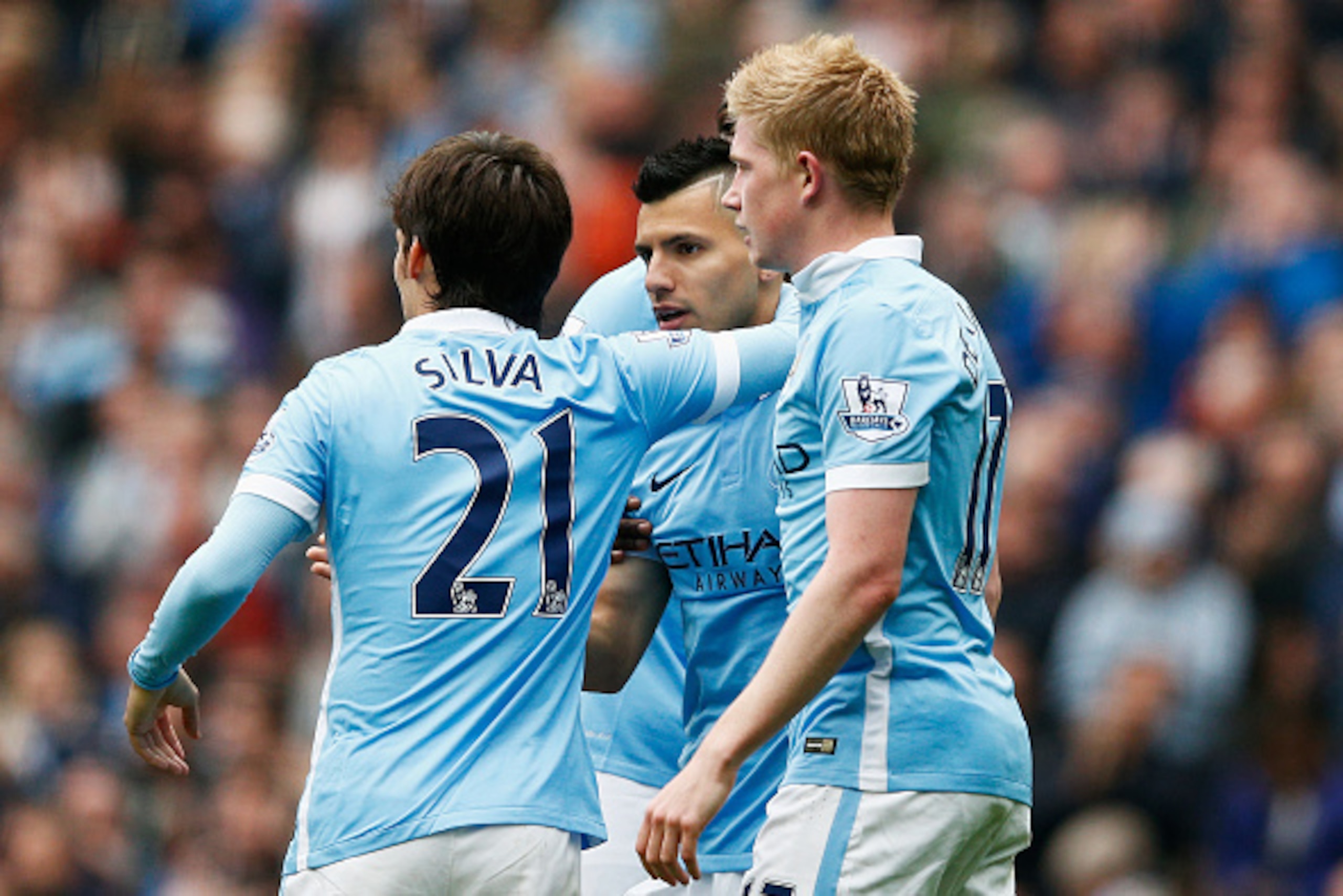
Manchester United, Manchester City, Arsenal and Liverpool spent £200 million net; Chelsea spent just £35 million net to defend their title. On its own, not spending could be overcome, but when compiled with the attrition levels needed to recommit, the demand becomes too much without proven reinforcements.
For whatever reason, I remember thinking as a youth that winning came easier (in terms of energy) than losing. That the effort needed to win wasn't as great as the effort required to lose. I've found the logic completely backwards. To win, and do so consistently, takes supreme effort, energy and commitment.
In sporting terms, talent is crucial, but it must be married with the hunger to chase excellence, even when on top.
Being champions comes with a bull's-eye attached. Gold badges remind one's opposition: "They have what we want, let's go take it." Coping with that pressure, while battling to willingly descend from a mountain just to climb it once more, I would presume, taxes both mentally and physically.
Desire and attrition, in my diagnosis, walk together. A tired body equals a tired mind. Conversely, a complacent or fulfilled mind can have adverse effects on the body, creating something cyclical.

The final symptom of Golden Badge Syndrome is managerial stubbornness.
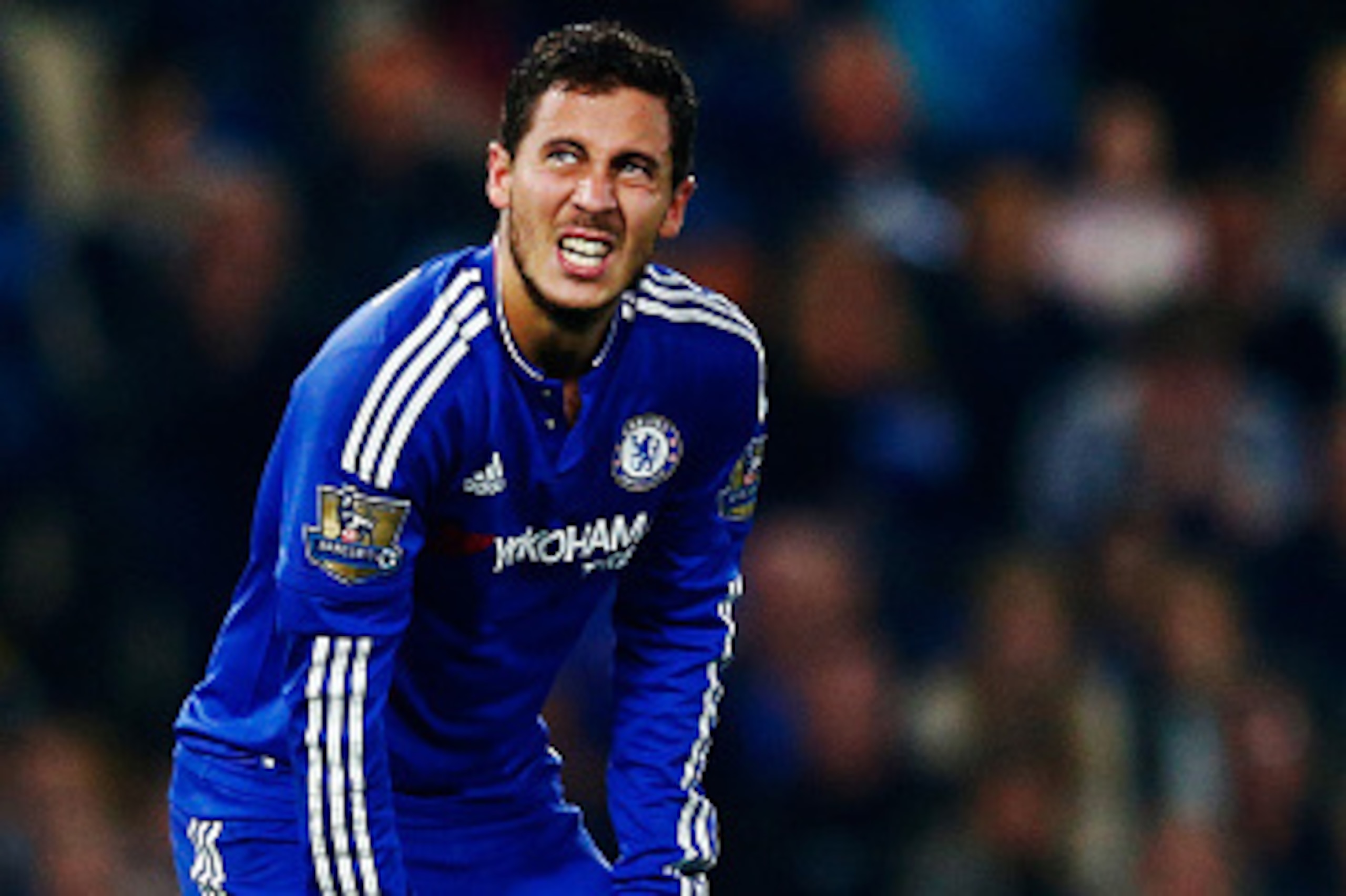
Having a solid rapport with their championship-winning squad, I posit managers finding usually visible faults in players who were once stalwarts is challenging at best. Taking Chelsea this season: Footballers like Branislav Ivanovic, Cesc Fabregas and Eden Hazard were the best players at their respective positions in 2014/15—the Belgian winger (from both journalists and his peers) was labeled the Premier League's best player.
Mourinho can hardly be expected to believe his players' skill has eroded in the space of months, and he's managed accordingly. Showing faith in players who wouldn't receive grace periods otherwise, the Portuguese has suffered commensurate consequences.
This symptom, though, is the most easily correctable. The transfer window isn't open year-round, and mental hurdles must always be leapt, but managers can simply insert fresh blood and new ideas into a team—provided they address their blind faith and/or faulty tactics in time.
Golden Badge Syndrome, thankfully, is a treatable ailment.
The symptoms can be spotted with the naked eye. It needn't be debilitating nor fatal.
Its treatment includes one's board spending to improve (avoiding stagnancy), one's manager not being prisoner to past success (thinking with a new season in mind) and one's players having the temerity to believe they can win again (plus the energy to complete the task).
These things cannot be bought in stores—they are mental. All three departments must have a similar, contagious attitude towards winning.
Whoever the 2015/16 Premier League champions are, they might do some required reading and learn Golden Badge Syndrome's cure is largely a proactive course—not reactive.
Last Weekly: Hulk, Russia, 2018 FIFA World Cup and the Dilemma of Racism | Why Does Qatar 2022 Take Precedence?
*Stats via WhoScored.com; transfer fees via Soccerbase where not noted.


.jpg?w=2560 "Viral Rams Coach Vid 🖕")

.jpg?w=2560 "Injury-stricken Seahawks signing veteran RB")
