

Weekly Why: Hulk, Russia, 2018 FIFA World Cup and the Dilemma of Racism
Welcome to Bleacher Report's Weekly Why, a place where we discuss world football's biggest questions that may go neglected and/or avoided. Ranging from the jovial to the melancholic, no subject matter is deemed off limits.
Why Does Qatar 2022 Take Precedence?
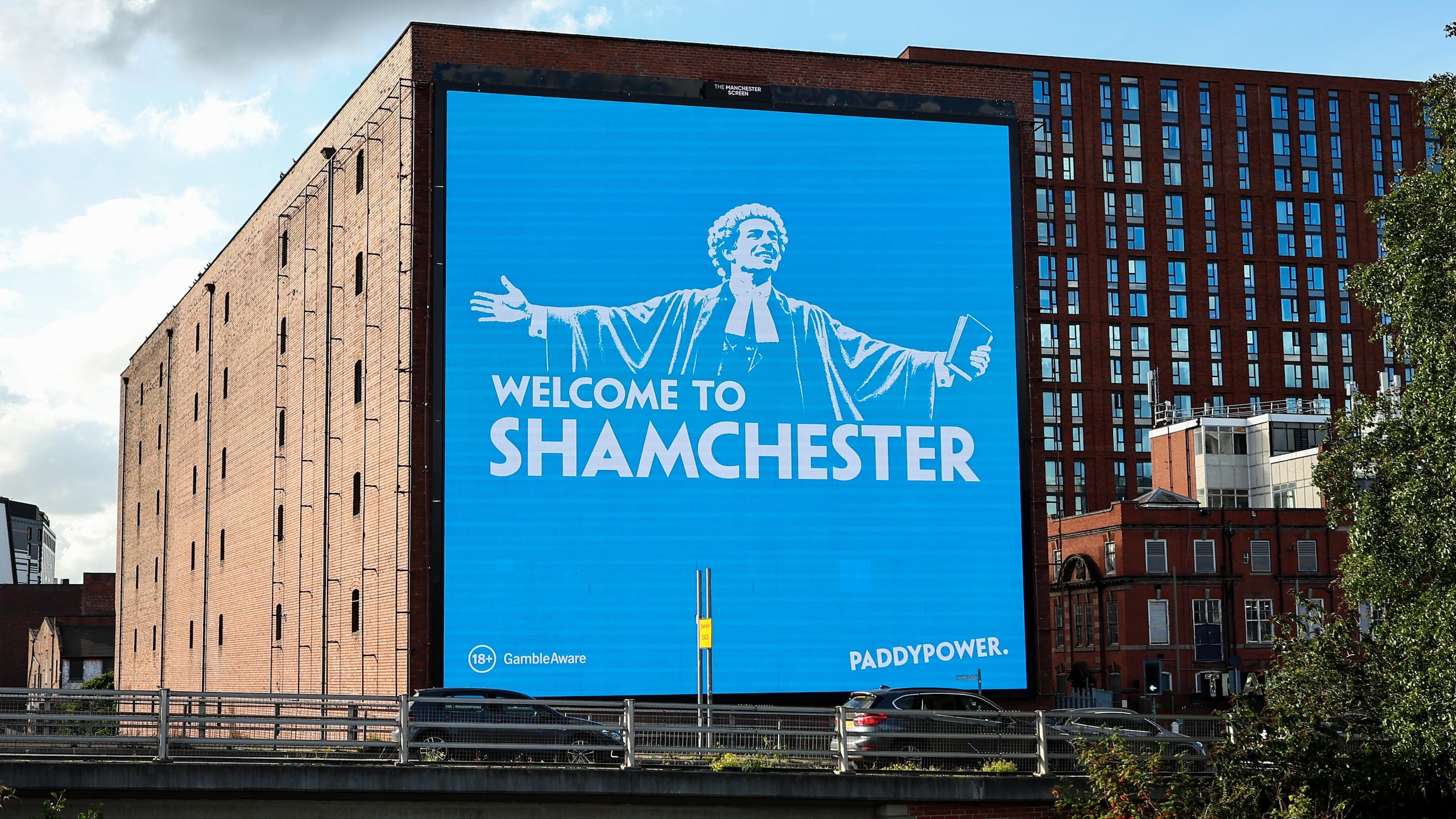
Not for the first time, the Russian Premier League has become the centre of racism in football.

.jpg?w=2560)
Zenit St. Petersburg striker Hulk claimed, per Reuters' Dmitriy Rogovitskiy (via the Daily Mail), he was subjected to racial abuse during his club's Spartak Moscow clash last weekend.
The 29-year-old Brazil international told reporters:
"Unfortunately, the same things are happening—racism in the stands. I won't pay any attention to this, as I have already talked about this. Therefore, I will continue to blow kisses and answer them with the way I play on the pitch.
These things don't even deserve to be discussed.
"

I wish Hulk were right. I wish discussing racism wasn't necessary. I wish idiots in the stands weren't allowed into football grounds—much less be members of society—but I've rubbed no lamps, met no genie and don't have three wishes.
This claim follows a long list of reported incidents footballers have made when playing in Russia. Roberto Carlos (2011), Christopher Samba (2012), Yaya Toure (2013), Emmanuel Frimpong (2015) and countless others have received abuse from sects of the Russian populous, but—despite retroactive bans, fines and investigations—the environment seems to be disgustingly consistent.
Two years after receiving World Cup hosting duties, one of the more telling episodes in Russian football culture was broadcast. Zenit St. Petersburg, the same club Hulk currently plies his trade for, received an open letter from its largest supporting group. Per BBC Sport, the 2012 letter included: "The absence of black Zenit players is an important tradition that underlines the team's identity and nothing more."
I'll be the first to admit I don't actively seek out my own annoyances. I could easily be missing vociferous sections in the footballing community who are vehemently protesting Russia's World Cup 2018 appointment, but for whatever reason I've yet to discover an en masse, serious debate concerning a select portion of Russian society who takes issue with foreigners—specifically those with heavier concentrations of melanin.
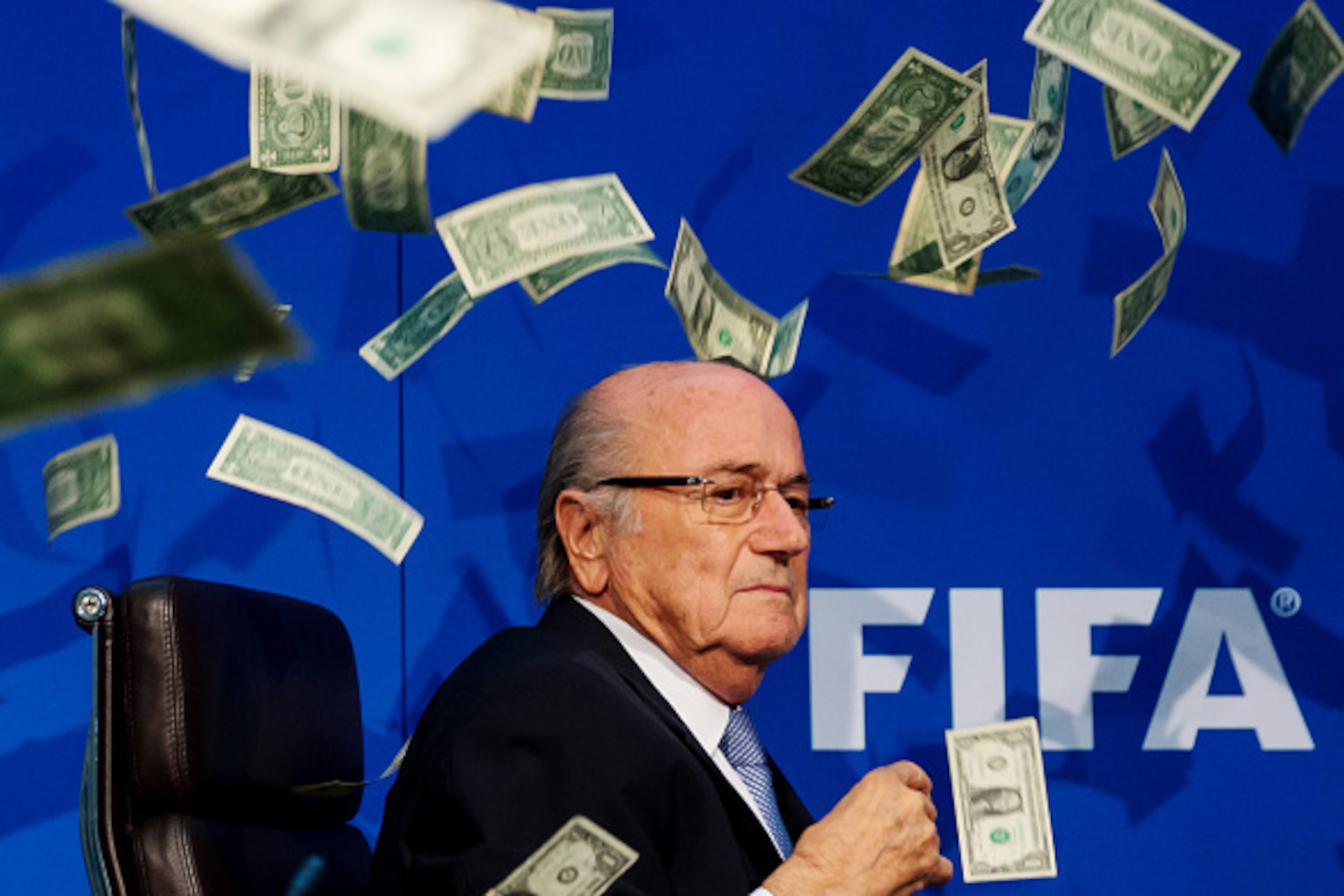
Qatar's 2022 World Cup, conversely, has been the subject of much debate over recent months. Following May arrests and the 65th FIFA Congress, where Sepp Blatter won his fifth consecutive term then tentatively resigned (holding his position until February 2016's "Extraordinary Congress"), the tournament's location has come under massive criticism.
Complete with alleged fraud, money laundering and further criminal actively fit for a cinematic masterpiece, attention has largely dissipated with regard to Russia, and been focused on the 2022 competition. Possibly the most awkward placement in World Cup history (requiring a winter schedule), Qatar's appointment raised eyebrows.
When corruption works against one's interest, it is generally fought. Few officials from South Africa (2010), Brazil (2014), Russia (2018) or Qatar (2022) will complain about the World Cup's presence in their nation; only aggrieved parties—who either played by the rules and lost or weren't corrupt enough to swing proceedings in their direction—will shout.
The loudest voices against the 2022 Qatar World Cup have come from countries who would stand to benefit from further deliberation: England, the United States and Australia are the leading voices for revoting.

Excessive and heartbreaking human rights violations, exemplarily told by the Guardian's Pete Pattisson, have been used for the express purpose of influencing FIFA, and its sponsors, to consider relocating the competition.
Whether the tournament can be stopped is unknown, and a new FIFA president could try, but all signs point towards it staying in Qatar.
FIFA are in shambles. Everything the organization does can be looked at with suspicion. A new FIFA, though, might consider what is best for the game, not its pockets, and be swayed by the sanctity of the world's most popular sport.
2022 appears to be the launching pad for such discussion. It might not change (even with new leadership), but future renditions of the tournament will hopefully benefit from contemporary groundwork laid.
As such, I'd submit to you that 2022 was too late.

From massive expenditures in South Africa and Brazil, throughout the midst of widespread poverty in those nations, FIFA have pushed their own agenda, irrespective of public perception.
Giving the 2018 World Cup to a nation struggling to promote racial and gender tolerance (much less acceptance) seems a continuation of a troubling pattern—one that should've been arrested long before.
I can only hope, in under three years' time, Russians will act like my brother and I did whenever company arrived. No matter the day's occurrences, if one of my parent's friends stopped by our home, we were immediately on our best behaviour—making sure we upheld the Tiluk name to the best of our ability.
Whether acting or caused by changes in mentality, it would be fantastic to see the 2018 World Cup without incident—but I'm not sure I trust humanity enough to except smooth sailing. You cannot erase societal woes, rooted and growing for centuries, in the space of three years.

There is one final component to this matter.
It often happens when situations like these occur in foreign arenas: fingers are pointed, blame is attached, lines are drawn and demands made. High horses, though, are easy to mount when viewing situations from thousands of miles away.
Of course Russia has problems with race and other societal issues, but we can't pretend for a second that the United States or United Kingdom (for example) are somehow blameless—which frequently becomes the tenor of such discussions.
For every banana thrown on a football pitch or monkey noise heard in a Russian crowd, they could easily point to Parisian trains or South Carolinian churches and be more than justified in telling their would-be arbiters of mortality to look in the mirror.
Last Weekly: Chelsea, Diego Costa and the Necessity of Compelling Villains | Why Aren't Great Villains Appreciated?
*Stats via WhoScored.com; transfer fees via Soccerbase where not noted.


.jpg?w=2560 "2 NFL Officials Suspended")


.jpg?w=2560 "Viral Rams Coach Vid 🖕")