

Weekly Why: Manchester United, Louis Van Gaal and the Masquerade of Philosophy
Welcome to Bleacher Report's Weekly Why, a place where we discuss world football's biggest questions that may go neglected and/or avoided. Ranging from the jovial to the melancholic, no subject matter is deemed off limits.
Why Must Football Be Complicated?
At its core football is a simple game, "put more goals in, keep more goals out," but people insist on making the sport complicated. From inexhaustible statistics to formational bingeing, a culture of convolution exists—and it starts with managers.

.jpg?w=2560)
To deny nuance in any professional context is to deny common sense, and we can't go that far, but a personal "death zone" exists for this overbearing hallmark of modern football.
Were you an experienced mountain climber (which I'm not, but I've done research) you may be aware of the "death zone." Scientists suggest the human body cannot properly function at altitudes above 26,000 feet. The oxygen levels are low and the cold is incapacitating. Thus—considering the exertion levels required to climb mountains—were one left without reserved oxygen at over 26,000 feet, your life expectancy can be calculated in hours.
Football gets like that sometimes. I start losing breath.

Managers take us up mountains, talking about possession, shots on target, chances created, set pieces, and a laundry list of other statistics that are meant to determine winning, but prove anything but concrete.
For example, in the first 50 games of the 2015/16 Premier League season, just 17 teams had more possession than their opponent and won. This is more important than possession stats, because it suggests 64 percent of the time, those with less possession have taken at least one point.
So why then do gaffers love harping about possession and stats like it? Answer: Control. Managers love being in charge; if you doubt this, ask yourself who would want to be a manager without it. This desire bleeds into their styles.
Heavy possession—the ball cannot hurt you. It's logical thinking, but if possession wins matches, why have goals? Why not play keep-ball for 90 minutes and the first team to get 45 minutes and one second on the clock wins the match? Because that would be extremely uneventful.
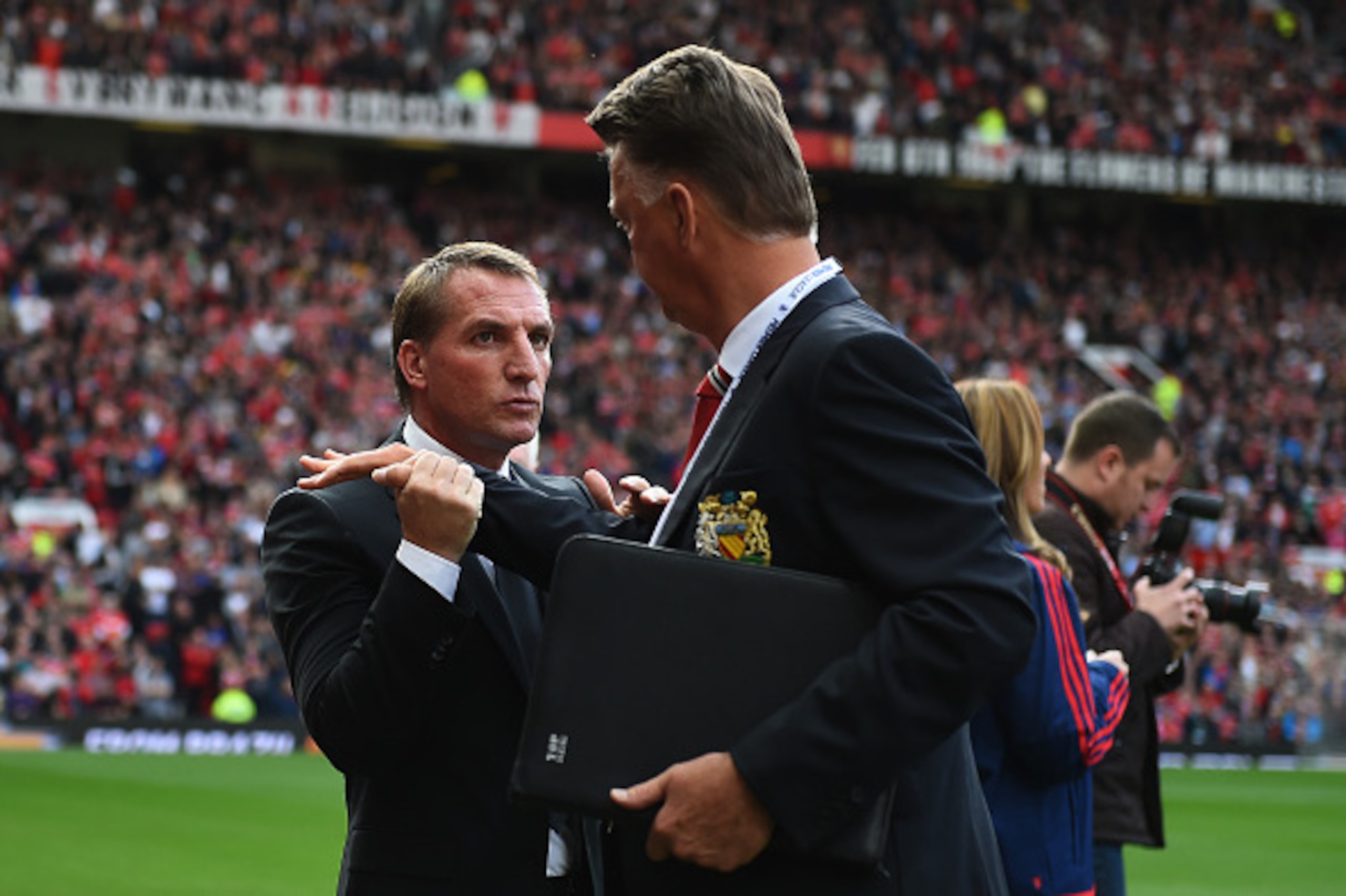
Though he probably doesn't know it, my current archenemy (it changes) in the overcomplication of football is Manchester United's manager/mountain climber Louis van Gaal.
It started with him bringing journalists a statistical packet to prove his long-ball method wasn't indeed negative, as former West Ham United boss Sam Allardyce suggested, as noted by the Daily Mail's Hamish Mackay, and my disdain has steadily grown from there.
My first question to Van Gaal would be: "Why do you care about perception? If you want to punt footballs 50 yards to Marouane Fellaini's monumental afro, and you're winning matches, why not do it?"
I'm sure his response would be something along the lines of: "That goes against my philosophy."

The notion of philosophy makes football harder to grasp and serves as a distraction. If you place an ornate item on the top shelf, making people gawk and awe, they mightn't notice whatever dullness lower down.
Most philosophy is rubbish.
Unless your philosophy is "most philosophy is rubbish," then your philosophy is rubbish. Anything that constricts thought into narrow parameters and sucks out invention, ingenuity and creativity should be culled.
Footballing morals dissuading you from doing what's best is borderline treasonous. I hate losing more than I like winning, so maybe my lens is somewhat fogged—and others with different perspectives can see the proverbial forest for the trees—but if you would rather lose your way than win, something's wrong.

Manchester United are going through a transition phase. The days of Sir Alex Ferguson are fading with every passing weekend, the nightmare of David Moyes has receded after 18 months and the current team, though expensive in nature, are just finding their identity as a collective, not necessarily having difficulty understanding what Van Gaal wants.
I could go further back into English history, but the Liverpool teams of the 1980s had an identity. The Arsenal teams of the late-1990s and early-2000s had an identity. The Chelsea and Man United teams of the mid-2000s and early-2010s had identities.
Identities are real, tangible, evolving things. You cannot establish nor lose an identity overnight. It takes time, patience and familiarity.
Philosophies can be changed at a moment's notice, without a hint of a warning. New managers can enter clubs with supposed philosophies, but if the team's identity doesn't match, the work is doomed to fail (see Brian Clough at Leeds United).
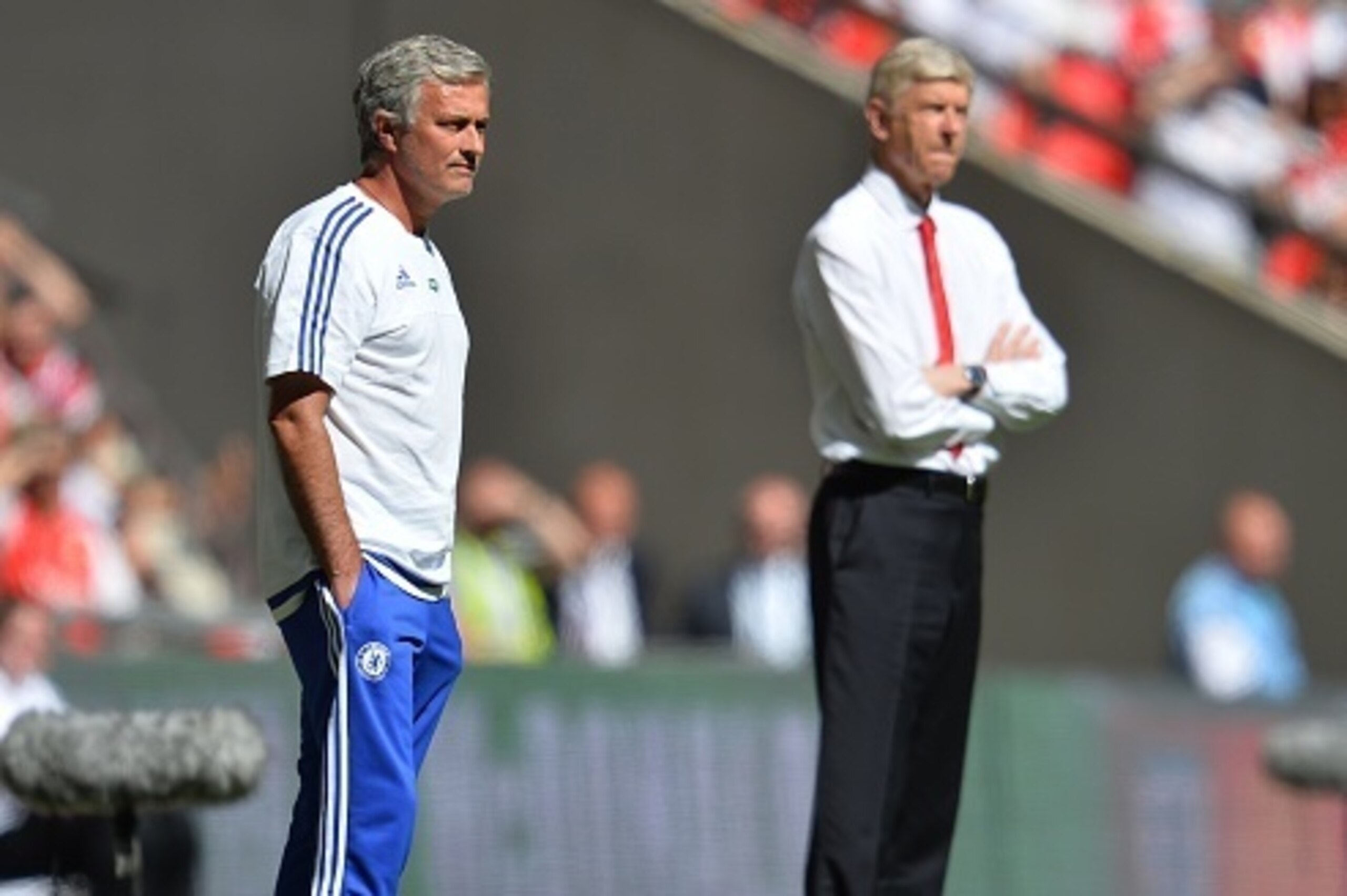
A manager's identity, however, does have on-pitch consequences. Fiery managers create fiery players, stoic managers create stoic players and level-headed managers create level-headed players.
To have footballers view the game as their managers do is asking a lot. Only two current Premier League managers (Arsene Wenger and Brendan Rodgers) have been in charge at their clubs for more than three years, so the task becomes even greater to convey ideas garnered over 40, 50 or 60-plus years.
What can be readily understood are temperament and tone—and those aren't philosophically grandiose; which makes the concept a farce, a masquerade. If a 35-year-old man manager can get the best out of 11 men, then he's just as valuable as a sage 70-year-old tactician with bags of ideas about how the game should be played.
On that point, we return to the beginning: The game should be played to put more goals in and keep more goals out—one's style being tailored to that aim. If you can have some fun and entertain your fans whilst doing it—more power to you.
Last Weekly: Premier League Monetisation and the Affront of Half-and-Half Scarves | Why Would You Wear That?
*Stats are via WhoScored.com; transfer fees are via Soccerbase where not noted.


.jpg?w=2560 "Viral Rams Coach Vid 🖕")

.jpg?w=2560 "2 NFL Officials Suspended")