

Weekly Why: Arsenal, Karim Benzema and the Mystery of Arsene Wenger's Chequebook
Welcome to Bleacher Report's Weekly Why, a place where we discuss world football's biggest questions that may go neglected and/or avoided. Ranging from the jovial to the melancholic, no subject matter is deemed off limits.
Why Aren't All Clubs Run for Trophies?
No matter where your loyalties reside, I'd like to believe as football fans our primary desire is seeing our club lift silverware.

.jpg?w=2560)
Whether you support a perennial superpower, a fledgling middler or a team poised for relegation, from season to season we all start with an unbridled hope that this is the year to achieve whichever realistic goals are there for the taking.
Standing in the way of those desires, more often than not, are finances.
From the murky vales of non-league football to the prestigious summit of the Champions League, club football contains wide varieties of business structures and ownership mentalities.

In something of a personal mystery, I've always been baffled by clubs that have the financial wherewithal to compete on the grandest stages yet seem to run their clubs with the express purpose of making money—not necessarily to win trophies.
Some may disagree with the methodology and consequences thereof, but the "Galacticos" style of Real Madrid and heavy-investment strategies of Chelsea and/or Manchester City makes infinitely more sense to me than being worried about profit.
These clubs are at the pinnacle of club football, and they make more from shirt sponsorships than the aggregate transfer expenditures of entire divisions. For example, Manchester United signed a 10-year sponsorship deal with Adidas last summer worth £75 million per season. Conversely, the Eredivisie has spent just over £65 million on transfers since the 2014 summer window.
For a club in the proverbial slums to be overly concerned about expenditure is warranted—as spending an ill-advised million could mean extinction. For those in the proverbial penthouse, however, close-fistedness feels an affront to football's primary purpose.
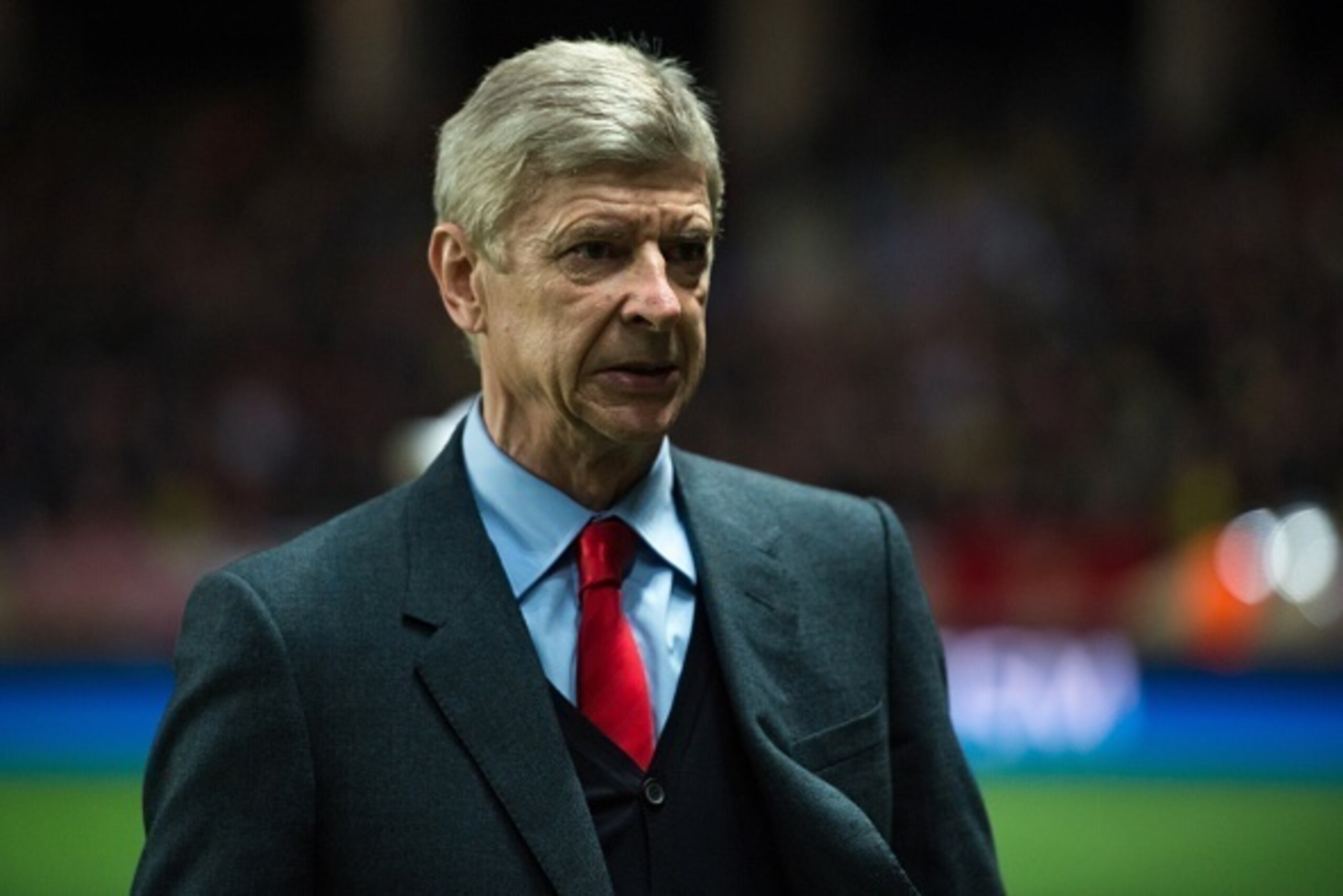
While not an issue unique to the Emirates Stadium, Arsenal Football Club have garnered a reputation over the past decade for being frustratingly frugal.
Arsene Wenger's last dependable spine was created 13 seasons ago. In 2003/04, Arsenal had Jens Lehmann (54 apps), Sol Campbell (50 apps), Patrick Vieira (43 apps) and Thierry Henry (50 apps) as their backbone, which resulted in an unbeaten Premier League season.
Fast-forward a dozen years and—despite winning back-to-back FA Cups—the Gunners' 2014/15 spine was Wojciech Szczesny (29 apps), Laurent Koscielny (36 apps), Francis Coquelin (30 apps) and Olivier Giroud (36 apps).
When compared to the "Invincibles" quartet, even the staunchest Arsenal supporter would admit their spine has severely dropped in quality. This admission has not gone unvoiced. I'm not the first to bring attention to the north Londoners' contemporary woes, but this summer was meant to address their glaring weaknesses.
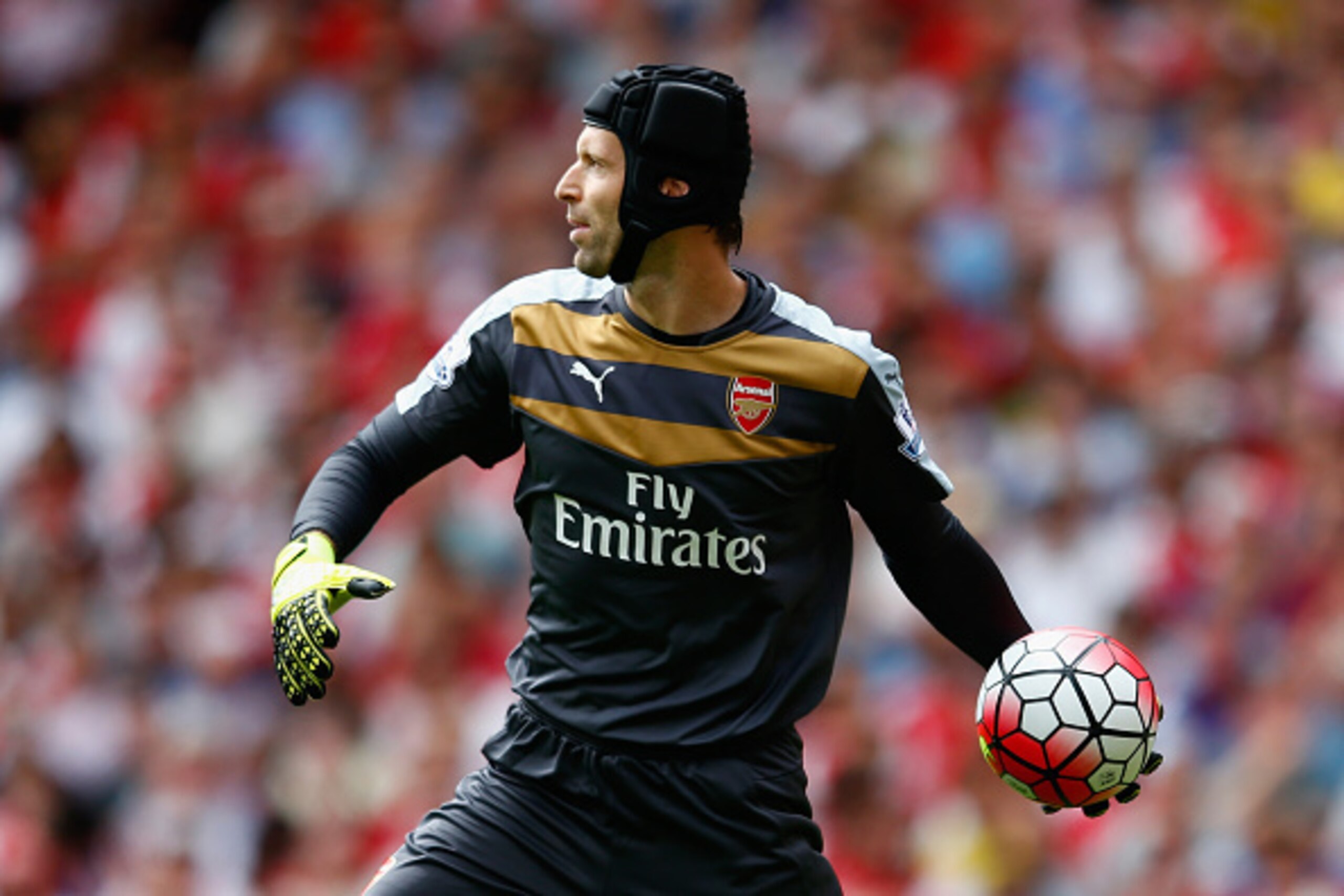
Petr Cech's arrival from Chelsea was a promising capture for Arsenal, but the goalkeeper's inclusion hasn't been capitalised upon. Leaving many, including myself, wondering what exactly is going on with Wenger's chequebook.
Constructing the nearly £400 million Emirates Stadium created debt, and the likes of Vieira, Henry, Ashley Cole, Cesc Fabregas and Robin van Persie were sacrificed to keep the club above ground.
Austerity measures seemed over, though, as Arsenal have spent over £200 million on transfer fees since summer 2012—but their squad still pines for a top-quality goalscorer.
An argument could be made Koscielny and Coquelin require assistance in their respective arenas, but the obvious fragility of Wenger's outfit is at centre-forward. Giroud, Danny Welbeck and Theo Walcott represent the Gunners' strike force; although the current crop are capable vs. England's lesser teams, a world-class striker would enhance Arsenal's overall potency level and title credentials.
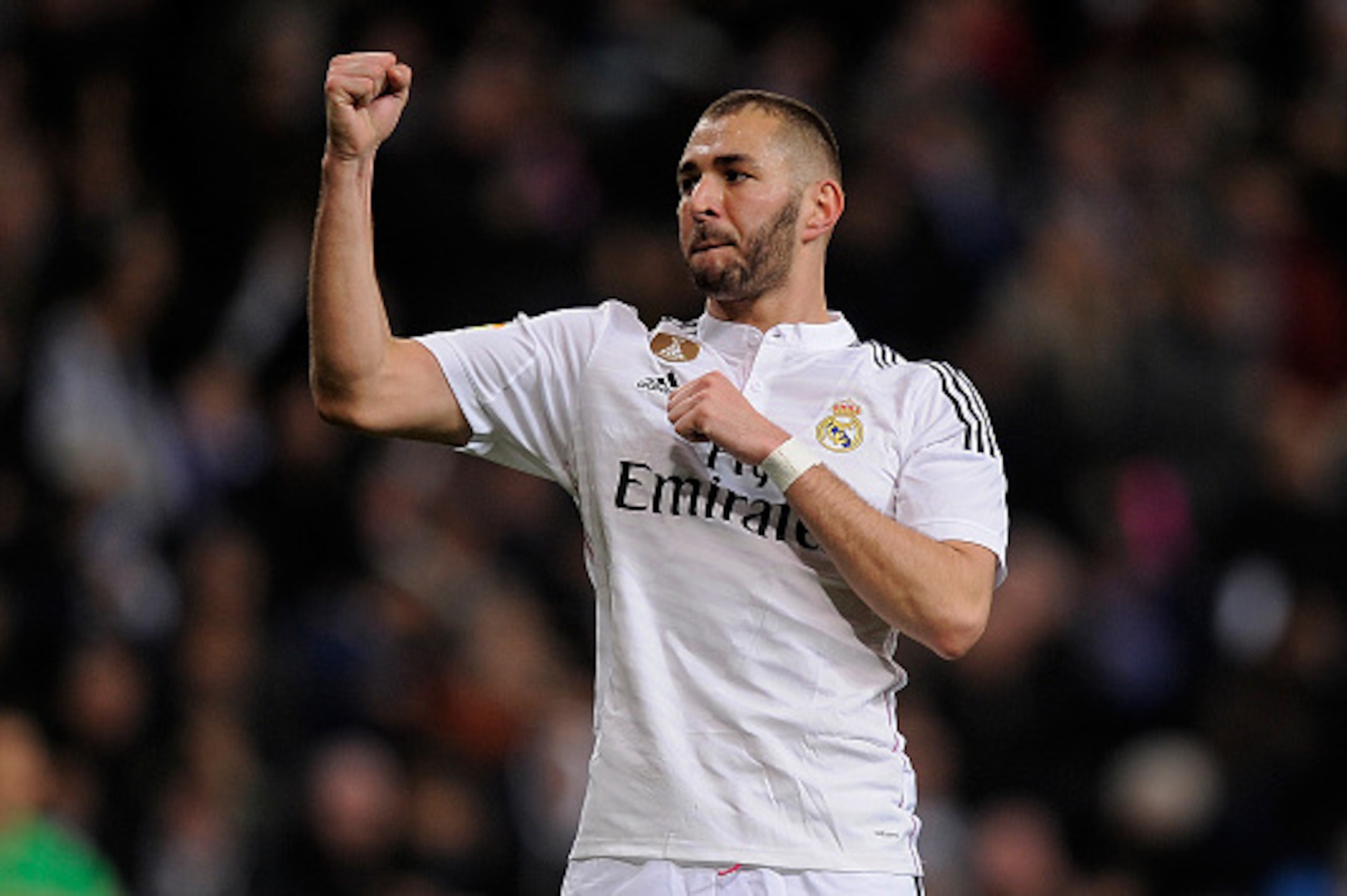
Linked with north London for the past two summers, as exemplified by the Telegraph's Jeremy Wilson in 2013 and 2014, Real Madrid's Karim Benzema is the "No. 9" thought to be Wenger's saviour.
This summer is no different; Sami Mokbel of the Daily Mail suggested Arsenal are willing to give the Spanish giants £45 million for the France international.
Benzema, however, appears comfortable in Madrid, telling his Twitter followers:
"For all those clowns who want to make believe things at my fans. Here this is my home ! #HalaMadridYNadaMas pic.twitter.com/og6tMZKoft
— Karim Benzema (@Benzema) August 24, 2015"
After a summer of Fabian Delph, I don't believe anything footballers proclaim before millions of pounds are pen swivels away, but the 27-year-old's public declaration makes completing any deal near impossible. So it seems, after three summers of speculation, Wenger's focus must turn elsewhere.
Mine won't.
I must ask—given the evidence: Are Arsenal run to win trophies?
It seems an almost ludicrous question to ask, but I've no better way to explain my confusion. The Gunners have England's most expensive season tickets, revenue from kit sponsorships (their Puma deal is worth £30 million per season, via the Daily Mail's David Kent), prize money from four competitions, massive television earnings and one of the world's largest fanbases.
Their inability to capture crucial pieces is unpardonable at this point.
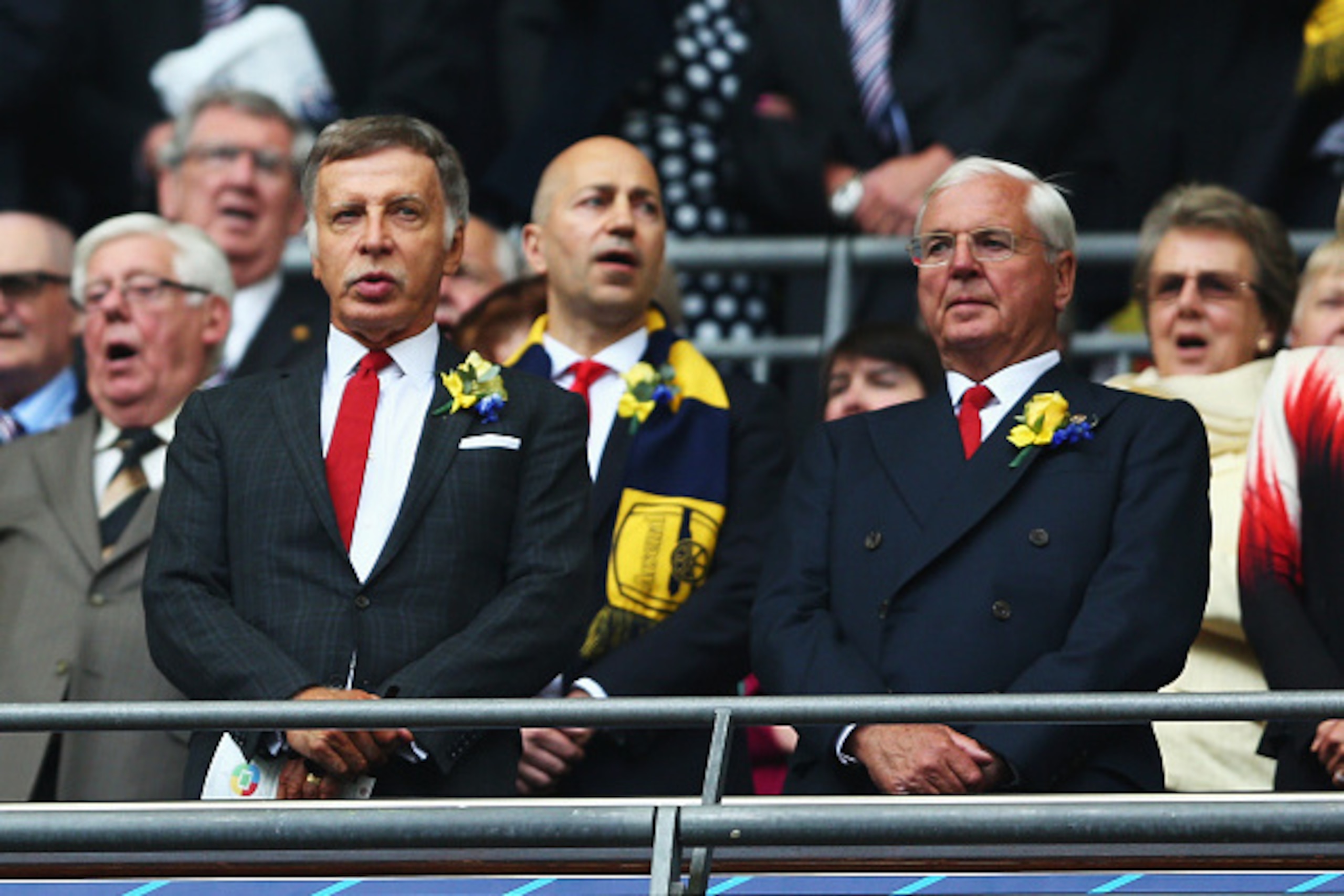
The club's majority stakeholder, Stan Kroenke (according to Forbes), is worth £3.9 billion. Their next-highest stakeholder, Alisher Usmanov (according to Forbes), is worth £8.5 billion. Arsenal's board being stressed over profit, rather than giving their fans the best possible product, should be considered a brand of thievery.
For contrast: In one of his first interviews after buying Chelsea Football Club, the then-36-year-old Roman Abramovich sat down with editor of BBC Business Jeff Randall. When asked if buying the team was about making money, Abramovich responded:
"No, it's not about making money.
I have many much less risky ways of making money than this. I don't want to throw my money away, but it's really about having fun—and that means success and trophies.
"
From the outset of Abramovich's 2003 reign, his intent was clear: win silverware.

Chelsea and its supporters take flack for their cash-splashing business model, but, since the Russian billionaire's arrival, they've lifted 13 major trophies—both continentally and domestically—more than any other English club.
The Blues' model can be described as "win by any means necessary," both on the pitch and off—profit, style be damned.
I pose Arsenal (and clubs with similar mentalities) could learn from their London neighbours.
Football is about winning. Clubs should, therefore, exhaust every available penny to that aim. If not for the love of the game, for those who spend their hard-earned money and pledge their undying support.
Should they be unwilling to do so—change is not only required, but necessary.
Last Weekly: Manchester United, David de Gea, Sloth and the Gluttony of Transfers | Why Is the Transfer Window Still Open?
*Stats via WhoScored.com; transfer fees via Soccerbase where not noted.


.jpg?w=2560 "Viral Rams Coach Vid 🖕")

.jpg?w=2560 "Injury-stricken Seahawks signing veteran RB")
