Is 2014 the Year of the Goalkeeper?
In 2014, goalkeepers grabbed more column inches, more airtime and more public interest than ever before.
No longer confined to the lesser-read sports pages, the World Cup heroics of Tim Howard practically melted Twitter as the hashtag #ThingsTimHowardCouldSave trended globally after the USA’s display against Belgium.
Manuel Neuer cemented his position as one of the world’s greatest players alongside Lionel Messi and Cristiano Ronaldo when he made the three-man shortlist for this year’s coveted Ballon d’Or.
TOP NEWS
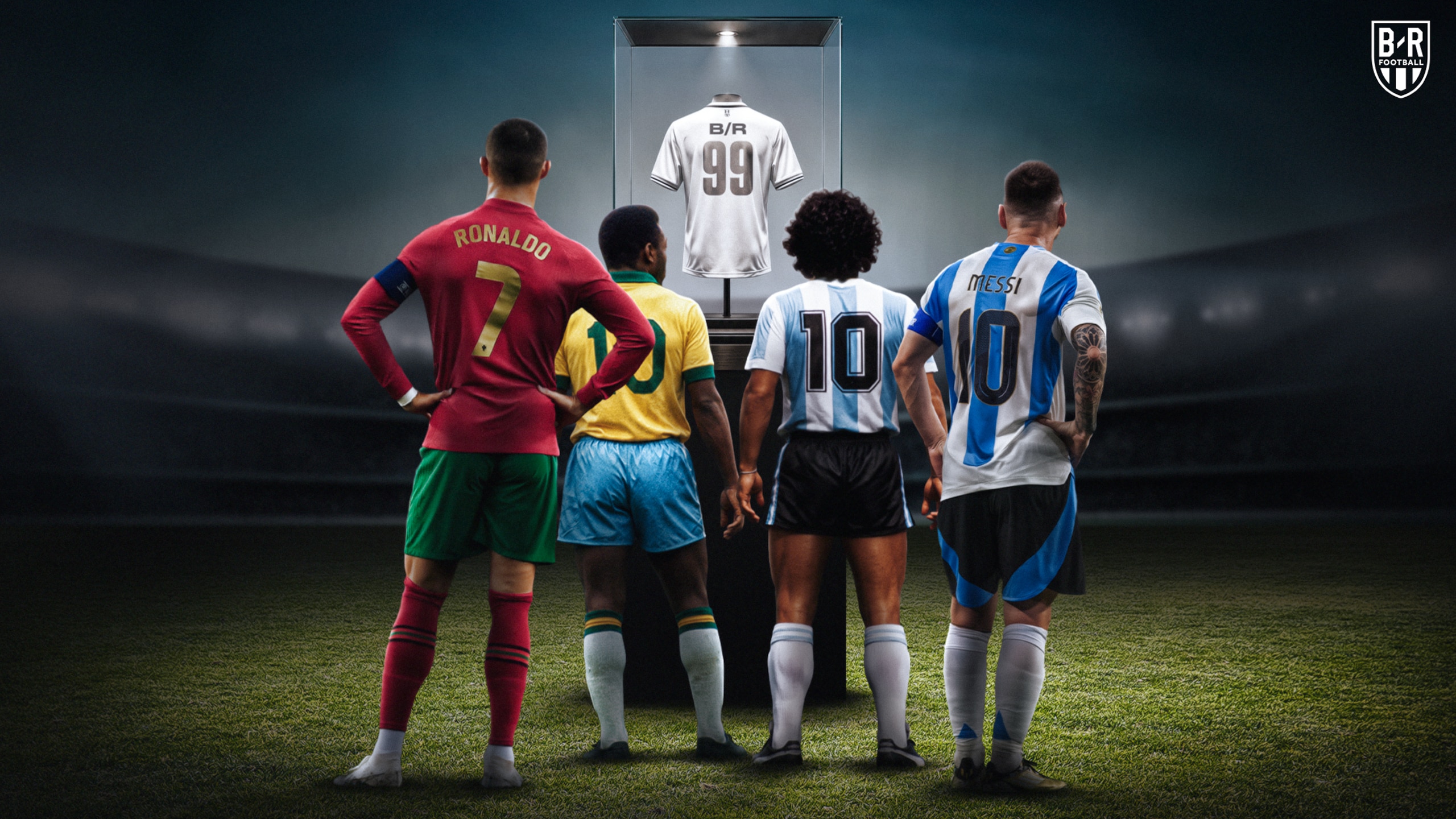
B/R 99: Best Football Players Ever 🐐
Live Latest Transfer News 💰♻️

EPL Transfer Window Grades 📝
Then, more recently, David de Gea lent himself to a medley of memes after his performance in Manchester United's 3-0 victory over Liverpool.
"#ThingsDavidDeGeaCouldSave The Undertakers streak... pic.twitter.com/DdNXmIQWsi
— Tom Cushnie (@TomCushnie) December 14, 2014"
So what’s changed? Have goalkeepers improved, or is it just the public understanding and changing its perception of their talents? For instance, why, despite playing in three World Cups and winning two of them, is Brazilian goalkeeping legend Gylmar dos Santos Neves remembered as “Pele’s goalkeeper” on online resources such as What Culture?
Equally, why did Lev Yashin—arguably the greatest goalkeeper to ever live and the only one to win the European Footballer of the Year award—never captain the Soviet Union at the World Cup despite playing in three of them? According to the website Russia Team, which celebrates the country’s football heritage, it’s because “to appoint a goalkeeper as a captain is a relatively new custom.”
Therefore, it seems the answer is due to both the evolution of the goalkeeper’s role and the celebration of this role by the fans. All of which has been magnified by the power of the Internet and the collective voice of fans, which is broadcast through the mechanism that is social media.
The Evolution of the Goalkeeper
Very few people would deny that Gylmar was a great goalkeeper. But to quote Give Me Sport, he will be “remembered for his sober style on the pitch and his peaceful personality.” He was essentially the archetypal player between the posts.
The same can not be said for the pioneer that was Yashin. Known for revolutionising the position of goalkeeper, he stamped his authority on the entire defence, regularly left the confines of the six-yard box to meet onrushing attackers and challenged the idea that goalkeepers should spend 90 minutes on the goal line waiting to be called into action.
This, in turn, created a new breed of goalkeeper. Forged in the same style of Yashin, players such as Oliver Kahn, Peter Schmeichel and Iker Casillas emerged and did amazing things for their respective teams and countries. Molded in the same angry, respect-commanding manner, each was affectionately nicknamed by fans just as Yashin, the “Black Spider," had been.
Casillas is known as “Saint Iker,” according to ABC News. Schmeichel was declared as the “Great Dane” on FIFA’s official website. That article quotes his former manager, Sir Alex Ferguson, as saying:
"He used his size to great effect. Nobody could make themselves big like he did, and I don’t know how many times I saw striker bottle it when Schmeichel charged off his line at them.
The greatest players for me, they’re always attackers, the ones who make something happen out of nothing. The Peles, Maradonas, Cruyffs of the past. Messi, Ronaldo and Rooney of today. But Schmeichel was a rare exception of a 'keeper who was as influential as the best players of his era.
"
Finally, there is “Der Titan." Neuer’s predecessor Kahn was widely celebrated by fans in Germany, as is evident from this 10-year-old video paying homage to the Bayern Munich legend.
Social Media and the Collective Celebration of Goalkeepers
But what’s interesting looking back through history is it appears the development of the Internet could be responsible for making the public's appreciation for great goalkeepers more widespread.
An appreciation that has always been there according to Russia Beyond the Headlines, which states Yashin was a prime example and adored by his team-mates and countrymen.
Vladimir Pilguy, who replaced Yashin at Dynamo, was quoted as saying: "The fans always called Yashin by his first name. To them, he was one of them, like a brother or a friend. Soccer fans always walked him home, helping him to carry his heavy sports bag."
This shows the adoration that Howard received during the World Cup was nothing new. It was just that social media made it more obvious to the world. There’s little doubt that #ThingsYashinCouldSave would have been trending on Twitter during the 1958 World Cup had it been invented then.
"#ThingsTimHowardCouldSave pic.twitter.com/54Pv2ZBVd3
— World Star Ratchet (@wshhratchetvids) December 17, 2014"
All things considered, this bodes very well for Neuer, who finds himself up against Messi and Ronaldo for the 2014 Ballon d’Or. Especially if you consider the official Rules of Allocation, published by FIFA, which states “the awards are bestowed according to on-field performance and overall behaviour on and off the pitch.”
Arguably, the “off the pitch” part may have been where past goalkeepers have come unstuck in the ambiguous voting process. For instance, the voting panel is made up of one third “specialist journalists,” who have no doubt previously been influenced by the lack of column inches goalkeepers received.
"#FFT100 Manuel Neuer and the evolution of the goalkeeper (by paulsimpsonHN) http://t.co/gtcBF0i379 #FCBayern pic.twitter.com/8G7JUQGPi4
— FourFourTwo (@FourFourTwo) December 9, 2014"
But as is evident from the passionate torrent of articles and blogs on websites such as FourFourTwo and Outside of the Boot, Neuer may now be playing on an even playing field.
Maybe, just maybe, Neuer could win the Ballon d’Or and, with the help of social media and pioneers like Yashin, make 2014 the year of the goalkeeper.

.jpg?w=2560 "Lions Try Out Trevon Diggs")
.jpg?w=2560 "Richardson Unsure of Future With Colts")
.jpg?w=2560 "Buzz: Terrion Arnold Visits Seahawks")