Financial Imbalance Leaves European Elite Tactically Spent in High-Profile Games
Football is a game of balance—a game in which it’s vital to know both how to attack and how to defend.
Perhaps its greatest beauty is that a weaker side can prevail by defending better than a stronger side attacks. The race doesn't always go to the swift or the battle to the strong; football, though, does tend to be to the rich.
Money is distorting everything in football—even the tactics.
TOP NEWS

Way-Too-Early Transfer Picks 🔮
EVERY Goal and Highlight 😍

New to EPL? Here's How to Pick Your Team ☝️

Six years ago, I interviewed Igor Biscan in Zagreb. He had just joined Dinamo after a short break from the game and seemed thoroughly gloomy about the state of the game in Croatia.
In particular, he was bothered by a phenomenon common across Europe’s smaller leagues: a weakness rooted in the sheer strength of his side.
Biscan told me:
"Every season we have the same story.
We dominate domestically, but when we are close to entering the Champions League, we are not good enough.
This is one of the reasons we cannot compete with European clubs, because we don't have enough hard matches so when it comes to one or two tough games of course we cannot match teams from a higher level.
"
That Dinamo side was packed with fine attacking players, even those at the back, because pretty much all they ever did in domestic competition was attack.
It made more sense to have a centre-back who could step forward and join the midfield than it did to have one who would scrap all day to get the better of a centre-forward; it was more logical to have a full-back who could charge forward at will and get crosses into the box than it was to have one who could hold up a winger.
Against other champions in the preliminary rounds of the Champions League, though—when Dinamo didn’t dominate the ball and couldn’t just attack at will—they found themselves unable to fight.
They didn’t know what to do if possession was 50-50, let alone if the opponent had more of the ball.
As a result, Dinamo repeatedly found themselves beaten by teams with inferior players because those players knew how to defend as well as attack.
The paradox of weakness through excessive strength—let’s call it the Biscan Principle—was exacerbated by the financial structure of the Champions League.
To take just one example—although Steve Menary offers many in his piece on the subject in The Blizzard—Hungarian champions Debrecen reached the group stage of the Champions League in 2009-10, lost every game and went home with €9 million in prize money and television revenue.
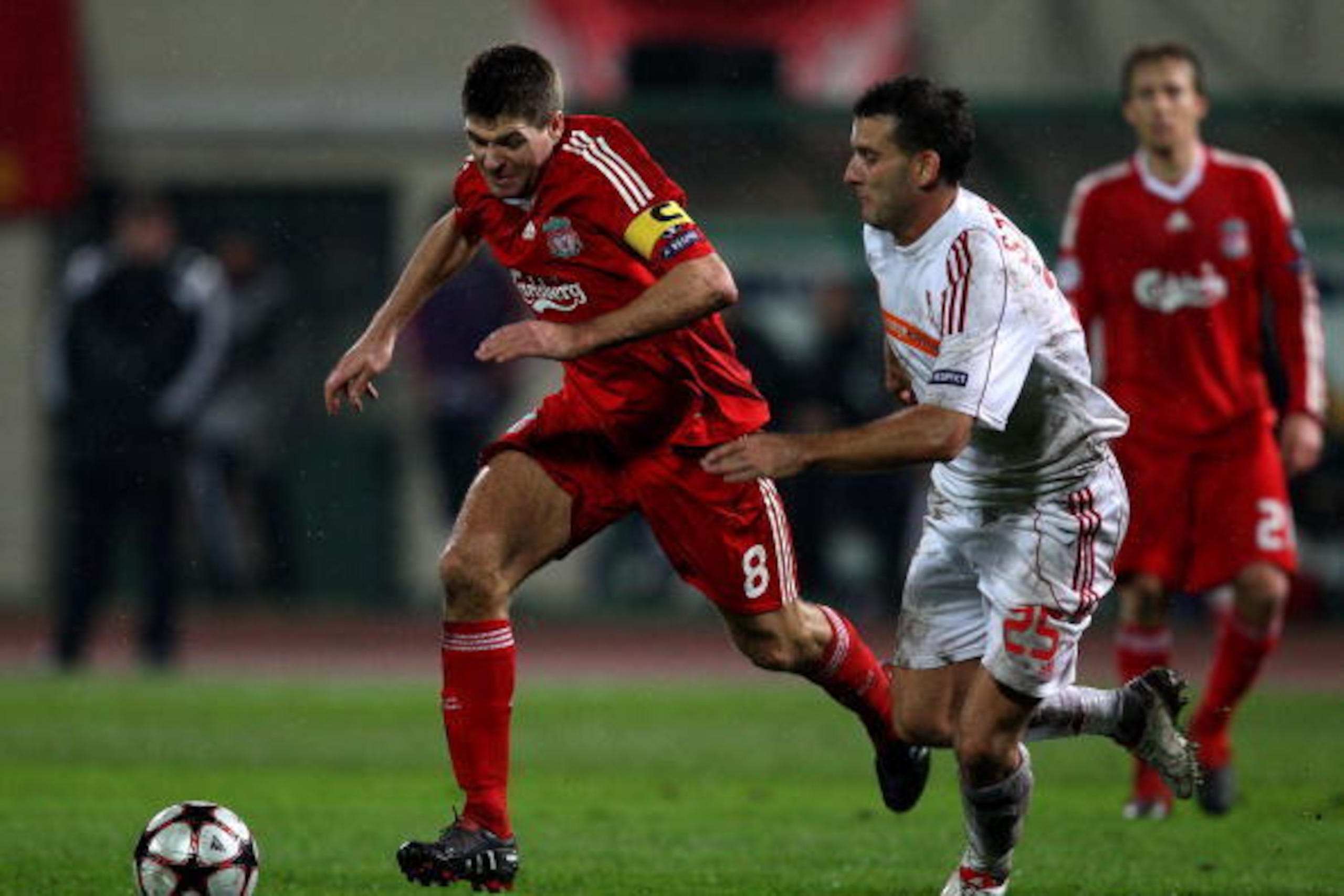
The following year, their total income was just €3.4 million, while a television deal signed in 2011 brought Hungarian clubs €620,000 each per season.
In other words, one season in the group stage of the Champions League could ensure a club’s financial dominance domestically for several years.
The Biscan Principle, though, has now expanded to take in even the elite.
One of the reasons for Bayern’s collapse against Real Madrid in the Champions League last season was because they had forgotten what it was like to be tested by a high-class team that counter-attacked well.
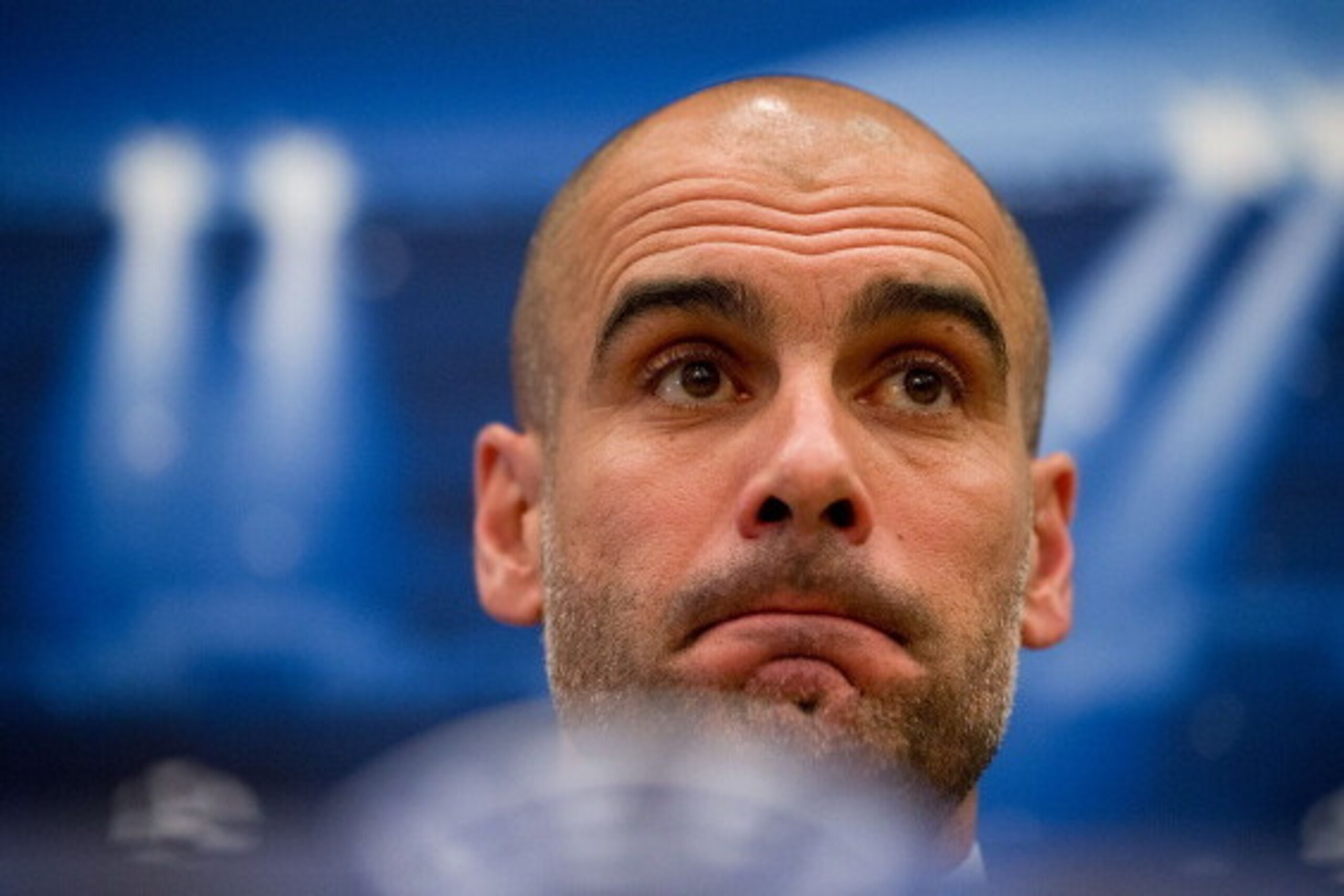
Suddenly, the inability to defend set plays, which has always been a foible of Pep Guardiola sides, became a major issue because Madrid were winning significant numbers of set plays in dangerous areas.
The collapses of Barcelona and Madrid against Bayern and Borussia Dortmund respectively the previous season had similar roots.
There are those who will point to Atletico’s success last season and suggest this shows La Liga isn’t a two-horse race, and briefly, perhaps it won’t be.
But as research from Nick Harris (@sportingintel) has shown, the top club in Spain takes 14 times more than the bottom club from the league’s central funds (that is, television revenues and prize money)—the ratio in the Premier League is 1.57.
Atletico work on a pittance compared to Barca and Madrid. They lost Diego Costa, Thibaut Courtois and Filipe Luis in the summer; as the example of Dortmund has demonstrated, that can only be sustained for so long.
Eventually, money wins out, and Financial Fair Play only reinforces existing structures.
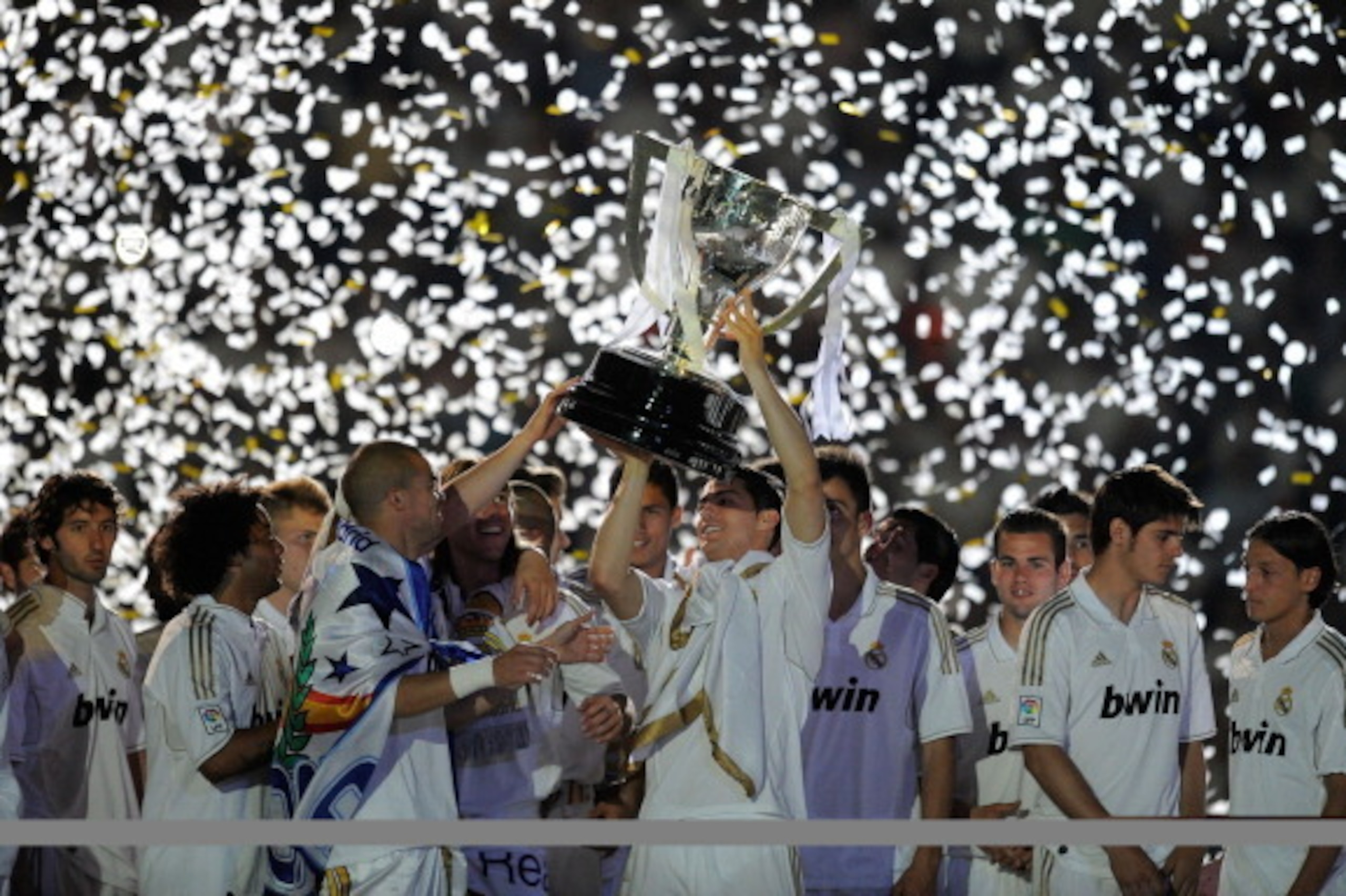
Bayern will win the Bundesliga by a street again this season, Real Madrid will probably do the same in Spain and Chelsea’s early-season form suggests they will walk away with the Premier League (and hints, perhaps, at a future in which only they, Manchester City and maybe Manchester United can compete).
PSG may face a challenge from Marseille, but again it’s likely to be short term, and Juventus will probably see off Roma in Italy once more.
The super clubs are clear, and the present structures perpetuate the model that already exists.
What is fascinating tactically is that when they play each other they are playing a different game—a game they’re not used to and for which they’re not prepared.
It’s the Biscan Principle that has led to the unexpectedly wide margins of victory in recent Champions League semi-finals, and it’s hard to see how it can do anything but distort the tactical picture for the foreseeable future.


.jpg?w=2560 "Grading SNME in Atlanta 🔠")
.jpg?w=2560 "Top 10 2027 Free Agents ✍️")

.jpg?w=2560 "Giants Extend Jameis Winston")

.jpg?w=2560 "McVay on Rams Travel Plans 🗣️")
.jpg?w=2560 "Projecting NFL Win Totals 🔮")