
New York Knicks: 5 Guys the Knicks Wish They Never Shipped out
The Isiah Thomas era is best remembered for its gaudy contracts and poor judgment of talent. It also represents perhaps the only period in New York Knicks history in which the franchise officially hit rock bottom.
In recent times, team president Donnie Walsh has been a man on a mission in his attempt to compile a championship roster. Hoping to erase a decade of awful memories, Walsh worked diligently to strip the Knicks down to a lineup of expiring contracts and minimum salaries in an effort to rebuild from a clean slate.
It all seemed worth it after the signing of Amar’e Stoudemire last summer. Considered the next best free-agent option to LeBron James, Stoudemire unquestionably became the greatest Knicks player since Patrick Ewing.
At that point, it appeared all the pieces were falling into place exactly as Walsh had envisioned. Later, the addition of Carmelo Anthony and Chauncey Billups suddenly thrust New York into a position to do damage in the playoffs. Or so we thought.
Much to the displeasure of Knicks fans, an early postseason exit made it apparent that this team is a work in progress with very little depth. Critics disparaged the early trade for Anthony given the caliber of players New York was forced to relinquish—especially since this may have been averted had they waited for the next window of free agency.
Although there is no turning back the hands of time, think about some of the players the Knicks have traded away in an effort to get where they are today and what it might be like if they were to return. Although some of them are far-fetched, the following slides examine five players whose potential could really be tapped in a Knicks uniform.
Nate Robinson – PG/SG
1 of 5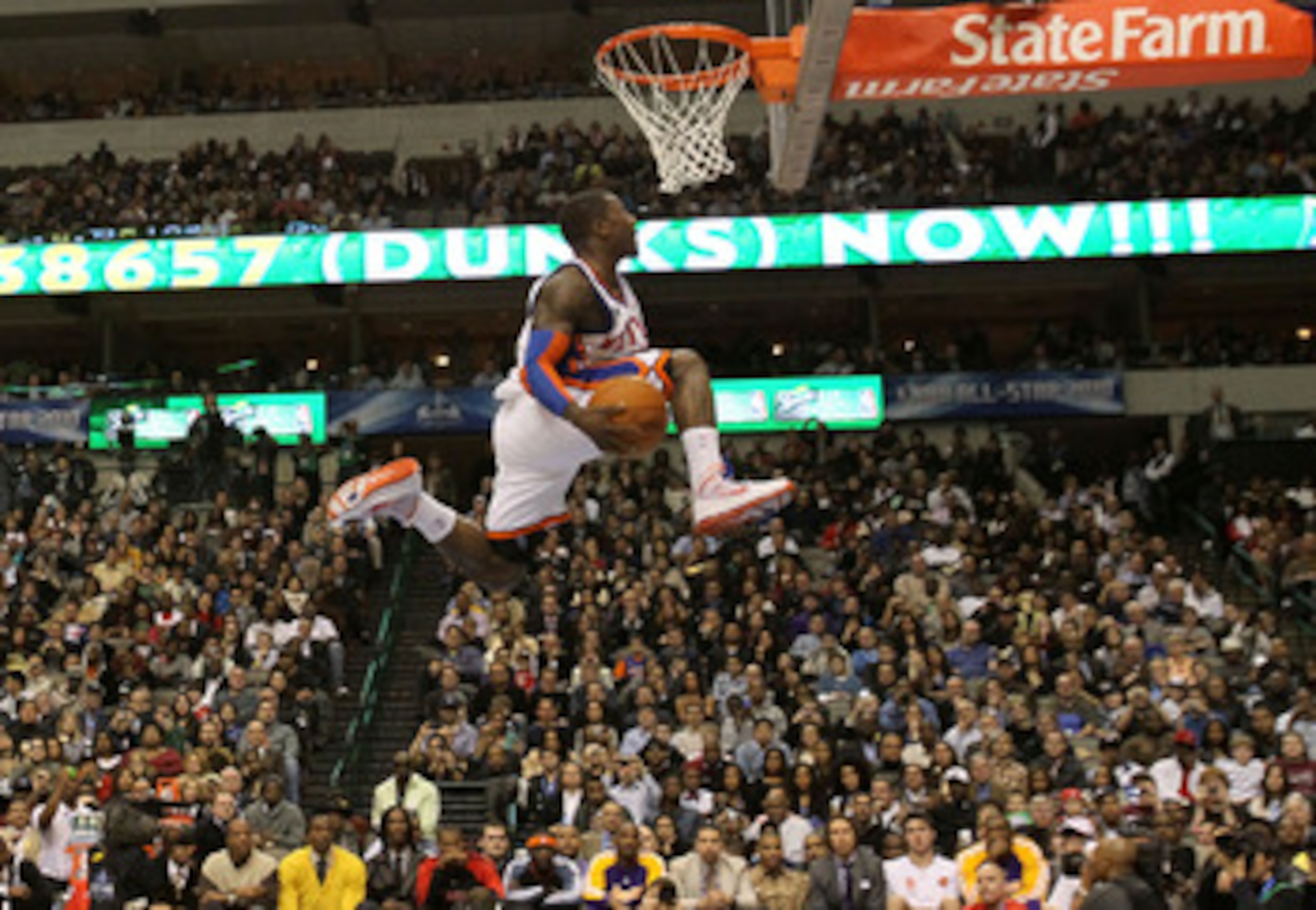
Little Nate Robinson is listed at 5’9”, but he’s probably closer to 5’7”. Despite being small in stature, Robinson has the heart of a lion and has proven to be one of the most exciting and gifted players under six feet the league has ever seen.
Yes, he’s turnover-prone and an occasional head case, but Robinson’s high-octane approach and knack for hitting the three-ball is a perfect fit for Mike D’Antoni’s offense. He also has the quickness to stay in front of just about any guard in the NBA, and his feisty defense often leads to steals.
Since leaving the Knicks for Boston and currently Oklahoma City, Robinson has not been utilized in the same fashion and rarely steps onto the court. During his last full season in New York, Robinson averaged 17.2 points, 4.1 assists, 3.9 rebounds and 1.3 steals in about 30 minutes per contest as the Knicks’ sixth man. Robinson will probably never be a starter in this league, but he’s obviously capable of greater production than we’ve seen of late.
Knicks backup guard Toney Douglas has a very similar game to Robinson, but he doesn’t quite bring the level of energy and swagger every time out. I’m not saying I’d rather see Robinson take Douglas’ spot, but as a fan favorite during his career at the Garden, many Knicks supporters would welcome his freakish high-flying act back with open arms.
Wilson Chandler – SF
2 of 5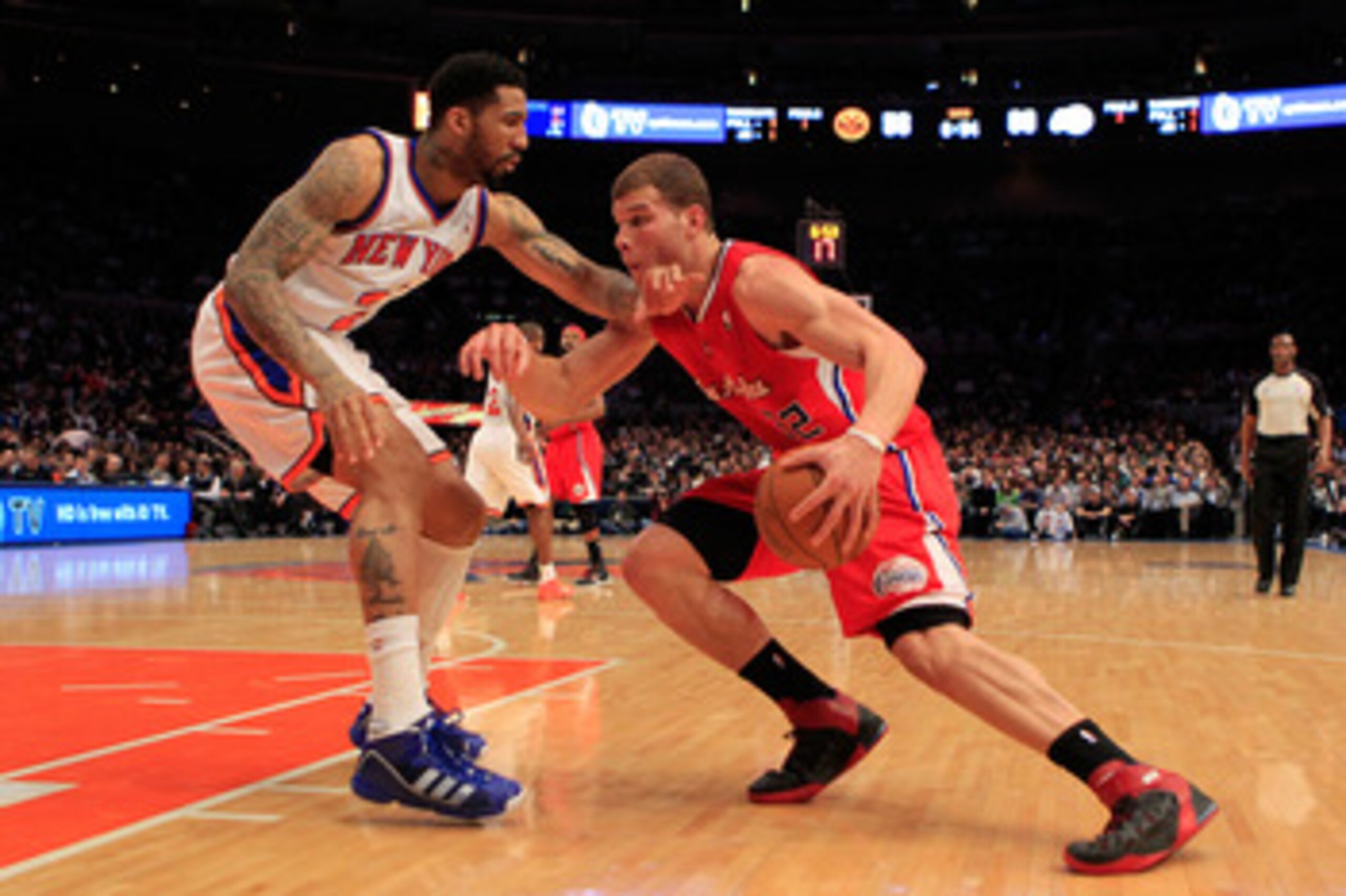
Wilson Chandler goes about his business quietly, but he steadily improved his all-around game each season since the Knicks drafted him in 2007. Before he was whisked away in the Carmelo Anthony trade, Chandler was putting up career highs in points, rebounds and blocks, averaging 16.4, 5.9 and 1.4, respectively.
Chandler has that rare combination of strength and athleticism that serves him well on both ends of the floor. On the offensive side, he can pull up and hit a three in your face or take you to the hole with a couple dribbles and posterize you. On the defensive side, he can body up with power forwards and is good for one or two blocks per outing.
If the Knicks were to go with a traditional lineup, Chandler would undoubtedly be Carmelo Anthony’s backup. However, if New York goes small, Chandler could share the floor with Anthony and slide down to power forward. Nevertheless, using Chandler primarily as a reserve really boosts the quality of the bench and also gives them a reliable scorer and defender to sub in.
Recent rumors have swirled around the possibility of bringing Chandler back. He really was starting to blossom in New York and seems uncomfortable playing in Denver. Even if he never reclaims a starting position, he’ll do nothing but bolster a team in dire need of some key role players and defensive stability.
Jamal Crawford –SG
3 of 5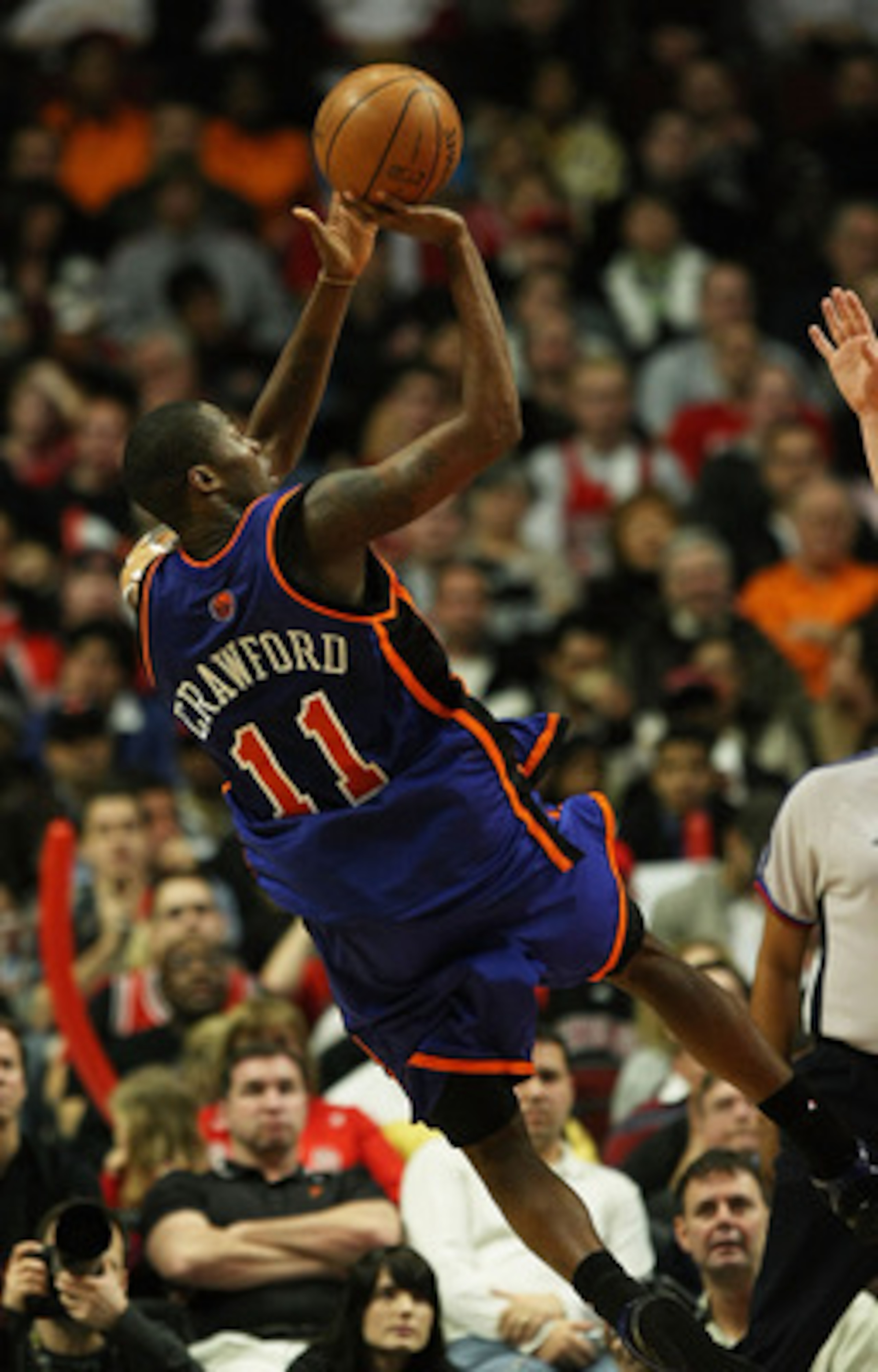
While Landry Fields always gives 110 percent whenever he’s on the floor, he is not the Knicks’ long-term answer at shooting guard. Furthermore, when New York acquired Carmelo Anthony, Fields went into a funk that he just couldn’t shake, and it carried over to the first round of the playoffs.
Fields is a guy who does the dirty work, but he doesn’t offer much in the offensive skills department. He buries threes when he’s wide open and may excite the crowd with an occasional slam, but he can’t compete with the scoring arsenal Jamal Crawford provides.
In his final Knicks campaign, Crawford put up close to 21 points and more than two three pointers per game. He is the prototypical shooting guard; his range is unlimited, and he’ll find ways to score regardless of how he’s defended. It is not unfathomable for Crawford to pour in 40, or even break 50, when given a starter’s minutes.
New York really needs someone who can take the scoring load off of Anthony and Stoudemire because Billups cannot be counted on game in and game out. Moreover, defenders do not have to pay close attention to Fields since he’s one of the last scoring options, but Crawford must be respected at all times.
Joining forces with a player like Crawford will not allow for as many double-teams on Anthony and Stoudemire. In turn, their offensive output will increase.
It seems like Crawford’s been around forever, but at just 30 years old, he’s got some mileage left. Along with Jason Terry and Lamar Odom, he’s among the best sixth men in the NBA and could easily resume a starting role if he’s not suiting up behind Joe Johnson.

David Lee – PF/C
4 of 5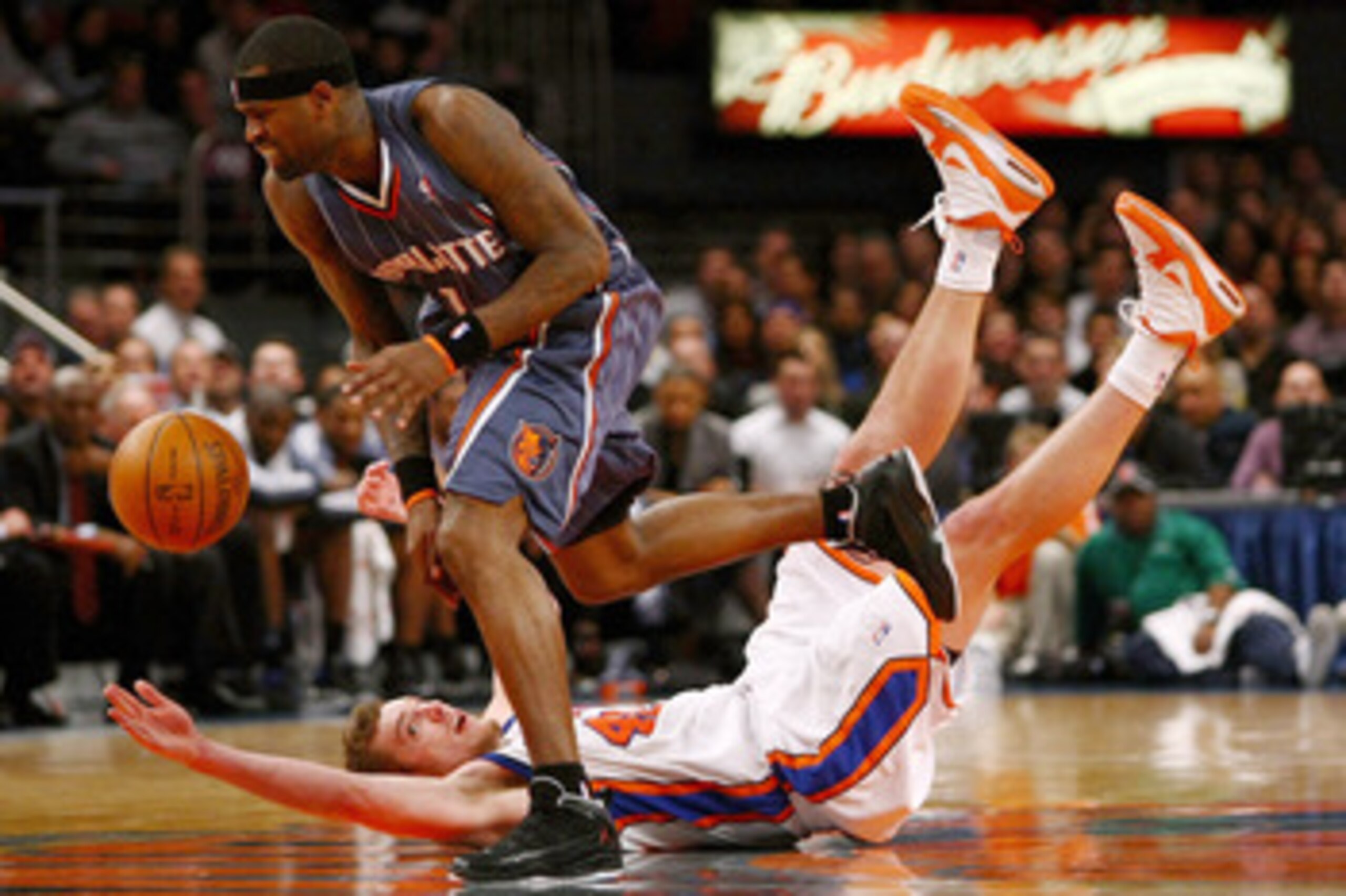
The classic blue-collar player, David Lee earned a spot in the hearts of all Knicks fans almost instantly. Always in the right spot to haul in a rebound, it was unusual when Lee failed to post a double-double.
Like Wilson Chandler, Lee improved every year of his stay in New York. Upon entering the NBA, his athleticism and drive was unmistakable, but Lee’s offense was a liability.
Becoming a full-time starter by 2008, Lee worked tirelessly on his offensive repertoire during the offseason until he developed a consistent foul line-extended jumper. During the 2008-09 season, he led the league with an astounding 65 double-doubles.
The following year, Lee attained elite status as the Knicks standout. In spite of New York’s poor record, he was voted in by the coaches to attend his first all-star game. He finished the season with averages of 20.2 points and 11.7 rebounds.
Obviously, the Knicks were unable to keep Lee on the payroll since his newfound status rightfully commanded a higher salary, but a front line of Amar’e Stoudemire and David Lee would be very complementary. Where Stoudemire is deficient in rebounding, Lee would pick up the slack.
The only downside to Lee is his defensive ineffectiveness for a big-man. He doesn’t block shots, which is baffling considering his leaping ability. But on the bright side, he has averaged a steal per game since becoming a starter.
The Knicks may be in need of a center with a defensive presence, but no true Knicks fan would fret at the sight of Lee back in blue and orange.
Zach Randolph – PF
5 of 5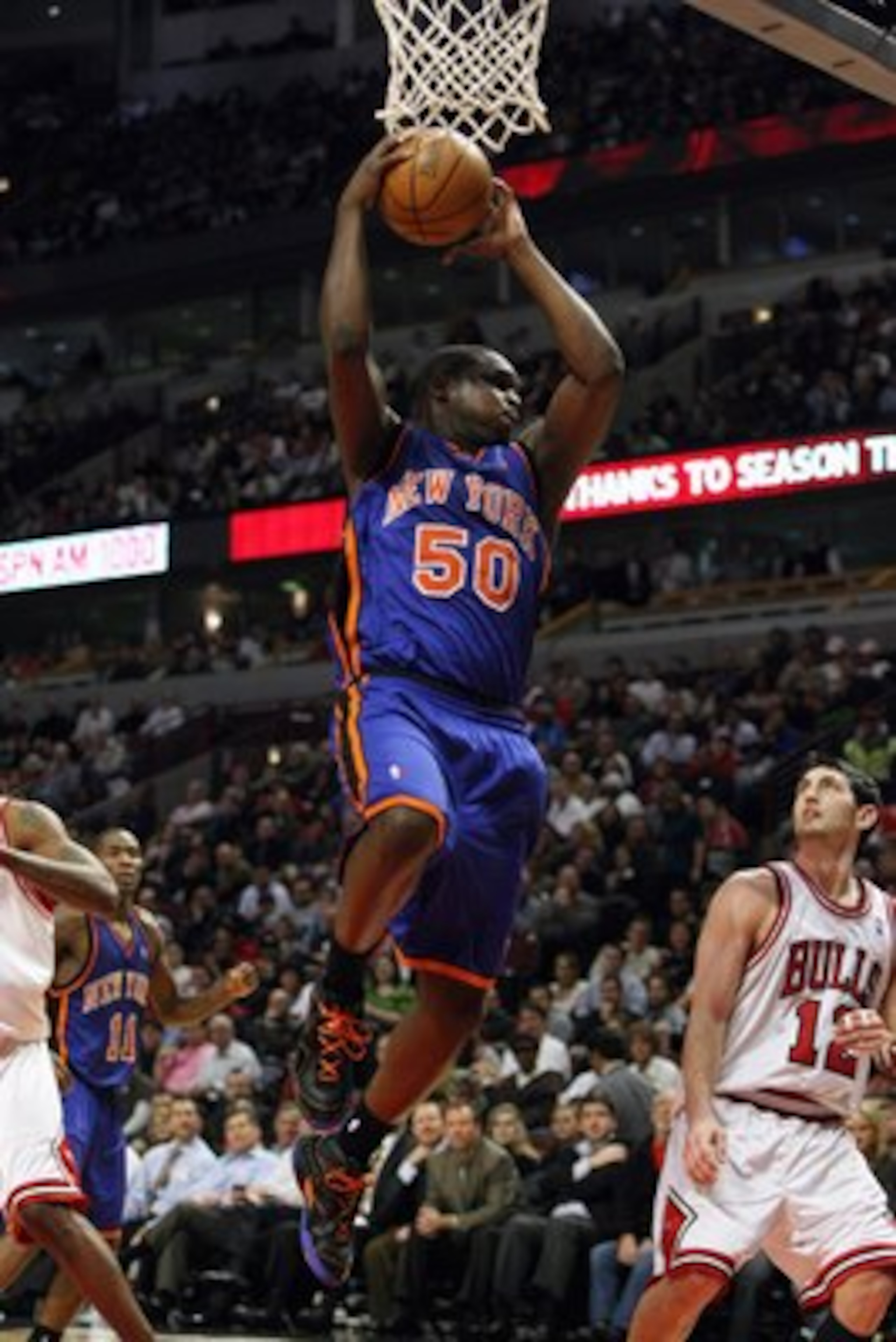
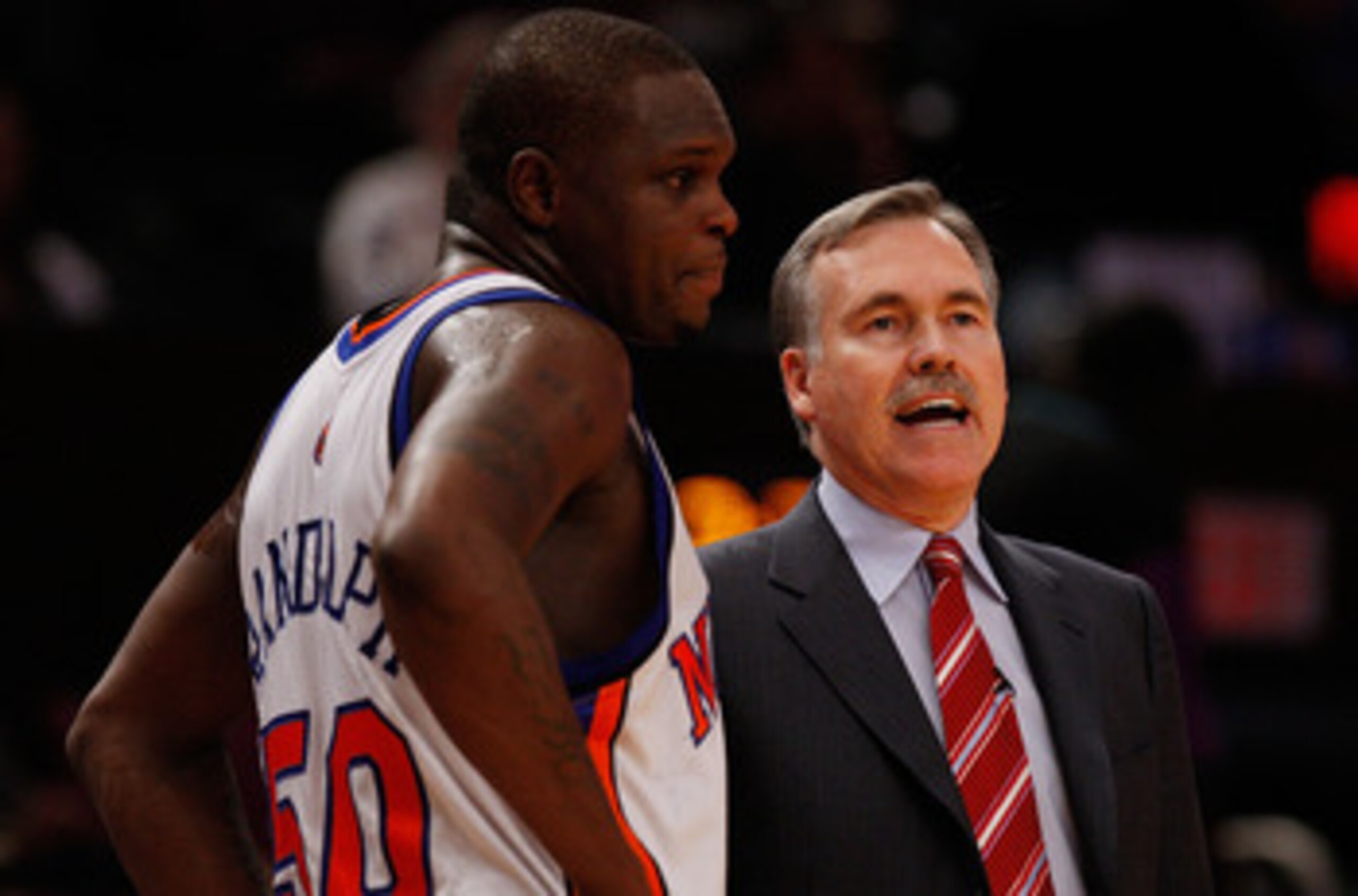
Playing a mere 80 games with the Knicks, Zach Randolph’s time in New York is the equivalent of a stopover on an overseas flight to Eastern Europe. When he arrived after six seasons with the Portland Trail Blazers, Randolph had a negative aura about him; he was labeled a ball hog with a self-centered attitude.
Randolph did little to dispel this stigma while in New York and was regularly chastised by the media for his propensity to shoot the ball every time he touched it. Even though Randolph had been a consistent 20 and 10 threat for the bulk of his career and continued to be as a Knick, he was simply valued for his expiring contract. The Knicks front office did not forecast a winning future with him in the mix.
Presently in his 10th season, it’s taken an entire decade for NBA fans to appreciate Randolph. Having carried the Memphis Grizzlies to Game 7 of the Western Conference Semifinals, he’s required a platform like the playoffs to put him on a national stage. It also doesn’t hurt that Kevin Durant recently dubbed him the best power forward in the NBA.
I would never swap Amar’e Stoudemire for Randolph. Stoudemire may not crash the boards quite like Randolph does, but the ferocity and tenacity that Stoudemire brings to the table should not be overlooked. Stoudemire’s above-the-rim style is more suited to D’Antoni’s scheme as opposed to Randolph’s penchant for finesse.
Randolph is comparable to David Lee in that he seems to have a sixth sense enabling him to predict where the ball is going to bounce. At least 10 rebounds is the norm.
If Stoudemire assumed the center position, as he often did this past season, Randolph could play his natural power forward, and a formidable inside-outside front line tandem would result. Since Randolph is comfortable operating as a spot-up shooter, they wouldn’t have a tendency to clog the paint, and pick-and-rolls could be executed.
Now with his fourth team, Randolph has finally matured and hasn’t shied away from being a leader in Memphis. While it’s highly unlikely he’ll ever venture back to the Knicks, if Donnie Walsh knew then what he knows now, Randolph may have been the one receiving that five-year $100 million deal.

.jpg?w=2560 "Chiefs, Steelers Eye WR Trades")