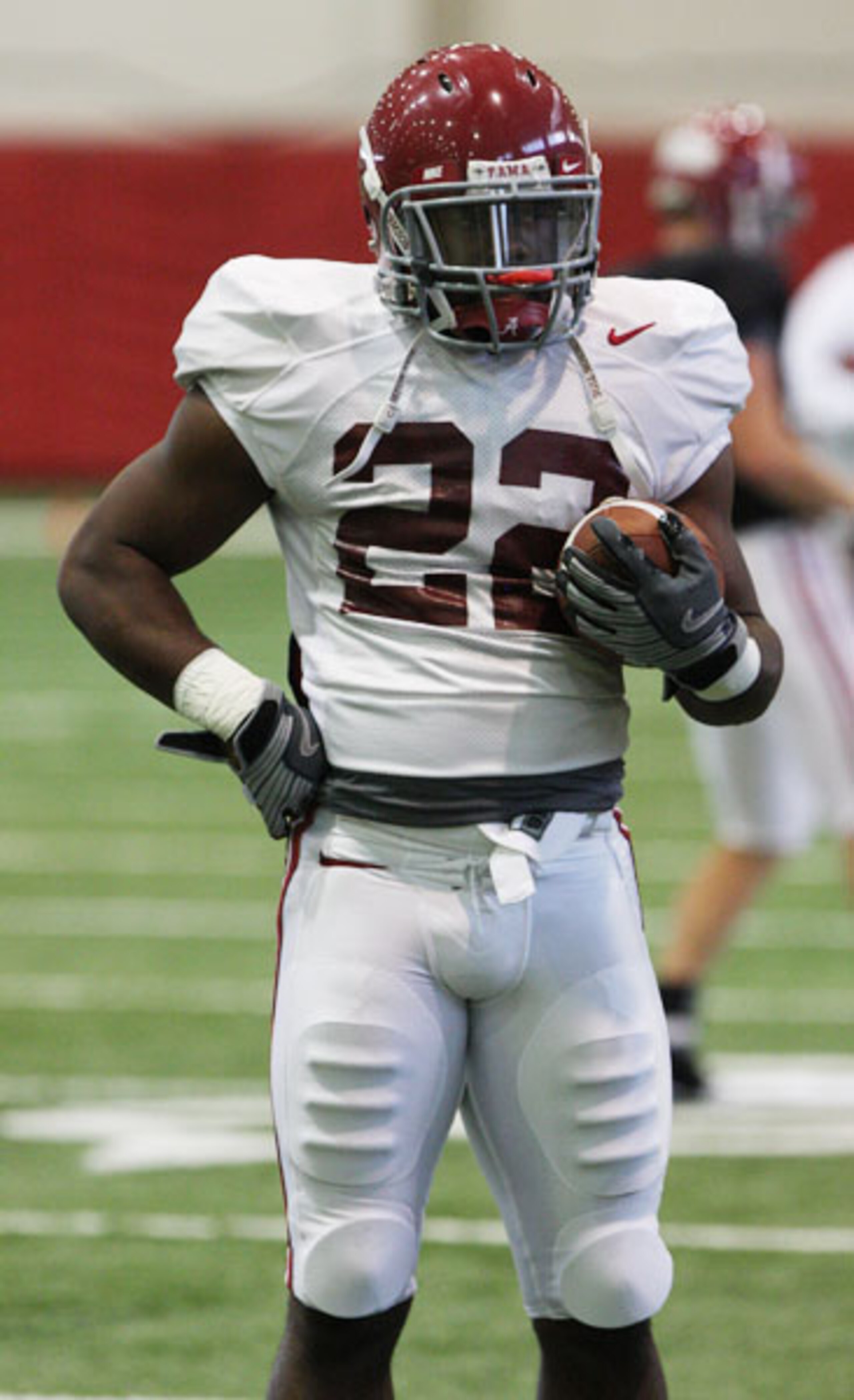

Alabama Football RB Mark Ingram's Injury: Quick Study of the Meniscus
A meniscus tear can be a minor bother or a debilitating injury.
A meniscus tear is frequently accompanied by a torn ligament. The tear almost always causes pain and swelling of the knee joint.
Isolated meniscus injuries are treated arthroscopically with minimal injury to the tissues related to the surgical approach and generally heal much more rapidly than ligament injuries.
The following is a brief review of meniscus injuries and treatments available.
Author's disclosure: the following pictures are not of Mark Ingram. They are representative medical images of the knee internal structure. They are provided for educational purposes only. This article does not specify nor does the author know the extent of Mark Ingram's injury. The information is speculative.
Meniscus Anatomy
1 of 6
The meniscus is a cartilaginous structure that supports gliding movement of the knee, and is a buffer or shock absorber between the two large bones that comprise the knee joint.
There are two components of the meniscus, one is called the medial (inner) meniscus, and the other is the lateral (outer) meniscus.
Symptoms And Site Of Meniscus Tears
2 of 6
A meniscus tear causes variable degrees of pain in the knee. Depending on the size of the tear, in addition to pain, a tear can cause a locking or a popping sensation during activity.
Meniscus tears come in large and small varieties. In most cases, particularly when occurring in a high-performance athlete, the injury requires debridement or repair.
Tears can occur in the anterior segment (anterior horn), middle segment, (body) or posterior segment (posterior horn).
A large tear can be debilitating and extremely painful. All tears generally cause the knee joint to swell with fluid because of irritation to the joint.
Medial meniscus tears are more common. Less than 20 percent of meniscus tears occur without ligament damage. Sounds like Mark Ingram is one of the lucky 20 percent.
Treatment of a Meniscus Tear
3 of 6
Debridement generally refers to surgically cutting the torn edges of the meniscus to reproduce a smooth interface with the articular surfaces of the bones (articular cartilage surfaces of the femur and tibia).
A repair may include suturing split portions of the meniscus to keep the tear from moving and to allow for the development of improved healing with minimal scar.
The sutures are very thin and very strong. Larger tears take more time to heal, as would be expected.
Using suture to repair a meniscus is more common with modern techniques because of better suture materials. Self-absorbed material is generally the suture of choice.



Prognosis Has Improved With Newer Arthroscopic Techniques
4 of 6
In the past, a meniscus tear could end a career if not treated or if treated improperly.
With today's surgical techniques, this type of injury is generally a setback, but not career ending.
Provided the blood supply to the meniscus is intact, particularly after arthroscopic intervention, the chance for adequate healing is much improved as opposed to no surgical intervention.
The use of exogenous fibrin clot material placed at the site of the repair is very helpful in improving the chance for healing of the tear.
If the meniscus is badly torn, despite surgical intervention and decent repair, over a long period of time, the knee may develop accelerated osteoarthritis and chondromalacia.
Expect a Rapid Healing Process and Return To Play
5 of 6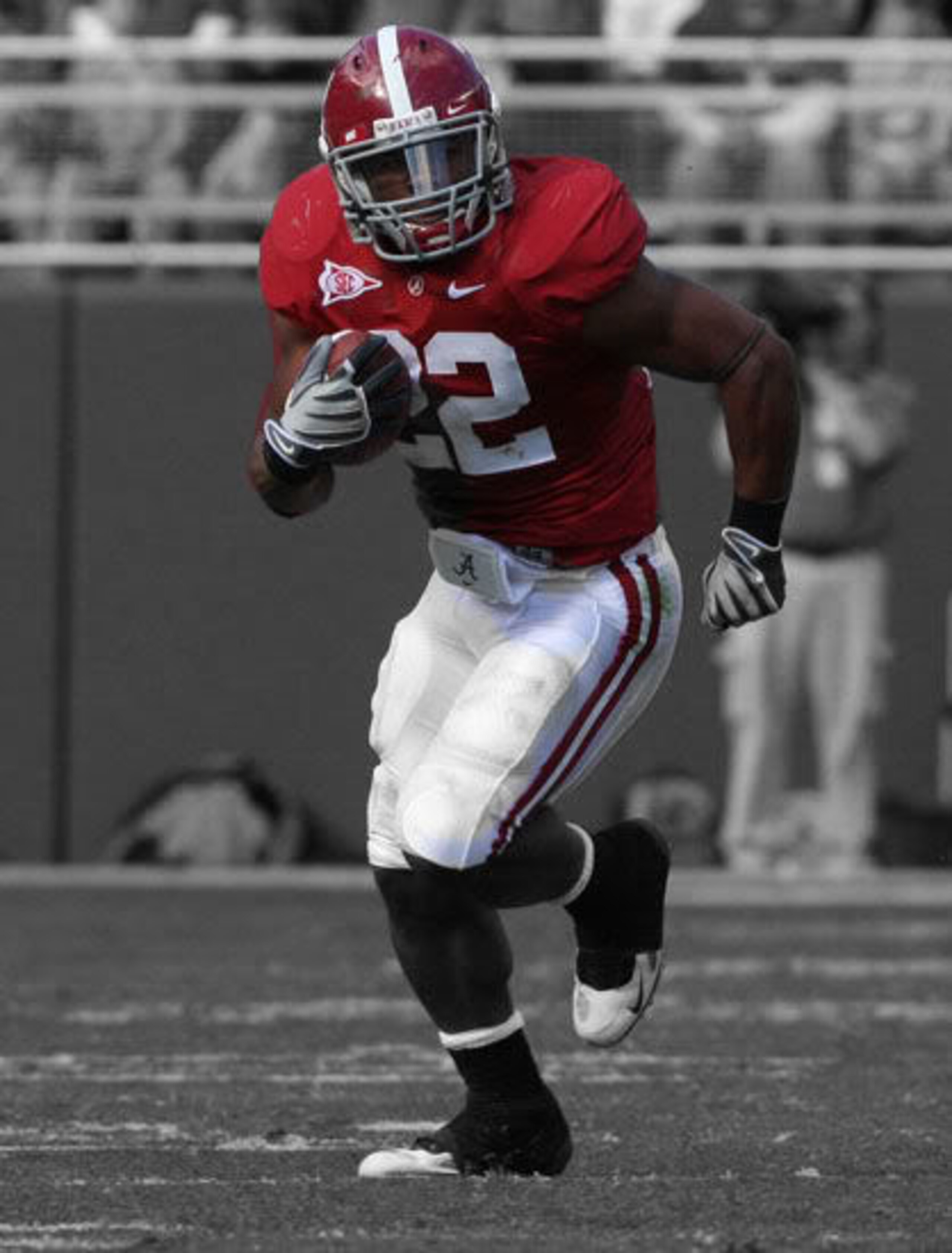
From the sound of the limited amount of information available on Mark Ingram's injury, the tear was minor and required minimal intervention.
Hopefully, his tissues will respond well to the surgery, and he will have a rapid recovery.
He is already in excellent physical condition and has made it through the conditioning phase of fall camp.
If his rehabilitation is uneventful, he should be ready to play within three or four weeks. Doubtful anytime sooner.
Expect his debut in 2010 to occur in Fayetteville, Ark.
Return to Action
6 of 6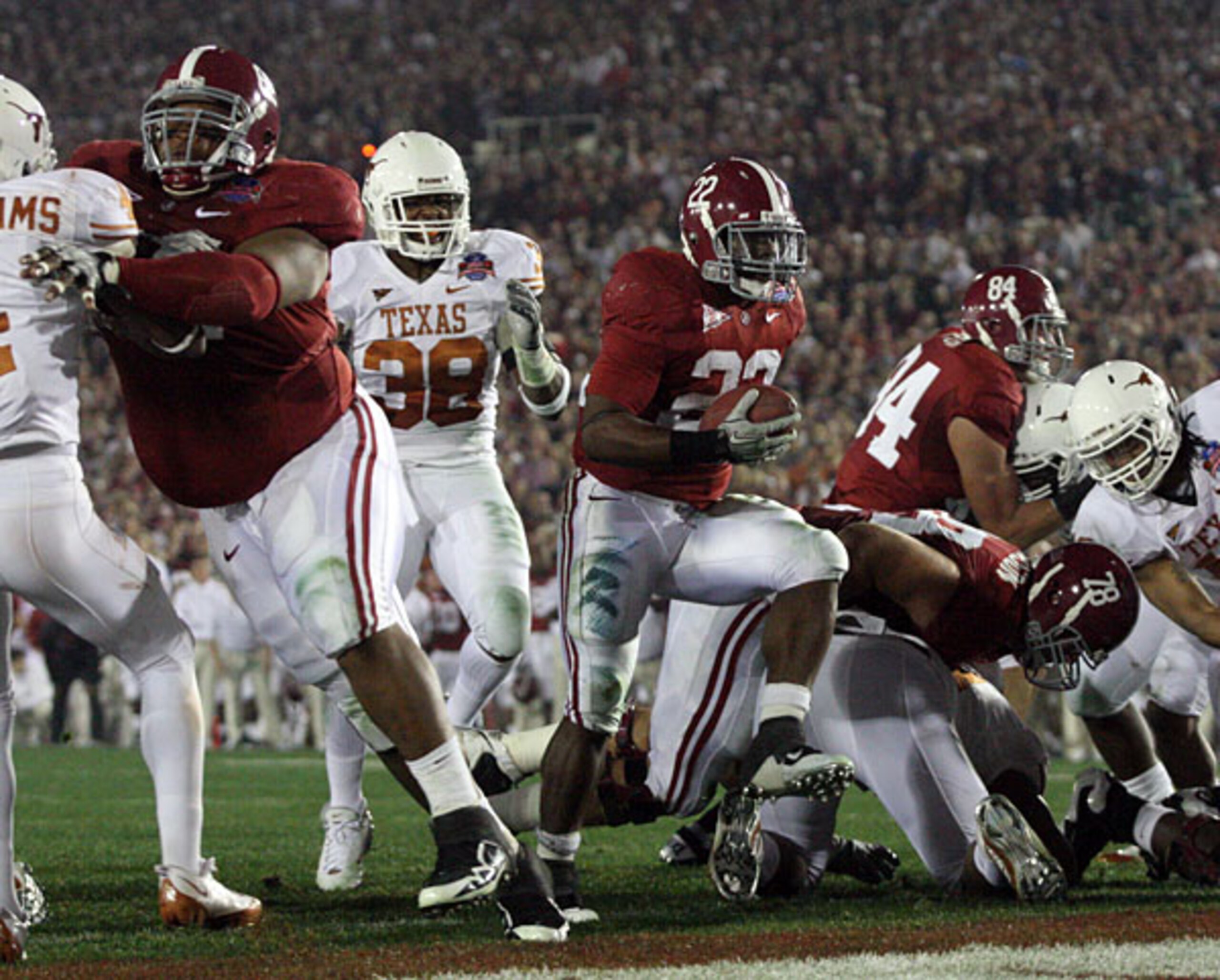
Ingram is down, but not out for good. This is a minor setback. The injury will likely squash any chance for a Heisman repeat in 2010, probably the best thing that will come of this setback.
Now the media can let it go. Ingram will stay focused on the primary goal.
Becoming an SEC champion again, and having a shot at the national title.


.jpg?w=2560 "Mahomes Told Teammate to Leave Meeting")

.jpg?w=2560 "5 Teams Eyeing Jonathan Taylor")

.jpg?w=2560 "NFL investigating Eagles")

.jpg?w=2560 "Jonathan Taylor Landing Spots 📍")