
B/R's Updated CFB Top 25 after Spring Practices and Games
While the overall excitement of the spring has faded in recent years, there is still a surplus of information emerging in the college football world.
Throughout the last few months, workouts and spring games provided a flood of information. Even as few starting jobs were awarded, we heard updates on position battles, new transfers and incoming freshmen.
And the result is a fresh look at B/R's Top 25.
Yes, our order undoubtedly will change between early May and late August. That's the nature of a sport in which injuries, fall breakouts and so many other factors can challenge our thinking.
This update—complete with a few notable storylines—is a subjective look at where perception stands as college football shifts from the spring to summer.
B/R's Post-Spring Top 25
1 of 4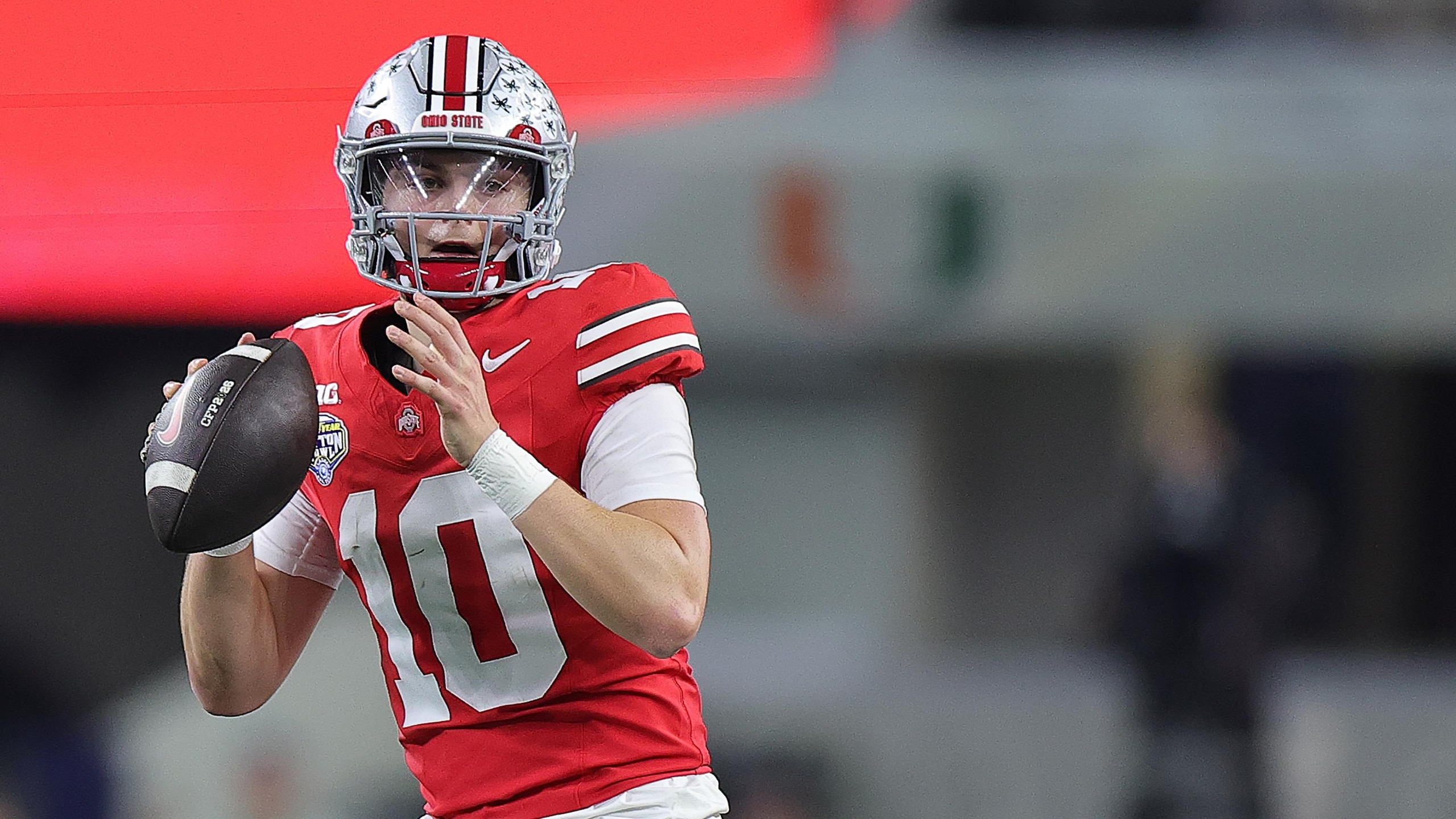
1. Ohio State
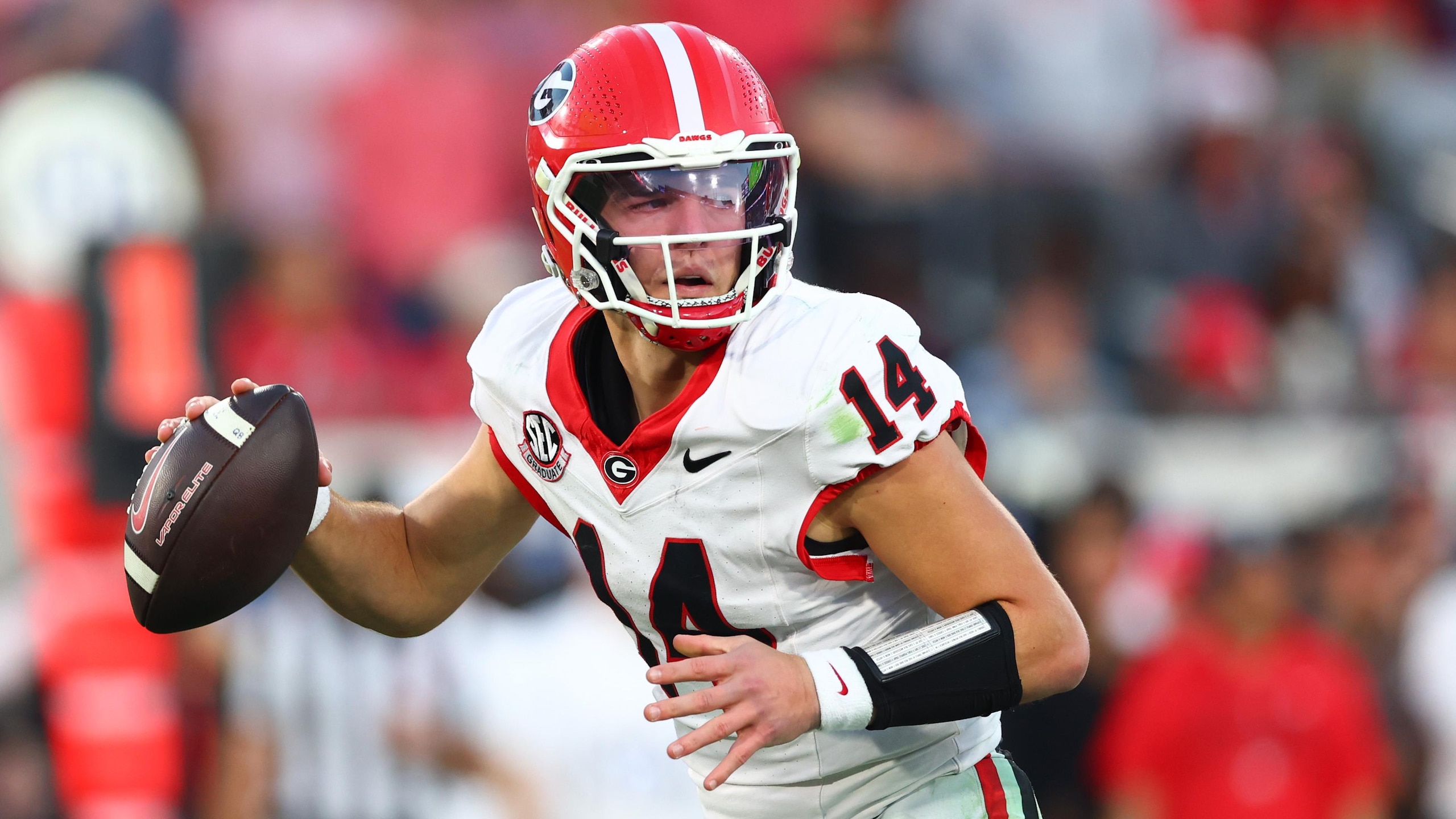
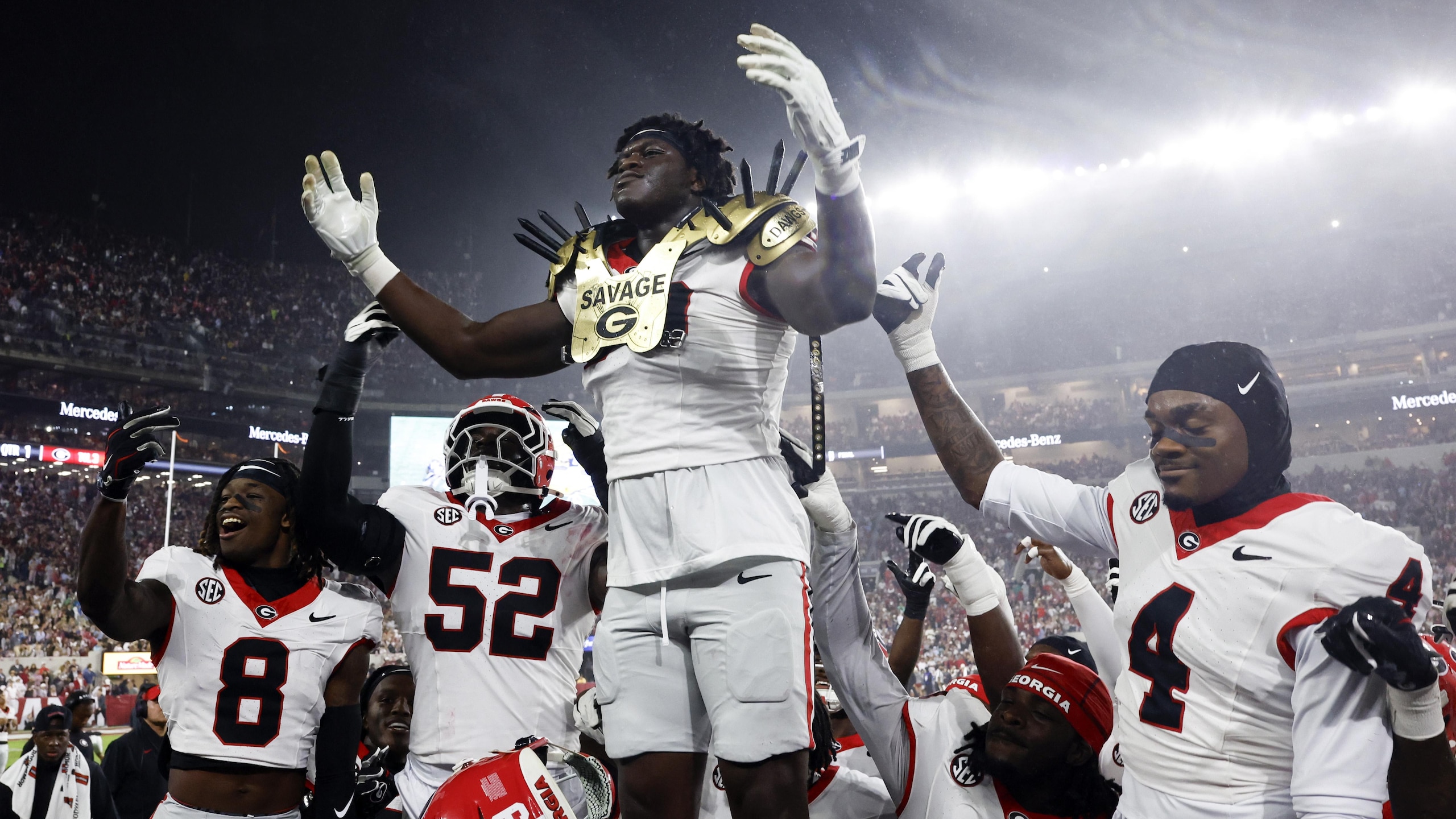
2. Georgia
3. Indiana
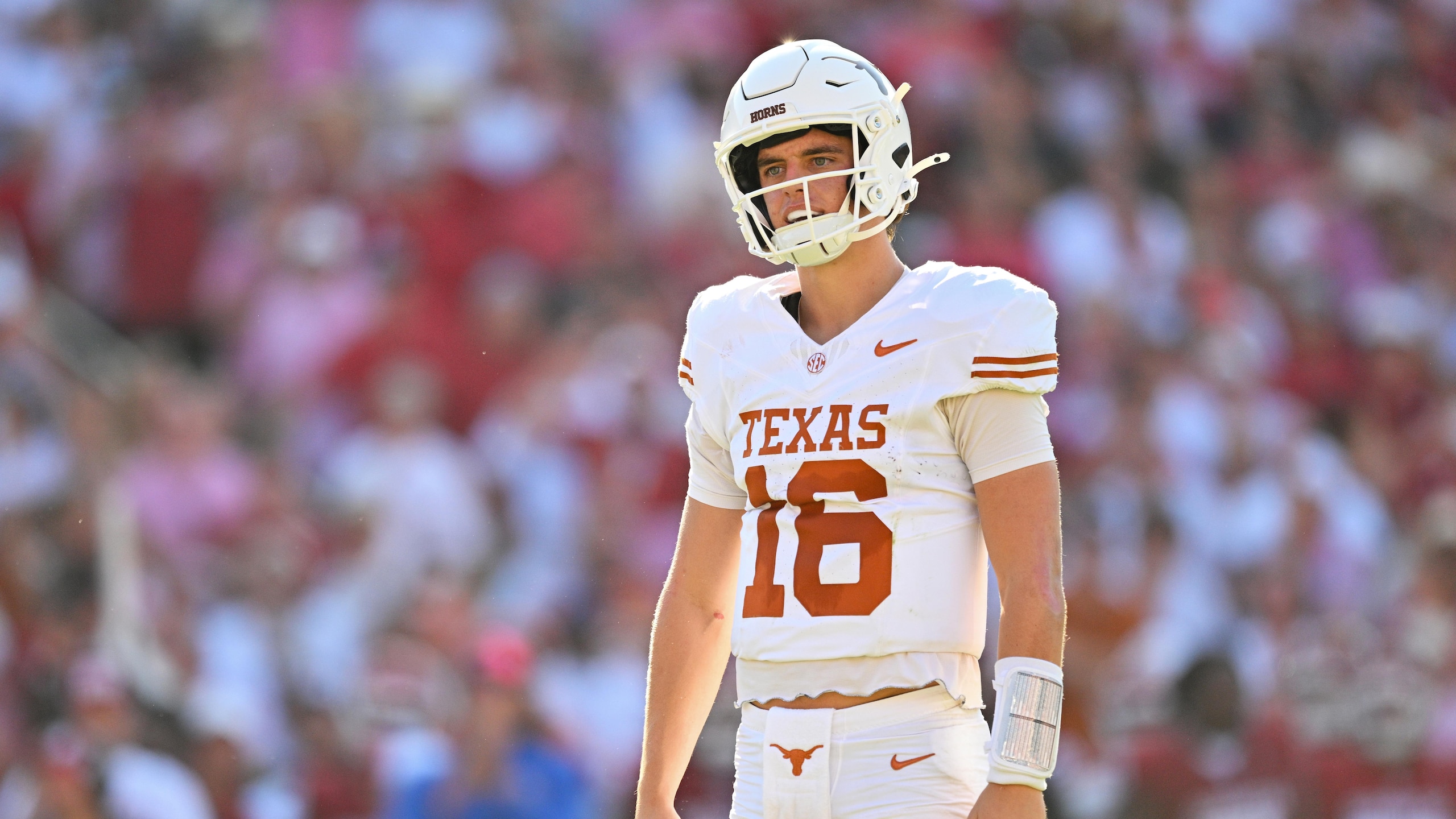
4. Texas
5. Notre Dame
6. Oregon
7. Texas A&M
8. Miami
9. Oklahoma
10. Alabama
11. Ole Miss
12. Texas Tech
13. LSU
14. Michigan
15. Utah
16. BYU
17. USC
18. SMU
19. Penn State
20. Washington
21. Missouri
22. Houston
23. Iowa
24. Tennessee
25. Louisville
Big 12 Hierarchy on Hold
2 of 4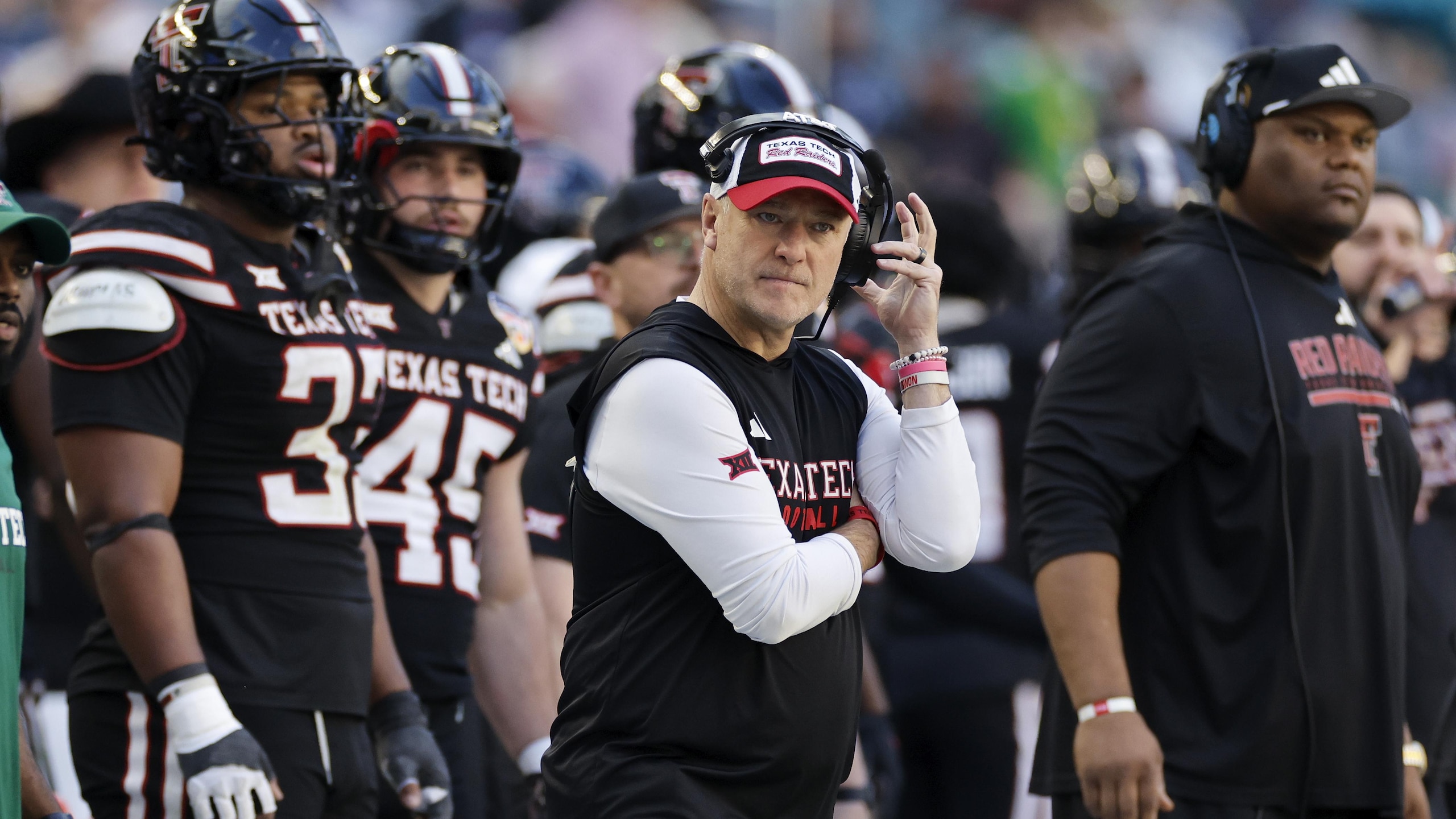
I will not pretend to know if the NCAA investigation into Brendan Sorsby's alleged gambling will end in Penalty X or Penalty Y. The possibility he never officially suits up for Texas Tech is real, though.
As a result, projections for the Big 12 suddenly are in flux.
Texas Tech has a capable replacement in Will Hammond, but he's recovering from a knee injury and might not be cleared right away. The major date on the calendar—if Sorsby is unable to play—is Friday, Sep. 18 (Week 3), when the Red Raiders host Houston to begin conference action.
By August, we'll probably have a couple of important answers in regard to Sorsby's eligibility and Hammond's availability. We hope so, at least.
Especially during this stretch of uncertainty, though, other Big 12 hopefuls like Utah, BYU and Houston will receive more attention.
Miami, then What in ACC?
3 of 4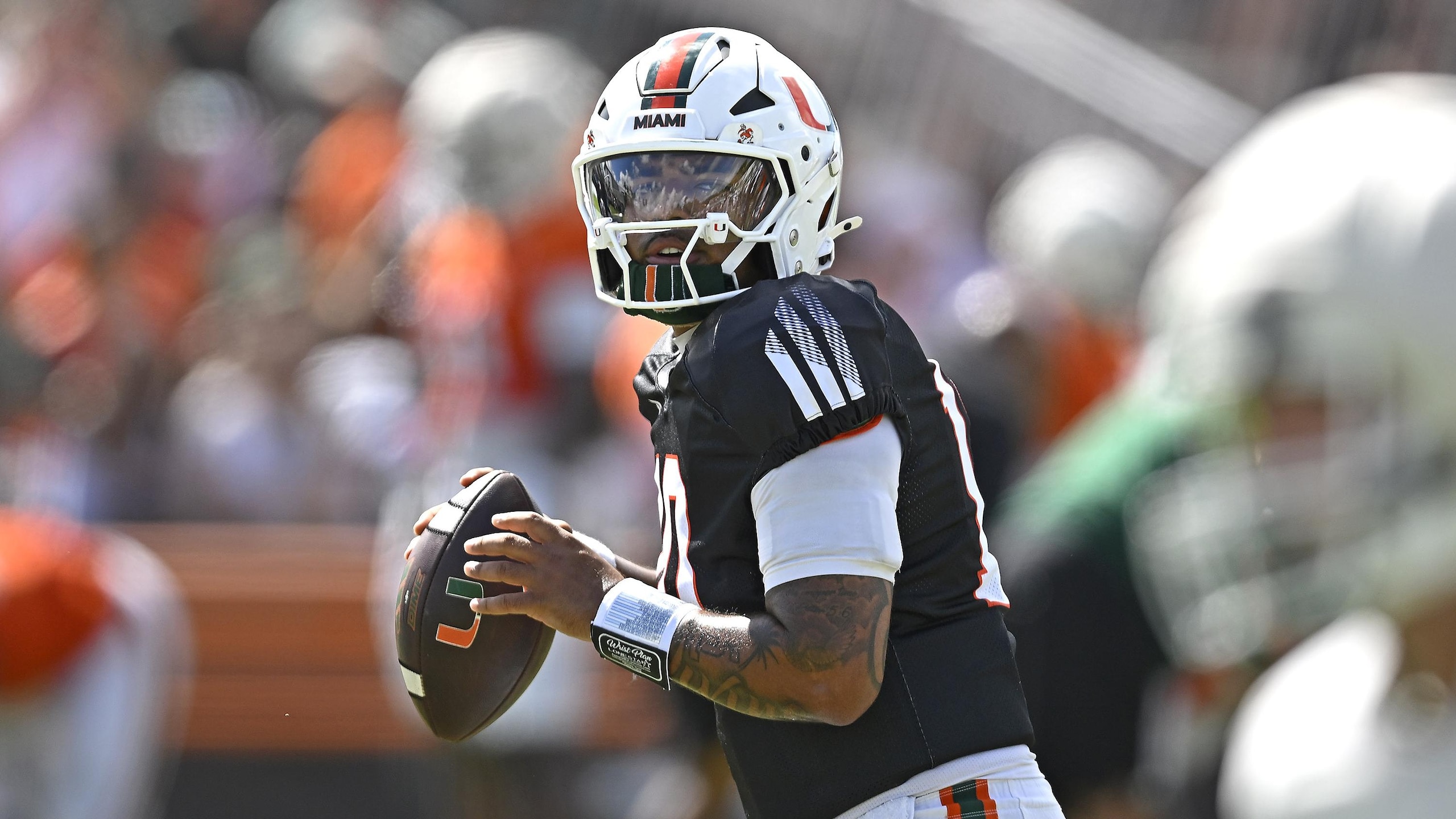
Miami is not a guarantee, yes.
It seems the Hurricanes—fresh off a national runner-up finish, armed with a handful of star transfers led by quarterback Darian Mensah and built on a half-decade of strong recruiting—are built to win the ACC. We've also watched Miami fall short of expectations for 20 years.
On paper, however, Mario Cristobal's team is clearly the ACC favorite. The question is which team deserves to land as the consensus second-best program.
At this point of the offseason, you could formulate a compelling case for just about any school you'd like. Transfers only complicate matters, too.
Do you like SMU, led by third-year starting QB Kevin Jennings? Do you trust Jeff Brohm's ability to elevate Louisville? Do you believe in Virginia wasn't a one-year wonder? How about Clemson snapping its recent funk, NC State riding CJ Bailey to competitiveness or Pitt somehow losing four games but making noise?
The list goes on. Good luck making a decision.

Group of Six, CFP Change
4 of 4
Although this tweak happened a few months ago, it might have slipped under your personal radar. Nevertheless, this is one you need to know.
The background: In the previous format, the five highest-ranked conference champions landed an automatic invite to the College Football Playoff field. That guaranteed access to at least one Group of Five program—and a perfect storm pushed two G5 schools into the 2025 bracket.
The short version: Now, only the highest-ranked Group of Six team is locked in.
On one hand, an upset loss in a league championship might not derail a very talented G6 squad. That's a positive. But it also reduces the chance of two G6 schools crashing the CFP party as Tulane and James Madison did in 2026.
Perhaps you prefer it this way, maybe you enjoy the underdog instead being the underdogs. I understand both arguments.
No matter your preference, though, CFP discussions will be a little different.
.png?w=2560)
.jpg?w=2560 "AD Trolls Bears WR on IG 😂")
.jpg?w=2560 "Viral Dan Campbell Presser 💙")
.jpg?w=2560 "Report: Steelers WR to Miss 'Weeks'")
.jpg?w=2560 "Cam Ward Says He's Not A Loser")
.jpg?w=2560 "Buzz: MHJ Hired Agents for Trade")
.jpg?w=2560 "Chargers Fall to 0-5 🤢")