
There's no word on exactly when the 2020-21 NBA campaign will start, but it certainly looks like this offseason will be shorter than usual.
That means teams have less time to identify and attempt to fix weaknesses that reared their heads during the 2019-20 campaign.
But those weaknesses can be addressed through trades, free agency, the draft or just more organizational focus.
Below, you'll find how each team can do just that.
Atlanta Hawks
1 of 30
Weakness: Playing Basketball without Trae Young
The Atlanta Hawks' offense falls apart when Trae Young is off the floor.
A league-average attack yielded 110.9 points per 100 possessions last season. The Hawks scored 111.4 points per 100 possessions with Young on the floor, compared to a woeful 99.6 when he sat.
It's clear the team needs at least one offensive hub around whom it can at least survive when Young isn't in the game. Finding that player is easier said than done, though.
Atlanta is projected by Yahoo Sports' Keith Smith to be one of just six teams with cap space this offseason, so it can chase a veteran playmaker in free agency or with a salary-dump trade.
If there's any validity to recent Gordon Hayward rumors, he'd be an intriguing forward to play alongside Young, John Collins and Clint Capela.
Boston Celtics
2 of 30
Weakness: Defensive Rebounding
You have to get a little nitpicky to find a weakness for a team that finished the regular season fourth in both points and points allowed per 100 possessions, but the Boston Celtics do have at least one discernible area for improvement.
They were in the bottom half of the league in offensive rebounding percentage allowed, and that may be for reasons you might not expect.
The starting five of Kemba Walker, Jaylen Brown, Jayson Tatum, Gordon Hayward and Daniel Theis doesn't boast a single player over 6'8", but its defensive rebounding percentage ranks in the 89th percentile.
The problems start when Theis leaves the floor. In those alignments, Boston's defensive rebounding percentage plummets to the 36th percentile.
Barring the addition of another big this offseason, that means Enes Kanter and Robert Williams—both under contract for 2020-21—have to do a better job of ending possessions with boards.
Brooklyn Nets
3 of 30
Weakness: Health
This one may feel like a cop-out, but it's tough to analyze the Brooklyn Nets without acknowledging how little last season's team will look like next season's.
Kyrie Irving only appeared in 20 games. Kevin Durant didn't suit up for one. Everything in 2020-21 will revolve around them (and a third star, if Brooklyn can pull that off).
Those two Nets simply need to get healthy and play with a roster and scheme designed to maximize their talents.
One crucial transaction may be re-signing Joe Harris. Kyrie and KD will do most of the ball-handling and use a ton of possessions. Having a top-tier off-ball threat who doesn't demand too many shots will keep defenses honest.
In 2019-20, Brooklyn scored 112.6 points per 100 possessions with Harris on the floor, compared to 104.8 with him off.


.jpg?w=2560 "NBA Gambling Charges")
Charlotte Hornets
4 of 30
Weakness: Defensive Rebounding
The Charlotte Hornets were dead last in offensive rebounding percentage allowed in 2019-20. Unlike Boston, the weakness here can probably be traced in part to the starting center (for most of the season).
Cody Zeller ranked 58th in the league in defensive rebounds per 75 possessions this season. And Charlotte's defensive rebounding percentage was in the 18th percentile when he was on the floor.
We can't lay all of the blame at Zeller's feet, though. You can play around with lineup combinations just about all you want, and you're still going to find below-average rebounding.
By NBA standards, Charlotte's starting backcourt is tiny. Both Devonte' Graham and Terry Rozier are 6'1". Teams don't rely heavily on guards to shore up rebounding, but the Hornets are starting at a disadvantage there.
Internal improvement from forwards like P.J. Washington and Miles Bridges could go a long way toward helping on this front, but Charlotte may need to sign a big to replace Bismack Biyombo who'll provide a boost on the glass.
Chicago Bulls
5 of 30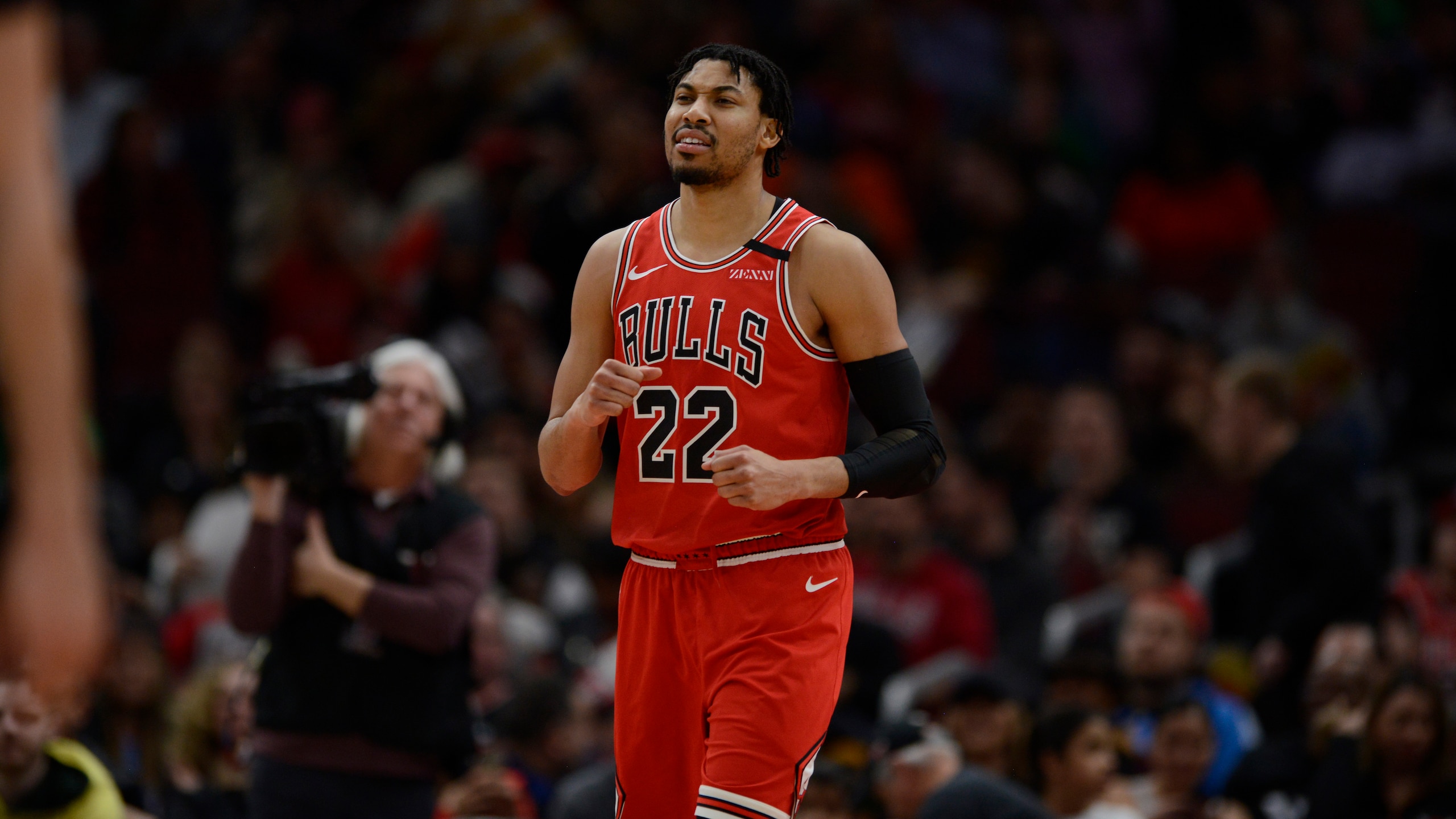
Weakness: Inefficiency
"Get better at shooting" would be a pretty easy resolution for a number of teams, but it's especially important for the Chicago Bulls.
Last season, their expected effective field-goal percentage—meaning, what their eFG% would be if they were exactly average from the spots where they shot—was second. Their actual eFG% was 24th.
Analytically, Chicago was taking the right shots (at the rim and from three). The Bulls just couldn't convert.
One potential fix is simply getting Otto Porter Jr. back. Last season, injuries limited him to just 14 appearances, but he's a career 40.4 percent shooter from deep. And when he shared the floor with Zach LaVine, Chicago had an above-average eFG% (as well as a positive net rating).
A bounce-back season from Tomas Satoransky would help too. Last season, he shot 32.2 percent from three, compared to 40.0 over his first three seasons.
As nice as it would be to simply have players already on the roster fix this problem, the Bulls need to target high-end shooting in the draft and free agency, as well.
Cleveland Cavaliers
6 of 30
Weakness: Paint Protection
The Cleveland Cavaliers were 29th in points allowed per 100 possessions in 2019-20. You don't finish that low without a multitude of problems on defense. But if we're going to identify one area to improve, it's protecting the paint.
Nearly 40 percent of opponents' attempts came at the rim against Cleveland, a mark that ranked 26th in the league. The 66.5 field-goal percentage the Cavs allowed there ranked 28th.
If nothing else, Andre Drummond's size should at least clog up the paint a bit more during his first presumably full season in Cleveland. But he's never been known as the kind of anchor whose presence guarantees good defense.
The Cavs should are likely hoping from some internal improvement from Ante Zizic as well. At 23, he shouldn't be considered a finished product yet. If he can simply be taught the nuance and mechanics of NBA rotations and defensive placement, his size (6'10" and 266 pounds) should serve as a deterrent.
Dallas Mavericks
7 of 30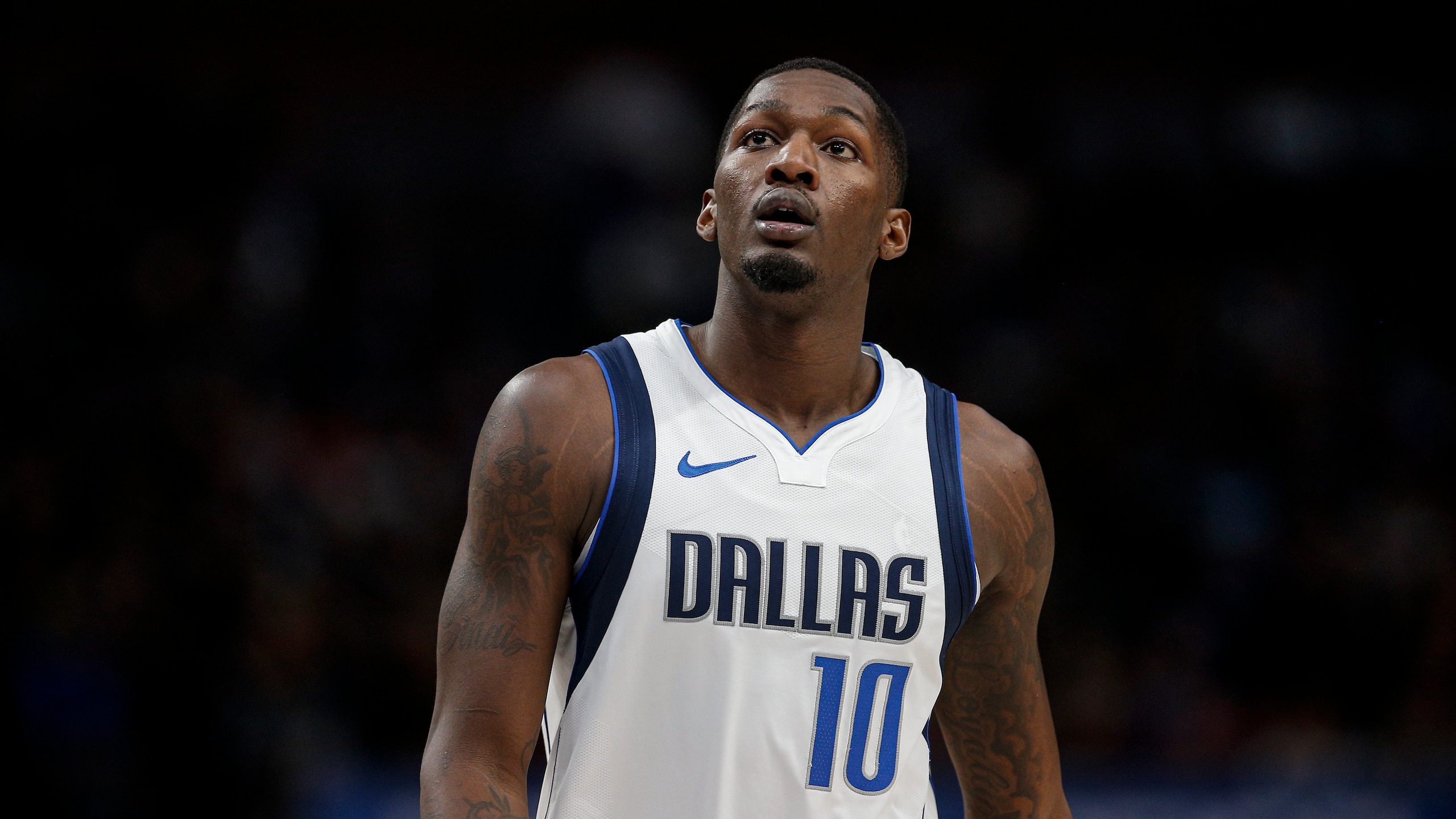
Weakness: Defensive Aggressiveness
Plenty of teams intentionally employ a conservative defensive approach that leads to fewer steals than the rest of the league, but the Dallas Mavericks may have steered too far in that direction.
Last season, they ranked sixth in net points per 100 possessions, despite a defense that ranked 18th. They could potentially boost both numbers by playing a bit more aggressively on D.
Dallas ranked last in opponents' turnover percentage and tied for last in steals per 100 possessions.
Forcing more turnovers would not only eliminate possessions for the opposition, it would create more transition opportunities for Luka Doncic. That'd boost an offense that was already historically good.
Of course, it takes more than just saying "go get more steals" to actually go get more steals. Personnel is a factor, as well.
Players like Dorian Finney-Smith and Delon Wright can probably move the needle a bit by simply being more aggressive, but the Mavericks may need to find another perimeter defender with some ballhawking capability.
Denver Nuggets
8 of 30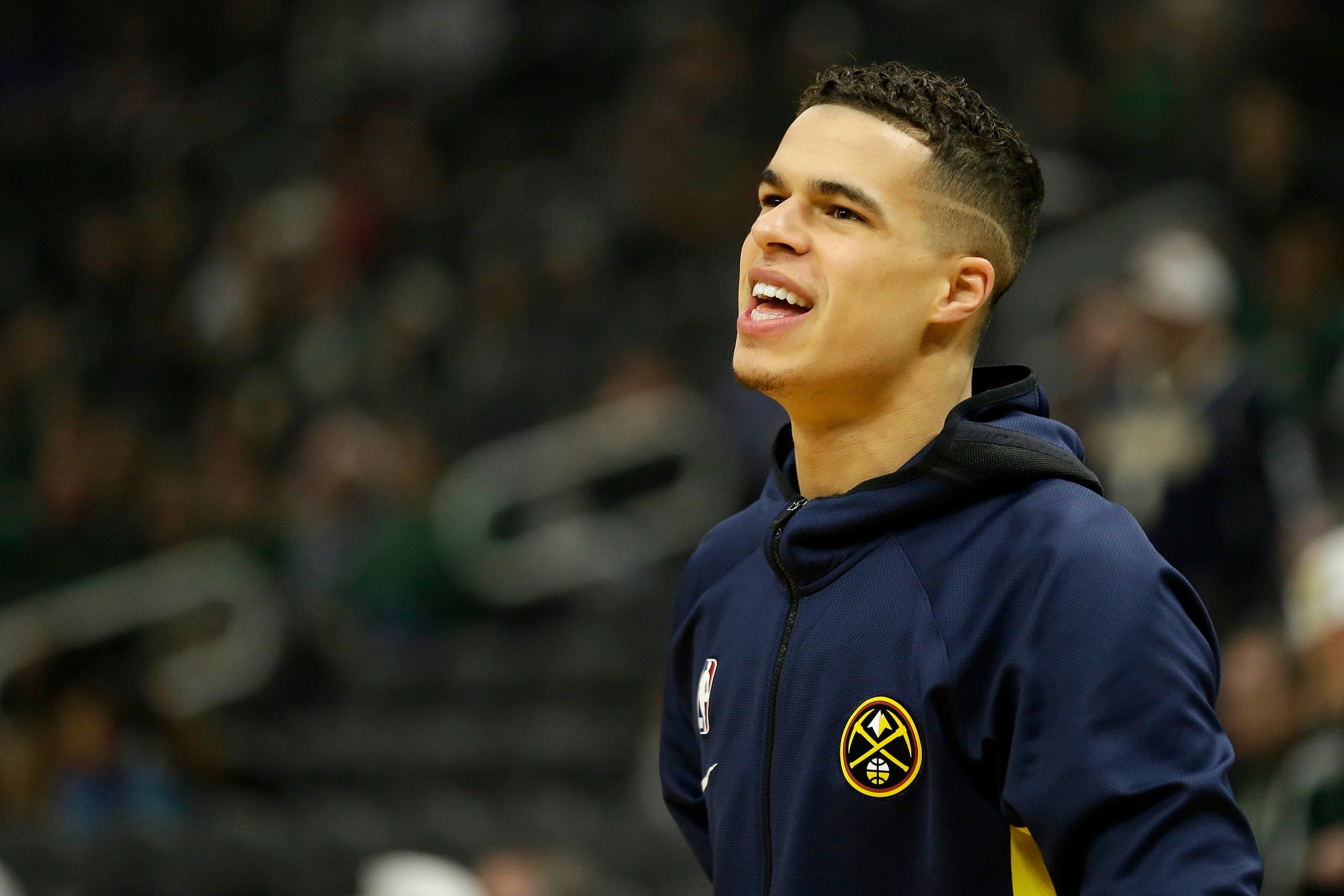
Weakness: Lack of a Consistent Third Option
The Denver Nuggets look like they have a top two that will generate plenty of good offense for the foreseeable future in Nikola Jokic and Jamal Murray.
Throughout the postseason, though it became clear that they need a more reliable No. 3 if they're going to contend for a championship in a loaded Western Conference.
The answer on this one appears obvious.
Michael Porter Jr. averaged 21.0 points per 75 possessions with a 61.7 true shooting percentage in 2019-20. In the bubble (regular season and playoffs combined), he topped 20 points five times (and 30 twice).
Porter has a smoothness to his scoring repertoire. He can hit jumpers from all three levels. He can play above the rim, and it seems like he's developing that chemistry with Jokic as a cutter that has been so important for many Nuggets over the years.
Coach Michael Malone has been hesitant to go all-in with MPJ, though. That's likely because Denver's defense was significantly worse when he played, but he may need to let him work through mistakes on that end.
Porter has star potential. And if Denver can add a star from within to Jokic and Murray, it can compete with the league's best.
Detroit Pistons
9 of 30
Weakness: Turnovers
Like Brooklyn, the Detroit Pistons are a team that's difficult to analyze based on 2019-20 numbers.
Last season's Andre Drummond trade signaled a rebuild is likely on the way. That might mean Derrick Rose could be on the move too. Thanks to injuries, Blake Griffin was a shell of himself in his 18 appearances. And Christian Wood is an unrestricted free agent.
All this is to say that next season's team is likely to look and possibly play quite a bit different.
For a team this bad and in this situation, it's tempting to simply write "get better players" and move on, but there's at least one specific weakness the organization and coaching staff can point to for 2020-21.
Detroit was 27th in the league in turnover percentage, and the blame for that can be spread around.
The entire roster will need to focus more on taking care of the ball, but it may have a head start with this problem. Drummond, now a Cavalier, had the 15th worst individual turnover percentage in the league last season.
Golden State Warriors
10 of 30
Weakness: Health
Yes, we played this card with the Nets, but it may be even more applicable here.
When the season temporarily shut down in March, the Golden State Warriors led the NBA with 316 games missed by injured players, according to Man Games Lost.
It was two faces of the franchise, Stephen Curry and Klay Thompson, who made up a significant portion of those 316 games.
When they're back in the lineup, the Warriors will obviously look much different, though they may not be the juggernaut they were prior to 2019-20.
KD is obviously gone; Andrew Wiggins is, well, not KD; Andre Iguodala is elsewhere, too; and the team doesn't have an interior presence like it had pre-Durant, when Andrew Bogut was a key cog.
To address that need, combining Wiggins' deal with the No. 2 pick might yield some interesting offers from around the league, but the Warriors may want to see what a healthy roster looks like before doing anything drastic.
Houston Rockets
11 of 30
Weakness: Rebounding
Darly Morey is now running the Philadelphia 76ers. Mike D'Antoni is an assistant coach under his former MVP point guard, Steve Nash. With the architects of micro-ball gone, you have to wonder how committed the Houston Rockets are to the strategy now.
Last season, when the Rockets played without a traditional center, they were plus-2.3 points per 100 possessions (67th percentile), but they had a below-average defense and were crushed on the boards in those situations.
In the playoffs, Anthony Davis averaged 25.4 points, 12.4 rebounds and 1.4 blocks against them. And he's not the only formidable big man in the West, a conference that includes Nikola Jokic, Karl-Anthony Towns, Jonas Valanciunas and Zion Williamson, just to name a few.
Taking centers off the floor and opening the paint for drives unleashed a previously unseen level of efficiency from Russell Westbrook. So, the Rockets might not want to abandon theses lineups altogether. Being willing and able to adjust is probably necessary, though.
They currently don't have a single traditional big under contract for 2020-21, so that should be a priority in free agency, the draft or the trade market.
The offensive benefits to the super-small lineups are nice, especially in the regular season. But postseason basketball is often when things get gritty and big men become more important (Golden State Warriors dynasty notwithstanding).
Indiana Pacers
12 of 30
Weakness: Shot Selection
The comparison between the Indiana Pacers' eFG% (which ranks eighth) and expected eFG% (21st) is essentially the reverse of what was discussed with the Chicago Bulls.
The Pacers are comfortably outperforming what their shot selection suggests they should be doing. They rely heavily on the mid-range jumper, and that hasn't really burned them yet.
Their overall offense ranked 18th, though. And emphasizing so-called moneyball attempts could give them the boost they need on that end.
Indiana was 29th in the league in both three-point attempt rate and free-throw attempt rate. More threes and paint attacks (which should translate to trips to the line) are the ticket.
A healthy Victor Oladipo could help on both fronts, but T.J. Warren and Malcolm Brogdon could probably both benefit from a slightly more modern scoring profile.
More reliable three-point shooting from Domantas Sabonis could help on multiple levels too. Not only would it improve the team's expected eFG%, it would pull bigger defenders away from the paint.
Los Angeles Clippers
13 of 30
Weakness: Defensive Aggression
The caveat from the Celtics slide applies here. Obvious weaknesses aren't easy to find for some teams. And that includes the Los Angeles Clippers, who were second in offense and fifth in defense this season.
You could perhaps go with Montrezl Harrell's defense, which was a point of contention during the Clippers' postseason flameout against the Nuggets. Lack of playmaking beyond Kawhi Leonard has come up, as well. If that means replacing Patrick Beverley, L.A.'s defensive identity may suffer.
A more general problem may be how few turnovers the Clippers force. In 2019-20, they were 21st in opponents' turnover percentage, a somewhat surprising rank for a team that includes Kawhi, Beverley and Paul George.
Improvement in that area may not be as simple as telling those three to play more aggressively, though. L.A. was also middle of the pack in opponents' free-throw attempt rate. More aggression, of course, might mean more fouls. So, there's a bit of a balancing act here.
But if the Clippers' top-tier perimeter defenders could force one or two more turnovers per game, thus creating more transition scoring, they could see a slight uptick on both ends of the floor.
Los Angeles Lakers
14 of 30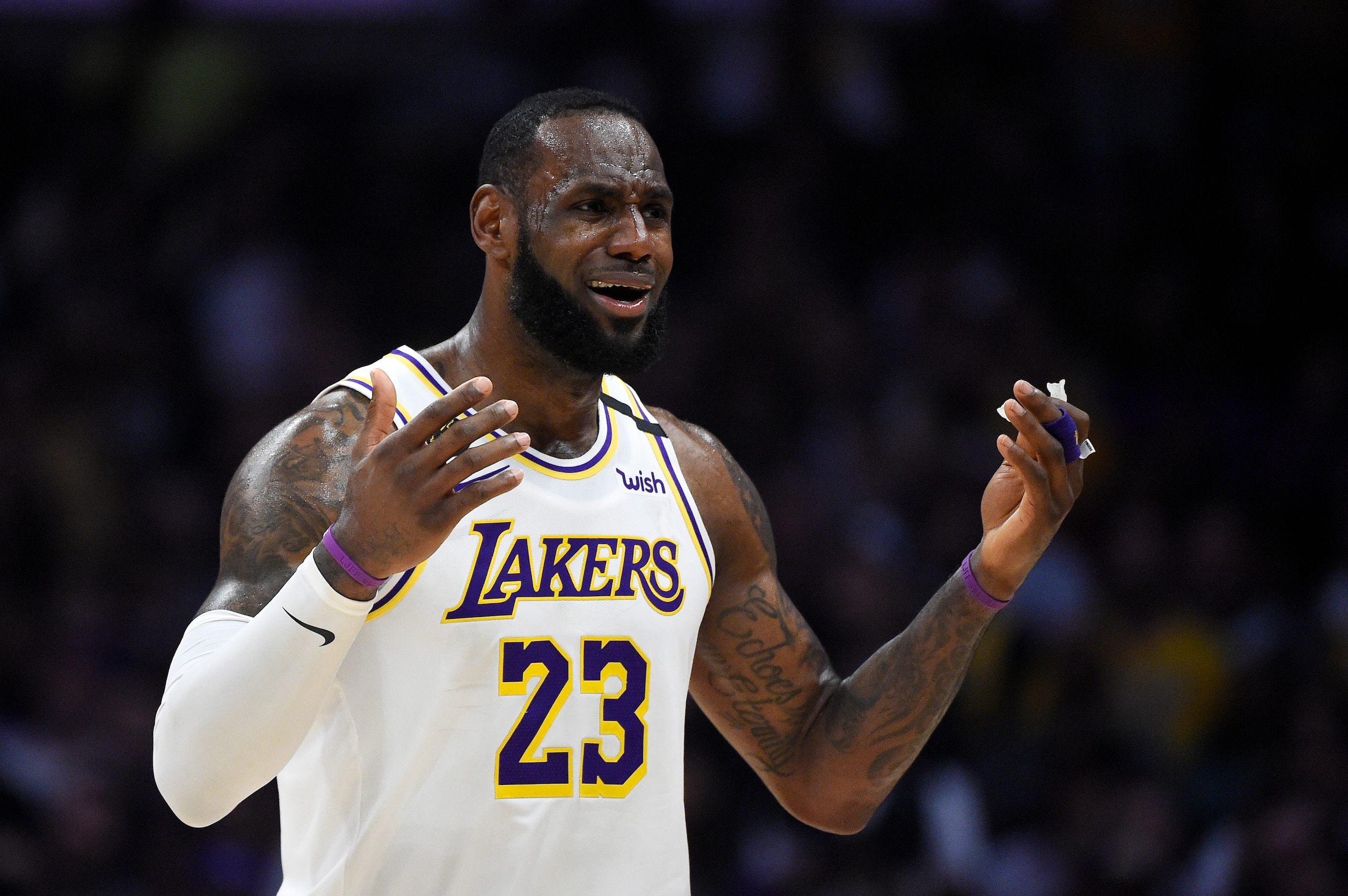
Weakness: Shooting
Speaking of nitpicking.
The Los Angeles Lakers are fresh off the 2020 championship. LeBron James and Anthony Davis will both be back. Those two alone almost guarantee contention.
But this isn't a roster that's beyond refinement. And if they can find another reliable shooter this offseason, they should be able to finish with better than the 11th-ranked offense they had in 2019-20.
L.A. was 21st in three-point percentage this season and only had two of the league's 90 players with at least 200 three-point attempts and an above-average percentage.
When you have a skip passing savant like LeBron, surrounding him with capable floor spacers is a recipe for offensive success and exactly the kind of situation a veteran might look to for a shot at a late-career title run.
Memphis Grizzlies
15 of 30
Weakness: Shot Selection
The Memphis Grizzlies were far better than many expected, making it all the way to the league's play-in game for the eighth and final playoff spot in the West behind a rookie point guard.
That rookie, Ja Morant, averaged 20.1 points and 8.2 assists per 75 possessions. Trae Young is the only player in league history to match or exceed both marks in his first NBA season.
But there is plenty of room for improvement for both the Grizzlies and Morant, and that might start with shot selection.
Memphis was 19th in eFG%, 22nd in expected eFG% and 26th in three-point attempt rate. One or two more attempts from Morant, who took 2.7 per game, would help. The rest of the roster could supply a couple more.
The Grizzlies would obviously need to make some of those shots, but this would accomplish a couple things. The obvious potential benefit is an uptick in efficiency.
The other is sparing Morant's body. His acrobatic attempts at the rim are often jaw-dropping, but they're also scary enough that the Grizzlies are concerned with his landings.
A few more pull-ups could pay big dividends in the long run.
Miami Heat
16 of 30
Weakness: Offensive Rebounding
The Miami Heat are another team that finished the season in the top 10 in both points scored and points allowed per game, but they could potentially nudge their offense a little closer to the top five with a bit more aggression on the offensive boards.
Miami was 25th in offensive rebounding percentage, and its team leader in offensive rebounds per 75 possessions, Bam Adebayo, was 53rd in the league.
Now, offensive rebounding isn't necessarily an indicator of good offense. The teams that made up sixth through 10th place in points per 100 possessions were all in the bottom third of the league in offensive rebounding percentage.
But it did seem to help four of the top five, and creating a couple of extra possessions per game can really add up over the course of an entire season.
Miami wouldn't need to completely overhaul its approach and have everyone crash the offensive glass, but perhaps sending one more body in certain situations wouldn't hurt.
Milwaukee Bucks
17 of 30
Weakness: Lack of Playmaking
For the second postseason in a row, the Milwaukee Bucks were sent packing before the Finals. This time, they didn't even make it past the second round.
Giannis Antetokounmpo wasn't the problem. His 11.2 box plus/minus in the playoffs suggests he was producing at an all-timer's level.
Khris Middleton, on the other hand, posted great basic numbers (20.3 points and 6.0 assists), but his struggles as a shooter (his true shooting percentage was just 50.7) made him exactly average in BPM. Eric Bledsoe couldn't find his shot, either. He averaged 11.7 points while shooting 38.8 percent from the field and 25.0 percent from three.
As good as Giannis was, he simply couldn't carry the Bucks with the second and third options performing at that level.
Ultimately, Milwaukee needs another player it can rely on to create his own shot when the game tightens up in the playoffs. Might that be a former All-Star in Indiana?
"I'll give you a team I'm keeping an eye on with Victor Oladipo," ESPN's Zach Lowe said on the Lowe Post. "Milwaukee. Just keeping my eye on them. That's all I'm going to say. I'm keeping my eye on them."
Following their elimination, team brass reportedly told Giannis it was willing to spend into the luxury tax to deliver him a title-caliber supporting cast. A high-risk, high-reward move like adding Oladipo would certainly signal a willingness to do that.
Minnesota Timberwolves
18 of 30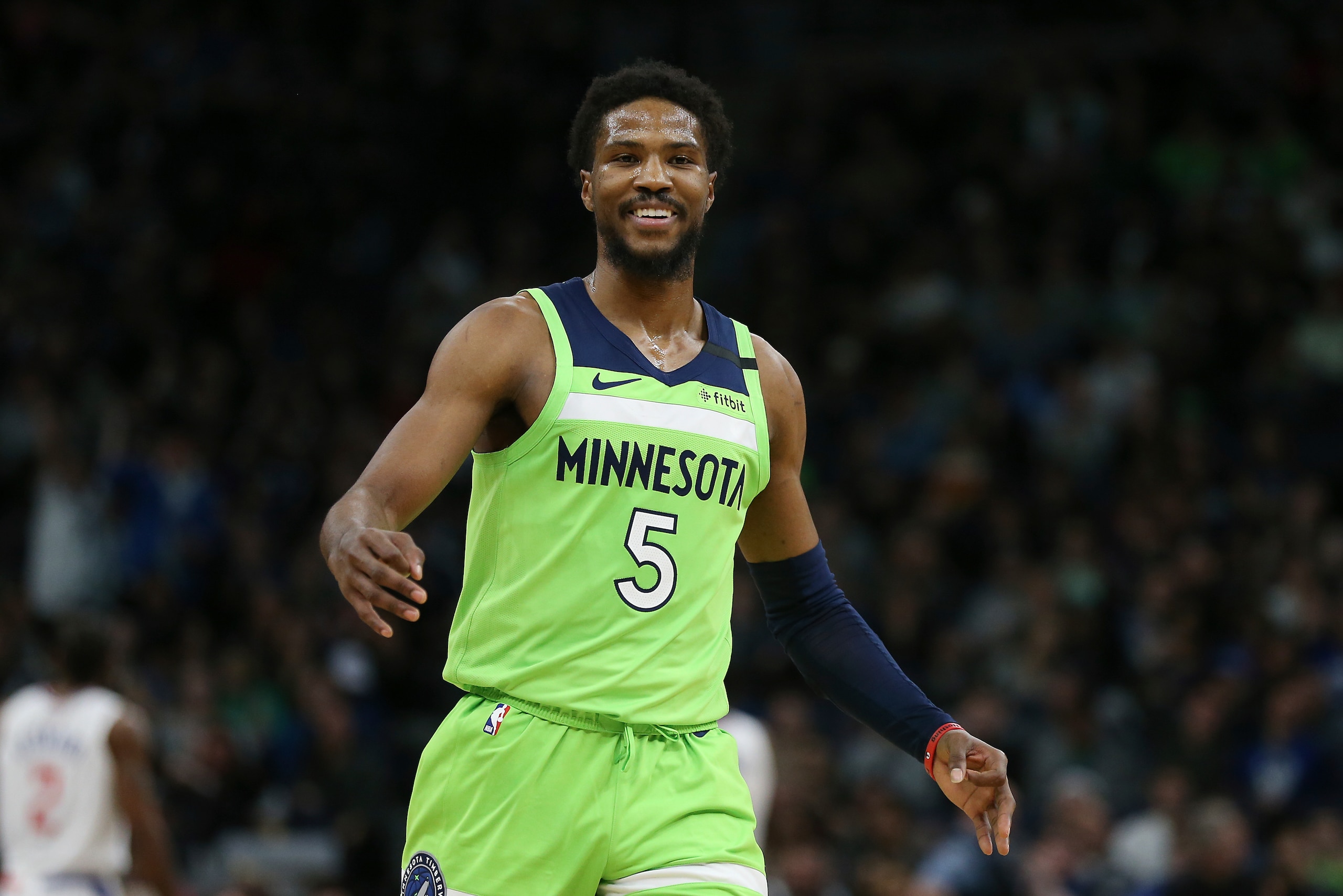
Weakness: Shooting
The Minnesota Timberwolves' shooting numbers look an awful lot like the Bulls'. Their shot selection suggests they should have a decent offense. They were fifth in effective field-goal percentage and third in three-point attempt rate, but their actual effective field-goal percentage of 51.8 ranked 26th.
As simple as it sounds, Minnesota just needs to make more shots.
One key in accomplishing that will be re-signing Malik Beasley. The restricted free agent only appeared in 14 games with the T'Wolves, but he averaged 20.7 points and 3.5 threes while shooting 42.6 percent from deep.
Combining his shooting with Karl-Anthony Towns' (sixth all-time in career effective field-goal percentage among players with at least 1,000 three-point attempts) should do plenty to help the offense.
The addition of D'Angelo Russell presumably helps, too. He's never posted an above-average effective field-goal percentage, but his ability to get into the paint and find shooters should create more open looks for Beasley and Towns.
New Orleans Pelicans
19 of 30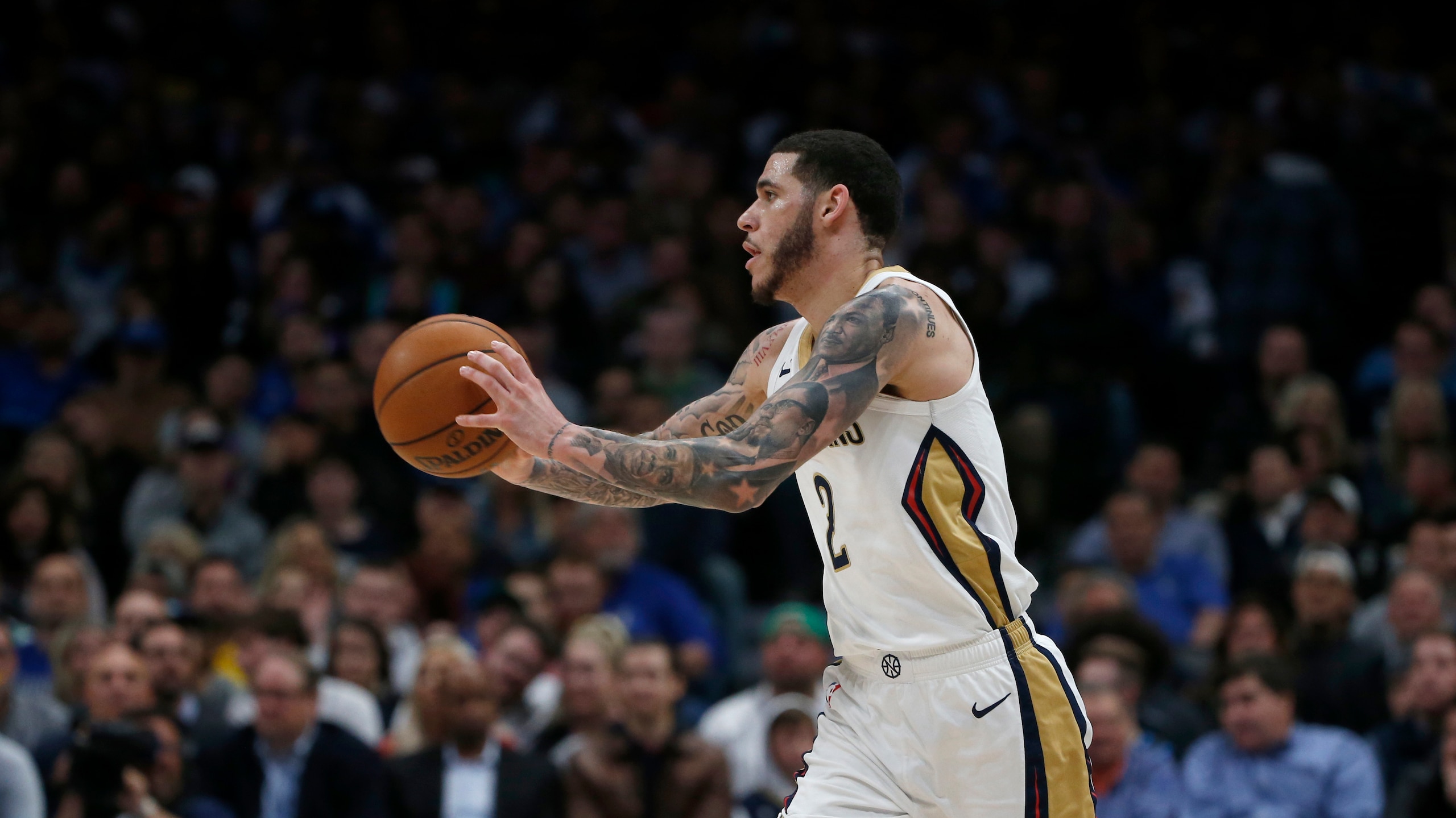
Weakness: Taking Care of the Ball
If the New Orleans Pelicans could limit their turnovers a bit, it'd help on both sides of the floor.
They were 29th in turnover percentage during the regular season. The first and most obvious result of turnovers happens on offense. You simply lose a possession in which you had an opportunity to score.
For New Orleans, the negative impact travels up and down the floor, though. The Pelicans' opponents picked up an extra 2.8 points per 100 possessions in transition, the eighth-worst mark in the league.
That may not sound like much until you consider that the Pelicans' overall net rating was minus-0.5.
A concerted effort to take better care of the ball is in order, though New Orleans may want to be careful in how it instructs that. Part of what makes Lonzo Ball (3.1 turnovers per game) a great ball-mover is his willingness to take risks. You don't want to get rid of that completely.
For Jrue Holiday and Brandon Ingram, both of whom averaged 3.0 turnovers, the message can be a bit more forceful.
Being slightly more careful on offense would put the defense in fewer scrambling situations and could potentially move the needle on both sides of the floor.
New York Knicks
20 of 30
Weakness: Everything but Rebounding
It may not be fair to assign such a snarky weakness to the New York Knicks. Four of the teams already addressed, the Charlotte Hornets, Atlanta Hawks, Cleveland Cavaliers and Golden State Warriors, had worse net ratings.
But settling on just one weakness for this team is difficult, and a sweeping generalization of the problem opens the door for a sweeping generalization of the solution.
Barring something drastic, like a trade for Chris Paul, the Knicks should simply commit even more time and responsibility to the young core.
RJ Barrett is coming off a season in which he averaged 30.4 minutes and totaled minus-2.7 wins over replacement player (value over replacement player times 2.7). Among the 2,960 NBA rookies who've appeared in the three-point era, that WORP total ranks 2,894th (teammate Kevin Knox is dead last on that list).
That doesn't mean it's time to give up on 2019's No. 3 pick, though. Far from it. More trials by fire aren't going to fix all the weaknesses in 2020-21, but they'll steel up young Knicks like Barrett, Knox, Mitchell Robinson and whoever they take in this draft for the future.
Oklahoma City Thunder
21 of 30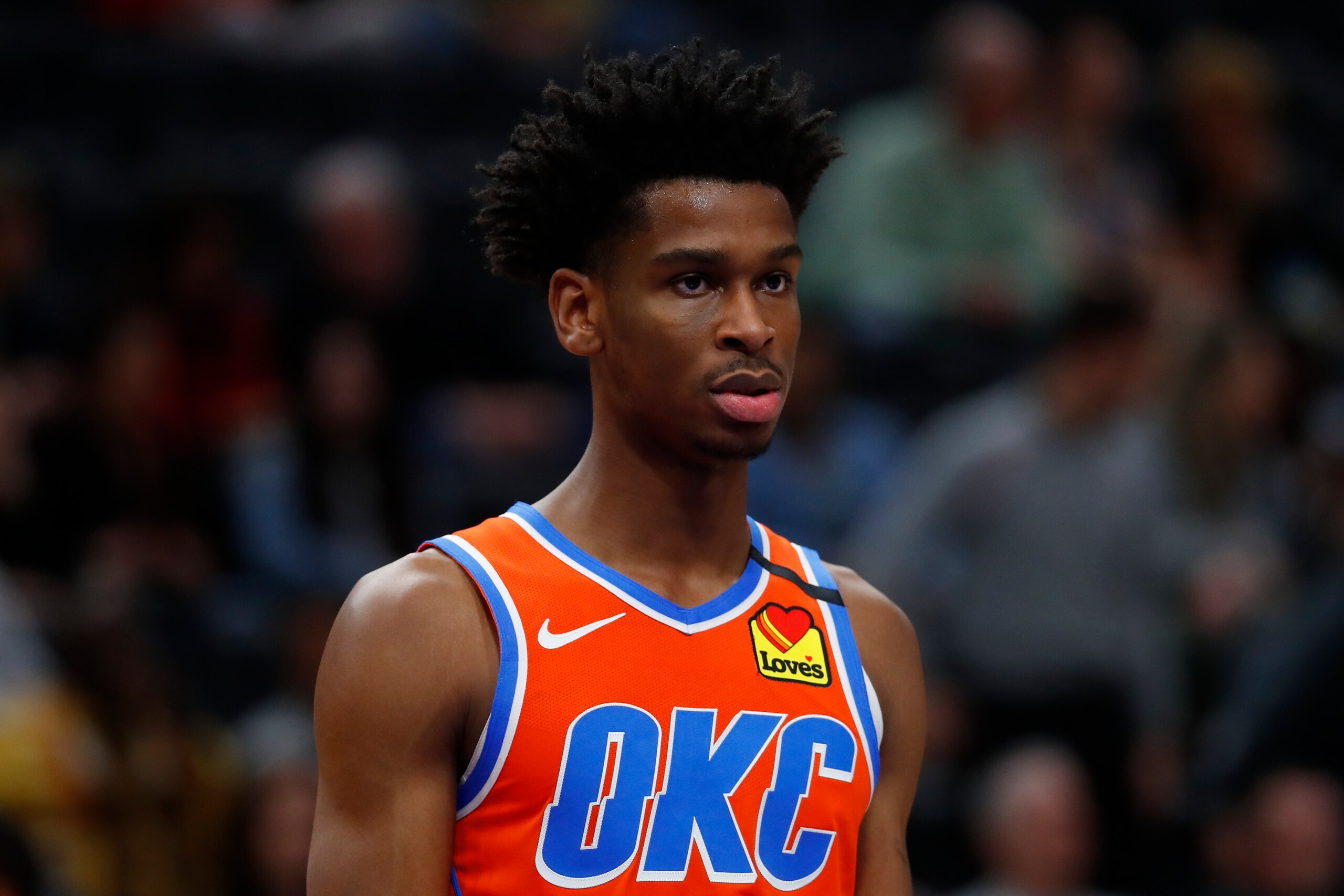
Weakness: Shot Selection
Few teams beat expectations as thoroughly as the Oklahoma City Thunder in 2019-20. Vegas pegged them for just 31 wins before the season started, and they wound up going 44-28 on the way to a playoff berth.
They performed closer to expectations on offense, though. On that end of the floor, their 111.1 points per 100 possessions ranked 16th, and their shot profile provides a pretty obvious path upward.
OKC lived in the mid-range, taking 34.5 percent of its shots from there (third in the league behind the San Antonio Spurs and the Golden State Warriors). That steady diet of in-betweeners contributed to an expected effective field-goal percentage that ranked 28th and an actual mark that ranked 17th.
Outperforming the expected mark by that much clearly shows players like Chris Paul, Shai Gilgeous-Alexander and Dennis Schroder should be trusted more than most in this range, but avoiding threes to this degree is like starting a race a few meters behind everyone else.
Players like Paul (36.5 percent from three), Schroder (38.5 percent) and SGA (34.7 percent) shouldn't be afraid to hoist up another attempt or two over the course of an average game.
Orlando Magic
22 of 30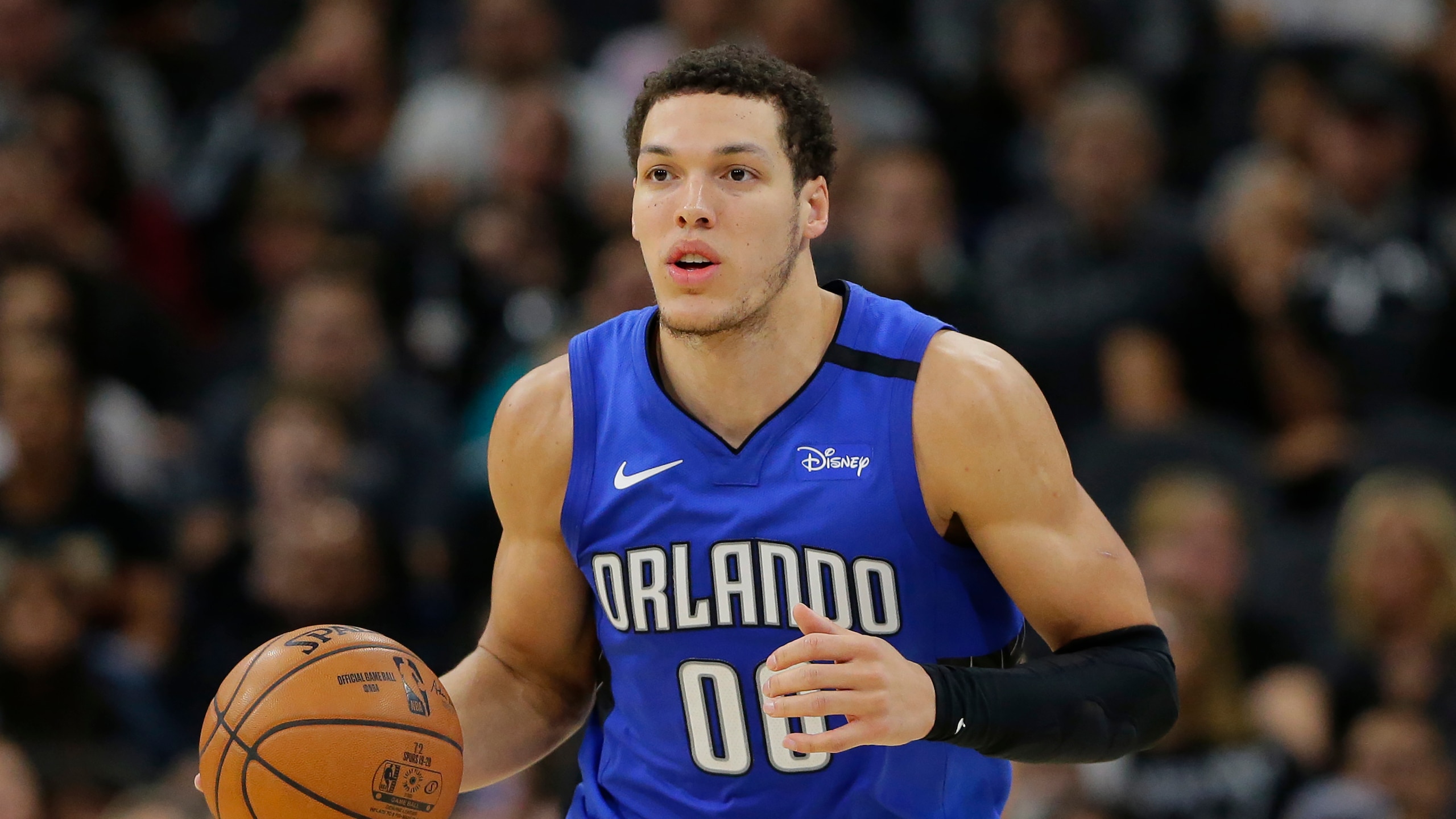
Weakness: Scoring
Nikola Vucevic and Evan Fournier need some help on offense. They're the only two Orlando Magic players who posted above-average offensive box plus/minuses in 2019-20, and even when both were on the floor, Orlando's 110.3 points per 100 possessions ranked in the 44th percentile.
If the Magic are ever going to climb out of Eastern Conference purgatory, they need at least one more player who can add some value on offense.
Last season, The Ringer's Kevin O'Connor reported that Orlando "expressed interest" in DeMar DeRozan. Now that the San Antonio Spurs' playoff streak is over, they may be more willing to entertain a rebuild and potential DeRozan deals.
Something built around him and Aaron Gordon would be risky for the Magic. Gordon is the younger, bigger player. But Orlando has been mired in mediocrity for years, and it may need a dramatic shakeup to change that.
DeRozan only has one positive net rating swing in his career, but head coach Steve Clifford may be as well equipped as anyone to scheme around his defensive weaknesses. Once upon a time, he managed to pull that off with Al Jefferson.
If Orlando has to look elsewhere, fine. It simply has to do something to address the lack of offense beyond its top two scorers.
Philadelphia 76ers
23 of 30
Weakness: Fit
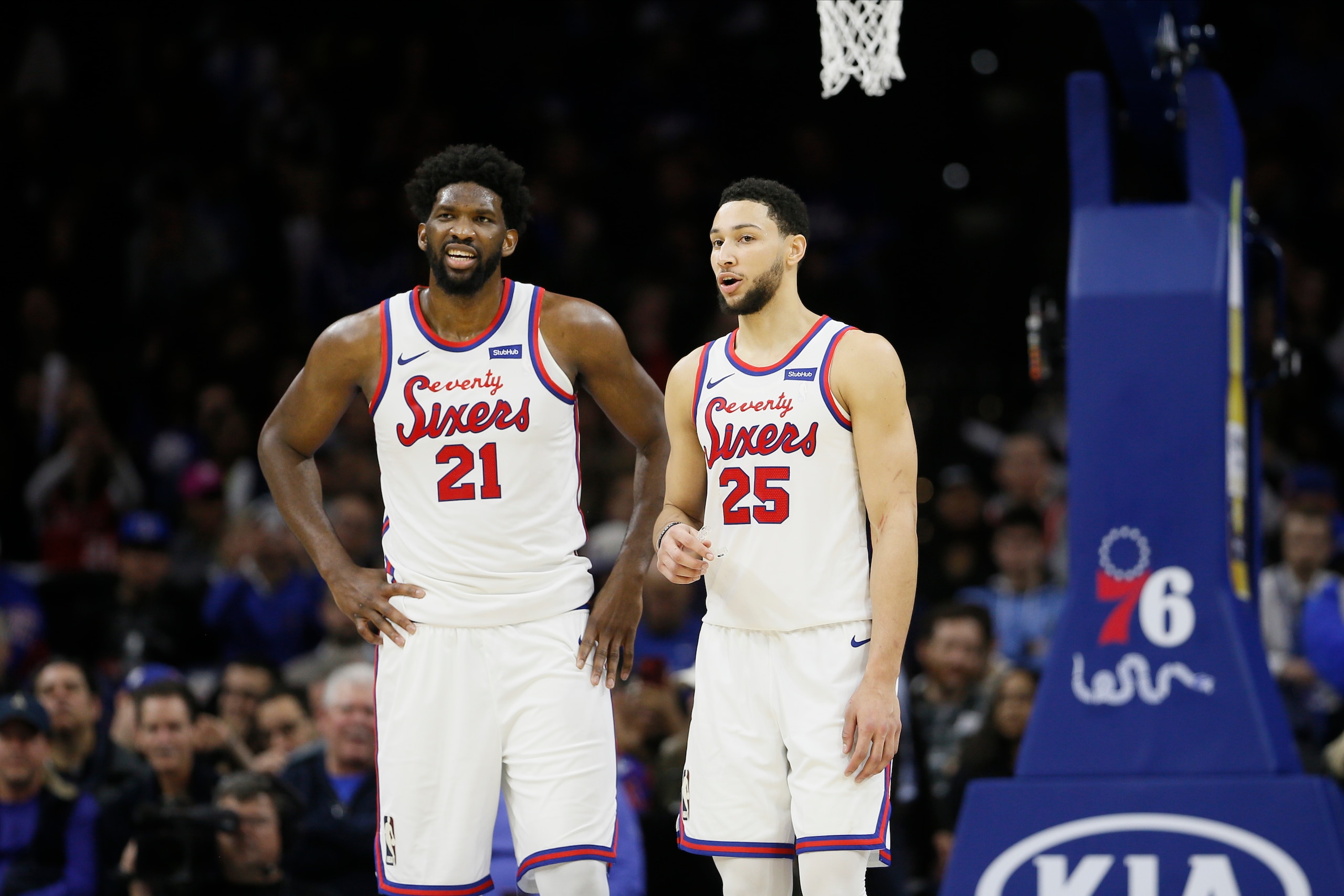
New general manager Daryl Morey is walking into one of the league's most precarious roster logjams with the Philadelphia 76ers.
Tobias Harris is under contract through 2023-24, when he's set to make just under $41 million. Joel Embiid's deal expires in 2023, Ben Simmons' contract runs through the 2024-25 campaign, and $14.5 million of Al Horford's $26.5 million in 2022-23 is guaranteed.
Even if Philly cuts Horford for that partially guaranteed year, it'll have over $120 million committed to just four names.
The problem, of course, is that those players didn't fit together too well in 2019-20. It was their first season together, but the minus-0.5 net rating the Sixers posted when Horford shared the floor with Embiid is far from ideal.
The team was plus-10.6 points per 100 possessions when Embiid played without Horford, but making the latter strictly a reserve would give Philadelphia a way-too-expensive backup 5.
The quickest path to contention for this team might require one of the things Morey does best: finding a trade.
If he can sell someone on Horford or Harris in exchange for a player who fits better alongside Simmons and Embiid, great. If not, more dramatic options shouldn't be dismissed outright.
Phoenix Suns
24 of 30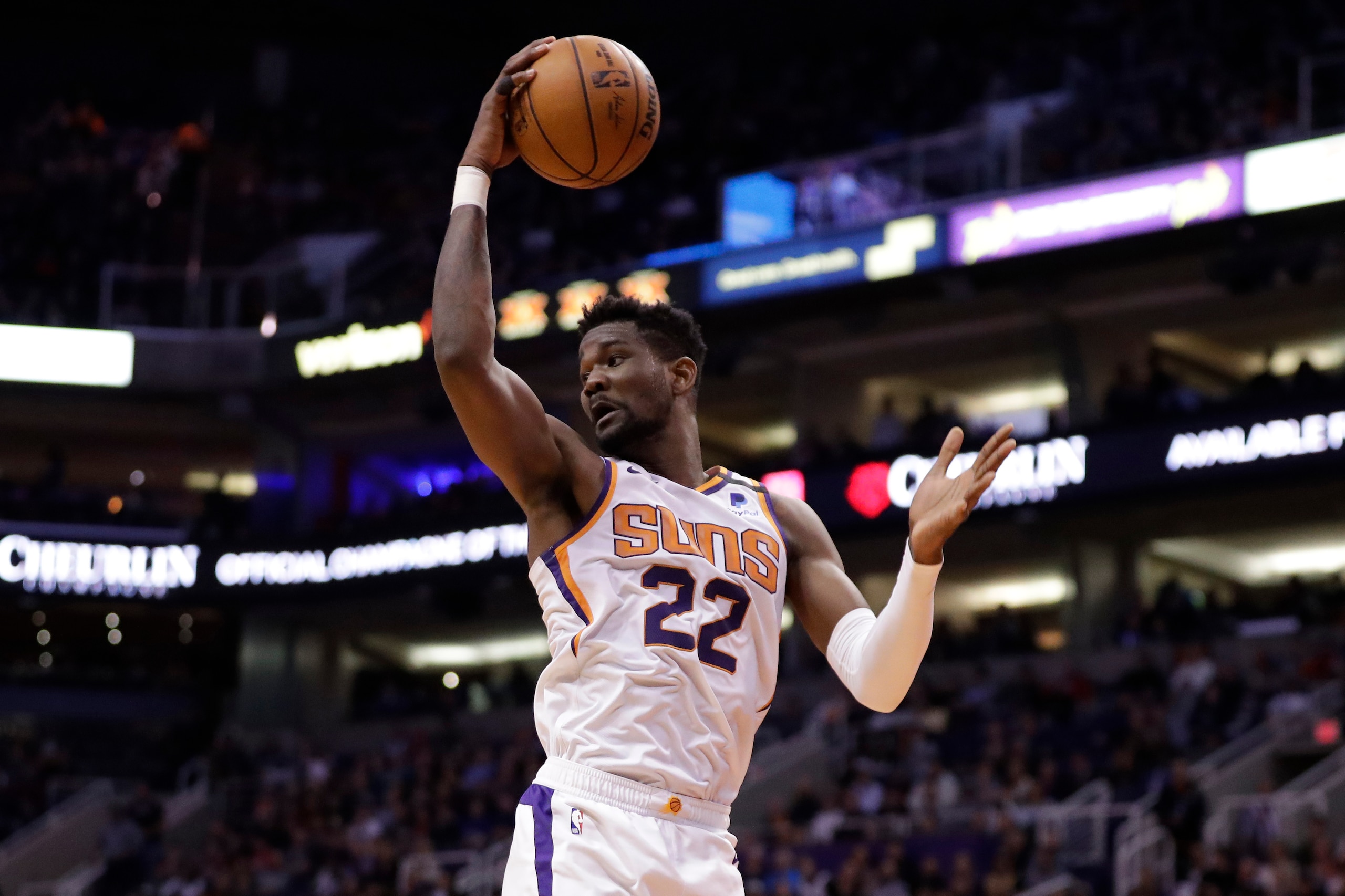
Weakness: Paint Protection
Deandre Ayton's defensive development has been a bit more rapid than anticipated, but the Phoenix Suns still have a long way to go as a team on that end of the floor.
They were 17th in points allowed per 100 possessions, thanks in part to the fact that 37.8 percent of their opponents' shots came at the rim (the sixth-highest mark in the league).
Now, once those shots were taken, the Suns actually did a pretty good job defending them. Their opponents' field-goal percentage at the rim was 12th in the NBA, an indication that bigs are bothering drivers.
The problem may have as much to do with perimeter defenders. Ricky Rubio adds value with his steals, but staying in front of many of the league's point guards is a challenge for him in isolation. Devin Booker's defense has always been an issue.
In theory, Kelly Oubre Jr. and Mikal Bridges have the length and athleticism to deter slashers, but they can't play 48 minutes per contest.
When they were both in the game, Phoenix allowed 108.9 points per 100 possessions (69th percentile). It just needs another perimeter defender to step up (or be signed) and hold the line when those wings are out.
Portland Trail Blazers
25 of 30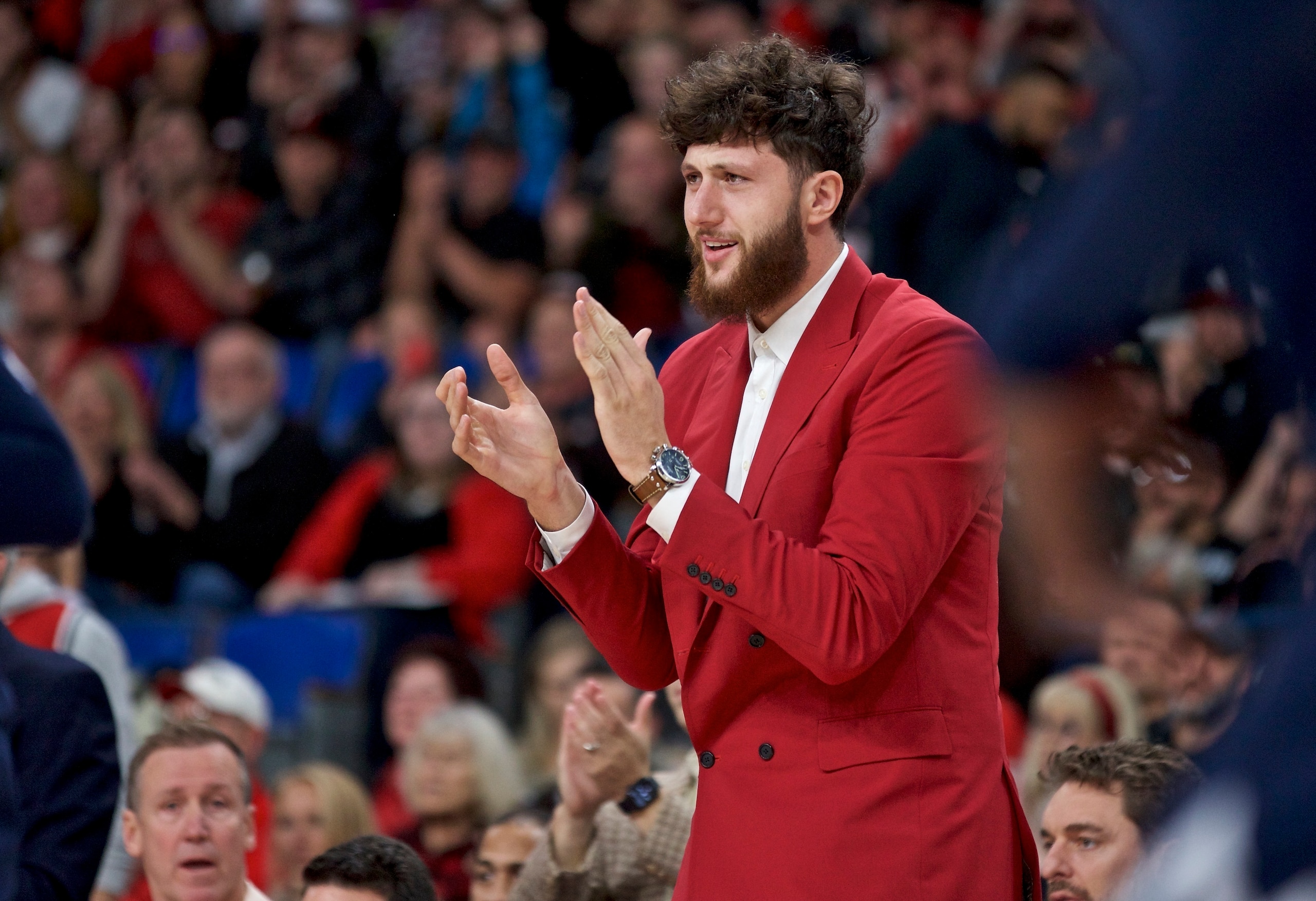
Weakness: Paint Protection
This slide will read like an exaggerated version of the last one.
The Portland Trail Blazers allowed opponents to shoot 59.8 percent at the rim, the third-best mark in the NBA. That was thanks in large part to Hassan Whiteside, who just finished one of the best seasons of his career.
He led the league with 2.9 blocks per game, and the Blazers allowed 5.3 fewer points per 100 possessions when he was on the floor (the best defensive rating swing of his career).
But Whiteside's defense around the rim was tested far too often. Opponents took 36.7 percent of their shots at the rim against Portland. Only seven teams allowed a higher percentage.
This goes back to the same point made with the Suns. The Blazers' perimeter defenders have to do a better job containing on the perimeter.
Like Phoenix's, Portland's starting backcourt (Damian Lillard and CJ McCollum) isn't likely to ever be known for solid defense. So, it's up to the forwards and wings.
The Blazers get a bit of slack for injuries. Rodney Hood isn't an obvious plus defender, but he's certainly more trustworthy than Mario Hezonja on that end. Zach Collins might've helped, too.
But this is a team that may not be able to bank on internal development for defensive help.
Gary Trent Jr. probably has some potential on that end, and Trevor Ariza should help a bit despite his advancing years. But the Blazers should be looking for defensive help on the wings in free agency, during the draft and on the trade market.
Sacramento Kings
26 of 30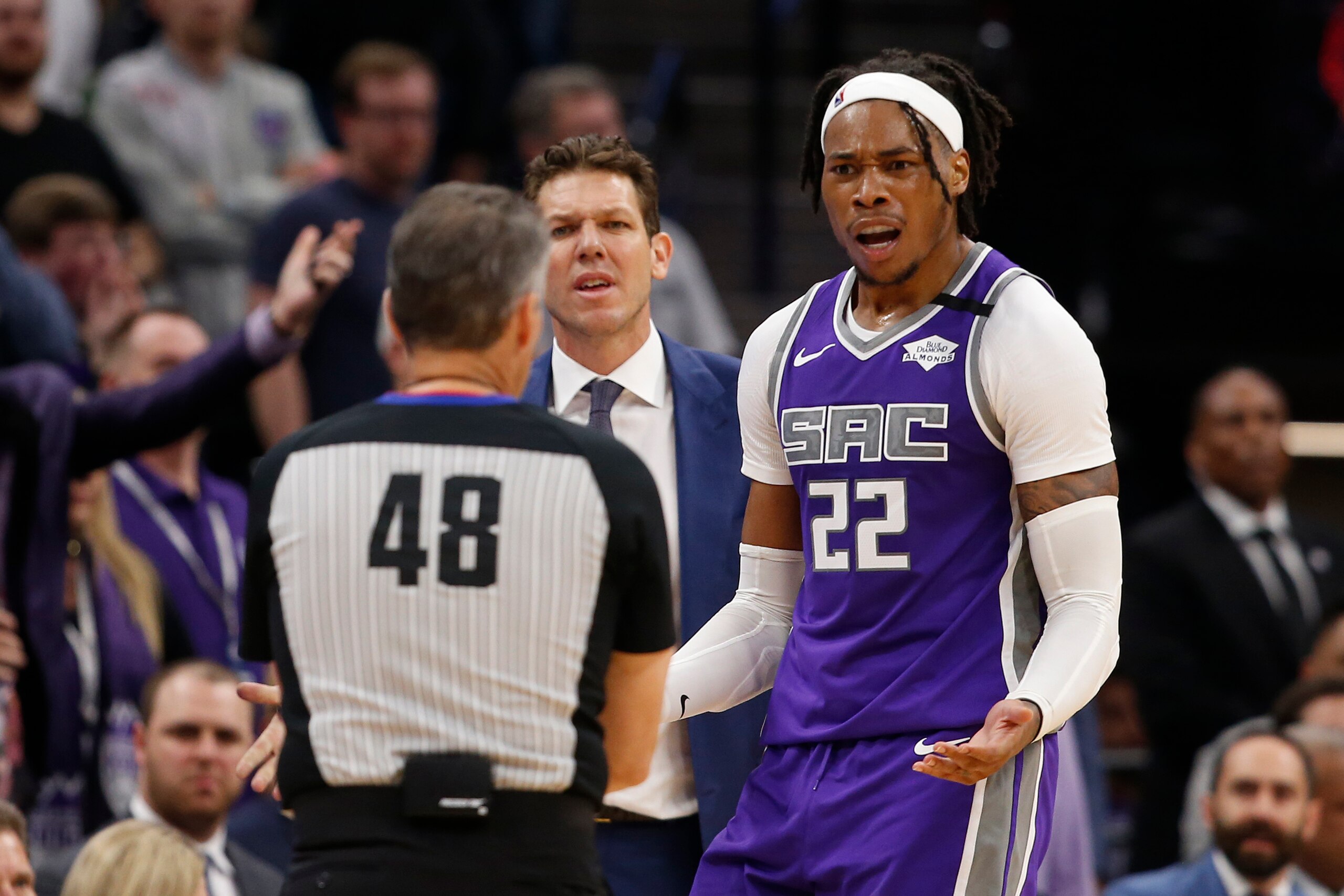
Weakness: Limit Fouls
The Sacramento Kings finished the season 19th in points allowed per 100 possessions, but a couple of their defensive indicators were actually above average.
They were ninth in forcing turnovers and 12th in defensive rebounding percentage, but they had a bad habit that kept their defense below average: They were 25th in opponents' free-throw attempt rate.
And when you're giving up that many freebies per game (a trip to the line is still the most efficient way for an offense to use a possession), it's hard to keep up.
Like other weaknesses discussed in this article, this isn't one that can be neatly pinned on a single player. Richaun Holmes (5.0 fouls per 75 possessions) and De'Aaron Fox (3.2) could probably both be a bit more careful, but this issue is spread fairly well over the entire roster.
Again, "fixing" issues for a basketball team can be a balancing act. Telling players to ease up a bit in an effort to reduce fouling could also impact Sacramento's solid steal rate.
San Antonio Spurs
27 of 30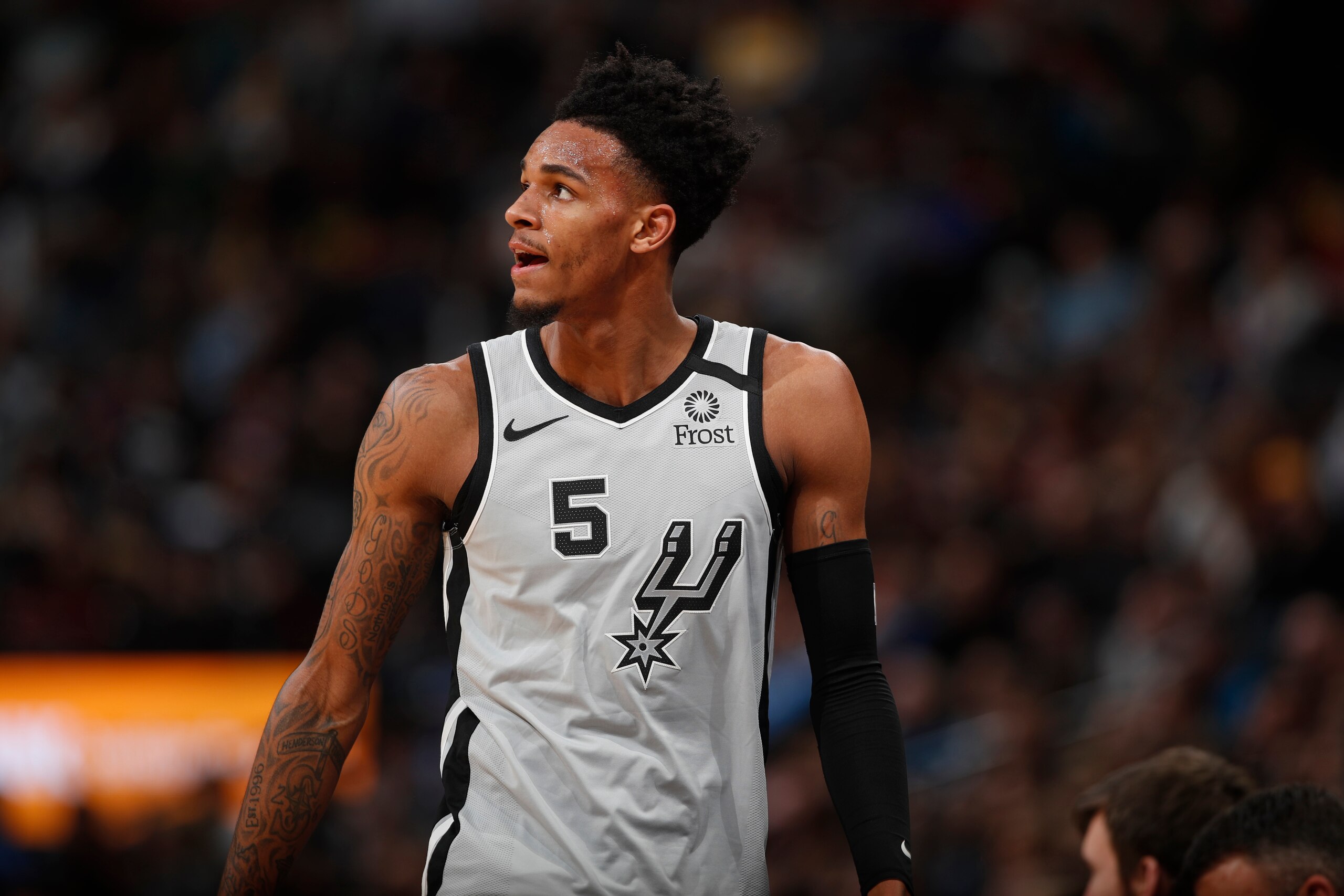
Weakness: Forcing Turnovers
From a team that may need to ease up a bit to one that could probably benefit from a more aggressive defensive style, the San Antonio Spurs have prided themselves on the lack of fouls they commit for years.
But it may be time to transition to a new era of Spurs basketball.
San Antonio finished 23rd in defense this season after ranking 20th in 2018-19. The playoff streak is over, and the up-and-comers seem like exactly the kinds of players around whom the Spurs could build a defense more capable of a little ball-hawking.
In 2019-20, the team was 26th in opponents' turnover percentage, but it isn't hard to imagine a rise in that category if Dejounte Murray, Derrick White and Lonnie Walker IV are allowed to take chances and explore passing lanes a bit more.
This season, Murray averaged 2.3 steals per 75 possessions.
Toronto Raptors
28 of 30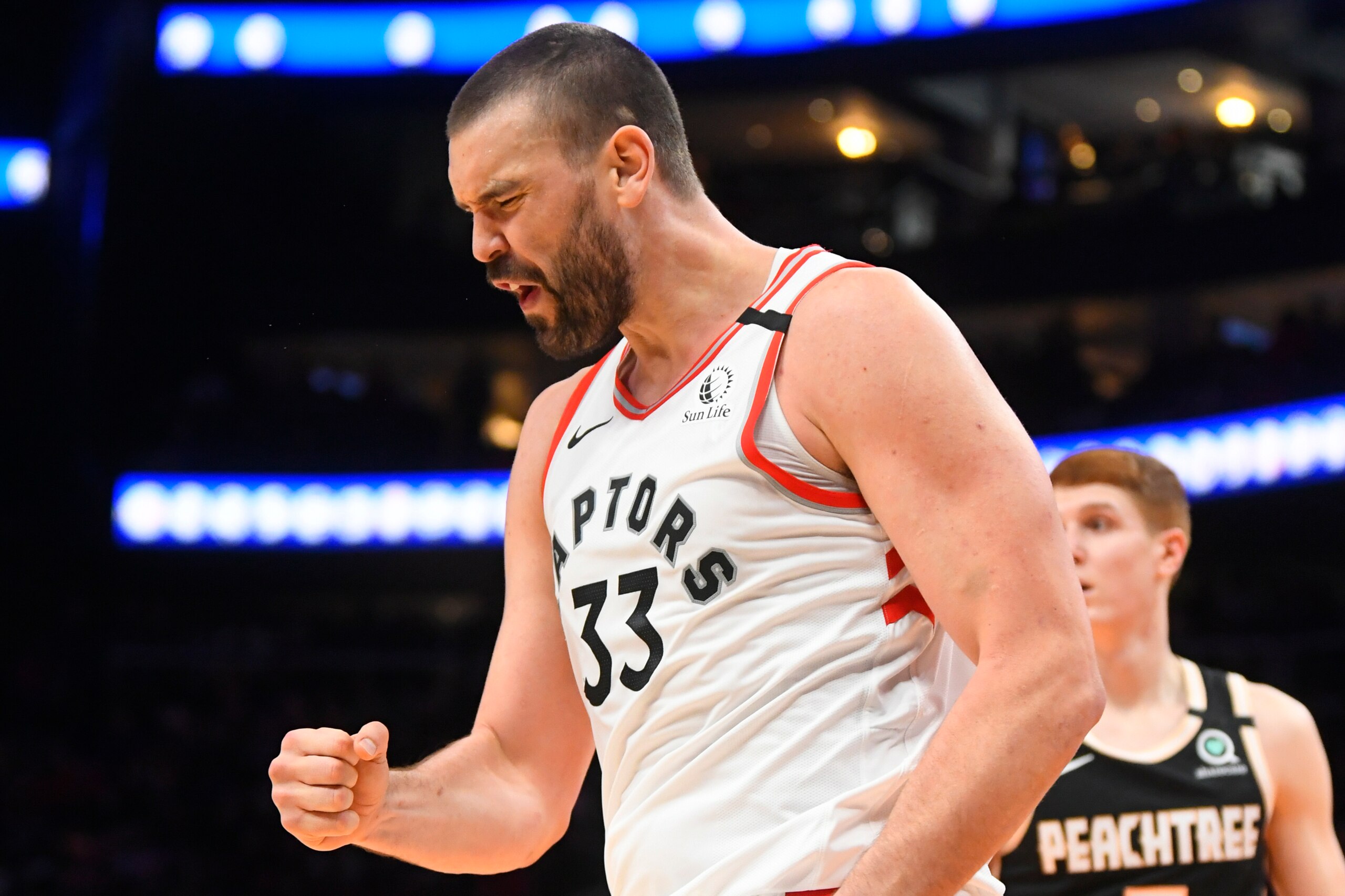
Weakness: Rebounding
The Toronto Raptors are another team that doesn't have many glaring weaknesses, but they could certainly be better on the boards (both offensive and defensive).
In 2019-20, they ranked 23rd in offensive rebounding percentage and 21st in defensive rebounding percentage. And though they have three big men who add plenty of value elsewhere, none of them are known for dominating the glass. Two of them are now free agents.
Serge Ibaka has had something of a resurgence as a rebounder with Toronto, but he's the only Raptor who played at least 1,000 minutes and averaged 10-plus rebounds per 75 possessions. And he's one of the aforementioned free agents.
Marc Gasol and Pascal Siakam, meanwhile, recorded 8.5 and 7.4 rebounds per 75 possessions, respectively. Gasol is the other free agent.
Either Siakam will have to get much more aggressive as a rebounder in 2020-21 or Toronto will need to sign someone to replace Ibaka and Gasol who can more than pick up the slack.
Utah Jazz
29 of 30
Weakness: Turnovers
The Utah Jazz are one of the game's more well-balanced teams. And, like others on the list, major injuries make it difficult to assess their 2019-20 campaign.
During the hiatus, their second-leading scorer, Bojan Bogdanovic, underwent wrist surgery that kept him out of the restart.
On the season, the Jazz were plus-6.3 points per 100 possessions with Bogdanovic on the floor, compared to minus-3.5 with him off. Who knows where they might've wound up had he been able to play in Orlando?
One area where he didn't seem to help much was taking care of the ball. Utah's 15.1 turnover percentage ranked 24th in the league (it was 15.2 percent when Bogdanovic played).
The correlation between the lack of turnovers and a top-tier offense may not be glaring. The Jazz were still 10th this season. But eight of the top 10 in points per 100 possessions were at least above average at taking care of the ball, and an extra possession here and there over the course of a game might push Utah closer to a top-five attack.
On the season, Joe Ingles, Mike Conley, Bogdanovic, Donovan Mitchell and Emmanuel Mudiay all averaged at least 2.4 turnovers per 75 possessions. You don't want to cut off their aggression, but a slightly more cautious approach from each likely wouldn't hurt.
Washington Wizards
30 of 30
Weakness: Defense. Everywhere.
The Washington Wizards had the worst defense in the league this season, and across all of NBA history, they allowed more points per 100 possessions than all but the 2018-19 Cleveland Cavaliers.
It's impossible to nail down their biggest problem on that end. Their field-goal percentage allowed at the rim ranked 29th. They were 30th in field-goal percentage allowed from the mid-range. And they crept all the way up to 27th in three-point percentage allowed.
All over the floor, Washington allowed teams to drain shot after shot.
Fixing a defense this bad takes a culture shift, and that rarely happens in a single offseason. But this team is in dire need of a defensive anchor and some pride from everyone currently on the roster.
Again, that player may not be available right now, but Washington should be scouring all markets for their own version of a Rudy Gobert-like defensive leader.



.png?w=2560 "Week 8 Winners & Losers 📊")