

If you're an NBA team in the draft lottery, you've got more than one question to answer—not the least of which is: "How do we avoid ending up here again?"
For those clubs unlucky enough to find themselves in that position this season, we've laid out a team-specific question worth considering before the June draft.
We don't yet know the pick order—or even who'll be available—so the focus will be on the existing non-playoff teams, what they need, how they can improve and, generally, what should top their predraft priority lists.
It's not just about figuring out who to pick. The draft is the first major offseason event, and teams need to know where they stand before making a selection. They'd better have a broader plan that considers free agency, potential trades, roster holes and anything else related to goals for the 2019-20 season.
New York Knicks
1 of 14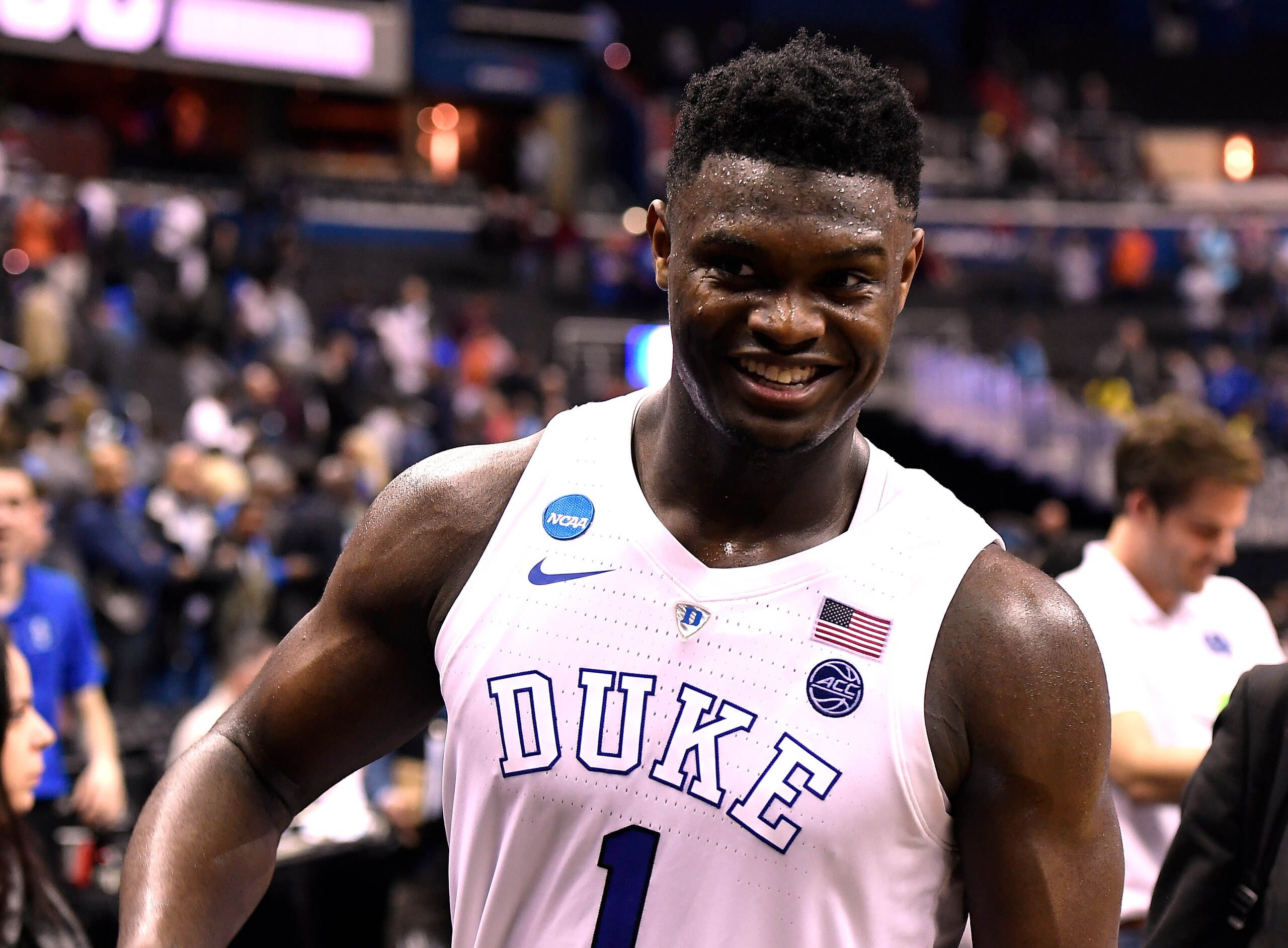
Biggest Question: How will the draft impact New York's massive free-agency plans and vice versa?
The Knicks are all but assured to finish with the league's worst record—a distinction that'll guarantee they pick no lower than fifth in the 2019 draft. If they land the top selection, they'll have one of the most valuable assets the league has seen in several years.
Do they deal their pick for a package that might fit better with the veteran stars they hope will occupy their two max salary slots? Do they draft Zion Williamson and dangle him for Anthony Davis?
Do they draft Williamson and keep him, regardless of their free-agency dreams?
The Knicks should have a sense of their chances to sign Kevin Durant and Kyrie Irving before the event. Owner James Dolan seems to have some insight into that already. If nothing leaks beforehand, we should scrutinize their draft behavior for hints about their free-agency plans.
All the same questions will apply if the Knicks don't end up with the first pick. Things will be a lot more interesting if Williamson is part of the equation, though.
Phoenix Suns
2 of 14
Biggest Question: What's the plan here?
This question applies to the Suns in ways large and small.
ESPN's Kevin Arnovitz delivered one of the 2018-19 season's best exposes, pulling back the curtain on a Phoenix organization prone to ill-advised pivots and general capriciousness. Case in point: The Suns fired former general manager Ryan McDonough just days before this season started. If they were so dissatisfied, why not remove him before the 2018 draft so the new regime could build the team it wanted?
That's the big-picture "what's the plan?" stuff the Suns must iron out before they make yet another high lottery pick. Somebody needs to be firmly in charge.
More specifically, they also need to figure out what Devin Booker's role will be going forward. His playmaking gains this year can't be ignored, but anyone who can average 50-plus over a three-game span, which the 22-year-old just did, should also get as many shot attempts as possible. Not everyone is James Harden, so slotting Booker into a role that either maximizes his scoring or facilitating (but not both) is a must.
Phoenix could target Murray State point guard Ja Morant if it wants Booker off the ball more, or it could take a look at bigger wings to play the 2 if his future is as a primary ball-handling guard.
The Suns just need to figure out what their goals are. That's long been a struggle.
Cleveland Cavaliers
3 of 14
Biggest Question: Is Collin Sexton a cornerstone?
Cleveland isn't nearly good enough to draft for positional need; few teams picking near the top of the lottery ever are. But Collin Sexton's late-season emergence could inform the Cavaliers' thinking ahead of the draft.
Sexton's post-All-Star-break shot profile has improved dramatically. The point guard has upped his three-point rate and cut down on long twos while also increasing his percentage of points scored both in the paint and, critically, on unassisted triples.
The pull-up trey is among the most valuable shots in a lead guard's arsenal, and it appears Sexton now has one.
The version that existed before the break didn't appear to have a future as a quality starter, so this mid-year leap, while significant, doesn't necessarily portend stardom. A player who so quickly recognizes and corrects weaknesses is worthy of investment, but Sexton's improvements merely took him from "bad" to "better." That's still a long way from "great."
Let's also keep in mind that his 2.8 assists per game after the break (2.9 before it) show he still needs to make a lot of progress as a distributor.
Do the Cavs hesitate if Ja Morant is available when they pick? Do they consider moving the selection if they're truly sold on Sexton?
They probably shouldn't do anything but snag the best player available, but the fact they must at least consider Sexton in their plans is a positive. For much of the season, he wasn't good enough to be a factor at all.

Chicago Bulls
4 of 14
Biggest Question: What's the plan at the point?
Kris Dunn is 25 years old and nearing the end of his second season as a full-time starter. Based on the evidence to date, the Bulls cannot conclude he's a starting-caliber player.
Dunn entered the league billed as an athletic dynamo who could facilitate on offense and cause massive disruptions on D. While he's done enough to stick in the NBA—35.4 percent from deep this season is a career high, and those flashes of defensive value still sparkle once in a while—he now profiles as a backup.
His three-point rate is down from last year's already substandard level, and his athleticism almost never manifests itself in useful ways. He and Philadelphia 76ers reserve guard T.J. McConnell are the only players in the league to log at least 1,300 minutes this year while posting a free-throw rate below 14 percent and a three-point attempt rate below 20 percent.
That scoring profile makes it virtually impossible to produce efficient offense, and Dunn's poor finishing around the rim exacerbates the problem. For his career, he's made just 55 percent of his shots inside three feet.
The Bulls won't be sure of their free-agent options until after the draft, but they'd better form a good idea of what might be available. Whether through the draft, via trade or on the open market, they'll have to upgrade the starting point guard position. If they don't, the cadre of promising talent they've amassed at other spots—Zach LaVine, Otto Porter Jr., Lauri Markkanen and Wendell Carter Jr.—might hit developmental snags.
Atlanta Hawks
5 of 14
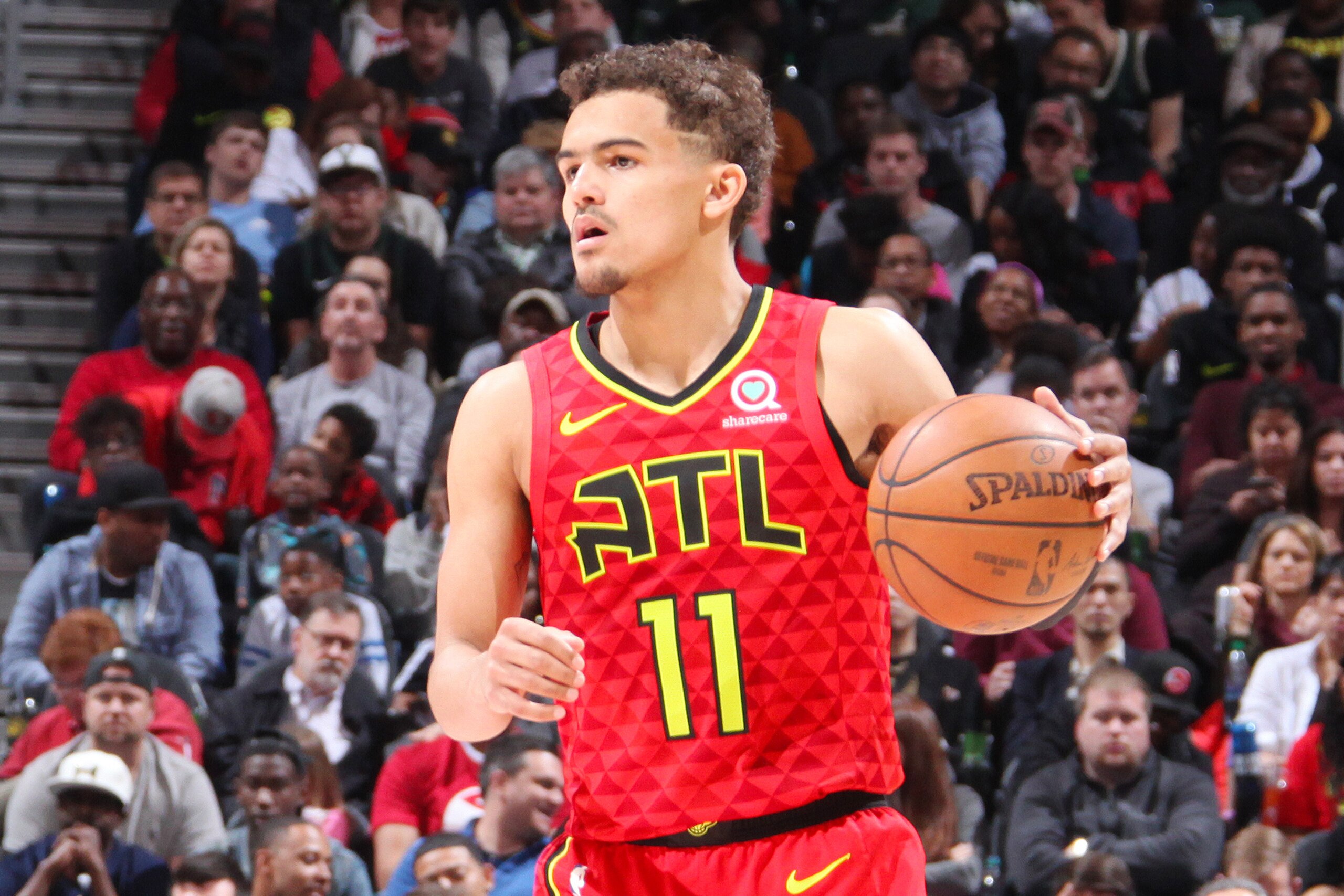
Biggest Question: How do they best support Trae Young?
This'll be the question guiding much of Atlanta's thinking for the foreseeable future.
In Young, the Hawks have the center of their basketball solar system. He shook off alarming shooting woes early in his rookie season and has been an offense unto himself since the All-Star break, averaging over 23 points and nine assists in both February and March. Since the mid-season hiatus, he's hit 37.7 percent of his triples while flashing ridiculous passing vision.
Young still remains deeply flawed, particularly on defense. He grades out as the worst stopper in the league by ESPN's defensive real plus-minus, and Jacob Goldstein's defensive player impact plus-minus has him ahead of only Devin Booker.
That means Atlanta must find ways to shore things up behind him, which could take the form of a wing stopper who could slide over to wrangle point guards when a particularly tough matchup shows up on the schedule—much like Klay Thompson often did for Stephen Curry earlier in his career. Of course, if we're going to stick with the Golden State Warriors comparison, what the Hawks really need is their own Draymond Green.
It'll take a miracle to find another second-round tweener who blossoms into the league's most versatile defender, but Atlanta should jump at anyone who approximates Green's do-it-all profile.
As long as Young's around, the Hawks will be exciting. If they build a defense around their blossoming star, they might also be pretty good.
Memphis Grizzlies
6 of 14
Biggest Question: Is Jaren Jackson Jr. a center?
In today's NBA, anyone with hybrid 4-5 skills should probably slide to center and be done with it.
Jackson Jr. fits that description, but he spent more than two-thirds of his minutes at the 4 during his rookie season. Much of that had to do with the presence of Marc Gasol, but his positional designation probably wouldn't have changed much had he been healthy after Memphis traded for Jonas Valanciunas.
Valanciunas could stick in Memphis by exercising his $17.6 million player option or hit the market by declining it. The 26-year-old big man averaged 19.9 points and 10.7 rebounds on 54.5 percent shooting in 19 games with the Grizzlies, which should force them to consider re-signing him if he opts out.
Several other personnel decisions will also influence Memphis' draft approach. Mike Conley may end up back on the trade block after he improbably stuck through the February deadline, and four players (led by Avery Bradley) have non-guaranteed deals for next year.
But Jackson Jr. is the team's most important long-term figure, and the Grizzlies must have a plan for his positional status if they want to get the most out of their draft. Of course, if Memphis conveys its top-eight-protected first-rounder to the Boston Celtics, it won't have quite as much to worry about.
Dallas Mavericks
7 of 14
Biggest Question: What works alongside the Luka Doncic-Kristaps Porzingis duo?
Dallas will convey its first-rounder to Atlanta if it falls outside the top five, and wins like Monday's 122-102 triumph over the Philadelphia 76ers make that possibility more likely than you'd think. The Mavs currently have the seventh-best lottery odds.
Whether they surrender that pick, the Mavericks should approach the draft and offseason striving to provide support for their Unicorn-Wunderkind combo. Kristaps Porzingis and Luka Doncic are the future of the organization, and their diverse skill sets open several paths of roster construction.
Porzingis' shooting and rim defense allow for a pairing with either a conventional center or a more versatile forward if the 7'3" big man spends more time at the 5. Doncic's ball-handling means the Mavs can get creative with their guard spots; they don't need a conventional distributor in the backcourt when they've got a great one at small forward.
If we assume Doncic will shoulder a heavy offensive load, it'll be vital to surround him with wing defenders. Ideally, Dallas will build a team that allows it to hide him on D as much as possible, saving his motor for the other end.
Gonzaga's Brandon Clarke, a high-energy forward in the mold of a young Paul Millsap, would be ideal for both Porzingis and Doncic if the Mavs keep their pick.
New Orleans Pelicans
8 of 14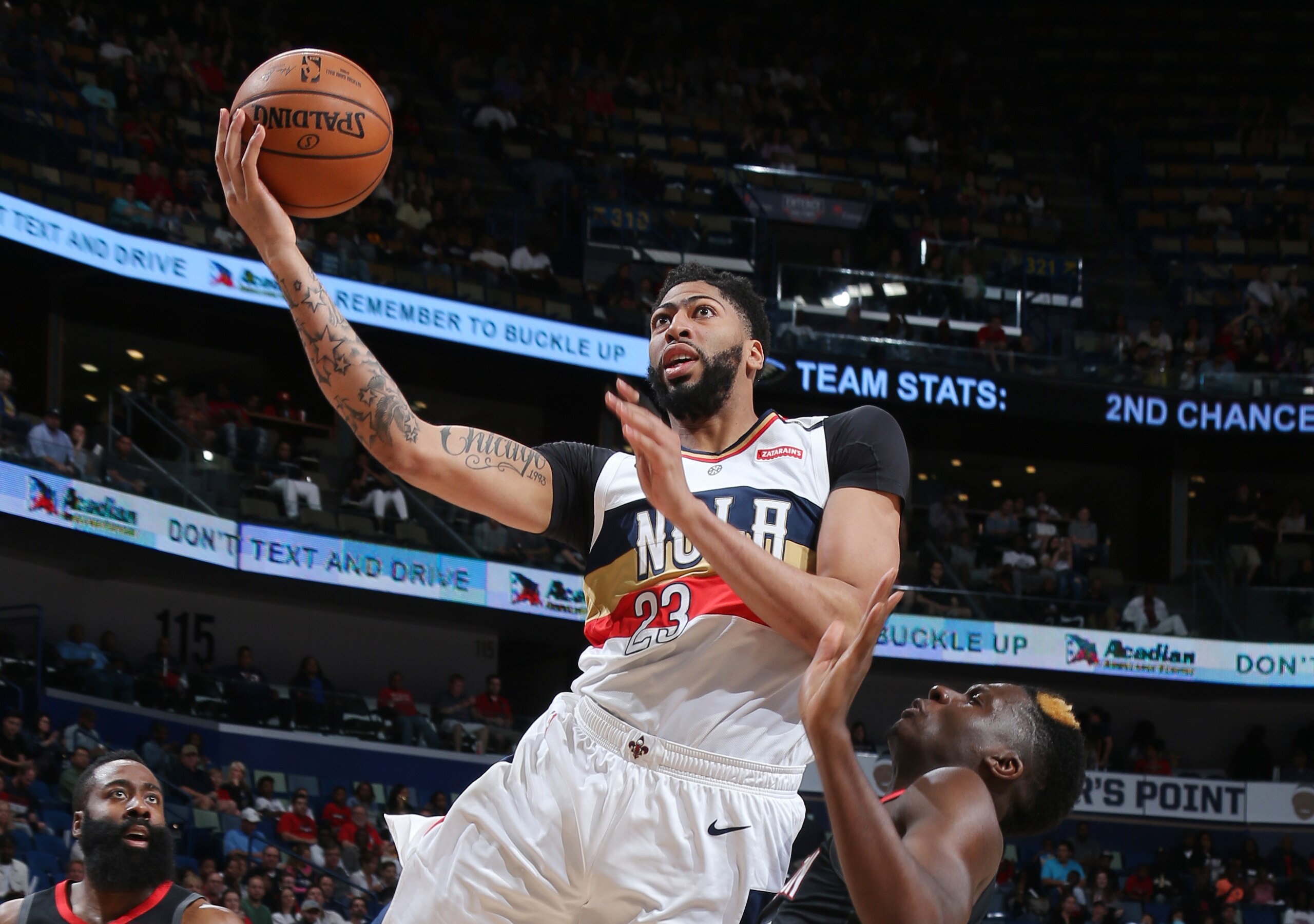
Biggest Question: What's Anthony Davis worth?
Barring a highly unlikely change of heart (or the dissolution of Klutch Sports), Anthony Davis will not play for the Pelicans next season. New Orleans' foundational piece will be gone.
That means it needs to find another one.
Trading Davis is the way to do that, and the Pels should first focus on shopping him to whichever team lands the No. 1 pick. If that squad isn't open to a deal, New Orleans must move down the line in search of its cornerstone.
A call to the Boston Celtics about Jayson Tatum, Jaylen Brown and picks would be a start. Failing that, New Orleans should rekindle talks with the Los Angeles Lakers for Brandon Ingram, Lonzo Ball and anyone else under the age of 25 who's not nailed down.
With Davis' potential 2020 free agency looming and a limited number of teams profiling as serious suitors, it could be tricky to find an acceptable return package. But the process of gauging his value begins once the pick order gets set May 14. By draft night, the Pelicans should have Plans A, B and C in place.
Washington Wizards
9 of 14
Biggest Question: Who'll call the shots?
Team president Ernie Grunfeld was in charge of personnel in Washington since 2003—basically an eternity in an NBA front office. But with the Wizards out of the playoff picture and harnessed to John Wall's albatross extension for the next half-decade, now might be a good time to introduce some fresh thinking to the process.
No surprise, then, that owner Ted Leonsis relieved Grunfeld of his duties Tuesday.
No personnel man on the planet could find a taker for Wall's deal, so the Wizards' options will be limited regardless of who's in charge come draft night. But other decisions could benefit from a new perspective—notably one not responsible for the roster moves that led the franchise to this point.
Once Leonsis decides how to fill Grunfeld's seat, Washington can head into the draft with some clarity.
Minnesota Timberwolves
10 of 14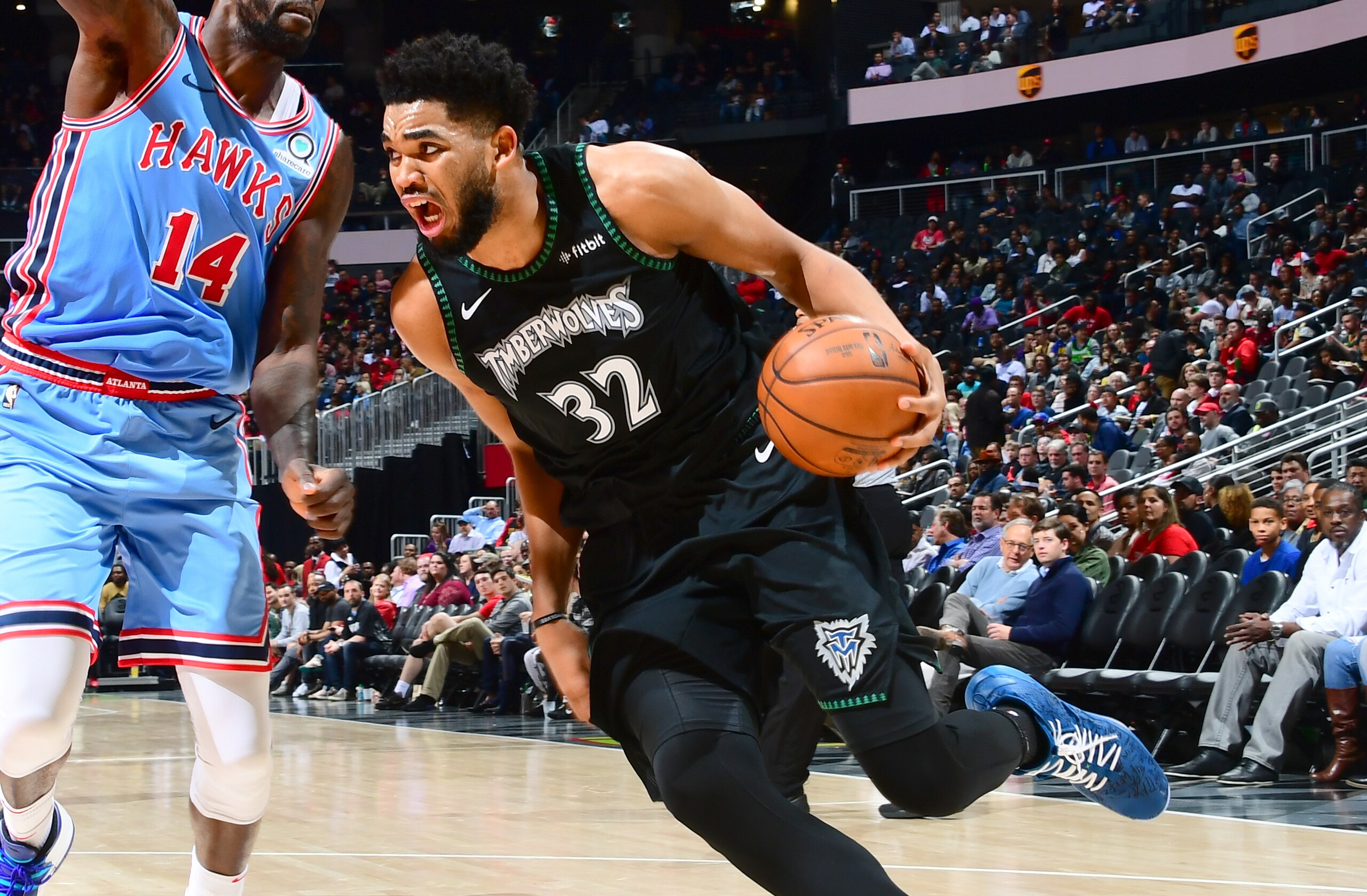
Biggest Question: How do we unleash Karl-Anthony Towns?
If you've stopped paying attention to the Minnesota Timberwolves for the last several weeks, you may have missed Towns raising the bar on an already stat-stuffed season. Since the break, he's averaged 28.5 points, 13.9 rebounds and 3.9 assists with a 51.8/43.2/80.0 shooting split.
Kevin Durant, Giannis Antetokounmpo and Stephen Curry are the only players currently matching or exceeding KAT's 28.8 usage rate and 61.8 true shooting percentage. Since the break, Towns has been even better—33.7 percent usage and a 62.4 true shooting percentage.
This year's draft must be about finding complementary talent. If that feels familiar, it's because every team with a star needs defenders and shooters. But that's the prescription for the Wolves. High-usage offensive players who need the ball in their hands and don't scale well as a team improves need not apply.
This'll be the second time we suggest Brandon Clarke as a smart pick (yes, we like him a lot), but you can't deny the fit. Towns provides all the spacing and shot-creation a team could want, so a supporting forward who defends the rim, can switch across several positions and doesn't need the ball works perfectly.
The Wolves must make Towns' second-half surge their new normal. He's got the chops to be an extremely high-usage focal point, so everyone else needs to get out of the way, defend and hit spot-up shots around him. That's how Minnesota will maximize KAT's unique talent.
Charlotte Hornets
11 of 14
Biggest Question: Where's the upside?
Regardless of whether Kemba Walker intends to leave in free agency, the Hornets must approach the draft with an eye toward big swings.
Upside should always be the goal in the lottery, but the Hornets need a home run more than most.
Should Walker sign elsewhere, Charlotte would still have over $102 million committed next year if Bismack Biyombo, Micael Kidd-Gilchrist and Marvin Williams pick up their player options. That means free-agent help wouldn't come until at least the summer of 2020. Walker's departure would leave the Hornets without a star and without the immediate means to get another...unless they land one in the late lottery.
If the All-Star point guard stays, he'd likely do so on a max-salary deal that would lock him up through his mid-30s. Charlotte would commit to overpaying him as he declines in order to stay afloat during the next couple of seasons, when he'd still be in his prime. Of course, the money necessary to keep him would hamstring the Hornets' finances for another half-decade, which means their best mode of talent acquisition would be—you guessed it—the draft.
If the Hornets are to get off the mediocrity treadmill with or without Walker, they need to gamble and win in the draft.
Los Angeles Lakers
12 of 14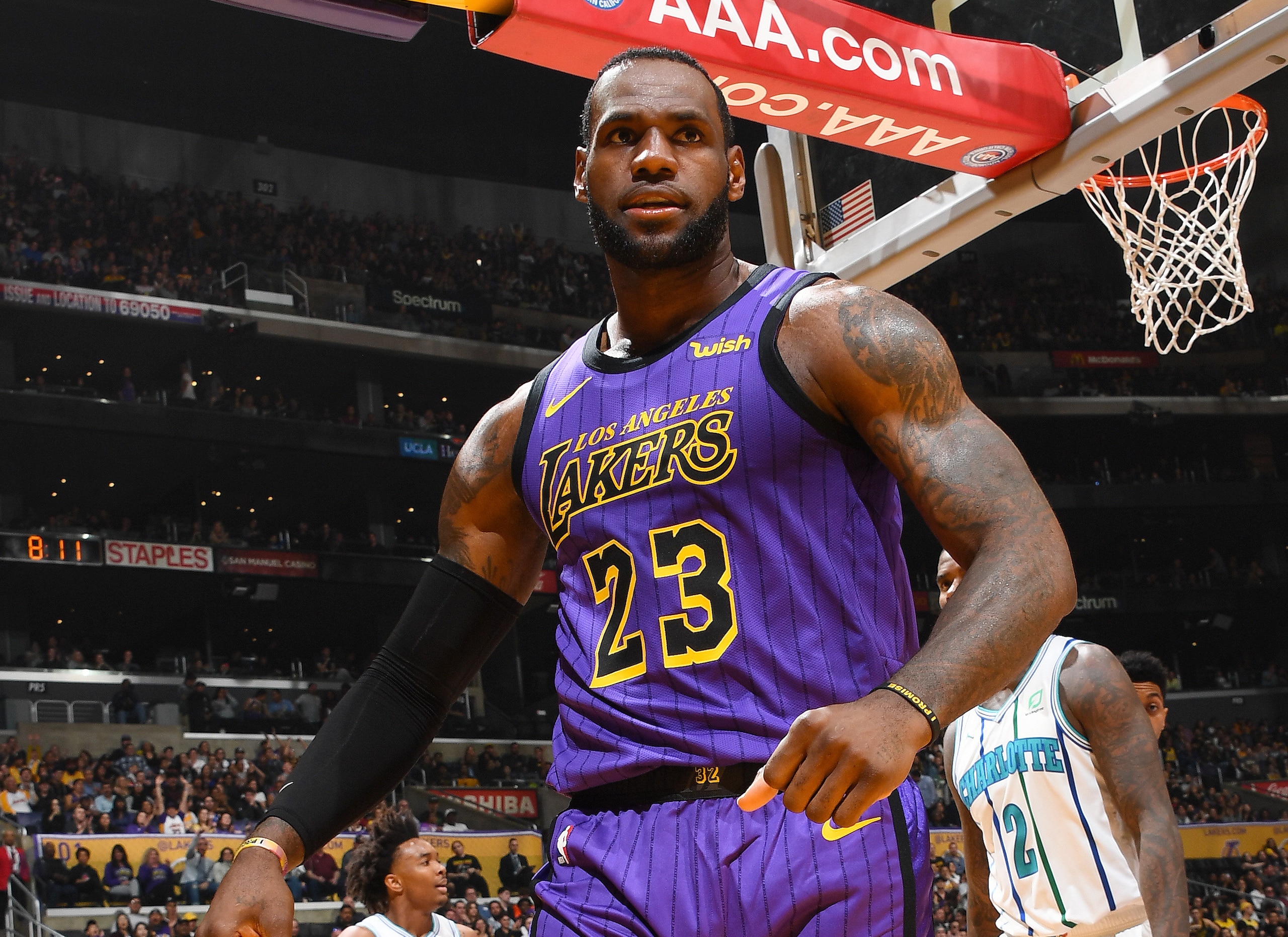
Biggest Question: Who cares about the draft?
The Lakers already wasted one season of LeBron James' dwindling prime by surrounding him with non-shooters and including half the roster in leaked trade packages for Anthony Davis.
They can't squander another.
The draft should be a means to an end for Los Angeles, which must trade for Davis and add another star-level player in free agency. If the Lakers actually use and keep their own lottery selection, it might be a signal they've failed in those other pursuits. In a perfect world, that pick would be part of the package for Davis.
Complicating matters will be head coach Luke Walton's uncertain future and the looming possibility that team president Magic Johnson and general manager Rob Pelinka might not be very good at their jobs. Last offseason's moves and the handling of the Davis fiasco mean it's now fair to presume that's the case until they prove otherwise.
As many facets as there'll be to L.A.'s draft and offseason, an overarching simplicity remains: Get Davis and another veteran star, and everything may turn out fine. Fail to do both, and the Lakers will again fall well short of serious contention.
Sacramento Kings
13 of 14
Biggest Question: Where are the wings?
Depending on where it falls, the Kings will send their first-rounder to either the Celtics or Sixers. As you can imagine, that'll suck some of the drama from Sacramento's draft.
That's fine. The Kings have loads of young talent, let by De'Aaron Fox, Marvin Bagley III and Harry Giles III. Those three profile as Sacramento's core going forward, assuming Bagley's shooting progresses enough to make a frontcourt fit with Giles workable on offense.
The wing is where the Kings need help.
Buddy Hield can stripe it, so he's a lock to move ahead with this group even if he's a half-decade older than the Fox-Bagley-Giles trio. The small forward spot is the area of greatest potential improvement, which is disappointing because the Kings probably thought they addressed that issue by trading for Harrison Barnes at the deadline.
Barnes, though, is far from what Sacramento needs.
He's a suspect defender against wings whose offensive game consists of low-efficiency isolations at the foul line and spot-up shooting. A poor passer with an incredible knack for disappearing on both ends, Barnes simply isn't the long-term answer. Though it'd shine a light on the Kings' trade misfire, it might be best if Barnes declined his $25.1 million option this summer. Sacramento has been better with him off the floor, which is a pretty good sign it can do better with the cap space his departure would create.
Bojan Bogdanovic would be an exciting fit who'd probably come cheaper than Barnes. And as a bonus, his addition would introduce all sorts of confusion with Bogdan Bogdanovic already on the roster.
The Uncertain Trio
14 of 14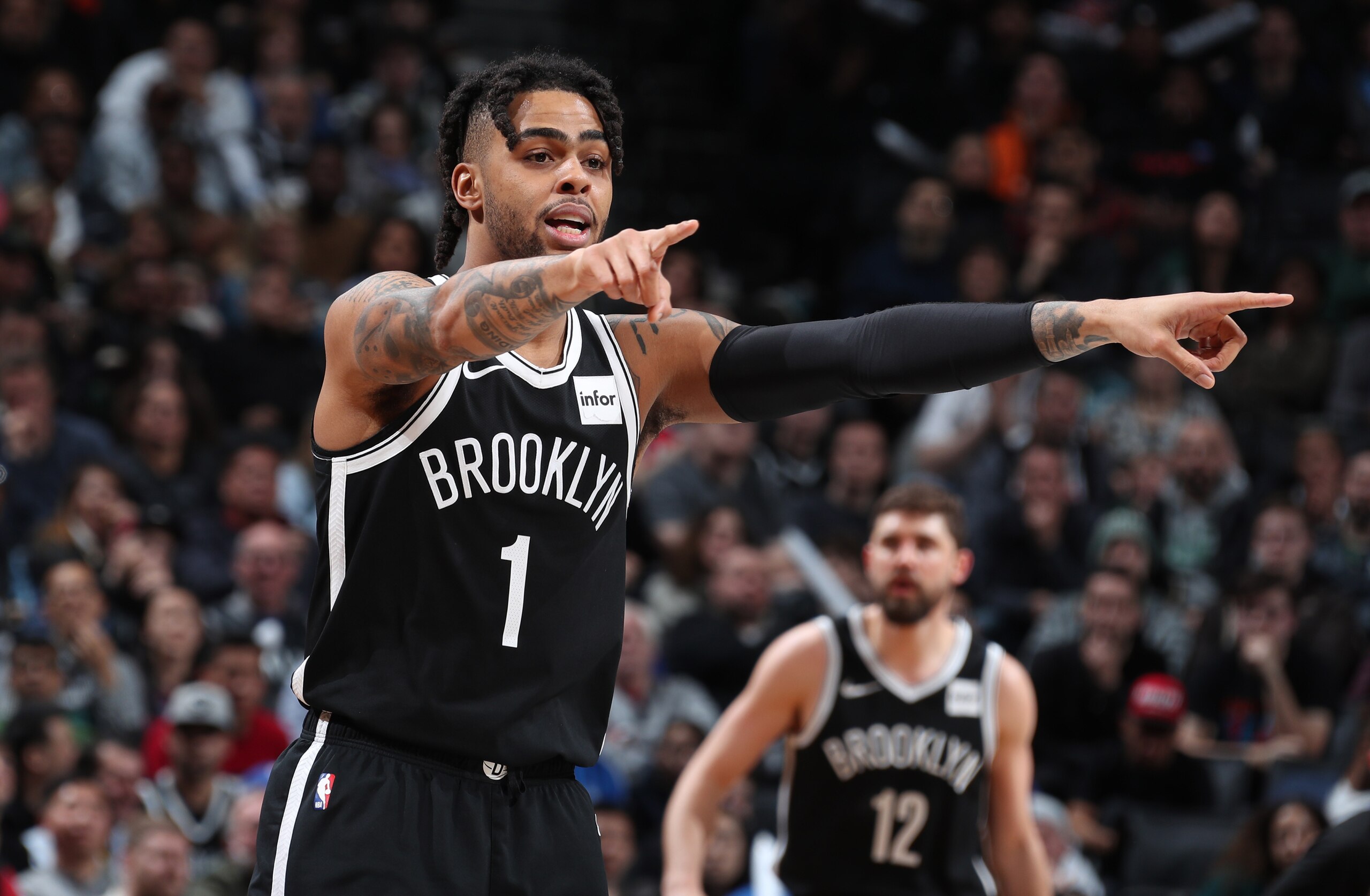
Three teams in the East are fighting it out for the last two playoff spots. The Brooklyn Nets, Miami Heat and Orlando Magic are bound for the lottery if they come up short.
Brooklyn Nets: What's D'Angelo Russell worth?
Russell will hit restricted free agency following an All-Star season. Will the Nets match a lucrative offer sheet even though Spencer Dinwiddie is already inked to an extension and has shown the ability to close games on his own? If Brooklyn commits to Russell, its draft and free-agent needs should shift away from the backcourt entirely. If it doesn't splurge, its options get a little broader.
Miami Heat: Does anyone need a solid reserve making eight figures?
The Heat already have between $86.6 and $138.6 million committed to next year's payroll, depending on what happens with player options for Hassan Whiteside and Goran Dragic, as well as Ryan Anderson's non-guaranteed 2019-20 salary. If they're ever going to clean up their books, they have to look for someone to take on their glut of overpriced deals. Perhaps Miami could package its pick with one of James Johnson, Kelly Olynyk or Dion Waiters to alleviate the salary strain.
Orlando Magic: Who's into contact?
The Magic rank dead last in free-throw rate—a failing that's dragging down an offense otherwise converting shots at or above league-average rates at the rim and from deep. With a defense that has been second-best in the league since Feb. 1, their needs are obvious. They must target shot-creators who put pressure on the defense and force opponents into disadvantageous positions. That's how you draw shooting fouls and, by extension, field a playoff-worthy offense.
Unless otherwise noted, stats courtesy of NBA.com or Basketball Reference and accurate through games played Tuesday, April 2. Salary and cap-hold information via Basketball Insiders.

.jpg?w=2560 "Mahomes Told Teammate to Leave Meeting")
.jpg?w=2560 "Rodgers Iced Out on Plane 💎")
.jpg?w=2560 "🚨 Week 8 AP Top 25 Poll")


.jpg?w=2560 "Lamar Being Out Shocked Ravens")
.jpg?w=2560 "Raiders Could Start Mendoza")