Every NBA player is under some form of pressure. It comes with the territory of professional sports. The best of the best in their field are burdened by expectations.
Some players are facing more scrutiny than others. And I know what you're thinking: "It's the biggest stars, duh." In many cases, this is correct. But not always.
Our search will target those up against unique stresses and strains. Regular superstar attention and demands won't cut it.
Can certain marquee names reclaim All-Star form after major injuries? Will up-and-comers substantiate forecasts of grandeur? Can select rookies keep pace with longstanding or swelling fanfare? Will underachievers and fallen stars right their course?
To anyone gearing up for the highest-stakes season of their career, this one's for you.
Atlanta Hawks: Trae Young
1 of 30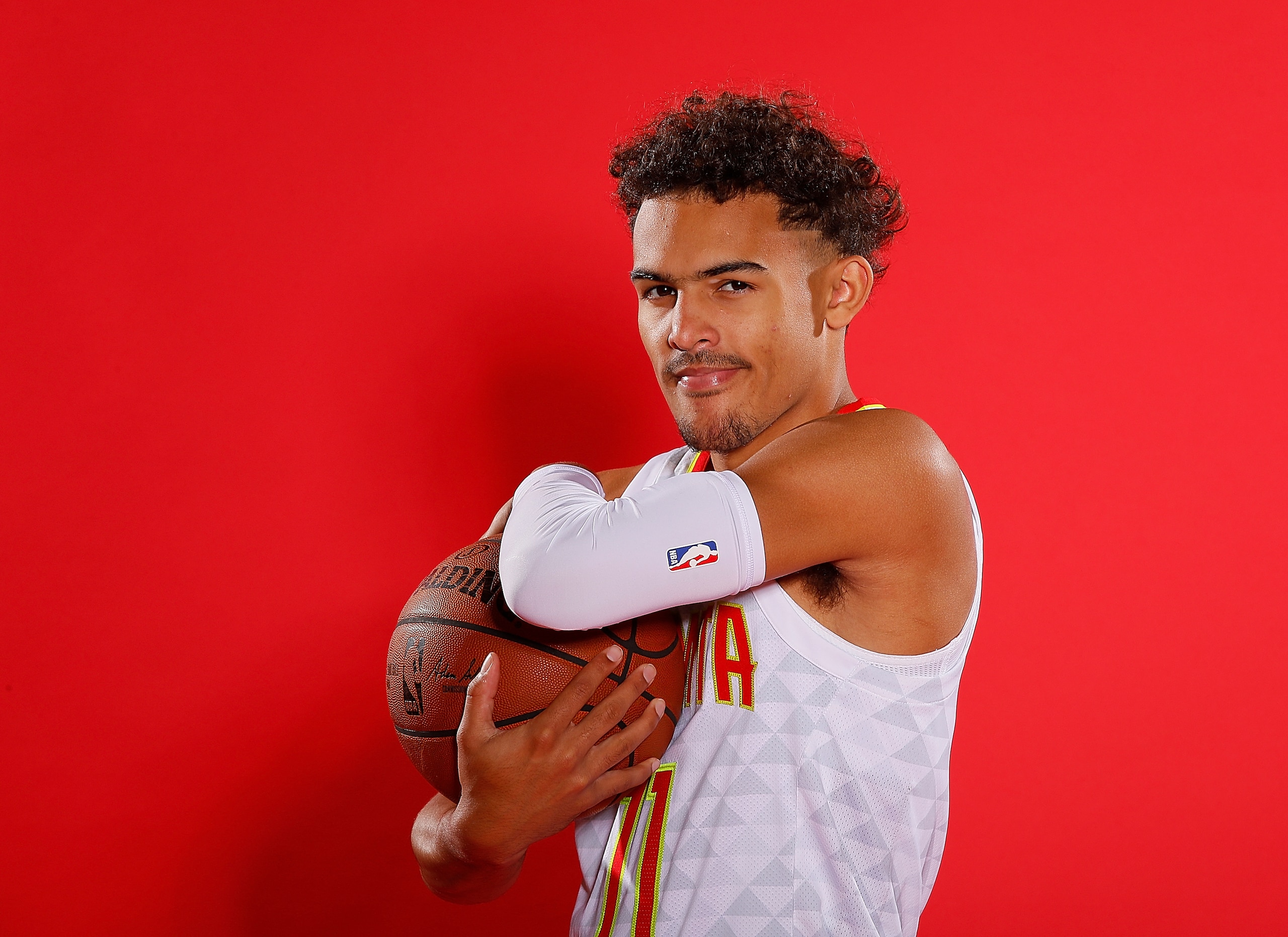
Trae Young's future is now forever tied to Luka Doncic, the NBA rookie many have billed as a transcendental talent.
Technically, the Atlanta Hawks did not draft Young ahead of him. But they traded out of the pick (No. 3) that became him. That amounts to the same thing. It might even be a stronger stance than the Sacramento Kings taking Marvin Bagley III instead of Doncic because the Hawks actively acknowledged the target of their affections would be on the board after him. (For what it's worth, Sacramento could have—and should have—beaten Atlanta to the punch and tried trading down. Bagley wasn't going in the top five.)
Currying favor over Doncic inside Atlanta is pressure enough. It's also just the beginning for Young. He drew comparisons to Stephen Curry for his uninhibited shot selection at Oklahoma, which triggered an onslaught of debate. His profile was further amplified down the stretch of the season—for all the wrong reasons. He shot just 37.7 percent overall and 29.7 percent from three over his final 13 games.
Is Young overhyped? Has he somehow become underrated? Will better spacing augment his playmaking and jump shooting? Or is he, all of 6'2" with a 6'3" wingspan, destined to disappoint?
Rookies deserve time to marinate before rendering sweeping verdicts. Most of them get it—especially in a market like Atlanta. Young won't.
Boston Celtics: Gordon Hayward
2 of 30
Kyrie Irving is the Eastern Conference's Russell Westbrook, his standing among the league's superstars forever a point of contention. Entering a contract year (player option), with another knee surgery in his rearview, he'll feel the wrath of the spotlight a little more than usual.
Jaylen Brown and Jayson Tatum are facing their own elevated expectations. Both are coming off postseason breakouts, during which they took on featured-option responsibilities. Now, they're tasked with continuing their ascension amid the returns of Irving and Gordon Hayward. Shining next to three top-25 players—yes, Al Horford is a top-25 player—ain't easy.
Hayward is the pick anyway. He has to be. He's returning from a fractured tibia and dislocated left ankle that cost him all but five minutes of last season, his first with the Boston Celtics. And the trek back to form isn't a given.
To be clear, Hayward deserves the benefit of the doubt. He's already dunking off of that left leg. But he's saddled with reclaiming a superstar's heyday. The Celtics will feel the slightest deviation from that apex.
Sure, they're deep enough to overcome it. They made it to Game 7 of the Eastern Conference Finals without him and Irving. But Hayward is their swing piece—that player who, at his peak, widens the chasm separating them from the rest of the Eastern Conference while bridging whatever gap still stands between them and the Golden State Warriors.
Brooklyn Nets: D'Angelo Russell
3 of 30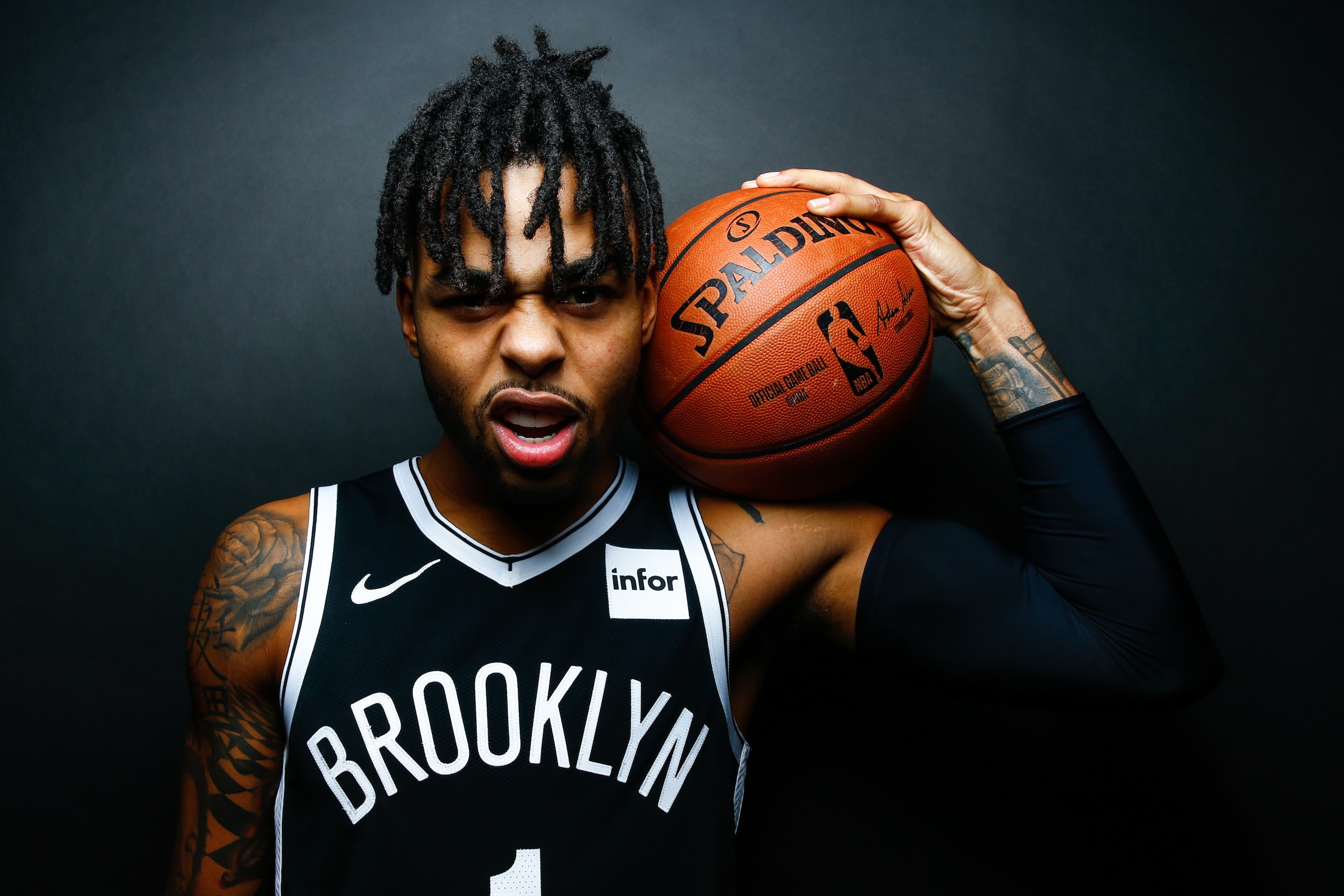
D'Angelo Russell is the closest the Brooklyn Nets come to an unequivocal face for the future—or so the thinking goes.
Jarrett Allen is up there. He shoots threes, boasts some coordination in the post, uses his length well on the offensive glass and hustles on defense. But building around big men who don't score from face-up positions or pilot fast breaks is a no-no by today's standards.
Caris LeVert has elements of a franchise cornerstone's game. He moves around on the defensive end and operates with a certain comfort off the bounce that hints at a budding pull-up jumper and pick-and-roll initiation. But he's just starting to gain the requisite control over the offense to supersede No. 2 or No. 3 status.
Russell retains carte blanche in the Nets' pecking order. He led the team in usage rate and scoring last year (non-Jeremy Lin divisions), and no one on the roster remotely rivals his off-the-dribble nerve. He averaged as many pull-up jumpers per game as Paul George (5.7)
It's this pluck and pomp that allows Russell to retain his star-in-waiting quality. He's kind of like Zach LaVine, only his reputation isn't sullied by an inability to run the point.
Can Russell stay healthy long enough to make good on this billing? He's missed 53 games over the past two seasons. Will his efficiency measure up to the leeway he's afforded? He has yet to clear a league-average clip from deep and has never hit more than 37 percent of his pull-up J's. Does he have the discipline to remain engaged on defense? He's spent most of his career lazing around on that end.
Jimmy Butler trade scenarios willing, Brooklyn is about to test the depths of Russell's cornerstone candidacy.

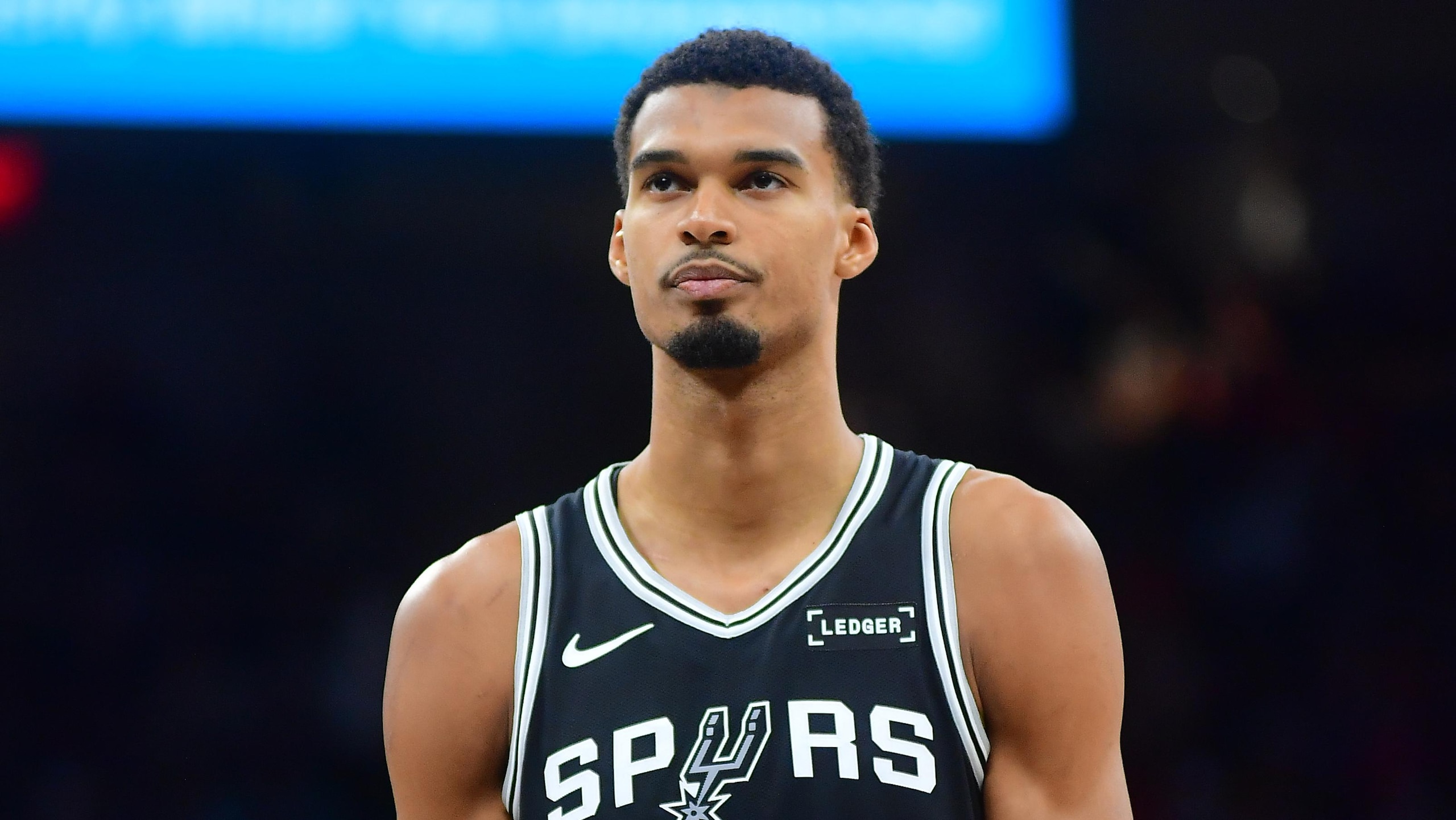
Charlotte Hornets: Nicolas Batum
4 of 30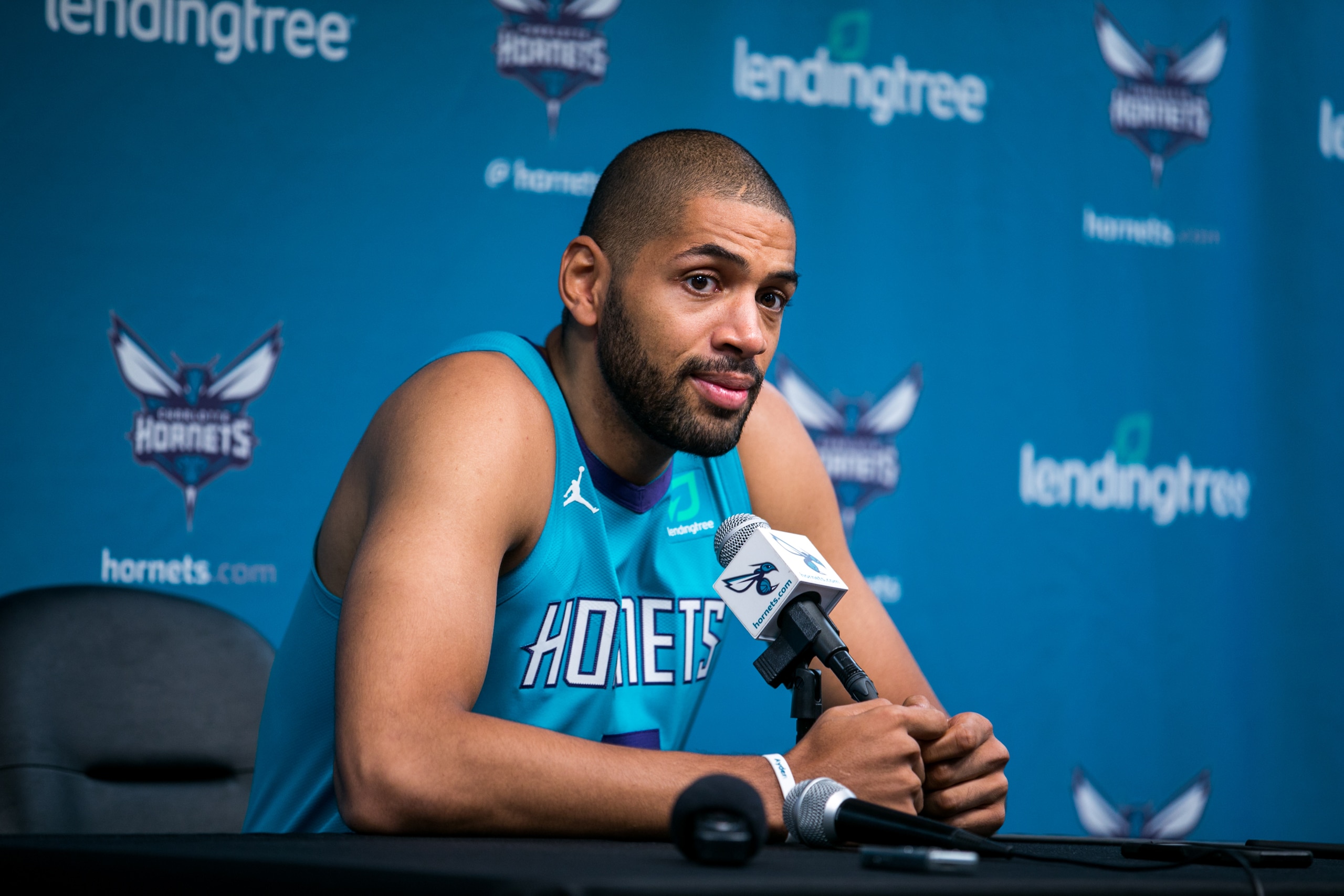
When in doubt, focus on a team's highest-paid player.
Hello, Nicolas Batum.
To say the 29-year-old isn't living up to his five-year, $120 million price tag would be a polite understatement. His shooting percentages have dropped since his inaugural season with the Charlotte Hornets, and he's failed to establish himself as a viable No. 2 playmaker.
Batum committed a turnover on 21.9 percent of the pick-and-rolls he ran last season—a bottom-six mark among 96 players to chew through at least 150 of these possessions. It was the same story, different year, in 2016-17. Out of the 92 players to jump-start 150 or more pick-and-rolls, Batum finished 89th in turnover rate (23.7).
Entrusting him to steady the ship during Kemba Walker's breathers is a non-option. Charlotte's offensive rating plunged by more than seven points per 100 possessions last season when Batum played without him. And it fell by a larger margin after the February break, when the Hornets overall were learning to survive without their lone star.
Jeremy Lamb, Malik Monk and Tony Parker can all help right the ship during Walker-less minutes. But they're not second-in-command material. A Batum revival is critical to Charlotte ending its two-year playoff drought and, by extension, perpetual dalliance with a full-tilt overhaul.
Chicago Bulls: Zach LaVine
5 of 30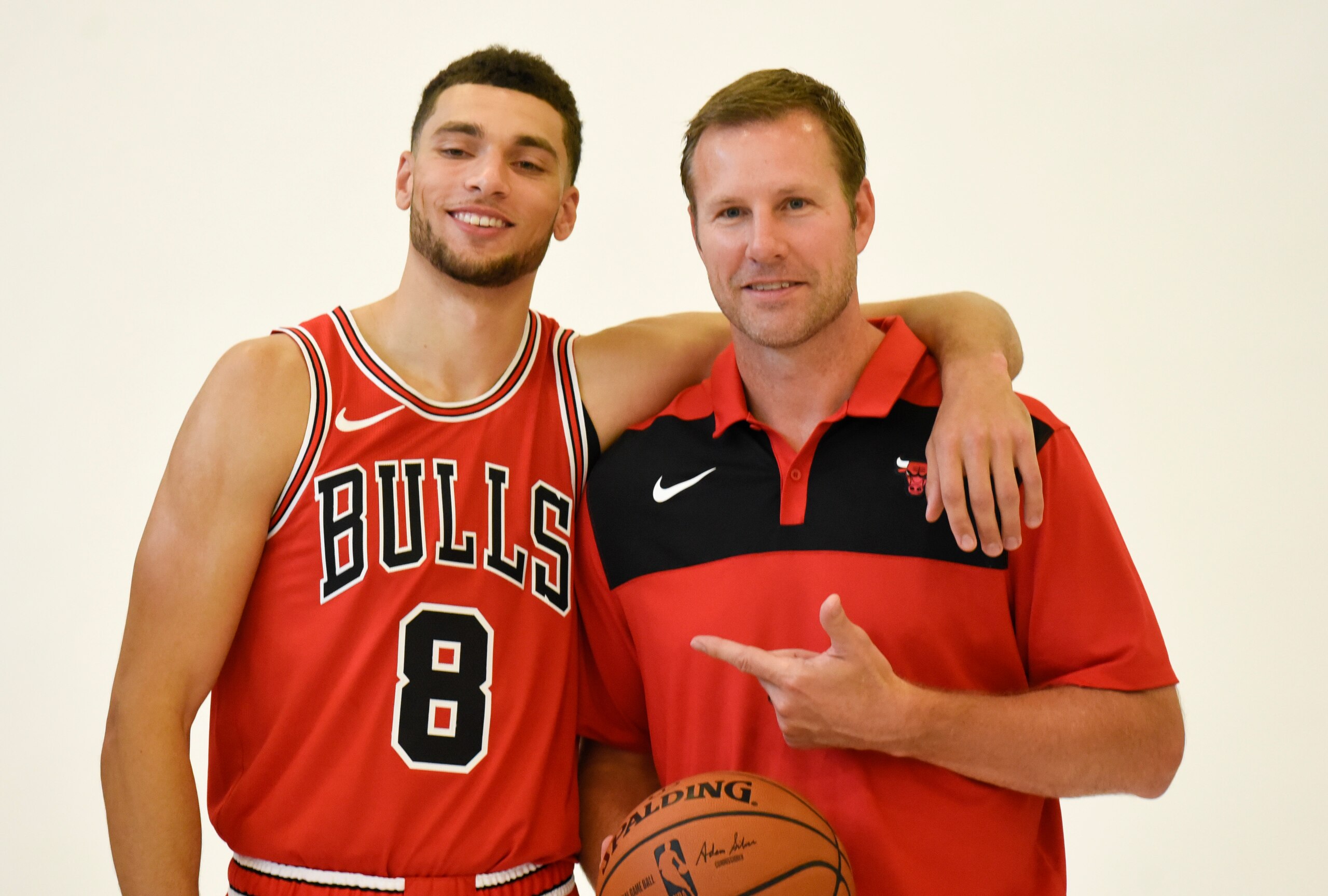
Paying Jabari Parker remains a less-than-glorious move by the Chicago Bulls. He doesn't have the chops to hang at small forward on defense, and any time he logs at the 4 comes at the expense of Lauri Markkanen or Wendell Carter Jr., players who are more integral to the big picture.
But this expensive mistake will be short-lived—if it, in fact, turns out to be a mistake. Chicago can decline Parker's team option for 2019-20 should things go belly up and move on.
Zach LaVine's contract isn't mitigated by prospective brevity. The Bulls are into him for four years and $78 million with no scheduled outs. His trajectory is theirs to reap or regret. And with his checkered defensive track record, punctuated by regular off-ball dazes, Chicago must bank on him crossing the threshold of the elite at the offensive end—a far from safe reliance.
As ESPN.com's Zach Lowe wrote:
"LaVine failed horribly when the Wolves experimented with him as lead guard. [Fred] Hoiberg used him mostly as a secondary ball handler last season; [Kris] Dunn would down break the defense and kick the ball to LaVine on the opposite wing with a head start. LaVine can be effective that way. He is a very good 3-point shooter. But he is addicted to contested jumpers."
Blending in on offense could be easier with Parker. LaVine hit just 32.5 percent of his spot-up threes last season, but he was playing for a new team following an ACL injury. He canned 42-plus percent of his standstill triples in both 2016-17 and 2015-16.
Improving his shot selection and efficiency on pull-ups is more paramount to how his contract ages. Ditto for his development as the lead playmaker Chicago will need him to be for fits and spurts. If he falls flat in either department, the Bulls' direction will look much worse because of it.
Cleveland Cavaliers: Kevin Love
6 of 30
Joe Vardon, then of Cleveland.com, laid out the pressure Kevin Love faces this season just before the start of training camp:
"With [LeBron] James gone, Love has got to become an older, wiser, better version of Minnesota Kevin. He'll get more shots, and presumably more will come from closer to the basket than where he's been shooting as a Cav (5.7 attempted 3s per game here, way higher than his average with the Wolves), but he also still needs to be a floor spacer for Collin Sexton, Rodney Hood, and Cedi Osman.
"Oh, and Love has to stay healthy. He's missed substantial time in each of the last two years (costing him All-Star appearances both seasons), and there is no LeBron to keep the Cavs afloat if he gets hurt again."
Resurrecting Love's pinnacle from four years ago is a Herculean task under any circumstances. It feels implausible while he's on the Cavaliers.
Not only has the league evolved beyond the stretch-big fad, but Love is 30 and headlining a team devoid of a premier table-setter. His own shooting won't carry as much weight if Hood, Sexton or George Hill cannot effectively break down defenses off the dribble.
Love's extension complicates matters. The Cavaliers' totally unnecessary commitment to him infers postseason ambitions, which demand the return of Minnesota Kevin Love—a player who might not be enough to plant a playoff stake if he even still exists.
Dallas Mavericks: Luka Doncic
7 of 30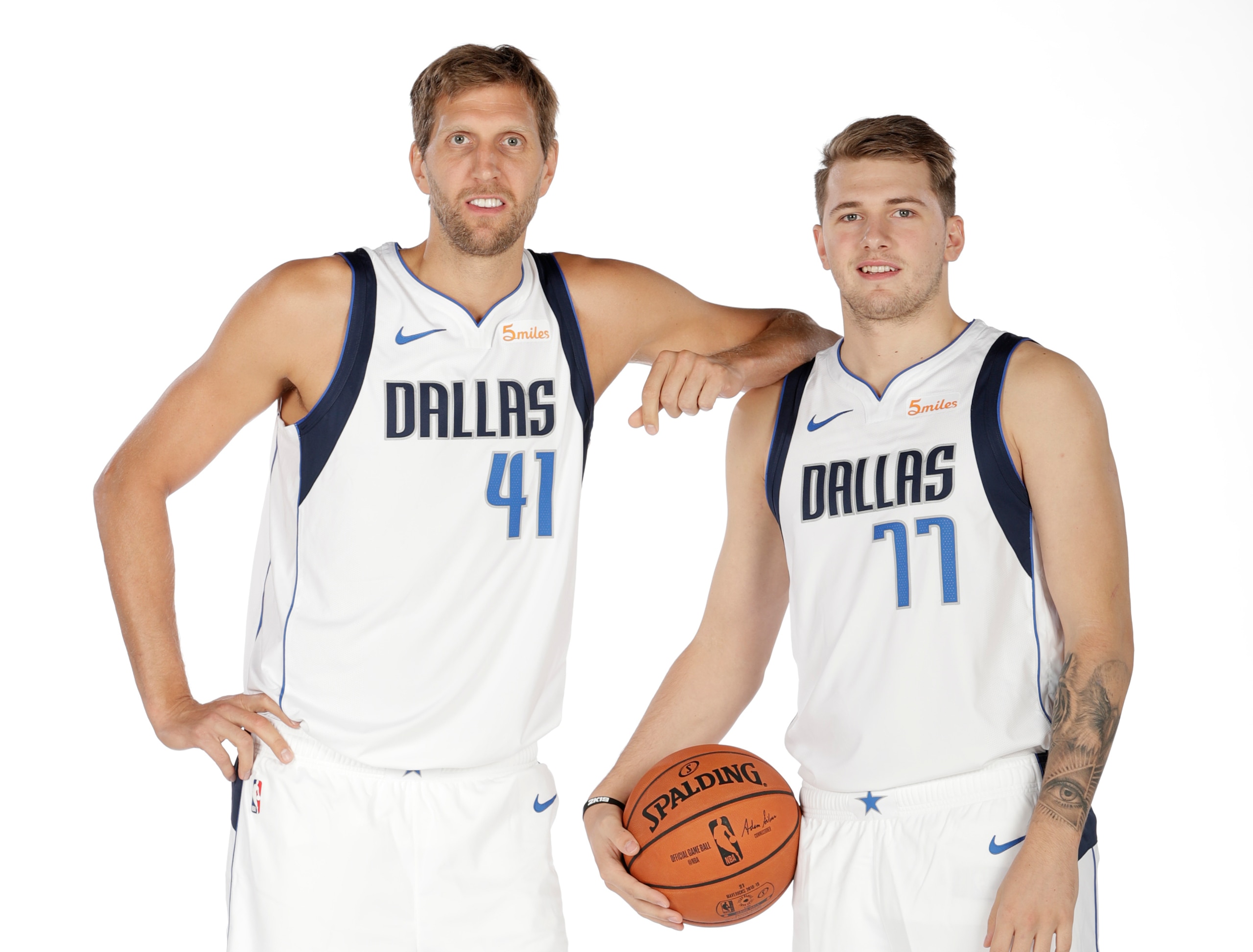
Luka Doncic was anointed as this year's best draft prospect by a majority of NBA Twitter, which doubled- and tripled-down on its collective infatuation when Atlanta traded him to the Dallas Mavericks.
"This almost certainly means that Luka Doncic will be a Hall of Famer with Dallas, knowing the Hawks’ luck," USA Today's Andrew Joseph wrote.
"The Hawks just screwed up," added McCade Pearson, a self-identified Utah Jazz fan and therefore a beacon of impartiality. "Trae Young for Luka Doncic is going to be one of the 10 worst trades in NBA History."
Atlanta and Young are under more pressure judging from a lion's share of the reflexive reactions. But Doncic also has to be the consensus once-in-a-generation get he's portrayed as. And while the Mavericks will exude more patience in his development, the external-hype train won't be so kind—especially now that he's replacing Dirk Nowitzki in the starting lineup.
Doncic will join the opening five as the power forward from Day 1, per ESPN.com's Tim MacMahon. Pigeonholing players to a single position is increasingly pointless. Wesley Matthews could come off the bench if Dallas was intent on starting Nowitzki. But Doncic is the newcomer. Listing him at the 4 says a lot about how the Mavericks will use him on defense and invites the Nowitzki connection.
Officially or not, Doncic is setting a new era in motion—more so than anyone else in Dallas since Nowitzki himself.
Denver Nuggets: Nikola Jokic
8 of 30
Nikola Jokic's days of under-recognition are over. The secret's out: He's a legitimate superstar.
The Denver Nuggets, after signing him to a max deal, are paying him like one. More notably, he's grading out as a near-unanimous top-20 player across the annual barrage of preseason player rankings:
Average out these finishes, and Jokic is being rated as the 13th- to 14th-best player in the NBA. That shouldn't be so disarming. Jokic has the per-game lines and catch-all metric cachet to prop up his projections.
But that will only keep the boo-birds at bay for so long. If the Nuggets once again don't make the playoffs while floundering in the bottom five of defensive efficiency, Jokic will be identified by many as a miscast A-lister.
Whether that's fair (it wouldn't be) doesn't matter. Culpability comes with being trumpeted not just as a marquee name on the rise, but an established megastar.
Detroit Pistons: Reggie Jackson
9 of 30
Reggie Jackson's health and capacity to adapt are pivotal to the Detroit Pistons sneaking back into the playoff picture. Neither is guaranteed.
Jackson has missed 67 games over the past two seasons with knee and ankle issues. Detroit declared him healthy to start training camp, but with strings attached.
"Reggie is fully healed," Pistons senior advisor Ed Stefanski told reporters. "We did an MRI I think a couple weeks ago, and it's perfect. It's just now basketball shape, and he hasn't played all summer long."
Assuming that Jackson works himself back into game shape and recaptures the burst on his first step still puts Detroit in awkward territory. He doesn't profile as the best fit beside Andre Drummond and Blake Griffin no matter how many three-pointers the latter two are flinging. He is a spotty outside shooter and accustomed to working with the ball, which doesn't jibe with Drummond's untested range, Griffin's below-average three-point clip and the Pistons' shallow well of catch-and-fire snipers.
Detroit needs Jackson to channel his performance from the first 30 games of last year into a new normal. He drilled more than 38 percent of his catch-and-shoot threes and over 45 percent of his pull-up jumpers during that time, emerging as a full-fledged offensive lifeline.
And even an encore to that stretch may not be enough. Jackson will need to increase his off-ball volume and maintain his polish out of the pick-and-roll amid what figures to be extra-cramped spacing.
Golden State Warriors: DeMarcus Cousins
10 of 30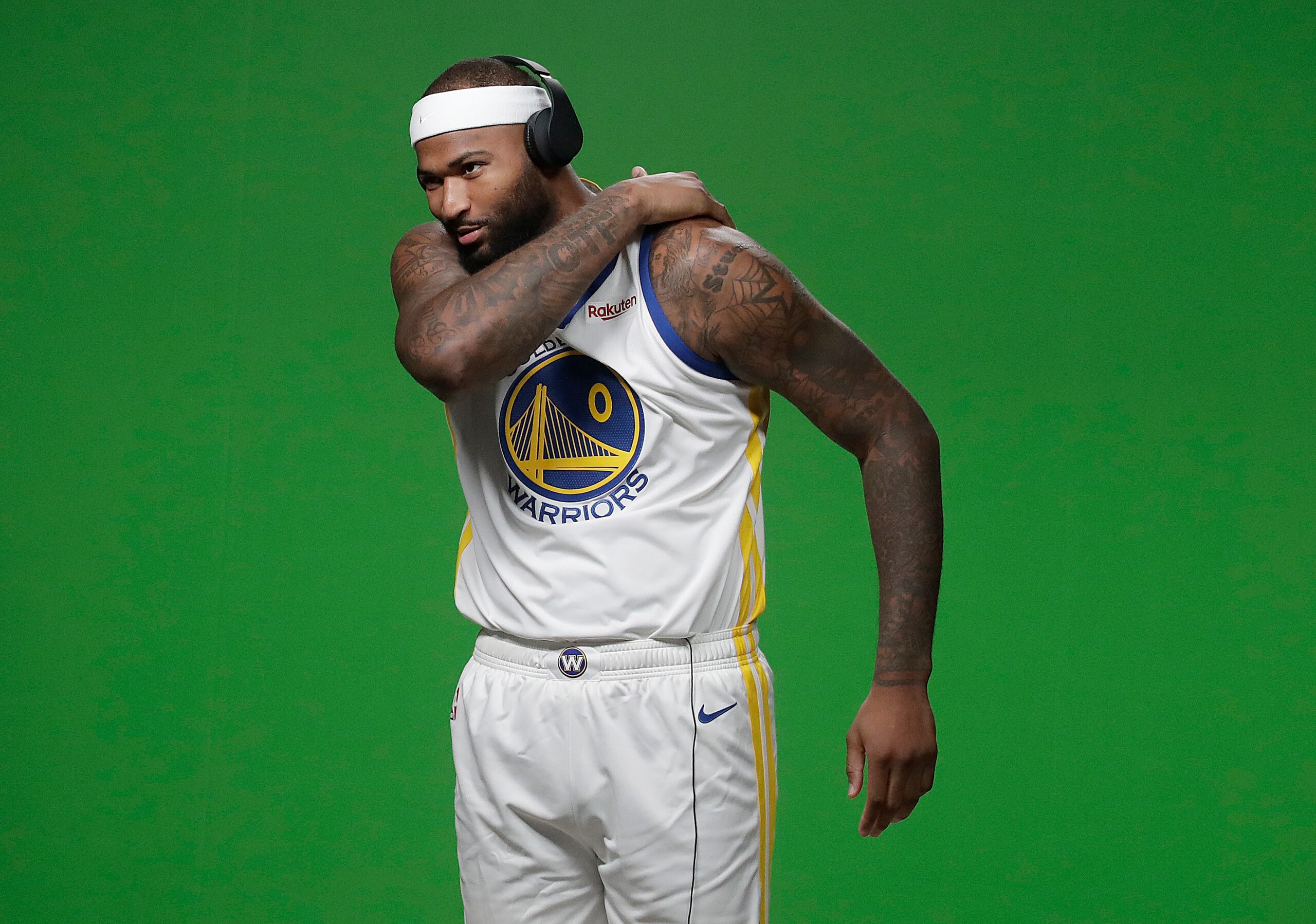
Anyone who deigns to pick Kevin Durant has my eternal respect. Conspiracy theorists—i.e., New York Knicks fans—already believe he's plotting his departure from the Warriors. And if he's at all compelled to leave in free agency next summer (player option), he must do so on a high note.
Oh, make no mistake, he'll be lampooned regardless of how well he plays prior to another heel turn. But if he were to bolt after Golden State's championship streak came to an end—yeesh. His burner Twitter accounts would have to work overtime.
DeMarcus Cousins is still under more pressure. He's recovering from a usually career-altering Achilles injury, playing on a laughably discounted one-year deal and joining a ready-made superpower that will expect him to embrace a supporting role. (Plus, let's face it: The Warriors are championship formalities, which detracts from the Durant logic quite a bit.)
Transitioning into the Warriors' team-first culture as an All-NBA victory cigar stands as Cousins' greatest challenge. He wasn't cited as a locker-room irritant during his time with New Orleans Pelicans, but his exit hardly lacked dramatics, and nobody's soon forgetting the short fuse that defined his Kings tenure.
How will that player react to being a third, fourth and sometimes fifth fiddle? How will he handle not closing games? How will he adjust his ball-dominant offense to mesh with Golden State's style and account for whatever mobility and explosion he loses post-injury?
Bet on Cousins finding a degree of peace inside the Warriors' culture. Everything else is fair game to doubt, even if the stage seems set for him to thrive.
Houston Rockets: Chris Paul
11 of 30
Carmelo Anthony is a solid choice here, too. He sounds more amenable to coming off the bench, per MacMahon, but that touches upon only part of the issue.
Everything that comes after agreeing to lead the second unit matters just as much. He will still log ample time beside James Harden and Chris Paul. Will he fare better while being displaced from the ball than he did with the Oklahoma City Thunder? And will he bristle if he's glued to the bench during crunch time in favor of James Ennis and PJ Tucker for defensive reasons?
Again: Rolling with Melo is fine. But his superstar days are long gone. Paul's are still intact, and he's entering 2018-19 on somewhat fragile terms.
Undersized point guards aren't supposed to be top-10ish players in their age 33 season and 14th go-round overall. Nor are they traditionally beginning the first of a four-year max deal.
Paul has more than earned his stripes and his payday, but he's not exactly a spokesperson for durability. He's missed more than 20 games in each of the past two seasons, and his hamstring injury arguably cost Houston a trip to last year's NBA Finals.
Availability does not typically improve with age—particularly with Paul's track record. He's been no stranger to hamstring and knee problems. Tack on the extra defensive responsibility he may need to carry following the departure of Trevor Ariza and Luc Mbah a Moute, along with how integral he'll be to Anthony's transition, and he more than anyone else on the Rockets is feeling the squeeze of lofty expectations and vested doubt.
Indiana Pacers: Myles Turner
12 of 30
Consider this a vote of confidence in Victor Oladipo's 2017-18 explosion. He could just as easily be subjected to a lack of faith after his sudden transformation into a top-25 player. But his breakout unfolded as if it were overdue—the byproduct of belated opportunity rather than happenstance. His place among the league's luminaries is secure.
Myles Turner spawns noticeably more skepticism. The Indiana Pacers have been waiting on a substantive leap since his standout rookie performance. His progression has instead been formulaic. He's delivered more of the same, with the occasional uptick.
Indiana doesn't need much more from Turner on offense. Slightly better efficiency from beyond the arc on more than 3.1 attempts per 36 minutes would be ideal, but defenses respect his range. He's done his job.
Larger strides on defense are a must. The Pacers are going to play him with a second big, namely Domantas Sabonis, for longer stretches, so the onus will be on him to make quicker, more effective reads. His mobility has never translated to full-on anchorship. Opponents shot almost 60 percent against him at the rim last season, albeit on absurd volume, and he gave up 1.27 points per possession when guarding pick-and-roll divers—the worst mark among everyone who defended at least 50 of these plays.
Teams value consistency, and left alone, Turner is a quality player. The Pacers need more than that. He hits restricted free agency next summer (an extension is unlikely, per the Indianapolis Star's J. Michael), and they cannot afford to funnel a pile of money into someone who peaks as a top-50 player.
Los Angeles Clippers: Tobias Harris
13 of 30
Singling out Danilo Gallinari here wouldn't feel right. He missed more than 60 games last season and is the Los Angeles Clippers' highest-paid player by nearly $7 million. The pressure is on him to remain healthy and pump in points if the front office is dead set on making the playoffs.
At the same time, Gallinari is never going to justify his pay grade. He has two years and $44.2 million left on his deal and is now on the wrong side of 30. The Clippers brought him in to be a pricey complement, not an offensive hub.
Tobias Harris is another story. He is the crown jewel of the Blake Griffin trade until Shai Gilgeous-Alexander, who was acquired from Charlotte using Detroit's No. 12 pick, goes boom.
Lou Williams' run as the team's highest-usage leading scorer won't last forever. He's going on 32, and the Clippers have a bazillion other guards. Harris is more than a half-decade younger at 26 and has grown into a self-sustaining offensive focal point.
Contract years are also inherently high stakes. Harris' will be no different. He's looking to rewrite his defensive resume, which is chock full of laggy footwork and loitering when guarding the ball. But he was still confident enough in his eventual market to turn down an $80 million extension from the Clippers.
Los Angeles Lakers: Brandon Ingram
14 of 30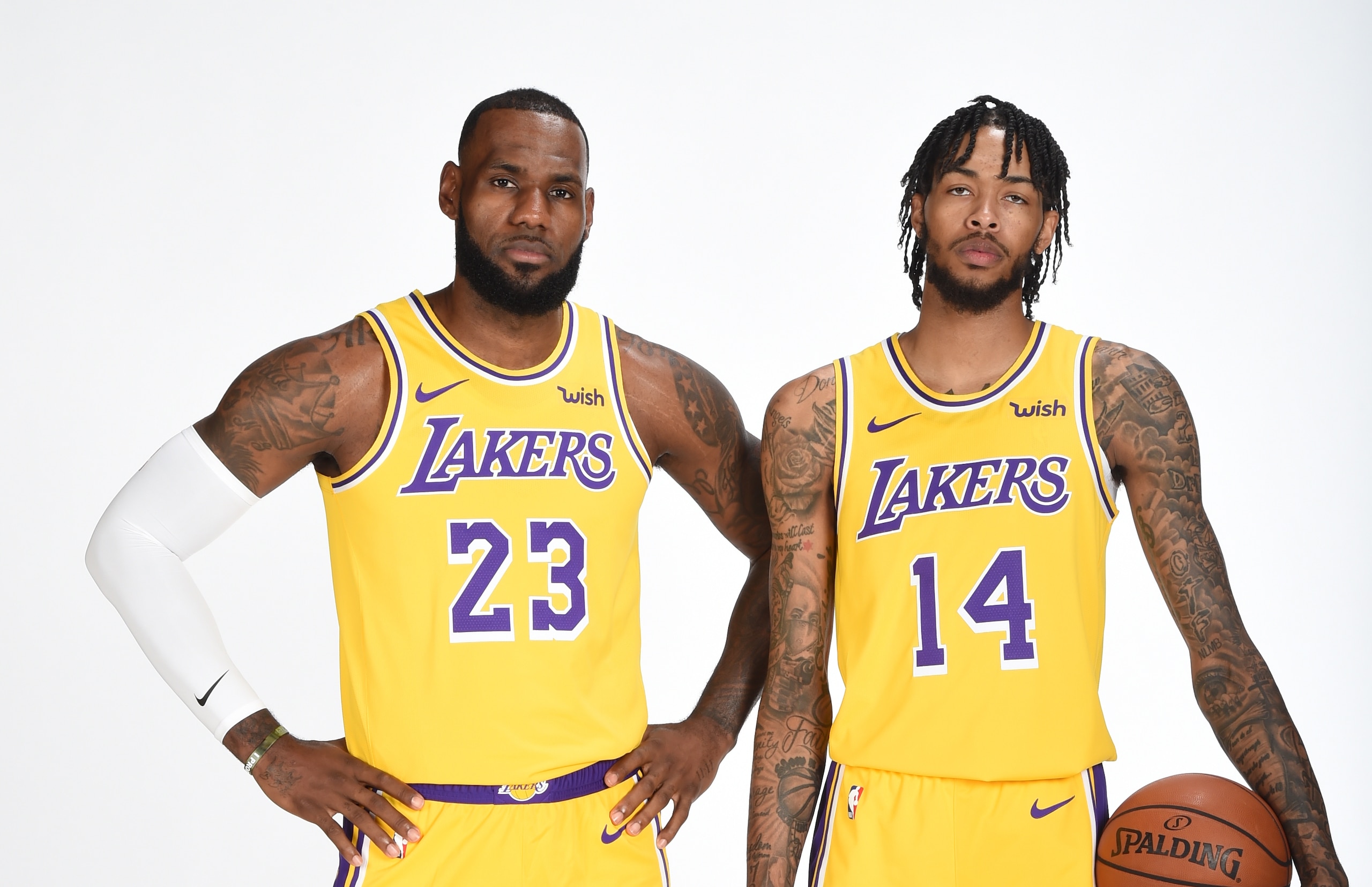
Welcome to a world in which LeBron James is not his team's most scrutinized player. It feels weird...and a little wrong. Get over it. The could-be GOAT is beyond comfortable with his legacy.
James wouldn't have absconded for a young Los Angeles Lakers squad that, as it turns out, didn't have the inside track on landing another All-NBA mainstay if he gave a damn about optics and his NBA Finals treadmill and ringzzz. Outsiders will invent narratives and stakes because he's LeBron, but he'll brush them off because he's LeBron.
The race to find an in-house co-star is more polarizing than James vacationing on the west coast. The Lakers will only maximize his three- or four-year term if they sign another star in free agency and yield one from their own pool of talent. Brandon Ingram is at the forefront of the discussion. LeBron says so.
"Look out," he told ESPN.com's Dave McMenamin. "I think he's next."
Lonzo Ball needn't curl up into the fetal position. James said, "he's destined for greatness." But that march toward glory appears to be on hold. Ball will begin the season as Rajon Rondo's backup, per McMenamin.
Most of the attention will now shift to Ingram. He closed 2017-18 averaging 16.1 points, 5.1 rebounds and 4.6 assists while slashing 50.3/43.8(!)/73.7 over his final 25 games. Couple that with James dubbing him next in line for stardom, and yeah, you could say he's handcuffed to the limelight.
Memphis Grizzlies: Mike Conley
15 of 30
Never, ever question Mike Conley's toughness. He's a trooper when it comes to navigating pain. It takes a lot for him to be yanked out of service.
Which is to say, he has recently dealt with a lot.
Achilles, back and eye injuries have plagued him for the better part of four years. He sat out all but 12 games in 2017-18 and is averaging more than 36 absences since 2015-16. For context, Chandler Parsons is averaging just over 38 missed contests during this same three-year span.
Seesawing availability never bodes well for anyone, least of all players older than 30 with a top-10 salary. And going on 31, Conley remains irreplaceable to the Memphis Grizzlies.
They don't employ another playmaker who supplants even half his value following Tyreke Evans' exit. Nor do they have the leeway to write off the three years remaining on his contract as a sunk cost if his health once again goes sideways. They punted on rebuilding this past offseason and will be capped out through at least next summer.
Returning to the playoffs is very much the Grizzlies' goal. Fortunately for them, a full-strength Conley extends their shelf life in the Western Conference bloodbath. The problem: A reductive version of him elicited by age, injuries, natural regression or some combination of all three will have the reverse effect.
Miami Heat: Josh Richardson
16 of 30
Josh Richardson is the Miami Heat's sole source of star potential.
Goran Dragic isn't elevating his performance at age 32. Bam Adebayo is bound by the same limitations that restrict the Jarrett Allens and Clint Capelas; bigs who don't attack off the bounce are up against a glass ceiling.
Justise Winslow's window for an offensive eruption is closing. His 38 percent clip from behind the rainbow may stand up to more volume, but he's not the player you turn to for dribble-drive jumpers, and his pick-and-roll usage will remain confined to spot duty unless he becomes that guy.
Tyler Johnson and Rodney McGruder don't have the upside. James Johnson, Kelly Olynyk and Hassan Whiteside are who they are. Dwyane Wade is in swan-song mode. Jimmy Butler isn't in Miami (for now).
Richardson is all the Heat have. And while he's a certified defensive darling against both guards and bigs, his offense is more accessory than headlining. He's shown glimpses of pull-up fluency and pinch-hitting pick-and-roll initiation, but his influence in the half-court is finite with so many less adaptable ball-handlers around him.
A three-point marksman who capably checks enemy All-Stars can be the league's 30th or 40th best player. Richardson has the all-purpose goods to outdo that archetype. It's just a matter of whether he can plumb his full range without the license typic of a skill set this extensive.
Milwaukee Bucks: Eric Bledsoe
17 of 30
Eric Bledsoe ended up being just fine for the Milwaukee Bucks last season. Their offense was at its best with him on the floor, and his roller-coaster jumper did not cramp his partnership with Giannis Antetokounmpo. Milwaukee outscored opponents by a rock-solid 6.1 points per 100 possessions while splashing in close to 36 percent of its threes when they played together.
Still, the Bucks need more—both out of this duo and Bledsoe alone.
His defensive interest came and went, like usual, and it inevitably ate away at his minutes with Antetokounmpo. Milwaukee was barely a net plus with them on the floor after Feb. 1. That shouldn't happen when the offense scores nearly 111 points per 100 possessions and Bledsoe enjoys a stretch in which he puts down 40 percent of his threes on nearly five attempts per game.
Getting outplayed by Terry Rozier for most of the first round did nothing to help his stock. Bledsoe carried himself with relative indifference. He disappeared at the defensive end, submitted to Rozier's pressure on offense and blew more than his fair share of quality looks.
Khris Middleton should not be the Bucks' second-best player by such a stark margin. Bledsoe has the physical tools to be a more consistent defender and, even if his spot-ups aren't falling, off-ball weapon. Of course, pushing 29, he may just be who he is now—who he's almost always been.
Milwaukee's ceiling in the East is predicated on him being something more.
Minnesota Timberwolves: Andrew Wiggins
18 of 30
Despite Minnesota Timberwolves owner Glen Taylor's insistence, Andrew Wiggins did not improve in Year 4 after signing a max extension. He regressed. Hard.
To the stat machine:
- Ninety-four players fired at least 250 catch-and-shoot looks. Wiggins' effective field-goal percentage (51.8) ranked 77th, sandwiching him between Tim Hardaway Jr. (51.9) and Bobby Portis (52.3).
- Among 77 players to launch 250 or more pull-up jumpers, Andrew Wiggins finished dead last in effective field-goal percentage (33.1).
- Sixty-eight players attempted at least 200 wide-open shots. Wiggins' effective field-goal percentage on ranked 62nd.
This all says nothing of the 23-year-old's rollover defense. He remains prone to rampant misreads and more-than-occasional inattention.
Dole out blame to coach-president Tom Thibodeau at length. He deserves it. Minnesota's absence of off-ball invention on offense didn't do Wiggins any favors. But his crummy shooting splits don't outline a role for which he's best suited.
Playing the youth card cannot fly forever. Wiggins is entering his fifth season. He's on a max deal. With Jimmy Butler on his way out, this is his best, and last, chance to emerge as the semblance of a co-alpha he's getting paid to be.
New Orleans Pelicans: Elfrid Payton
19 of 30
For a franchise roughly one year out from make-or-break extension talks with Anthony Davis, New Orleans is surprisingly light on options for this exercise.
Davis himself is the lazy answer. He faces no more scrutiny than any other top-five MVP candidate. Jrue Holiday needs to play like a clear-cut No. 2 with DeMarcus Cousins chasing championships in Oakland, but he did just that for basically half of last season.
Solomon Hill should see an increase in playing time after being treated with kid gloves in his return from a torn left hamstring. The Pelicans will look for him to commingle lockdown wing defense with almost-average three-point shooting. But...eh.
Elfrid Payton is the best pick. He's wearing thin on time and excuses. The Pelicans run a more creative offense than he played in with the Orlando Magic and Phoenix Suns. Davis arms him with a top-five teammate. Holiday is the defensive safety valve he's yet to have—and apparently needs. His haircut no longer obscures his vision.
James Harden, LeBron James, Kyle Lowry, Chris Paul, Ben Simmons and Russell Westbrook were the only other players last season who cleared 15 points, five rebounds and seven assists per 36 minutes. Cool. It didn't mean anything. Both Orlando and Phoenix fared better without Payton in the lineup.
This is it. Payton's stock is running on empty. His absentee free-agent market proved as much. If he doesn't make it work on the Pelicans, a genuine playoff team, he'll retreat into the backup ranks with little hope for redemption.
New York Knicks: Kevin Knox
20 of 30
Kevin Knox shouldn't be under the microscope more than any other Knicks player. Kristaps Porzingis is supposed to be here. The fate of the team's free-agency appeal and future lies almost solely with his recovery from a torn left ACL. But he needs to take the court first, and neither he nor the Knicks can guarantee that'll happen this season, per The Athletic's Mike Vorkunov.
New York is thin on options to cherry pick after Porzingis. Frank Ntilikina won't feel the heat until he lands a specific role. Anyone hoping Tim Hardaway Jr. can be more than the fifth- or sixth-best player on a good team needs to find a better use of their energy.
Trey Burke? Nah. Mitchell Robinson? Fair, but no. Mario Hezonja? Maybe, but still no. Emmanuel Mudiay? LOL, good one.
Knox is a victim of his own meteoric climb. Not even the Knicks advertised him as an operable linchpin after the draft. He morphed into one during summer league. His 21.3 points per game came on 35.3 percent shooting, but his usage matters more than the efficiency.
He initiated pick-and-rolls in the half-court. He popped and rolled off screens like a traditional big man. He led fast breaks. He demonstrated advanced footwork off the dribble. He looked at home while attempting pull-up jumpers.
Summer-league explosions rarely spill into the regular season. But Porzingis is on the sidelines, and the Knicks want for other offensive heartbeats without him. Knox will have the opportunity to convert his feel-good offseason into an accepted standard.
Oklahoma City Thunder: Russell Westbrook
21 of 30
Russell Westbrook is debate personified.
He is an MVP who has brought the value of triple-doubles into question.
He is a top-10 player about to kick off a bottom-10 contract.
He is the Thunder's soul. (See: their first season without Kevin Durant.) He is their potential downfall. (See: their Game 6 loss to the Jazz.)
Successfully not driving Paul George into the Lakers' arms inoculates Westbrook against nothing. He remains everything that's right and wrong with the Thunder. They are content to live and die with him, and they'll do both over the course of the season.
Bake in a fourth surgery on his right knee and an awkward-seeming backcourt co-opt with Dennis Schroder, and there can be no other choice. It is Westbrook. It must be Westbrook. It will always be Westbrook.
Orlando Magic: Aaron Gordon
22 of 30
Aaron Gordon's status as Orlando's chief cornerstone is not beyond reproach. He's just paid like it is.
Inking a four-year, $76 million deal in restricted free agency strips Gordon's learning curve of the tolerance graduality afforded to other unfinished projects. He's not a max player, and a declining salary scale hedges against his incompleteness. But the Magic's total investment necessitates a gargantuan step in the direction of quasi-stardom.
Gordon may get there on defense. There might be something to using him as a small-ball 5 for brief bursts, but he's in his bag when grinding on the perimeter. He fights through screens to contest shots and drives, and his stances in space, while inconsistent, have held up against cagey point guards. Playing for head coach Steve Clifford will amplify his strengths and discipline.
Slotting him into the correct offensive role is the more complicated undertaking. Orlando's inexact pecking order calls for him to branch out beyond transition finishes, half-court rolls and standstill jumpers. And so far, it isn't going too well.
Almost one-third of Gordon's field-goal attempts last season came as pull-up jumpers, on which he shot 29.5 percent. He's a more-than-adequate finisher around the rim, but a sucker for half-cooked drives. He prematurely picks up his dribble and settles for lower-quality looks even when reaching the paint, where he shot 22 percent in 2017-18.
Something needs to break for him. The Magic should probably give up on him orchestrating functional pick-and-rolls, but the off-the-dribble experiments will endure. A lackluster point guard situation demands it.
Philadelphia 76ers: Markelle Fultz
23 of 30
Losing Marco Belinelli and Ersan Ilyasova without signing a top-shelf free agent threatens to send the Philadelphia 76ers bench back into the dark ages—aka Pre-All-Star Break.
Consider where Philly's second unit ranked in some key offensive metrics prior to February's superstar pageant:
- Catch-and-shoot effective field-goal percentage (45.3): 30
- Effective field-goal percentage on pull-up jumpers (46.0): 3
- Field-goal percentage on drives (41.6): 23
- Effective field-goal percentage on wide-open shots (56.4): 20
- Percentage of shots that went uncontested (24.1): 17
- Points scored per 100 possessions: 30
Props to T.J. McConnell for carrying Philly's pull-up attack for the first half of the season. He remains an underrated shot creator.
Pretty much everything else registers as a concern for the Sixers. No one they added over the offseason unequivocally shores up the bench. Not Wilson Chandler, not Mike Muscala, not injured rookie Zhaire Smith.
Markelle Fultz is the primary source of salvation. Head coach Brett Brown can stagger the minutes of his starters to get by, but the point guard's health, jumper and lifeline playmaking will be the defining measure for Philly's depth.
Phoenix Suns: Devin Booker
24 of 30
Devin Booker is a legitimately good NBA player. The defensive knocks are fair. He is, in no uncertain terms, a sieve. But his bad rap on the less glamorous end, in addition to Phoenix's blanket crappiness, has unjustly overshadowed his offensive progress.
Climbing usage has not railroaded Booker's efficiency. His true shooting percentage and turnover rate have improved since his rookie season amid rising volume. Only five other players have matched his per-minute shot attempts, usage and true shooting percentage in as many minutes through their first three seasons: Mark Aguirre, Vince Carter, Walter Davis, Kyrie Irving and Michael Jordan.
None of this shields Booker from the pressure-cooker. Quite the contrary.
Expectations soar after every max-contract extension, but the Suns are into Booker for more than just superstar money. They have put real NBA talent around him for the first time and will lean on him to mask the growing pains incumbent of their inexperienced point guard carousel.
Piloting another bottom-five offense cannot be in the cards. Booker has the spacing and, in select lineups, the running mates to leave a larger mark.
Portland Trail Blazers: Jusuf Nurkic
25 of 30
Ed Davis' departure theoretically takes some of the pressure off Jusuf Nurkic. The Portland Trail Blazers didn't sign another big, Zach Collins has yet to be deployed as an every-possession center, and Meyers Leonard most likely isn't coming for anyone's minutes.
Nurkic's new contract doesn't even require an appreciable upsurge. Four years and $48 million for a starting center is nothing if not reasonable. The Blazers probably could have lowballed him in last summer's market, but goodwill is a commodity. Besides, they risked him signing his qualifying offer and entering unrestricted free agency in 2019 if they tightened their purse strings too much.
Inconsistent crunch-time usage and matchup warts loom large, though.
Portland needed to tinker with its fourth-quarter and late-game lineups throughout the season. That comes with featuring a plodder in the middle, but the go-to alternative is in Brooklyn. And the Blazers don't have another twitchy big to roll out versus more mobile Goliaths.
Collins looks like the best option after last year's first-round sweep at the hands of New Orleans. Portland was a special kind of slaughtered with Nurkic on the court. The Pelicans averaged a blistering 1.12 points per possession whenever he defended Anthony Davis. They inflicted similar harm upon the Blazers on the rare occasions he matched up with Brow.
Will Nurkic deter Portland from more deeply exploring Collins-at-the-5 or even Al-Farouq-Aminu-at-the-5 combinations? Or is he fated to more often than not play spectator when it matters most?
Sacramento Kings: Marvin Bagley III
26 of 30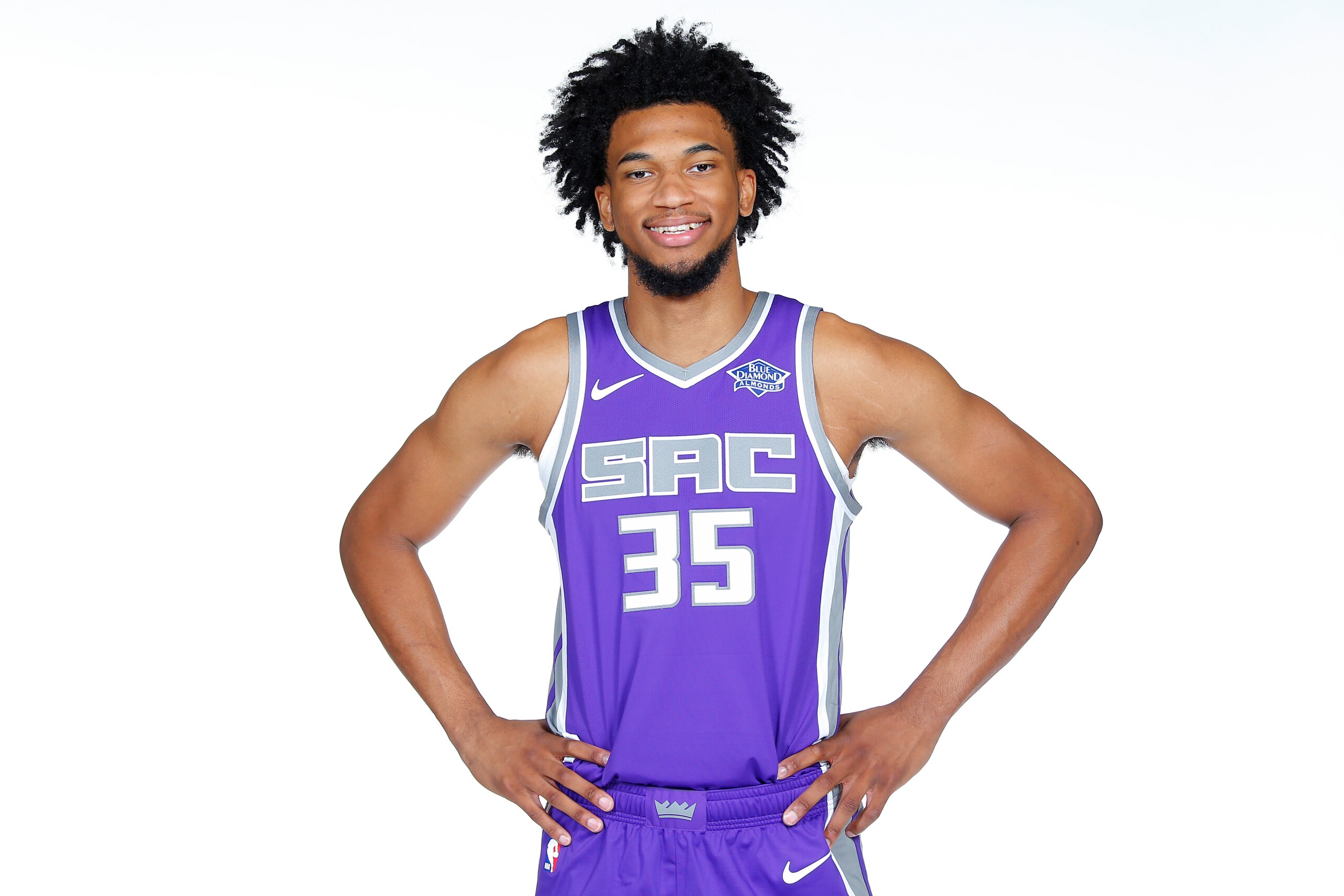
Marvin Bagley III did not garner the same fascination from draftniks that they ascribed to Luka Doncic. Or Deandre Ayton. Or Jaren Jackson Jr. Or Trae Young. Or even Mo Bamba.
Sacramento took him with four of those five on the board anyway.
Passing on Doncic is painted as the most incriminating blunder—a perceived flub shared by the Hawks. But the Kings are the Kings, so they will be ridiculed and eviscerated in greater mass. It doesn't help that they signed Zach LaVine to a $78 million offer sheet after reportedly claiming the addition of Doncic might screw with DeAaron Fox's touches. And it definitely doesn't help that they failed to trade down before Atlanta.
Bagley's career will now be tethered to everyone in the top six who went after him. That's not totally fair. He is a tantalizing offensive prospect. His transition and off-action skill are givens, and as Sactown Royalty's Bryant West explained, he has the framework of a square-one creator:
"The less obvious utilization comes in the half-court. Bagley has potential to be a versatile, multi-level scorer in a few years; assuming real improvement in both his shooting and handling ability, he could threaten from deep, drive the ball on any overplays, and take advantage of his athleticism in the post. But that elevated versatility is likely a season or two away, as the transition to the NBA will not be an easy one for a guy who is (right now) more athletically gifted than polished. Figuring out how to utilize Bagley in the half-court will be more difficult than it will be for the pair of titans in Phoenix (Ayton, with that dominating size/strength combo) or Memphis (Jackson, with that floor spacing ability)."
Bagley hit a higher percentage of his two-point jumpers (41.2) in college than Jackson (40.6), according to Hoop-Math.com. He rivaled Ayton's efficiency (42.9) on those same looks—another good sign. But his is a trajectory that needs the benefit of patience. The public won't give him breathing room if Doncic, Jackson or someone else taken behind him busts out.
Worst of all, Bagley might not get the opportunity to exceed expectations. The Kings have a pileup in the frontcourt. Continuity at large will be hard to come by.
San Antonio Spurs: Dejounte Murray
27 of 30
Resist the urge to call out another member of the San Antonio Spurs.
LaMarcus Aldridge and DeMar DeRozan are under more strain to preserve the team's immediate playoff window, but they're known commodities. Aldridge isn't going to significantly alter his game at age 33, and head coach Gregg Popovich has already said he has no plans to reconstruct DeRozan's approach, per ESPN.com's Michael C. Wright.
Murray, on the other hand, is at a tipping point. His development in Year Three can tilt San Antonio's trajectory for better or worse. As Lowe wrote:
"Murray is suddenly the most important player in projecting San Antonio a half-decade from now. If he becomes the borderline star they believe he can be, the Spurs will have a roadmap. If not, they could wander the NBA wilderness.
"Murray's development will swing on his jumper. Through two seasons, he has been one of the worst shooters in the league. He flicked more low-value midrange shots than almost anyone else at his position. He shot them poorly. He shot poorly from everywhere. Only Rubio and Tony Parker saw defenders duck under screens more often, per Second Spectrum tracking data."
San Antonio is not looking for Murray to rip step-backs from beyond the arc. But the ceiling on their space-starved offense hinges upon him adding some type of trump card.
Standstill threes and baby jumpers would be a good start. Murray averaged 0.70 points per spot-up possession as a sophomore—fourth-worst among 219 players to match his volume. And he shot 33.2 percent on pull-up two-pointers, and he didn't attempt a single pull-up three.
Toronto Raptors: Kawhi Leonard
28 of 30
No player is under more pressure than Kawhi Leonard.
Preparing for free agency (player option) on the heels of a season lost to injury is bad enough. But he has to juggle his rehabilitation and future while joining a new team.
Regaining All-NBA stature takes priority over everything. Leonard doesn't have to worry about his obligations to the Toronto Raptors. He has none. They traded for him under the guise that he's a rental. Leaving for Los Angeles or another big market next summer would not be an act of epic treachery.
Leonard is nevertheless a more polarizing person of interest. The entire league will be watching to see how he handles himself, his game and his brand following an ugly, drawn-out exit from San Antonio. As the The Star's Bruce Arthur pondered:
"The real question is what Leonard really wants, and whether it can be found in Toronto. According to sources familiar with Leonard and his closest representatives, the 27-year-old believes—correctly—that he is a generational basketball talent, a Hall of Famer in progress. And after being made to wear Tim Duncan’s aw-shucks superstar clothes in little San Antonio, he wants to be celebrated in a bigger way.
Everyone is trying to understand the NBA's leading authority on unbreakable inexpression, and whether he's worth the high-maintenance label he has inadvertently or deliberately foisted upon himself.
Utah Jazz: Donovan Mitchell
29 of 30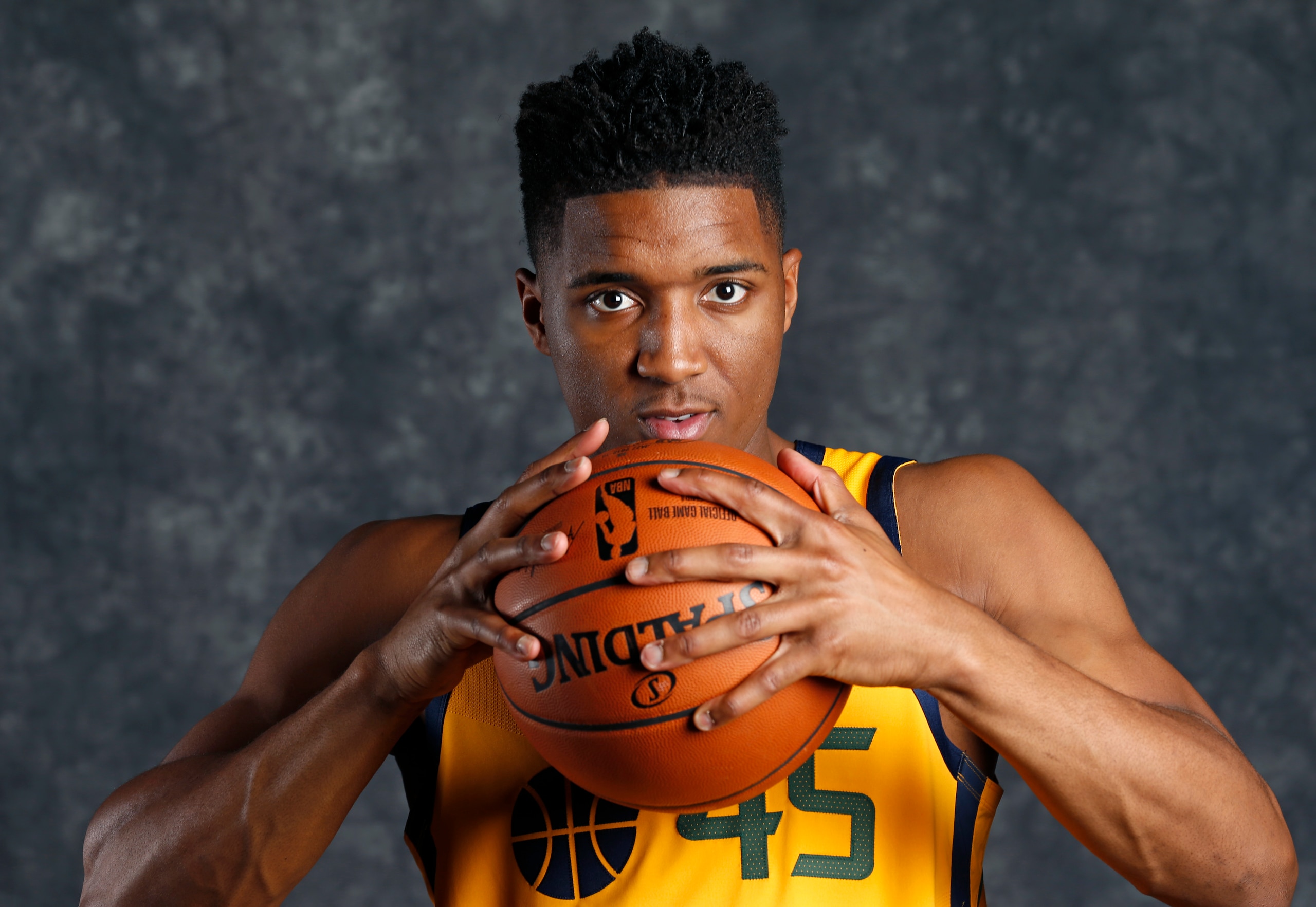
Utah has alternative choices to Donovan Mitchell.
Dante Exum signed a three-year, $33 million deal after appearing in just 80 games over the past three seasons, and Ricky Rubio could be rendered nonessential ahead of free agency if the 23-year-old Aussie plays himself up the backcourt totem pole. But Mitchell bears more responsibility for the Jazz's immediate fate than both...combined.
This is not an instance of a rookie revelation or unforeseen breakout needing extra validation. Just as Victor Oladipo and Ben Simmons are entrenched in stardom, Mitchell should be viewed in similarly certain terms. Except the Jazz need a larger leap from their cornerstone, because they've done little to shift his surroundings.
Simmons at least has the idea of Markelle Fultz. Indiana buoyed its shot creation around Oladipo with Tyreke Evans. The Jazz are more Mitchell's show than ever. They're still without a definitive No. 2 scorer, so it falls on him to bolster an offense that finished 15th in efficiency and was 18th in points scored per 100 possessions after the All-Star break.
Others will chip in. Utah, as always, has depth on its side. But Exum, Rubio, Alec Burks, a heat-checking Jae Crowder and Joe Ingles cannot be considered primary lieutenants. Improvement or additional volume from them will not catapult the Jazz into the next offensive echelon. Mitchell's development has the more meaningful impact. His game is what arms Utah to be more than its defense.
Washington Wizards: John Wall
30 of 30
John Wall finished at No. 32 in ESPN.com's rankings of the NBA's top 100 players—three spots behind teammate Bradley Beal (No. 29). Wall is suspended in disbelief about the fall.
Placing Beal ahead of him is ambitious. It does not cross the line. People in and around the league are attracted to plug-and-play types more than ever, and Beal is closer to a universal fit thanks to his off-ball stroke. Wall is the guy front offices would want when building a team from the ground up. Probably. Maybe.
Or perhaps not.
The Washington Wizards outpaced opponents by 0.6 points per 100 possessions last season when Beal played without Wall. That net rating isn't worth popping champagne, but it was much better than the reverse scenario. The Wizards were minus-3.3 points per 100 possessions in the time Wall logged without Beal.
Context matters here. Left-knee issues cost Wall half the season, and he wasn't the same player after surgery. His first step didn't have the usual pop, and despite shooting a career-best 37.1 percent from long distance, it didn't look like he generated enough lift on his jumper. Among the 73 players who fired at least 250 pull-up attempts, Wall ranked 71st in effective field-goal percentage (34.0), just barely in front of Aaron Gordon and Andrew Wiggins.
Injuries aside, it seems fair to wonder whether Wall's superstar stock is billowing in the wind. Ben Golliver questioned as much in SI.com's top-100 rankings, wherein the point guard landed at No. 24:
"Although SI.com ranked Wall as the fifth-best point guard and 13th overall player at this time last year, it’s impossible to argue that he lived up to that billing. The five-time All-Star missed half the season due to injury, ranked outside the top 45 by PER, Win Shares, Real Plus-Minus and WARP, and was quickly bounced in the first round of the playoffs. At 28, Wall has never led a 50-win team, he’s led just one top-10 offense, and he’s won just three total playoff series during his eight-year career. That body of work doesn’t compare—at all—to the likes of Stephen Curry, Chris Paul and Russell Westbrook."
Wall should not be penalized if the Wizards have merely outgrown him as the offensive end-all. That says more about Beal than him. And Washington still verges on lost without them both. But if last season winds up being more than just a one-year, injury-driven regression, ceding status to Beal will be the least of Wall's problems.
Unless otherwise noted, stats courtesy of NBA.com or Basketball Reference. Salary and cap-hold information via Basketball Insiders and RealGM.
Dan Favale covers the NBA for Bleacher Report. Follow him on Twitter (@danfavale) and listen to his Hardwood Knocks podcast, co-hosted by B/R's Andrew Bailey.

.jpg?w=2560 "NBA Gambling Charges")

.jpg?w=2560 "Jonathan Taylor Landing Spots")
.jpg?w=2560 "NFL House in Paris Closes for Protests (AP)")

.jpg?w=2560 "Trevon Diggs Cut by Seahawks")