.png?w=2560)

The 2025-26 New York Knicks are NBA champions, and they didn't just sneak through this postseason.
Even after a nail-biting Finals against the San Antonio Spurs, these Knicks just finished off one of the most statistically dominant title runs the NBA has ever seen.
And that got us thinking: Which runs, if any, were better than this one?
Methodology
1 of 26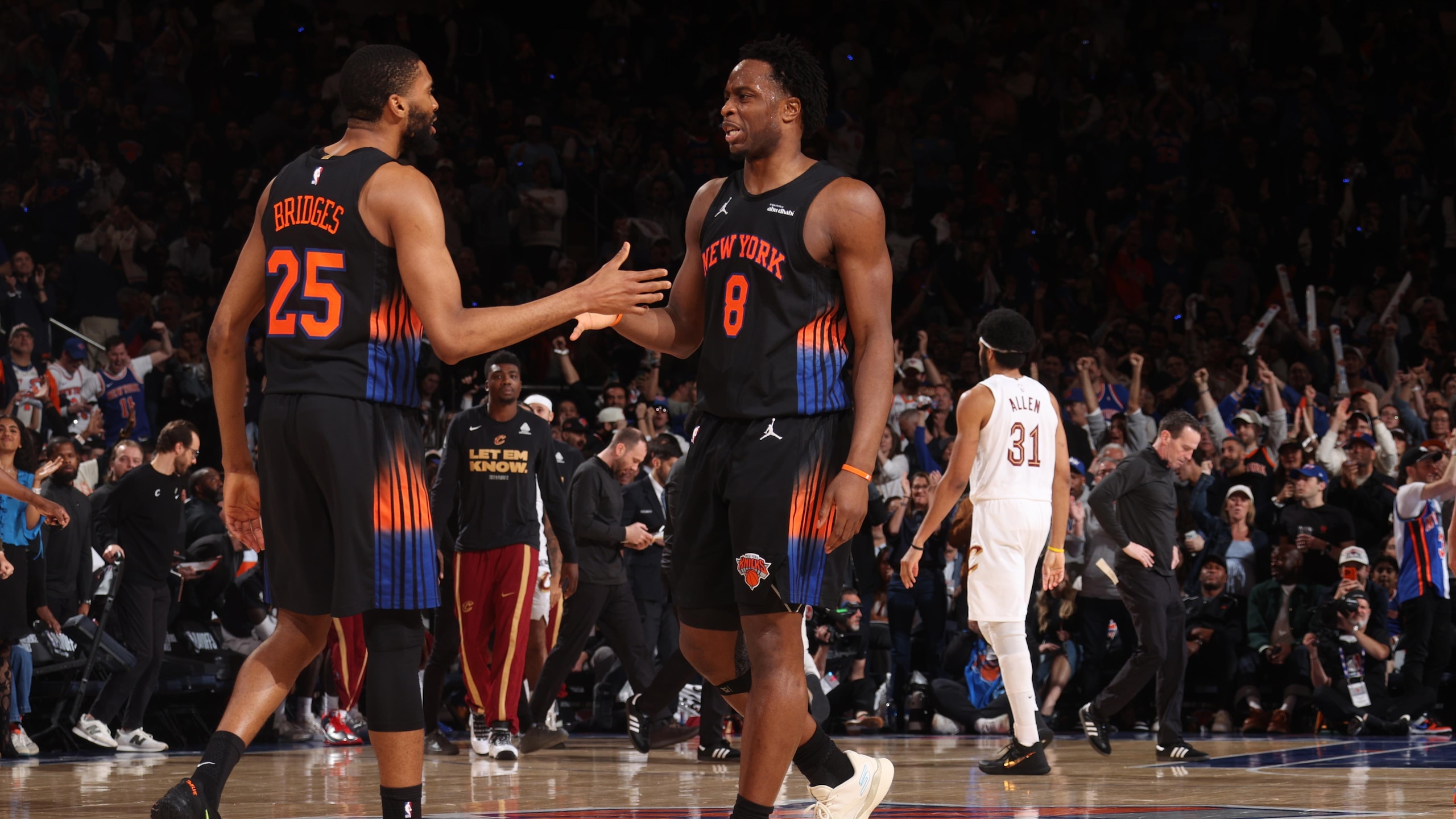
To answer that question, we looked up four important indicators for every single championship team since the league switched from the BAA to the NBA.
Those factors were average point differential in the playoffs, total win percentage in the playoffs, opponents' combined regular-season winning percentage and total number of series won in the playoffs.
That last one is an under-appreciated difference between the league's early days (when some champions only had to win two series, some of which were against sub-.500 teams) and the modern era (when champions have to win at least four series). But it was also totally out of the control of those early teams, so the factor didn't get as much weight in the final calculation as the other three.
Everything else was weighted equally (with about three times the importance of the series count), and the following top 25 for the most dominant playoff runs in NBA history fell into place.
25. 1971 Milwaukee Bucks
2 of 26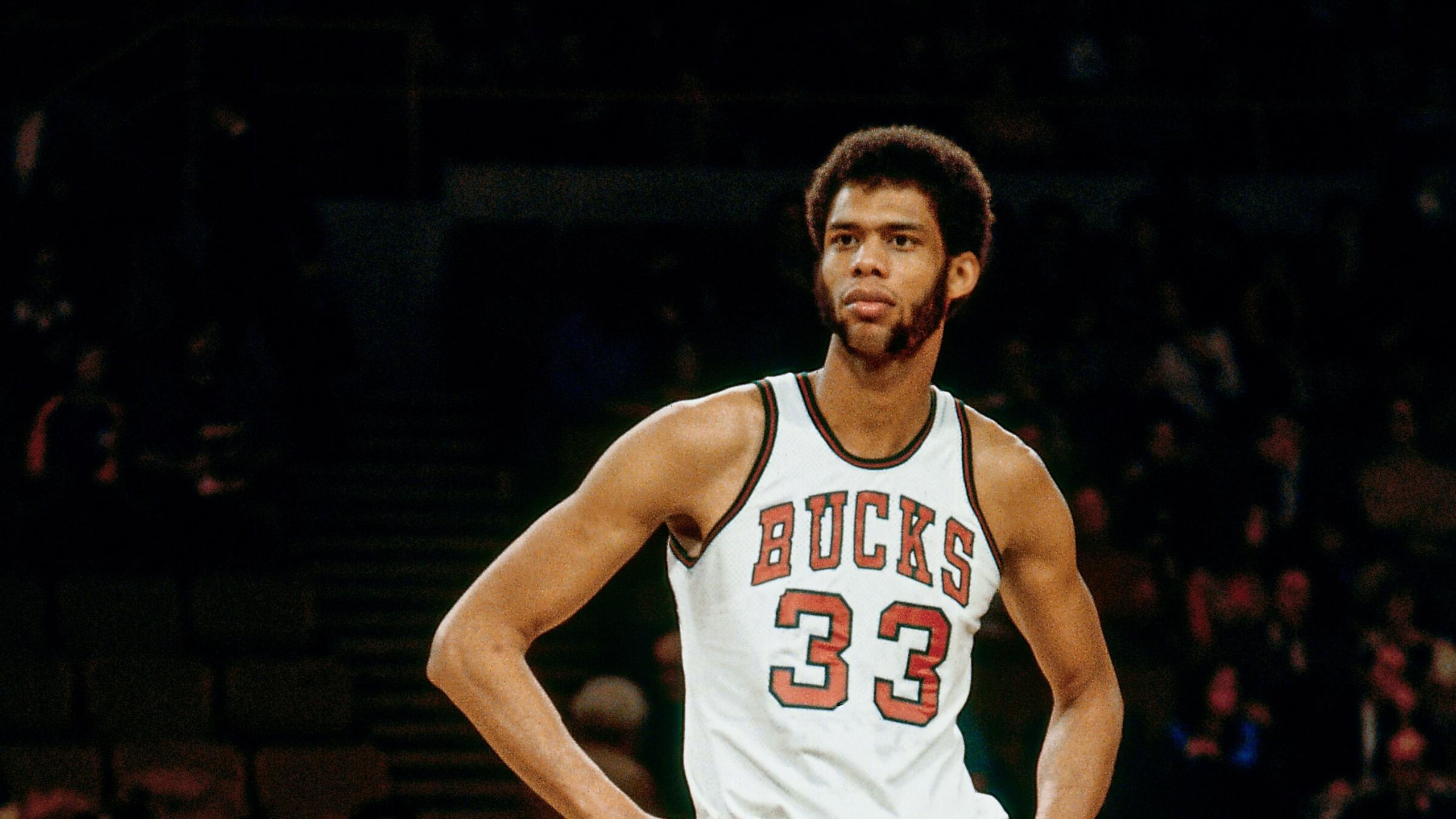
Average Playoff Point Differential: +14.5 (2nd)
Total Playoff Win Percentage: 0.857 (7th)
Opponents' Combined Regular-Season Win Percentage: 0.533 (72nd)
Total Series Won: 3
As you can see, the 1970-71 Milwaukee Bucks scored real well on the first two factors.
They cruised through the postseason with a 12-2 record and 10 double-digit wins. In the first-round closeout game, they beat the San Francisco Warriors by 50.
And they were led by legends who were some of the best players of their era. In the postseason, Kareem Abdul-Jabbar averaged 26.6 points and 17.0 rebounds. Bob Dandridge added 19.2 points and 9.6 rebounds. Oscar Robertson put up 18.3 points and 8.9 assists. All three are now in the Hall of Fame.
But this run was dragged down and almost out of the top 25 by how easy the schedule was. Those Warriors were 41-41 that regular season. The Los Angeles Lakers were 48-34. And in the Finals, Milwaukee crushed (and swept) a 42-40 Baltimore Bullets squad.
24. 1964 Boston Celtics
3 of 26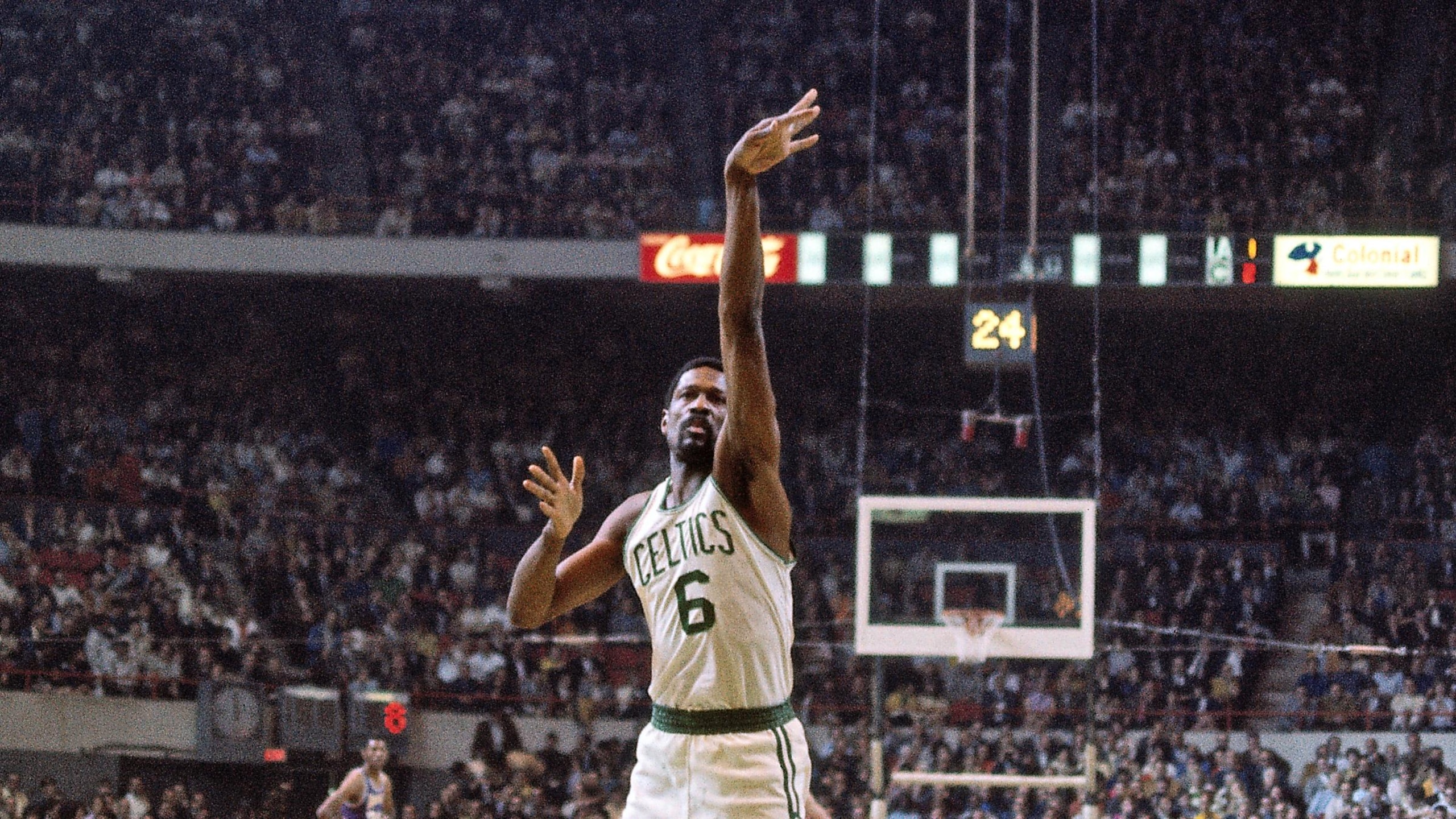
Point Diff.: +6.2 (35th)
Playoff W%: 0.800 (15th)
Opponents' Regular-Season W%: 0.644 (21st)
Series Won: 2
These 1960s title winners are a big reason that fourth factor was added to the mix. They only had to win two series and play 10 total playoff games before being crowned. That's a lot less of an ask than getting through four opponents and having to win at least 15 games.
But it still feels right to have one of Bill Russell's Boston Celtics teams here. He and they are such an integral part of the league's history, and this run was one of their best.
In the first round, they beat the 55-25 Cincinnati Royals team that featured Oscar Robertson and Jerry Lucas. Then, in the Finals, they beat the San Francisco Warriors and Wilt Chamberlain near the peak of his powers.
During the postseason, Sam Jones, Tom Heinsohn, John Havlicek and Russell all averaged double-figures, while Russell put up 27.2 rebounds per game.
23. 1987 Los Angeles Lakers
4 of 26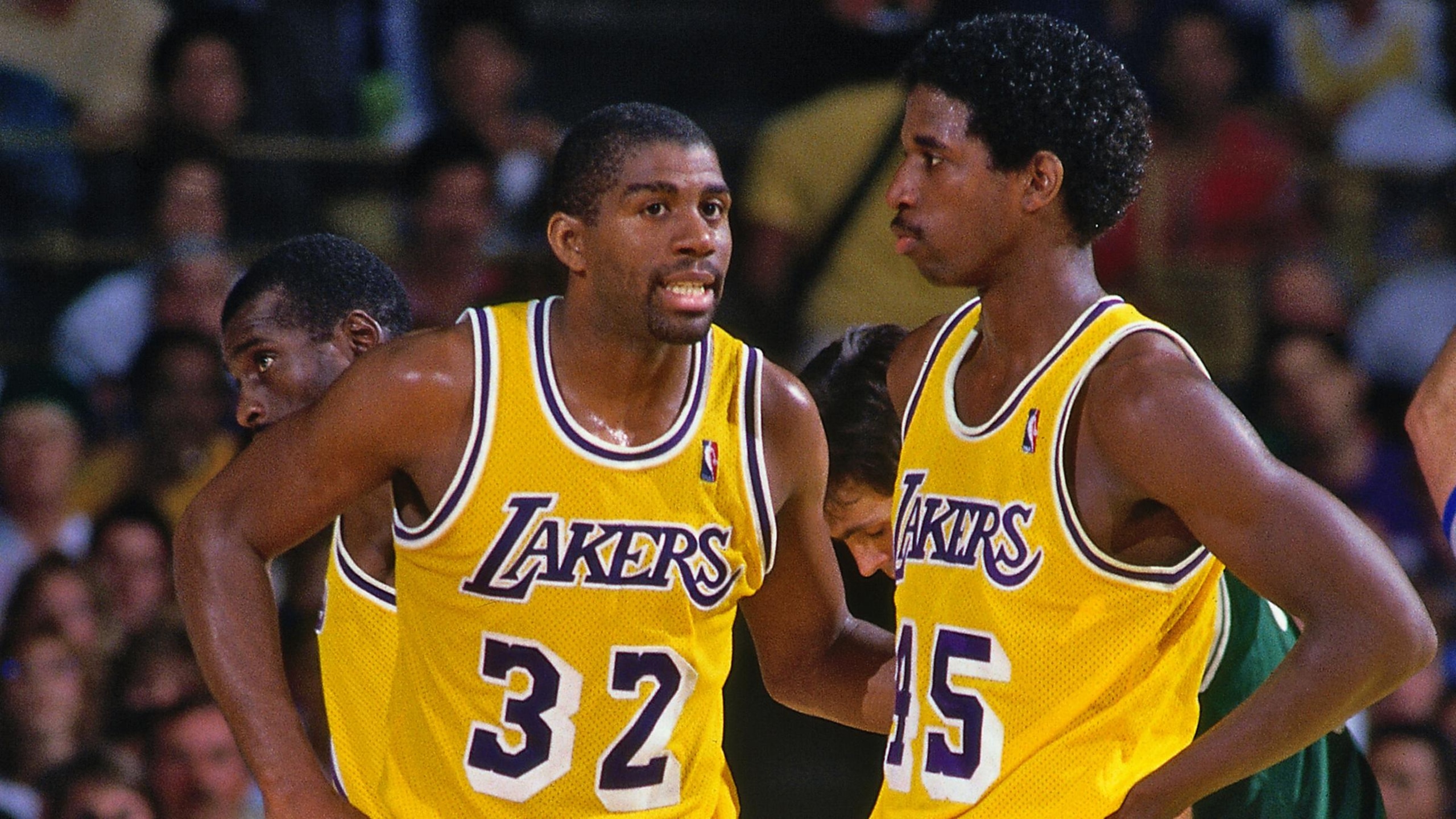
Point Diff.: +11.4 (7th)
Playoff W%: 0.833 (11th)
Opponents' Regular-Season W%: 0.540 (71st)
Series Won: 4
The Los Angeles Lakers may have been nearing the end of their "Showtime" run in the late 1980s, but they were still good enough to dominate a postseason in which they swept two opponents and only lost three total games.
During the run, James Worthy, Magic Johnson and Kareem Abdul-Jabbar all put up at least 19 points per game. Byron Scott, Michael Cooper and A.C. Green all averaged double-figures too. And the orchestrator of it all, Magic, put up 12.2 assists per game.
But this run, like a handful of others on the list, was heavily influenced by a pretty weak schedule.
Beating the 59-23 Boston Celtics in the Finals was no small feat, but the combined winning percentage of L.A.'s three Western Conference opponents was below .500.
22. 2002 Los Angeles Lakers
5 of 26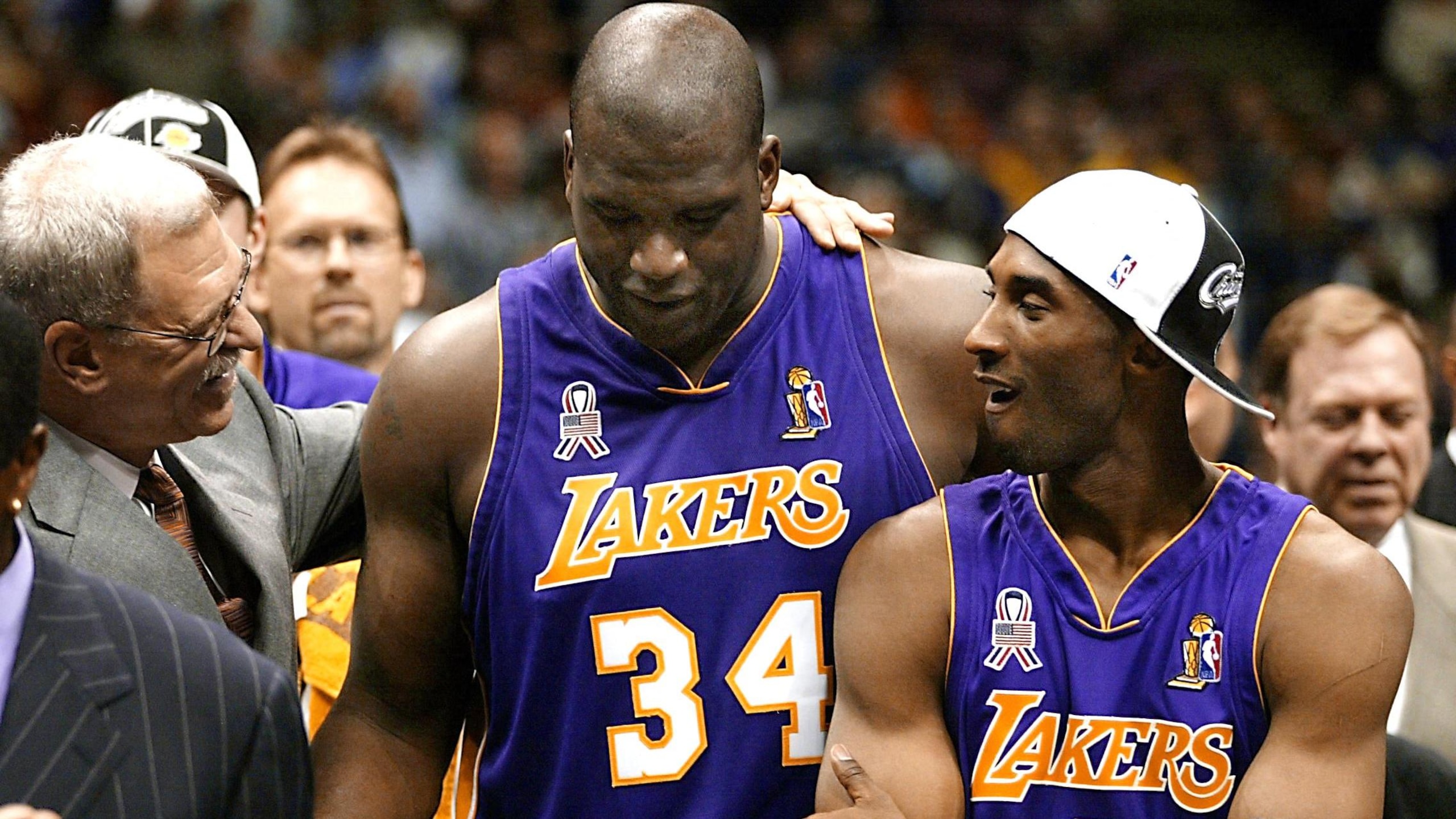
Point Diff.: +3.8 (61st)
Playoff W%: 0.789 (20th)
Opponents' Regular-Season W%: 0.671 (7th)
Series Won: 4
This version of the Lakers is here as sort of the inverse of the first three teams we looked at.
The point differential wasn't great. Even the winning percentage probably doesn't blow you away. But the gauntlet that Shaquille O'Neal and Kobe Bryant had to run to complete their threepeat was one of the toughest ever.
The 52-30 New Jersey Nets team they topped in the Finals wasn't a juggernaut, but the Portland Trail Blazers (who had Rasheed Wallace and Scottie Pippen), San Antonio Spurs (Tim Duncan and a post-prime David Robinson) and Sacramento Kings (Chris Webber, Peja Stojaković, Mike Bibby and Vlade Divac) had 49, 58 and 61 wins, respectively.
The Lakers cleared them all, and Kobe and Shaq both averaged over 26 points during the run.
20 (tie). 1985 Los Angeles Lakers
6 of 26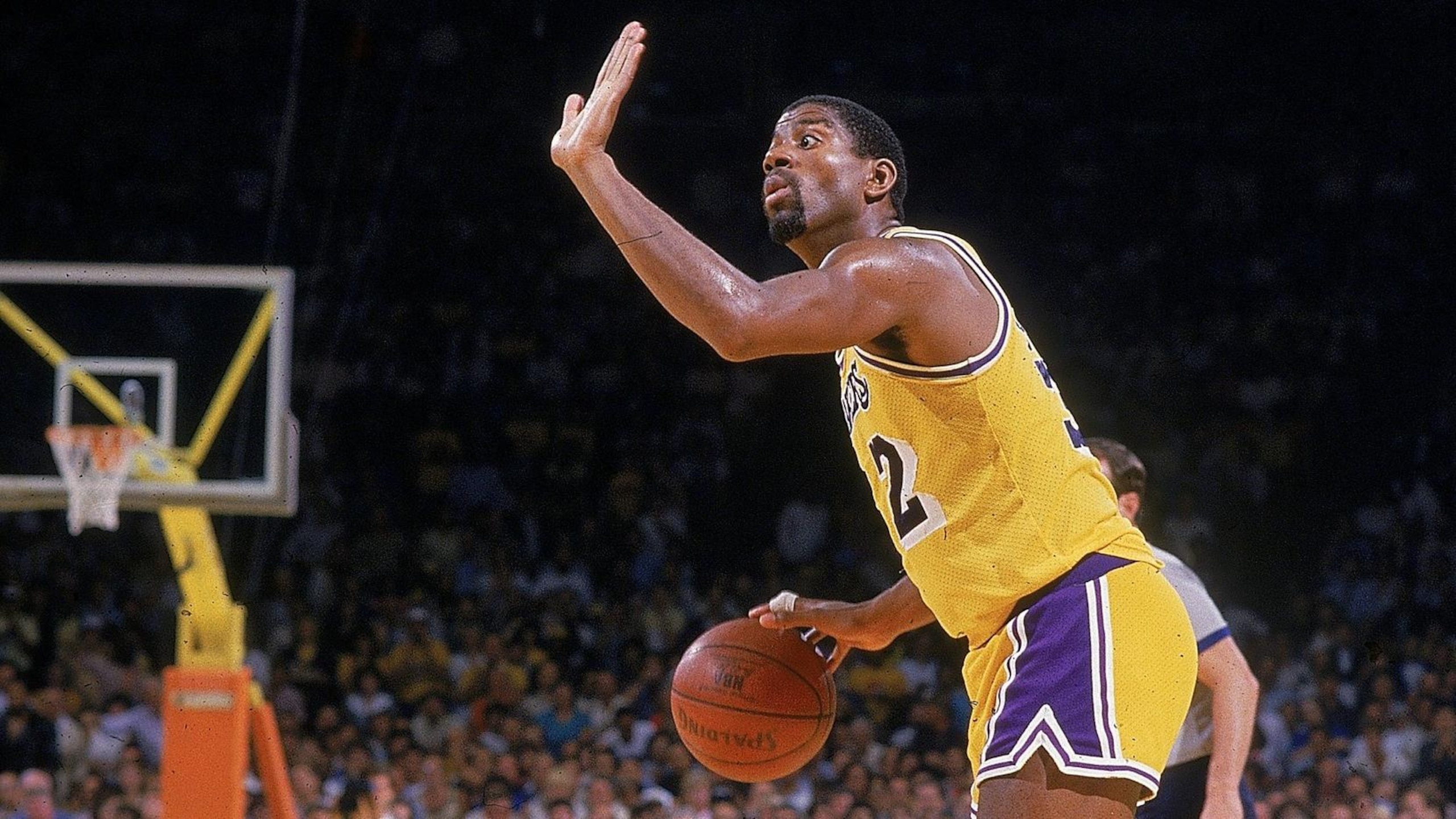
Point Diff.: +10.2 (10th)
Playoff W%: 0.789 (20th)
Opponents' Regular-Season W%: 0.588 (54th)
Series Won: 4
It shouldn't come as much of a surprise to already have three Lakers teams on the list. They have 16 NBA championships (17, if you count the one BAA title). And this squad was one of their very best.
They lost just two games on the Western Conference side of the bracket and then beat the 63-19 Boston Celtics in six games in the Finals.
During that last series, Kareem put up 25.7 points, 9.0 rebounds, 5.2 assists and 1.5 blocks on the way to Finals MVP, while Magic averaged 18.3 points and 14.0 assists.
20 (tie). 2024 Boston Celtics
7 of 26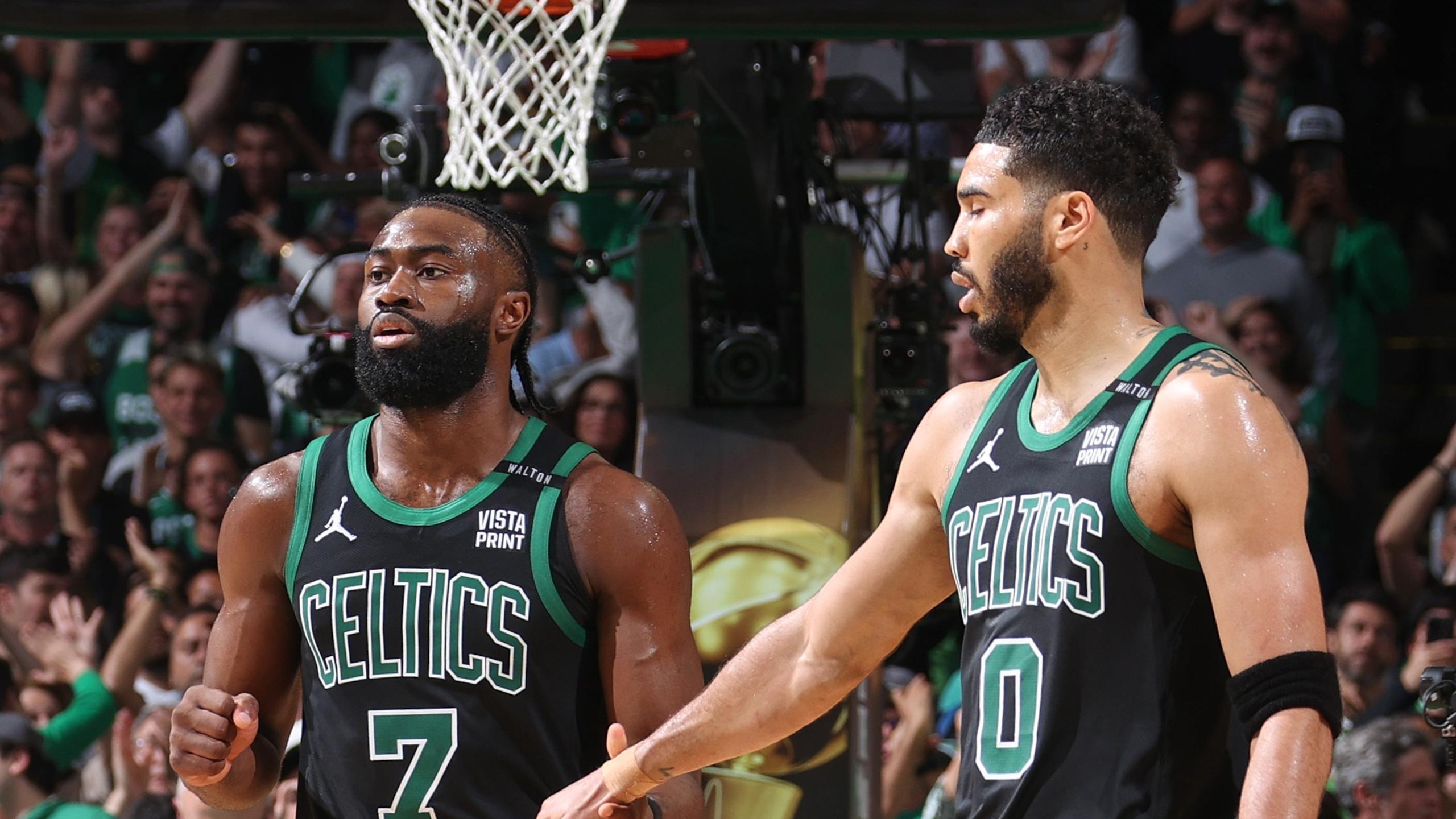
Point Diff.: +8.1 (18th)
Playoff W%: 0.842 (9th)
Opponents' Regular-Season W%: 0.582 (57th)
Series Won: 4
We're now six teams in, with only one that isn't some version of the Lakers or the Celtics. And the most recent title for either organization came just two years ago, courtesy of Boston.
Their road to the championship was far from the most dangerous in this exercise, but they deserve credit for rolling through it as easily as they did. Their postseason record was a stellar 16-3, and it included a sweep in the Eastern Conference Finals.
Along the way, Jayson Tatum averaged 25.0 points, 9.7 rebounds and 6.3 assists, while Jaylen Brown added 23.9 points, 5.9 rebounds and 3.3 assists.
19. 1983 Philadelphia 76ers
8 of 26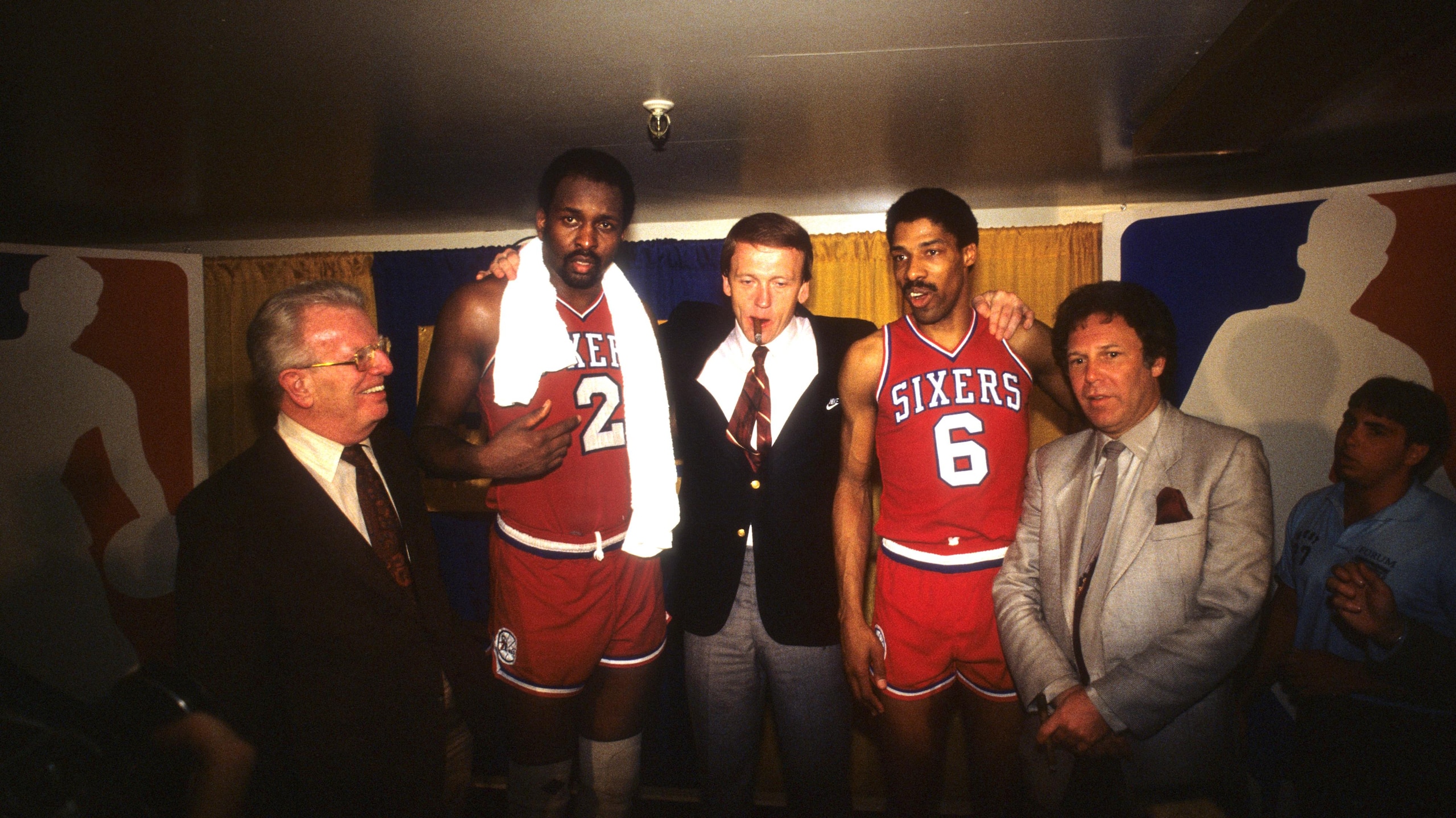
Point Diff.: +6.5 (31st)
Playoff W%: 0.923 (3rd)
Opponents' Regular-Season W%: 0.622 (34th)
Series Won: 3
The 1982-83 Philadelphia 76ers were the famous "four, four, four" team, so dubbed because Moses Malone predicted sweeps in all three rounds of the playoffs.
And if it wasn't for one loss to the Bucks in the Eastern Conference Finals, they would've done it.
This team went a blistering 12-1. They beat a Magic-and-Kareem Lakers team in the Finals. And they cemented the legacies of two all-time greats.
This was the only NBA championship for both Julius Erving and Moses Malone. The former averaged 18.4 points, 7.6 rebounds, 3.4 assists and 2.1 blocks in the playoffs, while the latter went for 26.0 points, 15.8 rebounds and 1.9 blocks.
18. 2009 Los Angeles Lakers
9 of 26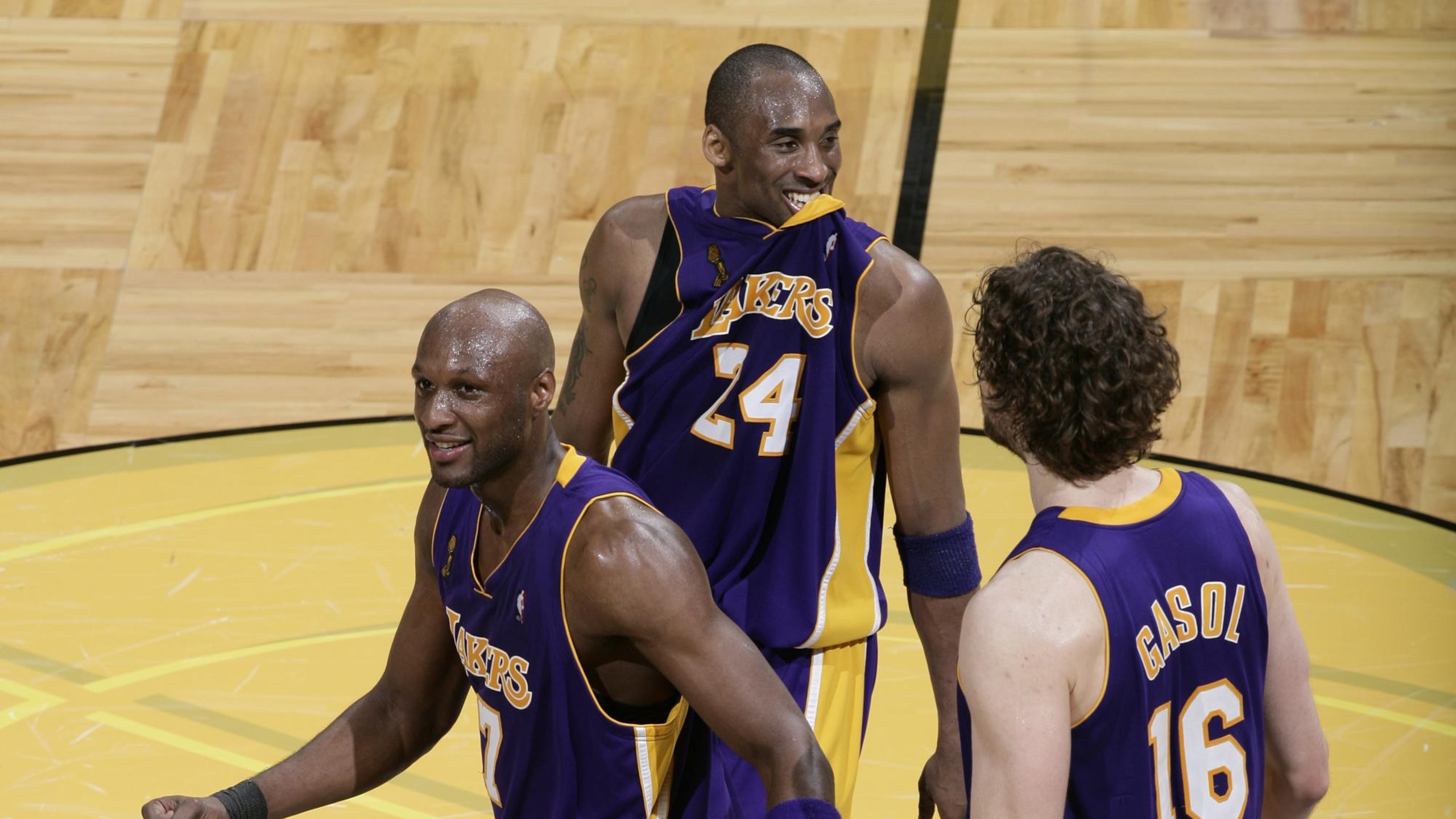
Point Diff.: +7.2 (23rd)
Playoff W%: 0.696 (44th)
Opponents' Regular-Season W%: 0.652 (15th)
Series Won: 4
In the first of his two post-Shaq title runs, Kobe topped three teams with at least 53 regular-season wins with the help of Pau Gasol and Lamar Odom.
On the way to his first Finals MVP, Bryant averaged 30.2 points, 5.5 assists and 5.3 rebounds in the playoffs. Gasol added 18.3 points, 10.8 rebounds and 2.0 blocks. And Odom pitched in with 12.3 points, 9.1 rebounds and 1.3 blocks.
Some of L.A.'s series outcomes were a little dicier than those of other teams here (the Lakers needed all seven games to beat the Houston Rockets in the second round), but they also overcame a harder schedule than most.
17. 1986 Boston Celtics
10 of 26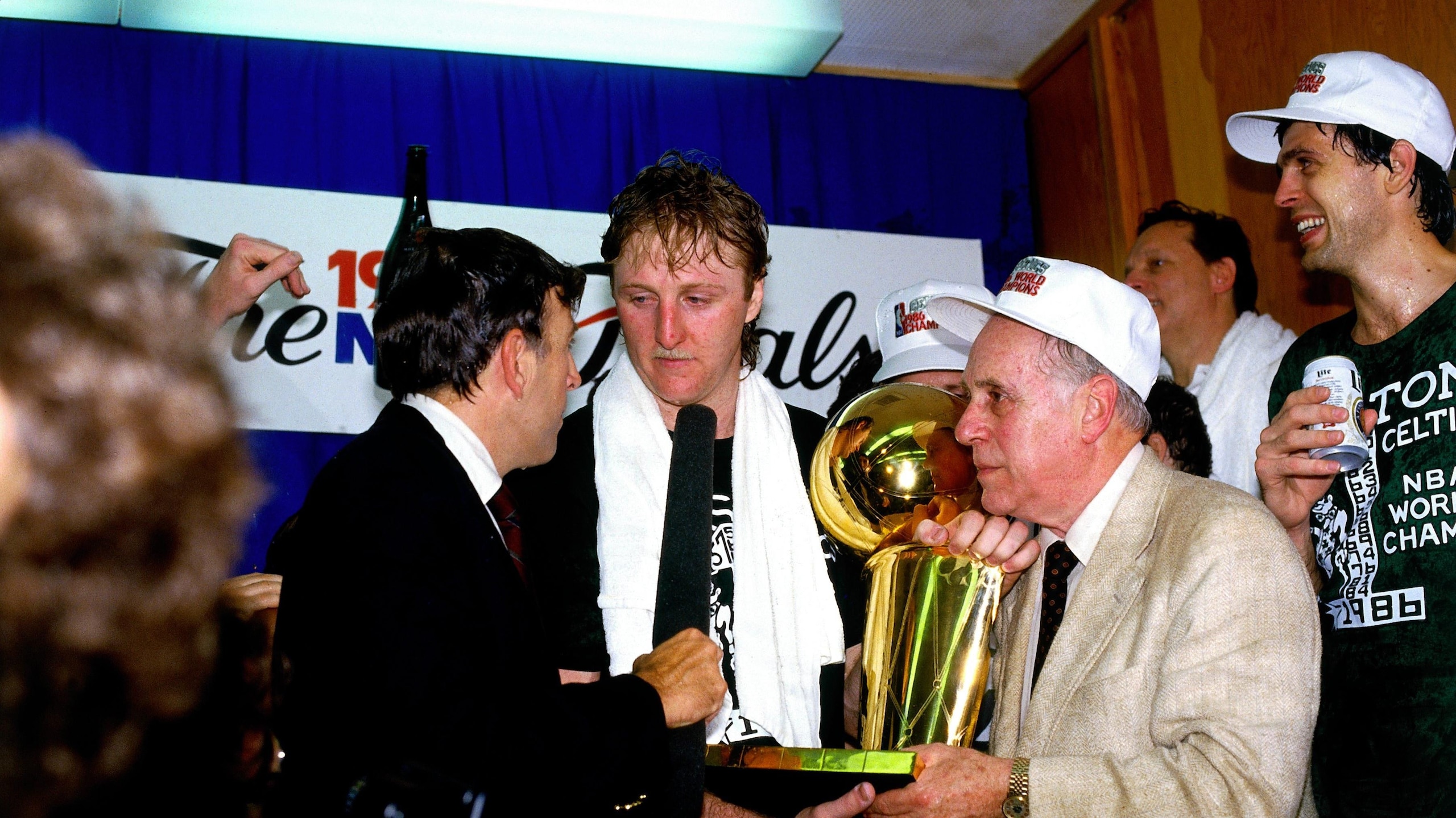
Point Diff.: +10.3 (9th)
Playoff W%: 0.833 (11th)
Opponents' Regular-Season W%: 0.573 (61st)
Series Won: 4
The 1985-86 Boston Celtics are often discussed as one of the single-best teams in NBA history. They went 67-15, got an MVP season from Larry Bird, had three All-Stars (Bird, Kevin McHale and Robert Parish) and even had the Sixth Man of the Year (Bill Walton).
Then, in the playoffs, they went 15-3 and finished with an average point differential over 10.
So, how did they somehow wind up outside the top 15?
Opponent win percentage was a factor again, but this placement may be the biggest indication that no formula is perfect. That number was dragged way down by a 30-52 Chicago Bulls team that Boston quickly dispatched in the first round.
With a more subjective approach, this team could certainly be higher.
15 (tie). 1998 Chicago Bulls
11 of 26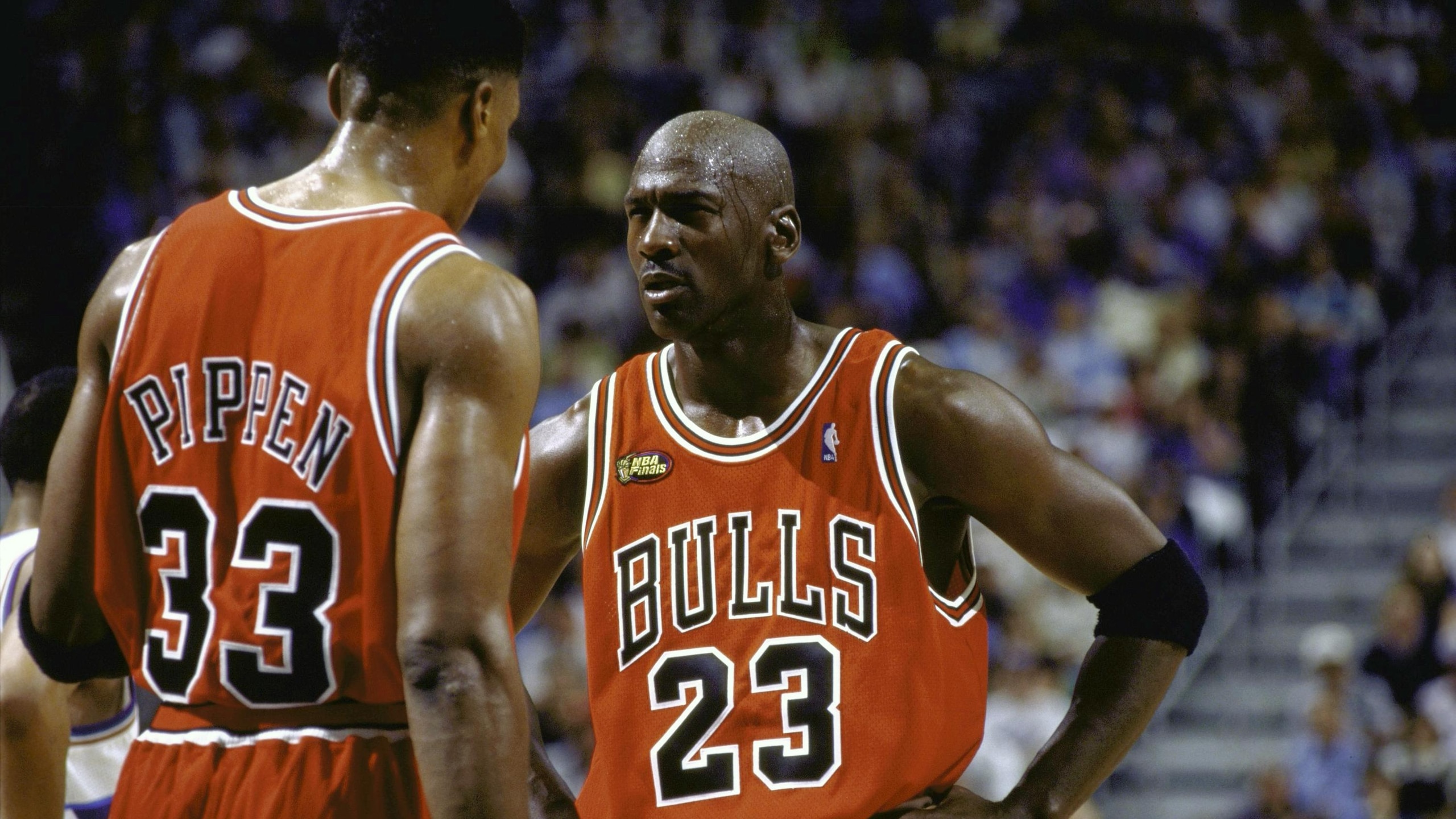
Point Diff.: +7.0 (27th)
Playoff W%: 0.714 (37th)
Opponents' Regular-Season W%: 0.652 (15th)
Series Won: 4
It took a bit, but we've finally reached the inevitability of a Michael Jordan team.
This particular run was the subject of "The Last Dance," Jordan's last title and one he captured in his age-34 campaign.
In 21 playoff games, he put up 32.4 points, 5.1 rebounds, 3.5 assists and 1.5 steals. And he only had two teammates (Scottie Pippen at 16.8 points) and Toni Kukoč (13.1) who joined him in double-figures.
Of course, those numbers don't have a direct connection to Chicago cracking the top 15. The biggest drivers were the records of the last three teams the Bulls faced in this postseason. The Charlotte Hornets, Indiana Pacers and Utah Jazz won 51, 58 and 62 games, respectively, during the 1997-98 campaign.
15 (tie). 1999 San Antonio Spurs
12 of 26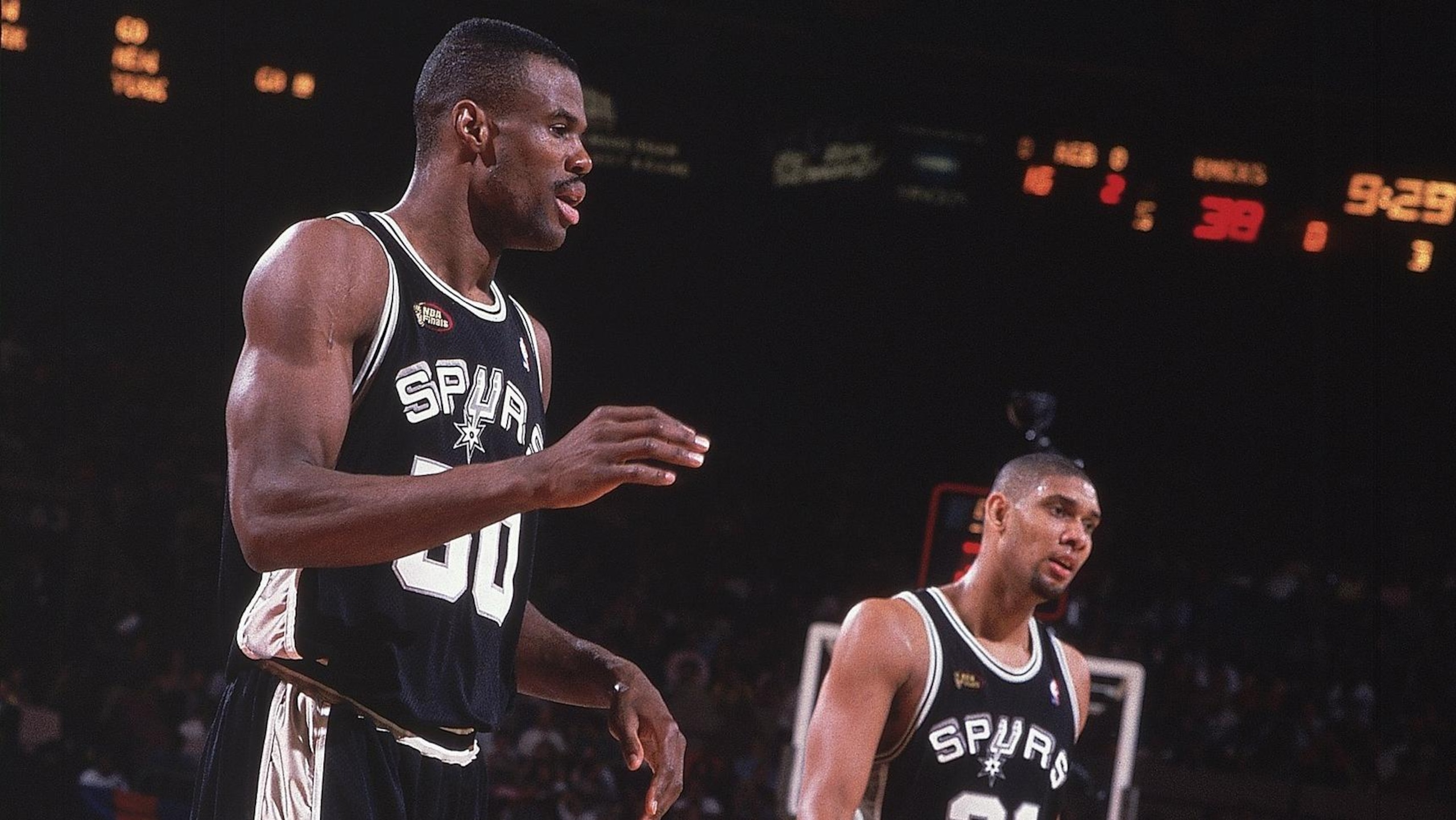
Point Diff.: +7.2 (22nd)
Playoff W%: 0.882 (4th)
Opponents' Regular-Season W%: 0.590 (53rd)
Series Won: 4
Tim Duncan didn't face the toughest competition in his first championship run, but the San Antonio Spurs made quick work of each and every opponent.
They beat the Minnesota Timberwolves in four (back when it was best-of-five in the first round), swept the Los Angeles Lakers and Portland Trail Blazers and then beat the New York Knicks (an eighth seed that year) in five.
David Robinson played a supporting role on the way to his first championship, averaging 15.6 points and 9.9 rebounds. And Duncan, then just 22, put up 23.2 points, 11.5 rebounds, 2.8 assists and 2.6 blocks on the way to a Finals MVP.
14. 2011 Dallas Mavericks
13 of 26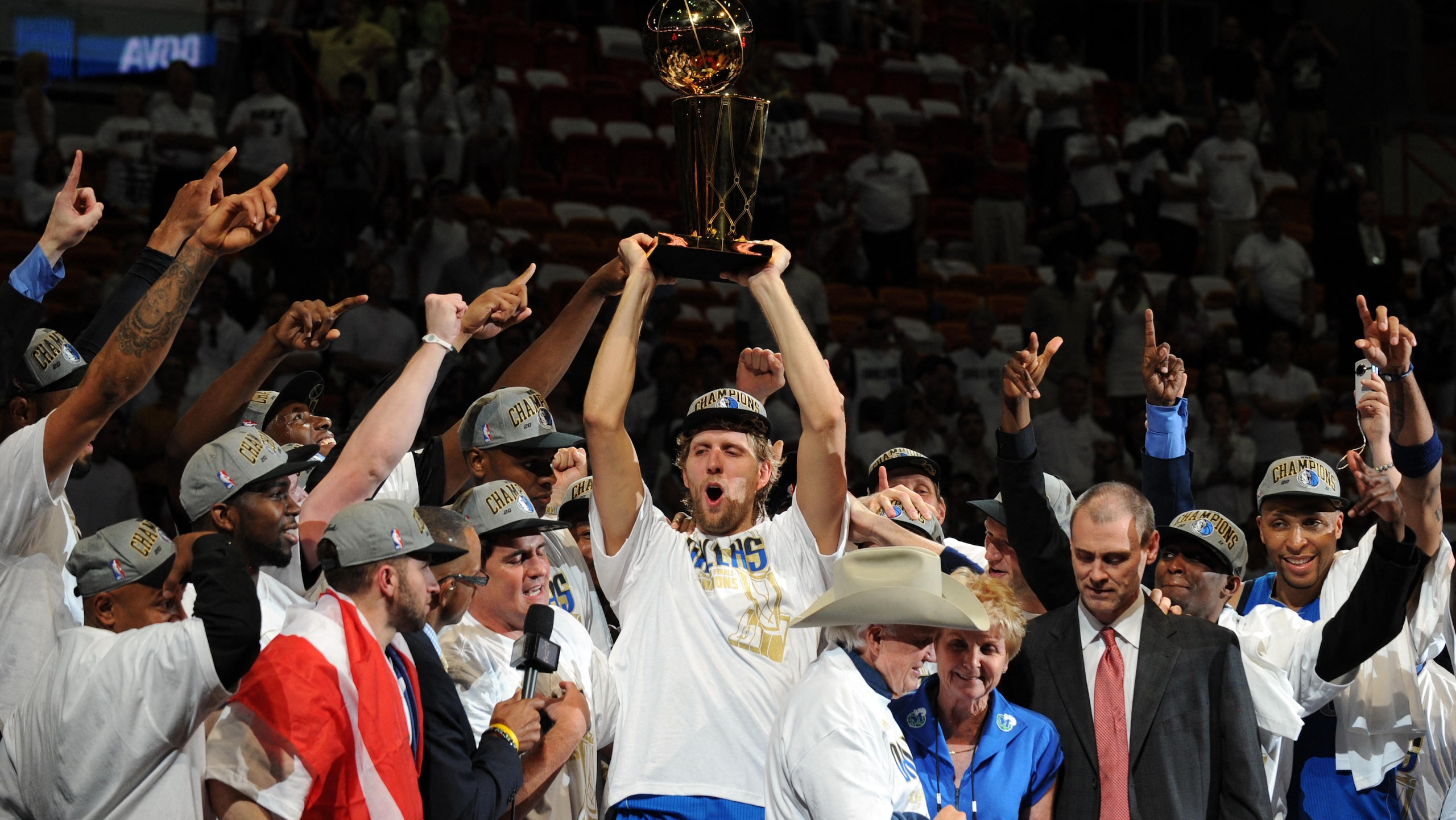
Point Diff.: +5.8 (42nd)
Playoff W%: 0.762 (24th)
Opponents' Regular-Season W%: 0.665 (11th)
Series Won: 4
In one of the most memorable title runs of the modern era, Dirk Nowitzki took his third-seed Dallas Mavericks past an up-and-coming Portland Trail Blazers team in the first round, swept the defending champion Los Angeles Lakers in the second and beat Kevin Durant, Russell Westbrook and the Oklahoma City Thunder in the Western Conference Finals in just five games.
It was the kind of gauntlet few, if any, teams could survive on the way to the Finals. And their reward for making it that far was the recently formed superteam Miami Heat with LeBron James, Dwyane Wade and Chris Bosh.
Despite losing the first game against Miami and trailing that series 2-1, Dallas rattled off three straight wins to secure the championship.
Along the way, the Mavs got solid contributions from several vets, including Jason Terry (17.5 points per game in the playoffs), Shawn Marion (11.9 points and stellar defense), Jason Kidd (7.3 assists), J.J. Barea, Tyson Chandler and Peja Stojaković.
But ultimately, this run was about sealing the all-time legacy of Nowitzki, who dominated each round and finished with postseason averages of 27.7 points, 8.1 rebounds, 2.5 assists and 1.1 threes, while shooting 46.0 percent from deep and 94.1 percent from the line.
13. 1989 Detroit Pistons
14 of 26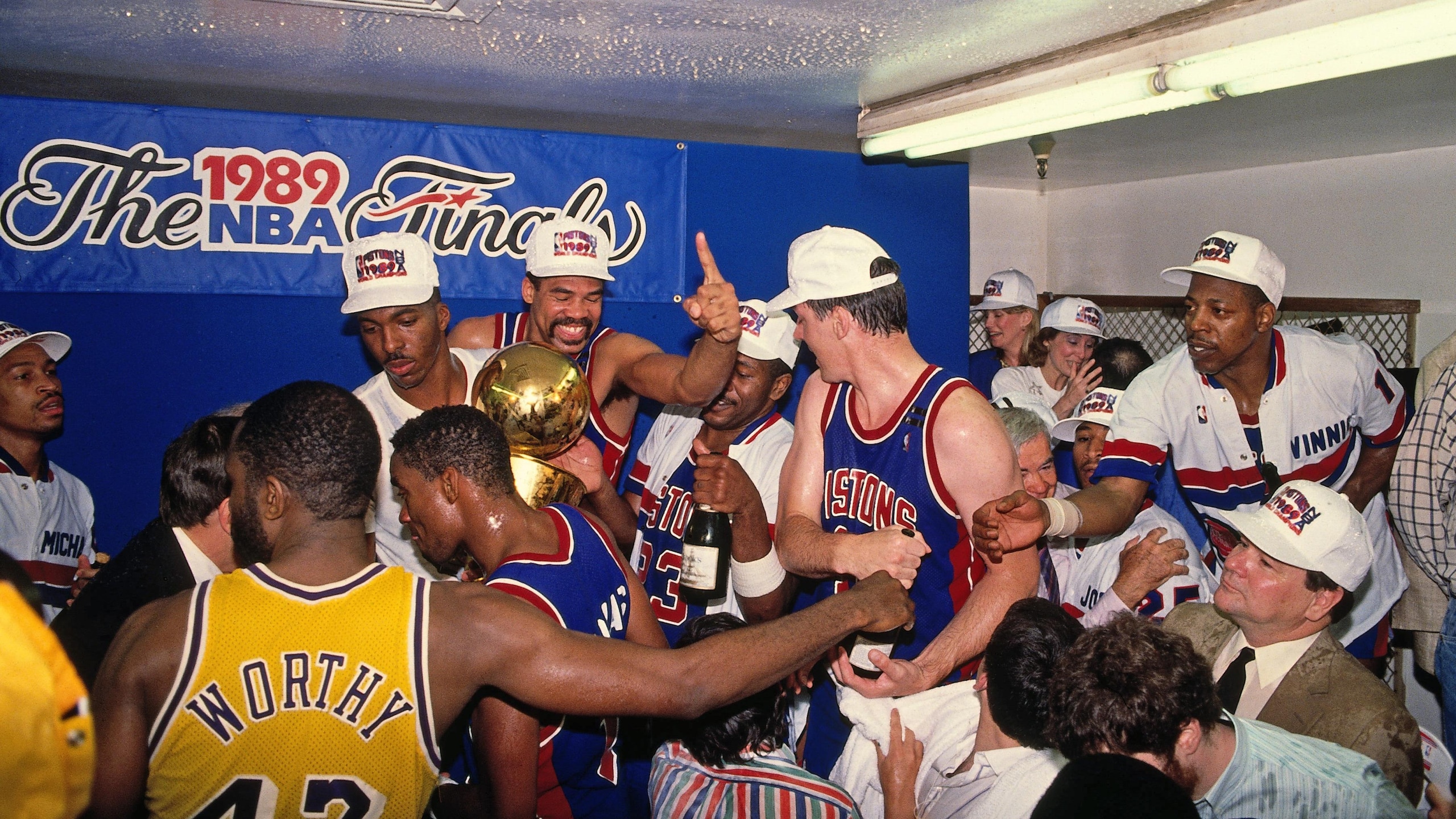
Point Diff.: +7.7 (21st)
Playoff W%: 0.882 (4th)
Opponents' Regular-Season W%: 0.595 (50th)
Series Won: 4
The "Bad Boys" Detroit Pistons won their first of two titles in 1988-89 with little to no challenge over the course of the postseason.
Behind Isiah Thomas (18.2 points and 8.3 assists that postseason), Joe Dumars (17.6 points and 5.6 assists) and tons of fight and physicality, the Pistons swept three of their four series, including the NBA Finals against Magic, Kareem and Worthy's Lakers.
Their only two losses of the entire run came in the Eastern Conference Finals against Michael Jordan (who averaged 29.7 points and 6.5 assists against Detroit's infamous "Jordan Rules" defense).
12. 2014 San Antonio Spurs
15 of 26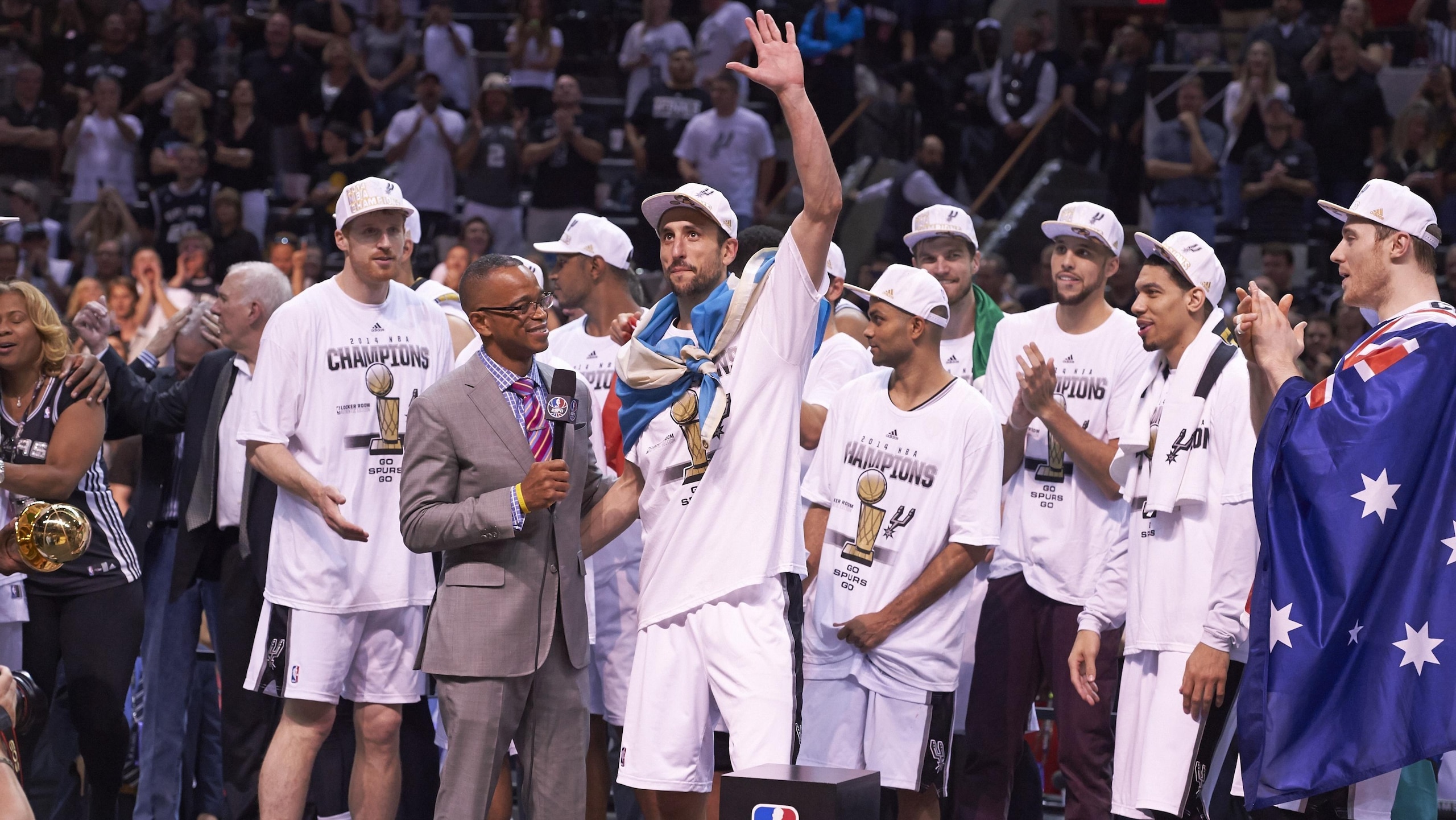
Point Diff.: +9.3 (13th)
Playoff W%: 0.696 (44th)
Opponents' Regular-Season W%: 0.659 (14th)
Series Won: 4
Fueled by the sting of losing the 2013 Finals to the Heat, the Spurs looked as locked in as they ever were during their 2013-14 revenge campaign. And that certainly remained true throughout the postseason.
San Antonio survived a seven-game war with the Dallas Mavericks in the first round, but they gained momentum through each successive opponent. And by the time they earned their rematch with Miami, they had the offense humming better than perhaps it ever had during their decades-long dynasty.
To this day, the 2013-14 Spurs hold the all-time record for biggest point differential in a single Finals series at plus-70 (and they even lost a game!).
This postseason signaled the arrival of Kawhi Leonard (who won Finals MVP), had eight Spurs averaging at least seven points, gave Duncan his fifth ring and gave Manu Ginobili and Tony Parker their fourth rings.
It was the perfect swan song for a team that dominated an era.
11. 1997 Chicago Bulls
16 of 26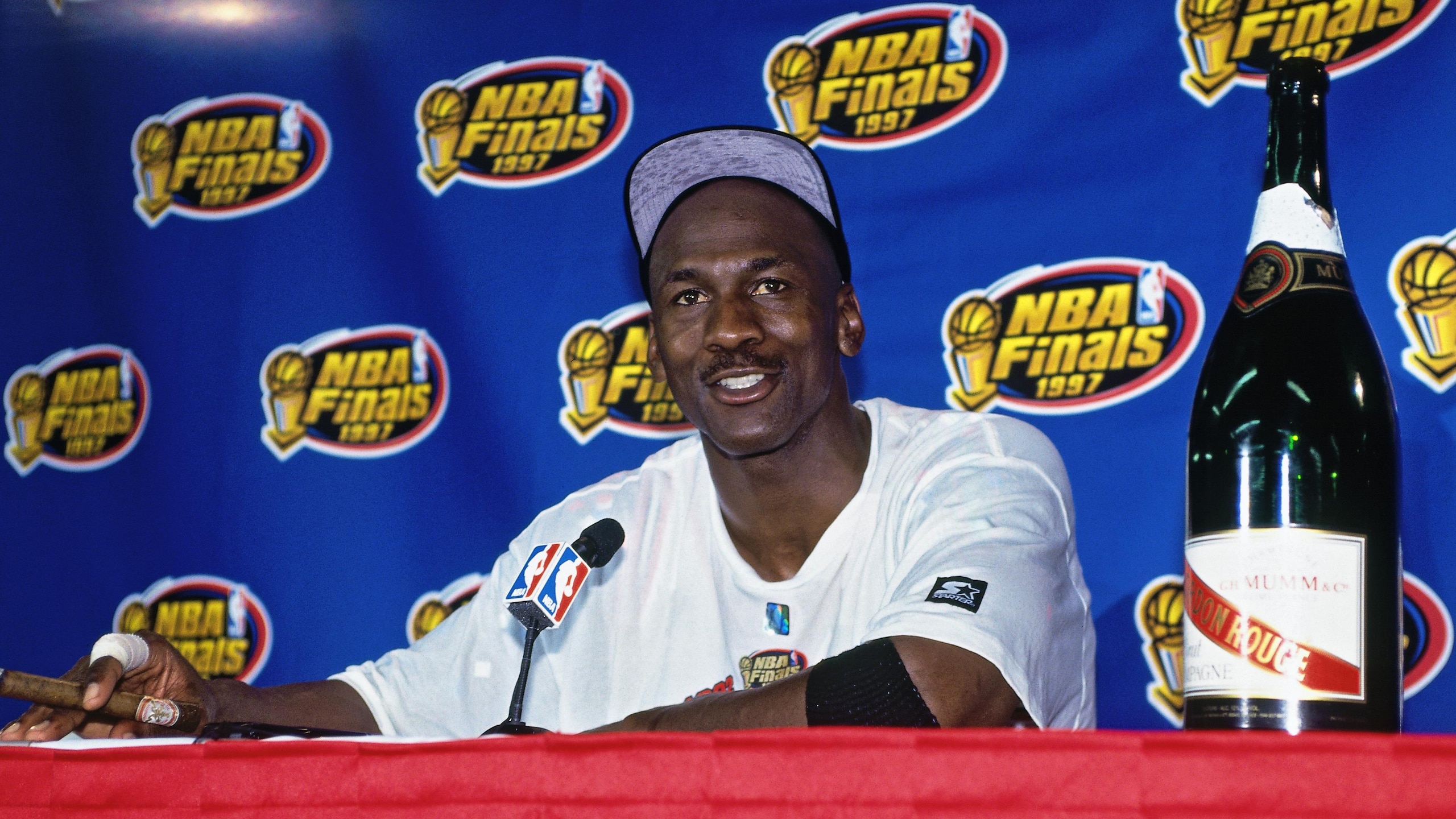
Point Diff.: +5.5 (45th)
Playoff W%: 0.789 (20th)
Opponents' Regular-Season W%: 0.686 (4th)
Series Won: 4
In Michael Jordan's fifth title run, the Bulls barely topped this list's top 50 for average point differential and top 20 for winning percentage. But this was undoubtedly one of the most brutal series of opponents any champion has ever faced.
At 44-38, the Washington Wizards weren't a huge challenge, but the Atlanta Hawks, Heat and Jazz won 56, 61 and 64 games, respectively.
Not only did Jordan and Pippen best them, they did so while once again putting up huge numbers. Jordan averaged 31.1 points, 7.9 rebounds and 4.8 assists that postseason, while Pippen added 19.2 points, 6.8 rebounds and 3.8 assists.
9 (tie). 2015 Golden State Warriors
17 of 26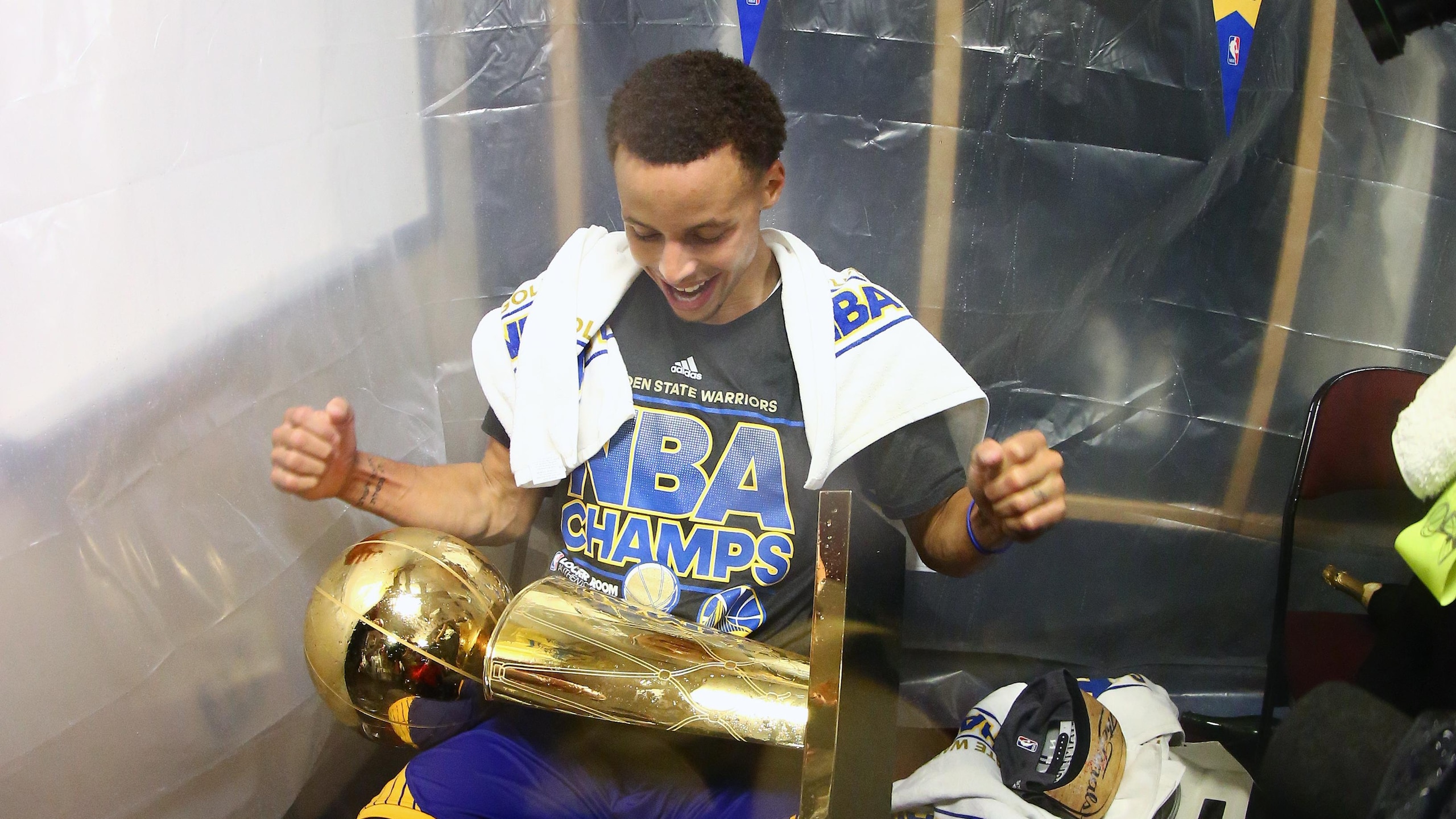
Point Diff.: +7.8 (19th)
Playoff W%: 0.762 (24th)
Opponents' Regular-Season W%: 0.637 (25th)
Series Won: 4
Stephen Curry and the Golden State Warriors began their dynasty in 2014-15 without really dominating in any of the individual categories we looked at.
Instead, they were just solid in all four, which was enough to push them past some of the teams with outlier weaknesses.
And in any event, it feels right to have this team in the top 10 after the postseason that Curry had.
Over Golden State's 21 postseason games, he averaged 28.3 points, 6.4 assists, 5.0 rebounds and 1.9 steals, while shooting 42.2 percent from deep.
And to this day, he's tied for the all-time record for threes made in a single postseason at 98 (with teammate Klay Thompson, who hit that mark the next year).
9 (tie). 1993 Chicago Bulls
18 of 26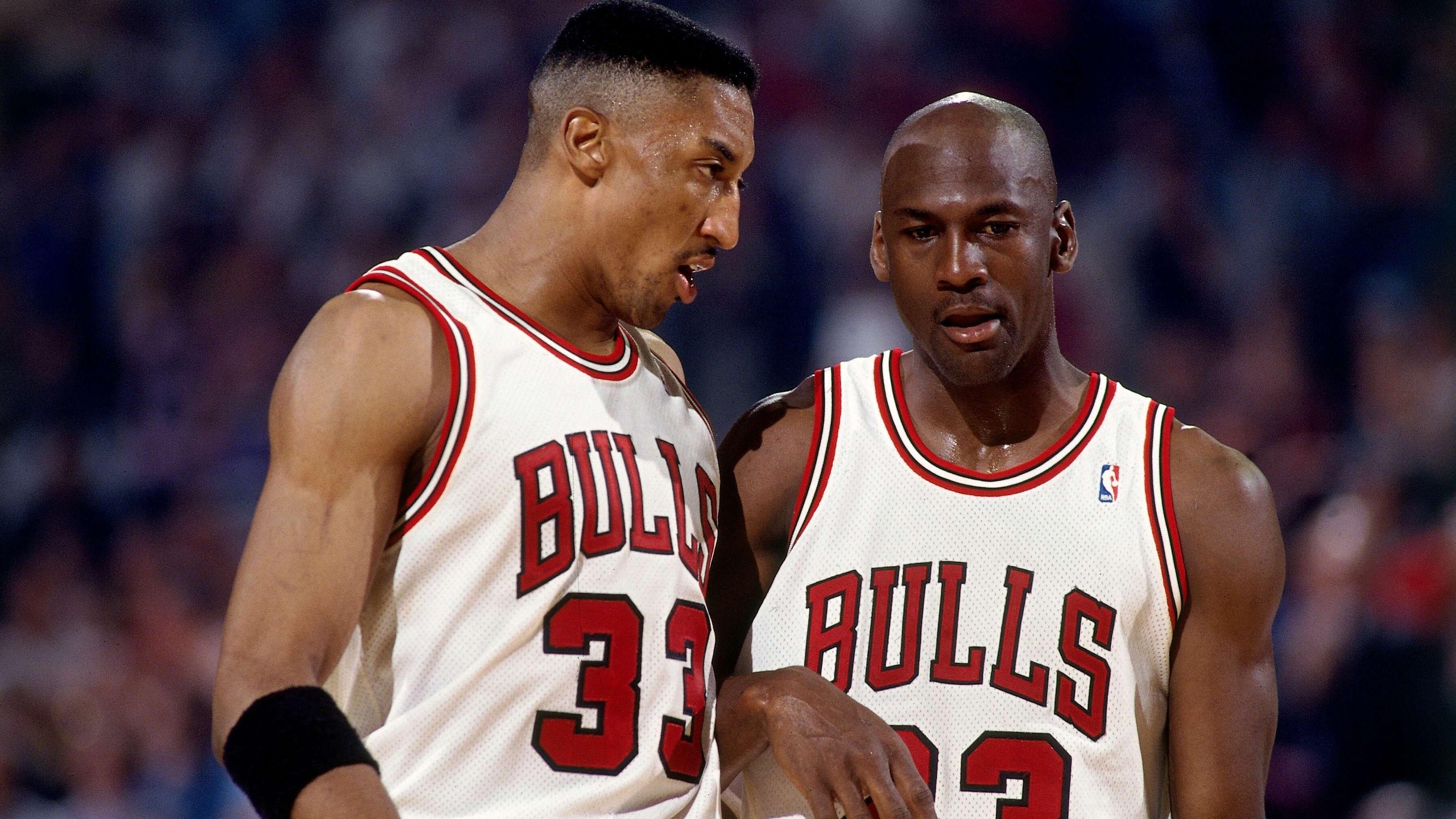
Point Diff.: +5.8 (40th)
Playoff W%: 0.789 (20th)
Opponents' Regular-Season W%: 0.668 (8th)
Series Won: 4
The Chicago Bulls wrapped up their first threepeat in 1993, after dismantling a tough schedule that included the 54-28 Cleveland Cavaliers, the 60-22 New York Knicks and the 62-20 Phoenix Suns.
That postseason, Jordan averaged an eye-popping 35.1 points, 6.7 rebounds, 6.0 assists and 2.1 steals. In the Finals alone, he put up 41.0, 8.5 and 6.3. He dominated in a way we'd rarely seen before and have rarely seen since.
But he wasn't alone. That year, Pippen added 20.1 points, 6.9 rebounds, 5.6 assists and 2.2 steals. And B.J. Armstrong and Horace Grant both averaged double-figures.
8. 1991 Chicago Bulls
19 of 26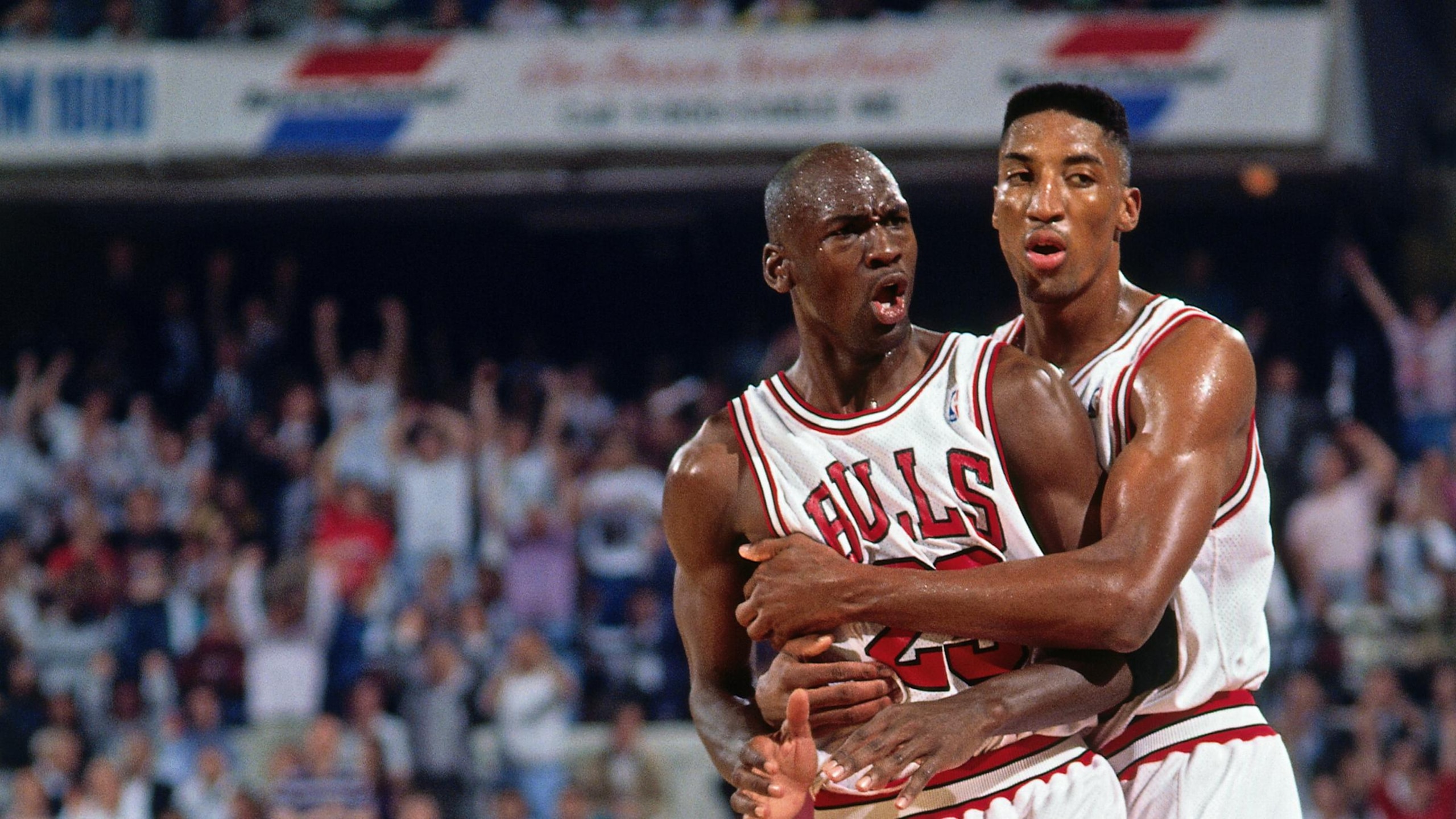
Point Diff.: +11.7 (5th)
Playoff W%: 0.882 (4th)
Opponents' Regular-Season W%: 0.582 (57th)
Series Won: 4
And somehow, Jordan and Pippen may have been even better in their first championship run together.
The 1990-91 Bulls didn't face as tough a schedule, but they absolutely dominated their competition with an average point differential of plus-11.7.
Jordan didn't score quite as much as he did in 1993, but he made up for that with playmaking and finished with averages of 31.1 points, 8.4 assists, 2.4 steals and 1.4 blocks.
And ever the reliable second option, Pippen added 21.6 points, 8.9 rebounds, 5.8 assists, 2.5 steals and 1.1 blocks.
This run was a preview of what was to come from perhaps the greatest duo in NBA history.
7. 2018 Golden State Warriors
20 of 26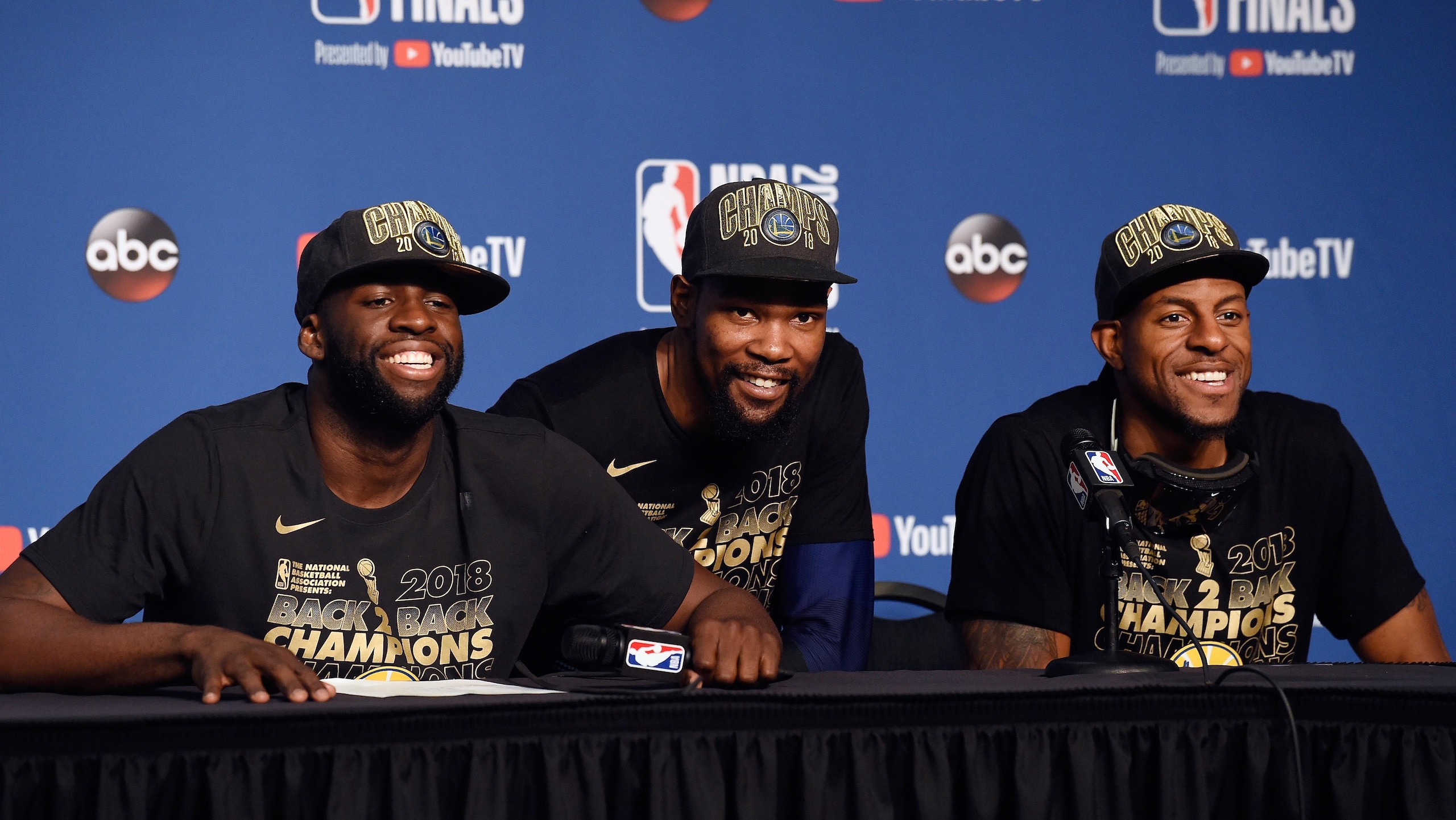
Point Diff.: +10.0 (11th)
Playoff W%: 0.762 (24th)
Opponents' Regular-Season W%: 0.640 (23rd)
Series Won: 4
The Warriors won their third championship of this era and second with Kevin Durant in 2017-18. And they were really only challenged in one round.
During the Western Conference Finals, Golden State was facing the Houston Rockets, who had homecourt advantage and took a 3-2 lead in the series. Then, we got an appearance from "Game 6 Klay" Thompson, who scored 35 points in a 29-point win. And then the Warriors closed the Rockets out in Houston in Game 7.
From there, perhaps the greatest superteam ever assembled swept LeBron's Cleveland Cavaliers in the Finals, and Durant secured his second Finals MVP.
That series, he averaged 28.8 points, 10.8 rebounds, 7.5 assists and 2.3 blocks.
6. 2016 Cleveland Cavaliers
21 of 26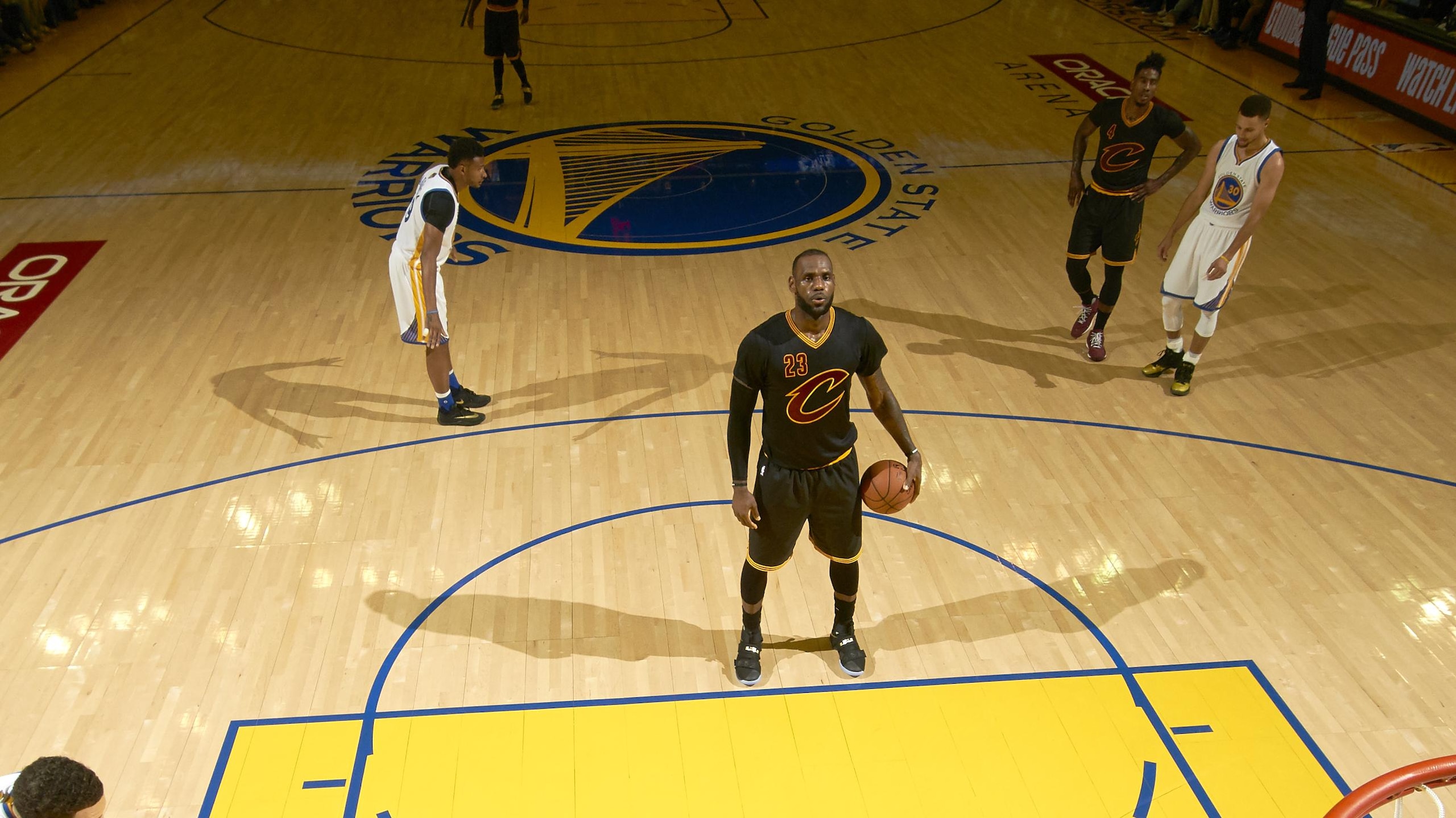
Point Diff.: +8.6 (15th)
Playoff W%: 0.762 (24th)
Opponents' Regular-Season W%: 0.674 (6th)
Series Won: 4
The 2015-16 Cleveland Cavaliers' ranks in average point differential and winning percentage don't jump off the screen, but beating a 73-9 team in the Finals sure did a lot for their opponents' winning percentage.
And frankly, that accomplishment, especially when paired with the fact that it came with a comeback from being down 3-1, should be enough for the Cavs to threaten the top five.
Beyond the miraculous win over the Warriors, Cleveland also beat a 56-win Toronto Raptors team in the Eastern Conference Finals. And LeBron, Kyrie Irving and Kevin Love were all unsurprisingly great throughout the postseason.
LeBron put up 26.3 points, 9.5 rebounds, 7.6 assists, 2.3 steals and 1.3 blocks. Kyrie added 25.2 points and 4.7 assists, while shooting 44.0 percent from deep. And Love averaged 14.7 points and 8.8 rebounds, while shooting 41.4 percent from three.
5. 2026 New York Knicks
22 of 26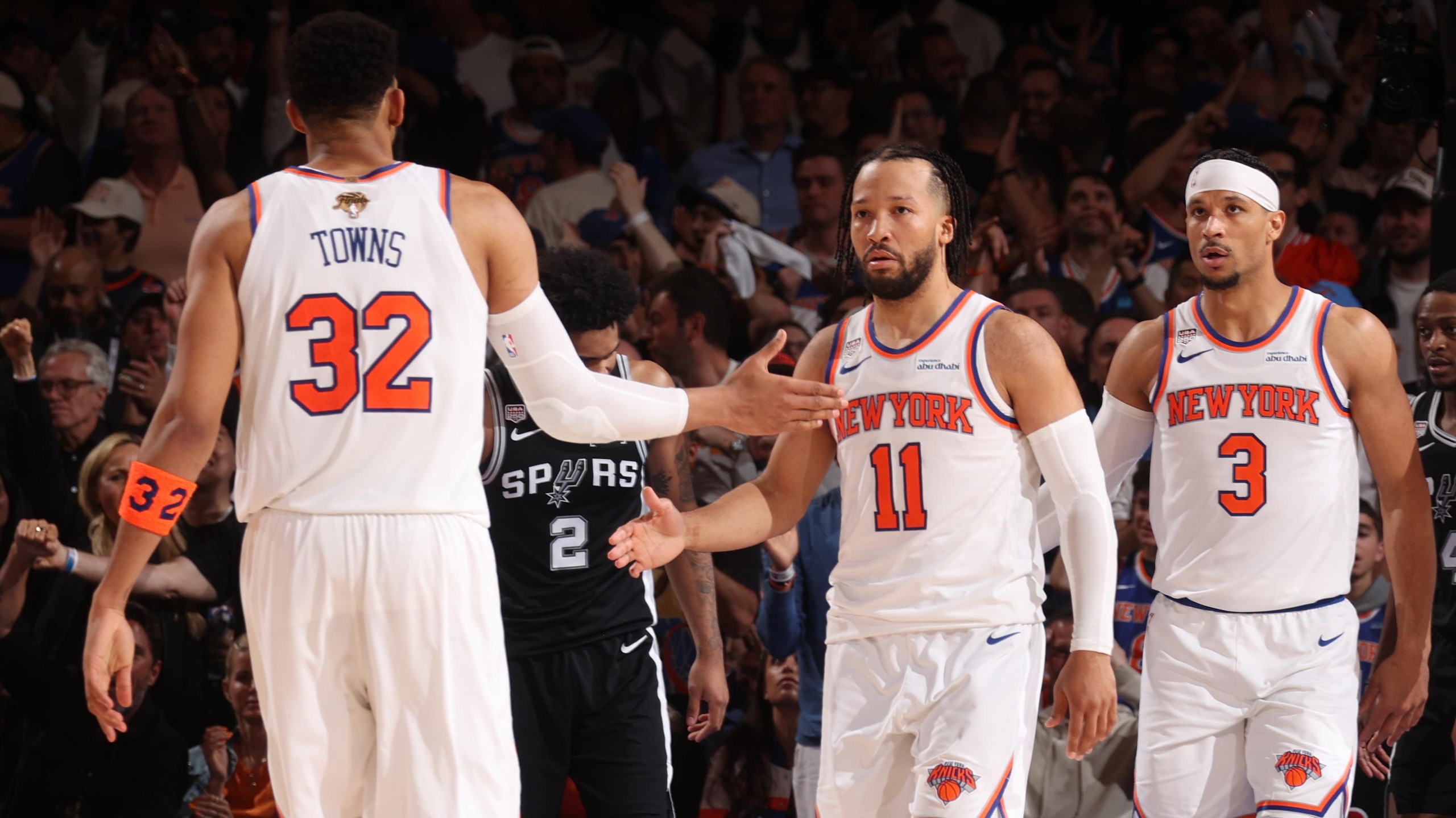
Point Diff.: +14.9 (1st)
Playoff W%: 0.842 (9th)
Opponents' Regular-Season W%: 0.625 (31st)
Series Won: 4
There may be some fans out there who'd nitpick the Knicks' strength of schedule for this run, but they disposed of lesser competition in exactly the way an historic team should.
Prior to the start of the Finals, New York was 12-2 with a staggering plus-19.4 average point differential. That was nearly double the second-place Spurs at that point of the postseason, and it was well clear of the all-time record.
The number has obviously come down a bit after a tightly contested Finals, but the Knicks still finished first in that category. That and beating the 62-20 Spurs in the Finals went a long way toward pushing New York into this top five.
Obviously, the players themselves drove the ranking too.
Jalen Brunson finished with averages of 28.4 points and 6.1 assists. OG Anunoby added 20.1 points, while shooting 48.9 percent from deep. Karl-Anthony Towns put up 15.9 points, 10.6 rebounds, 4.9 assists, 1.3 blocks and 1.3 steals in 30.4 minutes, while shooting 45.6 percent from three. And Mikal Bridges, Josh Hart, Landry Shamet, Mitchell Robinson and even Jose Alvarado all had crucial contributions that put this team into the history books.
3 (tie). 1950 Minneapolis Lakers
23 of 26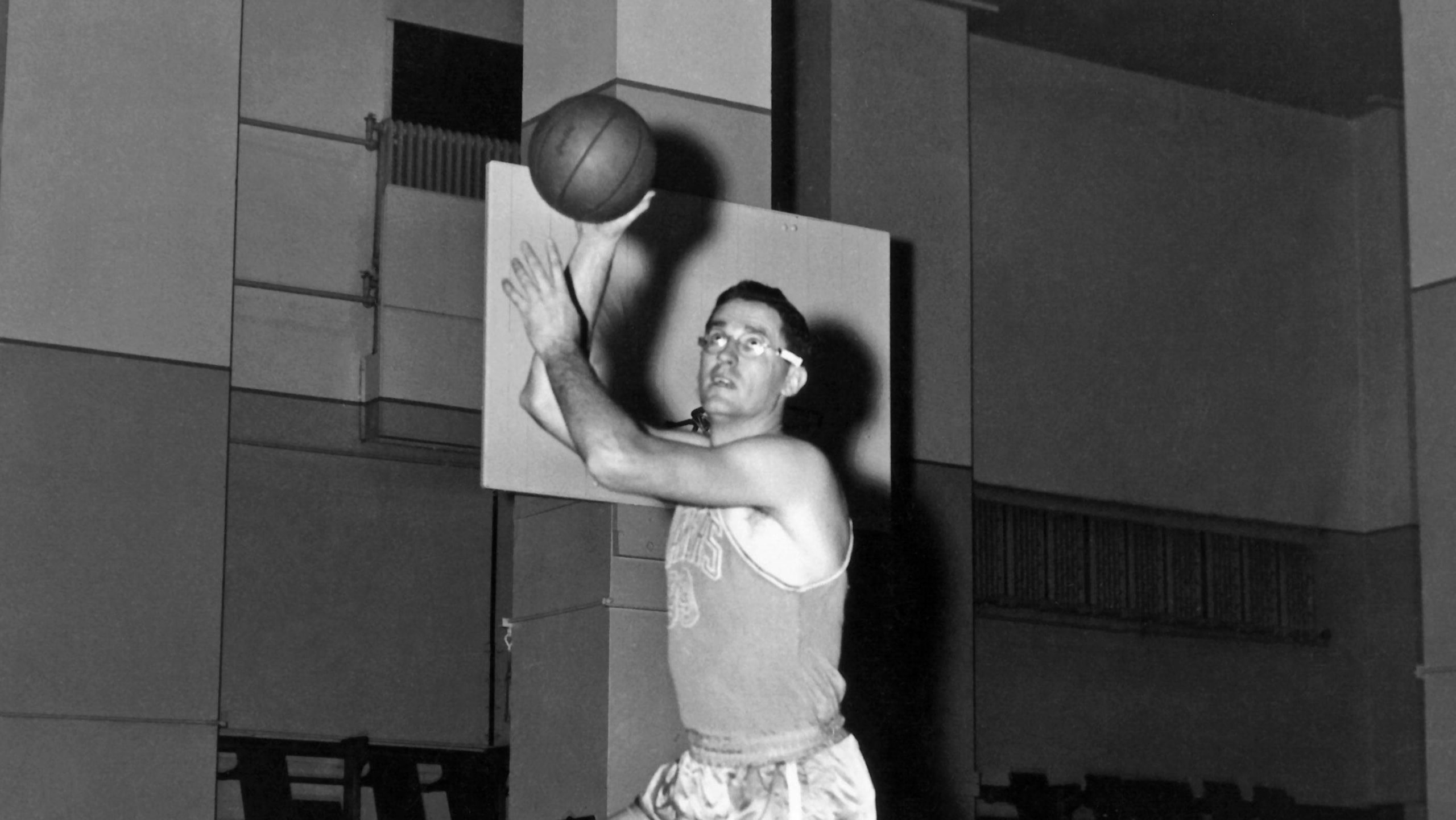
Point Diff.: +9.1 (14th)
Playoff W%: 0.833 (11th)
Opponents' Regular-Season W%: 0.660 (13th)
Series Won: 4
After running through mostly modern teams leading up to this point, it may come as a bit of a surprise to come across a black-and-white photo of George Mikan at No. 3.
The 1949-50 campaign was the NBA's first (the previous three were played under the banner of the BAA), and Mikan and the Lakers obliterated the Chicago Stags, Fort Wayne Pistons, Anderson Packers and Syracuse Nationals on the way to the championship.
They went 10-2 overall, with an average point differential near 10. And the big man averaged 31.3 points (they didn't even track rebounds that postseason!).
3 (tie). 2017 Golden State Warriors
24 of 26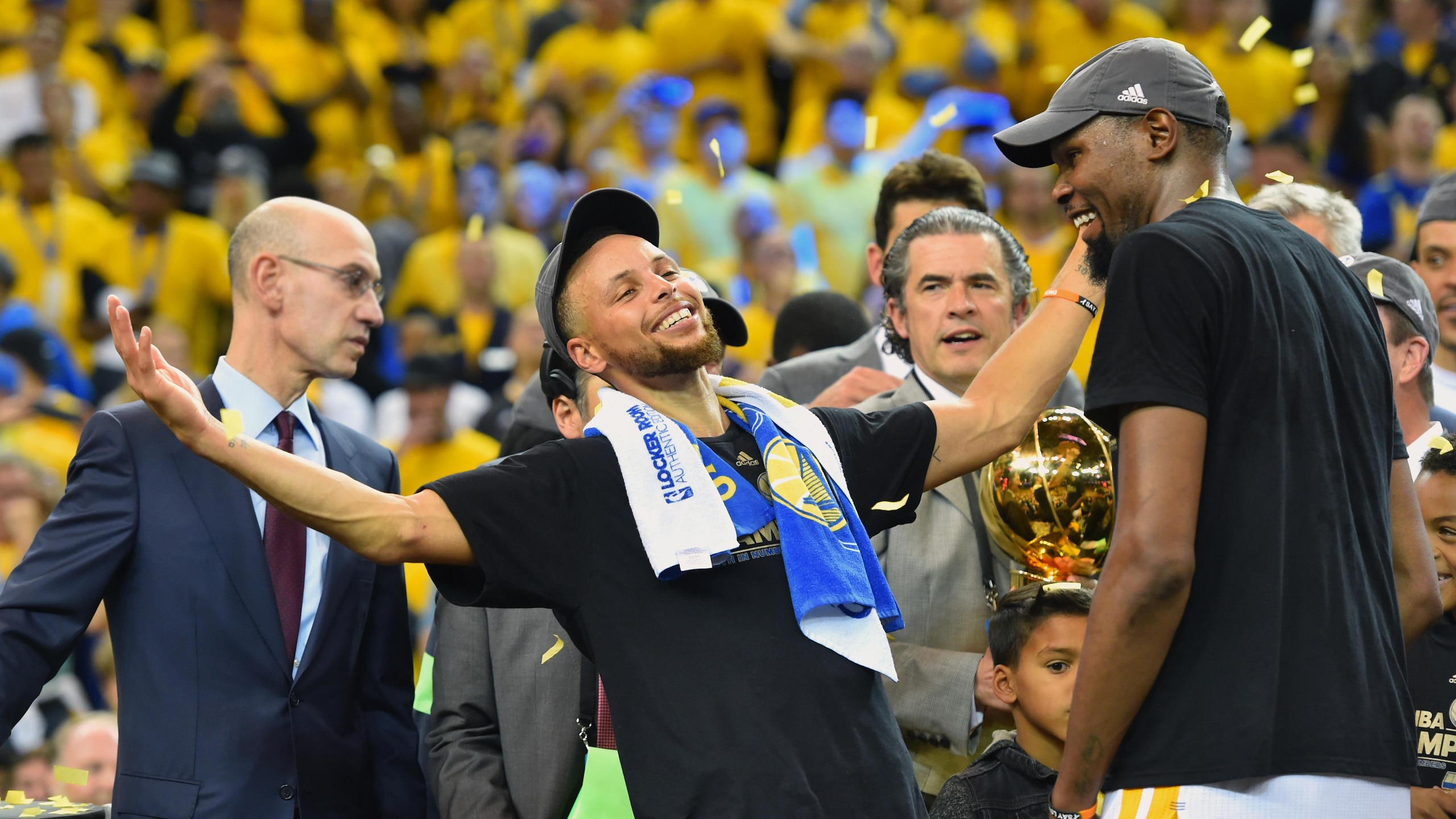
Point Diff.: +13.5 (3rd)
Playoff W%: 0.941 (1st)
Opponents' Regular-Season W%: 0.622 (34th)
Series Won: 4
As you can see, the 2016-17 Warriors absolutely annihilated the competition put in front of them. At 16-1, they have the best winning percentage of the exercise (the 2000-01 Lakers were 15-1). And their average point differential ranks third.
That was enough to push Golden State all the way up to fourth, despite having the 34th-ranked opponents winning percentage.
And even with what some might consider a relatively easy road to the championship, the Warriors being this high certainly feels right.
On the way to their first title together, KD and Curry were dominant. Durant put up 28.5 points, 7.9 rebounds and 4.3 assists, while Steph was at 28.1 points, 6.7 assists, 6.2 rebounds and 2.0 steals. Klay Thompson added 15.0 points and shot 38.7 percent from deep. Draymond Green put up 13.1 points, 9.1 rebounds, 6.5 assists, 1.8 steals and 1.6 blocks. And Andre Iguodala, JaVale McGee, Shaun Livingston and David West all provided valuable role-player minutes.
2. 1996 Chicago Bulls
25 of 26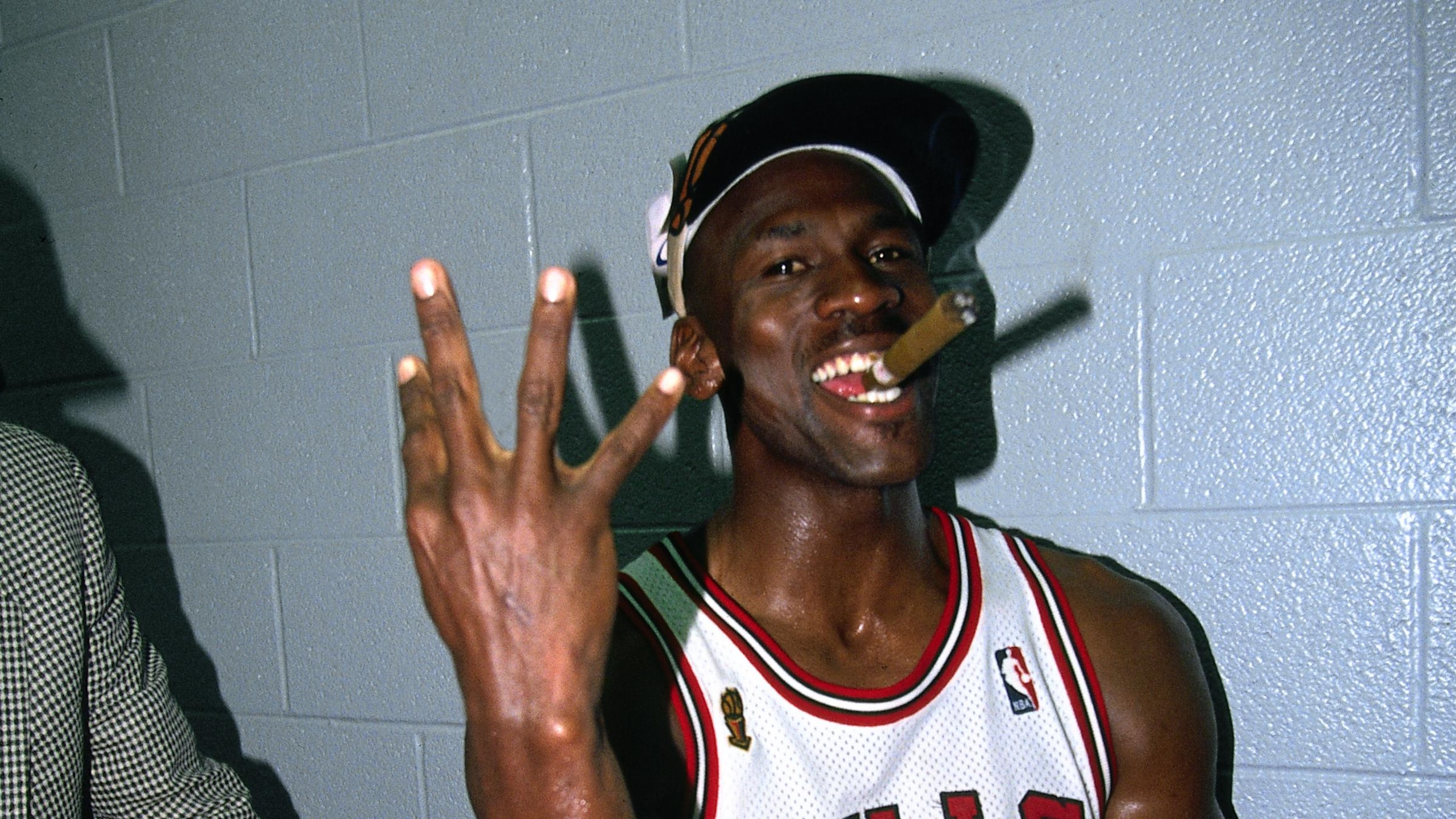
Point Diff.: +10.6 (8th)
Playoff W%: 0.833 (11th)
Opponents' Regular-Season W%: 0.649 (18th)
Series Won: 4
After winning a then-record 72 games in the regular season, the 1995-96 Chicago Bulls completely blitzed the Eastern Conference in the playoffs.
Chicago swept the Miami Heat, beat Patrick Ewing's Knicks in five and swept Shaquille O'Neal and Anfernee Hardaway in the Eastern Conference Finals.
In the Finals, the Seattle SuperSonics managed to steal a couple wins, but the end result was never truly in doubt. That was the real magic with Jordan. There was a sense of inevitability that followed him throughout his six title runs.
In this one, he averaged 30.7 points and 4.1 assists. Pippen added 16.9 points, 8.5 rebounds and 5.9 assists. And Dennis Rodman made his presence felt with 13.7 rebounds.
1. 2001 Los Angeles Lakers
26 of 26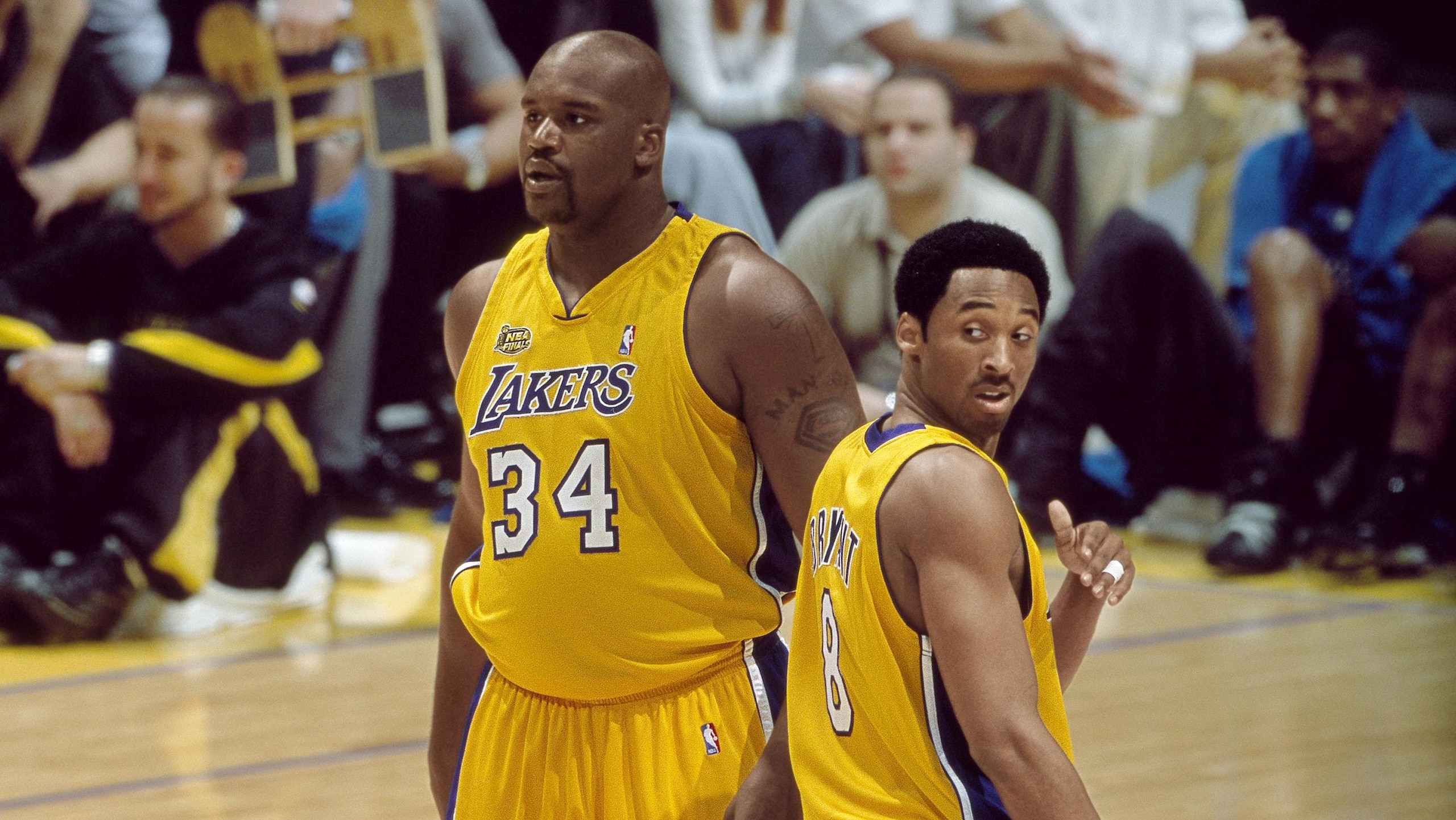
Point Diff.: +12.8 (4th)
Playoff W%: 0.938 (2nd)
Opponents' Regular-Season W%: 0.668 (8th)
Series Won: 4
The aforementioned 2001 Lakers faced three teams that finished the regular season with between 50 and 58 wins. And they went a ridiculous 11-0 against that slate.
Allen Iverson ruined their shot at an undefeated run by dropping 48 points and leading the Philadelphia 76ers to a Game 1 win in the Finals, but the Lakers rattled off four straight after that.
The dominant run makes them top eight in each of the three most important categories, and the stars drove them to those lofty positions.
During the postseason, Shaq put up 30.4 points, 15.4 rebounds, 3.2 assists and 2.4 blocks. Kobe went for 29.4 points, 7.3 rebounds and 6.1 assists.
It was perhaps the greatest sustained show of dominance this all-time great duo ever had.
.jpg?w=2560 "🚨 Davante Out 6-10 Weeks")
.jpg?w=2560 "Tank Dell Playing Sunday 💯")