

There's no such thing as an NBA player with nothing left to prove.
We know that because some of the league's apex superstars enter the 2026-27 season with real questions to answer.
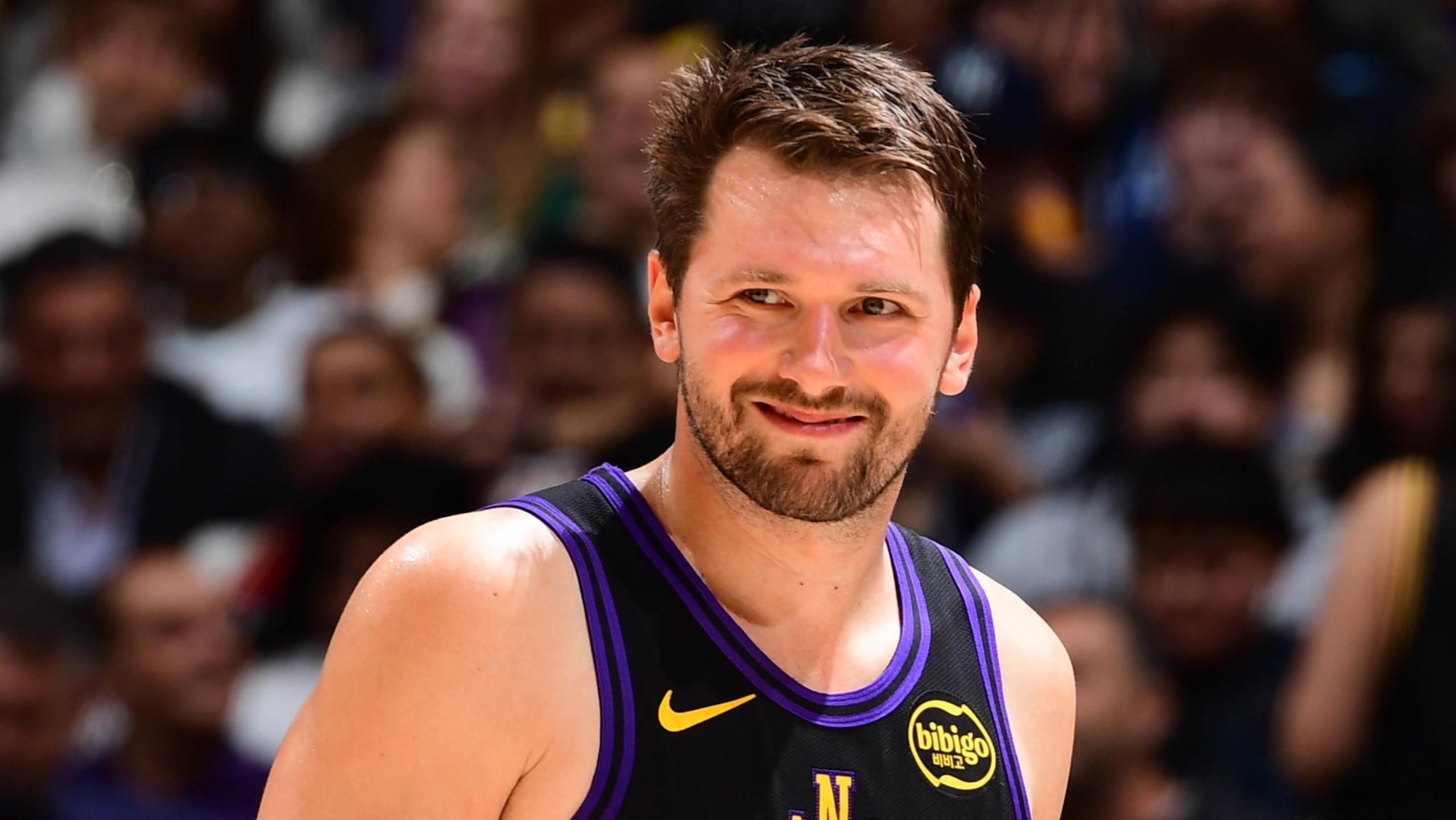
Can Luka Dončić hold up physically through a full regular season and playoffs for the first time in his career? That seems pertinent after the Los Angeles Lakers ushered out LeBron James and sold off tons of assets to orient the team specifically around Dončić.
Can Jaylen Brown strike a blow to the numbers-obsessed detractors that piled on after the Boston Celtics shipped him to the Philadelphia 76ers for a shockingly small return?
Let's line up all 30 teams and decide who joins Dončić and Brown ahead of next season.
Atlanta Hawks: Onyeka Okongwu
1 of 30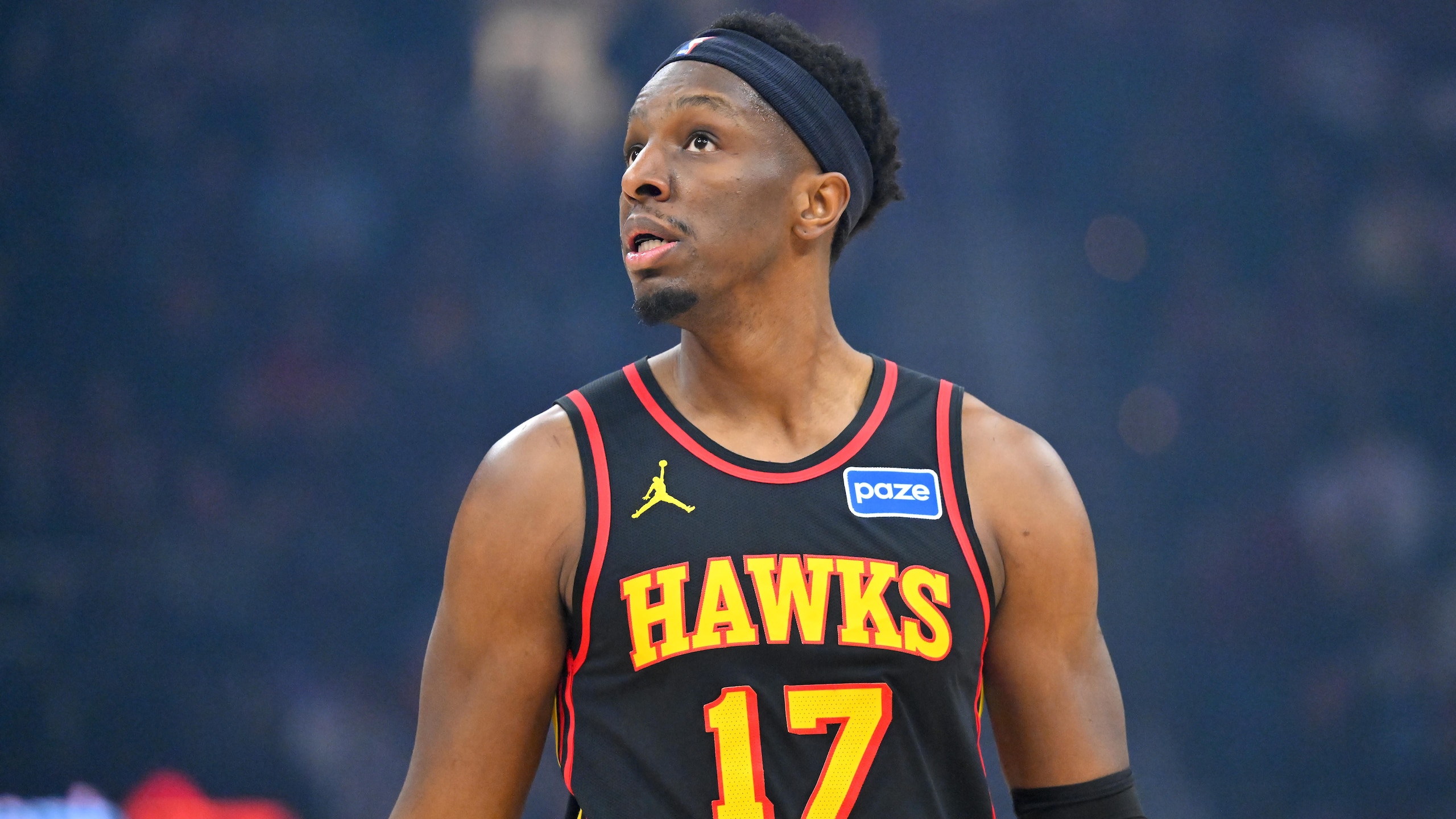
Only two centers attempted at least 380 threes and hit them at better than a 37.0 percent clip last season: Myles Turner and Onyeka Okongwu. While Turner has been a renowned stretch-5 for the better part of a decade, this was new territory for Okongwu, who'd only taken 233 long-range shots in the previous five seasons combined.
If Okongwu can back up last year's breakout with another high-efficiency, high-volume season from deep, he'll elevate his profile—as a candidate for a massive extension, as a trade chip, as a key piece of the Atlanta Hawks' core—in every possible way. Beyond that, he'll make the Hawks even more palatable as the star-trade destination their other supporting talent says they are. Nothing opens up the floor for a first-option alpha like a big man who can space to 25 feet.
We've seen plenty of one-season blips like this in the past. Okongwu needs to prove his new skill is here to stay.
Boston Celtics: Derrick White
2 of 30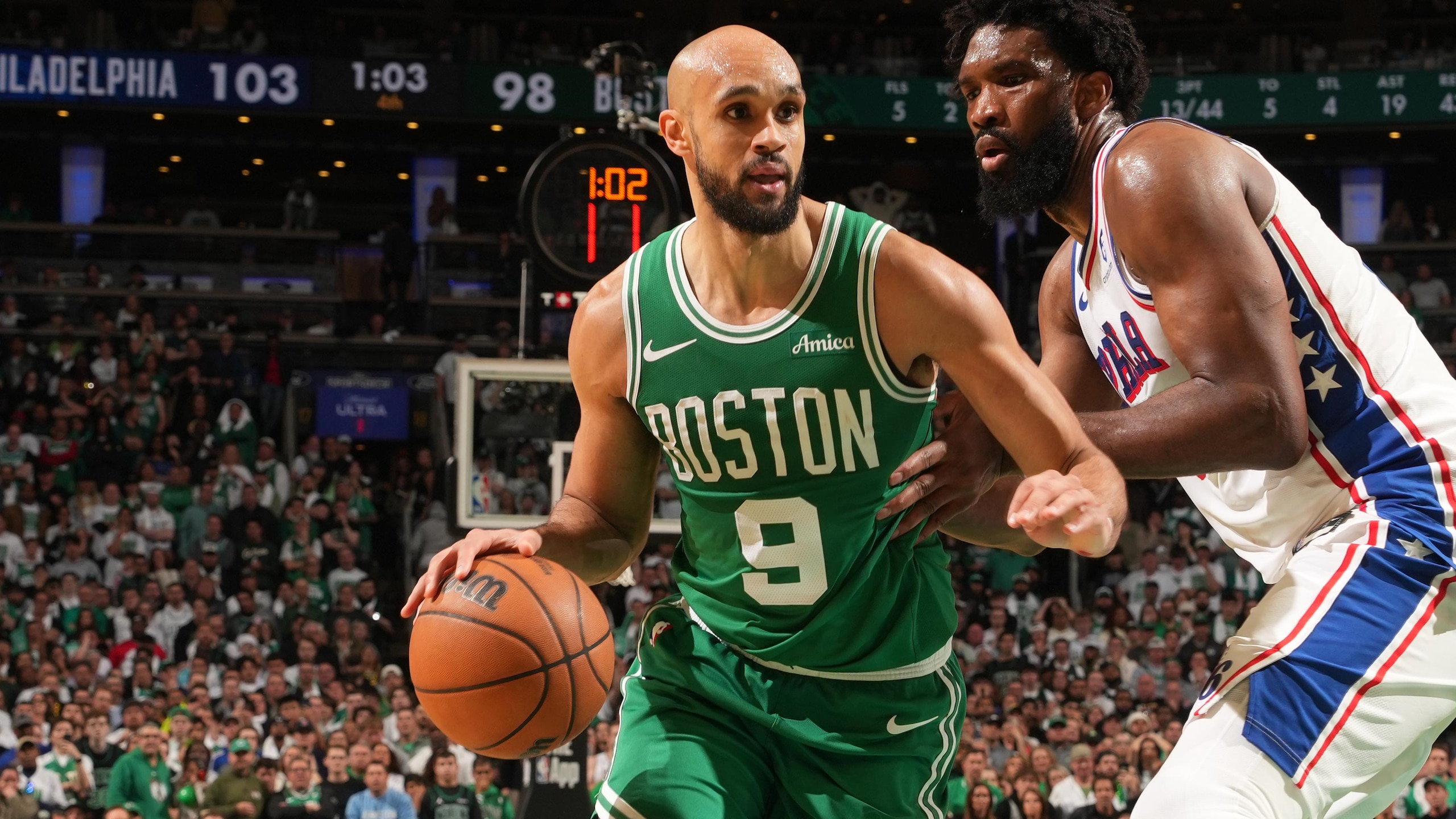
Plenty of players that signed extensions—Jordan Walsh, Ron Harper Jr., Neemias Queta—will be out to show they're worth the raises that'll kick in down the line, and Boston Celtics centerpiece Jayson Tatum must also verify he's all the way past his torn Achilles.
But Derrick White occupies a fascinating spot for a couple of reasons. First and most obviously, he has to prove last year's three-point swoon was a fluke. He shot at least 38.1 percent from deep in each of the previous three seasons but fell all the way to 32.7 percent last year and 27.3 percent in the playoffs, becoming a genuine liability on offense.
Secondly, White is and always has been an analytics darling. For a Celtics team that just dealt away Jaylen Brown partly because the same numbers that love White are far less fond of Brown, White needs to play well enough to validate the stats for the skeptics.
Brooklyn Nets: Every 2025 First-Rounder
3 of 30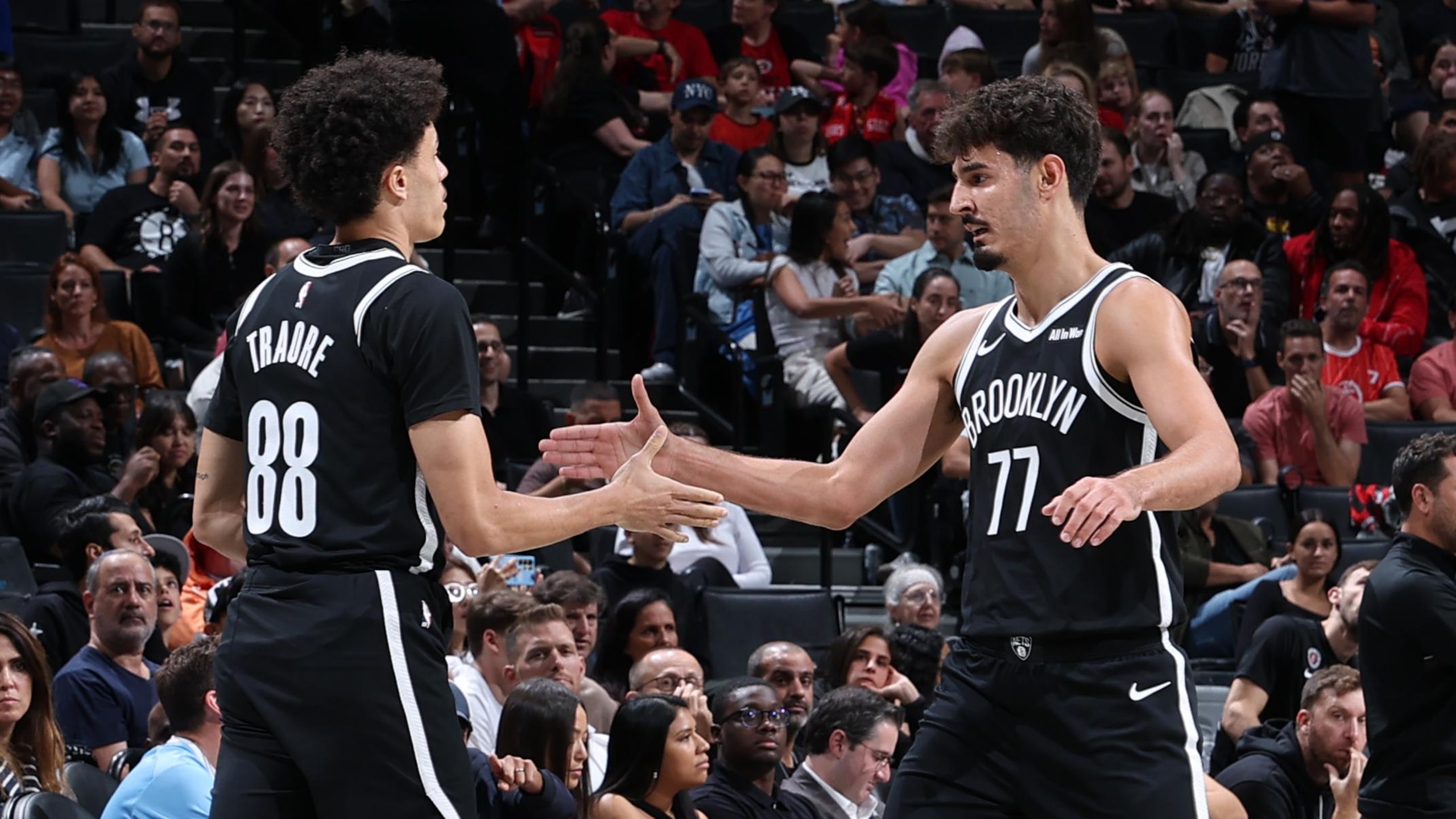
Egor Dëmin is the likeliest of Brooklyn's 2025 selections to make good on his potential. He proved he could stripe it from deep and make the right connective passes last season, and his Summer League performance showed he'd added new dimensions as an attacker and inside-the-arc finisher.
To put it charitably, the jury is still out on the rest of Brooklyn's first-rounders. Nolan Traroré, Drake Powell, Ben Saraf and Danny Wolf are all in line for pivotal second seasons.
You don't make final determinations on sophomores, especially when their developmental paths are complicated by so much positional overlap. But Brooklyn needs to see something promising from at least one of these guys to validate its controversial approach of making (and keeping) five first-round selections in the 2025 draft.
Charlotte Hornets: Brandon Miller
4 of 30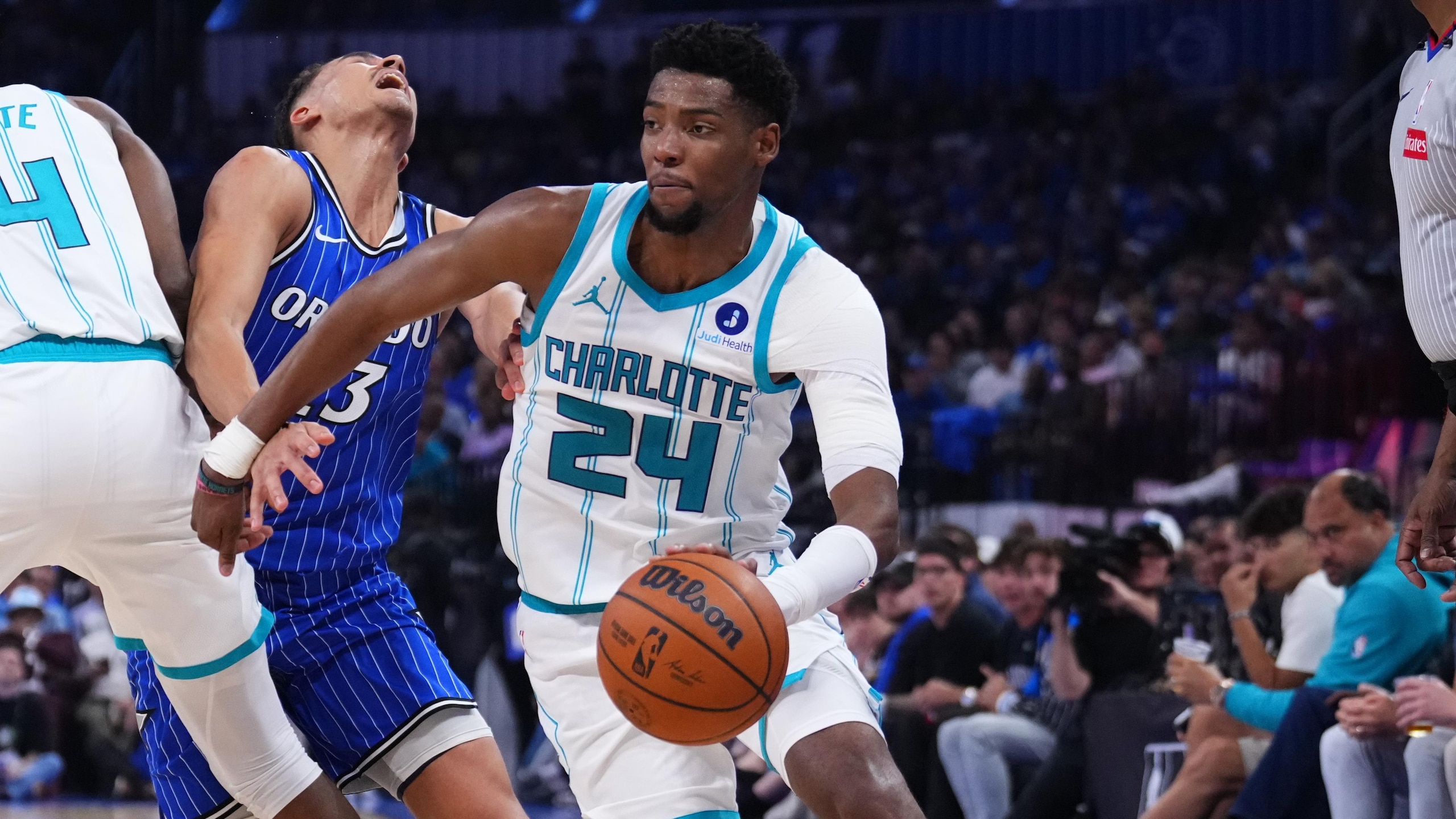
The LaMelo Ball trade moved Brandon Miller up at least one spot in the Charlotte Hornets' pecking order, perhaps even positioning the 23-year-old wing to take over alpha status.
Ahead of restricted free agency in the summer of 2027 and in the wake of a career defined as much by frustrating injuries as obvious star potential, Miller enters this season as one of the biggest swing players in the entire league.
If he improves on last year's 20.2 points and 38.3 percent shooting from deep while upping his own facilitation numbers and, most importantly, proving he can generate his own shots without Ball's setups, he'll establish himself as the guy around whom Charlotte can build.
A shakier performance could reveal the Ball trade as a mistake and leave Charlotte without a clear direction.
Chicago Bulls: Rob Dillingham
5 of 30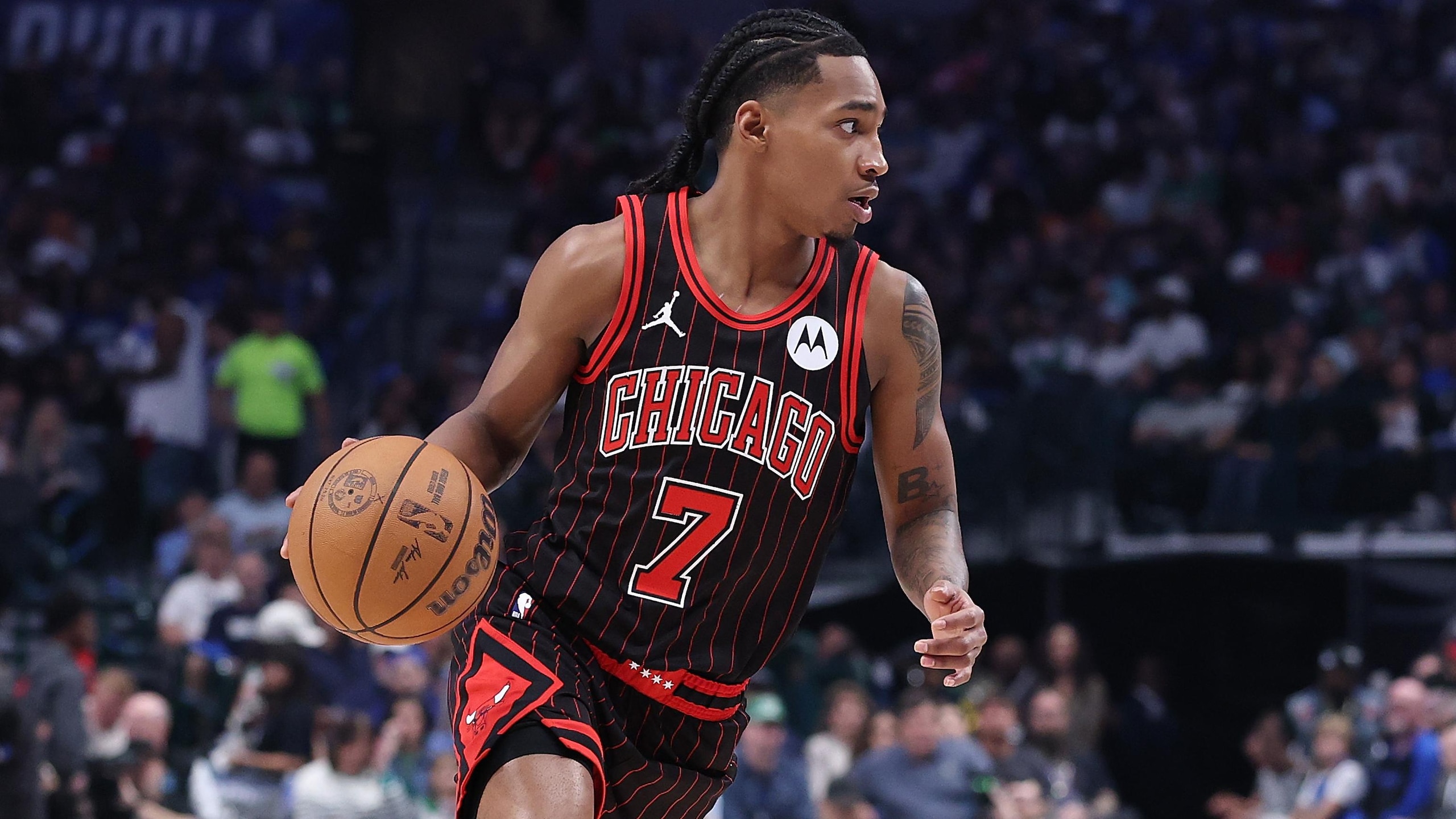
Already on his second team after just two years of pro ball, Rob Dillingham clearly failed to show he was worthy of the trade package the Minnesota Timberwolves originally sent out to get him. If he can't make some progress in his third season, now with the Chicago Bulls, the quick-twitch point guard could be in danger of falling out of the league entirely.
It's rare for a top-10 pick to fizzle quite so quickly, but Kris Dunn, picked fifth by Chicago in 2016, nearly suffered that fate. He salvaged his career by becoming a lockdown defender, a facet Dillingham lacks.
So in order for 2024's No. 8 pick to avoid irrelevance, he'll need to show he can score at league-average efficiency, which he hasn't so far, and generate a few shots for teammates. On a Bulls team that has at least three capable ball-handlers ahead of him in the rotation, Dillingham faces an uphill climb.
Cleveland Cavaliers: Evan Mobley
6 of 30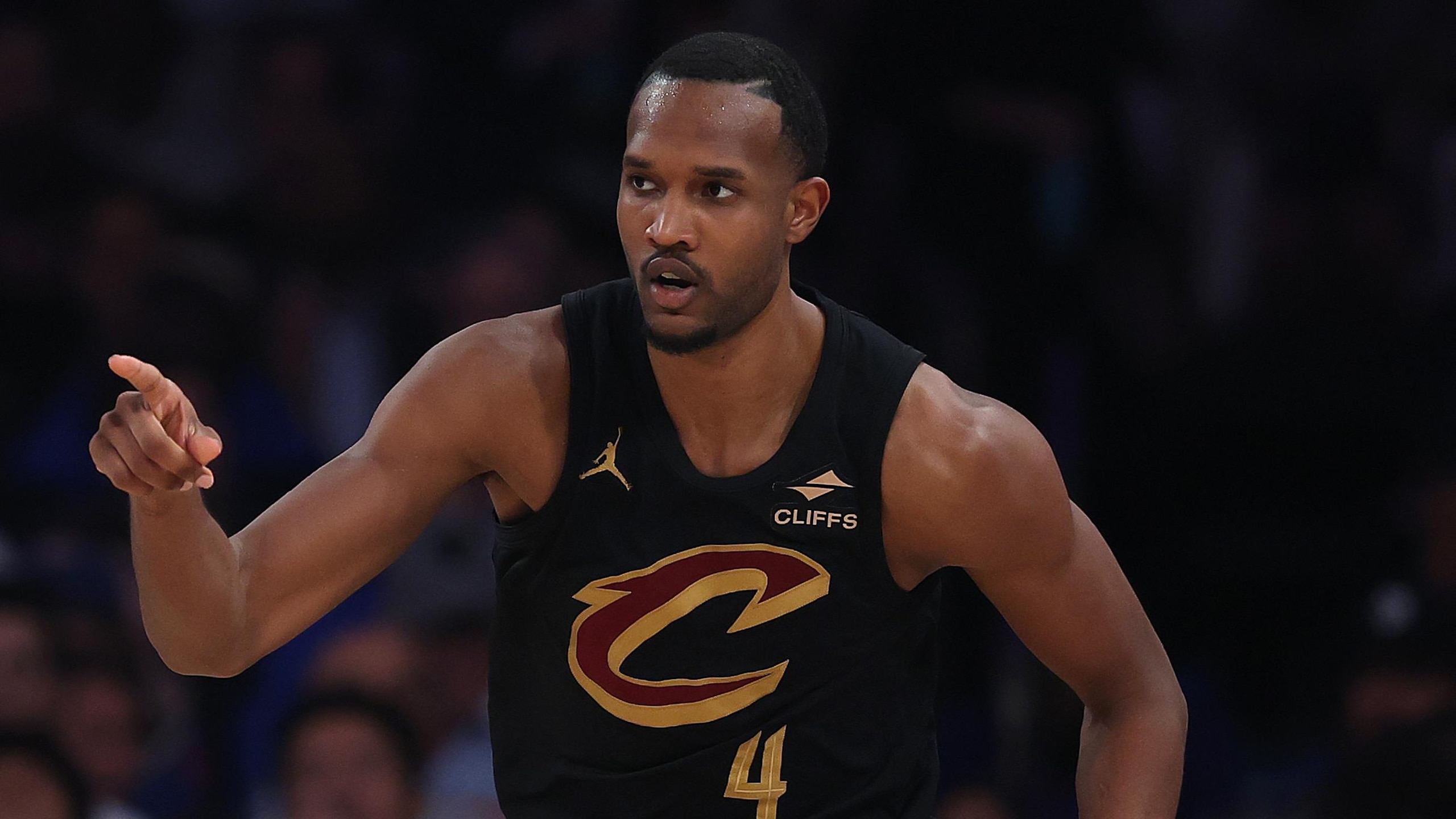
Evan Mobley is easily one of the best players we'll highlight here, but even the league's top talents have questions to answer.
Mobley enters the second season of his five-year, 30-percent max contract coming off what, for him, was a disappointing effort. The 37.0 percent accuracy from deep he showed in 2024-25 abandoned him, his defense slipped from his all-world standards and his free-throw shooting cratered to a career-worst 60.6 percent.
An All-Star, an All-NBA second-teamer and the Defensive Player of the Year in his fourth season, Mobley collected no hardware in his fifth.
Obviously, a player with as many awards and accolades as Mobley has earned in his early career has already proved plenty. But for the Cleveland Cavaliers to get where they want to go, he still has to prove he's a perennial All-NBA, All-Defense superstar worthy of his salary.
Dallas Mavericks: Zaccharie Risacher
7 of 30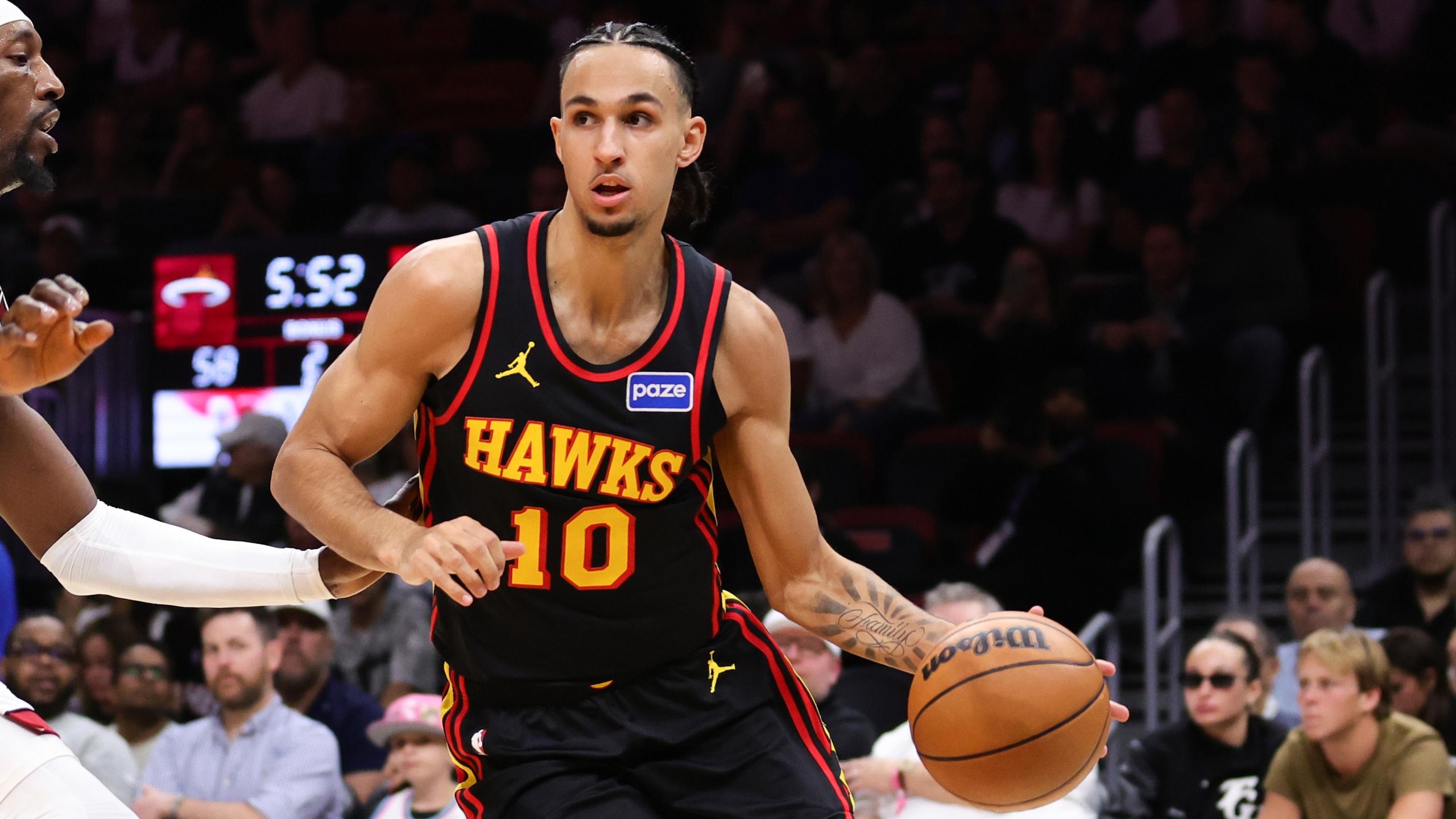
The Hawks gave up on Zaccharie Risacher after just two seasons, sending the 21-year-old to the Dallas Mavericks in a package whose main return was Lu Dort.
That's not the kind of haul you'd expect for a guy picked first overall in 2024, but Risacher had fallen out of Atlanta's rotation and apparently hadn't shown enough signs of progress to inspire patience.
In fairness, he wasn't a typical No. 1 pick. Virtually nobody saw a star ceiling for him.
In Dallas, he'll get a fresh start and perhaps face less pressure as he tries to establish himself as a rotation piece. Given his youth, Risacher could still project as a plus starter in his prime.
That may seem like a modest goal, but one team already decided he wasn't going to achieve it.
Denver Nuggets: Christian Braun
8 of 30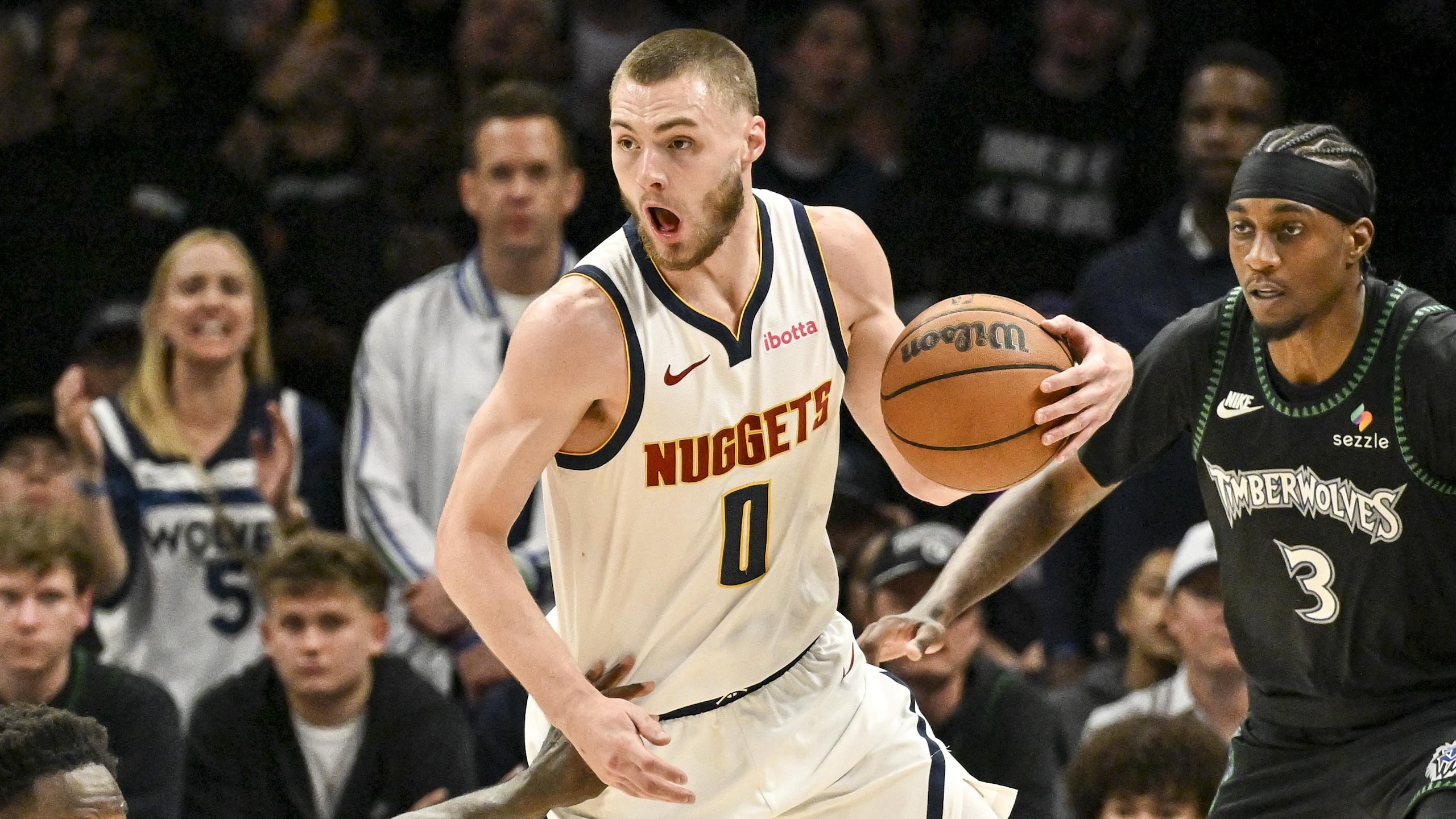
Is Christian Braun the guy whose defense, transition scoring and spot-up shooting convinced the Denver Nuggets he was worth a five-year, $125 million extension? Or is he the guy we saw last year—the one who regressed in virtually every area during an injury-plagued campaign that now has him looking like one of the most overpaid guards in the sport?
It's not necessarily fair to Braun that he's being judged against a contract that most agreed was a slight overpay at the time he signed it, but last season came nowhere close to justifying the cost or even confirming the 25-year-old is a deserving starter.
It's also no fault of Braun's that his deal is the one teammate and restricted free agent Peyton Watson is using as a floor for his own negotiations this offseason.
It's pretty simple in the end: First-unit guards who don't create their own shots can't hit just 30.1 percent from deep while handing out only 2.7 assists.
That's what Braun did last year. He has to be significantly better than that in 2026-27.
Detroit Pistons: Ausar Thompson
9 of 30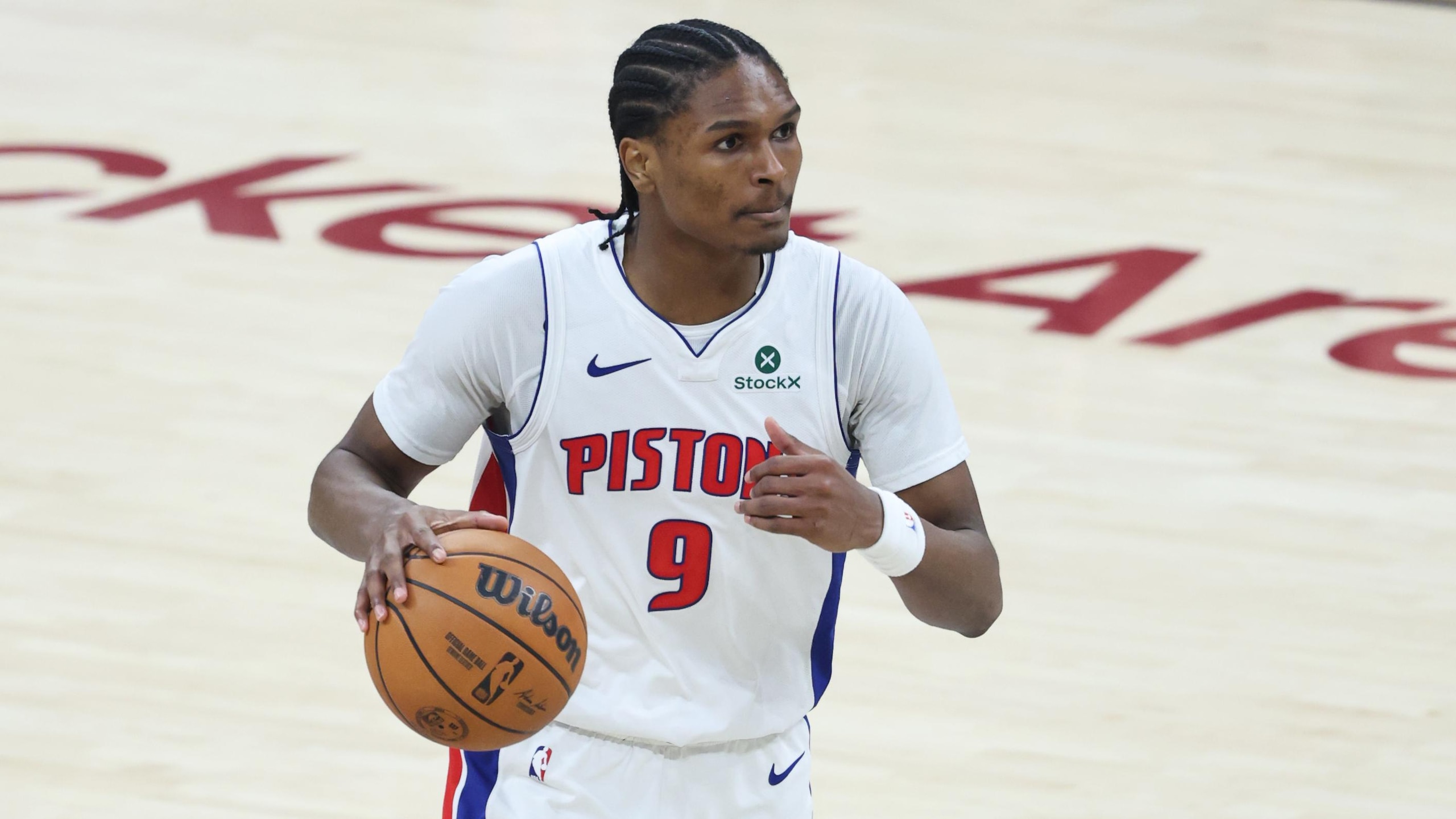
Jalen Duren is the easy pick here after his postseason disappearing act and subsequently fraught (and ongoing) negotiations in restricted free agency, but it's actually Ausar Thompson who comes with more critical question marks.
Thompson's inability to create shots for others or hit them from the perimeter is a crippling limitation for the Detroit Pistons' roster-building efforts. The Pistons rightly believe in his defense, hustle and rebounding, but Thompson's shortcomings are why it's so difficult for them to get enough ball-handling and spacing on the court.
If Thompson could help in either area, which isn't a big ask for players on the wing, Detroit wouldn't be so dependent on Daniss Jenkins, the only player on the team besides Cade Cunningham capable of dribbling the basketball without issue.
Moreover, the Pistons wouldn't have to employ so many one-dimensional shooting specialists—Duncan Robinson, Kevin Huerter, Gary Harris, Taurean Prince, Isiah Joe—if Thompson could be even a mild threat from the perimeter.
A career 20.4 percent accuracy rate from deep and a 2.5-to-1.4 assist-to-turnover mark simply aren't good enough, no matter how much havoc Thompson causes on D. He has to show growth on offense, or the Pistons will have to low-ball him in extension talks or move on completely.
Golden State Warriors: Brandin Podziemski
10 of 30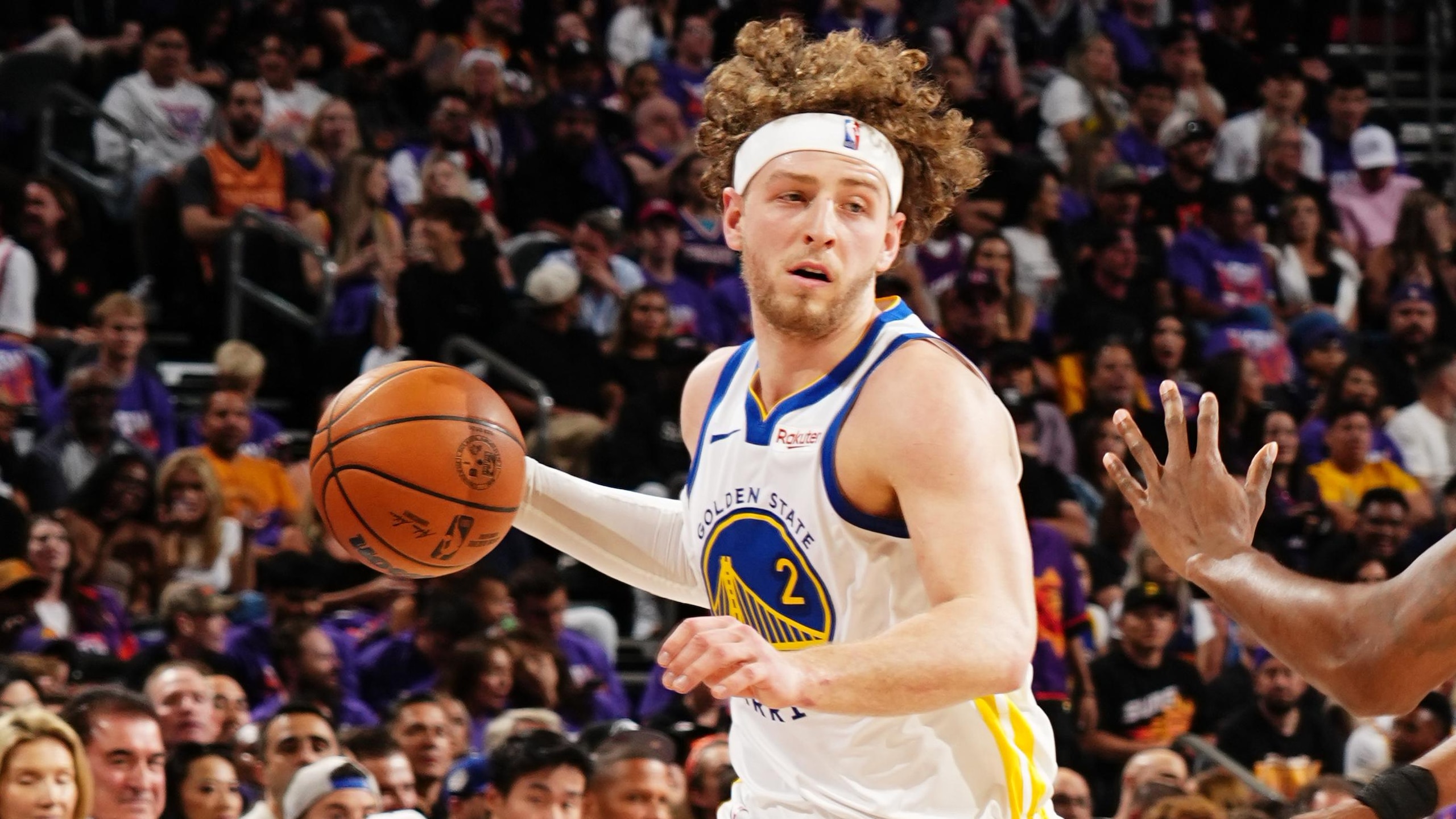
Brandin Podziemski has improved across his three NBA seasons, upping his usage rate and true shooting percentage every year and peaking at 20.1 and 58.3 percent, respectively, in 2025-26.
For a Golden State Warriors team in desperate need of shot-creators and self-sufficient scorers who can compromise defenses off the dribble, Podziemski has still fallen short.
It may be too much to ask of the athletically limited guard that he suddenly become a blow-by threat on the ball. Podziemski's relatively slow mechanics may never be suited to quick-trigger shooting on the bounce. But nobody else on Golden State's roster is any more capable of filling those voids than Podz, a very good young player who just happens to lack the few specific things his team needs most.
If he can't provide more of them in his fourth season, it'll be hard for him to feature as a key piece moving forward.
Houston Rockets: Amen Thompson
11 of 30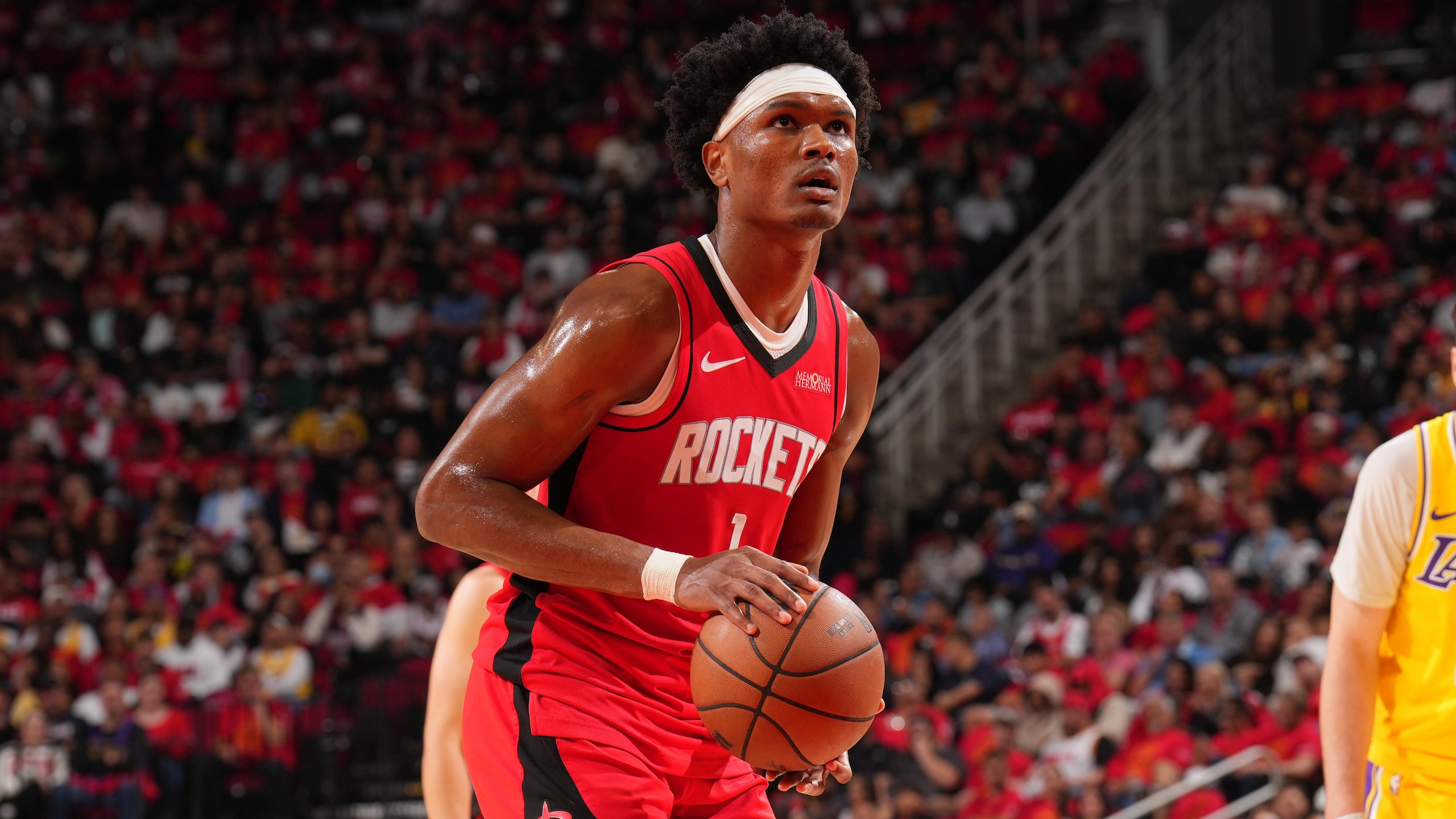
A lot of the same questions that attend twin brother Ausar come with Amen Thompson, but the difference between the two is that Amen may have signed a massive extension by the time you read this.
Whether or not he winds up getting $200 million from the Houston Rockets, Thompson will need to show he can shoot the ball from the outside or run an offense as a primary distributor. He's shown more of the latter than his brother, but not to the point that any team should feel comfortable handing him the keys.
An otherworldly athlete with two straight top-10 finishes in DPOY voting, Thompson is a career 21.9 percent three-point shooter from long range. And many of the Rockets' half-court offensive shortcomings owe to his inability to credibly run the show.
Think of it this way: If Thompson gets his big extension, he'll spend next season trying to live up to it. If he doesn't, he'll go into 2026-27 determined to show the Rockets made a mistake, and that the rest of the league needs to get in line to pay him as much as possible in restricted free agency.
Indiana Pacers: Tyrese Haliburton
12 of 30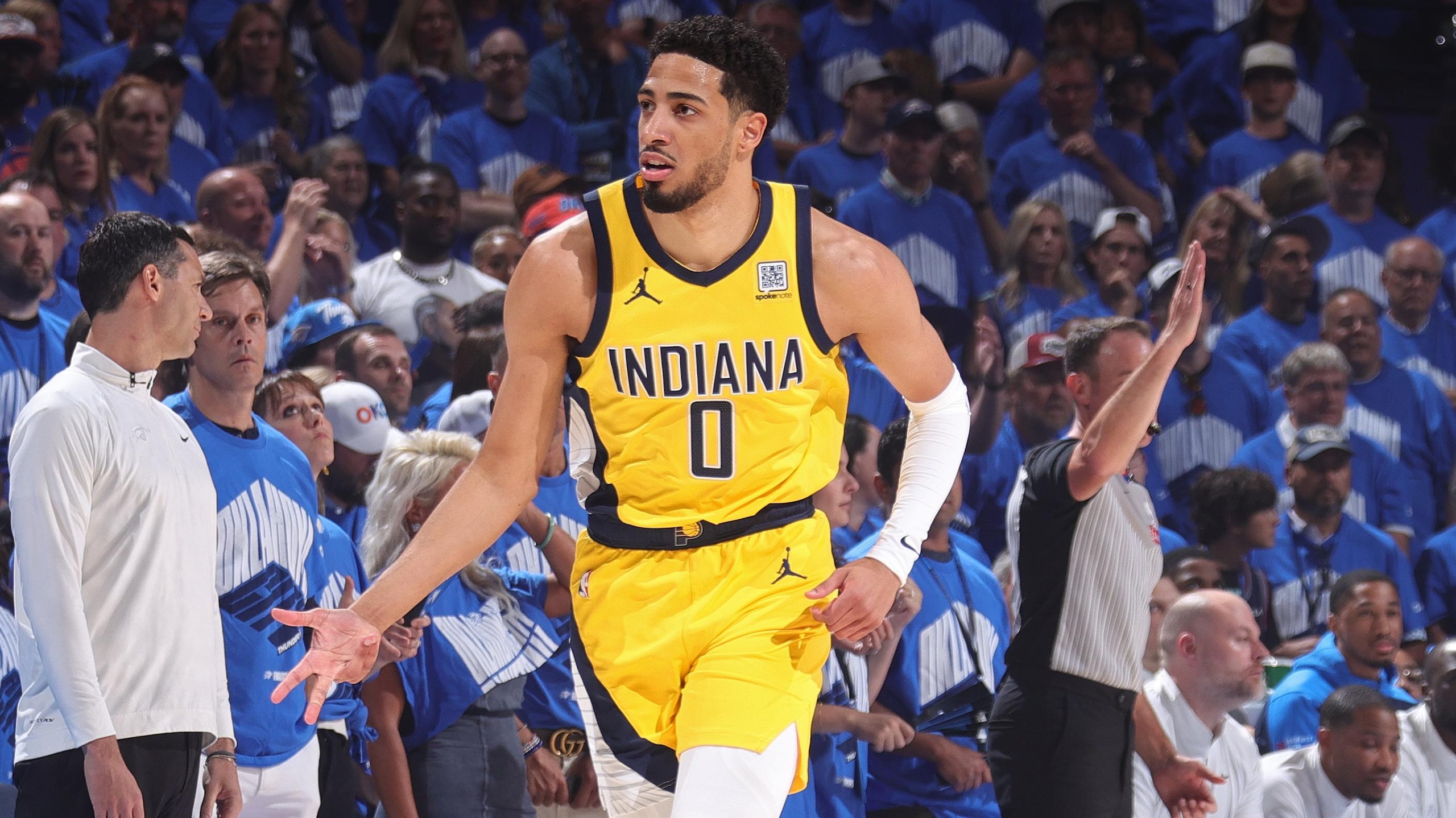
You wouldn't think a two-time All-NBA superstar who had already led his team to within a single win of a championship is all done proving himself, but Tyrese Haliburton's torn Achilles changed everything.
His career now features a distinct before-and-after dividing line, and what he does from now on will probably be harder than what he's done before.
The "after" portion of his career matters so much because Haliburton's Indiana Pacers spent his year on the shelf acting as if he would be the same elite driver of offense he was before the injury. You don't give up two future unprotected first-round picks for Ivica Zubac if you're rebuilding or hedging against Hali's full return to form. You make that trade expecting to pick up right where you left off when your best player was fully healthy.
We'll see if Haliburton's form justifies that belief.
LA Clippers: Darius Garland
13 of 30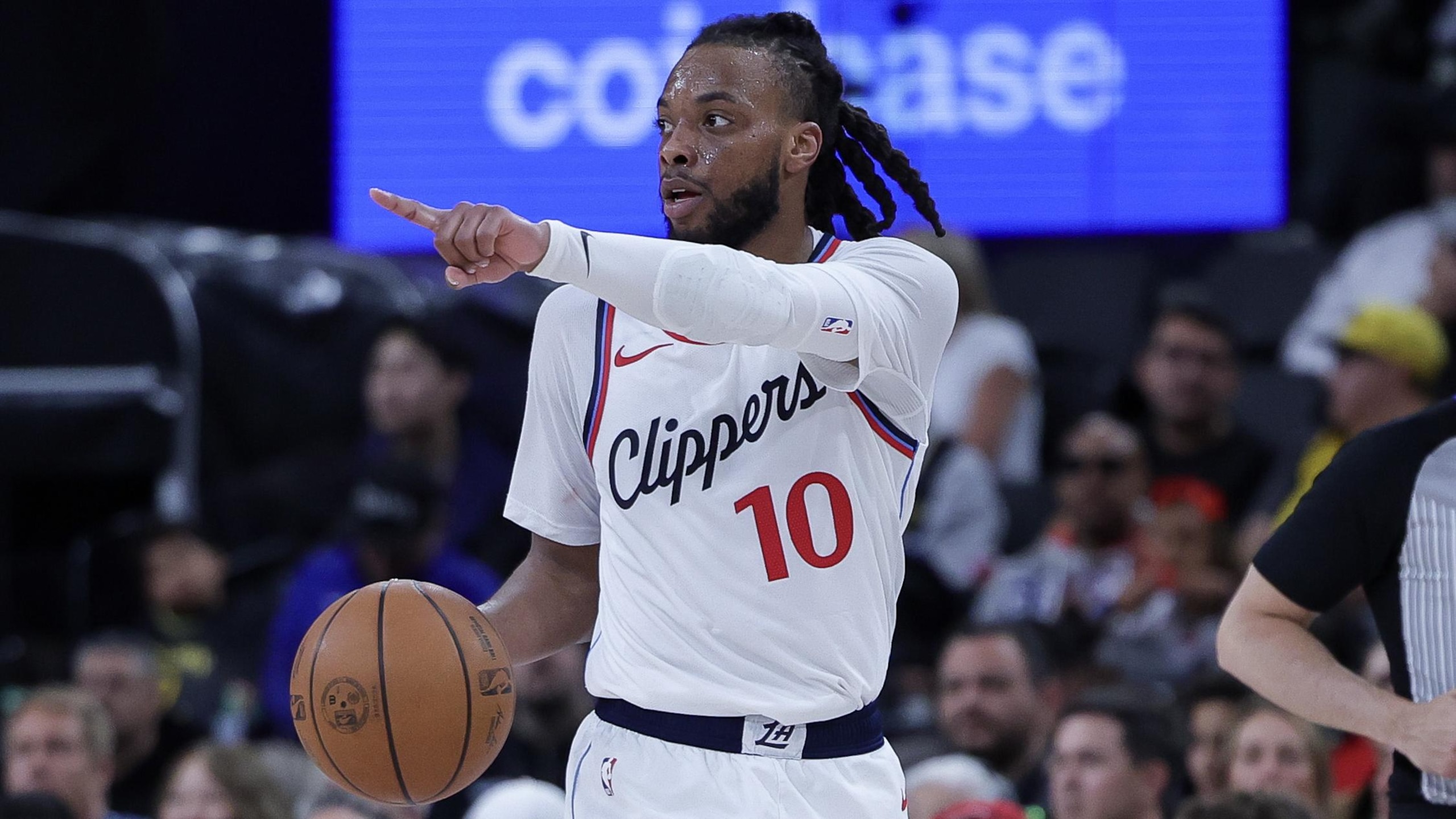
Darius Garland isn't in LA because the Clippers desperately wanted him.
From the Clips' side, the deal that onboarded Garland was more about getting rid of James Harden than anything else.
If the version of Garland that averaged 20.6 points and 6.7 assists while shooting 40.1 percent from long range in 2024-25 shows up, the Clips will be in fine shape. If the one that can't stay healthy and sometimes appears too small to credibly run a playoff offense appears, LA will be disappointed as Garland's stock sinks lower.
The good news is that Garland looked great in 19 games with the Clippers last year, hitting 43.8 percent of his triples and very much resembling an All-Star player. Maintain that form, and everybody wins—except maybe the Cavs.
Los Angeles Lakers: Luka Dončić
14 of 30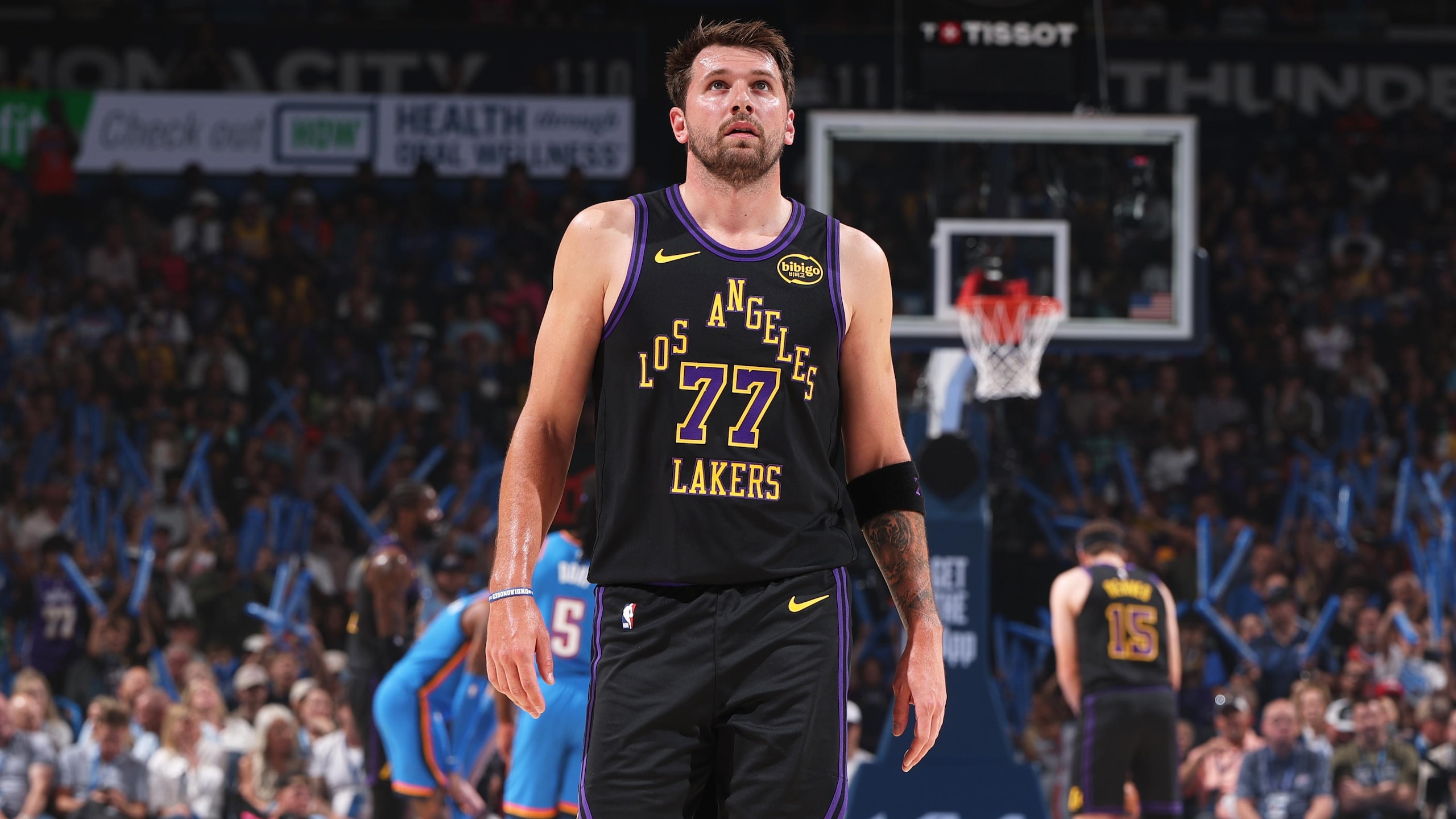
Walker Kessler and Austin Reaves need to justify their enormous new contracts, but there's no sense in starting anywhere but the top with the Los Angeles Lakers.
Luka Dončić is absolutely going to get his numbers. He's a great bet to average more points and free-throw attempts per game than anyone else in the league. Odds are, the Lakers' offense will be brilliant whenever he's on the floor.
But can he show up in shape? Can he avoid the injuries that have broken him down over the course of almost every season in his career? Can he deliver in the postseason against a Western Conference headlined by the Oklahoma City Thunder and San Antonio Spurs?
Can he win an MVP, something most would have already expected him to accomplish through eight seasons?
These aren't bars we'd ask almost any other player to clear, but the expectations attached to Dončić, the ones that led the Lakers to turn LeBron James away so they could build exclusively around him, the ones that led them to give up a laughably large trade package for Kessler, are of his own making.
When you've been this great for this long but haven't earned the league's top individual or team honor, you still have plenty to prove.
Memphis Grizzlies: Cam Boozer
15 of 30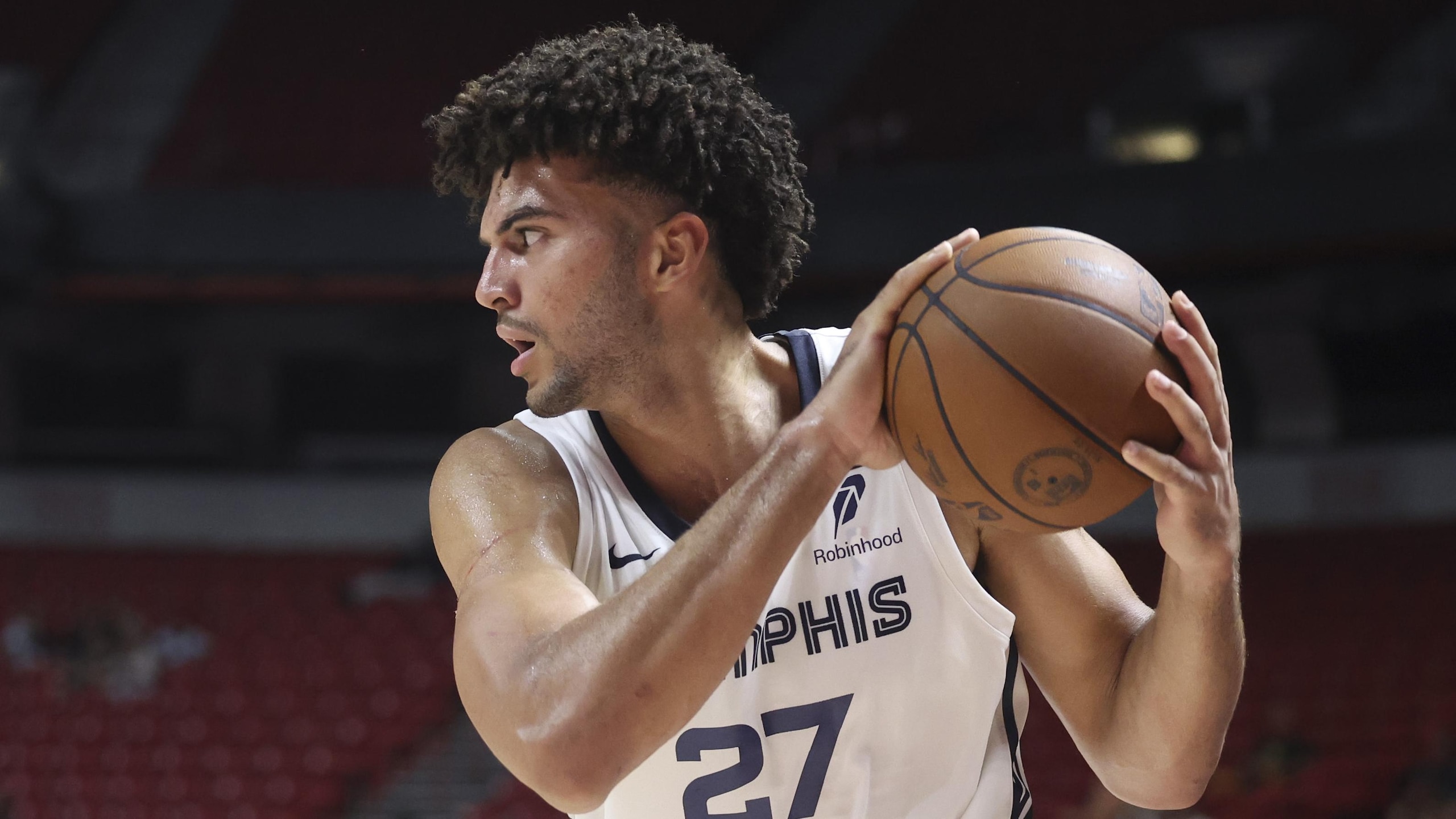
Nobody's going to make any sweeping proclamations about Cam Boozer's career based on his rookie season.
Well, probably not anyway.
There's a scenario where the lack of lift and quickness that overshadowed Boozer's elite statistical profile and college production manifest exactly the way his detractors imagined. In that hypothetical, he could look like a massive bust.
More likely, his court sense, passing creativity, shooting touch and generally excellent processing speed will overcome athletic limitations that might not be as bad as most doomsayers believe. Boozer has a far better shot to win Rookie of the Year than flop, but even his biggest supporters have to see the potential downside.
It's up to Boozer to prove his obvious strengths can more than offset his perceived weaknesses.
Miami Heat: Nikola Jović
16 of 30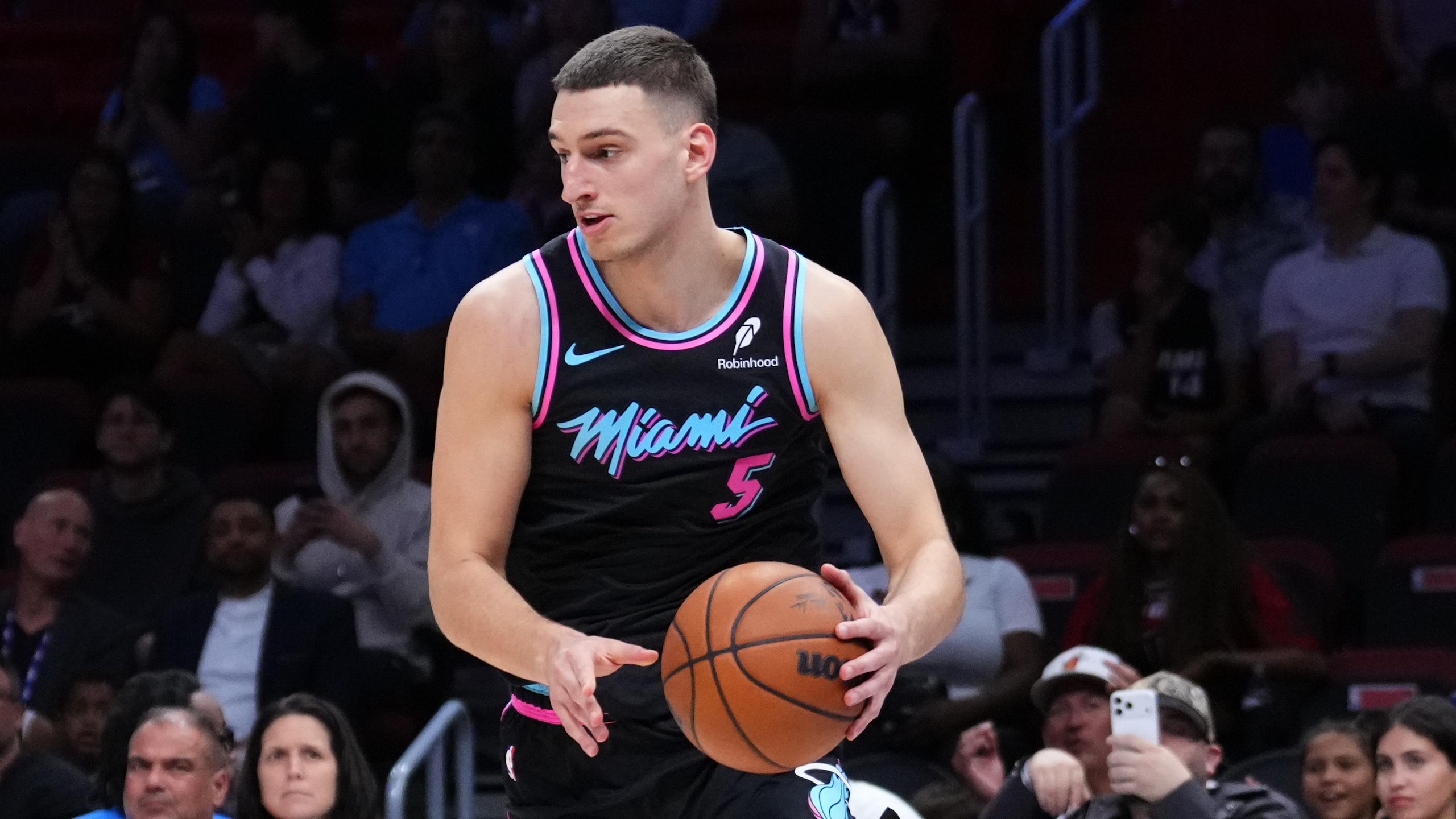
He may not get a chance to prove it with Giannis Antetokounmpo, Bam Adebayo and Bobby Portis all best utilized at power forward, but Nikola Jović needs to show he's worth the $62 million extension the Miami Heat handed him last summer.
The 23-year-old will be the Heat's fourth highest-paid player next season, but his career to this point has been marked by injuries and inconsistency. One of the main reasons Miami can't credibly fill out a roster around Giannis is because of the cash it has tied up in Jović.
We've seen signs from the 2022 first-rounder, like when he shot 39.9 percent from deep as a sophomore, and when he set a new career high with 10.7 points per game in 2024-25. Those are modest numbers to begin with, and they've meant less than you might think because Jović has never played more than 47 games in a season.
He needs to be healthier, more consistent and flat-out better than he's ever been. Otherwise, the Heat's struggle to build a supporting cast will only intensify.
Milwaukee Bucks: Tyler Herro
17 of 30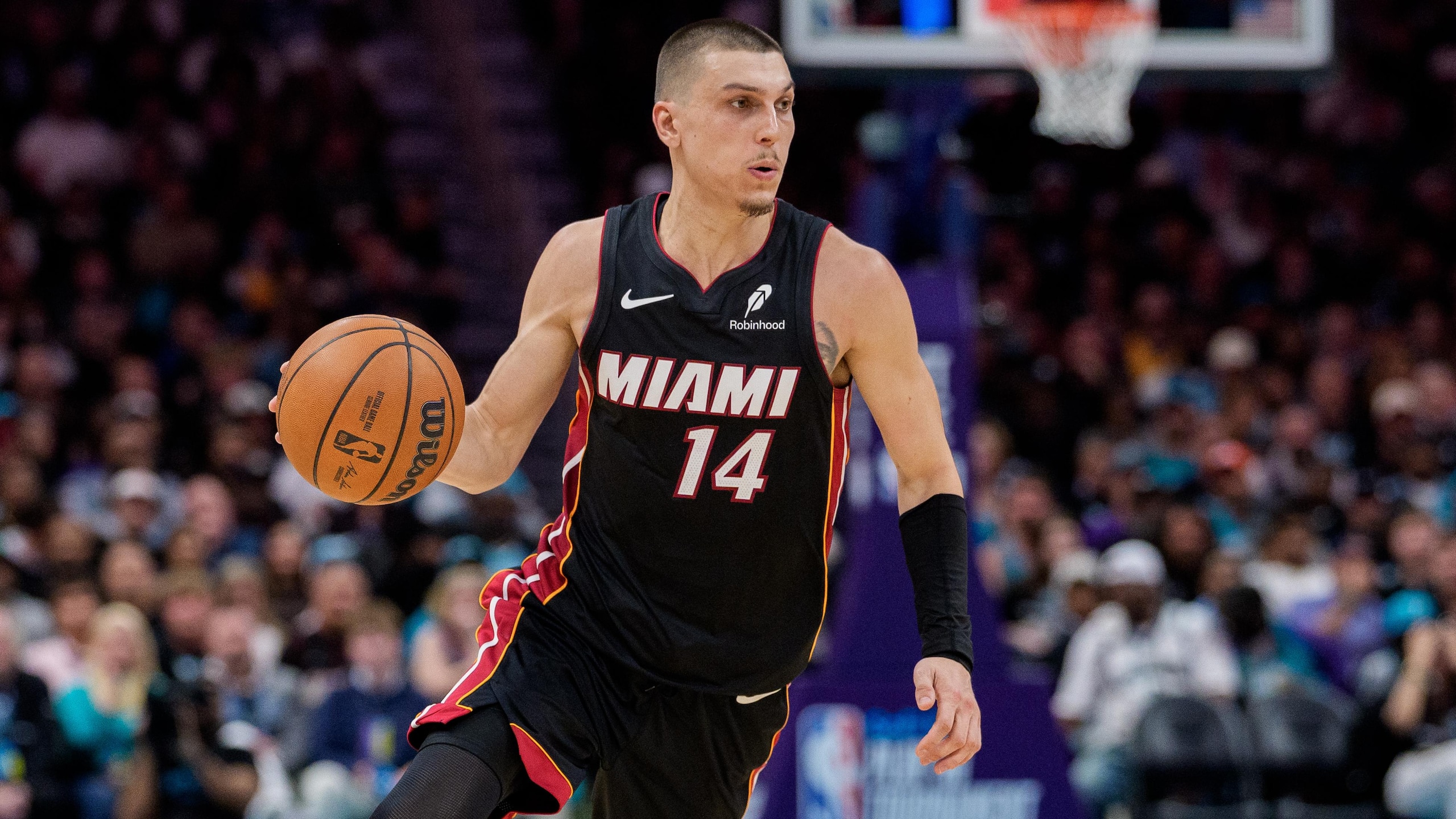
Several of the players coming aboard in the package the Milwaukee Bucks got for Giannis Antetokounmpo have to establish themselves in a new environment, but Tyler Herro is the highest paid and the only one headed for unrestricted free agency after the 2026-27 season.
An indisputably good offensive player who's averaged at least 20.1 points per game in each of the last five seasons, Herro may need to do more than get buckets to convince Milwaukee or any other team that he's worth another extension in line with the four-year, $120 million pact he signed in 2022.
A target for opposing offenses and a frequent presence on the injury list in two of the last three seasons, Herro must show he can provide enough two-way value and durability to justify another major contract.
It'll probably help that he's playing for his hometown team and should get all he can eat as Milwaukee's top scoring threat, but it's also pretty rare for players to improve when they leave Miami's professional and demanding atmosphere.
Minnesota Timberwolves: LaMelo Ball
18 of 30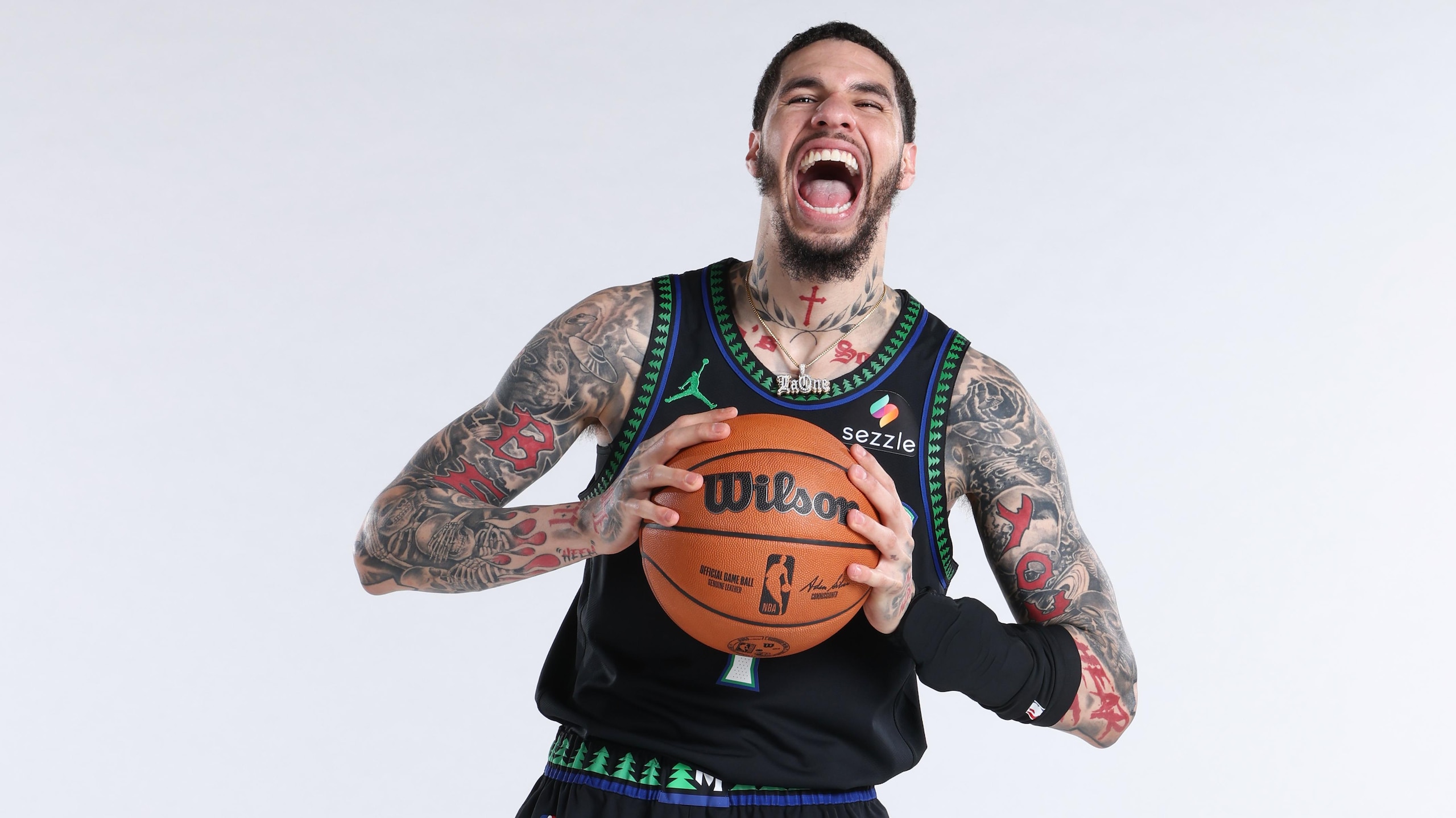
LaMelo Ball just had the most productive season of his career, leading the Hornets to their best record since 2015-16. Charlotte decided that was nowhere near good enough and traded Ball to the Minnesota Timberwolves in June.
Maybe Charlotte was worried about what an extension would cost. Perhaps it believed it was selling high on a player who'd logged 72 games after averaging just 35 the prior three years. It's possible the Hornets had concerns about Ball's character, leadership and general seriousness.
There are lots of ways to view the deal from Charlotte's perspective, but all of them stem from its belief that Ball is not a player around whom a great team can be constructed. It's not hard to imagine Ball or anyone in his position viewing that as a slap in the face and entering 2026-27 with extreme levels of "I'll show you" motivation.
He'll have every opportunity to prove the Hornets and his doubters wrong in Minnesota.
New Orleans Pelicans: Trey Murphy III
19 of 30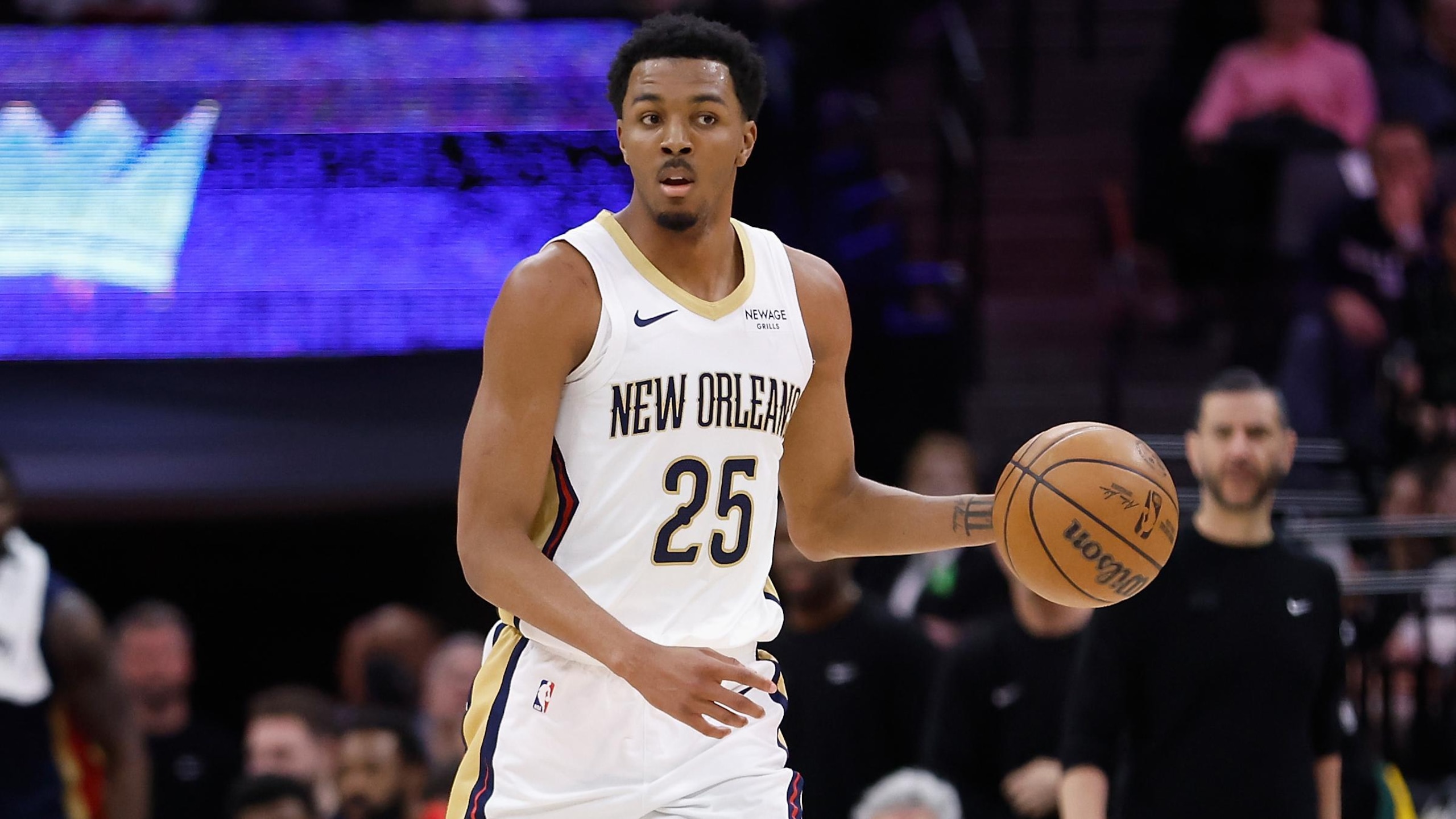
Trey Murphy III isn't the one turning down trade offers, but he'll be responsible for validating his team's staunch refusal to take back packages worth multiple first-round picks.
The New Orleans Pelicans said no to a deal from the Warriors that would have returned a pair of future firsts and reportedly want to keep Murphy around because they "hope to compete" in 2026-27. Considering New Orleans won just 26 games last year despite no incentive to tank (it traded its 2026 first-rounder to the Hawks) and unusually good health from Zion Williamson, it's hard to understand the organization's belief in itself.
Murphy is a good player on a below-market contract, but he's the kind of second or third option who makes more sense on a much better team. New Orleans would be far better served hoarding the picks and cost-controlled young players it could get for him.
Unless! Unless Murphy breaks out this year and proves he's too good to trade under almost any circumstances.
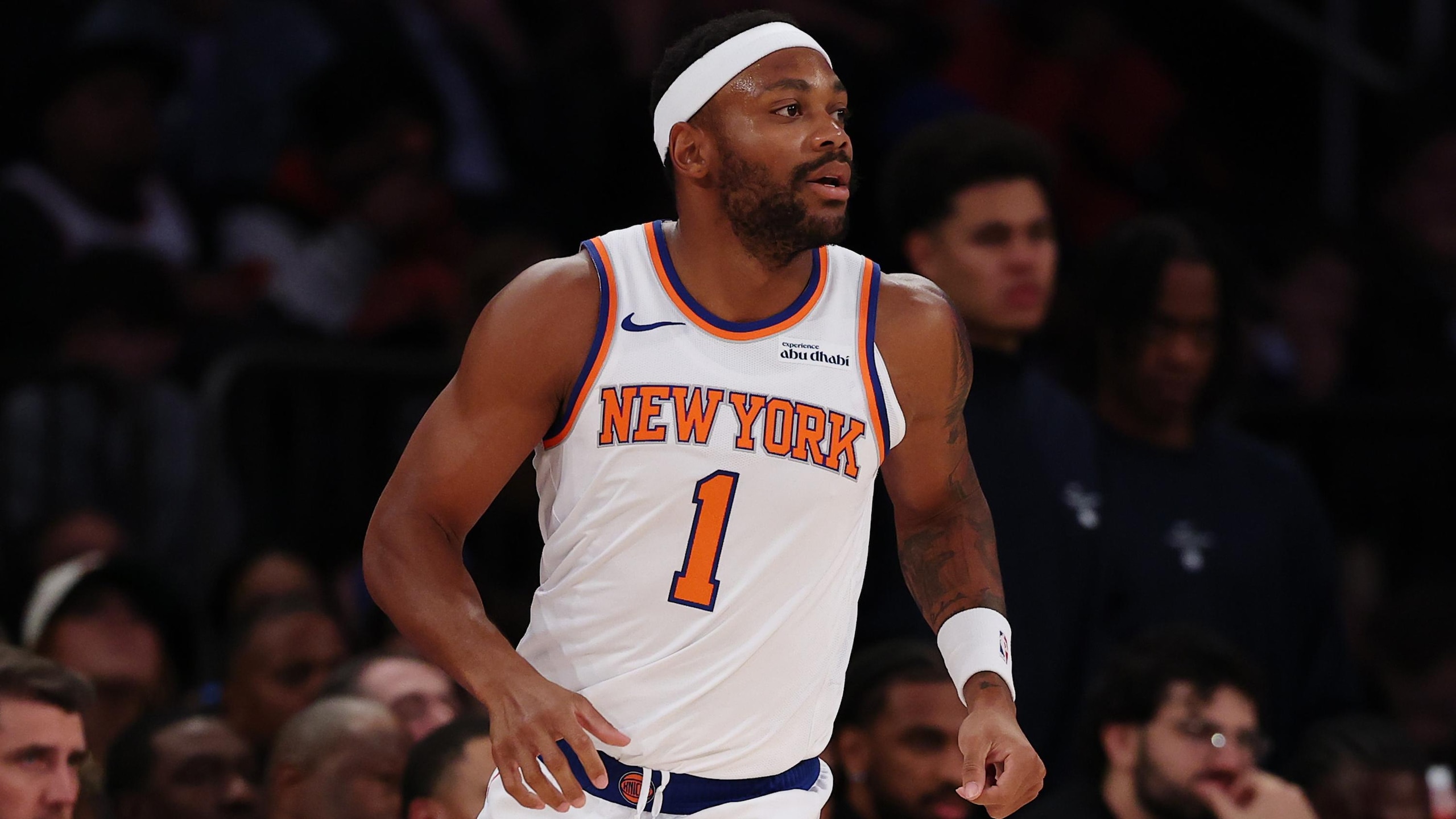
New York Knicks: Pacome Dadiet
20 of 30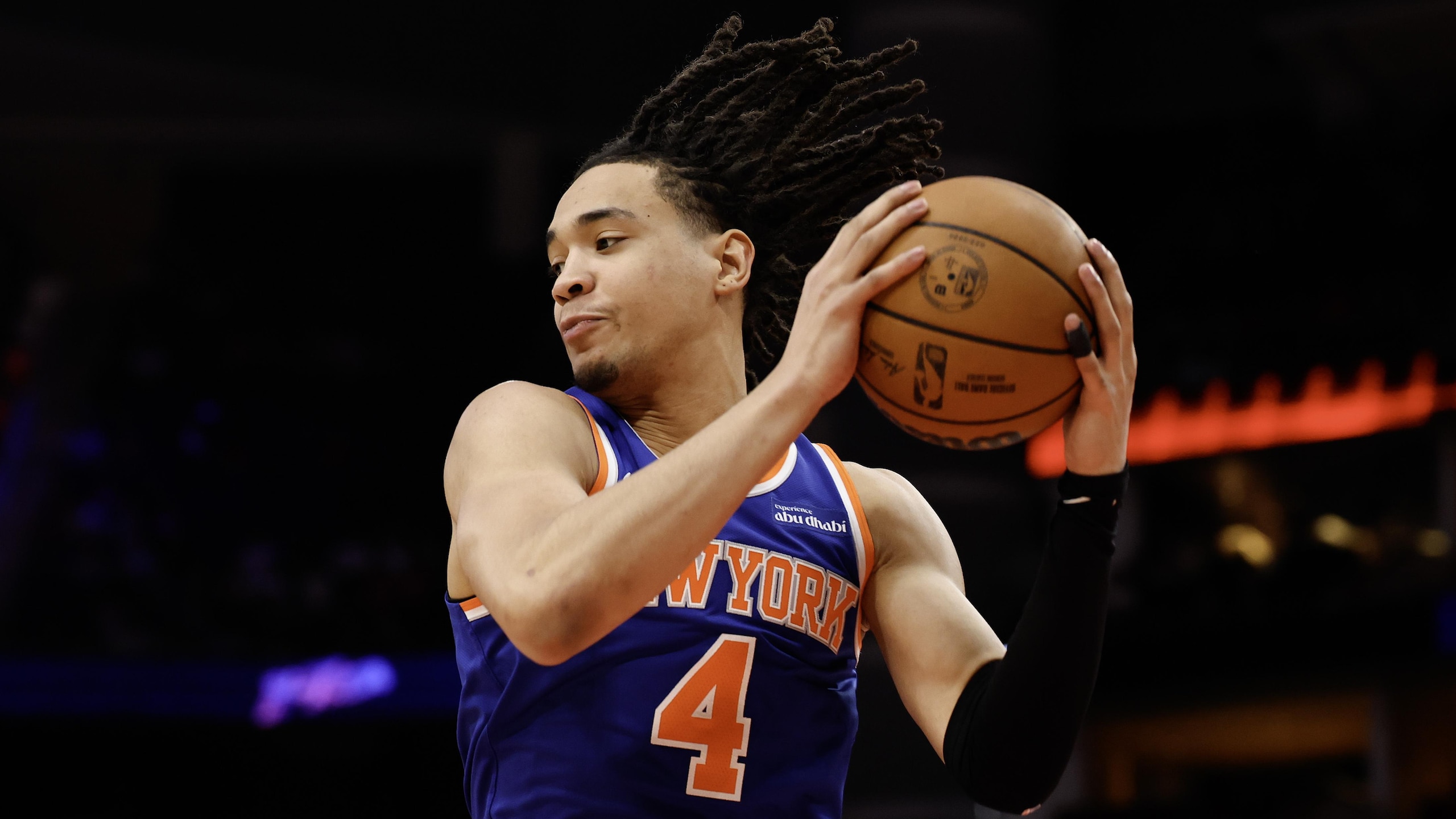
The defending champs know what they're going to get from their entire rotation, and it's not like the 32-year-old Andre Drummond, who'll replace Mitchell Robinson at backup center, is some mysterious commodity.
When you win the title, you've pretty much proved everything you can.
One player who didn't help much in that effort, though, and one who actually could fill a real need as a backup wing: Pacome Dadiet.
Picked 25th in 2024, Dadiet has only appeared in 47 games across two seasons. That's not necessarily surprising given the quality of the Knicks' experienced core, but it might be time for the 6'9" wing to show he's worth keeping around.
It's encouraging that Dadiet put up 23.1 points per game with Westchester last year, but he'll have to be more efficient while making some kind of defensive impact if he's going to carve out minutes with the big club. Fail to do so, and Dadiet could easily be off the team by the trade deadline.
Oklahoma City Thunder: Cason Wallace
21 of 30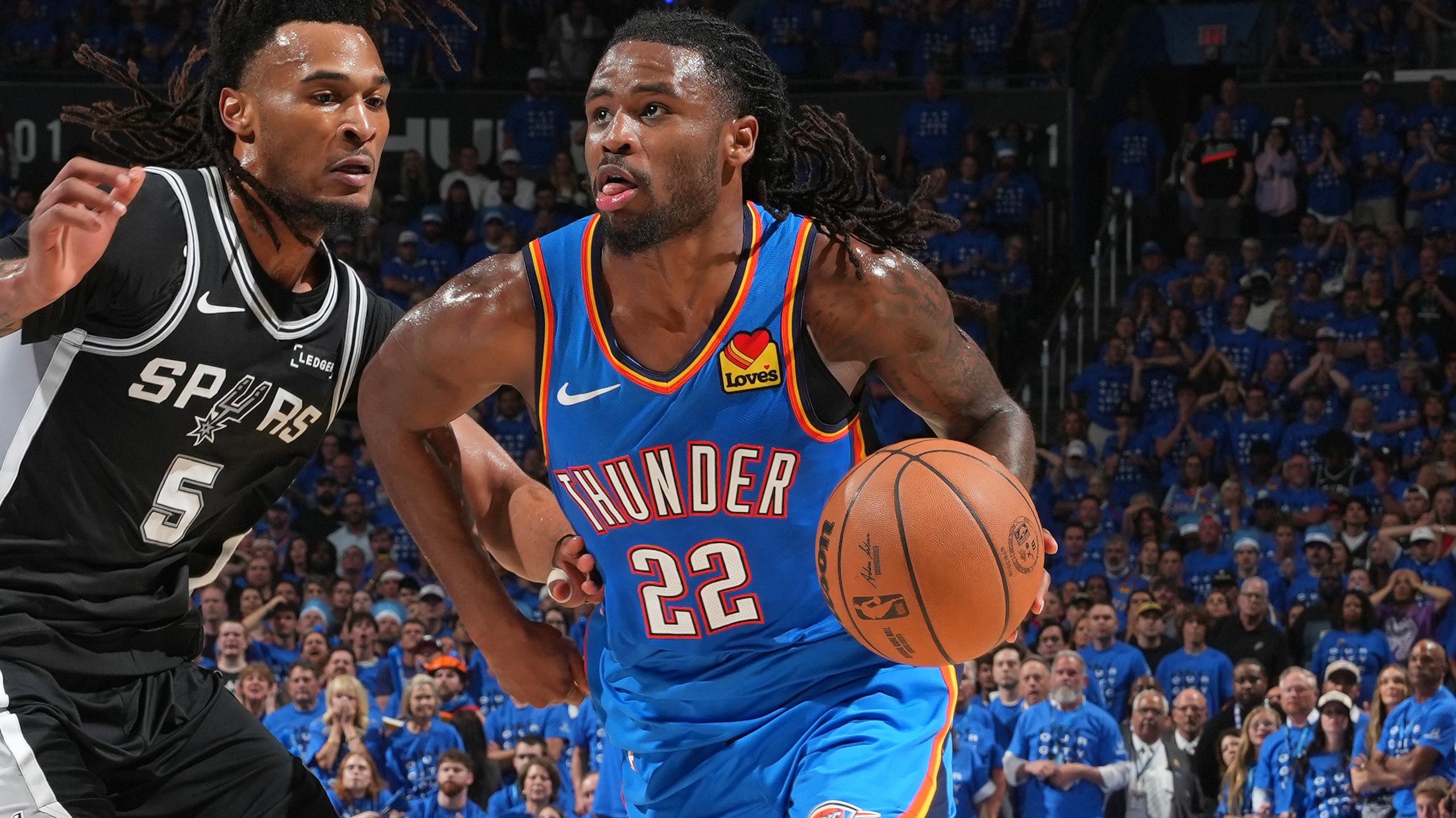
The Oklahoma City Thunder shipped out Lu Dort, Aaron Wiggins and Isaiah Joe because they needed to get their books in order. All that offseason cost-cutting will also result in a much larger role for Cason Wallace.
Heading into his fourth season, Wallace has already established himself as one of the best defensive guards in the league. Now, he'll need to prove he's got more to give on the other end of the floor.
That will involve channeling the 41.9 percent three-point shooting he flashed as a rookie in a very constrained role with a major step forward as a ball-handler and shot-creator. Though the presences of Shai Gilgeous-Alexander, Jalen Williams and Ajay Mitchell should mean Wallace is never the primary initiator, he'll certainly be asked to show his second-option chops more than ever before.
Already a championship-tested three-and-D starter, Wallace can use next season to spread his wings ahead of restricted free agency.
Orlando Magic: Paolo Banchero
22 of 30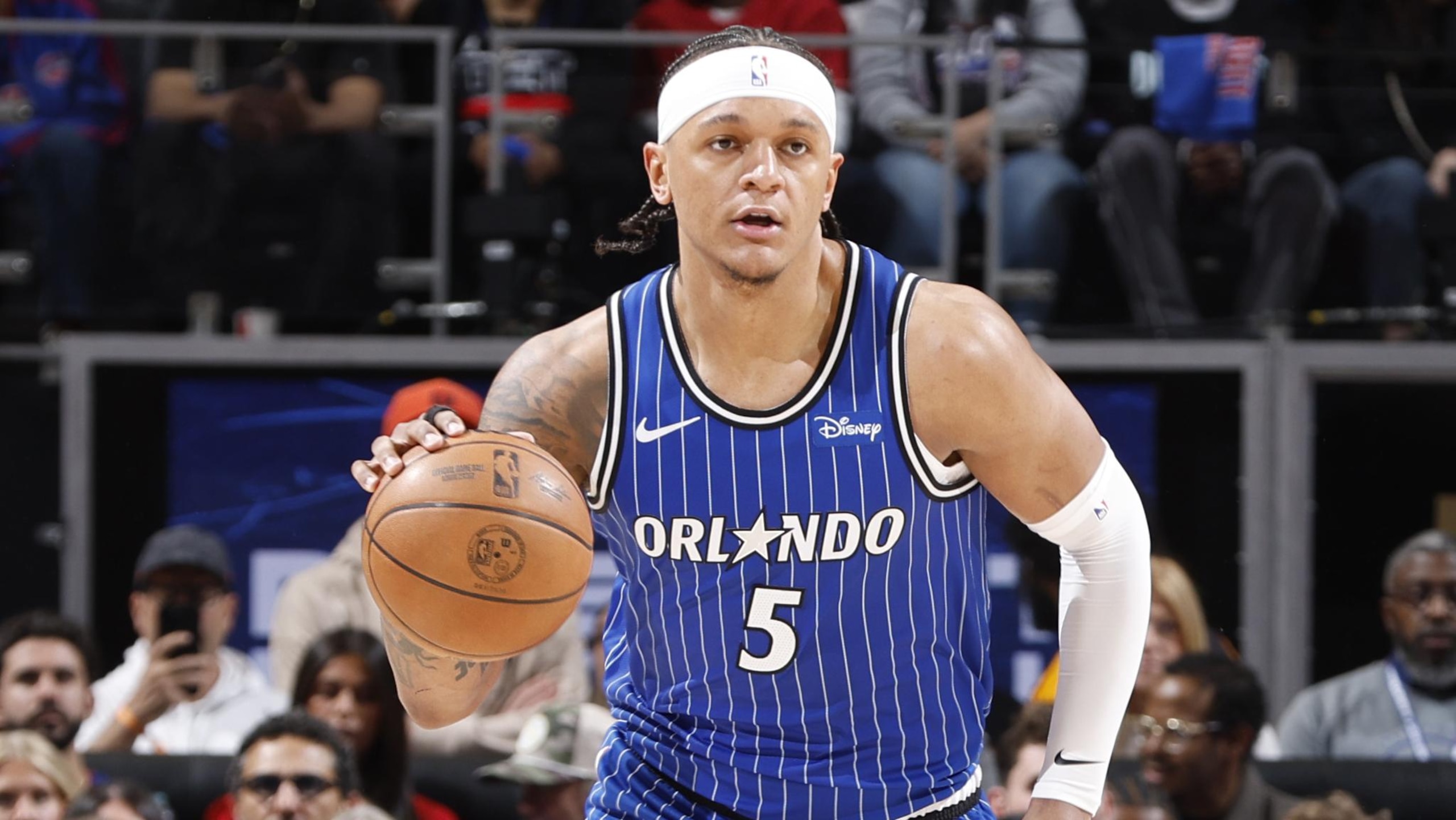
Coming off an impressive 2025 playoff run, Paolo Banchero secured a full five-year supermax extension with a player option on the fifth season, the kind of deal teams typically reserve for only the most certain of can't-miss stars.
At the time, it made sense. Now, after a down year that saw Banchero's poor outside shooting and ball-stopping tendencies intensify, that contract looks like a potential mistake.
The Orlando Magic brought in Desmond Bane to space the floor last summer, and they changed coaches earlier this offseason. If this very expensive squad can't take a major step forward with Banchero at the helm, it's pretty obvious which lever the front office would pull next.
Banchero needs to play like an All-NBA superstar, hitting threes and functioning in an offense that actually flows, all while leading the Magic to 50-plus wins. If he can't do that, big changes could be on the way.
Philadelphia 76ers: Jaylen Brown
23 of 30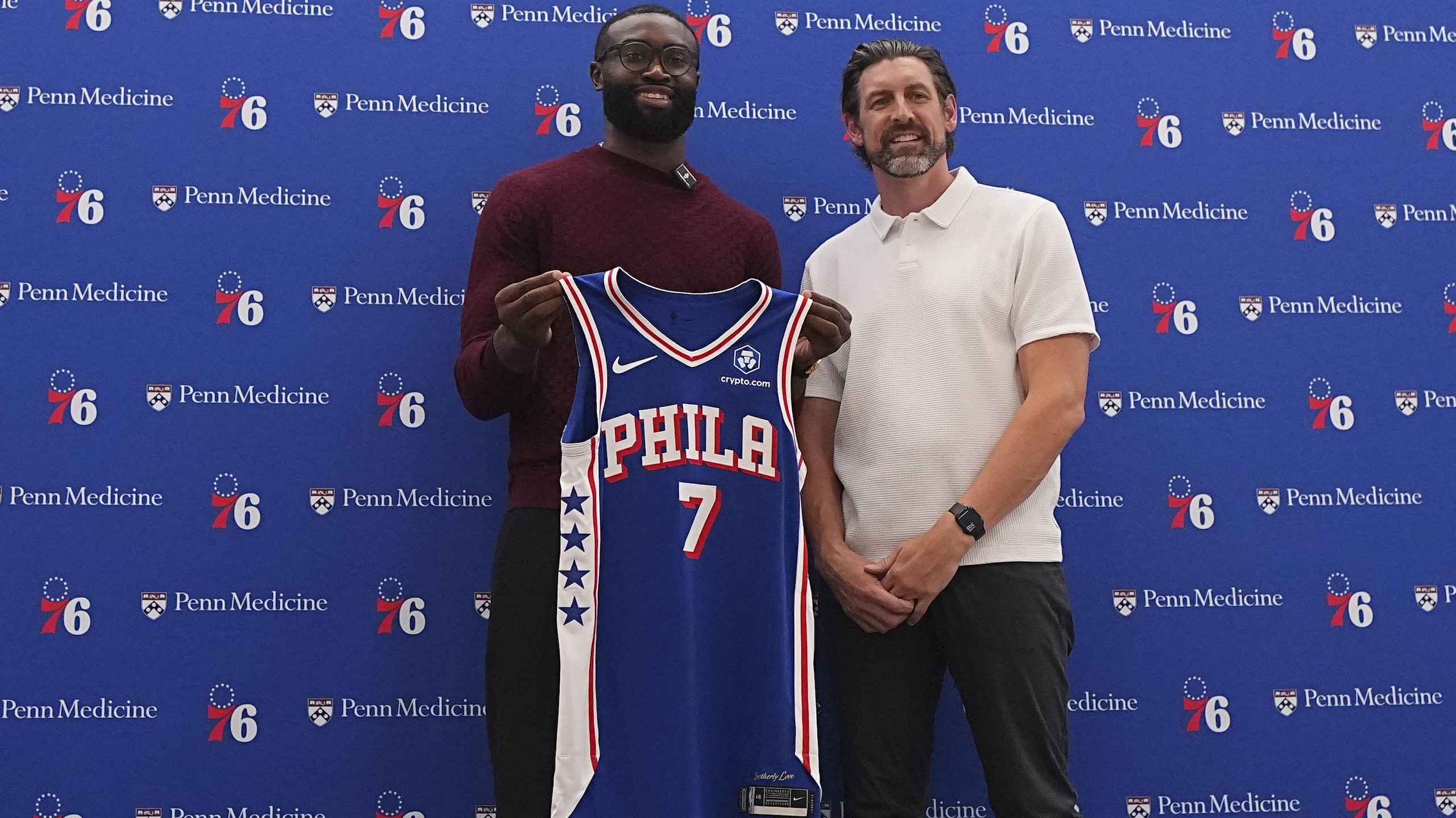
Jaylen Brown's actual value became one of the hottest topics in sports when the Celtics traded him to the Philadelphia 76ers for two first-round picks and Paul George.
Coming off a sixth-place finish in MVP voting and his second All-NBA nod, the five-time All-Star was suddenly being described by anonymous analytics staffers as "a seventh-best player on a team."
That particular take was ridiculous, but it encapsulated the idea that advanced analytics and on-off catch-alls didn't see Brown as anything close to a star.
If Brown is overrated, it's only in relation to his hefty salary, which will pay him an average of $62 million through 2028-29.
This is one of those situations where the regular season may not matter as much as the playoffs. Brown's believers (correctly) note that his skills as a tough-shot maker and individual wing defender matter most in the postseason. If he has a hand in getting Philadelphia to its first conference finals since 2001, Brown's detractors will have to quiet down.
Phoenix Suns: Khaman Maluach
24 of 30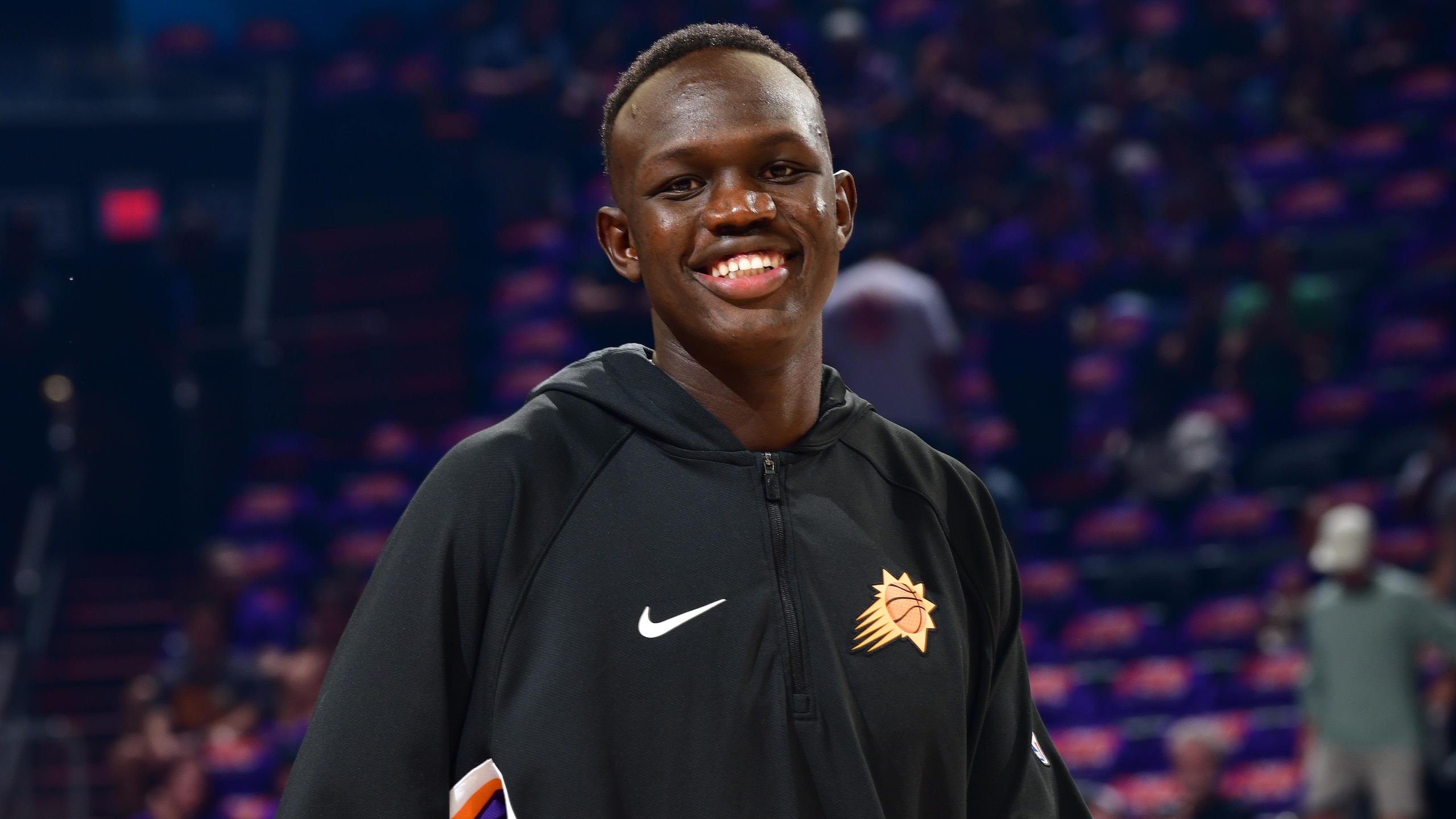
Just about everyone would be excited for the feel-good story of Khaman Maluach taking a leap in his second season. Of course, if the Phoenix Suns believed that was likely, they probably wouldn't have given Mark Williams a new three-year deal and presumptive starting job.
Maluach, a gregarious and charismatic presence whose work ethic endeared him to teammates as a rookie, showed real signs of growth in Summer League. He put up 19.5 points, 12.8 rebounds and 2.0 blocks per game while taking almost half of his field-goal attempts from long range. He hit eight of the 20 threes he shot.
Maluach barely played as a rookie and often looked overwhelmed in his limited minutes—not a shock for someone who picked up the game at 14 years old, but not encouraging for a No. 10 overall pick.
This season, Maluach has a chance to show he's a dominant defensive anchor and rebounder who can even space the floor on offense. If he does that, the Suns' future—inflexible, expensive and lacking draft picks—will get its first real bright spot.
Portland Trail Blazers: Ja Morant
25 of 30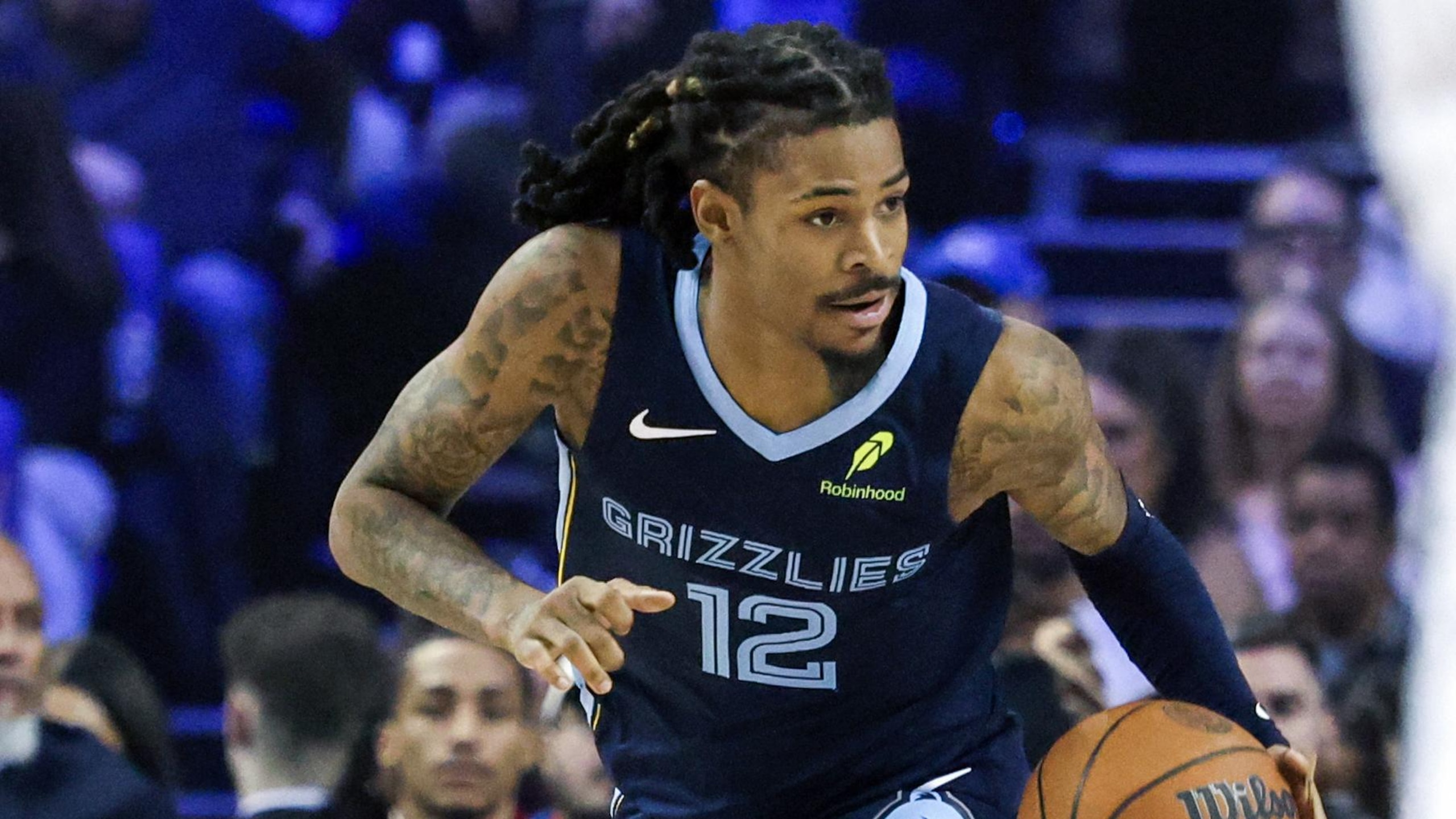
It's not often former MVP candidates who were once on the short list of potential face-of-the-league superstars get traded in the midst of what should be their primes. And it's even rarer when they're dealt for no draft compensation.
Ja Morant arrives in Portland with more to prove than almost anyone in the entire league. Though a glut of guards and a lack of spacing won't put him in optimal position to thrive, he has a shot to either resuscitate his career or confirm its demise.
To get things back on track, Morant must stay healthy enough to remain on the court and avoid the off-court distractions that have interrupted his momentum in recent years. He'll also need to recapture some of his athletic verve, reversing the downward trend in his dunk frequency and field-goal percentage around the rim.
If things don't change this season, what few Morant believers remain will have no choice but to give up on him ever returning to star status.
Sacramento Kings: Keegan Murray
26 of 30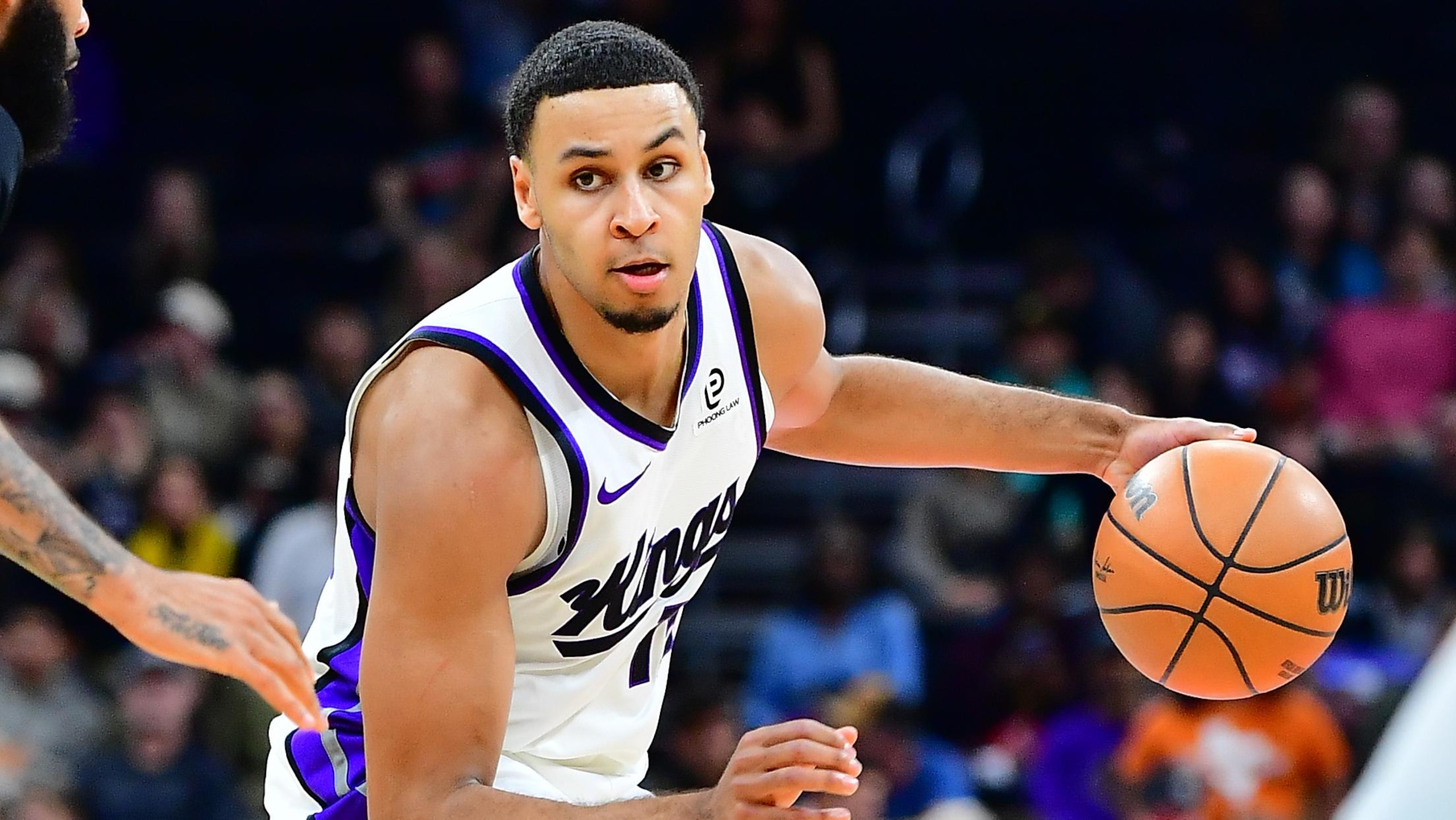
Keegan Murray is only just now starting the five-year, $140 million extension he signed in October of 2025, and it's a good thing he didn't wait until this offseason to secure it.
Murray is coming off the worst year of his career. He was healthy enough to play just 23 games, shot 42.0 percent from the field and only made 27.7 percent of his threes. His defense, once a calling card, slipped as well.
Availability aside, last season could have been viewed as the third in a row in which Murray's production and impact declined. He still has never shot the ball better than he did as a rookie, when he canned 41.1 percent of his triples on the highest per-minute volume of his career.
It's up to Murray to show health had everything to do with his slippage, and that he's not headed for further decline just as he gets a massive raise in salary.
San Antonio Spurs: De'Aaron Fox
27 of 30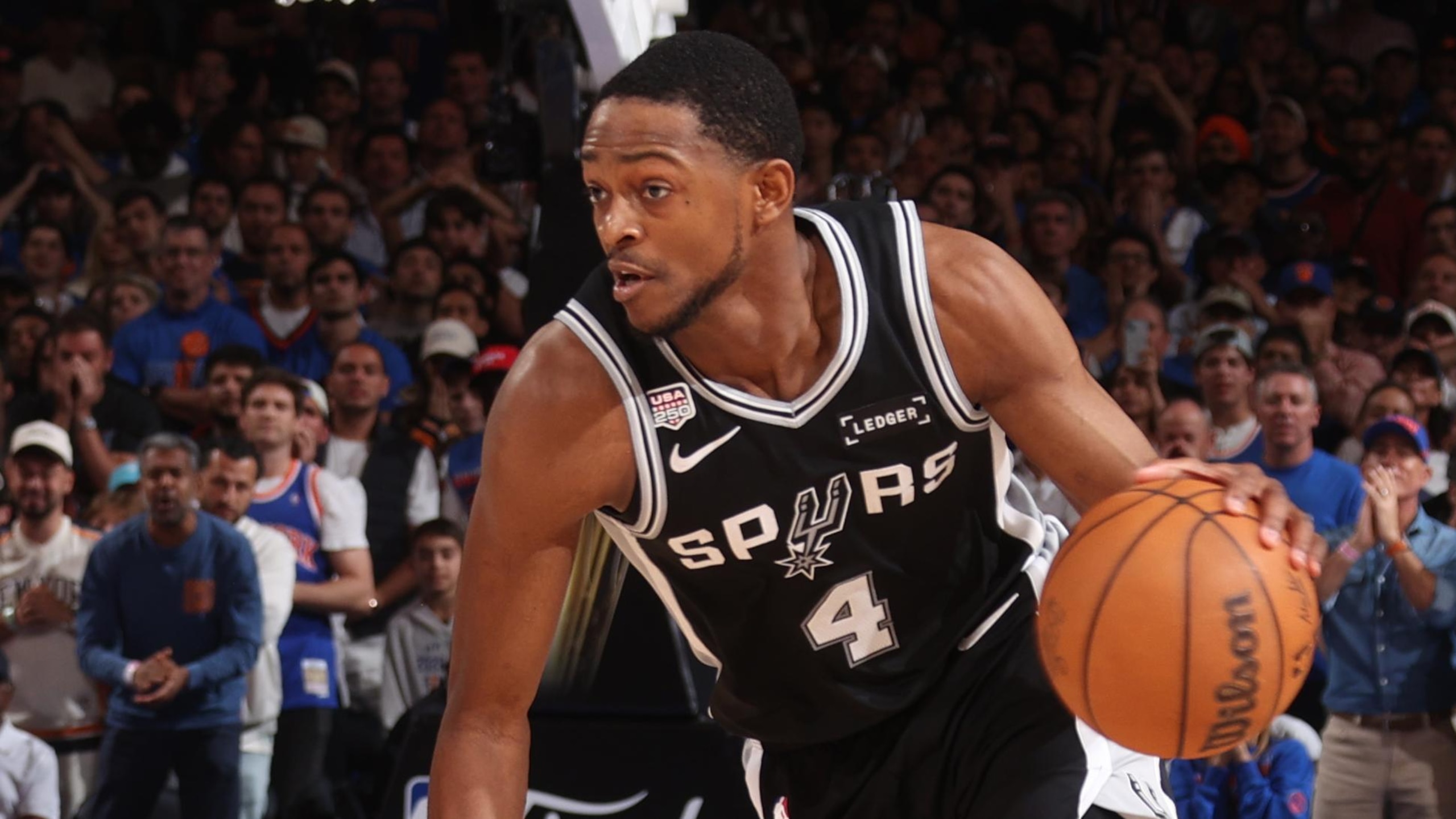
Judging by the 2026 playoffs, De'Aaron Fox is the third-best guard on his team—fourth-best if you count Devin Vassell.
That's not ideal considering he's in line to make just $1 million less than the other three (Vassell, Dylan Harper and Stephon Castle) combined in 2026-27.
Fox's playoff struggles came after an All-Star season and owed largely to a sprained ankle, but that doesn't change the bigger-picture concern that he's in the way of two more valuable young players in Castle and Harper while also clogging up the books through 2029-30 when he'll earn a ridiculous $61.4 million.
Any rational view of San Antonio's long-term future does not include the version of Fox we saw in the playoffs. Unless he puts together one of the best seasons of his career, it'll become difficult to see him in the Spurs' plans beyond this year.
Toronto Raptors: Jakob Poeltl
28 of 30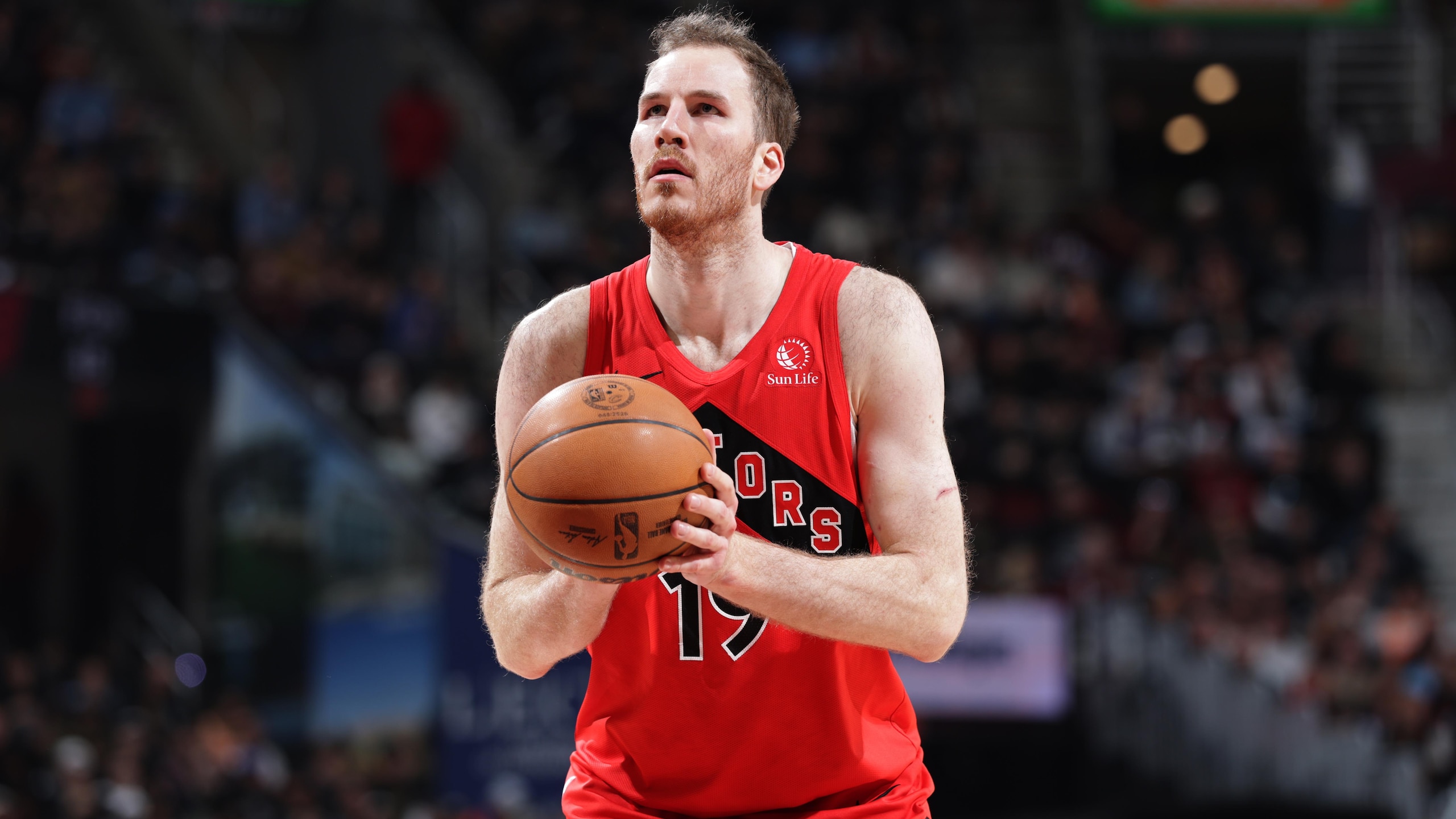
He's never going to live up to the extension that'll earn him an average of $28 million per season through 2029-30, but Jakob Poeltl needs to view 2026-27 as a fight for his status as a rotation player.
Already highly likely to cede closing minutes to incoming sophomore Collin Murray-Boyles at center, Poeltl could easily lose starts and even more minutes if he can't stay on the floor and up his production.
The 30-year-old's block rate plummeted to a career-worst 1.4 percent last year, and he fouled more frequently than he had in any season since 2017-18. His rebound rates dipped on both ends, and after three straight years of putting up positive on/off splits, the Raptors were better on offense and defense when he was on the bench.
Poeltl is at an age where decline is natural, and it may already be too late for him to avoid negative-asset status. But he still figures to matter for a Raptors team that is trying to win, and his contributions (or lack thereof) could be the difference between a deep playoff run and a ho-hum season.
Utah Jazz: Lauri Markkanen
29 of 30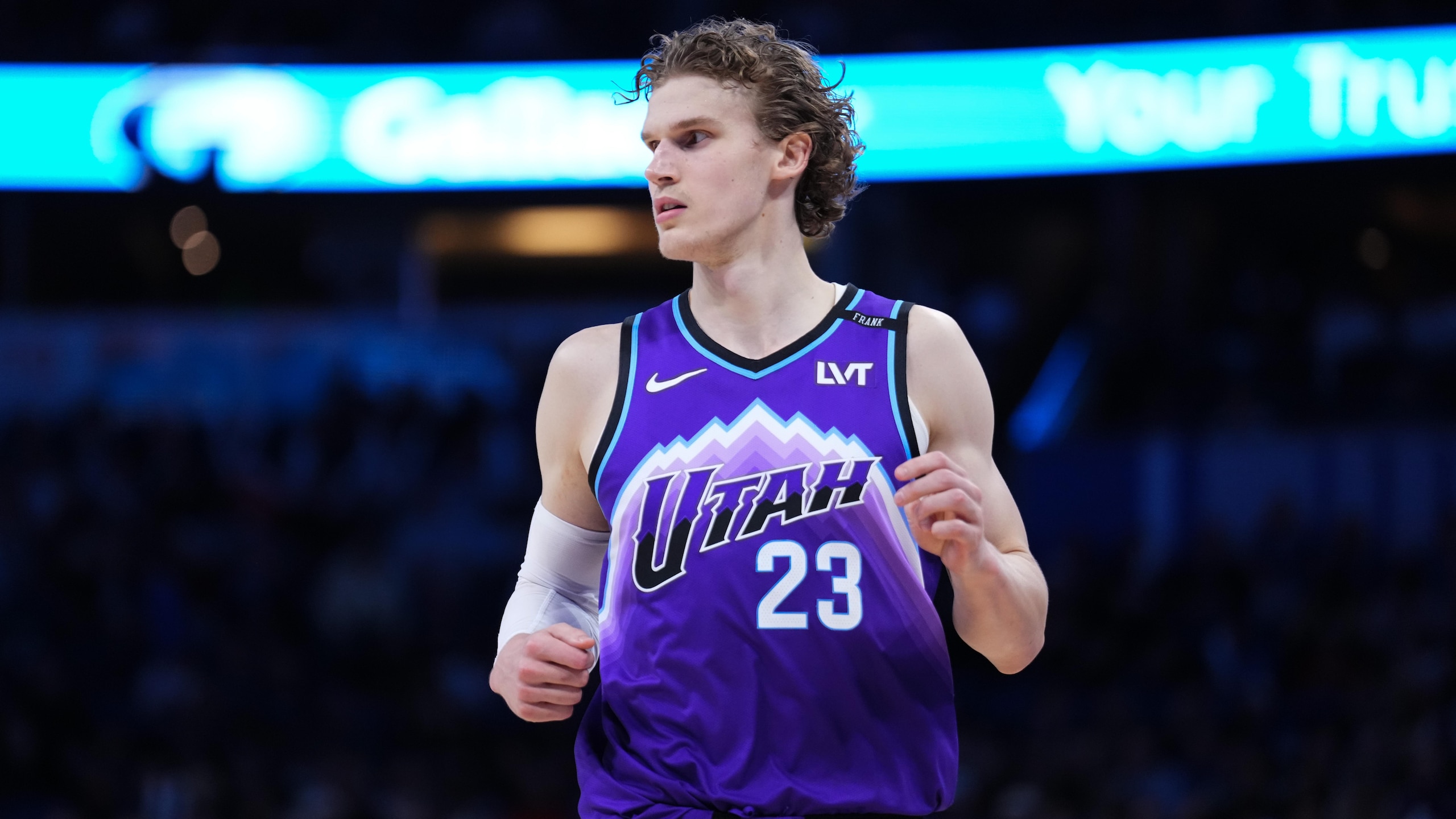
It's been years since Lauri Markkanen played an NBA game with actual stakes, and his four-season tenure with the tanking Utah Jazz never demanded nightly availability from him.
This year, the training wheels are off, the Jazz are gunning for the postseason and Markkanen has to show he's an every-night first option capable of reprising his All-Star campaign of 2022-23 across at least 70 games.
On a per-minute basis, nothing about his efforts last season raise questions. He cranked out 26.7 points per game on a 60.8 true shooting percentage. Stretch that across 65 games instead of the 42 he played, and an All-NBA nod might have been in the cards.
Easier said than done. The Finn has played more than 65 games just once since his rookie year.
Markkanen isn't the only Utah player with question marks. Teammates Keyonte George, Jaren Jackson Jr., Ace Bailey and even rookie Darryn Peterson all come with their own pivotal "prove it" cases.
Washington Wizards: Trae Young
30 of 30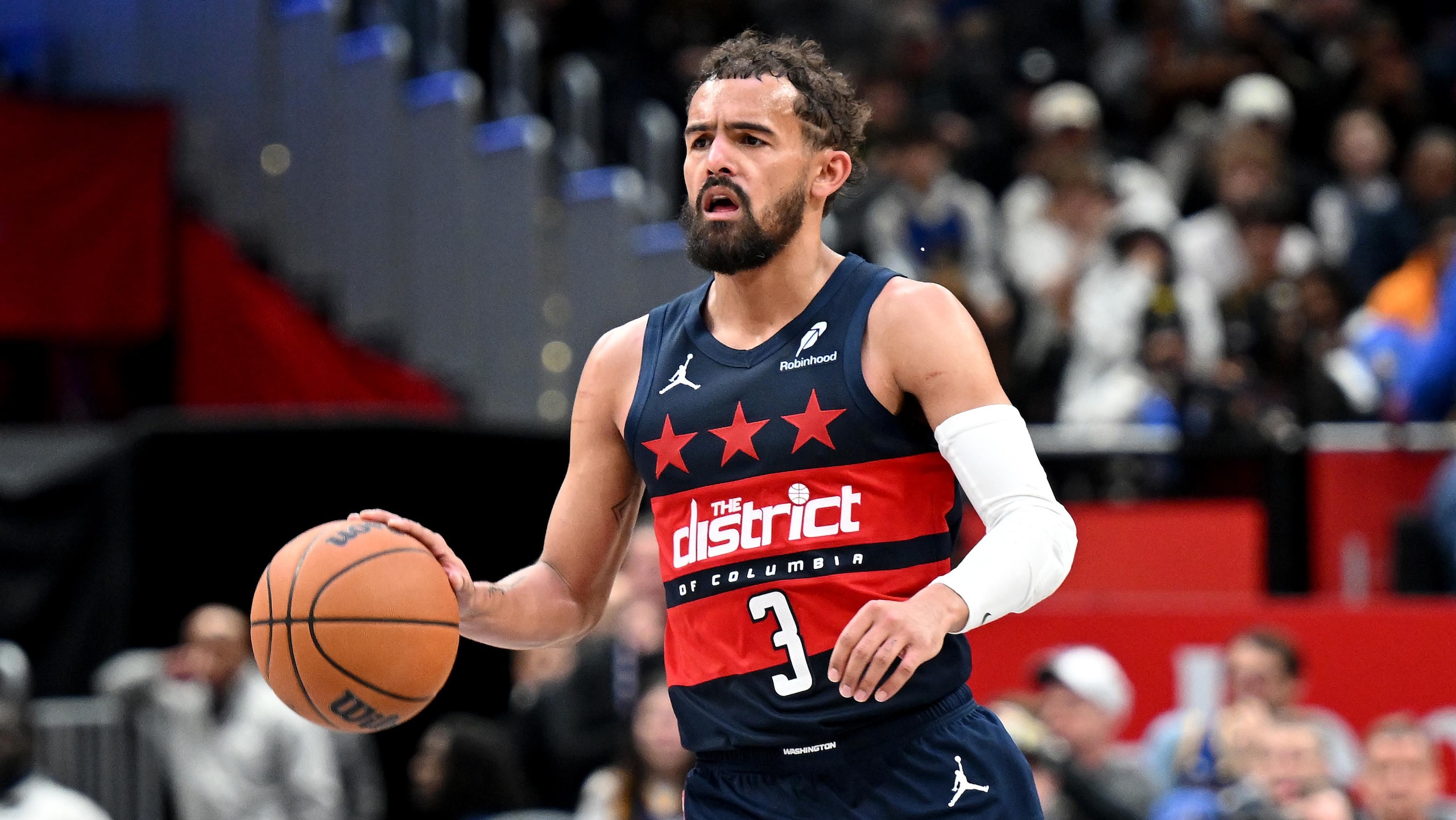
Trae Young is already under contract on a four-year, $212 million extension, so his 2026-27 season will be less about his next payday than about re-establishing his value.
After shooting 34.0 percent or worse from three in three of the past four seasons and continuing to struggle defensively, Young needs to perform like the offense-driving playmaker he was at his best in Atlanta.
Anything less than that, and everyone who keeled over in shock at the deal Washington gave him will be proved right. Even worse, another underwhelming effort from Young could stunt the development of the Wizards' young talent, led by No. 1 overall pick AJ Dybantsa.
Stats courtesy of NBA.com, Basketball Reference and Cleaning the Glass. Salary info via Spotrac.
Grant Hughes covers the NBA for Bleacher Report. Follow him on Bluesky and subscribe to the Hardwood Knocks podcast, where he appears with Bleacher Report's Dan Favale.

.jpg?w=2560 "Report: Eagles to Sign Cowboys QB")