

If you're comparing NBA free agency this summer to 2016, then the answer to the question "who's getting screwed?" is simple.
Everyone. Everyone is getting screwed.
Money is in short supply, largely because so many owners overspent two years ago. Players who once could have chosen between several offers of eight-figure annual salaries are now stuck fighting over the taxpayer's mid-level exception worth $5.3 million. On top of that, luxury-tax concerns could prevent some teams from even using their MLEs.
It's rough out there.
We can't be too sympathetic for free agents who've willingly entered into the market when they didn't have to. Their agents should have made it clear that declining player options or turning down reasonable offers to reach free agency in 2018 was a risk. The current financial climate was easy to see coming.
In addition to players who somehow misjudged the market, some have been wronged by circumstances beyond their control. Injuries, changing trends and bad timing will result in free agents receiving far smaller offers than they otherwise might have.
The following players are the most aggrieved.
Will Barton, SG, Unrestricted
1 of 7
According to ESPN.com's Chris Haynes, Will Barton turned down a four-year, $42 million extension offer from the Denver Nuggets in October 2017.
That was a mistake.
Despite posting career highs in scoring (15.7), assists (4.1) and effective field-goal percentage (52.8 percent), Barton almost certainly won't field an offer as good as the one he eschewed. The Nuggets could use Barton's Bird rights to pay him as much or more than the extension they offered, but bad deals for Kenneth Faried, Wilson Chandler and Darrell Arthur mean retaining Barton at such a price would incur luxury-tax penalties.
Denver would be justifiably reluctant to pay the tax for a roster that has yet to make the playoffs.
There's reportedly interest in Barton outside of Denver. According to Haynes, the Indiana Pacers are expected to target the 27-year-old spark plug. But even for the few teams with cap space (Indiana is one), paying a fringe starter more than the mid-level exception of $8.6 million might be a mistake. Barton may be worth that in a vacuum, but this summer's landscape depresses everyone's value because there's less competition.
Several quality rotation weapons will be stuck playing for less than the MLE, perhaps on the minimum in some cases.
Barton should have grabbed the money when he had the chance.
Avery Bradley, SG, Unrestricted
2 of 7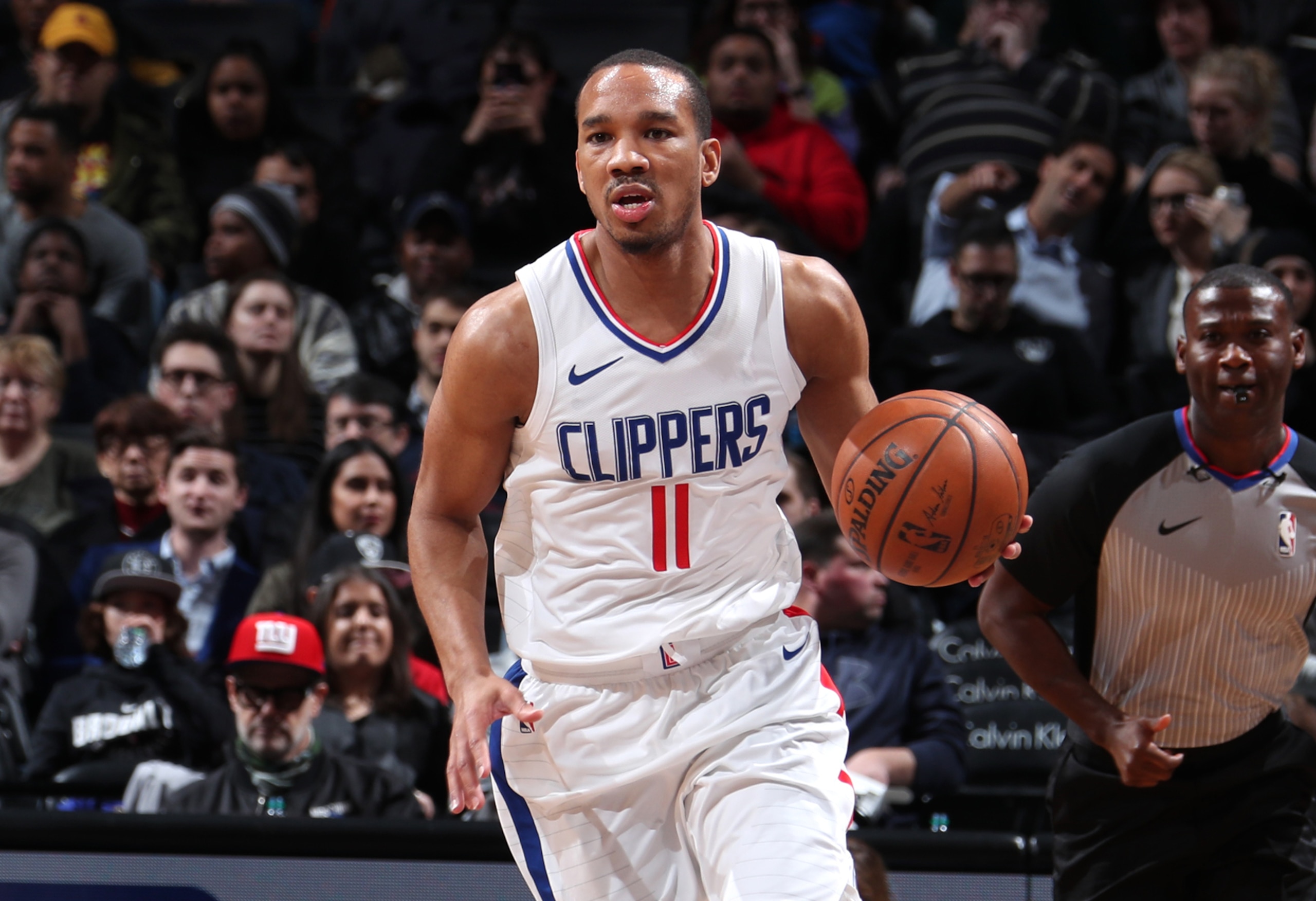
Back in January, the Detroit Pistons put Avery Bradley on the trade block because they didn't want to face the possibility of signing him to a deal worth as much as $20 million per season.
A lot has changed in the past few months.
The Pistons eventually shipped Bradley to the Los Angeles Clippers as part of the Blake Griffin deal. Perhaps most importantly, Bradley got hurt again. After playing only 55 games in 2016-17 with the Boston Celtics, he was limited to 46 contests in Detroit and L.A. last season due to abdominal and groin issues. He underwent season-ending surgery in March.
Health concerns will drive Bradley's value down, likely putting an MLE ceiling on his salary.
With the proven ability to lock down opposing guards at either backcourt position and a career 36.6 percent accuracy rate from deep, Bradley is close to the ideal three-and-D weapon. He's a bit undersized to tangle with the biggest scoring wings, but he'll help whichever team signs him—health permitting.
If Bradley had become a free agent last summer, he would have cleaned up. That won't be the case in 2018, however.
Jabari Parker, F, Restricted
3 of 7
Sometimes when you gamble on yourself, you lose.
Jabari Parker wasn't interested in the three-year, $54 million extension the Milwaukee Bucks "were prepared" to offer before the start of the 2017-18 season, according to ESPN.com's Zach Lowe.
Now, the former No. 2 overall pick may struggle to make that much in free agency.
Parker's game has holes. He has roughly one half of solid defense on his career reel (Game 4 against the Celtics this past postseason). Though he's a handful in the open floor, his overall offensive game may not elevate his teammates' production.
Put bluntly, Parker gets his buckets, but it remains to be seen whether his scoring can meaningfully impact winning. The Bucks were better on both ends when Parker sat last year. The same held true in 2016-17.
Is that a track record worth $54 million over three years? And what if that same profile comes attached to two torn ACLs in the same knee?
Forces beyond (injury) and within (suspect defense) Parker's control will conspire to shrink his earning power this summer.



LeBron James, F, Player Option
4 of 7
It's strange to feel sorry for LeBron James. After all, his GOAT status, immense fortune and global empire suggest things have worked out pretty well for him.
But even someone as fortunate as James runs into bad luck once in a while.
Take the NBA landscape this summer as an example. Can James sign somewhere for a max salary worth 35 percent of a team's total cap figure? Absolutely. Can he also link up with other superstars to form a new contender, one that perfectly fits his game? Sure.
But he probably can't do both.
James could join the Houston Rockets, but not without forcing them to gut their roster to swing a trade for him. He could head to the Los Angeles Lakers for the max, but even with another superstar in tow, it might not be enough to overtake the Rockets or Golden State Warriors.
He could opt for the Philadelphia 76ers and earn a max salary, but fit concerns with Ben Simmons and Joel Embiid would make for a complicated union.
Run down the list, and it turns out James can't get both a max salary and surefire title-favorite status. He'll have to choose.
By the unreasonable standards of James' charmed NBA life, not getting everything you want counts as getting screwed.
DeAndre Jordan, C, Player Option
5 of 7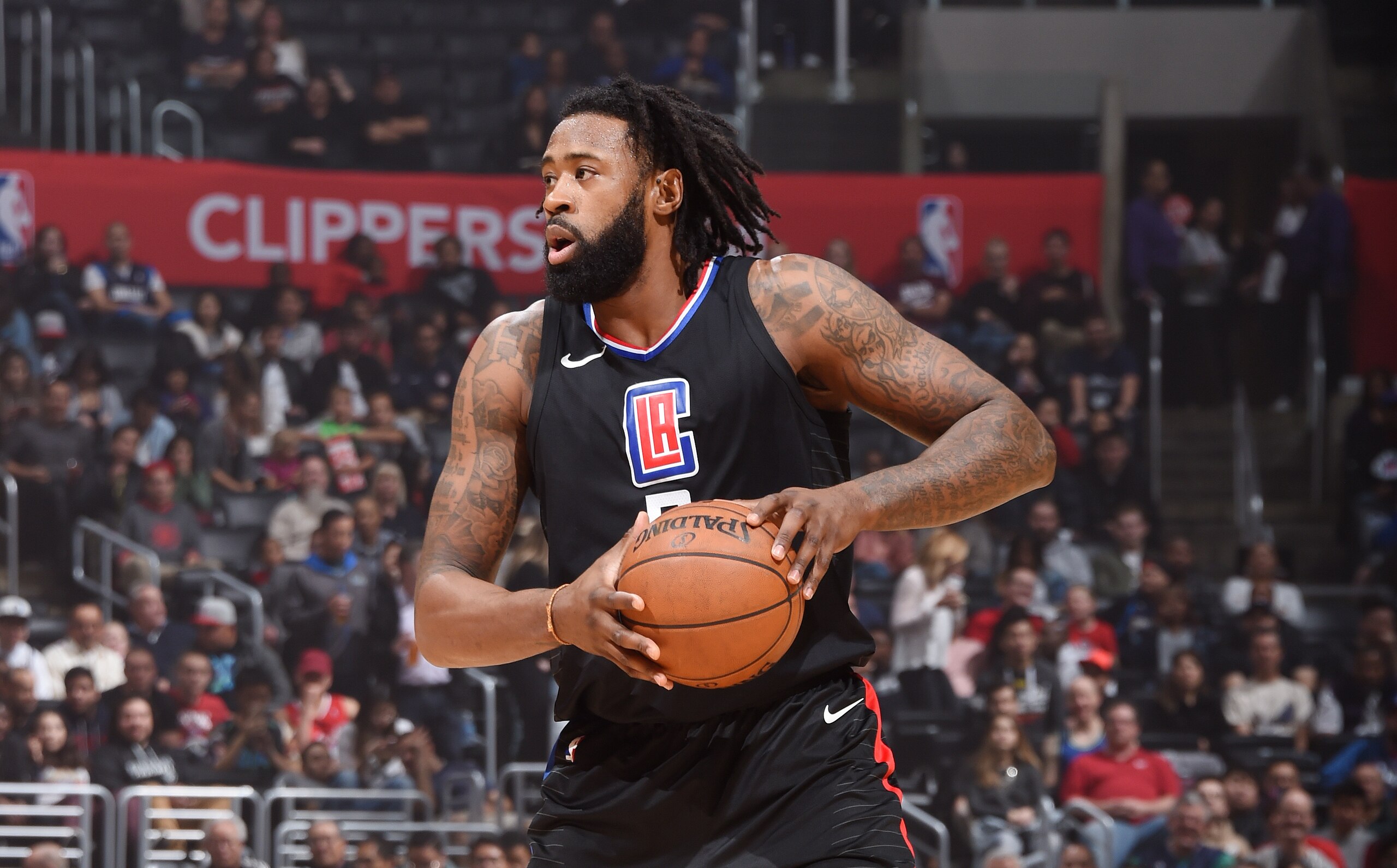
DeAndre Jordan didn't really change. The NBA changed around him—abruptly, and at the wrong time for a traditional center nearing his 30th birthday.
Jordan can hit free agency this summer by declining his $24.1 million player option with the Clippers. Until recently, a player with Jordan's production could have easily justified taking that route.
Now, however, Jordan can't be sure opting out is wise.
Kelly Olynyk signed a four-year, $50 million contract last summer, making him the biggest earner among centers signing new deals. Olynyk is a vastly different player than Jordan, one more suited to today's spaced-out offenses. The market's tighter this year, and teams are even less interested in conventional bigs.
If Jordan opts out, he might do better than Olynyk did a year ago, at least in terms of average annual value. But it's tough to imagine him being offered a four-year deal. That could be a concern for Jordan, who may not have another chance to negotiate a substantial contract as he gets into his 30s.
Jordan should probably opt in. And though it isn't true in every case, it's often a sign of a rough market when that's the best course for in-prime talents.
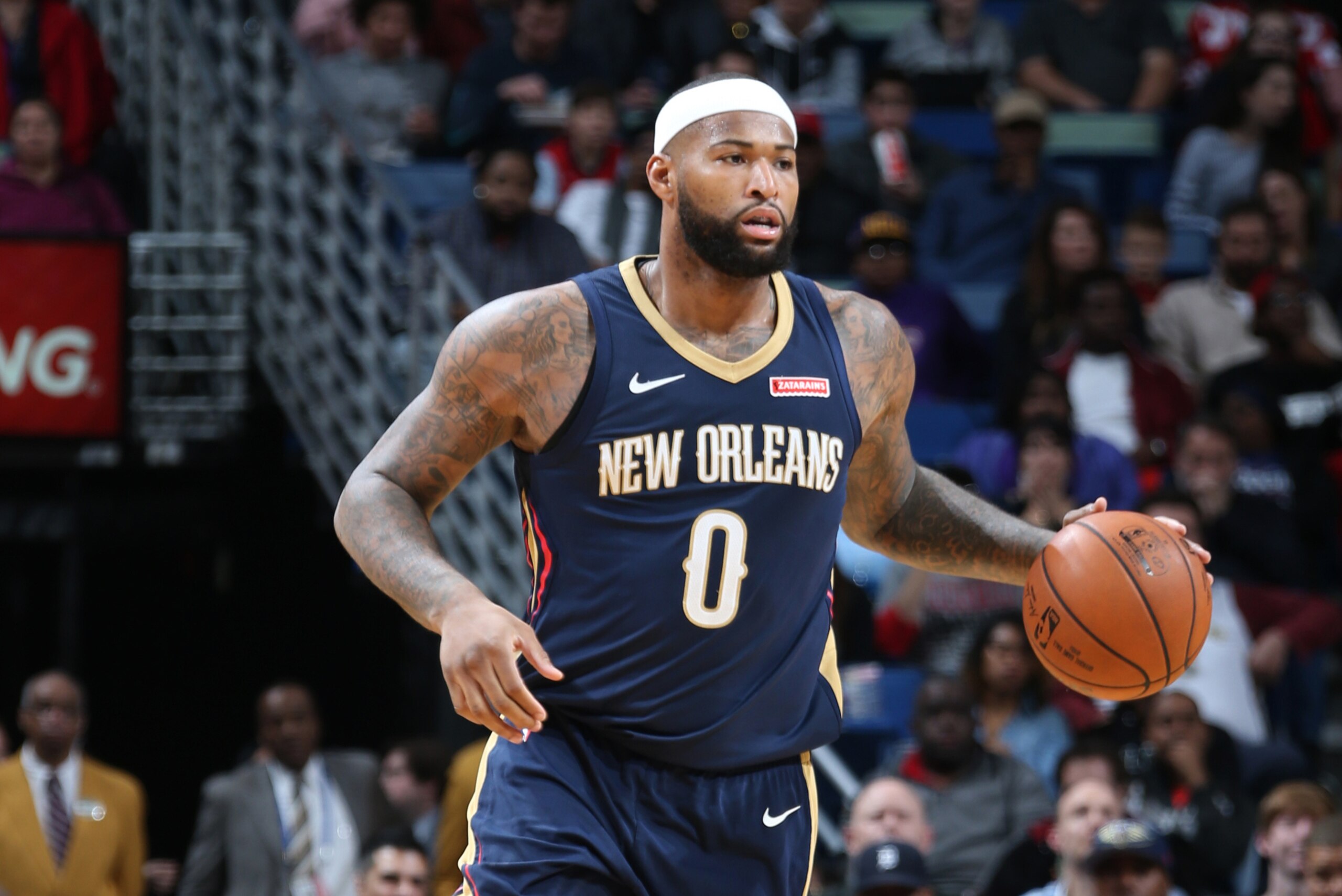
DeMarcus Cousins, C, Unrestricted
6 of 7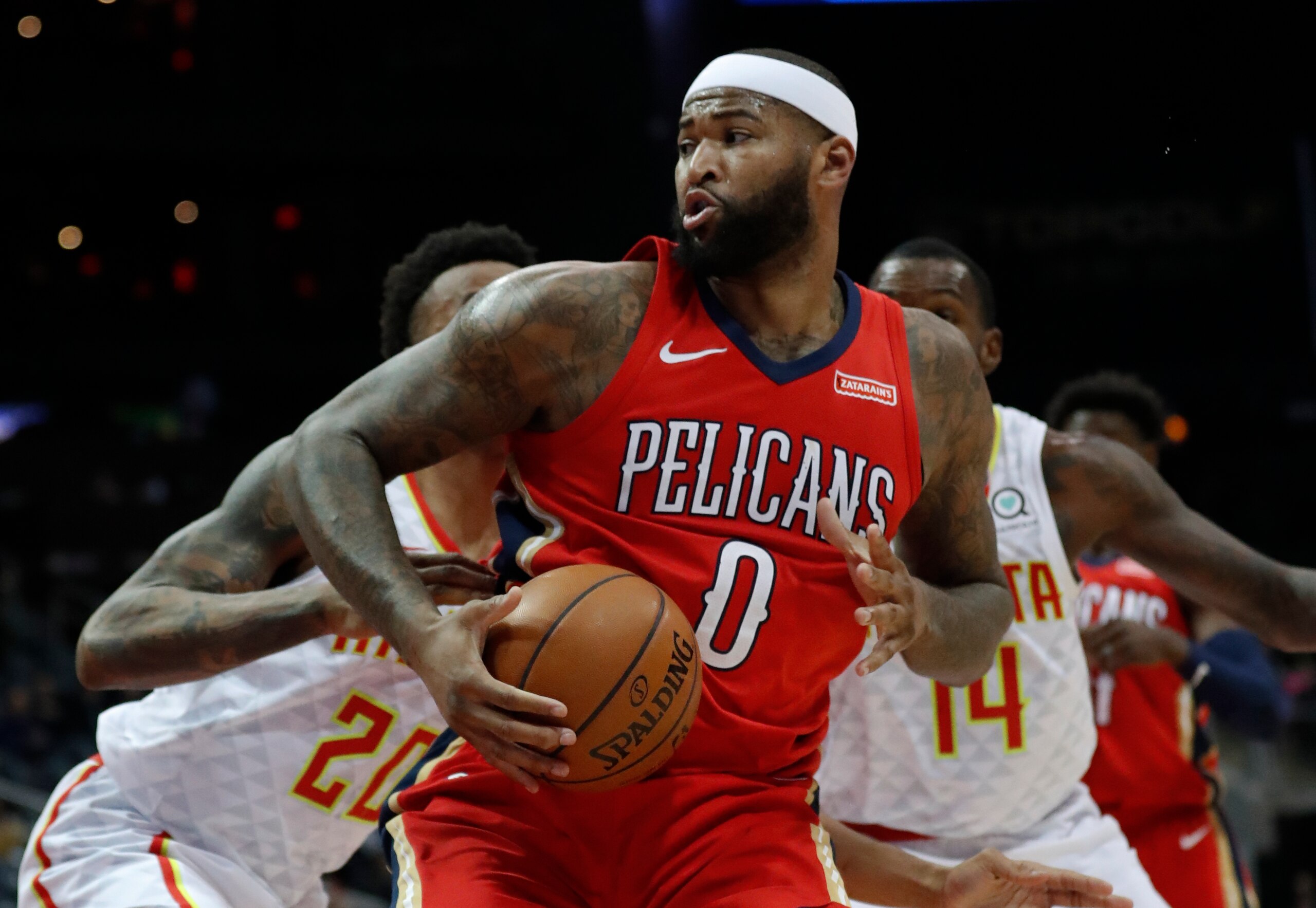
Some of the forces driving down DeMarcus Cousins' value are self-inflicted.
He isn't reputed for his winning ways. He acts out on the court to the point of distraction. He doesn't run back on defense consistently. Locker rooms tend to be tenser when he's around.
Cousins could have controlled all of that stuff, which means he's at least partially responsible for why he's going to get hosed in free agency.
But there's also the Achilles injury he suffered in January, a major deterrent for teams considering a big investment in him. He couldn't have helped that.
In addition, Cousins is a victim of the same changing personnel trends that affect Jordan and any other old-school center. Though Cousins has more shooting range and ball-handling chops than most conventional bigs, he's still a sieve on defense who doesn't move well enough to switch and often isn't dialed in to the degree most great rim protectors are.
Those shortcomings used to be smaller concerns. Cousins was talented enough to offset them on offense. But now, teams that are serious about winning have to focus on building a switchable scheme, and they need heady, unselfish offensive players to counter opponents' employment of the same tactic.
Cousins will turn 28 in August, and he just averaged 25.2 points, 12.9 rebounds and 5.4 assists in his fourth straight All-Star season. That's a max-salary profile in any normal scenario.
Boogie, meanwhile, would be lucky to get a three-year deal worth $70 million.
Chris Paul, PG, Unrestricted
7 of 7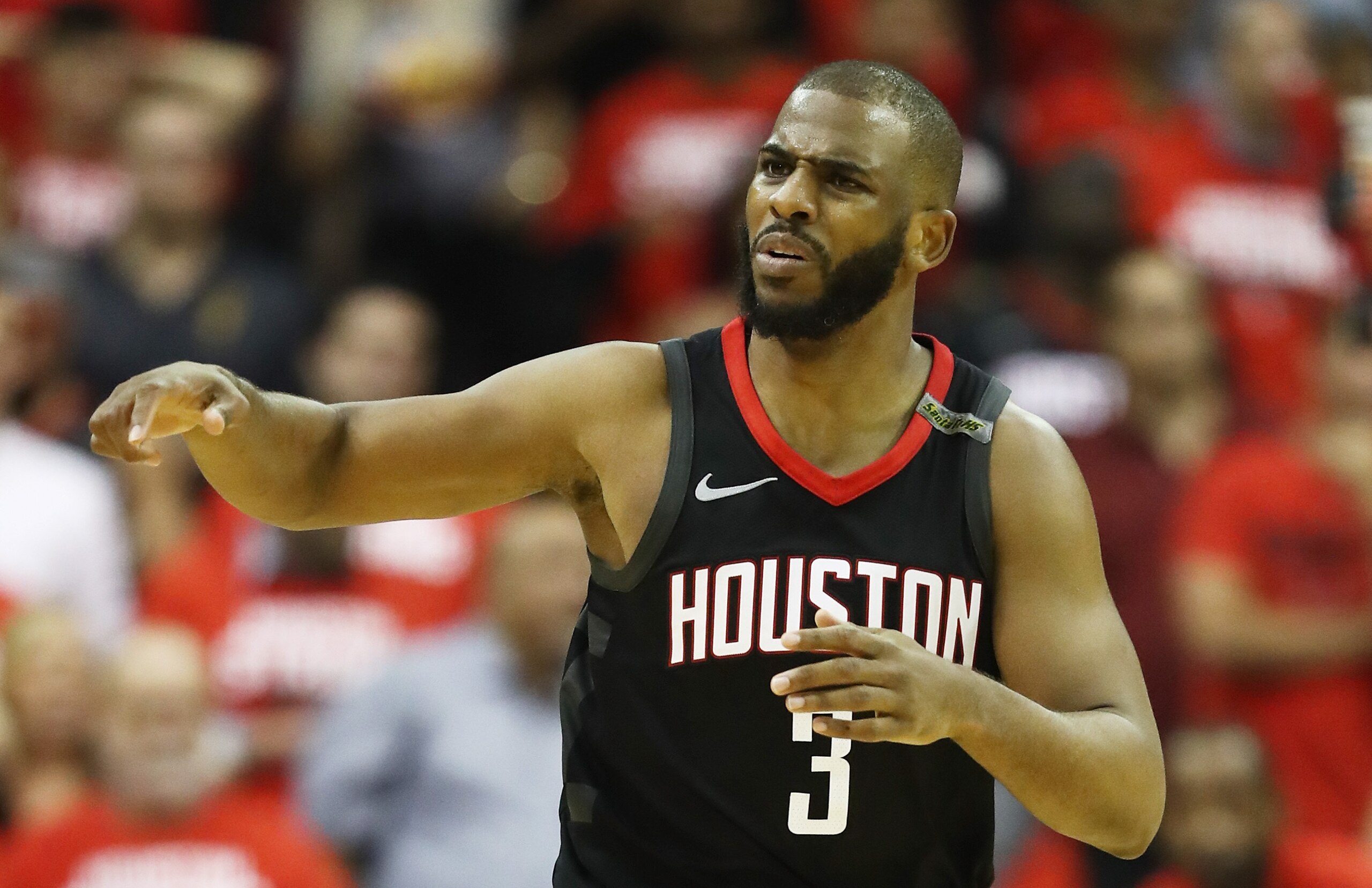
We have an under-the-radar potential screwjob here, as Chris Paul might be in for a contract that isn't quite what he envisioned when he joined the Rockets last June.
Back then, it seemed as though Houston would ink Paul to a five-year max when the time came—partly as recompense for him opting into the final year of his deal and putting off free agency for a year.
At the time, Paul was 32 and still an All-NBA talent. Kicking free agency down the road at that stage of his career was a major risk. It worked out, as CP3 performed well with Houston, but it was a gamble all the same.
As ESPN's Adrian Wojnarowski explained (h/t Kurt Helin of NBC Sports): "Chris Paul didn't turn down $200 million from the Clippers because he thought that somehow the Rockets were gonna talk him into saving them luxury-tax money."
Since Paul joined the Rockets, ownership has changed. Tilman Fertitta is in charge now, and he isn't the one who green-lit Paul's arrival. More importantly, if any informal deals about Paul's next contract occurred a year ago, Fertitta wasn't privy to them. The five-year, $205 million contract Paul might have anticipated isn't a sure thing anymore.
As a result, Fox Sports' Chris Broussard reported there's tension between Paul and the organization.
Nobody's going to feel for a 33-year-old point guard who might "only" get a three-year max offer. But he expected a certain offer, made a decision last year based on that expectation and now may not have that expectation met.
.jpg?w=2560 "NBA Gambling Charges")


.png?w=2560 "Week 8 Winners & Losers 📊")

.jpg?w=2560 "Jonathan Taylor Landing Spots")