

Picking Barcelona's Quickest and Strongest XIs According to FIFA 18 Ratings
FIFA 18 hit the shelves on Friday, and already the mixed world of football and gaming fans will be fine-tuning their teams to suit their styles.
One of the go-to standards is to include players with pace and power, utilising their combination of physical attributes as much as technical ones. And at Barcelona in particular, there are plenty of players blessed with both.
We've taken a look at the data in the newest iteration of the game and put together the fastest and strongest Barca sides available in viable formations—with some interesting results.

.jpg?w=2560)
Any player available in the Barcelona squad on the game is acceptable, but they must be used in their FIFA positions. That means there's no putting Javier Mascherano back into defensive midfield or flitting Lionel Messi anywhere across the front line—he's strictly a right-sided forward.
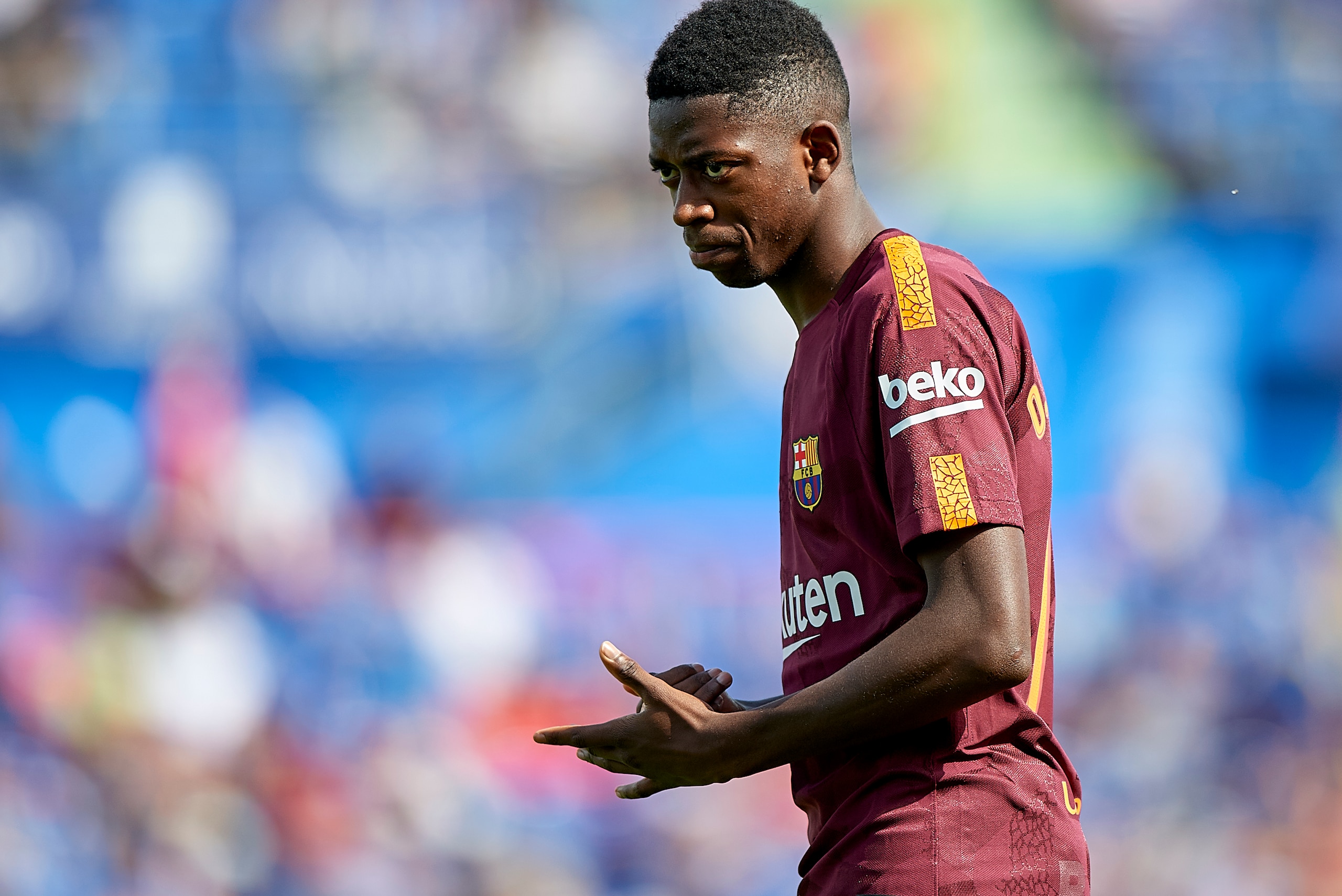
It also means no Messi and new signing Ousmane Dembele in the same team, as the Frenchman is a right-sided midfielder on FIFA 18.
Need for Speed
First up, aligning the side by the fastest available players. It's an obvious and basic way to approach certain parts of a team on FIFA and can pay huge dividends. So if it's all about speed, who gets in?
Formation: 4-3-3
GK: Adrian Ortola (sprint speed: 52)
RB: Aleix Vidal (93)
CB: Gerard Pique (73)
CB: Samuel Umtiti (75)
LB: Jordi Alba (93)
CM: Denis Suarez (79)
CM: Paulinho (76)
CM: Rafinha (74)
RW: Lionel Messi (87)
ST: Luis Suarez (77)
LW: Gerard Deulofeu (93)
Where to begin. Ah, yes—the goalkeeper. If you have never heard of Adrian Ortola, you probably don't need to worry about when he's going to take the place of Marc-Andre ter Stegen or even Jasper Cillessen. He's the Barca B stopper who spent a year on loan at Alaves recently, playing just twice.
He's never played for the senior side at the Camp Nou, but he's in the FIFA 18 squad, and his 52 speed rating is higher than the more usual duo, who both have 50, so he's in.
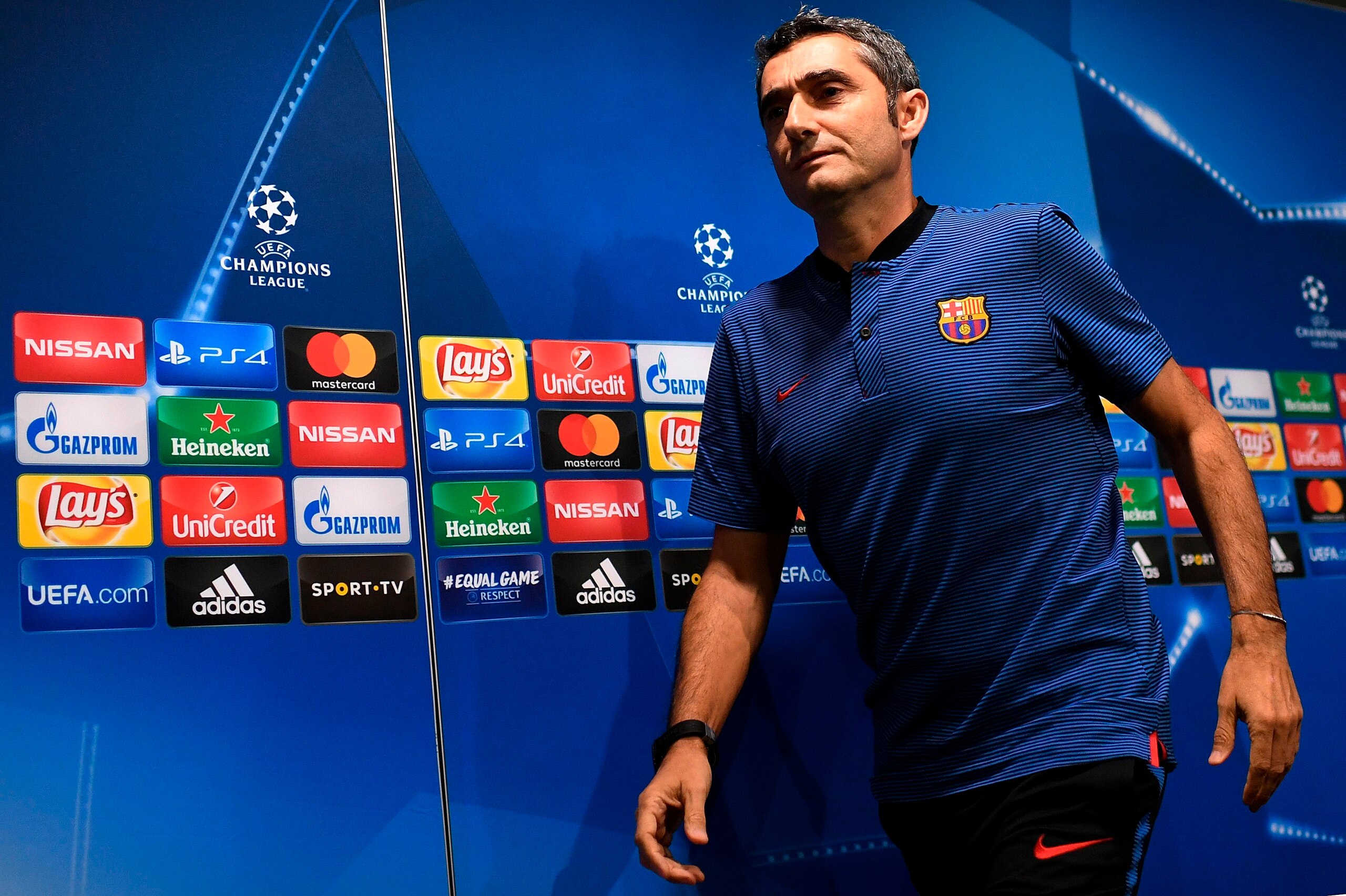
Other than that, it's an eclectic mix of players who are first choice under Ernesto Valverde and those who play peripheral roles.
Systemically, it's broadly the same as you would expect from Barcelona, albeit a flatter midfield in a 4-3-3, but the front line is pleasingly first choice now Dembele is out injured.
A Denis Suarez-Rafinha-Paulinho triumvirate in the centre of the park isn't likely to see a lot of game time in La Liga (not least because Rafinha is injured again), but there's a decent mix of technical ability, creativity and surging power from deep to admire.
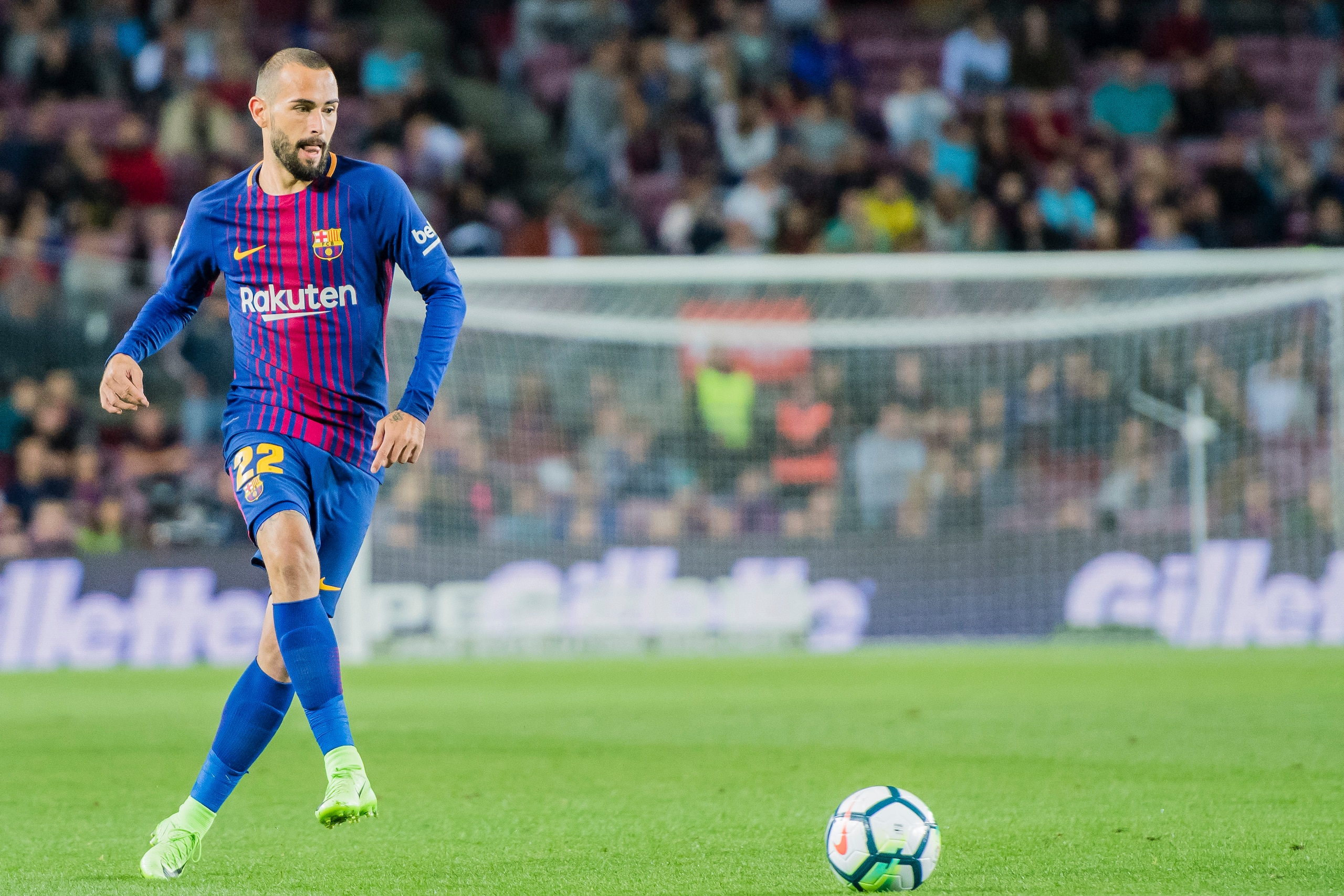
At right-back, Aleix Vidal just got the nod ahead of new signing Nelson Semedo (92 rating), highlighting both the depth Barcelona have in that position and also the importance to the on-pitch team of acceleration into space from the full-backs on both sides.
There's no natural holder in this team, but given the attack, perhaps the manager would simply want to get the ball forward at every given opportunity anyway.
In truth, there's not a lot of leeway in choosing the Barcelona attack, with Paco Alcacer the only other forward in the squad—by FIFA positioning, at least.
Power Play
Over to strength now, and the most powerful XI we can fashion with the Barcelona squad.
Formation: 4-3-3 (2)
GK: Marc-Andre ter Stegen (strength rating: 79)
RB: Sergi Roberto (75)
CB: Gerard Pique (83)
CB: Thomas Vermaelen (79)
LB: Lucas Digne (72)
DM: Sergio Busquets (77)
CM: Andre Gomes (85)
CM: Arda Turan (70)
RW: Lionel Messi (59)
ST: Luis Suarez (80)
LW: Gerard Deulofeu (59)
No surprises with the shape again, with Sergio Busquets' inclusion meaning it's closer to Barca's true system than the speed lineup.
Aside from the forward line, though, it's almost all change for the team itself, starting with regular No. 1 Ter Stegen's selection.
Only Gerard Pique remains in the back four, and this one has a decidedly second-string look about it.
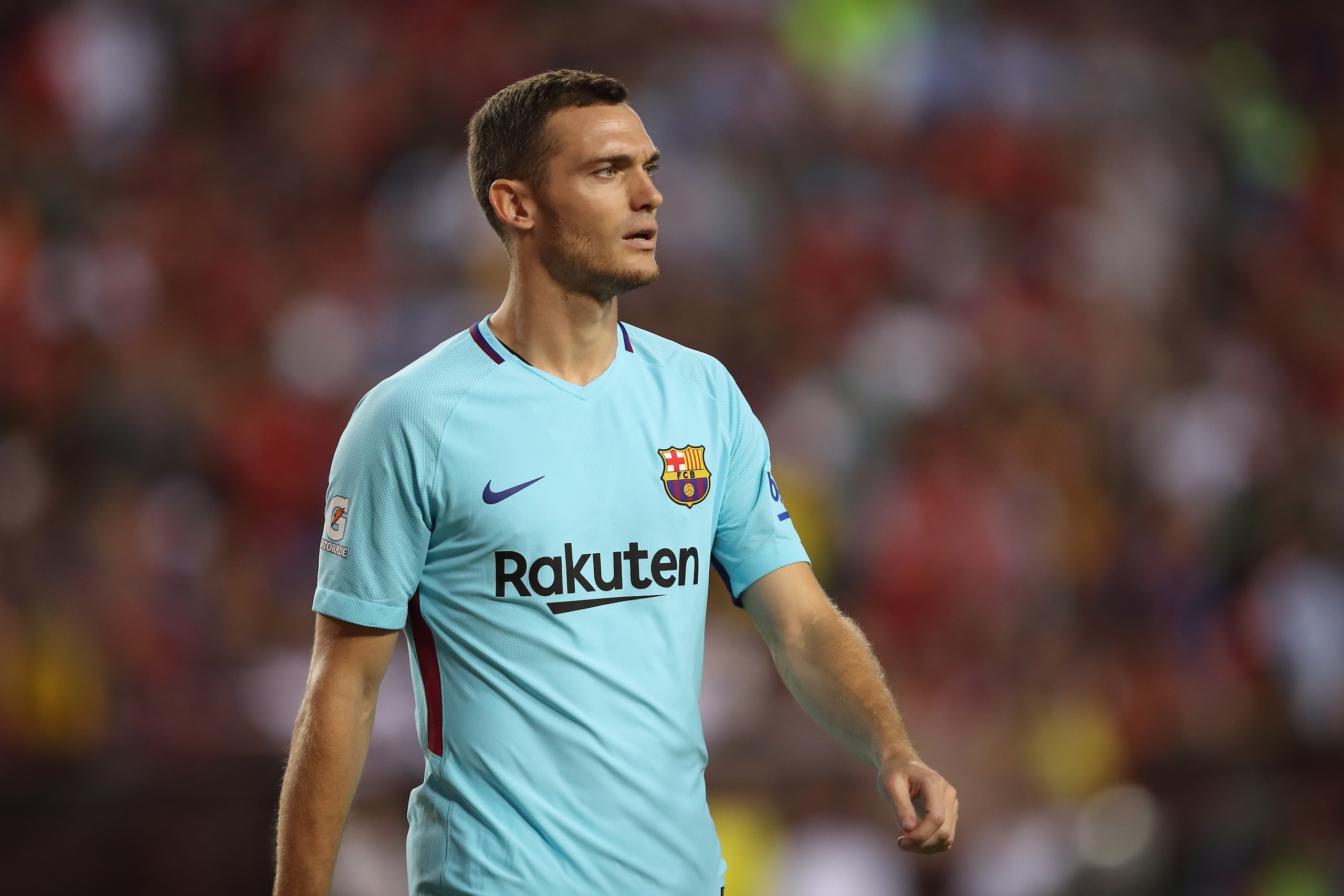
With Belgian forgotten man Thomas Vermaelen earning a run-out after just about having the strength to shoulder-barge Umtiti (78) aside for the starting spot, it's fair to say the spine of this team looks a little more experimental than anything else—particularly with the central midfield taken into account.
Unless it's a Copa del Rey second leg wherein Barca are already plenty of goals ahead and the boss sees the 90 minutes as an irrelevance, it's highly unlikely fans will be eagerly anticipating the possibility of watching Arda Turan and Andre Gomes patrol the centre of the park alongside each other.
Or quite possibly ever again in the Turk's case given he has yet to see a minute of action in 2017/18.
Still, there's always the front line.
With Luis Suarez stronger than Alcacer, there's no change in the attack despite the wide duo having the FIFA-rated physical strength of a particularly wimpy mouse.
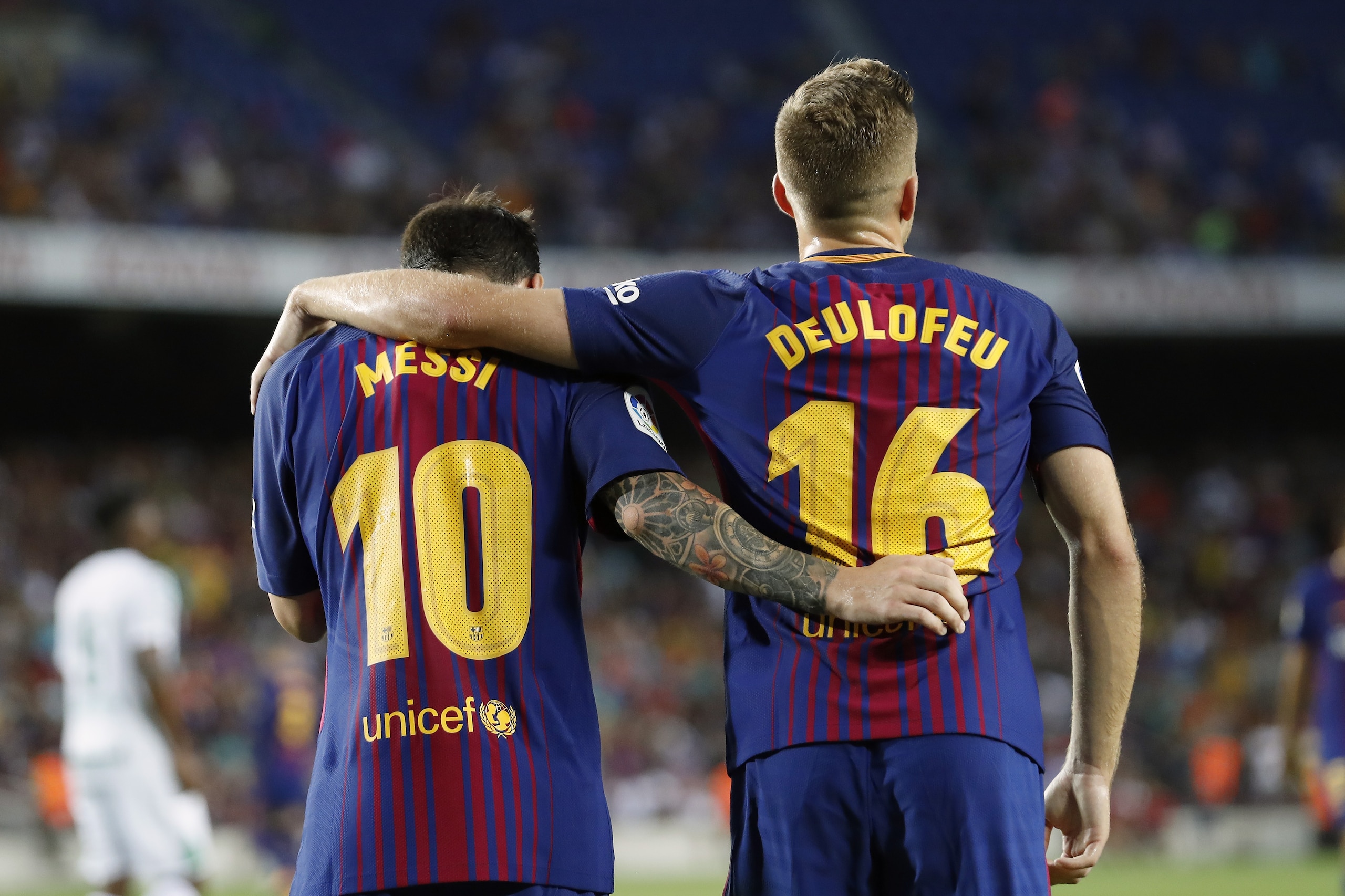
There's perhaps surprise the likes of Paulinho, Mascherano and Semedo don't feature in this team, but the biggest talking point of both XIs must be the absences of Andres Iniesta and Ivan Rakitic.
They are the stars of Barca's midfield, even with the Spaniard in an age-enforced decline. Yet for all their technical brilliance and match-winning ability down the years, it's fair to note they have never been the speediest on the pitch. Iniesta's attributes do not lie with his power, either.
The total number of games Barca will play this season with neither player involved at all could probably be counted on a single hand, injuries aside. But here it's only Busquets out of the most regular trio who gets to keep his place.
Still, even a Barca second-string lineup is pretty impressive to look at for fans of somewhat more humble aspirations—particularly when the ball reaches that phenomenal attacking line.


.jpg?w=2560 "Viral Rams Coach Vid 🖕")

.jpg?w=2560 "Injury-stricken Seahawks signing veteran RB")
