
Ranking Every Current NBA Regime's Draft Track Record
It's an inexact science for NBA executives to project the futures of untested prospects.
It's far easier to be on this side of the coin—evaluating those decisions with the benefit of hindsight. Time reveals whether potential was realized or wasted. It brings both hidden gems and overrated busts to light while scrutinizing the individuals who made those calls.
As these literal hoop heads don their forward-thinking caps for Thursday's draft, we're turning our attention the other direction. We have ranked every current executive with a draft-night track record based on their history.
It's hard to make apples-to-apples comparisons, since teams tend to carry different priorities into the event. But our focus is to find those who have most consistently produced value with their selections. That works against those who have largely dismissed the draft or have hardly participated, but it still highlights those who have maximized their draft-night maneuvers.
Latest Mock Draft from Jonathan Wasserman
1 of 30Here's the latest mock draft from Bleacher Report's Jonathan Wasserman.
Unranked First-Timers
2 of 30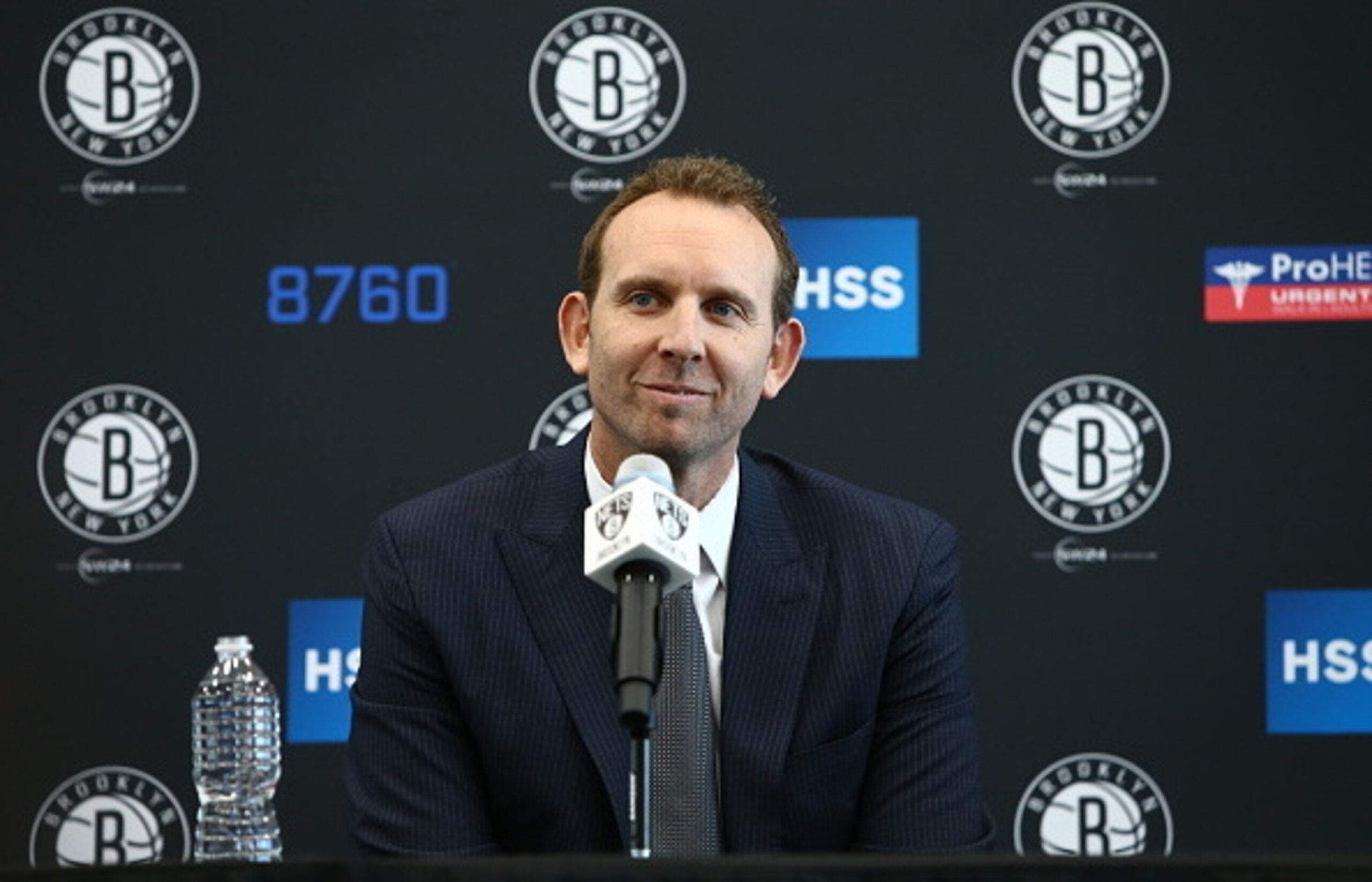
Sean Marks, Brooklyn Nets
Sean Marks, the new general manager of the Brooklyn Nets, is almost on the clock. But before he gets down to the wheeling and dealing of his new profession, he'll need to clean up the mess he inherited. He doesn't have a first-round pick Thursday, and he'll go without one in 2018. His top selection in 2017 will almost certainly belong to the Boston Celtics, who hold the right to swap choices with the rebuilding Nets.
Marks isn't quite shut out of this draft, but the only asset to his name is the 55th overall slot. He could theoretically trade his way up the board, but since he lacks both future picks and promising young talent, he's essentially stuck.
He's not the only new executive on this list, but he is the least-equipped freshman in terms of resources, which puts him on the bottom rung.
Tom Thibodeau, Minnesota Timberwolves
Tom Thibodeau knows a good situation when he sees it.
The Chicago Bulls weren't quite contenders when he grabbed the coaching reins in 2010, but rotation mainstays Derrick Rose, Joakim Noah, Luol Deng and Taj Gibson were already in place. Thibs looks like he's caught another team on the rise, as the Minnesota Timberwolves are overflowing with potential around former No. 1 picks Karl-Anthony Towns and Andrew Wiggins.
"A big thing for me with this job was the makeup of this roster," Thibodeau told reporters at his introductory press conference. "I just love the makeup of this roster."
His eyes aren't deceiving him. The future ahead of the Timberpups is blindingly bright. It's up to Thibodeau, the president of basketball operations, and his general manager, Scott Layden, to realize that potential.
Minnesota still needs more pieces. And since it's never been a big free-agent draw, it must maximize the draft assets at its disposal. Thibs can identify established NBA talent, but how good is he at projecting incoming prospects? If he doesn't use the No. 5 pick to land a proven (and familiar) commodity, the Wolves have to hope his inexperience doesn't show.
28. Dallas Mavericks: Donnie Nelson
3 of 30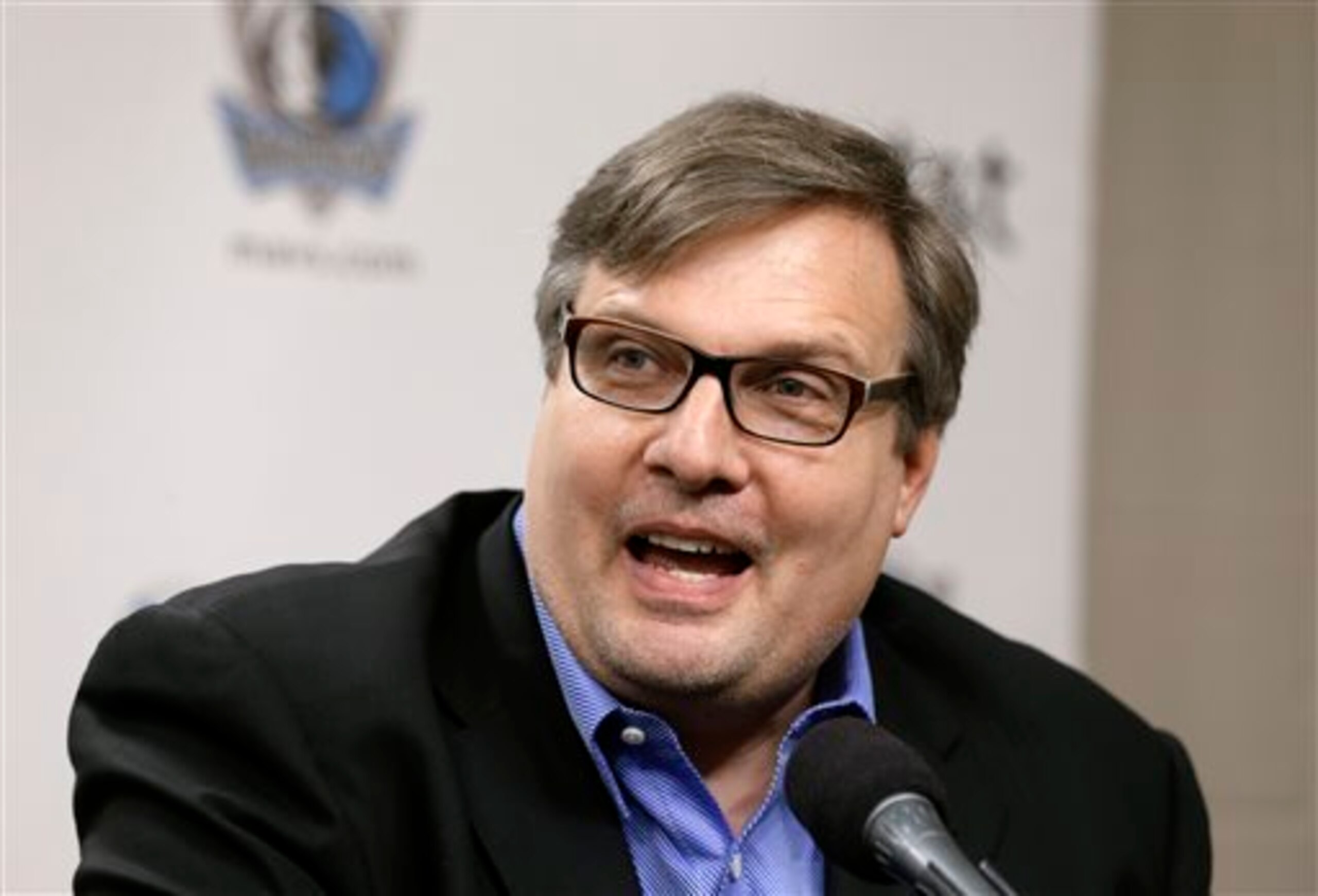
In The Role Since: March 19, 2005
Previous Experience: None
The Dallas Mavericks recognized Dirk Nowitzki's greatness long ago, and they've worked hard to keep a contender around him ever since. That's put the draft comically low on Mavs general manager Donnie Nelson's to-do list.
He's guided Dallas through 11 drafts and only made a first-round pick in six of them. Of those six, only two made it through the ensuing offseason with the Mavericks—Maurice Ager (28th in 2006) and Justin Anderson (21st in 2015). Ager played 44 games over a campaign-plus in Dallas, while Anderson made 55 appearances for the Mavs as a rookie this past year.
There are no great gets on Nelson's resume, and good ones are even hard to find. Rodrigue Beaubois, acquired during the 2009 draft, showed some promise, but nagging injuries forced him out of the league by 2013. Jae Crowder flashed his versatility after landing with Dallas during a 2012 draft swap, but he didn't take a significant step forward until he joined the Boston Celtics midway through his third season.
The Mavs don't necessarily look any worse for wear, having made the playoffs in 15 of the past 16 seasons, but Nelson's resume provides no reason for hope if Dallas needs him to rebuild through the draft once the post-Dirk era begins.



27. Cleveland Cavaliers: David Griffin
4 of 30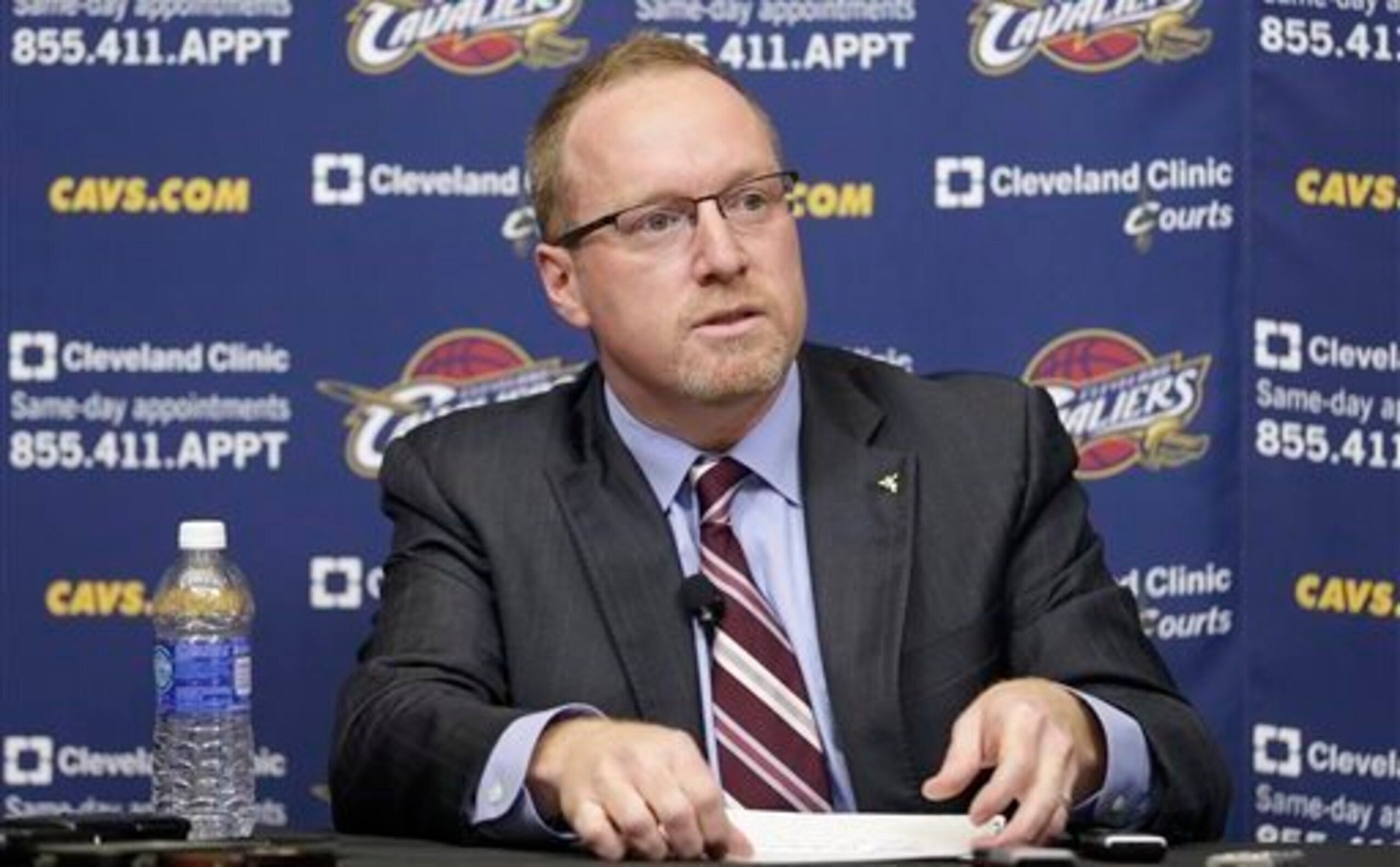
In The Role Since: February 6, 2014
Previous Experience: None
Once LeBron James put the Cleveland Cavaliers on the championship-or-bust grading scale, general manager David Griffin vacated the draft-and-development game. On June 26, 2014, he made Andrew Wiggins the No. 1 overall pick. Less than two years later, Griffin is celebrating a world title.
There was a whirlwind of activity in between, but little of it happened at the draft. Shortly after Wiggins' arrival, Griffin shipped him and former top pick Anthony Bennett (selected by GM predecessor Chris Grant) to the Minnesota Timberwolves for Kevin Love. Any incoming young players have since followed the same path out of town.
Griffin has made three other selections for the Cavs: Joe Harris (33rd in 2014), Tyus Jones (24th in 2015) and Sir'Dominic Pointer (53rd in 2015). Griffin traded Harris to the Orlando Magic and moved Jones to Minnesota for Rakeem Christmas (who was then traded to Indiana) and Cedi Osman (a draft-and-stash 6'7" wing). Pointer spent the 2015-16 campaign in the NBA Development League.
A clear (and needed) win-now strategy has driven Griffin away from the draft, and the Cavs aren't complaining. But there's little reason to elevate him here when grading picks.
26. Los Angeles Clippers: Doc Rivers
5 of 30
In the Role Since: June 25, 2013
Previous Experience: None
If this Los Angeles Clippers core has a championship window to strike—and that's a massive if—it's a narrow, fragile one. The brutal Western Conference leaves margin for error to no one, let alone a club led by a 31-year-old point guard.
This context is critical to understanding Doc Rivers' nearly three-year tenure as both the Clippers coach and president of basketball operations. He's much more concerned with production than potential—a way of thinking that's shared with general manager Dave Wohl and has made L.A. more of a draft observer rather than an actual participant.
Rivers has picked two prospects for the Clippers (Reggie Bullock, 25th in 2013; C.J. Wilcox, 28th in 2014) and traded for a third (Branden Dawson, 56th in 2015). Bullock didn't last two seasons in L.A. before getting traded for Austin Rivers, Doc's son. Wilcox has played 44 games during two years, and Dawson logged just 29 minutes as a rookie.
To be fair, the draft is far from Rivers' top priority, and he has yet to select from a great spot. But none of these picks has produced much value, and that's an unfortunate reality for a roster that is short on depth.
25. Atlanta Hawks: Mike Budenholzer
6 of 30
In The Role Since: September 12, 2014
Previous Experience: None
At different points during the 2015 draft, Mike Budenholzer owned the No. 15 and 19 picks. But neither of those selections suited up for the Atlanta Hawks, who left the annual talent grab with third-year scoring guard Tim Hardaway Jr., a pair of draft-and-stash prospects (6'7" guard Marcus Eriksson and 6'10" stretch forward Dimitrios Agravanis) and two future second-rounders.
Hardaway took a step back during 2015-16, setting career lows in games and minutes played. He also made his first appearance in the NBA D-League. But he did finish the year with a higher player efficiency rating (11.7) than both the 15th (Kelly Oubre, 8.2) and 19th (Jerian Grant, 11.2) picks, so the opportunity cost doesn't look too steep yet.
But this roster is begging for fresh, young talent, and it's impossible to tell if either of the European prospects will ever address that void. Budenholzer, who's assisted by general manager Wes Wilcox, holds three picks to combat the issue in 2016, including the 21st overall selection.
It will be fascinating to see if Budenholzer learned any tricks on uncovering hidden gems during his long run alongside Gregg Popovich with the San Antonio Spurs. Not only do the Hawks need great value with their picks, but Budenholzer's limited track record could use a significant boost.
24. Sacramento Kings: Vlade Divac
7 of 30
In the Role Since: March 13, 2015
Previous Experience: None
Vlade Divac's executive resume consists of just one draft and a single selection made—Willie Cauley-Stein, the No. 6 pick last summer.
It was a fairly safe choice, as Cauley-Stein's strengths and weaknesses had become clear over three years with the Kentucky Wildcats. But as Bleacher Report's Jonathan Wasserman explained then, the bouncy big man filled a need for the Sacramento Kings:
"Having finished No. 29 in the NBA in opponent field-goal percentage inside five feet, per NBA.com, and No. 27 in defensive efficiency, per ESPN, the Sacramento Kings found a perfect antidote in Willie Cauley-Stein.
He has the potential to become one of the most unique defenders in the league, with the versatility to protect the rim, switch onto guards and pressure full court.
"
Cauley-Stein performed as advertised, and he could be a frontcourt fixture in Sacramento for years to come. But Divac will need to take more risks and uncover some hidden gems to boost his draft credentials and the Kings' playoff hopes.
23. Detroit Pistons: Stan Van Gundy
8 of 30
In The Role Since: May 14, 2014
Previous Experience: None
Stan Van Gundy the coach is a proven winner, but the executive version remains an unknown commodity. He and general manager Jeff Bower have handled just two drafts for the Detroit Pistons and only made one first-round selection so far.
That player, Stanley Johnson, looks like an intriguing two-way wing. But 73 games aren't nearly enough to provide an accurate assessment, and any discussions of his rookie year should start with his 37.5 field-goal percentage.
Scoring guard Darrun Hilliard is even more of a question mark. He's capable of shredding D-League defenses (77 points over three games) but had only a 39.7 percent shooting mark against big league outfits. This regime's only other pick was guard Spencer Dinwiddie, who was just dealt to the Chicago Bulls for Cameron Bairstow.
Van Gundy has used trades and free agency to mold the Pistons into his vision, but this young nucleus needs more bodies. Johnson was a nice start to expand this core, but Van Gundy must make solid contact with the Nos. 18 and 49 selections Thursday night.
22. Miami Heat: Pat Riley
9 of 30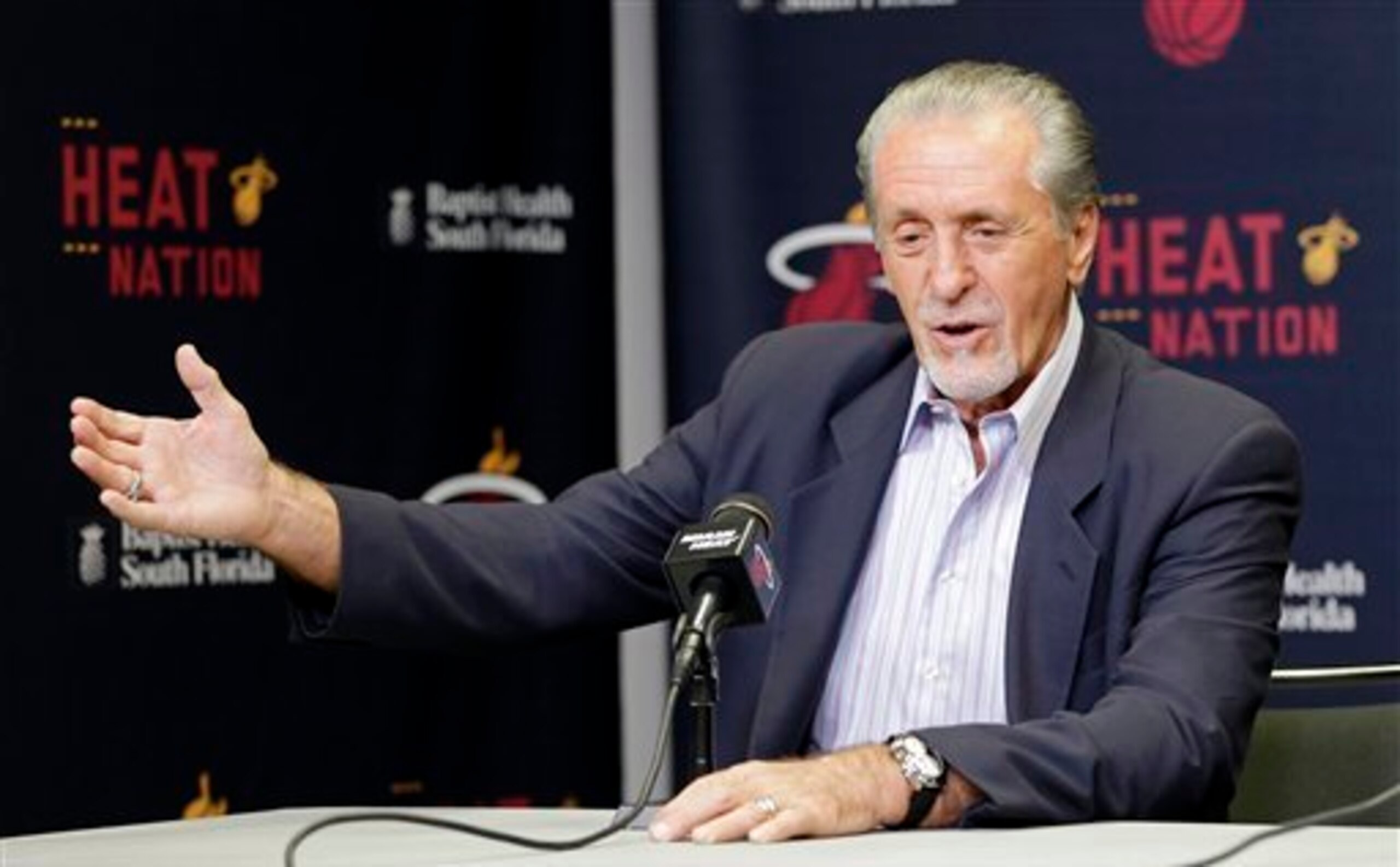
In the Role Since: September 29, 2008
Previous Experience: None
Could the 2015 offseason represent a strategic shift for Pat Riley and the Miami Heat? After mostly eschewing draft participation, the Heat double-dipped into last summer's talent pool and pulled a pair of potential franchise fixtures.
A rare lottery appearance gave Miami the No. 10 pick, where the basketball gods delivered a wise-beyond-his-years Justise Winslow. It was more good fortune than savvy foresight by Riley, but the 40th pick was completely different. That selection was Josh Richardson, a seemingly typical second-round flier—a four-year college pro with a low ceiling and an uninspiring offensive profile.
Yet once pressed into duty by injuries, Richardson emerged as an energetic two-way wing. All of his strengths (defense, length, athleticism) carried over, while a perceived weakness (perimeter shooting) became an unlikely asset. He would bury 46.1 percent of his triples—the third-highest rate among players with at least 50 makes.
Was that enough to make Riley and number-crunching GM Andy Elisburg embrace the draft? Not likely. These were by far the tandem's biggest rookie finds in South Beach—Norris Cole, acquired in 2011, is the next best—and remember, Riley already shipped out a pair of future firsts for Goran Dragic. Riley will continue to keep the draft low on his priority list, which, given his track record, is probably good news for the Heat.
21. New York Knicks: Phil Jackson
10 of 30
In the Role Since: March 18, 2014
Previous Experience: None
If Phil Jackson still owns the magic wand from his coaching days, he's yet to wave it over the New York Knicks. He looks like he's still getting a feel for his new executive gig.
That's partly a reflection of the tumultuous situation he inherited. He's already made a pair of coaching changes, and this is the second time in three years he's entering a draft without a pick. With that context in mind, he's done fairly well for himself.
The best pick (by a mile) was the only one Jackson didn't have to trade for. With New York's own slot last summer—the fourth overall—the Zen Master corralled a certain basketball unicorn in 7'3" All-Rookie first-teamer Kristaps Porzingis.
It's too early to say for certain, but it looks like Jackson might have snagged the draft's second-best player. That's tremendous value and something Jackson's resume really needed. His other draft-day dealings have delivered only marginal prizes (Jerian Grant, Cleanthony Early) or no relief at all (Thanasis Antetokounmpo, Willy Hernangomez) to date.
Assuming Jackson sticks around long enough, we'll figure out whether Porzingis was a lucky grab or a sign of genius.
20. New Orleans Pelicans: Dell Demps
11 of 30
In the Role Since: July 21, 2010
Previous Experience: None
How much praise does a no-brainer decision deserve? The first time Dell Demps held a first-round pick with the then-New Orleans Hornets, it was the top overall. More than that, the basketball gods had served up a ready-made superstar in one-and-done phenom Anthony Davis.
Demps didn't break the silver platter, so I guess there's that, but he made the same call anyone with a pulse would have. And as far as draft record is concerned, that's about the extent of his contributions.
His first pick for New Orleans, Josh Harrellson, was dealt away on draft night. Austin Rivers was the 10th selection in 2012 and a trade piece less than three years later. Nerlens Noel was the sixth pick in 2013—and a potentially devastating frontcourt partner for Davis—but the team dealt him shortly thereafter with a future first-rounder (later becoming Elfrid Payton) for Jrue Holiday.
Demps hasn't done much drafting since, largely because he's been so loose with future picks. He not only lost two for Holiday, but he let go of another to sign Omer Asik last summer. Davis is New Orleans' youngest player and Demps' only pick on the roster.
That should change with the Pellies holding three slots in this draft (including No. 6), but that assumes Demps has more patience than he's shown.
19. Memphis Grizzlies: Chris Wallace
12 of 30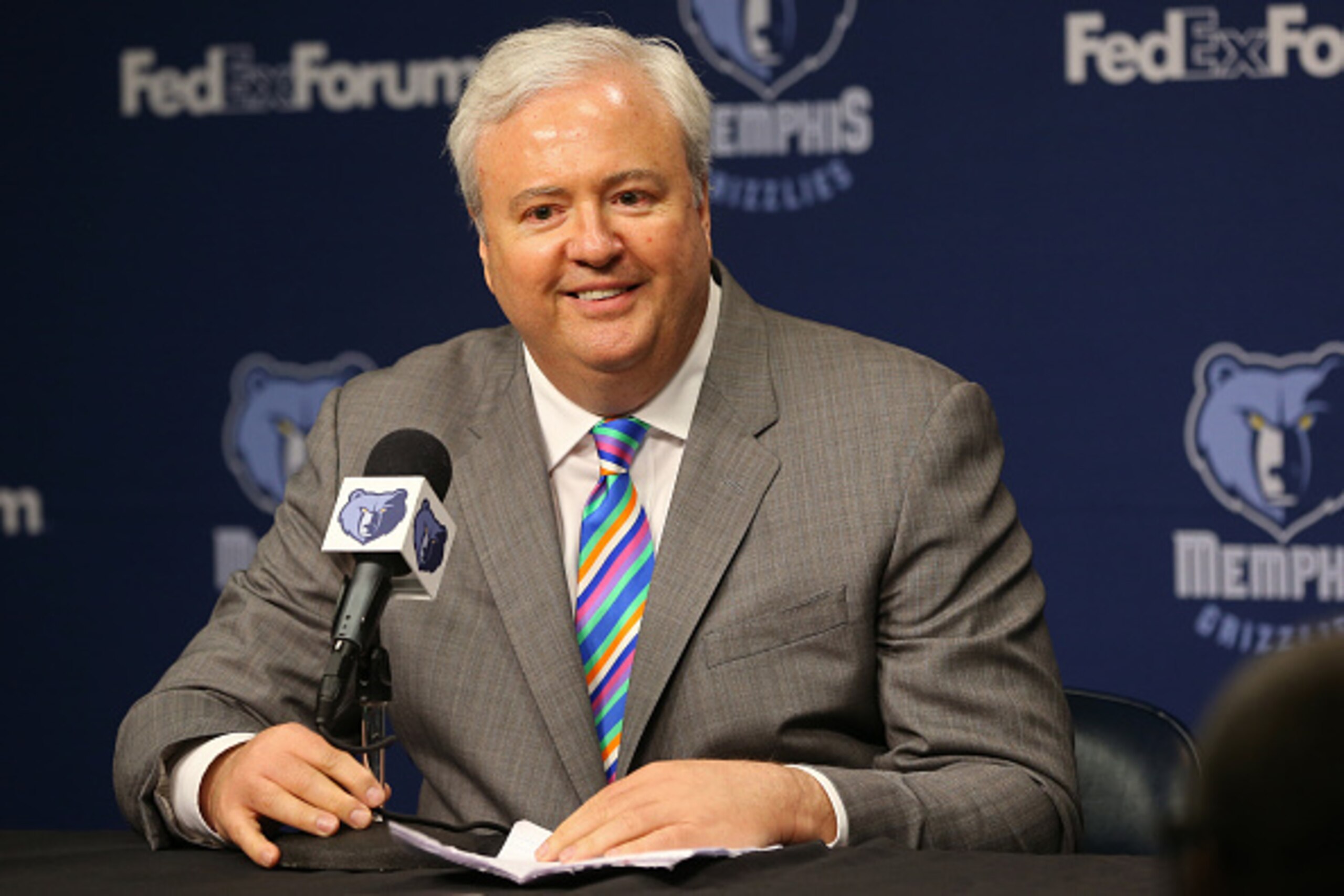
In the Role Since: May 19, 2014
Previous Experience: January 8, 2001, to May 9, 2003, with the Boston Celtics; June 19, 2007, to November 3, 2012, with the Memphis Grizzlies
The draft has been a roller coaster for longtime executive Chris Wallace. He led two for the Boston Celtics, picking four players: Joe Johnson was great value as the 10th choice in a weak 2001 draft—even though Boston traded him before he ascended—but Wallace swung and missed on Kedrick Brown (11th in 2001), Joseph Forte (21st in 2001) and Darius Songaila (50th in 2002).
It's been more of the same since Wallace joined the Memphis Grizzlies. His first pick was again his best, as he snatched Mike Conley fourth overall in 2007. Nabbing Kevin Love at No. 5 in 2008 would have been right there, but Wallace swapped out Love for O.J. Mayo on draft night. In 2009, Wallace made an egregious error, taking Hasheem Thabeet second overall, one spot above James Harden and five higher than Stephen Curry.
Wallace feels his draft record is forever distorted by that selection.
"The criticism is mostly based on Hasheem Thabeet, which is something I've never run from," Wallace said, per Ronald Tillery of the Memphis Commercial Appeal. "We made a mistake on him."
But truth be told, Wallace's resume looks lackluster because he's drafted a lot of lackluster players. Try to find an exciting name in this list: Donte Greene, Sam Young, Xavier Henry, Dominique Jones, Josh Selby, Tony Wroten, Jamaal Franklin, Jordan Adams, Jarnell Stokes.
DeMarre Carroll could have been one, but he found his groove after leaving Memphis. Maybe Jarell Martin pans out, but his rookie year was pretty "meh."
18. Phoenix Suns: Ryan McDonough
13 of 30
In the Role Since: May 7, 2013
Previous Experience: None
This will be the fourth draft during Ryan McDonough's time atop the Phoenix Suns. It should help determine the level of talent evaluator he is, since the jury is still out on his first three attempts.
His crown jewel is easy to spot. Devin Booker, last summer's 13th selection, was an All-Rookie first-teamer and his draft class' fourth-highest scorer. He's the youngest player in the entire league and has the prototypical size (6'6") and stroke of an NBA shooting guard.
It's tough to pin down McDonough's next best pick, Some might say Alex Len (fifth in 2013), but he's yet to find the quantity or quality of a top-five slot. It could be T.J. Warren (14th in 2014), but he's still proving himself as a perimeter threat and finding his way as both a passer and defender.
Tyler Ennis (18th in 2014) was traded as a rookie, Bogdan Bogdanovic (27th in 2014) remains overseas, and Archie Goodwin (29th in 2013, acquired in a trade) still needs polish.
McDonough needs more sure things, and this must be the time to find them. The Suns hold four picks in Thursday's draft, including three first-rounders and two lottery selections (Nos. 4 and 13).
17. Toronto Raptors: Masai Ujiri
14 of 30
In the Role Since: May 31, 2013
Previous Experience: August 27, 2010, to May 31, 2013, with the Denver Nuggets
Masai Ujiri is nothing if not a gambler. He spent his first draft pick on a 6'8" power forward from Morehead State, Kenneth Faried (22nd in 2011).
Ujiri hasn't taken the safe route since. In 2012, he spent the 20th choice on French swingman Evan Fournier and then the 38th selection on boom-or-bust prospect Quincy Miller. Ujiri's debut pick for the Toronto Raptors was Bruno Caboclo (20th in 2014), infamously dubbed "two years away from being two years away" by ESPN's Fran Fraschilla.
Caboclo is still a long ways from contributing, having made just 14 appearances over his first two seasons. DeAndre Daniels, the 37th pick in 2014, has yet to see an NBA floor. Delon Wright, last summer's 20th selection, spent this past season buried on a good point guard depth chart. Norman Powell, the 46th pick snagged in a trade, forced his way into the rotation late and looks like an athletic three-and-D wing.
Despite swinging for the fences, Ujiri has yet to actually launch one over the fence. But unless you're willing to write off Caboclo already, there haven't been any major whiffs. Cabolco's development and Ujiri's handling of his two firsts Thursday night (Nos. 9 and 27) will show whether his boldness is inventive or reckless.
16. Denver Nuggets: Tim Connelly
15 of 30
In The Role Since: June 17, 2013
Previous Experience: None
The Denver Nuggets saw promise in the then-36-year-old Tim Connelly and gave him a gig that was light on immediate pressure in 2013. The strategy seems to be paying off—both for Connelly and the players he's acquired.
He stumbled through the 2013 draft, which took place just 10 days after his hiring. He grabbed Rudy Gobert at No. 27 and then sent the 7'1" Frenchman to the Utah Jazz for Erick Green and cash. Gobert has emerged as a top-shelf rim protector, while the Nuggets waived Green last November.
The past two drafts have treated Connelly much better. He stopped Doug McDermott's slide at No. 11 in 2014 and then flipped the scoring forward to the Chicago Bulls for three-and-D wing Gary Harris and bruising big man Jusuf Nurkic. Connelly also uncovered stretch big Nikola Jokic with the 41st slot and then watched him emerge as an All-Rookie first-teamer this past season.
The All-Rookie second team featured another one of Connelly's gems—6'5" athletic point guard Emmanuel Mudiay. In the span of two drafts, the executive has perhaps laid the foundation for the Mile High City's next climb.
"Given time, the Nuggets are going to be good again," wrote Mark Kiszla of the Denver Post. "Given time, Jokic and Mudiay could be the best inside-out combo the Nuggets have had since Carmelo Anthony and Chauncey Billups."
15. Boston Celtics: Danny Ainge
16 of 30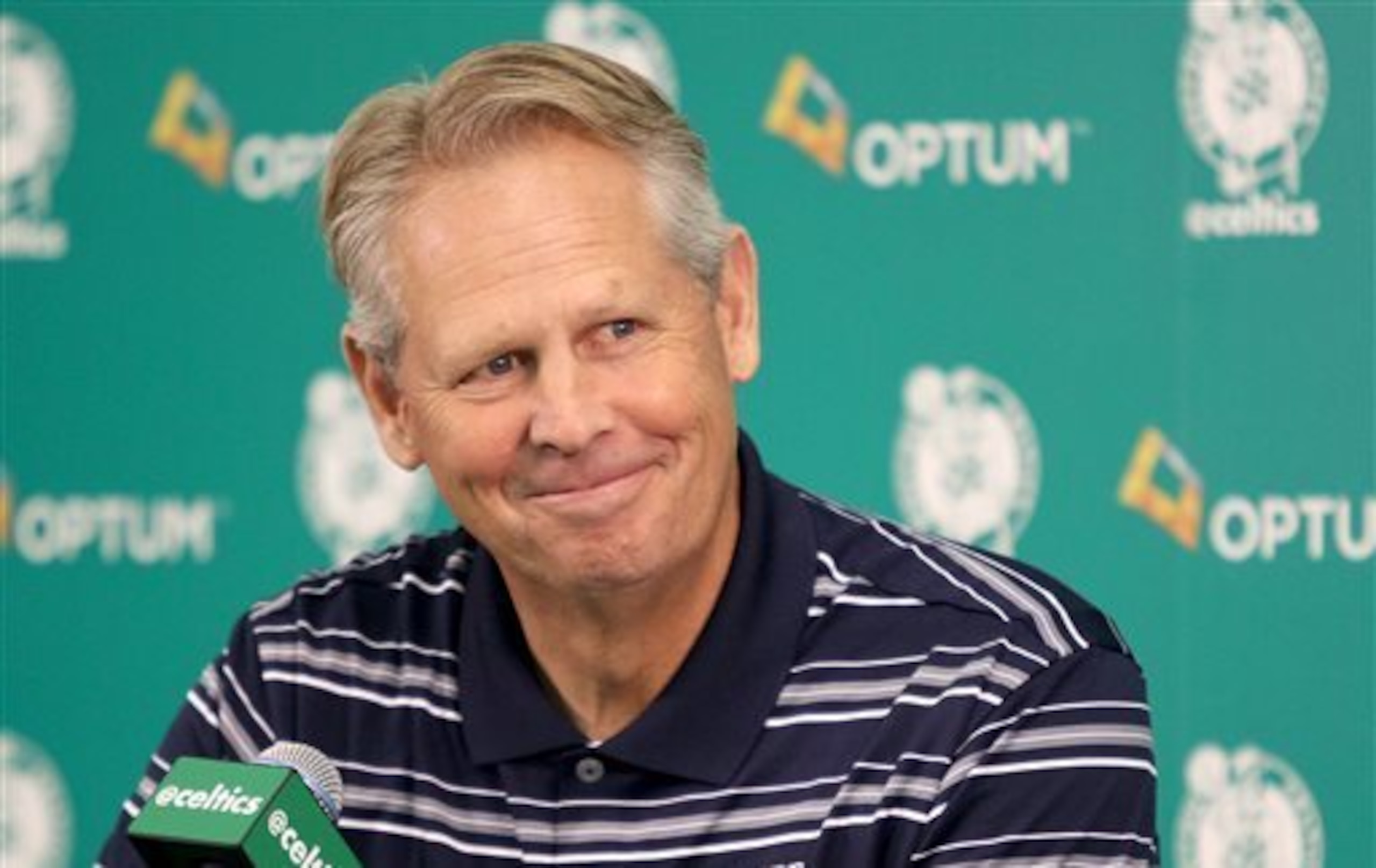
In The Role Since: May 9, 2003
Previous Experience: None
Danny Ainge is armed to the teeth with assets as he approaches his 16th draft for the Boston Celtics. That's more than enough time for the 57-year-old executive to have racked up a slew of hits, whiffs and everything in between.
His high notes have been franchise-changing. He gambled on the upside of preps-to-pros leapers Al Jefferson (14th pick in 2004) and Gerald Green (18th in 2005). Then he used both players to help land Kevin Garnett in a 2007 trade. Jeff Green (fifth in 2007) and Delonte West (24th in 2004) anchored the Ray Allen trade that same summer.
Ainge shipped out a future first-rounder (eventually used on Rudy Fernandez) to snag Rajon Rondo during the 2006 draft. Boston snatched up defensive stars Tony Allen (25th in 2004) and Avery Bradley (19th in 2010) outside the lottery, as well as scoring big man Jared Sullinger (21st in 2012). If Marcus Smart (sixth in 2014) maximizes his ability, he could be a dynamic two-way player.
But many of Ainge's recent picks look uninspired. Since 2011, he's spent first-round choices on MarShon Brooks, Fab Melo, James Young, Terry Rozier and R.J. Hunter. Brooks and Melo have long since disappeared out of Beantown, and the remaining trio includes no guaranteed rotation players.
Ainge's best work has been his asset accumulation and timely transactions. Those don't exactly help his mediocre draft record, but they put the Celtics in a better spot than this ranking would suggest.
14. Washington Wizards: Ernie Grunfeld
17 of 30
In the Role Since: June 30, 2003
Previous Experience: April 23, 1991, to April 21, 1999, with the New York Knicks; August 13, 1999, to June 29, 2003, with the Milwaukee Bucks
Ernie Grunfeld should have this draft thing down to a science. The fact that he doesn't shows how much of a crapshoot it can be.
His tenure with the New York Knicks brought a lot of mid-level picks and slightly higher returns. The Knicks selected Hubert Davis, Monty Williams, Charlie Ward and Walter McCarty between 19th and 26th, and each would go on to play more than 450 career games.
Grunfeld made his biggest surprise while with the Milwaukee Bucks. Via the 43rd pick in 2000, he snared scoring guard Michael Redd, who now sits fourth on the franchise's career points list. But lottery gambles on Joel Przybilla (trade), Marcus Haislip and T.J. Ford never really paid off.
It's been a mixed bag for Grunfeld and the Washington Wizards.
He's made four top-five picks and produced two All-Stars (Devin Harris and John Wall), maybe a third shortly (Bradley Beal) and at least a solid starter (Otto Porter). But Grunfeld blew the sixth pick in 2011 on Jan Vesely and wasted top-20 selections on Oleksiy Pecherov and Chris Singleton. Nick Young, JaVale McGee and Andray Blatche were all talented finds, but each helped necessitate an organizational culture change.
Grunfeld's longevity alone creates uneven results, but his credentials would look stronger with more diamonds in the rough.
13. Los Angeles Lakers: Mitch Kupchak
18 of 30
In the Role Since: August 7, 2000
Previous Experience: None
Mitch Kupchak long had the luxury of breathing easy on draft night. He had market mulligans to compensate for any missed picks—a fully loaded roster with a superstar at the top, a storied organization and a postcard-quality city to sell potential trade or free-agency targets.
That cushioned the blow of any misstep and accentuated the productive pulls. Andrew Bynum (10th in 2005) didn't peak particularly high or long, yet he played a crucial role on a pair of title teams. Sasha Vujacic (27th in 2004) and Jordan Farmar (26th in 2006) were both low-cost, moderate-impact reserves. Marc Gasol (48th in 2007) brought back a star (his brother, Pau) and then blossomed into that same role himself on a different team.
The Los Angeles Lakers have had plenty of lean draft years as well under Kupchak. Their best addition from 2008 to 2013 was either Robert Sacre (60th in 2012) or Ryan Kelly (48th in 2013). The on-court product didn't suffer, as they squeezed three Finals trips and two championships into those six seasons, but it's part of the reason why the cupboards look so bare entering the post-Kobe Bryant era.
The draft means more now to Kupchak and the Lakers than ever. So far, that has brought out the executive's best. Julius Randle (seventh in 2014) and D'Angelo Russell (second in 2015) have largely lived up to their billing, while Jordan Clarkson (46th in 2014) and Larry Nance Jr. (27th in 2015) have played above theirs. If Kupchak delivers with Thursday's No. 2 pick, he may build up another contender—this time mulligan-free.
12. Houston Rockets: Daryl Morey
19 of 30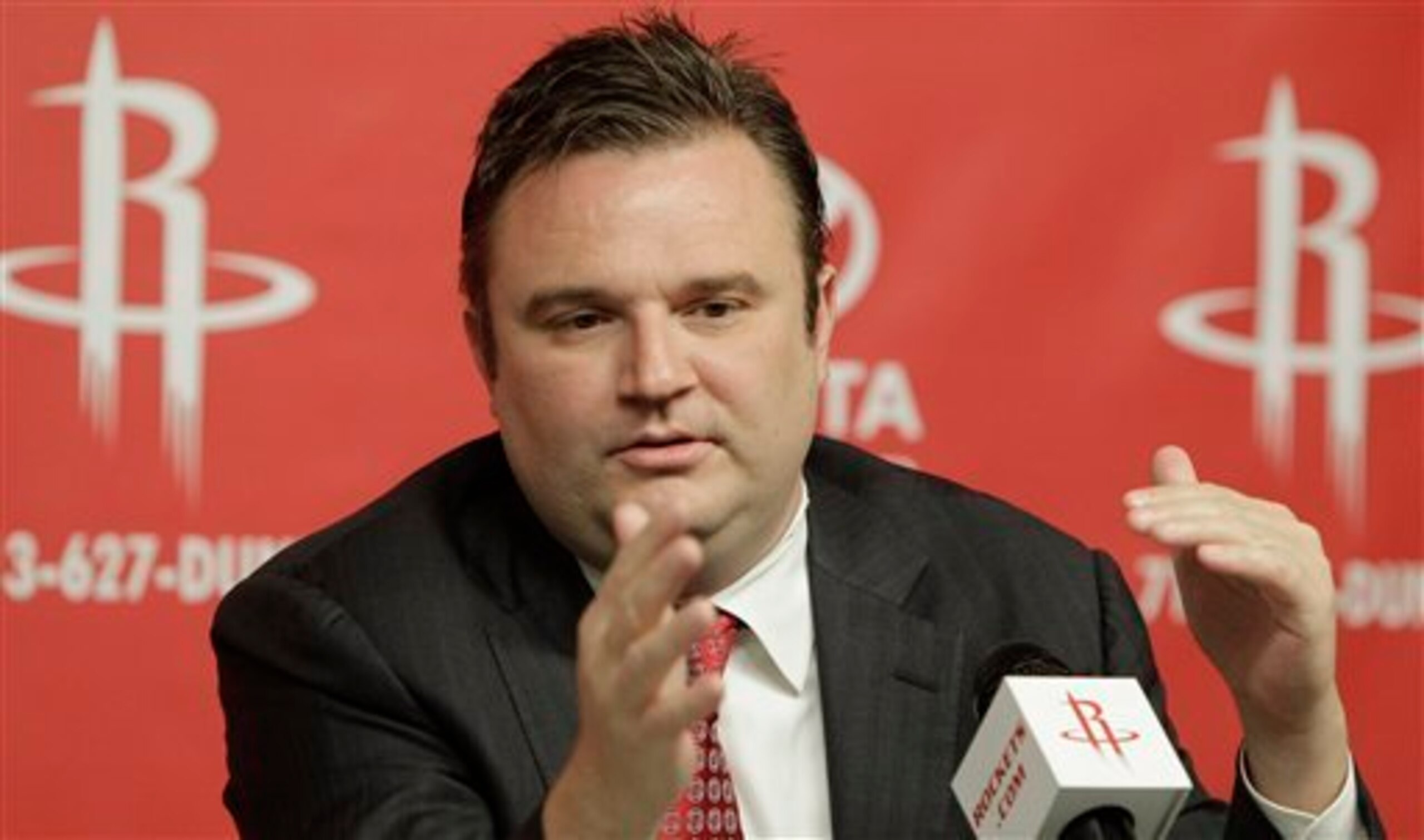
In the Role Since: May 6, 2007
Previous Experience: None
There's never a dull moment with Houston Rockets general manager Daryl Morey. Like it or not, he's become the poster child of the league's analytical movement. And that's led to a seemingly endless pursuit of superstars and the assets needed to obtain them.
It's also led to some busy draft nights and an ultimately uneven result on those selections. Among the many highs are Aaron Brooks (26th in 2007), Carl Landry (31st in 2007), Patrick Patterson (14th in 2010), Marcus Morris (14th in 2011), Chandler Parsons (38th in 2011), Jeremy Lamb (12th in 2012), Terrence Jones (18th in 2012) and Clint Capela (25th in 2014).
But of that group, only Jones—a restricted free agent this summer—and Capela remain with the Rockets. Lamb was used to fuel the 2012 trade for James Harden, which was a massive win for Houston's side. Parsons was allowed to walk in free agency, while Morris and Patterson returned forgettable trades.
Morey also sold low on Nicolas Batum (25th pick in 2008) and lost his gamble on Royce White (16th in 2012). The jury is still out on Sam Dekker (18th in 2015), who lost all but three games of his rookie year to back surgery. Morey has guessed right more than wrong, but he's made some damaging miscalculations on potentially valuable prospects.
11. Utah Jazz: Dennis Lindsey
20 of 30
In the Role Since: August 7, 2012
Previous Experience: None
Utah Jazz general manager Dennis Lindsey isn't deep into his drafting career, but with so many more hits than misses, he's given himself a strong foundation to build upon.
He's made nine selections and five trades in three drafts. He only needs one do-over amid all that activity: the 2013 trade of Shabazz Muhammad (14th) and Gorgui Dieng (21st) for Trey Burke (ninth). Burke has the worst career player efficiency rating of the three (12.9) and has yet to prove he can consistently score against NBA defenders.
But it's tough to pile on Lindsey for that mistake, when he still managed to collect that draft's best player. For the clearance price of Erick Green (46th pick) and cash, the Jazz GM pried interior anchor Rudy Gobert (27th pick) away from the Denver Nuggets. Lindsey also parted with a future second to add Raul Neto, who made 53 starts as a rookie last season.
Lindsey's resume gets murkier after that. He nailed the 23rd selection of 2014 with ultra-smooth scoring wing Rodney Hood, but it's still unclear what Utah has in Dante Exum (the No. 5 pick). The 6'6" point guard is a disruptive defensive piece, but he's unproven in all offensive facets. Last summer's first-rounder, Trey Lyles (12th), could be a versatile offensive piece but needs more seasoning at both ends.
10. Portland Trail Blazers: Neil Olshey
21 of 30
In the Role Since: June 4, 2012
Previous Experience: March 9, 2010, to June 4, 2012, with the Los Angeles Clippers
Don't let the Portland Trail Blazers' collection of young talent fool you—Neil Olshey does not have a golden draft-day touch.
He ran two drafts and made four picks for the Los Angeles Clippers. None of the four lasted longer than a year in L.A.: Al-Farouq Aminu (No. 8 in 2010) made it through a full season before being included in the Chris Paul trade but has yet to live up to his top-10 billing.
Olshey has extracted some mid-tier value—Aminu, Meyers Leonard (11th in 2012) and Rondae Hollis-Jefferson (23rd in 2015, traded for Miles Plumlee)—but his track record would be forgettable without big fish. When Olshey guesses right, though, he nails it.
His first pick for the Portland Trail Blazers was Damian Lillard (sixth in 2012), who's since become a two-time All-Star and shadow MVP candidate. In the same draft, Olshey spent the 40th choice on Will Barton, who just made top-five finishes in both the Most Improved Player and Sixth Man of the Year award voting, albeit now with the Denver Nuggets. In 2013, Olshey landed this season's Most Improved Player, C.J. McCollum, with the 10th overall slot.
9. Charlotte Hornets: Rich Cho
22 of 30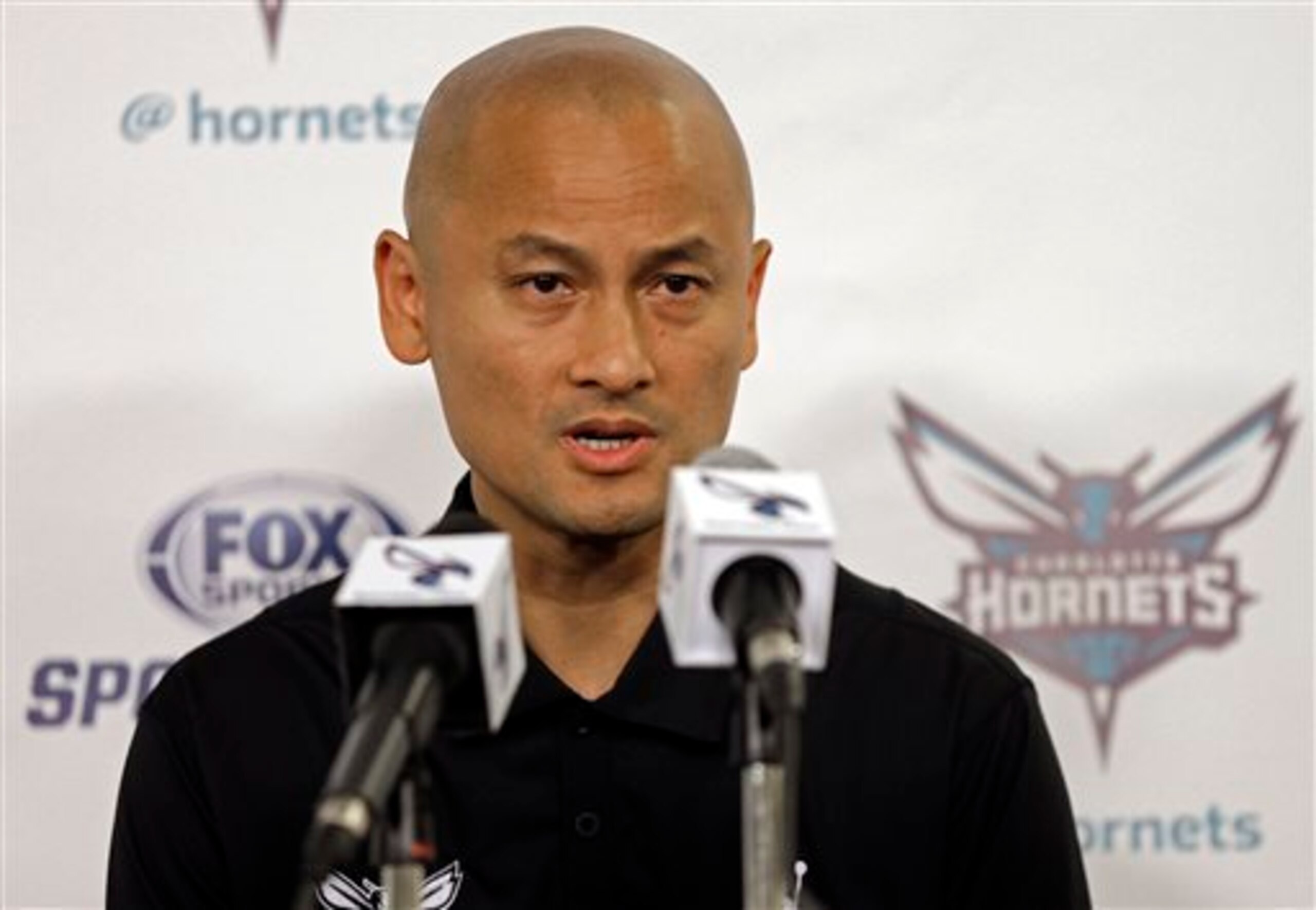
In The Role Since: June 14, 2011
Previous Experience: July 19, 2010, to May 23, 2011, with the Portland Trail Blazers
Rich Cho's draft resume bears a striking resemblance to the roster he's assembled with the Charlotte Hornets: It's lacking star power, but there's more value than many may realize.
His first crack with Charlotte came in 2011, and it probably still stands as his best to date. He turned the No. 9 pick into scoring guard Kemba Walker and then snagged versatile forward Tobias Harris 10 slots later.
But Charlotte shipped out Harris the same night, along with veterans Stephen Jackson and Shaun Livingston, in a three-team trade for Bismack Biyombo (No. 7 pick) and Corey Maggette. Harris has easily been the most productive player in that exchange, and Biyombo's best year came after he exited Charlotte. Cho's final haul from that draft doesn't nearly reflect the talent he found.
He hasn't launched any homers since, but he's made some productive pulls: Michael Kidd-Gilchrist (second in 2012), Cody Zeller (fourth in 2013), Noah Vonleh (ninth in 2014) and Frank Kaminsky (ninth in 2015). Maybe that doesn't sound like much, but Kidd-Gilchrist is an effective defender when he's healthy, Vonleh helped deliver Nicolas Batum, and Zeller has the most win shares of any 2013 top-10 pick (12.7).
Still, Cho needs his faith in Kidd-Gilchrist and Kaminsky to pay off. With only the 22nd slot in Thursday's draft, Cho's credentials are more dependent on internal development than external acquisitions.
8. Philadelphia 76ers: Bryan Colangelo
23 of 30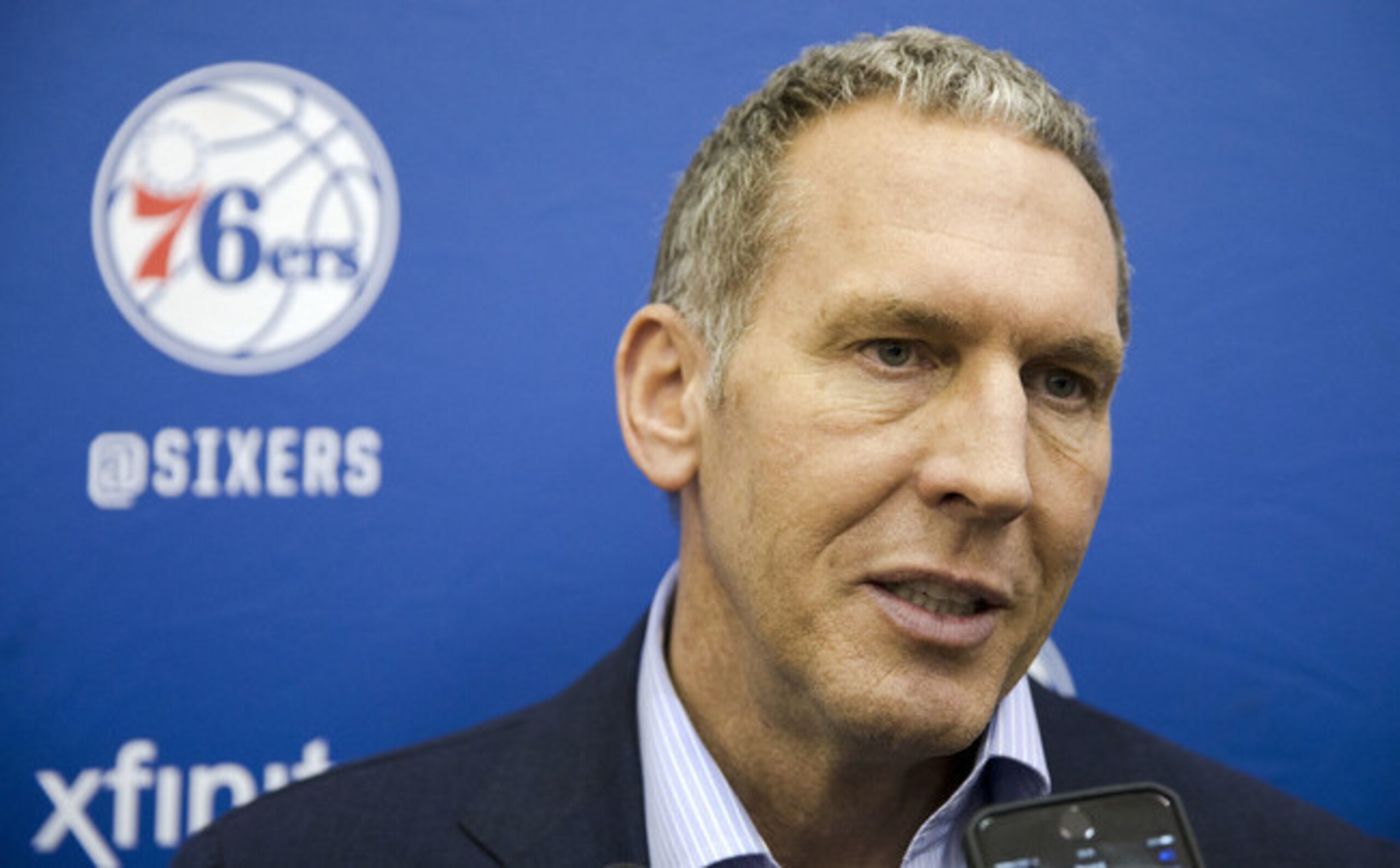
In the Role Since: April 10, 2016
Previous Experience: February 23, 1994, to February 27, 2006, with the Phoenix Suns; February 28, 2006, to May 31, 2013, with the Toronto Raptors
The Philadelphia 76ers are done with "The Process" and the mastermind behind it, Sam Hinkie. That's why Bryan Colangelo, a two-time Executive of the Year, signed on to a team that's suffered 199 losses over the past three seasons.
"We're really changing our focus toward winning," Colangelo told reporters. "That's something that's a shift in culture."
Now, there's a joke to be made here about entrusting Philly's future and upcoming No. 1 pick to an executive who once made Andrea Bargnani the top selection. But remember that 2006 was an atrocious draft class—Bargnani's paltry 18.9 career win shares rank second among the top five picks. Colangelo's track record is otherwise strong.
Outside of Bargnani, he never held a top-four selection. That makes Colangelo's many impact finds with the Phoenix Suns more remarkable: Michael Finley (21st in 1995), Steve Nash (15th in 1996), Shawn Marion (ninth in 1999) and Amar'e Stoudemire (ninth in 2002).
Colangelo's tenure with the Toronto Raptors was highlighted by hits on DeMar DeRozan (ninth in 2009) and Jonas Valanciunas (fifth in 2011).
7. Orlando Magic: Rob Hennigan
24 of 30
In the Role Since: June 20, 2012
Previous Experience: None
Rob Hennigan has guided the Orlando Magic through four drafts to date. One could argue his next bad selection will be his first, but taken together, his picks might not all complete the same picture.
His debut draft was a quiet success, as he found reliable reserves with both the No. 19 (Andrew Nicholson) and 49 (Kyle O'Quinn) slots. Hennigan began building his starting five from there.
With the No. 2 pick in 2013, he found his two-way shooting guard in Victor Oladipo. One year later, Hennigan added a hyper-athletic forward at No. 4 (Aaron Gordon) and a table-setting floor general via a trade (Elfrid Payton). Last summer's talent grab yielded Mario Hezonja at No. 5, giving Orlando a scoring forward with dunk-contest hops and a deadeye shot.
It's hard to argue against the talent Hennigan has found, but it is fair to question what it all adds up to. It's still unclear if Oladipo and Payton have enough shooting between them to support a longtime partnership. Hezonja is unproven, and Gordon is unpolished offensively.
6. Chicago Bulls: Gar Forman
25 of 30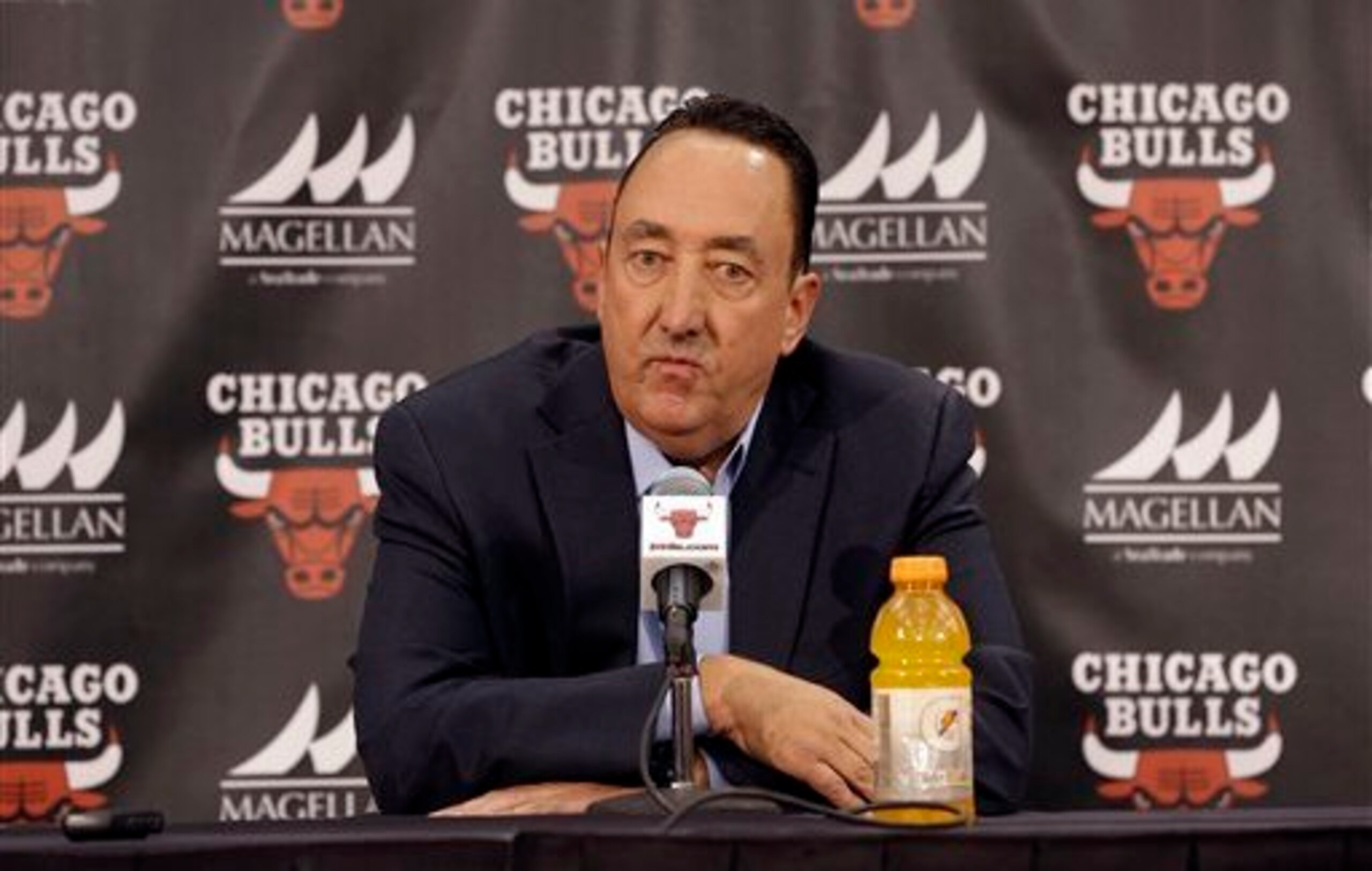
In The Role Since: May 21, 2009
Previous Experience: None
The Chicago Bulls were a playoff team when Gar Forman took over in 2009, and they had been a playoff team since, before missing the postseason this past season. That has limited the executive's options on draft night, though one wouldn't know that based on his impressive history.
From 2009 to 2011, Forman used bottom-five first-rounders on Taj Gibson (26th in 2009), Norris Cole (28th in 2011) and Jimmy Butler (30th in 2011). Butler has been an All-Star the past two seasons and is widely regarded as one of the league's premier two-way perimeter players. Gibson has become a frontcourt fixture in Chicago, while Cole helped facilitate the 2011 trade for the rights to stretch forward Nikola Mirotic.
Those are three really good returns on seemingly mediocre investments, which has come to define Forman's draft success. He hasn't seen the same results with better chips, however. Top-20 picks James Johnson and Kevin Seraphin were traded away, while Tony Snell has yet to realize his potential. Chicago could win the Doug McDermott deal, but Garry Harris and Jusuf Nurkic (to Denver) looks like the preferable package for now.
That said, finding both Butler and Gibson at the back end of the opening round is a testament to Forman's eye for talent. Plus, the executive's stock could be rising with his highest pick ever (No. 14) in hand and ample room for growth ahead of Mirotic, McDermott and last year's first-rounder, Bobby Portis.
5. Milwaukee Bucks: John Hammond
26 of 30
In the Role Since: April 11, 2008
Previous Experience: None
John Hammond has chased drastically different directives while overseeing the Milwaukee Bucks. The franchise once seemed content to chase .500 records and low-end playoff berths. It then adopted a stripped-down rebuild for a single season and emerged at the other end with one of the league's most promising young cores.
But here's the real kicker—Hammond has delivered draft-night value no matter the priority. Or rather, he started to once he got his gigantic gaffe out of the way. His first time on the clock, Hammond used 2008's No. 8 choice on Joe Alexander and then watched the West Virginia product create the 16th-fewest win shares of a top-10 pick in the lottery era (minimum 50 games).
Hammond immediately snapped out of this funk—his next three selections were Luc Mbah a Moute (37th in 2008), Brandon Jennings (10th in 2009) and Jodie Meeks (41st in 2009). The 15th slot in 2010 yielded one dominant rim protector (Larry Sanders), and the 14th pick a year later provided another (John Henson).
The biggest spikes in Hammond's underrated draft stock, though, have come more recently. Giannis Antetokounmpo, the 15th pick in 2013, is a superstar-in-training as a 6'11" point guard and triple-double machine. Jabari Parker, 2014's second choice, might be the perfect alpha scorer alongside the Greek Freak.
That's all a credit to Hammond's eye for talent, which can adjust to any situation.
4. Indiana Pacers: Larry Bird
27 of 30
In the Role Since: June 27, 2013
Previous Experience: July 11, 2003, to June 27, 2012, with Indiana Pacers
Would Larry Bird be Larry Legend without his Hall of Fame playing career? Not even close. But his track record as an executive still showcases a special feel for the sport.
After reaching and missing on 7-footer David Harrison (29th in 2004) at his first draft, Bird struck gold with the No. 17 choice in 2005: swingman Danny Granger, who was an All-Star in 2009 and has already scored the sixth-most points in franchise history.
In 2008, Bird packaged some players and assets to acquire Brandon Rush (the 13th pick), Roy Hibbert (the 18th), T.J. Ford, Jarrett Jack and Josh McRoberts. Two years later, Bird had a franchise-altering draft, using the 10th slot on Paul George and the 40th on Lance Stephenson.
In 2011, Bird nabbed Kawhi Leonard at No. 15 but shipped him to the San Antonio Spurs for veteran George Hill.
After returning to his Pacers post in 2013, Bird had a quiet two years. The consistently inconsistent Solomon Hill (23rd in 2013) only recently played well, but Bird seemed to hit big again last summer with No. 11 pick Myles Turner—an All-Rookie second-teamer and possible shot-blocking stretch center. Bird looks like a natural in his second career, and it doesn't hurt having GM Kevin Pritchard around to assist.
3. Golden State Warriors: Bob Myers
28 of 30
In the Role Since: April 24, 2012
Previous Experience: None
Bob Myers' four-year tenure atop the Golden State Warriors has seemed like less of a job than a charmed existence. The Dubs went 23-43 the year before he took over. They're 238-90 during the four seasons since and have made two Finals trips, won a world title and taken home MVP, Coach of the Year and Executive of the Year honors.
Myers' drafting played a pivotal part in all of the above.
His 2012 haul was one for the ages: He spent the No. 7 pick on Harrison Barnes, a hyper-athletic swingman who started on the championship team. The 30th selection was Festus Ezeli, a key reserve 7-footer who thrives in the pick-and-roll game at both ends of the court. The 35th choice was Draymond Green, already an All-Star and the key to the NBA's best small-ball lineup.
That helps mask the fact Myers hasn't had much draft-night activity since. He rattled off a string of late first-round trades in 2013, adding and then subtracting both Andre Roberson and Archie Goodwin before settling on Serbian guard Nemanja Nedovic, who was out of the NBA by November 2014. Myers' only selection the past two drafts was Kevon Looney (No. 30 in 2015), who had hip surgery and played just 21 minutes as a rookie.
The Warriors GM again holds the No. 30 pick in this draft, and the Dubs aren't exactly brimming with open rotation spots. So, it's hard to imagine Meyers adding another feather to his draft cap anytime soon. But with a start like his, there's no need for validation.
2. San Antonio Spurs: R.C. Buford
29 of 30
In the Role Since: July 1, 2002
Previous Experience: None
The San Antonio Spurs were expert draft-gold miners before R.C. Buford assumed control in 2002. Their Hall of Fame-bound triumvirate of Tim Duncan, Manu Ginobili and Tony Parker was already in place, so the executive gets no credit for those selections.
And yet, Buford's track record is strong. He's never picked earlier than No. 20, and yet he's swimming in rotation players. The No. 28 slot has alone delivered Leandro Barbosa (traded), Beno Udrih, Ian Mahinmi and Tiago Splitter. George Hill was the 26th pick in 2008 and then the trade fodder for Kawhi Leonard in 2011. Cory Joseph was a 29th choice, while the second round provided Goran Dragic (traded) and DeJuan Blair.
"[Buford's] got a unique eye for talent because he has a great imagination," Oklahoma City Thunder general manager Sam Presti said in 2007, per David DuPree of USA Today. "He can look at guys and ask the right questions and be creative as to where and how they will fit into things down the road."
Buford's imagination is best seen in the Hill-for-Leonard swap, a deal that looked risky then but will be remembered as a heist. Buford didn't simply extend San Antonio's title window—he may have opened another. And given the way he's squeezed value from seemingly every spot on the draft board, he just might keep it open for the foreseeable future.
1. Oklahoma City Thunder: Sam Presti
30 of 30
In the Role Since: June 7, 2007
Previous Experience: None
If a fantasy owner drafted as strongly as Sam Presti, their league mates would either call shenanigans or just give that person the boot.
His five-year run from 2007 to 2011 might warrant its own 30 for 30 film. Three weeks after landing the job, Presti grabbed Kevin Durant with the No. 2 pick. If that selection seems too obvious to praise, the Thunder GM also used second-rounders on Carl Landry (31) and Glen Davis (35). Both players were traded the same night—Davis went in the Ray Allen/Jeff Green swap—but they were bargains at their respective slots.
Presti's second draft may have been even better. In 2008, he used the fourth pick on Russell Westbrook and the 24th on Serge Ibaka. A year later, he landed James Harden at the No. 3 spot. In 2010, Presti grabbed Eric Bledsoe at 18 and Quincy Pondexter at 26, but he traded both players away. Presti had only the 24th selection in 2011, yet turned it into Reggie Jackson.
"When Presti has high picks, he hits home runs," wrote Berry Tramel of the Oklahoman. "When he has long shots, Presti still produces on a regular basis."
Presti hasn't owned a top-10 pick since 2009, but his draft boards continue to generate value—Perry Jones at 28 in 2012 and Steven Adams at No. 12 the following year. At this point, we should all probably just assume the NBA's next great inside-out tandem will be Mitch McGary (21st in 2014) and Cameron Payne (14th in 2015).
Statistics used courtesy of Basketball-Reference.com, unless otherwise noted.

.jpg?w=2560 "NFL investigating 2 referees for separate viral exchanges")

.jpg?w=2560 "Report: Chiefs Contact Hill's Agent")
.jpg?w=2560 "OBJ Calls Out Giants After Release")
.jpg?w=2560 "Tyreek makes another cryptic post amid Chiefs rumors")

.jpg?w=2560 "Greenlaw Talks Payton Exchange")