SEC Extra Points: Should There Be a Uniform Substance Abuse Policy?
The SEC will hold its annual spring meetings from May 31-June 3 in Destin, Florida, and while satellite camps will likely dominate headlines (after all, what offseason would be complete without them?), other legislative items like long-term player health, transfer restrictions and avenues of legal compensation will certainly be on the docket.
What about a conference-wide substance abuse policy? I've been asked about it on virtually every radio appearance this week, and the recent marijuana-related arrests at Alabama, Auburn, Georgia and other schools seem to have piqued the interest of the general public.
Don't count on it being a factor in Destin, though.
TOP NEWS

Report Card for Top 20 CFB QBs 📝
B/R's 2026 Heisman Trophy Rankings after Week 5 🔢

Latest CFB AP poll rankings
"Probably not," Auburn athletics director Jay Jacobs told Bleacher Report in a text message when asked if he expected it to be a topic of conversation. "It hasn't been mentioned in a couple of years."
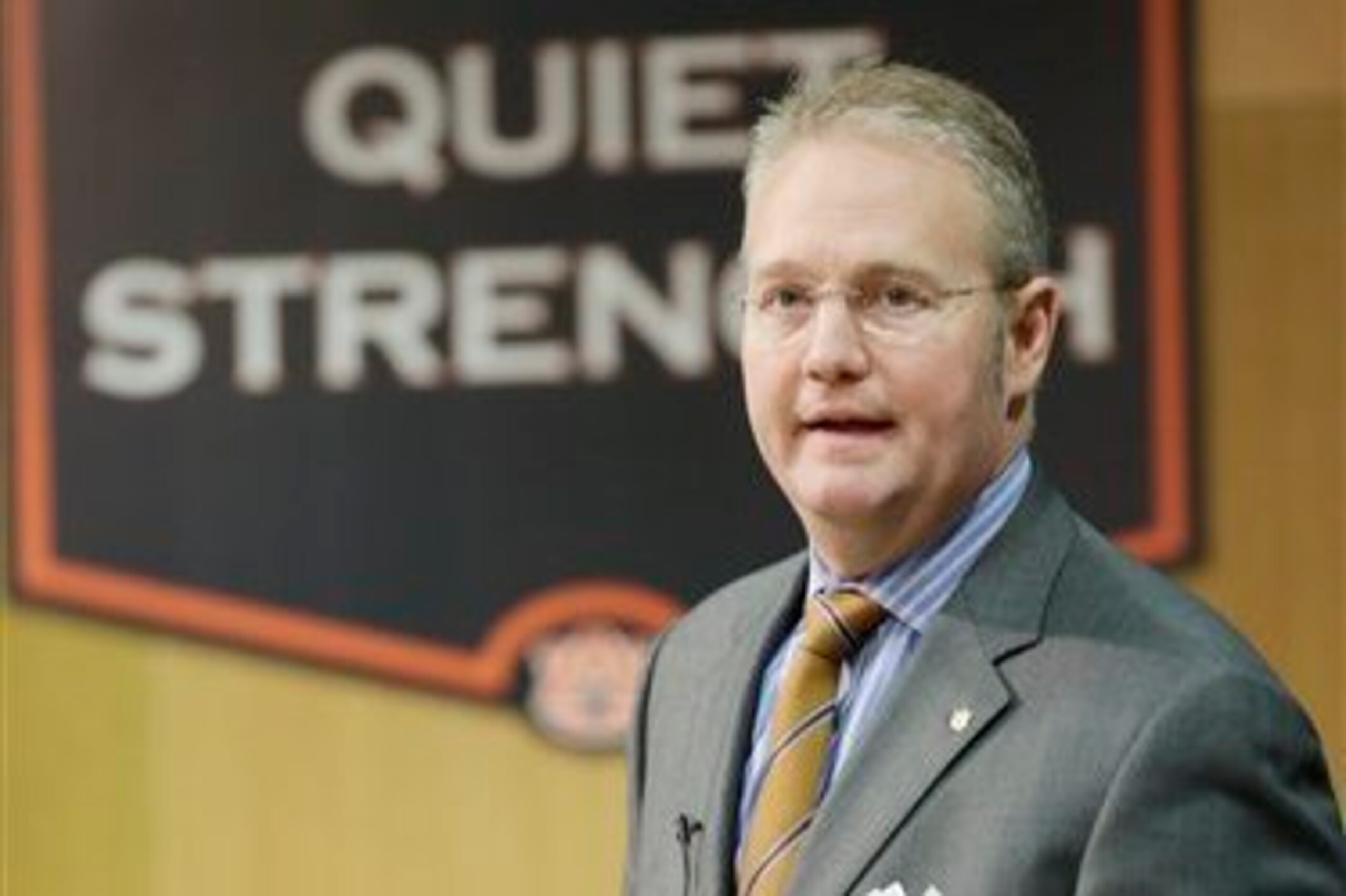
Currently, each school has the freedom to create their own substance abuse policy and punishment structure based on their own student body's needs and institutional goals.
At Auburn, a student-athlete isn't suspended on the first marijuana-related offense, loses 25 percent of the season on the second, 50 percent on the third, a full season on the fourth and is dismissed after that.
At LSU, the first positive test results in no suspension, followed by 10 percent, 50 percent and permanent ineligibility (pending appeal) on subsequent offenses.
At Alabama, the second offense results in a minimum of one game, 25 percent on the third, 50 percent on the fourth and dismissal on the fifth. At Georgia (which is one of the strictest in the country), a player loses 10 percent of the season on the first offense, 30 percent on the second and is permanently suspended on the third.
Synergy is good in some instances, but asymmetry is the way it should be regarding school substance abuse policies.
Coaches might say otherwise, but it's up to the school presidents and athletic directors to run their programs based on what they feel is necessary regarding the specific issues facing their own student athletes, and they adjust their policies as needed based on those issues.
Sometimes it could be the rise of a specific substance, and other times (like in Washington and Colorado where marijuana is legal), state laws dictate what adjustments need to be made.
It's not up to the conference, and it shouldn't be up to the conference.
The administrators at each school know their own population better than somebody in the SEC office in Birmingham, Alabama. The schools deal with these players' health on a day-to-day basis, and can quickly address any situation that arises. If the conference handles it, the schools will have to educate the conference on the specifics of each player's health record every time there's a failed test or arrest, which will result in slower examination of infractions, longer appeals and a much bigger headache.
It's just not worth it.
Freeze Speaks Out

Ole Miss head coach Hugh Freeze has tried to keep a low profile since former offensive tackle Laremy Tunsil threw himself and his old program under the bus during the first round of the NFL draft last month when he said in the post-draft press conference that he took money at Ole Miss after screenshots of conversations with athletic department officials were posted on his Instagram account.
Now to be fair, we already know that Tunsil received extra benefits. After all, that's why he was suspended for the first seven games of the 2015 season. Since draft night, though, the world has been wondering if Tunsil's comments were in relation to old incidents, unknown incidents or were even illegal at all.
Freeze addressed the toll it has taken on himself and his program on the Paul Finebaum Show on the SEC Network from the Regions Tradition pro-am golf tournament in Hoover, Alabama.
"It's something that I wouldn't wish on any coach," Freeze said (41:00 mark). "We all want to win and we all want to compete. The coaches who I hang around with and I know...your name means a lot to you. Any time when people who don't know you or others get to decide the narrative when you can't, it's very frustrating and very hurtful to yourself, your families, your kids, your wives and everyone who is close to you."
Freeze really has no other choice.
The NCAA has to find out whether or not those conversations are real, accurate and included in the previous Notice of Allegations. As a result, Freeze has no choice but to lose the public relations battle while the compliance staff works with the NCAA on figuring out what Tunsil's draft night shenanigans mean for the future of the program.
"I know what we do, and I know that's not the case," Freeze said (42:10 mark). "I know if I find that anyone in our staff would do that (which would shock me)—knowingly do something that would jeopardize our families—they would be in trouble and wouldn't have a job."
The last thing that Ole Miss needs is its head football coach speaking out publicly about an investigation that could impact the highest profile sport within the department. The only thing that would hurt the program, because every program has issues, and public statements will only be used against Freeze and the program if they're not 100 percent truthful.
Birmingham, We Have a Problem
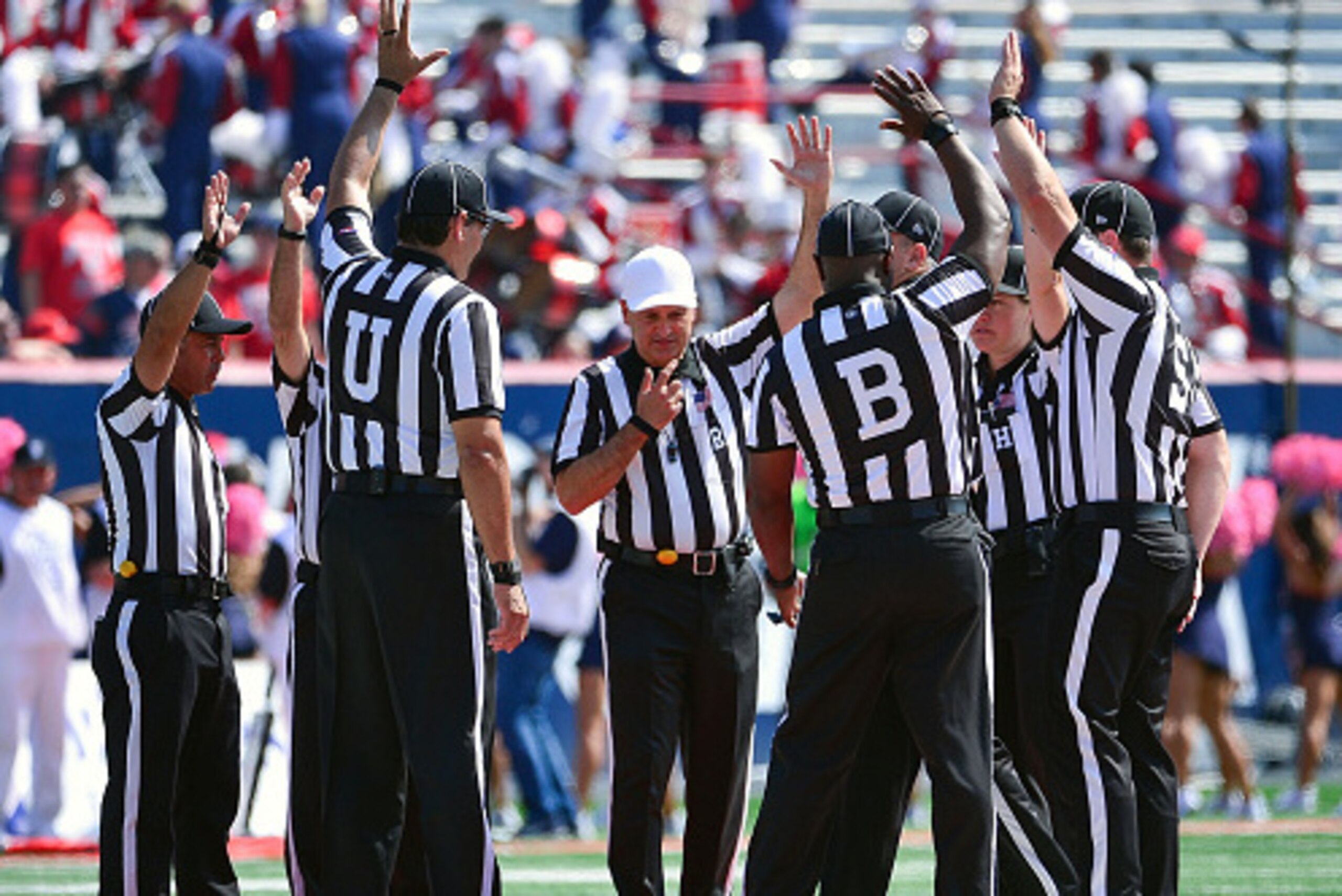
That phrase will be mentioned inside headsets this fall, as the conference has followed the ACC's lead and will institute a centralized, collaborative replay system for football in 2016.
Personnel from the SEC's headquarters in Birmingham will assist the on-side replay official during reviews, taking the pressure off of the official in stadium to be the lone responsible party on plays that could go either way.
"Our goal is to continue to use the best-available resources to support correct outcomes when instant replay is used," said SEC Commissioner Greg Sankey in an emailed statement. "We believe the collaborative effort, which will involve additional officiating experts during replay reviews, will enhance the conference’s football officiating program."
I like it.
Similar to the systems in Major League Baseball and the National Hockey League, a system that allows multiple people to access and rule on tight plays in a timely fashion, will prevent a single person from arguing with him or herself in the booth and hopefully bring more consistency to the process.
Of course, the presence of the SEC office in the heart of Alabama and Auburn country will lead to massive conspiracy theories among fans if calls go in favor of the Tide or Tigers, but if you spend 30 minutes with SEC coordinator of football officials Steve Shaw and his crew, you'll know that they care deeply about getting every call right.
This will ensure that they do.
We have the technology to make this a reality in 2016, and the SEC (and ACC) should be applauded for using it.
Sumlin's Not Gonna Take It
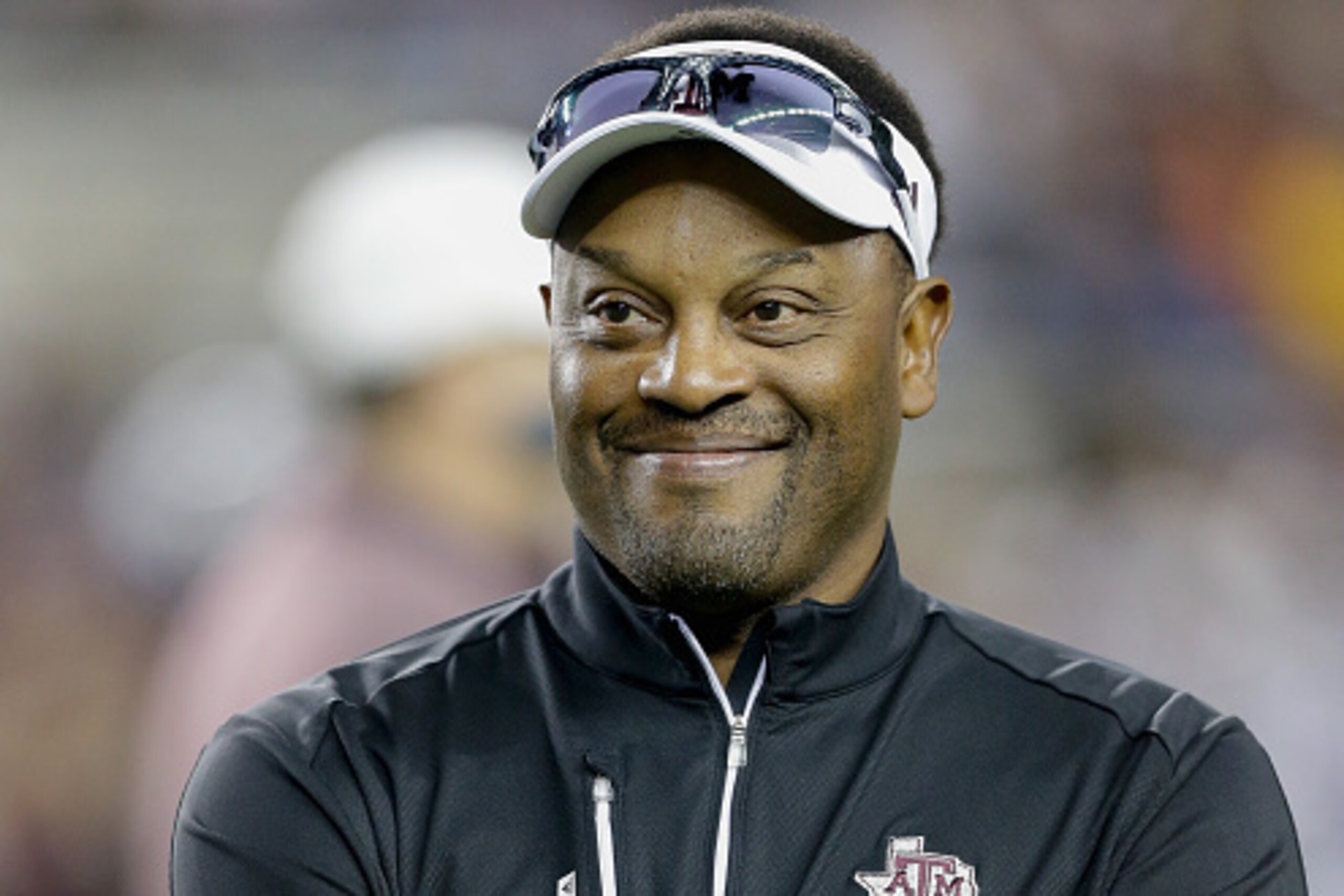
As a result of wide receivers coach Aaron Moorehead's highly publicized Twitter debacle and the transfer of former 5-star quarterbacks Kyle Allen and Kyler Murray, the narrative seems to be that College Station is crumbling.
"Based on some things out there right now," Sumlin said on Wednesday, according to Brent Zwerneman of the Houston Chronicle, "we can't wait to play our first game."
Granted, this was at a booster club event, and generally coaches are more in pep-rally mode in that setting than others. But the confidence he has in his Aggies—specifically the Aggie defense—should give fans of the program hope that Sumlin can reverse the narrative and legitimately contend for the SEC West title for the first time ever.
"We've got to get better in our run defense, and I think we have the personnel to do that," he said. "Our defensive front will be as good as anybody in the country. Our linebackers take a lot of heat, but they're better than people think they are."
Those linebackers include 2014 AutoZone Liberty Bowl defensive MVP Otaro Alaka and Shaan Washington, who finished second on the team with 81 tackles a year go. Alaka played in just three games in 2015 and earned a medical redshirt, so getting the two on the field at the same time when healthy will give the Aggies a boost in the middle of defense.
Couple that with a loaded defensive front and a secondary that's underrated behind safety Armani Watts, and the Aggie defense should keep them in every game this year.
Quick Outs
- Former South Carolina head coach Steve Spurrier was asked if he wanted the hypothetical job of college football commissioner, and took what some are terming a shot at Ole Miss. Be better, Internet. Just because Spurrier said it doesn't make it a shot. Ole Miss knows it's under investigation, so what he said about the Rebels is nothing more than the Head Ball Coach stating fact.
- Alabama head coach Nick Saban told Finebaum that "nothing good happens after midnight." While that's not entirely true, because sometimes the best stories come after midnight, the message is certainly important. If things aren't going well at midnight, that's probably not going to change over the next couple of hours.
- Do you want to join 149,999 other people to watch a college football game in person? You better hit the secondary ticket market. Mike Strange of the Knoxville News Sentinel reports that all 150,000 tickets for the Battle at Bristol on Sept. 10 between Tennessee and Virginia Tech at Bristol Motor Speedway have been sold.
Quotes obtained firsthand unless otherwise noted. Statistics courtesy of cfbstats.com unless otherwise noted. Recruiting information courtesy of 247Sports.
Barrett Sallee is the lead SEC college football writer and national college football video analyst for Bleacher Report, as well as a host on Bleacher Report Radio on SiriusXM 83. Follow Barrett on Twitter @BarrettSallee.
_0.png?w=2560)


.jpg?w=2560 "Weather Channel Trolls Texans-Titans 💀")