

Big Ten Football: Ranking Every Team by 2016 Coaching Staff
Between Urban Meyer's arrival in 2012 and Jim Harbaugh's return to Ann Arbor, Michigan, just over a year ago, the Big Ten possessed one of the more interesting coaching stables in all of college football in 2015.
And after a trio off offseason head coaching hires that included two in-conference coordinators and a former NFL headman, the conference's coaching roster has only become even more fascinating in 2016.
It's not just the head coaches who matter but also each team's respective coaching staff. A lot of times, a program will get out what it puts into its coaching salary pool, a line of thinking the Big Ten has wrestled with in recent years.
Even if every team isn't on equal footing as far as compensation is concerned, each program's staff will inevitably continue to be measured against its competition in the league.
With that in mind, here's how we rank each Big Ten staff entering 2016, based on its top-to-bottom ability to maximize its program.
14. Purdue
1 of 14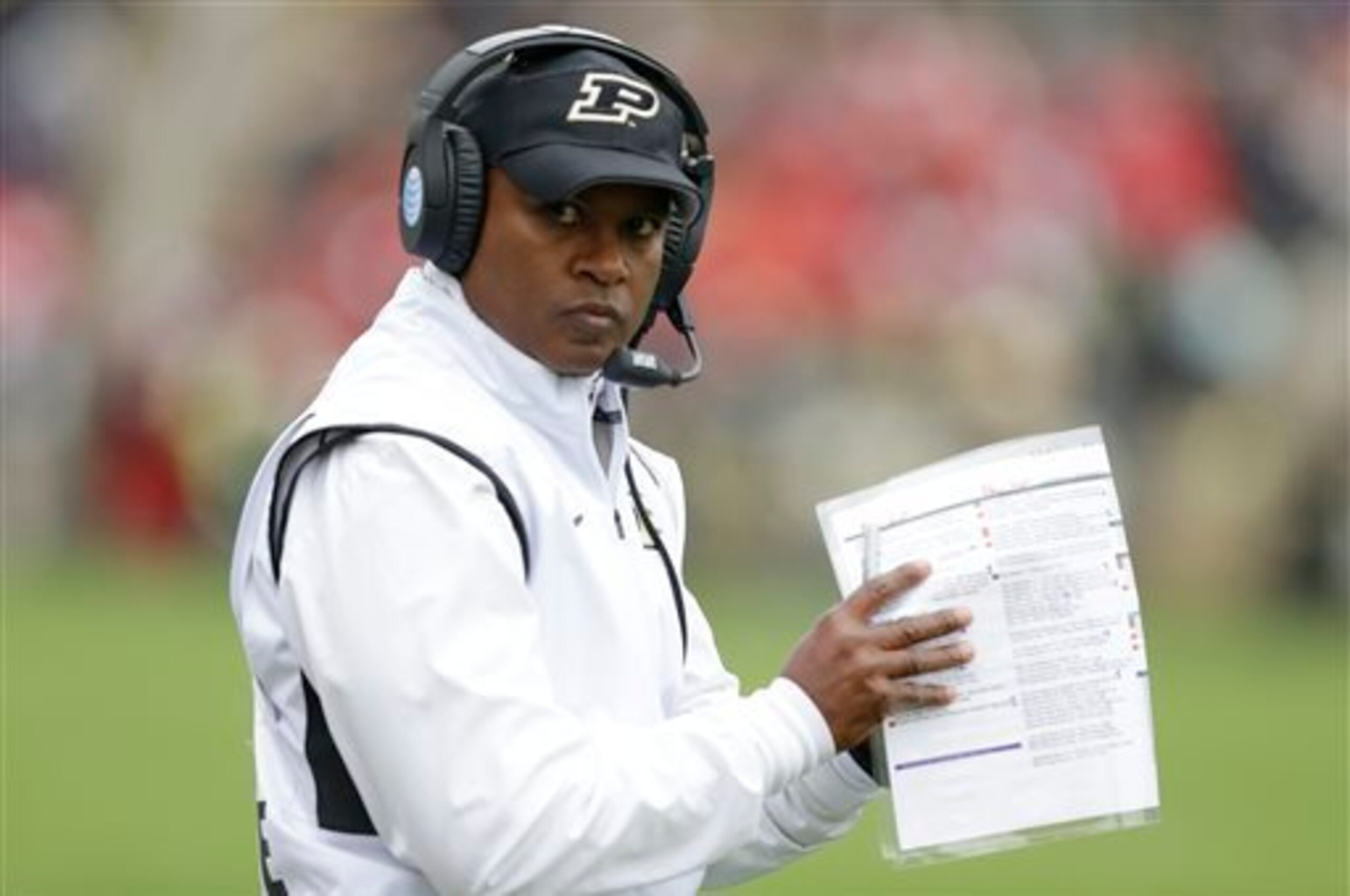
Of all the coaches in the Big Ten, only one enters 2016 on the hot seat.
And it's not a coincidence Purdue's Darrell Hazell does so after compiling a 6-30 record in his first three years in West Lafayette, including a 2-22 mark in conference play.
In fairness to Hazell, the former Kent State head coach hasn't had much support, with the Boilermakers' assistants' salary pool ranking 10th out of the 12 teams in the Big Ten to release such information in 2015. According to NJ.com, Purdue assistants were paid a total of $2,245,000 in a season that saw the Boilermakers put together the worst overall record in the league at 2-10.
Unsurprisingly, that led to significant staff changes for the coming year, with former tight ends coach Terry Malone replacing offensive coordinator John Shoop, and former Nebraska assistant Ross Els replacing Greg Hudson as defensive coordinator.
Whether those adjustments will be enough for Purdue to make an unexpected leap in the coming year remains to be seen. But to this point in his tenure, it's hard to give Hazell the benefit of the doubt.
13. Indiana
2 of 14
Of the 12 teams in the Big Ten to disclose their assistants' salary pools—neither Northwestern nor Penn State does—Indiana last ranked 11th.
And with Illinois recently providing a significant bump in its compensation for its staff, the Hoosiers now possess the lowest known combined salary for assistants, paying Kevin Wilson's staff $2,224,500 in 2014.
With that lack of resources, perhaps it's not a coincidence Indiana has become one of the Big Ten's least impressive teams in the past few years, with Wilson totaling a 20-41 overall record, including an 8-32 run in conference play since arriving in Bloomington in 2011. Last season was Wilson's most impressive, with the Hoosiers' 6-6 regular-season record earning the program its first bowl appearance since 2007.
That was enough for Wilson to earn a six-year extension in what was a relatively significant investment from the Indiana administration. And while the continuity should only help the program's progress, perhaps it also can be viewed as a sign of just how low the bar in Bloomington is.
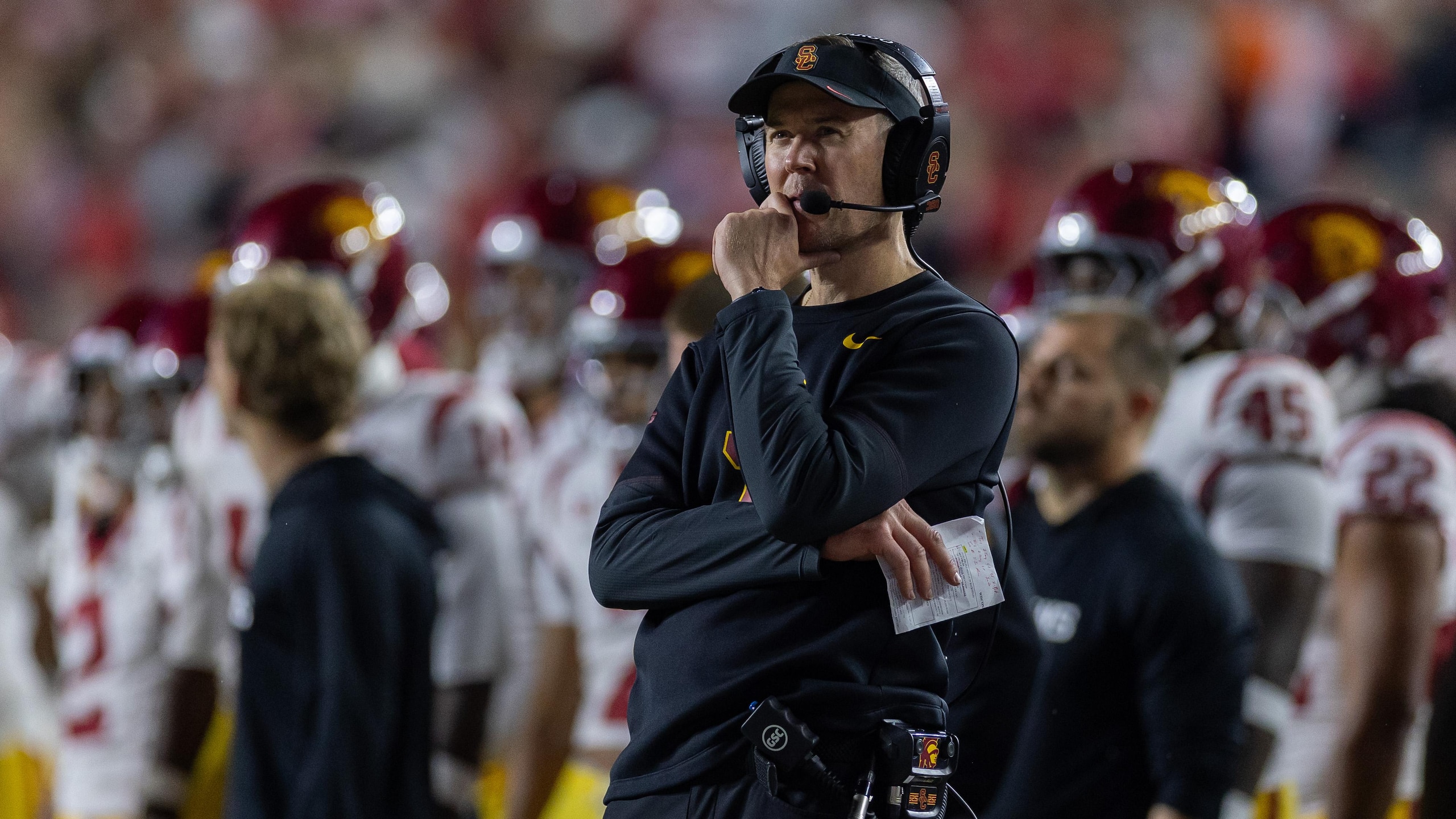
12. Maryland
3 of 14
It's nearly impossible to judge a head coach who's yet to coach in his first game. And when Maryland hired D.J. Durkin back in December, I wrote that he may wind up as the steal of the college football coaching carousel.
But with no experience as a head coach to rely on, it's hard to rank at least two of the Big Ten's newest head coaches any higher than the back half of the league's 14 teams. At the very least, the composition of Durkin's staff—which possesses an unimpressive salary pool for assistants—has been interesting, with the former Michigan defensive coordinator bringing on two former head coaches in defensive line coach Mike London (Virginia) and tight ends coach Pete Lembo (Ball State) to aid his transition.
"I wanted a staff that—I don't know the right way to say it—they're all like real guys," Durkin told CBSSports.com's Jon Solomon.
Initially, there was a third former head coach on board, but former Syracuse head man Scott Shafer resigned as Maryland's defensive coordinator because of personal reasons earlier this month. Former Stanford defensive coordinator Andy Buh replaced him, and it will be interesting to see how Shafer's late departure affects the Terrapins' progress in the coming year.
.png?w=2560)
11. Rutgers
4 of 14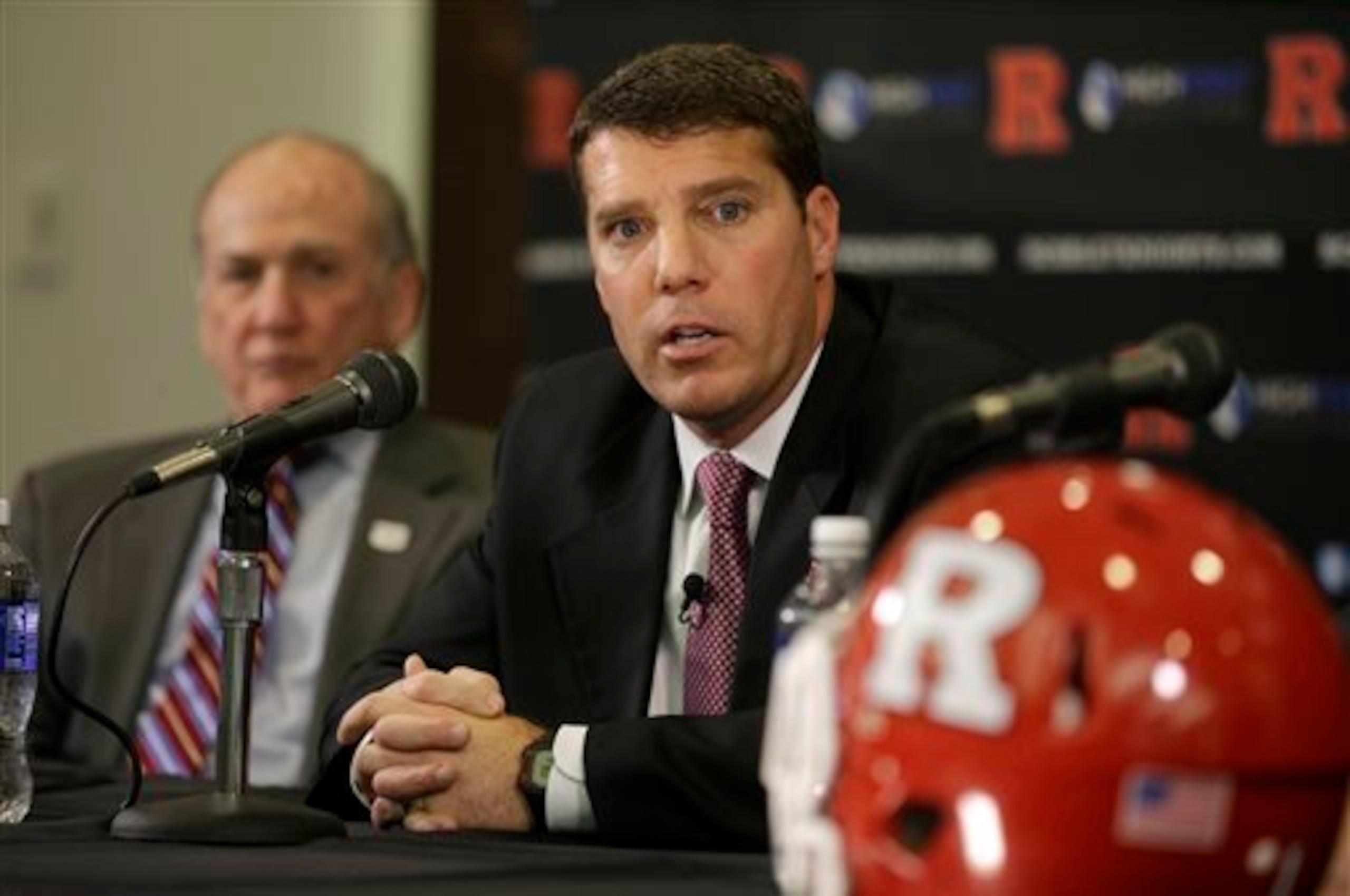
Like Durkin, the ranking of new Rutgers head coach Chris Ash and his staff is more a toss-up than a measure of their true value in the Big Ten.
But at the very least, the former Ohio State defensive coordinator should have some support, thanks to a competitive salary pool of $2,750,000, which ranked seventh in the conference for known staff salaries in 2015.
And with that money, Ash has opted for one of the youngest staffs in college football. Offensive coordinator Drew Mehringer is 28, while wide receivers coach Zak Kuhr and defensive backs coach Aaron Henry are each 27.
"I didn't want a staff of all older, experienced guys that have been through the wars," Ash said at his staff's introductory press conference. "I didn't want a staff that was completely filled with a bunch of young go-getters either. I wanted a nice little blend of that. I think I've been able to do that."
If anything, Ash's willingness to take chances on youth should allow the Scarlet Knights staff to maintain continuity rather than reshuffle each offseason because of departures. It's certainly an innovative approach—one that possesses a potential long-term payoff for an already challenging gig.
10. Minnesota
5 of 14
Taking over for Jerry Kill midway through the 2015 season, Tracy Claeys found himself in a difficult situation. But the new Minnesota head coach found a way to turn a positive into a negative, finishing out the year with a 2-4 record that included a season-ending win over Central Michigan in the Quick Lane Bowl.
Over the offseason, Claeys was afforded the opportunity to put an even larger stamp on his new program, firing offensive coordinator and offensive line coach Matt Limegrover, as well as passing game coordinator Jim Zebrowski.
To replace Limegrover, Claeys hired Louisiana-Lafayette offensive coordinator/quarterbacks coach Jay Johnson. For his offensive line, the former Golden Gophers defensive coordinator tabbed Florida Atlantic line coach Bart Miller.
"Jay and Bart are both tremendous people and will fit in naturally with our staff," said Claeys in a statement. "These are two individuals we identified early in the process, and I am thrilled that they are headed to Minnesota. They are great coaches with proven track records and will help our student-athletes improve on and off the field."
What sort of impact each will have in the coming year remains to be seen. But with the momentum he built at the end of last year, Claeys has at least already shown promise heading into his first full season as a head coach.
9. Penn State
6 of 14
This is where things get kind of tricky.
On the one hand, Penn State's James Franklin has proved to be one of the Big Ten's best recruiters, bringing in the nation's 15th-ranked class in 2015 and No. 20 class in 2016. It also hasn't helped Franklin's cause that he took over a program still dealing with unprecedented NCAA sanctions when he first came to Happy Valley in 2014.
On the other, Franklin's 14-12 record has been relatively disappointing, and his in-game coaching could certainly be called into question. What's more is his overall staff found itself in disarray this offseason, with defensive coordinator Bob Shoop leaving for Tennessee, offensive line coach Herb Hand opting for Auburn and Franklin taking it upon himself to fire offensive coordinator John Donovan and replace him with former Fordham head coach Joe Moorhead.
"Has it been a challenge? Yeah, yeah, there's no doubt about it," Franklin said of the turnover. "But I'll tell you what, I'm really, really proud of how our staff has handled it. I think the adversity has been a bonding thing for us in a lot of ways."
Getting that to translate into on-field results in the coming year may not be so easy with the Nittany Lions losing a number of talented players, including quarterback Christian Hackenberg, Big Ten Defensive Player of the Year Carl Nassib and potential first-round defensive lineman Austin Johnson. But sooner or later, Franklin and his staff are going to need to produce the consistent results that have largely been lacking in his two seasons in State College.
8. Northwestern
7 of 14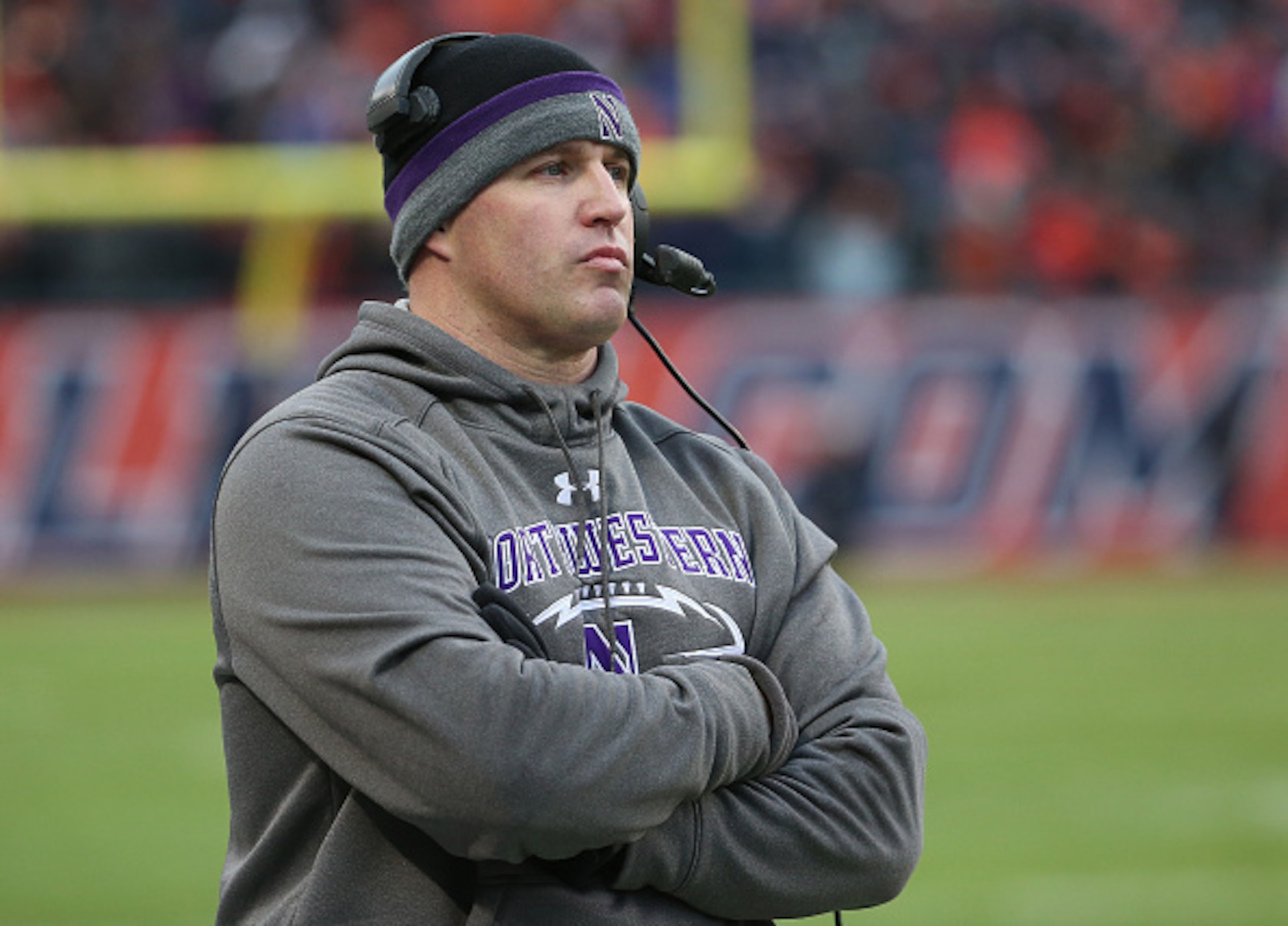
Given the school's academic standards, Northwestern is one of the toughest coaching jobs to evaluate in all of the Big Ten.
All things considered, Pat Fitzgerald has done an admirable job in his decade in charge of his alma mater.
With a 70-56 overall record, which includes six bowl appearances, the former Wildcats linebacker has already become the winningest coach in Northwestern's history. Add in his adept recruiting, and it's hard not to imagine Fitzgerald would be winning even more with fewer academic restrictions to deal with.
Still, it's tough to reward a coach based on hypotheticals, even if in this case, we're punishing him for the same. Nevertheless, the makeup of his overall staff is somewhat of a concern, with some fans calling for the firing of offensive Mick McCall this past offseason, despite Northwestern's 10-3 record in 2016.
As far as head coaches are concerned, Fitzgerald has a case for being one of the conference's best. But when it comes to overall staffs, the Wildcats seem to come up short.
7. Nebraska
8 of 14
With an experienced head coach and an assistant salary pool of $3,025,000 that ranked third in the Big Ten in 2015, Nebraska's staff has the potential to possess one of the conference's best.
But the 6-7 record Mike Riley compiled in his first season in Lincoln was somewhat of a cause for concern, even if the Cornhuskers were almost historically unlucky, as documented by SB Nation's Bill Connelly.
Unlucky or not, Nebraska's record was what it was, and with just one season of Big Ten experience to fall back on, it's hard to give Riley the benefit of the doubt. Still, the Huskers did show encouraging signs under the direction of their new head coach, such as an offense that ranked second overall in the conference in 2015.
With loads of talent returning, especially on the offensive side of the ball, 2016 could be the year Riley's staff proves it's worth the money it makes. But until it does just that, it's hard to justify ranking Nebraska's staff any higher.
6. Wisconsin
9 of 14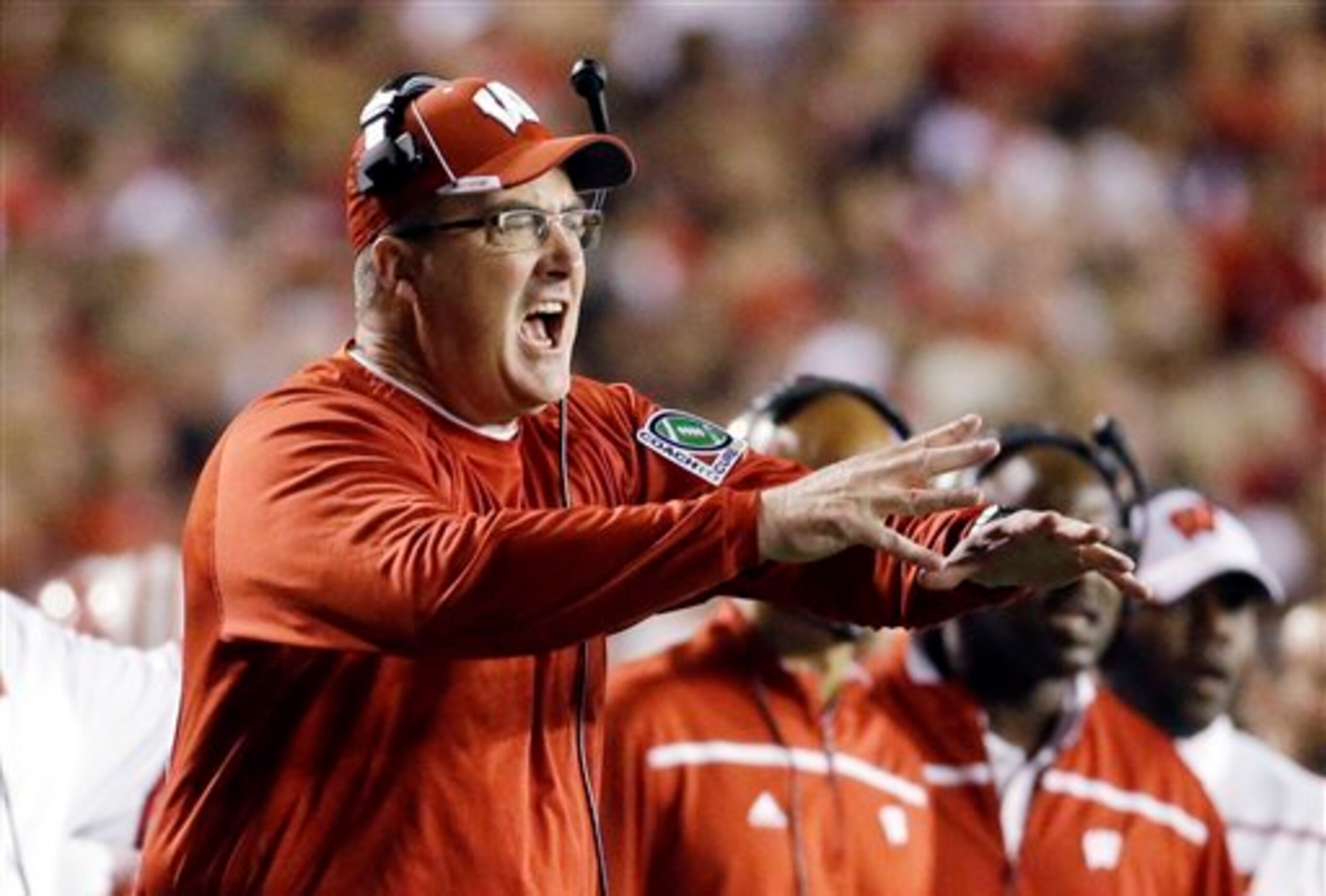
Just like Nebraska, Paul Chryst's staff at Wisconsin is tough to evaluate.
Because while the Badgers' 10-3 debut season under their new head coach speaks for itself, so does an assistant salary pool of $2,630,000, which ranked eighth in the Big Ten of known assistant compensation in 2015.
Wisconsin's relatively frugal approach to paying its assistants has been a sticking point in the past. SI.com's Brian Hamilton included staff compensation as a possible reason why both former head coaches Bret Bielema (Arkansas) and Gary Andersen (Oregon State) left for seemingly lateral jobs, if not steps down. For a program as consistent as the Badgers have been, there's no reason their staff shouldn't receive a larger investment from the university.
Still, the on-field results are strong, and Chryst's first full recruiting class in Madison ranked 26th in the nation—steady but not spectacular.
One, however, can't help but wonder what Wisconsin could do with more resources and whether or not that would boost the Badgers from contenders in just the Big Ten West to the national title picture.
5. Iowa
10 of 14
From the hot seat to National Coach of the Year.
What a difference a year made for Kirk Ferentz.
After a steady string of subpar seasons left many wondering whether Ferentz's time at Iowa had run its course, the Big Ten's longest-tenured head coach bounced back with a 12-0 regular season that put the Hawkeyes one win away from crashing the College Football Playoff. And while Iowa ultimately fell short in both the Big Ten title game and Rose Bowl, it's hard not to be impressed with both Ferentz's return to prominence and lengthy resume.
With an assistant salary pool that ranked fifth in the conference, the Hawkeyes also appear to possess the necessary resources to sustain their newfound success. With Ferentz now 60 years old, for just how long they'll be able to do that is a fair question, but for the time being, all appears to be well in Iowa City.
4. Illinois
11 of 14
The fourth-best staff in the Big Ten despite having yet to coach a game in the conference?
When you invest like Illinois did this past offseason, it's not that far-fetched.
Plus, it's not like new Fighting Illini head coach Lovie Smith doesn't have a track record after having spent 11 of the past 12 years as an NFL head coach. In Champaign, he'll also benefit from an NFL-caliber staff, with Illinois investing in a $4 million assistant salary pool, according to Scout.com, which would have been the third highest in all of the Big Ten last season, according to USA Today (h/t the Chicago Tribune's Shannon Ryan).
With that money, Smith hired former Louisville offensive coordinator Garrick McGee, as well as a number of ex-NFL assistants including defensive coordinator Hardy Nickerson, defensive line coach Mike Phair and offensive line coach Luke Butkus.
The on-field results may not show up immediately, but make no mistake: The Illinois staff should be one of the best in the entire Big Ten.
3. Michigan State
12 of 14
Having won two of the past three Big Ten titles, one could argue that Michigan State's Mark Dantonio is currently the most accomplished coach as far as conference-only matters are concerned.
But in recent years, the Spartans staff has seen attrition, and the depth of the Big Ten's coaches has only improved.
Nevertheless, it's hard to argue with the results of a staff that's helped compile a 36-5 record in the past three years, including an appearance in last season's College Football Playoff. Perhaps it's also worth mentioning that at the moment, Dantonio owns a combined 3-2 record over the two coaches ranked ahead of him on this list.
In ranking overall staffs, however, MSU is a step behind, which has been evidenced in its inability to keep up with both Ohio State and Michigan on the recruiting trail. In the past, picking the Spartans staff as the Big Ten's best would have been close to a no-brainer, which speaks to just how strong the coaches in the conference are in 2016.
2. Michigan
13 of 14
A former Michigan quarterback and successful NFL head coach, the Wolverines landed their dream hire when Jim Harbaugh agreed to return to Ann Arbor in 2015.
It didn't take long for the ex-San Francisco 49ers head coach to make his mark either, with Michigan doubling its win total from five in 2014 to 10 in Harbaugh's debut campaign.
With his innovative style, Harbaugh has also seen instant results on the recruiting trail, signing the nation's fifth-ranked class in 2016. Satellite camps may no longer be legal, but the second-year Michigan head coach will almost assuredly find a way to keep his name in the headlines.
As far as the rest of his staff is concerned, Harbaugh has benefited from having the largest assistant salary pool in the entire Big Ten ($4,342,000). Even with the departure of Durkin—whom Boston College's Don Brown replaced—the Wolverines staff should be in good hands as long as Harbaugh's around.
1. Ohio State
14 of 14
In the past two offseasons, Ohio State has lost its offensive coordinator in Tom Herman and defensive coordinator in Chris Ash, each of whom went on to become head coaches.
But until another coach in the conference wins a national title—let alone three—it's going to be hard for a staff to be considered better than any that Urban Meyer leads.
Especially when considering that just like his roster, Meyer doesn't usually rebuild but rather reloads. That was evidenced this past offseason, when former NFL and Rutgers head coach Greg Schiano replaced Ash. Schiano could very well be a college head coach right now if he wanted to.
Sure, quarterbacks coach Tim Beck appeared to have issues adjusting to his new role a year ago when Ohio State brought him in to replace Herman, and it took 11 games for the Buckeyes to realize offensive coordinator Ed Warinner was better suited coaching in the press box after he assumed Herman's play-calling duties. But with the conference's second-largest assistant salary pool ($3,981,000) and one of college football's all-time winningest coaches, you'd be hard-pressed to find a staff better than the Buckeyes in not just the Big Ten but all of college football.
Ben Axelrod is Bleacher Report's Big Ten lead writer. You can follow him on Twitter @BenAxelrod. Unless noted otherwise, all quotes were obtained firsthand. All statistics courtesy of CFBStats.com. Recruiting rankings courtesy of 247Sports.
.jpg?w=2560 "Florida Shooting")
.png?w=2560)


.jpg?w=2560 "Latest Peyton-Colts Rumors")


.jpg?w=2560 "Landing Spots for Trade Candidates 📍")
.jpg?w=2560 "Ugly Jets Scoring Stat 😳")