Exposing the Tactical Weakness of Every Champions League Quarter-Finalist
The eight UEFA Champions League quarter-finalists have been confirmed. Atletico Madrid, Barcelona, Bayern Munich, Benfica, Manchester City, Paris Saint-Germain, Real Madrid and Wolfsburg will contest the next stage and fight for the right to advance to the semi-finals.
It is at this stage of the season that the best start to flourish and gain steam. Despite most of these sides fighting on multiple fronts, they often save their best for Tuesday and Wednesday nights, delivering classic encounters like the one we’ve just witnessed between Bayern and Juventus.
Much fawning occurs over how strong the candidates are; from Lionel Messi’s dinked finish against Arsenal to Thomas Muller’s “clutch” equaliser in stoppage time against the Old Lady, the virtues and strengths of the world’s finest players are discussed at length when arguing who can lift the trophy in May.
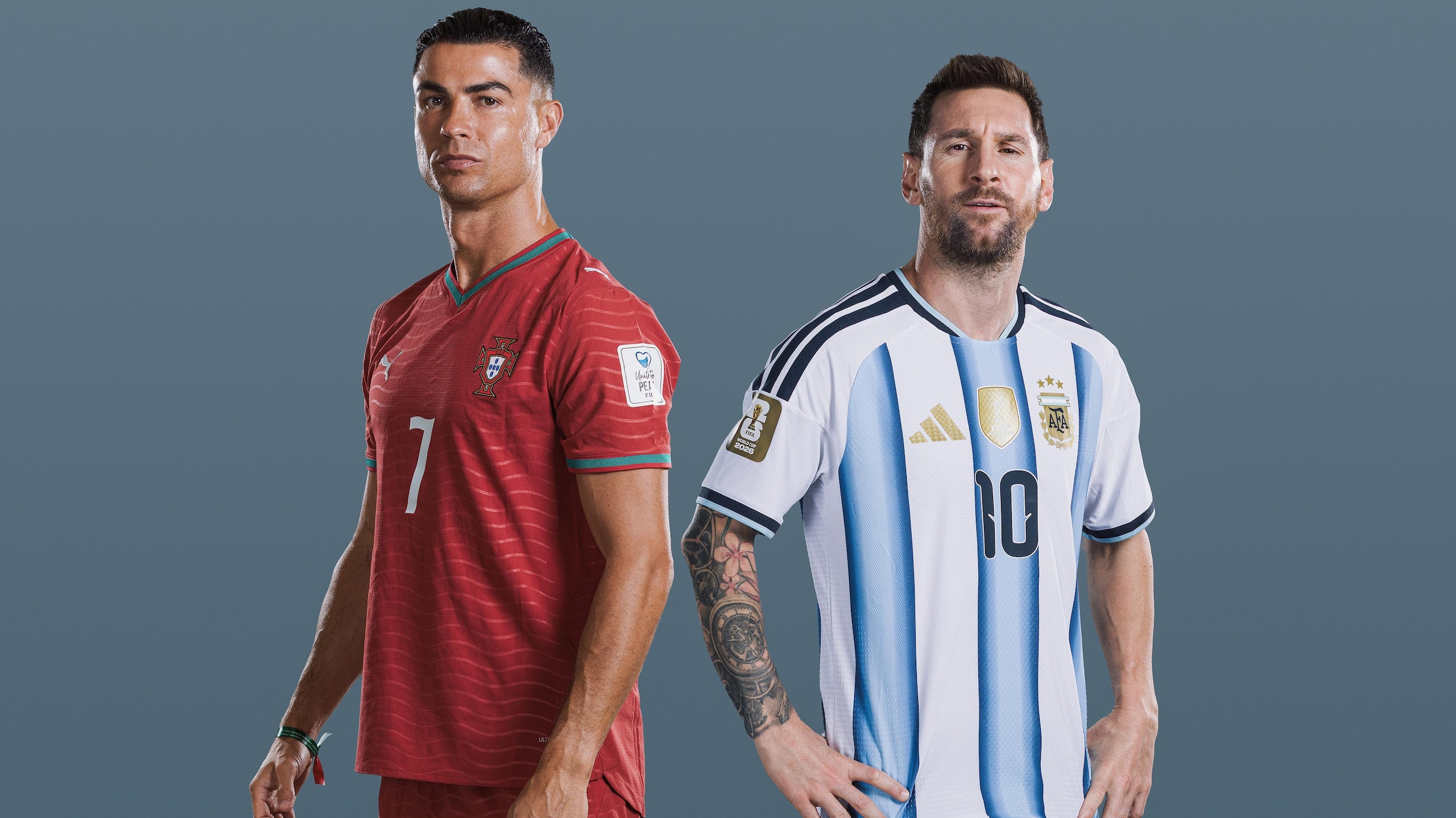


But what about each side’s biggest weakness? How, tactically, can other teams exploit frailties on the pitch and claim the upper hand? At its highest level, football can be like a chess match, and it’s important to discuss the vices of each contender, too.
Here, B/R delves into and highlights the biggest tactical weakness of each of the remaining Champions League teams.
Atletico Madrid
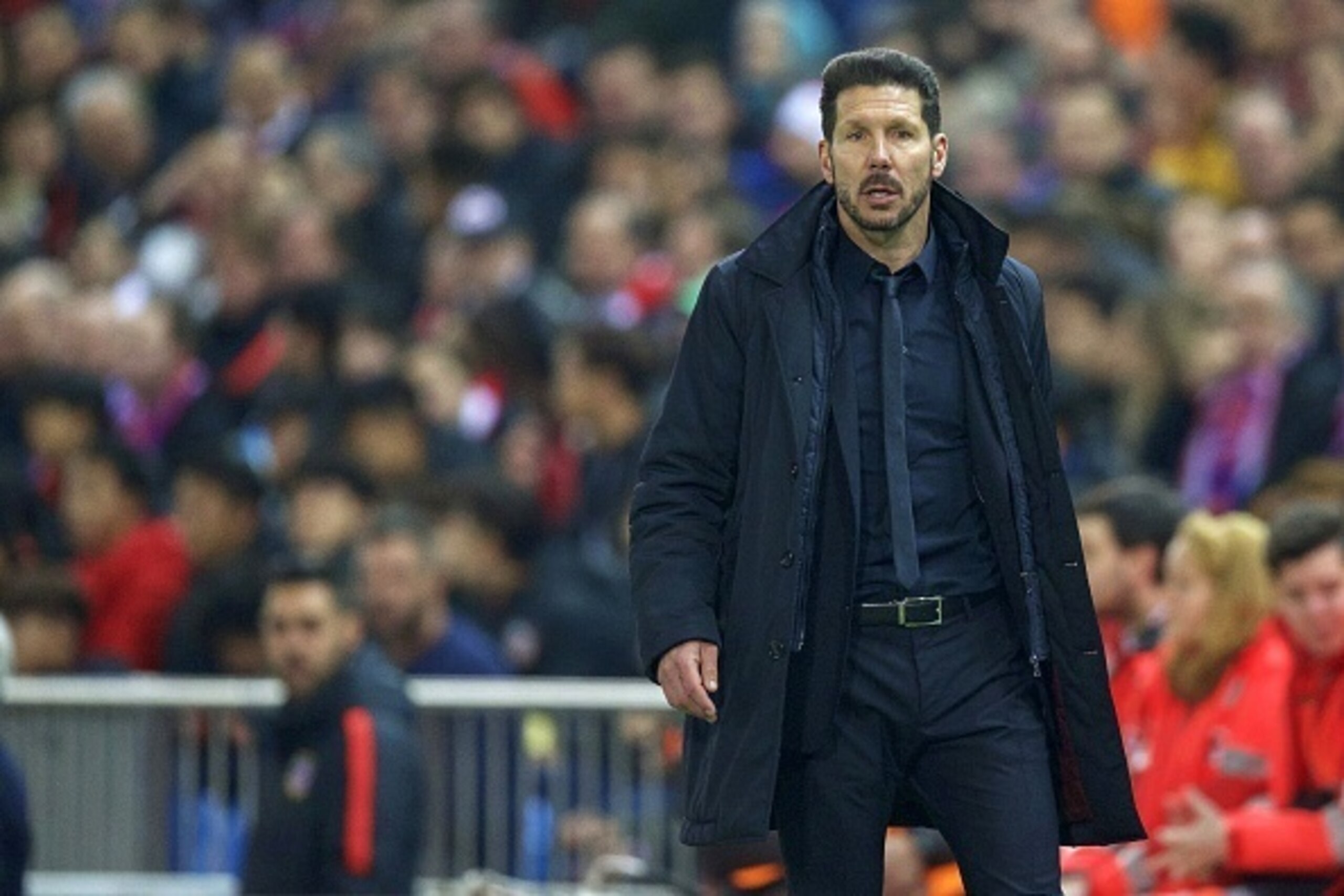
Atletico Madrid have the best defensive record in Europe; they’ve conceded an absurdly low tally of 12 goals in 29 La Liga games, per WhoScored.com, and have let in just three in eight games in the Champions League.
Diego Godin and Jose Gimenez form what is arguably the best central-defensive pairing in Europe, the full-backs pitch in tremendously, and Diego Simeone has accrued a squad packed with enough depth to shield the defensive line with a rotating cast of tackle-loving anchor midfielders.
Of course, there are always trade-offs in football, and being so solid defensively has meant Atleti are short-handed up top. Antoine Griezmann is the attack. At times it’s left all on him, and when he experiences a dry spell—like in February, when he scored one goal in five games—the team struggles.

Yannick Carrasco’s line-breaking runs and Saul Niguez’s box-to-box excellence are two emerging factors that will, with time, balance out the load up top and lessen the burden on Griezmann, but the statistics tell the story offensively as well as defensively: Atleti’s 45 Liga goals this season is close to half the amount scored by Real Madrid (83) and Barcelona (84).
As brilliant defensively as PSV Eindhoven were in the round of 16, and as excellent as Jeroen Zoet was in goal, it will be of huge concern to Simeone that Atleti couldn’t even muster one goal across both legs.
Barcelona
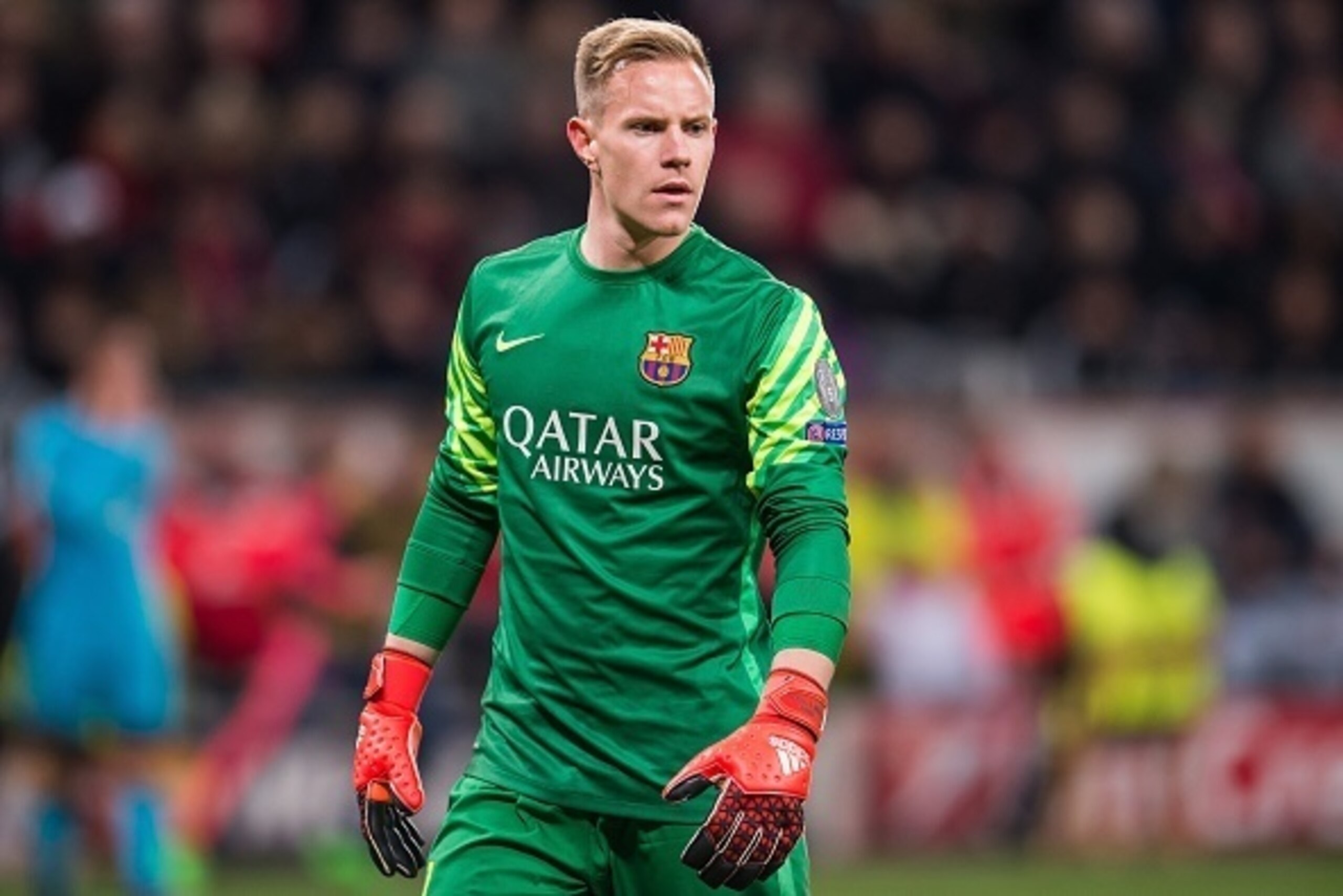
“The only team I don't want to face [in the quarter-finals] is Barca, and it's a certainty that we won't,” Luis Enrique proffered to journalists after seeing off the challenge of Arsenal on Wednesday.
That statement aptly sums up the dominant grip Barcelona have over world football at the moment. We are watching one of the world’s greatest-ever teams—one now arguably better than Pep Guardiola’s Champions League-winning incarnations—and “Lucho” knows his men will be heavy favourites to retain the trophy.
How, then, do you find a weakness in such a machine-like presence?
There are times when Barcelona are too cute with the ball; they force themselves to play out from the back to such an extent they occasionally land themselves in hot water.
We’ve seen in performances against a number of teams this season—most notably the Gunners this week and Malaga last month—that Barca put themselves under duress when playing out in the face of pressure, and they do turn the ball over in dangerous areas.
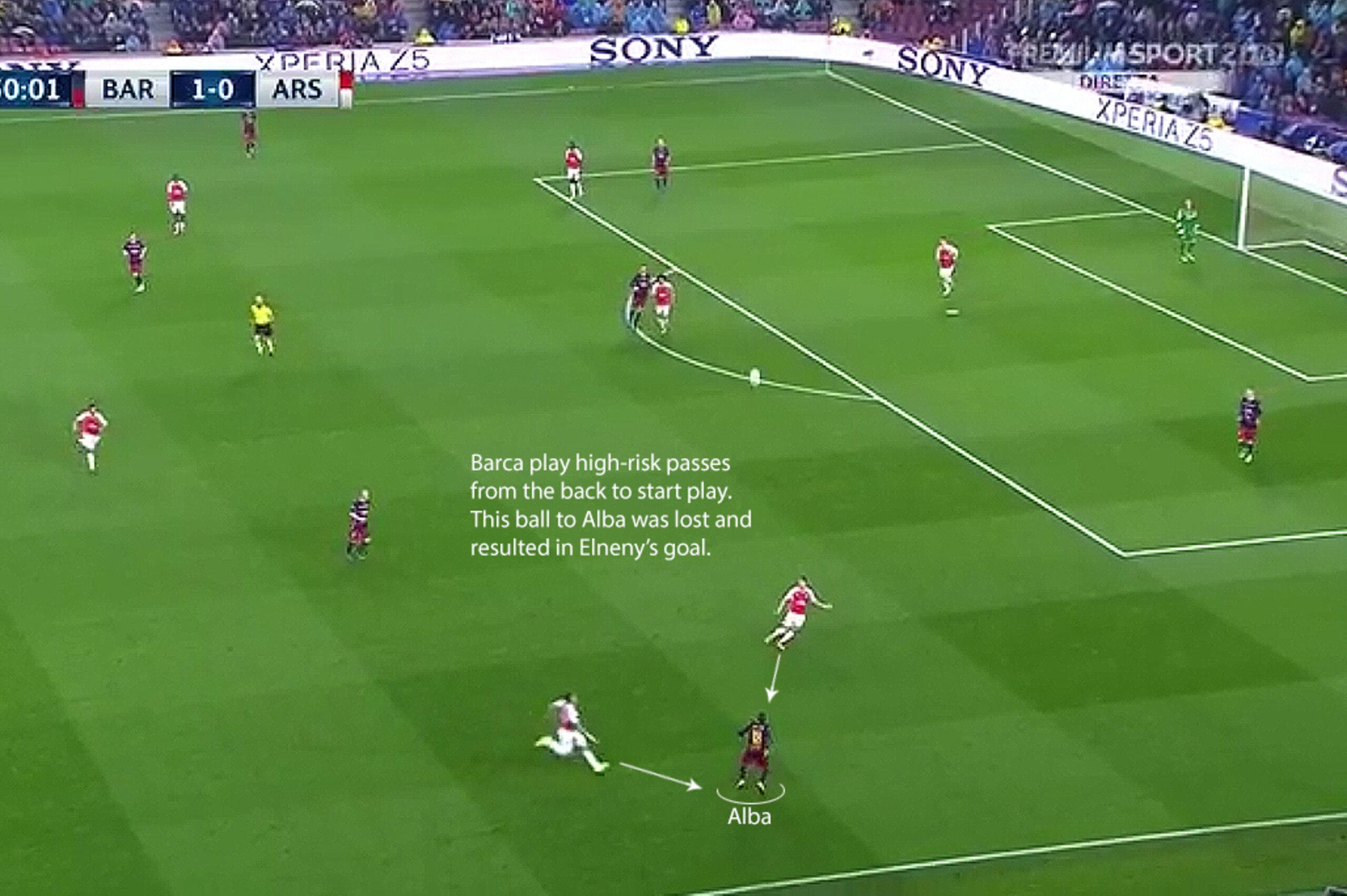
Marc-Andre ter Stegen will always try to chip a pass to a player rather than clear it, and that can lead to two or three turnovers deep in Barca territory per game. The defenders also push forward and try to play into midfield even when it’s blocked.
Barcelona will give you approximately four opportunities to punish them in any given game, but you have to be at your most clinical to take advantage.
Bayern Munich
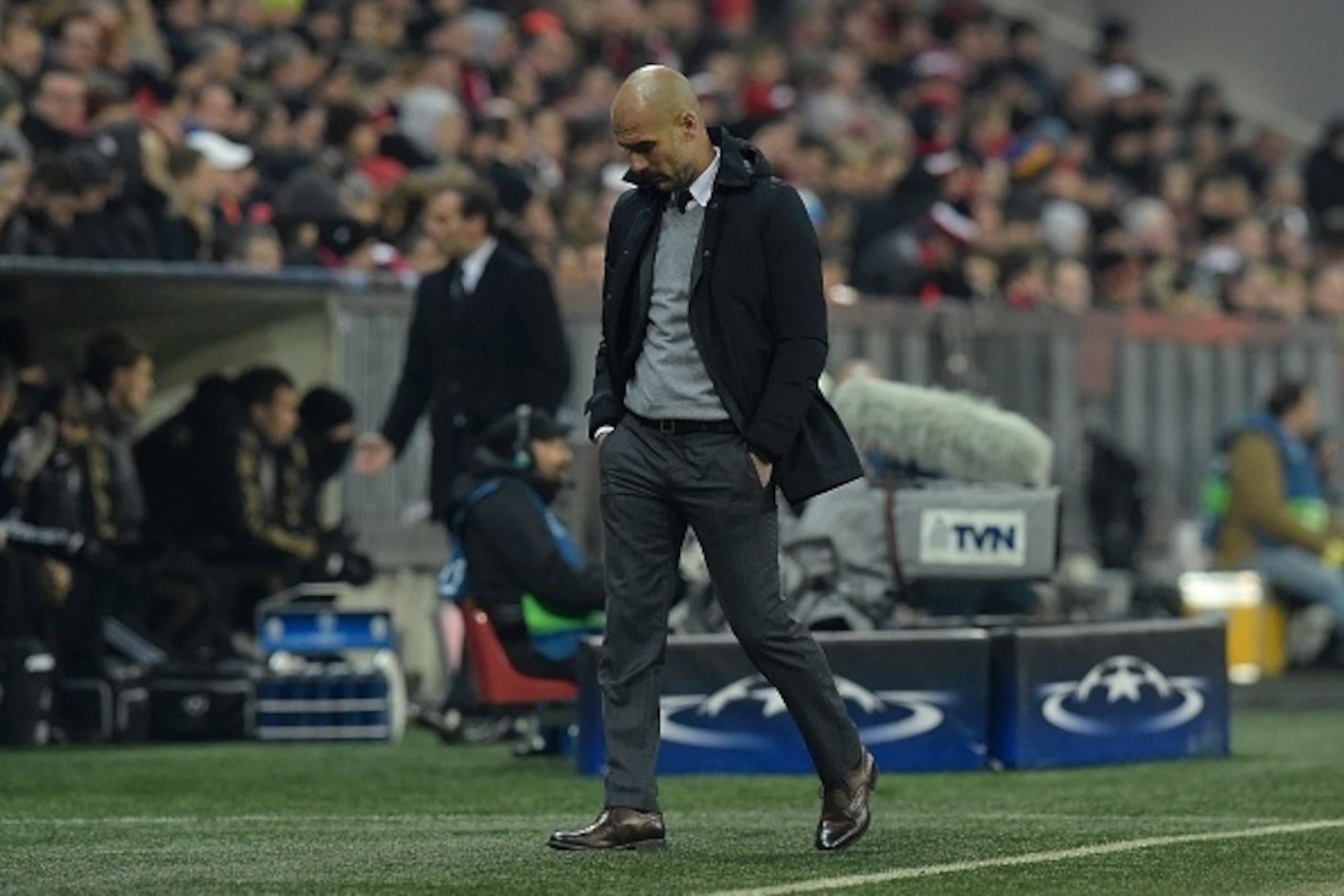
It feels as though Guardiola’s Bayern Munich have had the same weakness for three straight seasons now: the channel-run onto a longer pass causes havoc in their defence.
In past seasons, Bayern have been killed on the counter (Real Madrid) and via this longer-pass method (Barcelona). These past few weeks saw Juventus exploit the same weakness, with Alvaro Morata doing an unbelievable amount of damage when running directly and purposefully through the channels.
When Die Roten push forward, the full-backs (currently David Alaba and Philipp Lahm) push infield and leave their usual spots on the flank. This creates a central overload and pushes numbers forward, but it leaves gaping holes in the positions they’re usually in to exploit.
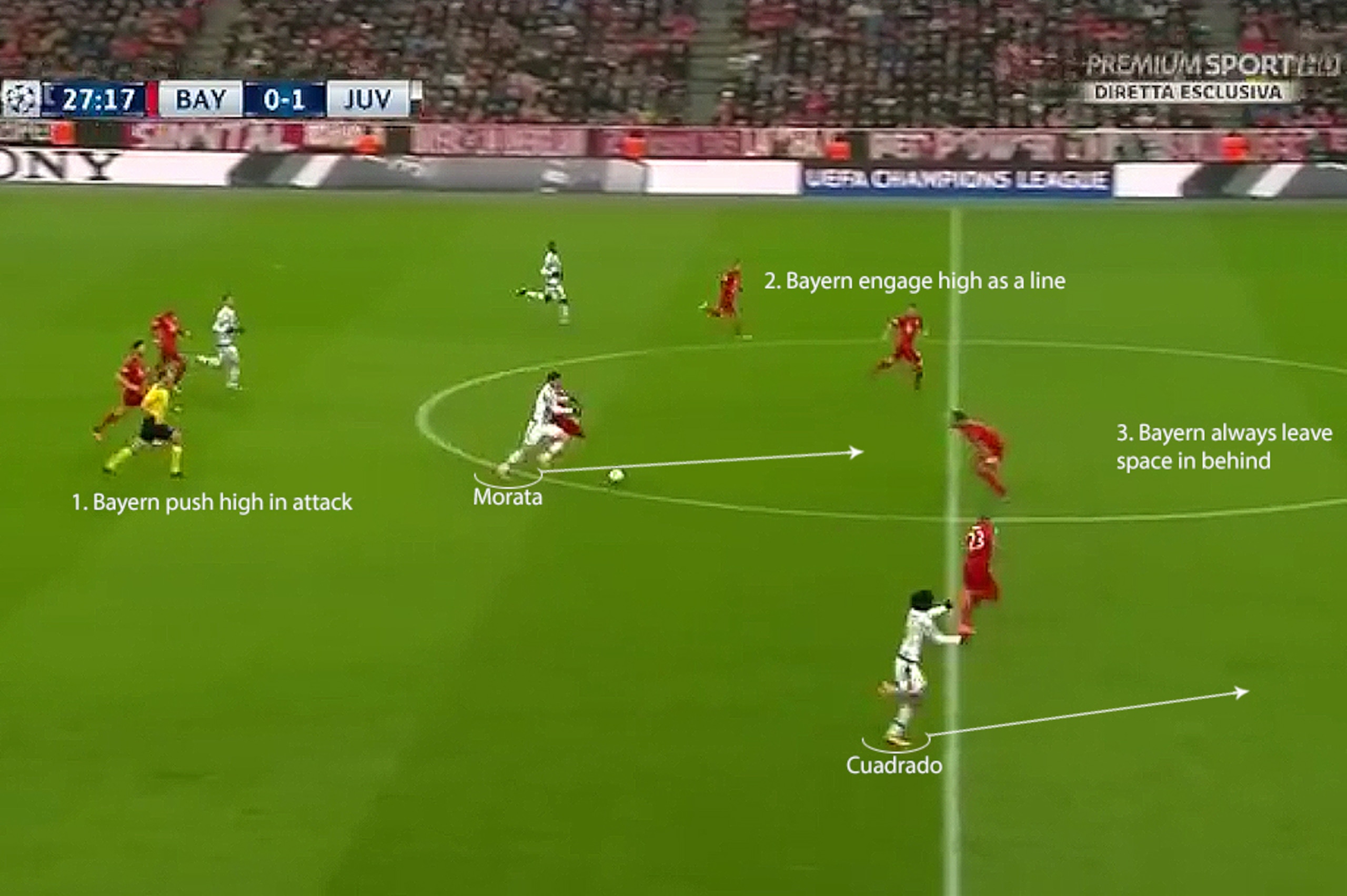
Morata exploited this off the bench in the first leg, creating Stefano Sturaro’s equalising goal, then worked these areas time and again in the second leg, powering forward and giving the defensive line fits.
Bayern have had bad injury issues to deal with in the defence, but even with Mehdi Benatia returning to fitness and starting on Wednesday, the weakness was still there.
Having the boldness to attack Bayern, engage them high up and run down their throats will reap rewards.
Benfica
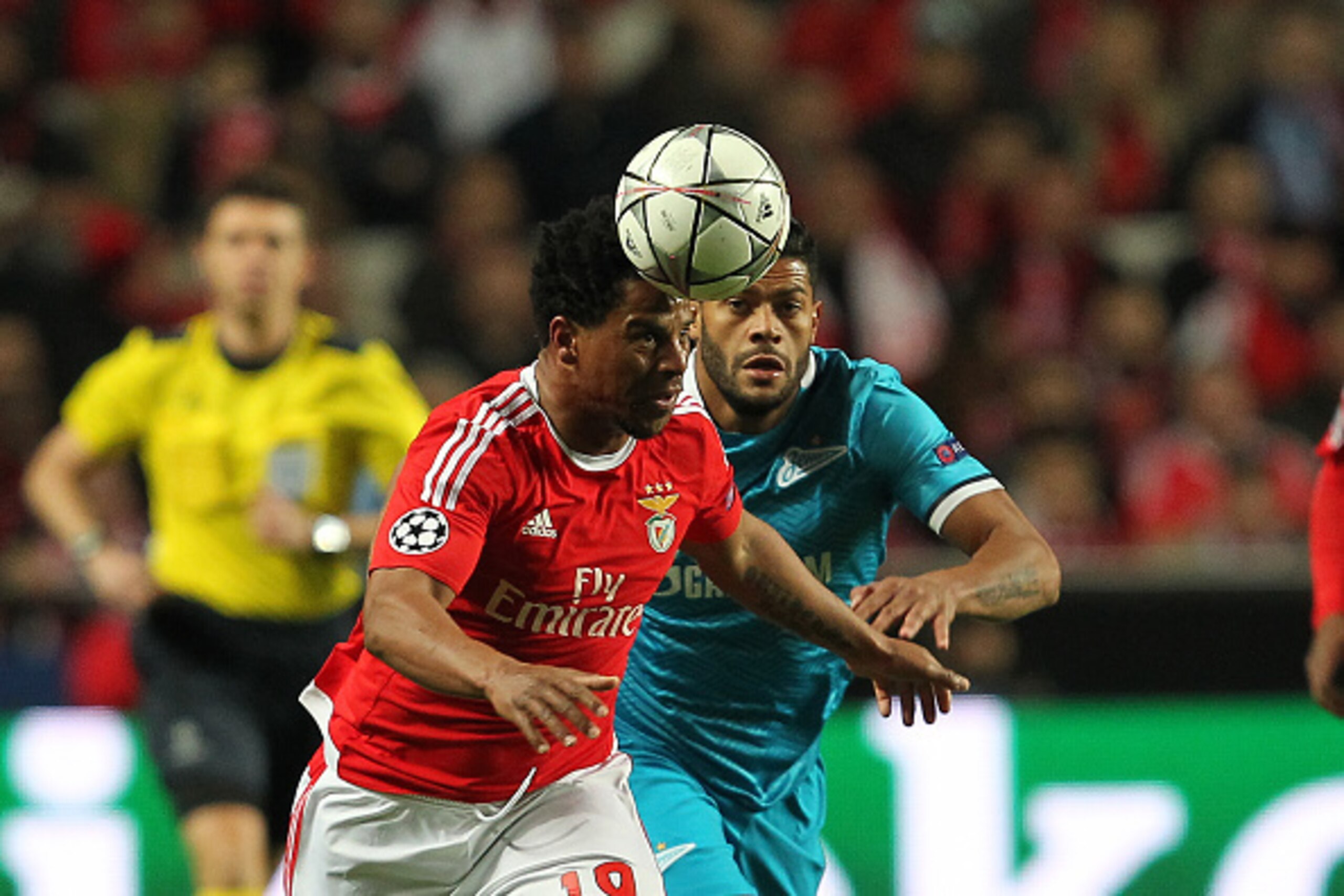
Benfica boast two of the most in-form strikers in Europe (Kostas Mitroglou and Jonas), a pair of exciting wing talents in Nicolas Gaitan and Goncalo Guedes, and a rising-star midfielder in Renato Sanches. The fans at the Estadio da Luz are rightly buoyant as a result.
But what Benfica do not possess, in the grand scheme of things, is a good defensive setup. This fact hasn’t been ruthlessly exposed yet as the best teams they’ve played are Atletico Madrid (who, as discussed, are offensively a little weak) and a Zenit St. Petersburg fresh off a three-month winter break, but it will be soon.
It’s very possible to pull this Eagles defensive line about and open holes in it. Targeting either the left side (Eliseu) or right side (Andre Almeida/Nelson Semedo) will bear fruit.
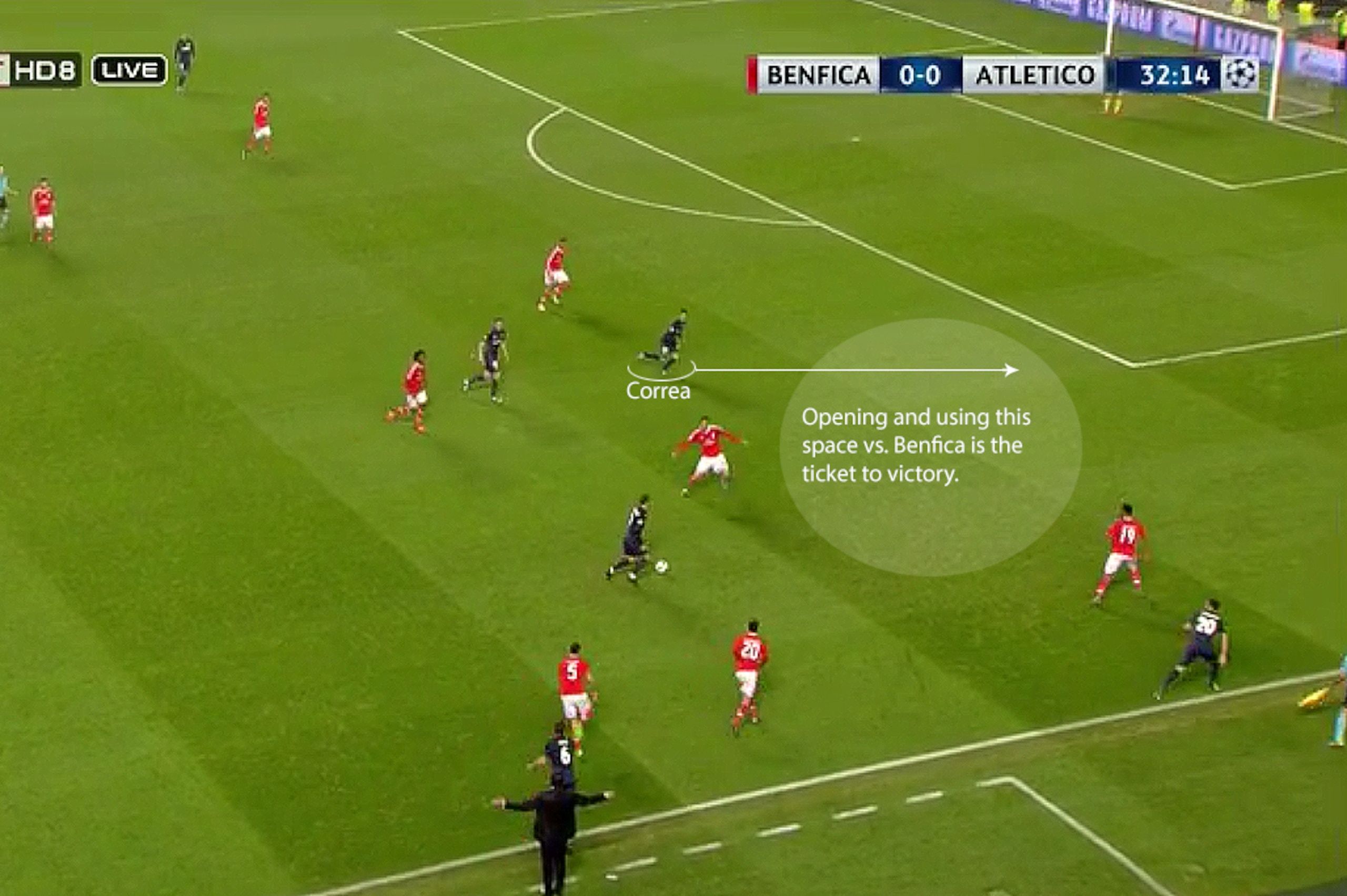
Quick passing moves in the final third, drawing the full-back out and opening space behind him, or raking, deeper passes into the space between the full-back and centre-back expose Benfica’s weakness.
It’s how Atletico Madrid beat them on home soil in December, with Angel Correa having a field day in the space goalside of the full-back, and how most goals conceded in the Primeira Liga occur.
Neither full-back is defensively secure, with Semedo—not long returned from a bad injury—finding his feet at the top level, and Eliseu, at 32 years of age, past his prime. All season, teams have attacked Benfica on the flanks, particularly on the right, and found joy.
Manchester City
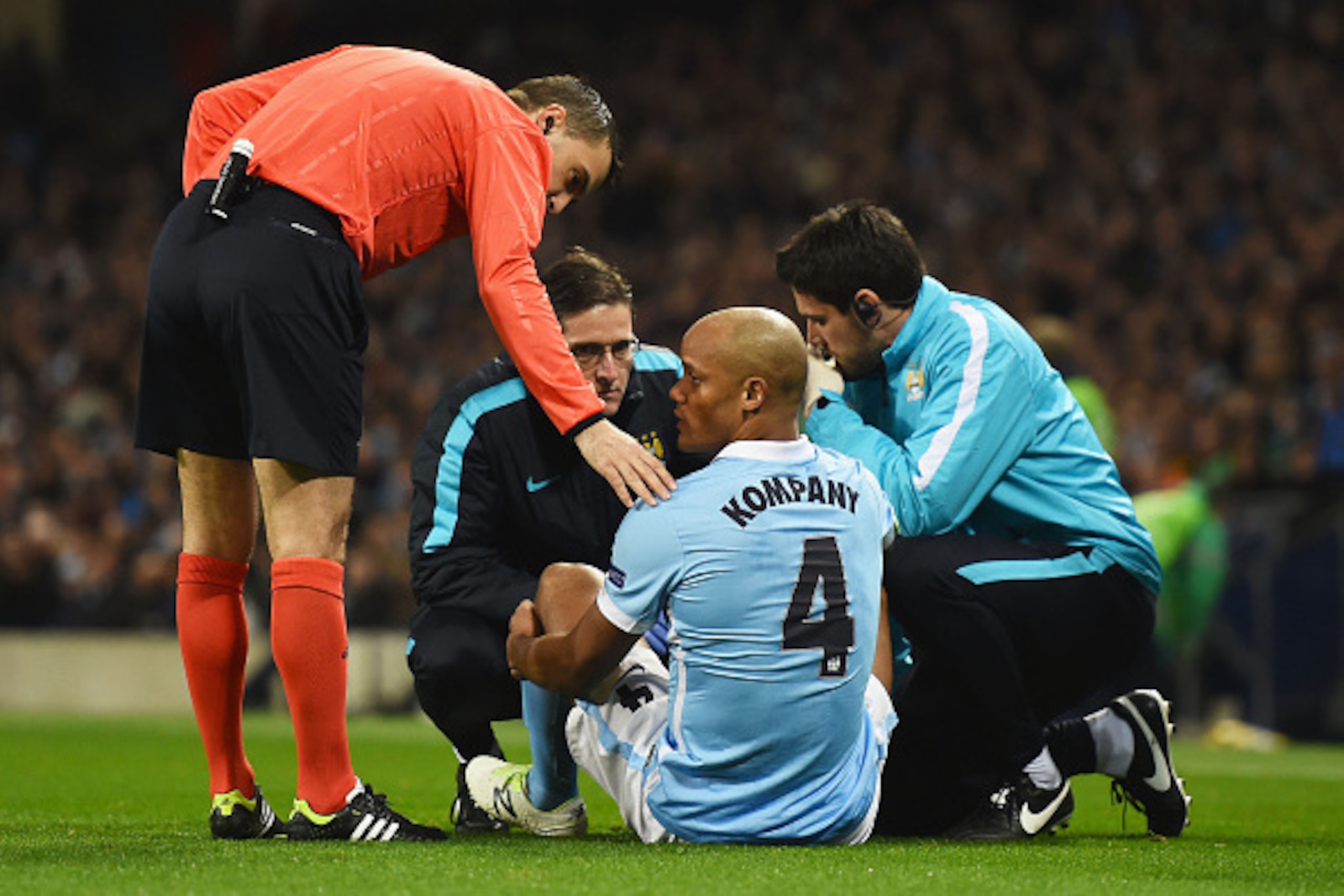
Manchester City have the attacking options to frighten the life out of opponents and, crucially, the motivation to go all the way in this tournament. With a Premier League title challenge firmly out of the question, this is the only other silverware left to target.
Unfortunately, they will struggle to compete with the continent’s best for two reasons. First, incessant injuries to Vincent Kompany’s calf dramatically weaken the team’s defensive line, and second—even with the Belgian in—City don’t protect their line well enough from midfield.
If Manuel Pellegrini presses forward with the strategy he used in Kiev and against Liverpool in the Capital One Cup final—that of Fernandinho playing a defensive right-wing role and squeezing the space between the lines—they might be alright. But that also requires proper defensive motivation from Yaya Toure, who, as is widely known, can be pretty lethargic when tracking or tackling.

It’s easy to feel a bit sorry for City’s centre-backs, whoever they may be on the day, as they are forced to charge out and engage attacking midfielders in areas 10-15 yards higher up than they ideally would.
Games such as the 3-0 loss to Liverpool just days after the cup final proved just how much space Fernando and Co. are willing to leave between the lines—space opponents will delight in taking advantage of.
City are a bit "Jekyll and Hyde" this season; they can knock your socks off, as they did to Dynamo in Kiev, or they can fall extremely flat without a moment’s warning.
Paris Saint-Germain
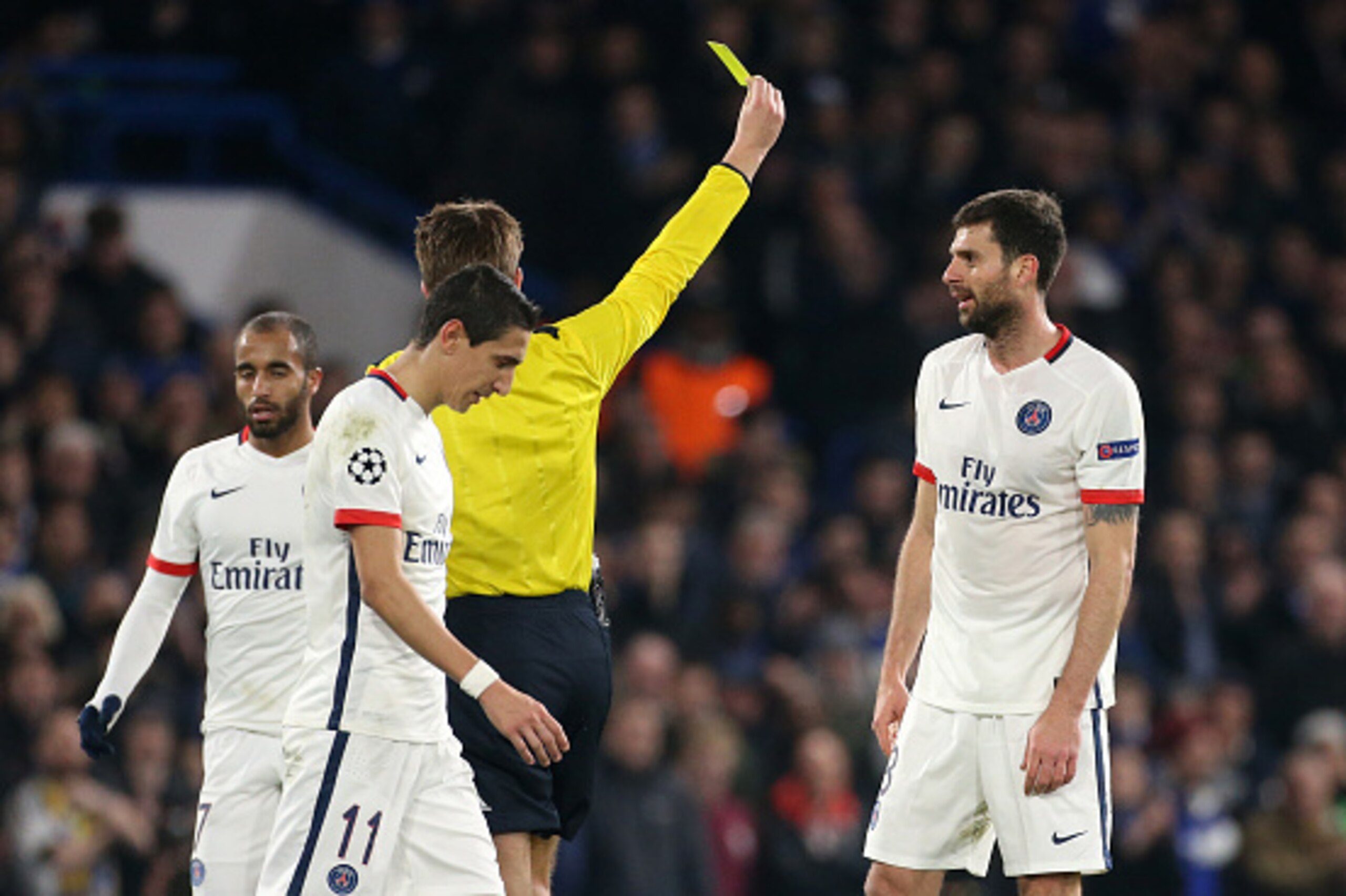
Sussing out a Paris Saint-Germain weakness is hard. They’ve battered almost every team they’ve played in a distinctly uncompetitive Ligue 1, so few frailties have been exposed there—and Chelsea weren’t exactly the biggest test in the round of 16.
Even when going back to the group stage and checking the film of their 1-0 loss to Real Madrid, the truth is they were by far the better side that night, and the goal they conceded was a cross that accidentally went in from Nacho Fernandez.
But one theme that does emerge is a certain predictability in their play—regardless of the personnel on the pitch.
Head coach Laurent Blanc is overtly loyal to his 4-3-3, and they play possession-based, overbearing football in which they rack up high percentages on the ball. They do this whether it’s the kids or the veterans, and even when key parts of the team change.
Against Chelsea at Stamford Bridge, Thiago Motta and Co. insisted on giving the ball away in the middle third when under pressure from Eden Hazard, Willian and Pedro’s pressing.
PSG played as if Marco Verratti—the master of evading pressure in tight spots—was in the XI, but he wasn’t, and it could have cost them dearly.

They also switched play over to the right fairly often to find the surging full-back Marquinhos. Had this been Serge Aurier—suspended by the club for homophobic comments—it would have been a real asset, but the Brazilian is a centre-back and can’t really cross properly. When the ball was at his feet on the flank, Chelsea weren’t worried about what he might do.
The consistency and familiarity with which PSG play is a strength (continuity), but also a weakness (predictability). Arguably, they’re loyal to how they’ve played this season to a fault.
If Verratti and Aurier miss the either of the quarter-final legs—a distinct possibility—it could be a real problem because they don't seem to be able to change their approach.
Real Madrid
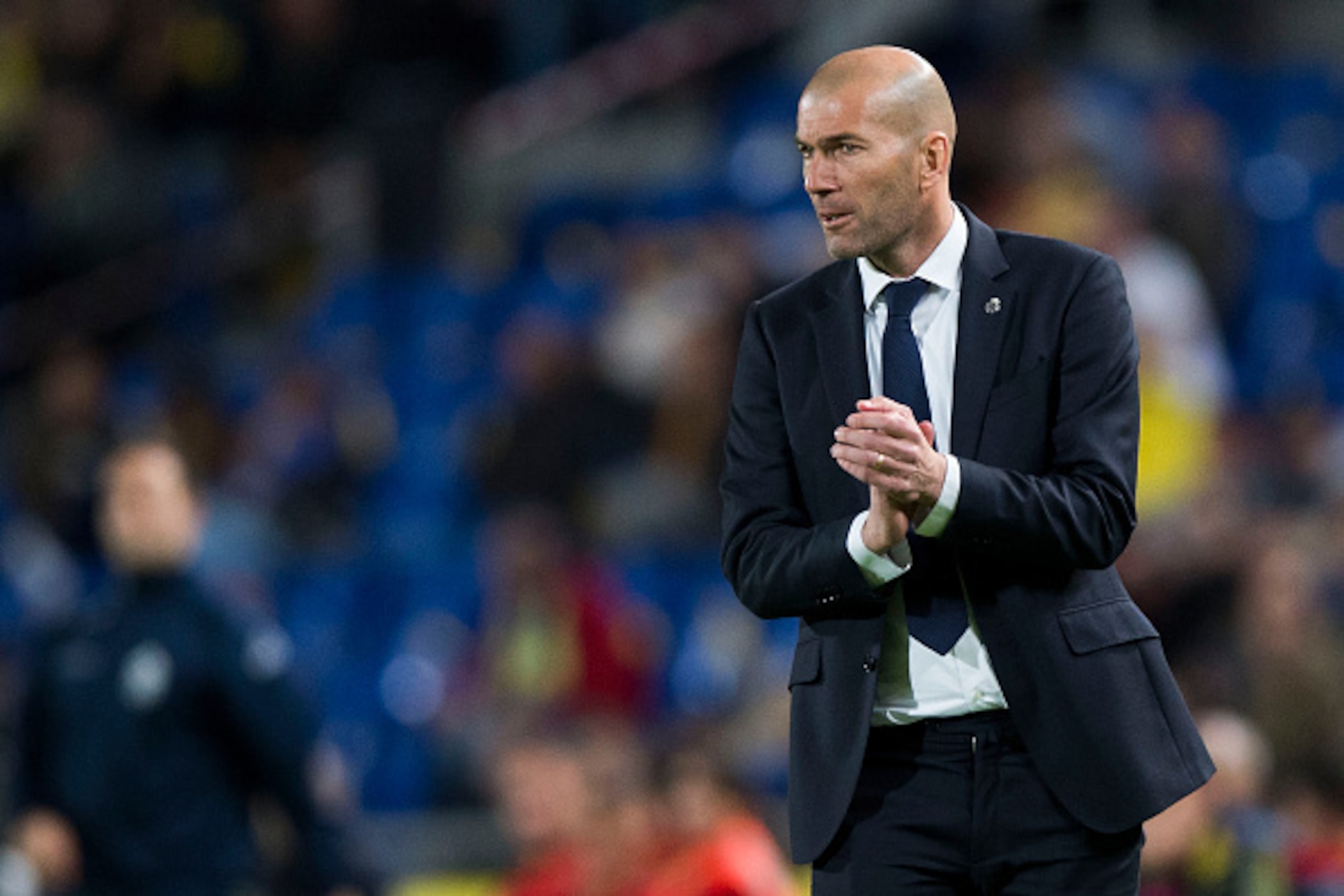
Tactically speaking, Real Madrid are an uncoordinated mess at the moment. Big home wins such as the 7-1 vs. Celta Vigo may perpetuate the idea that Zinedine Zidane is doing just fine at the Santiago Bernabeu, but a lack of discipline and structure haunts this team.
Los Blancos quite often seem to attack in a 5-5 formation, with massive spaces between the line of defenders and attackers. If Casemiro doesn’t play—and he often doesn’t—there are swathes of pitch available to opponents to take advantage of.
It was like this under Rafa Benitez to some extent, with the Clasico exposing rather ruthlessly just how undisciplined Madrid can be, but under Zidane, things have gotten worse.
The only player willing to cover the ground and track runners is the outstanding Luka Modric; the rest don’t chase back, don’t stick to a structure and appear to have eyes only for the offensive aspect of the game.

Make no mistake: they can still overwhelm you. Gareth Bale’s return gives the side a sharper edge in lieu of James Rodriguez’s continued struggle for form.
But when dining at the top of the European footballing table, structure and tactical nous become key, and Madrid either don’t have it, or simply don’t want it.
Wolfsburg
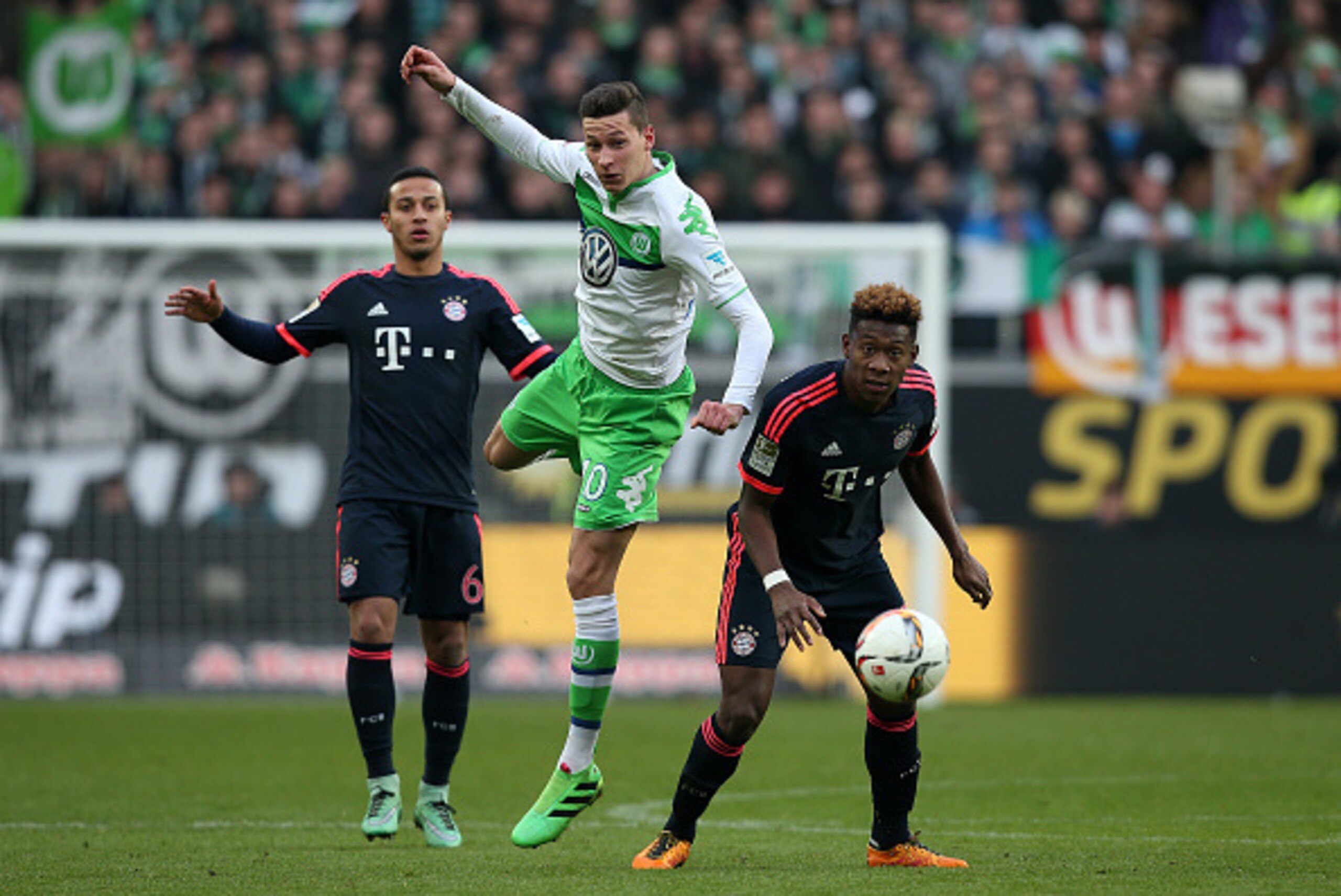
By popular decree, Wolfsburg are the weakest side left in the competition. They beat Gent in the round of 16 to reach the quarters after dismissing Manchester United in the group stages. The tests, so far, haven’t been gruelling.
The result of playing weaker sides is that we’ve seen their on-the-ball strategy when attacking, and it’s exposed some final-third weaknesses of note. Despite the presence of Max Kruse and Bas Dost on the payroll, Die Wolfe struggle to create clear-cut shooting opportunities and often bottle-neck themselves outside the opponents’ box.
With just 13.5 shots per game under their belts, per WhoScored.com, Dieter Hecking’s men are the least threatening quarter-finalists when it comes to testing the opposing goalkeeper.
They produce a lot of lovely play just outside the box but frequently come up empty when it comes to finishing off moves.

The onus, really, is on Julian Draxler, who is now flashing the sort of ability that once made him a £40 million target for Arsenal, according to the Mirror.
His three goals and two assists in six Champions League starts has spearheaded Wolfsburg in Europe, and he orchestrated a lovely goal against United, breaching the box and teeing up Vieirinha with aplomb.
With space to play in, Hecking’s men can be quite lethal. Vieirinha’s deep crossing from right-back has led to a lot of chances and is the source of quite a lot of Dost’s domestic goals, but when they find themselves outside the 18-yard box, they struggle to break teams down.




.jpg?w=2560 "Dak to Stroud: Get Some Wins 💯")

.jpg?w=2560 "5 NFL Players Getting Trade Buzz")