
Power Ranking the Best Games in Super Bowl History
Happy Super Bowl Eve.
Instead of a big crystal ball slowly making its way down to celebrate a new year, both the Carolina Panthers and Denver Broncos are hoping they don’t drop the ball when it comes to being the NFL’s newest champion.
For many years, the Super Bowl failed to live up to its lofty name. But things have gotten a whole lot better as of late. All told, 11 of the last 18 Super Bowls have been decided by seven points or less. We saw that same margin of victory only seven times in the previous 31 Super Bowls.
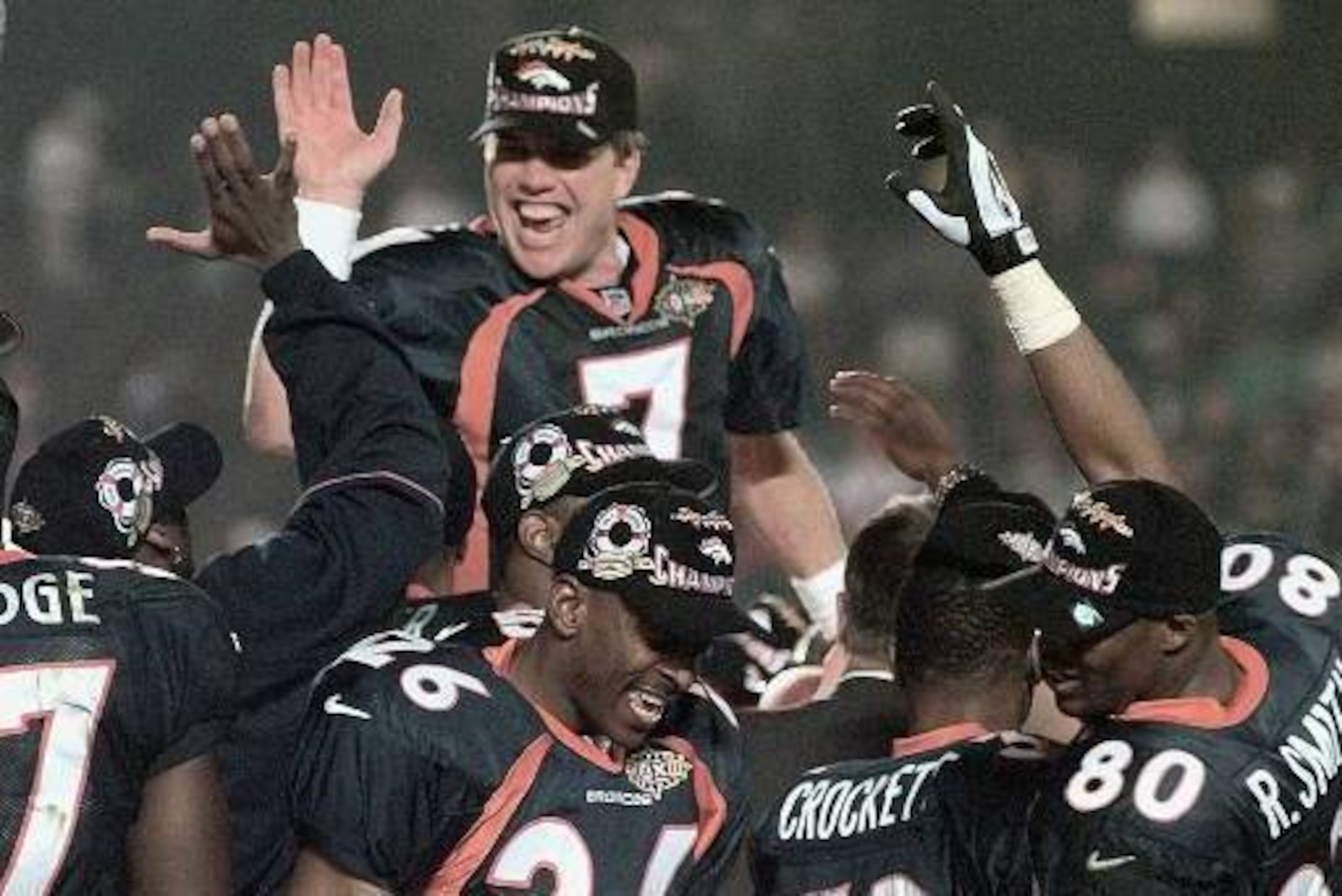
So, we have taken the time (and enjoyed every moment of it) to rank the previous 49 Super Bowls in terms of the quality of the contest, stressing competitiveness and overall performance by both teams as the main criteria. Hence the “best games.” And our choice for No. 1 is Denver's 31-24 victory over Green Bay in Super Bowl XXXII.
In the case of the lopsided tilts, an outstanding performance by a team or player may have elevated the game on this list (emphasis on the word "may").
Feel free to chime in with your own thoughts. And enjoy those Super memories as well.
49. Super Bowl VI: Dallas Cowboys 24, Miami Dolphins 3
1 of 49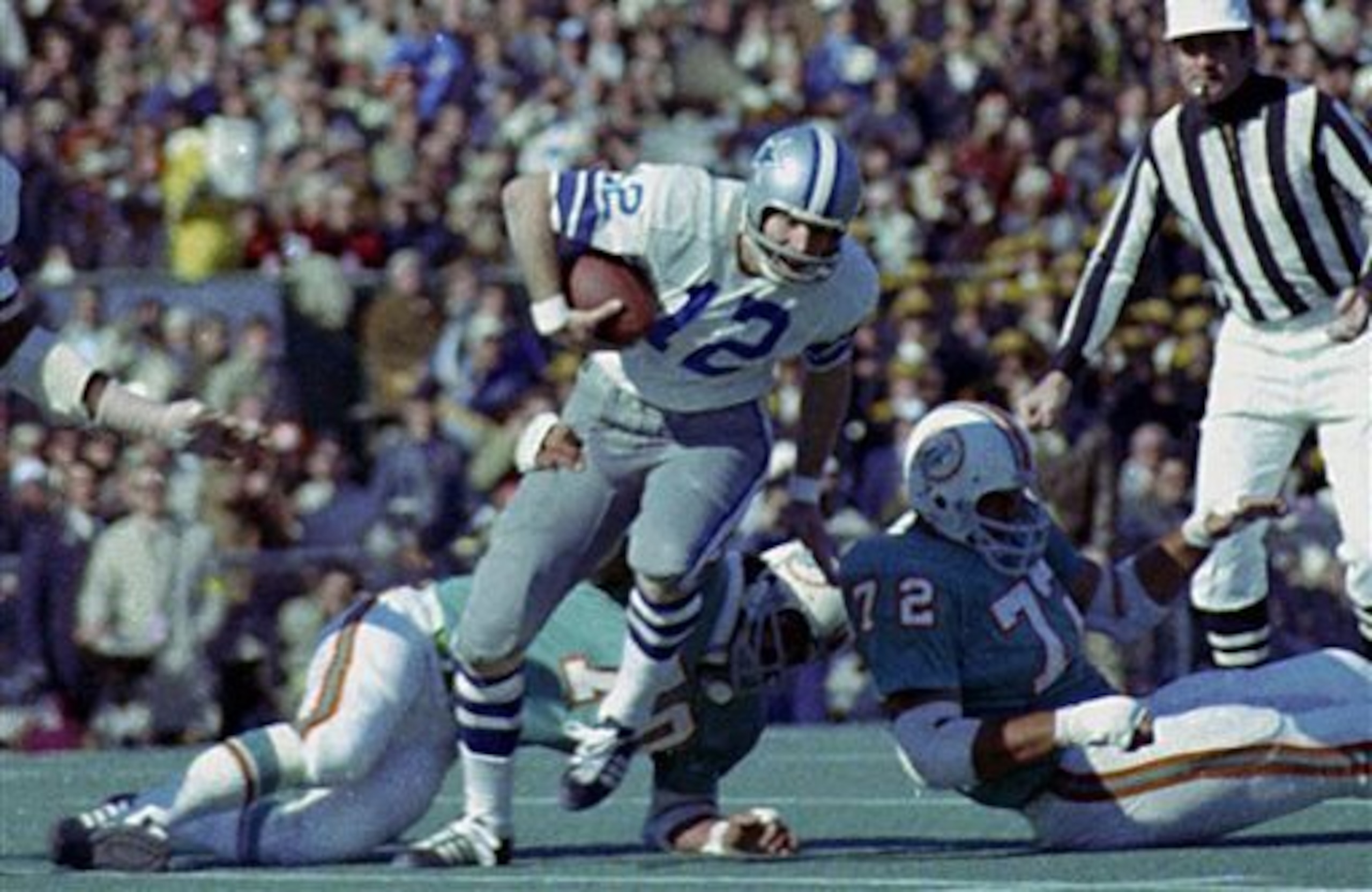
A total of 49 years and 98 performances and the 1971 Miami Dolphins still own the distinction of being the only club in the series’ history not to score a touchdown in the Super Bowl.
With Tom Landry’s club trampling the Miami defense for 252 yards rushing on 48 attempts and controlling the football for 39 minutes, 12 seconds, this proved to be a snoozer at Tulane Stadium.
Dallas Cowboys quarterback Roger Staubach threw for 119 yards and two scores to fellow future Hall of Famers in Lance Alworth and Mike Ditka, respectively. But when the signature moment of the contest is Dolphins quarterback Bob Griese being sacked for a 29-yard loss by defensive tackle Bob Lilly, you know there’s a bit of an issue.
48. Super Bowl XX: Chicago Bears 46, New England Patriots 10
2 of 49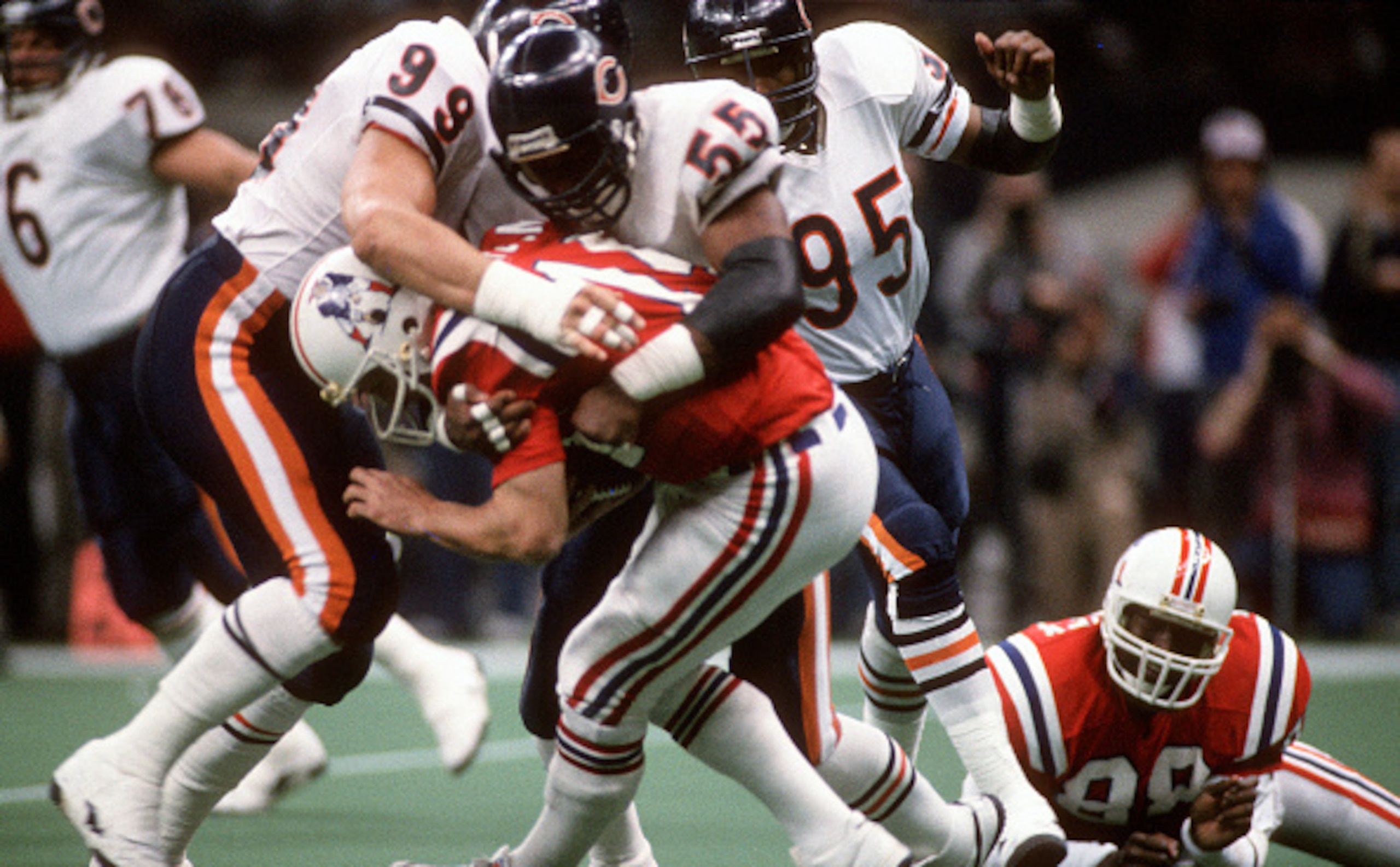
First up was New England Patriots quarterback Tony Eason. Then it was veteran Steve Grogan.
Where’s Jim Plunkett, Drew Bledsoe and Scott Zolak when you really need them?
Not even the great Tom Brady could have withstood the heat brought on by one of the greatest defensive units of this or any other era in NFL history.
And to think, the New England Patriots actually owned a 3-0 lead a mere 1:19 into the game. But by the end of the first quarter, the Chicago Bears had built a 10-point advantage, and by intermission these “Monsters of the Midway” owned a 23-3 lead.
The Pats were limited to seven yards rushing on 11 carries. Eason and Grogan were sacked a combined seven times for 61 yards in losses. Head coach Raymond Berry’s squad finished with 10 points and six turnovers and for the vast majority of the afternoon was simply overwhelmed.
47. Super Bowl XXIX: San Francisco 49ers 49, San Diego Chargers 26
3 of 49
Before you could say “go Chargers go,” Bobby Ross’ Bolts were in big trouble.
Of course, we got a hint of what could happen earlier in the year. The San Francisco 49ers rolled the Chargers 38-15 at San Diego during the regular season.
Less than five minutes into Super Bowl XXIX in South Florida, future Hall of Fame quarterback Steve Young had already thrown touchdown passes of 44 and 51 yards, respectively, to wide receiver Jerry Rice and running back Ricky Watters, giving San Francisco a 14-0 lead.
Young would finish the game with 325 yards and a Super Bowl-record six scores through their air. The Niners would own a 28-10 lead at halftime and stretch it to 42-10 late in the third quarter. Both Rice and Watters would finish with three total touchdowns apiece, while Chargers quarterback Stan Humphries threw one touchdown pass and three interceptions.
Young and the 49ers turned in a masterful performance this day as the 49ers became the first franchise to win five Super Bowls. But this game was far from a work of art.

.jpg?w=2560 "Cardinals Giants Football")
.jpg?w=2560 "Hill Injury Update Football")
46. Super Bowl XLVIII: Seattle Seahawks 43, Denver Broncos 8
4 of 49The Denver Broncos scored an NFL-record 606 points and 76 total touchdowns in 2013 on the way to their first Super Bowl appearance in 15 years.
The Seattle Seahawks, and the league’s top-ranked defense, were waiting, and this super showdown would quickly turn into a debacle at a warmer-than-expected MetLife Stadium.
On the Broncos’ first play from scrimmage, the ball went sailing over quarterback Peyton Manning’s head, resulting in a safety. By halftime, the Seattle offense had scored only one touchdown, but thanks in part to eventual game MVP Malcolm Smith’s 69-yard interception return for a score, the Seahawks owned a 22-0 halftime lead.
Percy Harvin returned the second-half kickoff 87 yards for a touchdown, ending the game’s competitiveness. Denver would finish the day with 27 yards rushing, a total of four turnovers and a Super Bowl record for head scratching.
45. Super Bowl XXVI: Washington Redskins 37, Buffalo Bills 24
5 of 49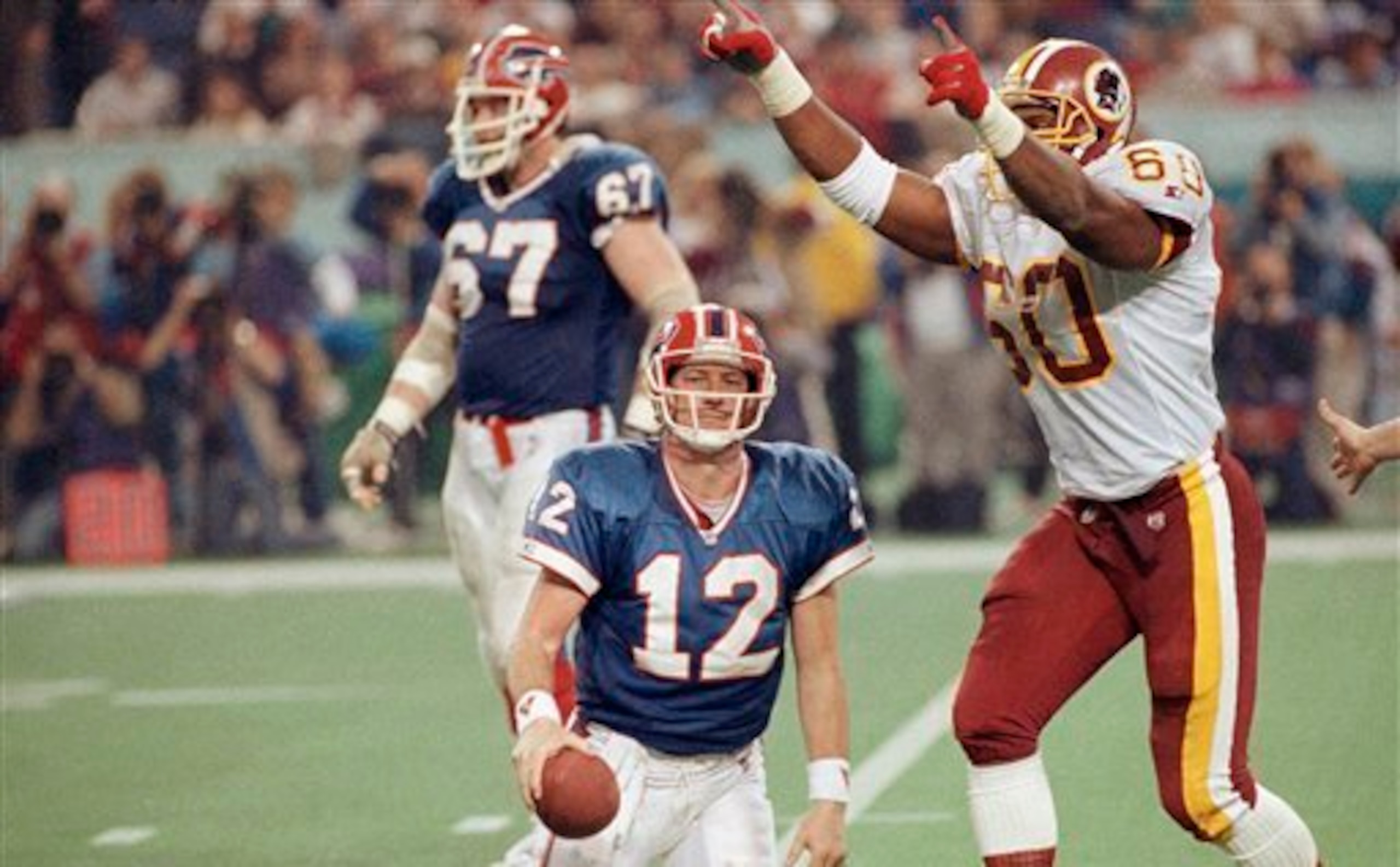
Thurman Thomas forgot his helmet. Andre Reed forgot his manners. And the Buffalo Bills’ 37-24 loss to the Washington Redskins at the Metrodome was downright forgettable.
You would think that Marv Levy’s team, making its second straight trip to the Super Bowl, would have been better prepared. But Redskins head coach Joe Gibbs was on his way to a third NFL title with a third different quarterback, while the Bills would be handed its second straight Super Bowl setback.
Buffalo quarterback Jim Kelly threw a pair of fourth-quarter touchdown passes, but it couldn’t offset four interceptions and a ground attack that managed only 43 yards. Washington rolled up 417 total yards and played turnover-free football in this mismatch in Minneapolis.
44. Super Bowl XXXVII: Tampa Bay Buccaneers 48, Oakland Raiders 21
6 of 49
Don’t be fooled by the saying that familiarity breeds contempt. It often results in a lopsided win.
After guiding the Oakland Raiders to a pair of playoff berths in 2000 and 2001, head coach Jon Gruden was now at the helm of the Tampa Bay Buccaneers and was getting ready to face his former team in Super Bowl XXXVII at San Diego.
You think that Gruden had the goods on his former team? Raiders quarterback Rich Gannon was the league’s Most Valuable Player that season but he would throw a Super Bowl-high five interceptions in this game—three returned for touchdowns and two by safety Dwight Smith.
Tampa Bay built a 34-4 third-quarter lead but thanks to a blocked punt return and a pair of Gannon scoring strikes, the Silver and Black had narrowed the lead to 34-21 with just over six minutes to play. Head coach Bill Callahan’s decision to go for two points following each touchdown (and failing each time) hurt Oakland’s chances for a comeback. But not as much as Gruden’s knowledge of the Raiders’ offense and its veteran quarterback.
43. Super Bowl XL: Pittsburgh Steelers 21, Seattle Seahawks 10
7 of 49
In a game marred by questionable officiating (and that’s being kind), the Pittsburgh Steelers became the first team in NFL history to win three road playoff games and then go on capture the Super Bowl.
The 21-10 win over the Seattle Seahawks had its share of controversy, and most of those shaky calls seemed to go against head coach Mike Holmgren’s club. Roughly two years ago, he spoke about what he could have done to help his team’s cause.
“If I could change anything, it would be to change the emotion of the players on the sideline as that game was going,” Holmgren told Dave Boling of the News Tribune. “Every call, after the beginning, everyone on the sidelines would just erupt, and I think I couldn’t calm them down, partly, because I got too excited. I didn’t do that very well.”
Neither the Steelers nor the Seahawks were particularly impressive at Ford Field that evening in Detroit. While Pittsburgh left the field with a fifth Lombardi Trophy, the game left you wanting more.
Unless it was a penalty.
42. Super Bowl XXXV: Baltimore Ravens 34, New York Giants 7
8 of 49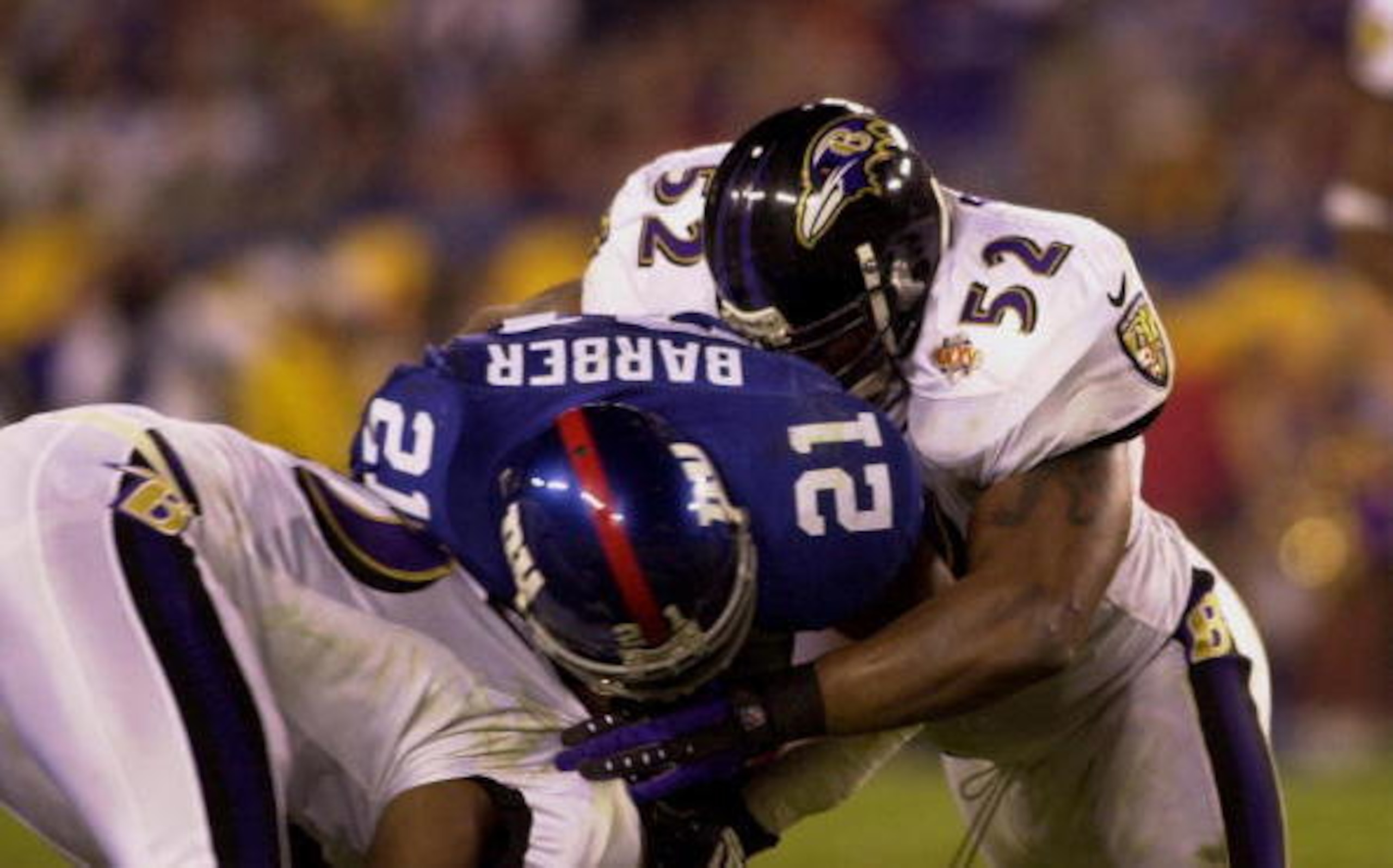
There seemed to be a look of terror in the eyes of New York Giants quarterback Kerry Collins when he took the field against the Baltimore Ravens in Super Bowl XXXV at Raymond James Stadium in Tampa, Florida.
Led by middle linebacker Ray Lewis, the Ravens had set a new record for fewest points allowed in a 16-game season (165) and had held the Denver Broncos, Tennessee Titans and Oakland Raiders to a combined 16 points in three playoff wins.
The Giants would fare miserably in this contest, totaling 11 first downs and a mere 152 total yards and failing to reach the end zone on offense. Baltimore only managed 13 first downs and 244 total yards but scored on offense, defense and special teams. Collins would complete just 15 of 39 passes for 112 yards, throwing four interceptions while taking four sacks.
The win capped off an incredible season for the Ravens and, unfortunately, closed the door on one of the uglier Super Bowls of recent memory.
41. Super Bowl XII: Dallas Cowboys 27, Denver Broncos 10
9 of 49
For those fond of comedy, the game was reminiscent of the Keystone Kops.
For lovers of the game of football, it was an entirely different story indeed.
Yes, the Dallas Cowboys would pull away from the Denver Broncos at the Louisiana Superdome in the first Super Bowl played indoors. In the first half, you would have thought the game was being played outdoors in the rain.
Holding onto the football was optional, most notably in the case of the Broncos, who were making their first Super Bowl appearance. Thanks namely to inept quarterback Craig Morton, head coach Red Miller’s squad committed six of the team’s eight turnovers in the first two quarters.
The Cowboys were hardly perfect and had their own issues with turnovers. But thanks to wide receiver Butch Johnson’s diving touchdown reception and fullback Robert Newhouse’s perfect scoring toss to teammate Golden Richards, this game ranks higher than it might have been otherwise.
40. Super Bowl XXXIII: Denver Broncos 34, Atlanta Falcons 19
10 of 49
This would prove to be the swan song for Denver Broncos quarterback John Elway. And in his way were the Dirty Birds, who hung around this game just enough to make it somewhat interesting.
Facing the Atlanta Falcons and his former head coach Dan Reeves, Elway guided an offense that rolled up 457 yards in a 34-19 win. Terrell Davis ran for 102 yards, while Denver’s veteran signal-caller threw for one score (one interception) and ran for another, exploiting the Atlanta defense for 336 yards through the air. The Broncos built a 17-6 halftime lead on the way to a 31-6 advantage with less than 12 minutes to play.
But in an interesting side story that relates to this weekend’s Super Bowl, a negative can always turn into a positive.
As documented by Scott Fowler of the Charlotte Observer, former Falcons free safety Eugene Robinson, a starter in Super Bowl XXXIII, recently spoke with the Carolina Panthers about the events that unfolded the night before the game, which resulting in his arrest for solicitation.
“I told them I cried all night,” said Robinson. “Dude, I cried all night…How did I get way over here when I was way over here? Well, it is easy to lose your way when you’re selfish, and you’re thinking about yourself, and that’s what I did.”
It proved to be not much of a game that Sunday in South Florida. But it added up to quite the cautionary tale that resonates to this day.
39. Super Bowl IV: Kansas City Chiefs 23, Minnesota Vikings 7
11 of 49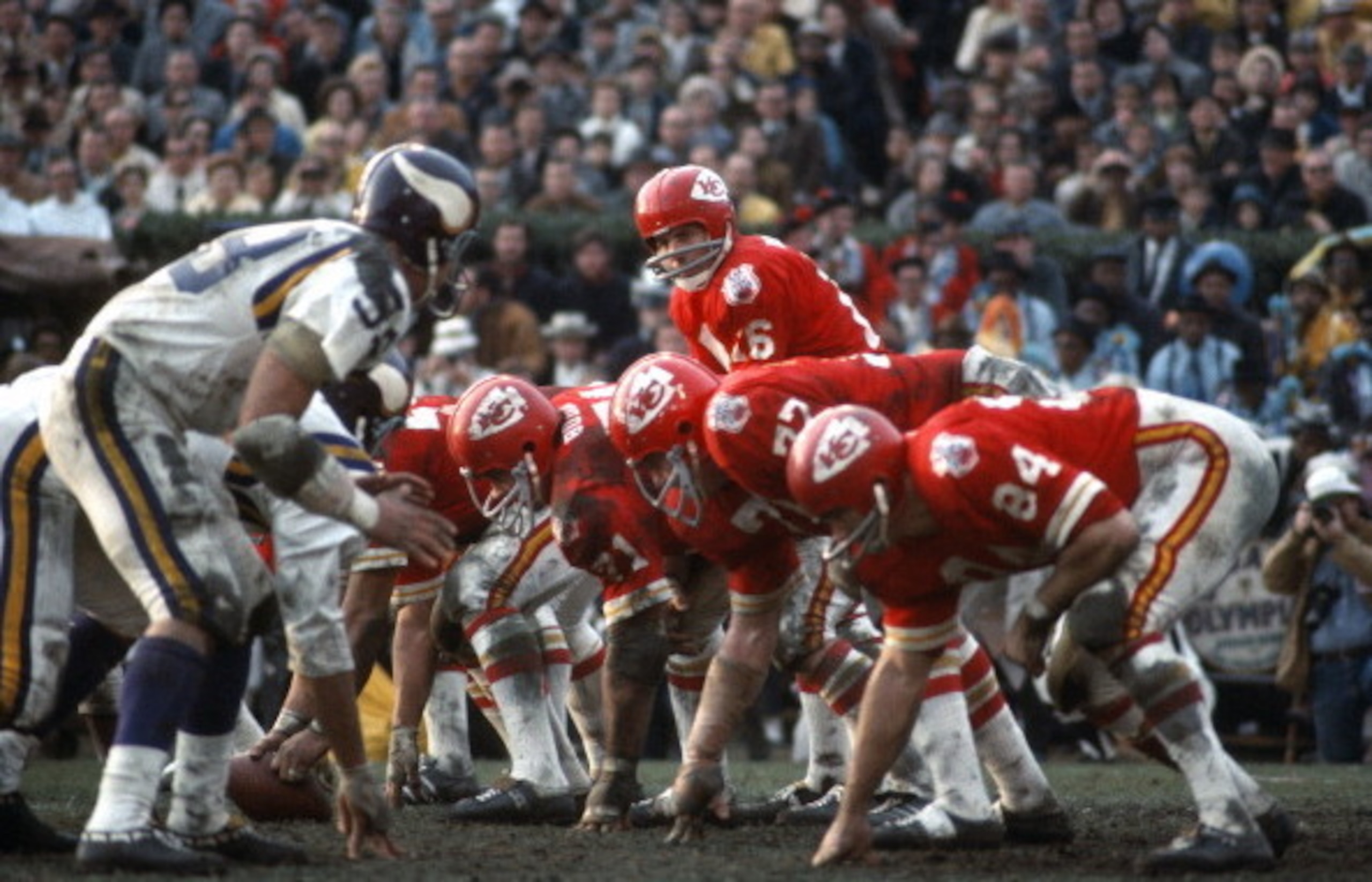
It’s a game loaded with future Pro Football Hall of Famers, including the head coaches in Minnesota’s Bud Grant and Kansas City’s Hank Stram.
In this instance, most of those football legends belonged to the Chiefs. The team’s star-studded defensive unit pummeled Vikings quarterback Joe Kapp into submission, limiting the Purple Gang to 239 total yards and forcing five turnovers in a 23-7 victory.
The Kansas City offense managed only two touchdowns and three field goals as quarterback Lenny Dawson threw sparingly, hitting on 12 of his 17 throws for 142 yards and a score.
While no one would know it at the time, the most famous number that came from this game was part of a play called “65 Toss Power Trap.” It resulted in the Chiefs’ first touchdown and was called by Stram, who was wired by NFL Films for the contest.
Then again, history would show us the highlights featuring Stram proved to be a lot more entertaining than the game itself.
38. Super Bowl XV: Oakland Raiders 27, Philadelphia Eagles 10
12 of 49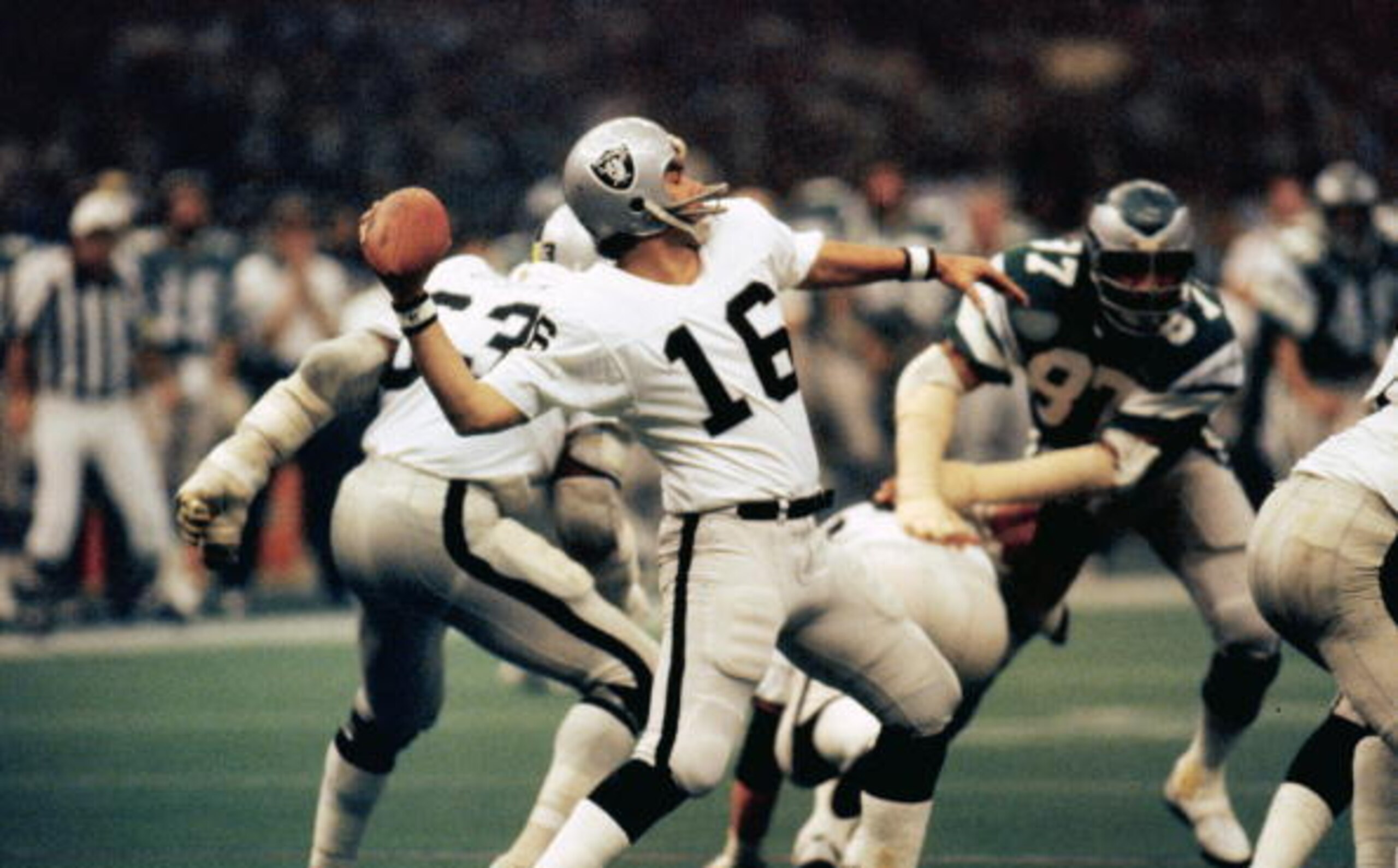
It seemed as if it was the Philadelphia Eagles year in 1980. When all was said and done in the Big Easy, it proved to be the Oakland Raiders day.
Eagles quarterback Ron Jaworski’s first pass attempt of the game was picked off by Raiders linebacker Rod Martin. The Oakland defender would steal two more of Jaws’ passes that day, while teammate Jim Plunkett and wideout Cliff Branch toyed with the Philadelphia secondary.
The Silver and Black opened up a 14-0 first-quarter lead and took a 24-3 edge into the fourth quarter as Dick Vermeil’s Birds looked overwhelmed by the moment.
Meanwhile, this time led by head coach Tom Flores, the Raiders won their second Super Bowl in five years and became the first wild-card team to do so.
37. Super Bowl XXVII: Dallas Cowboys 52, Buffalo Bills 17
13 of 49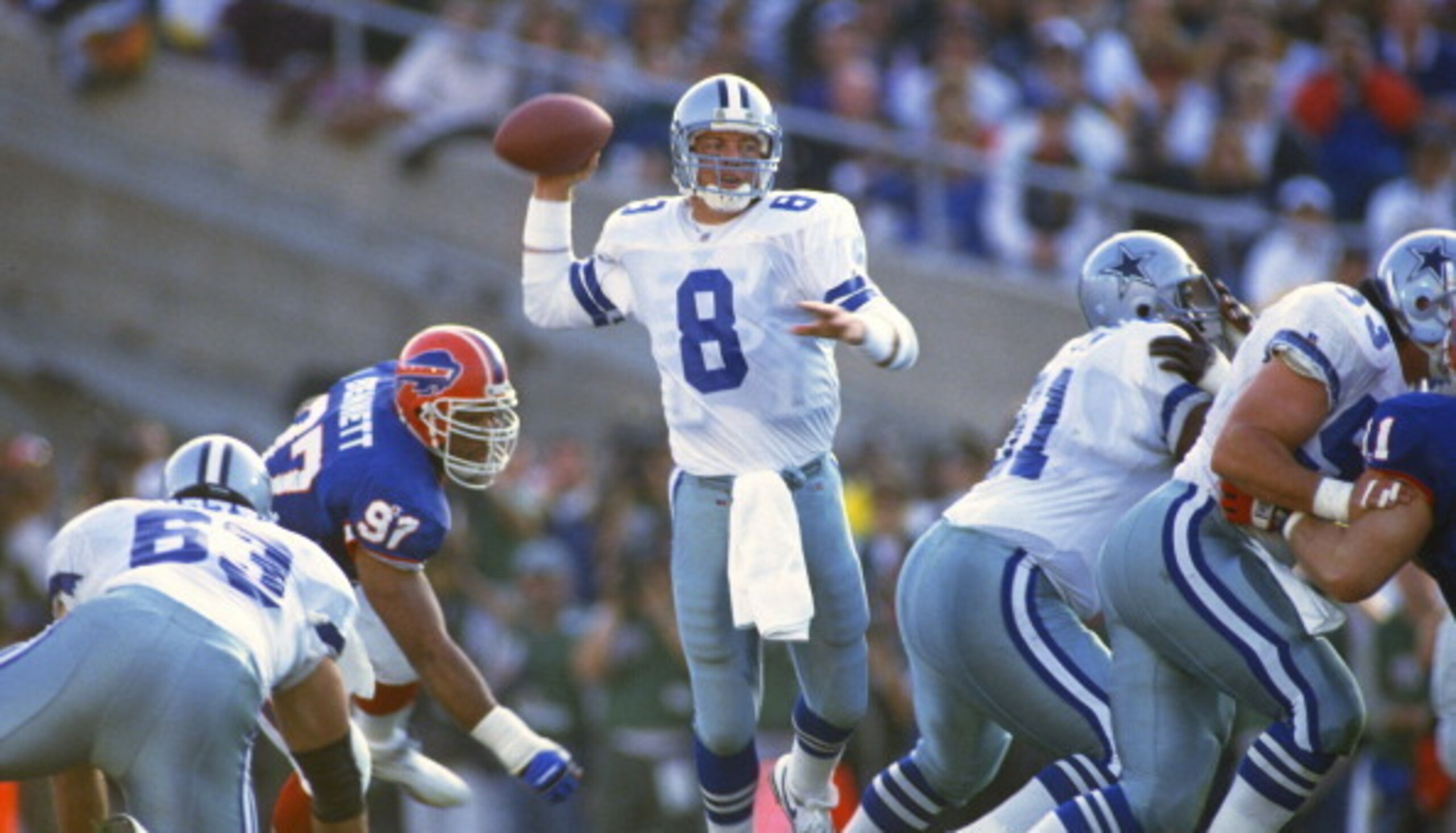
There’s not much to say about a game when one team commits nine turnovers.
The Buffalo Bills’ third consecutive trip to the Super Bowl proved to be their worst. Despite owning a 7-0 first-quarter lead, mistake after mistake led to the Dallas Cowboys capitalizing in the form of a 28-10 halftime advantage.
When it was all said and done, the AFC champions turned over the ball nine times, a Super Bowl record. Starting quarterback Jim Kelly was injured and replaced by Frank Reich, with both players throwing a pair of interceptions.
The Cowboys returned two of Buffalo’s five lost fumbles directly for touchdowns. And there would have been a third score and a Super Bowl record for points scored by a team if it weren’t for the nonchalant play of Dallas defensive tackle Leon Lett and the hustle of Buffalo wide receiver Don Beebe.
36. Super Bowl VIII: Miami Dolphins 24, Minnesota Vikings 7
14 of 49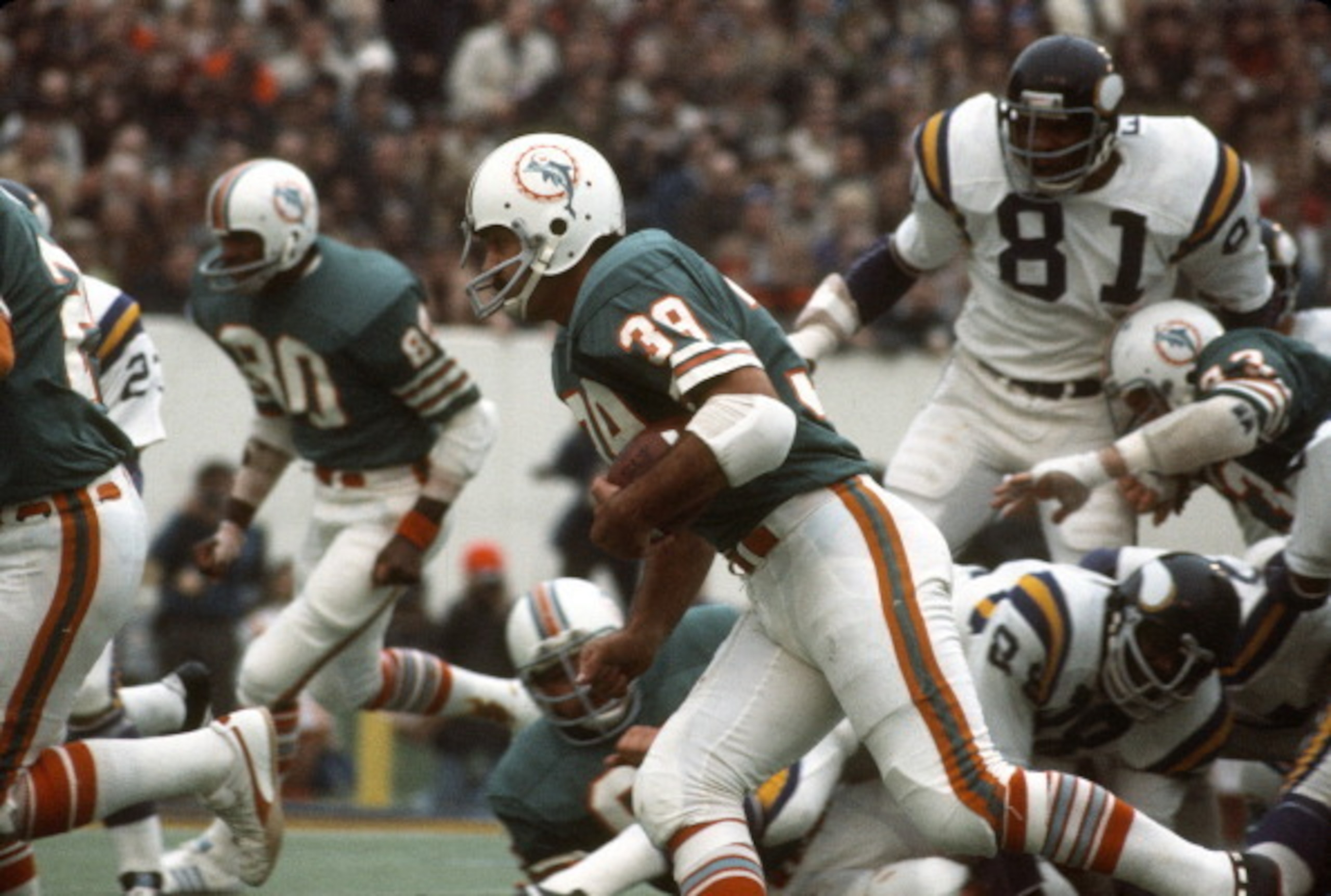
As history tells us, the 1972 Miami Dolphins remain the lone unbeaten and untied team in the NFL’s 96 years of existence.
But more than a fair share of NFL historians will tell you that Don Shula’s 1973 club was even better despite that fact.
These Dolphins finished 12-2 and were far more dominant than their predecessors—a sign of the team’s growth and maturity. They steamrolled the Bengals and Raiders in the playoffs and then had their way with the Minnesota Vikings at Houston’s Rice Stadium.
Miami quarterback Bob Griese would complete six of seven passes in the game. That’s because Shula’s talent-laden offensive line paved the way for 196 yards rushing on 53 carries. Game MVP Larry Csonka had 33 of those attempts for 145 yards and two touchdowns.
Overwhelmed at the line of scrimmage on both sides of the ball, the Vikings offered little resistance.
35. Super Bowl II: Green Bay Packers 33, Oakland Raiders 14
15 of 49
Perhaps the toughest thing the Green Bay Packers did all day against the Oakland Raiders—both physically and emotionally—was carry Vince Lombardi on their shoulders and off the field in what proved to be his final game as head coach with the franchise.
Two years into this experiment known as the AFL-NFL World Championship Game and the American Football League had yet to prove it was ready for the big stage. The Packers had done away with the Kansas City Chiefs by 25 points one year earlier, and this time the Raiders fell 33-14.
Green Bay’s balance (160 yards rushing, 162 yards passing) and efficiency (zero turnovers) paved the way for a fifth championship in the 1960s. And until the AFL was ready to match up, these games were going to be somewhat lopsided.
But it didn’t take long for the baby to learn. Stay tuned…
34. Super Bowl XI: Oakland Raiders 32, Minnesota Vikings 14
16 of 49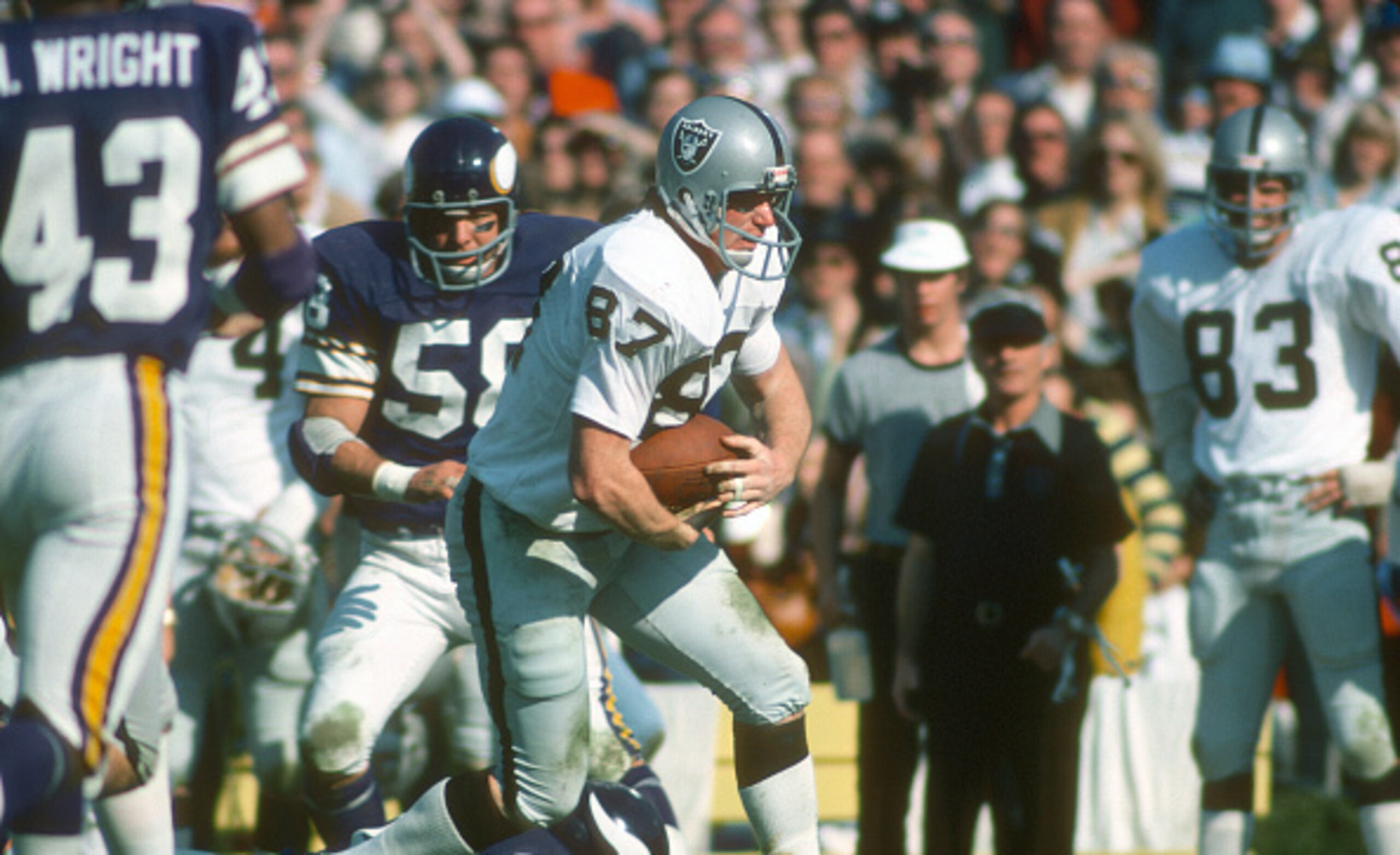
After continuous failures in their attempts to reach the Super Bowl, the Oakland Raiders proved they belonged in this game with a manhandling of the more experienced Minnesota Vikings.
The Raiders didn’t let an early blocked punt faze them. They simply waited for the Vikings to self-destruct at the goal line, and then it was all John Madden’s team after that. Led by a ground attack that rolled up 266 yards, Oakland scored 16 unanswered points in the second quarter and took a 16-0 lead into the locker room.
While the Silver and Black played turnover-free football, Vikings quarterback Fran Tarkenton threw two picks; Raiders cornerback Willie Brown returned one of them for a 75-yard score.
Is there any wonder why the Vikings, with four Super Bowl losses in eight years, always seemed to make for a bad showing in this game? Bud Grant’s club went scoreless in the first half in each of the outings.
33. Super Bowl XXVIII: Dallas Cowboys 30, Buffalo Bills 13
17 of 49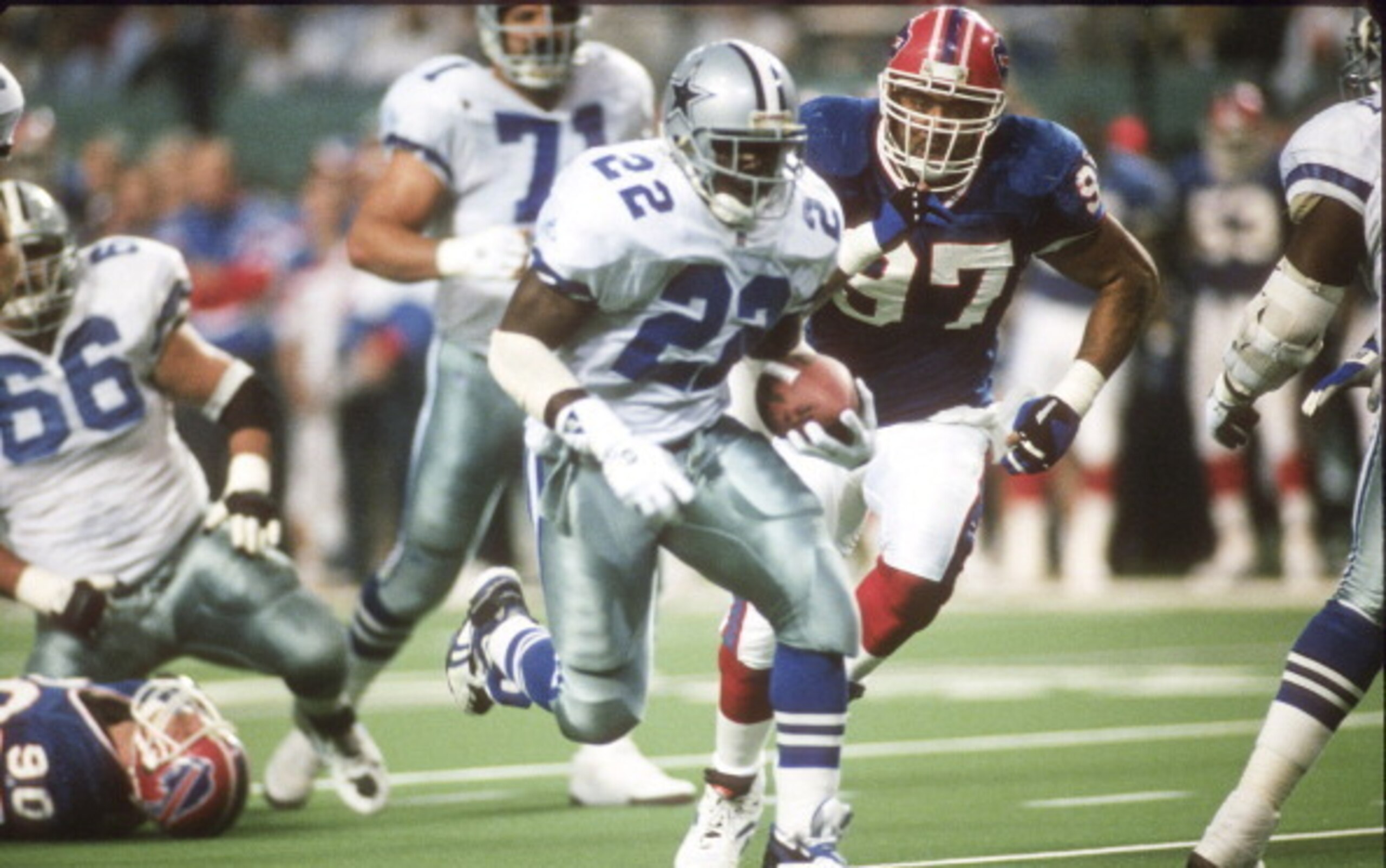
Longtime fans of the Buffalo Bills will remember that their team owned a 13-6 halftime lead over the Dallas Cowboys in this Super Bowl rematch from the previous year.
Then, the proverbial roof fell in for the four-time defending AFC champions. A Thurman Thomas’ fumble was returned 46 yards for a touchdown by Cowboys safety Mark Washington less than one minute into the third quarter. Emmitt Smith was just getting warmed up and would finish with 132 yards rushing and two touchdowns on 30 carries.
At least there was some suspense in the first 30 minutes. But it once again added up to a fourth straight loss in this championship game for the talented but not-so-Super Bills.
32. Super Bowl I: Green Bay Packers 35, Kansas City Chiefs 10
18 of 49The first AFL-NFL World Championship Game didn’t attract a lot of attention, as the game at the Los Angeles Coliseum was not a sellout.
And while the Green Bay Packers put together a 21-0 second half in their 25-point win in a game that would eventually be known as Super Bowl I, the Kansas City Chiefs hung in there in the first half, as Hank Stram’s club trailed only 14-10 at intermission.
The Packers defense proved to be the difference, totaling six sacks and picking off Chiefs quarterback Len Dawson once. And as far as the overall game goes, it wasn’t bad for a first try.
31. Super Bowl XIX: San Francisco 49ers 38, Miami Dolphins 16
19 of 49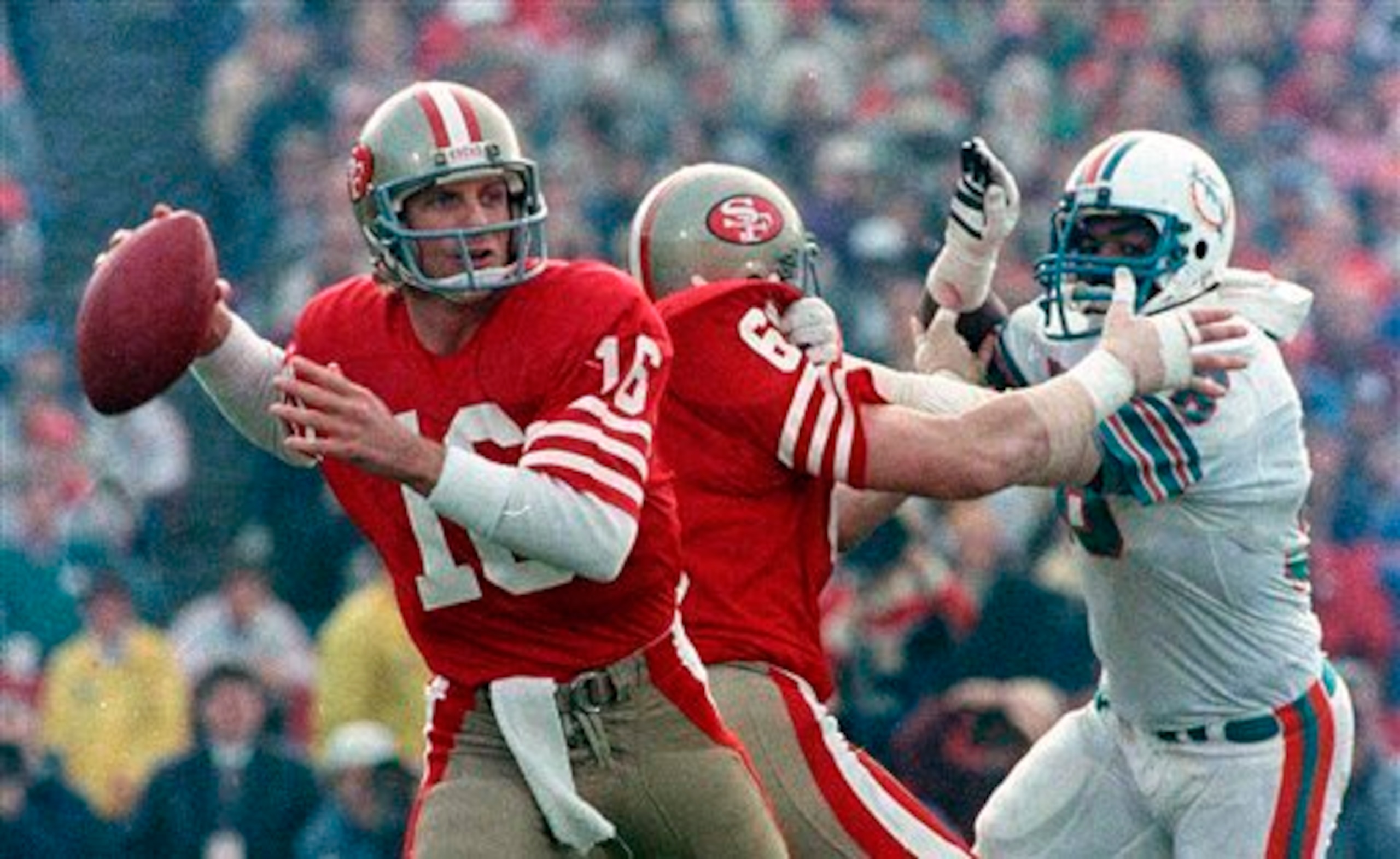
The Miami Dolphins (14-2) and San Francisco 49ers (15-1) arrived in Palo Alto with a combined 29-3 regular-season record. Both teams also rolled in their respective playoff wins.
This was going to be a showdown between second-year star Dan Marino and one-time Super Bowl champion Joe Montana. The former set new NFL records with 48 touchdown passes and 5,084 yards through the air in 1984.
We saw little of that from Marino and the Dolphins against these Niners, whose own offense stole the show in a 38-16 victory.
Bill Walsh’s offense would steal the show, while San Francisco’s defensive unit frustrated the young signal-caller, Marino. Montana passed for 331 yards and three touchdowns and rushed for 59 yards and a score. The 49ers rolled up 537 total yards.
Walsh’s club overcame a 10-7 first-quarter deficit by scoring touchdowns on three consecutive possessions in the second quarter, and the rout was on as Miami never reached the end zone again.
30. Super Bowl XXII: Washington Redskins 42, Denver Broncos 10
20 of 49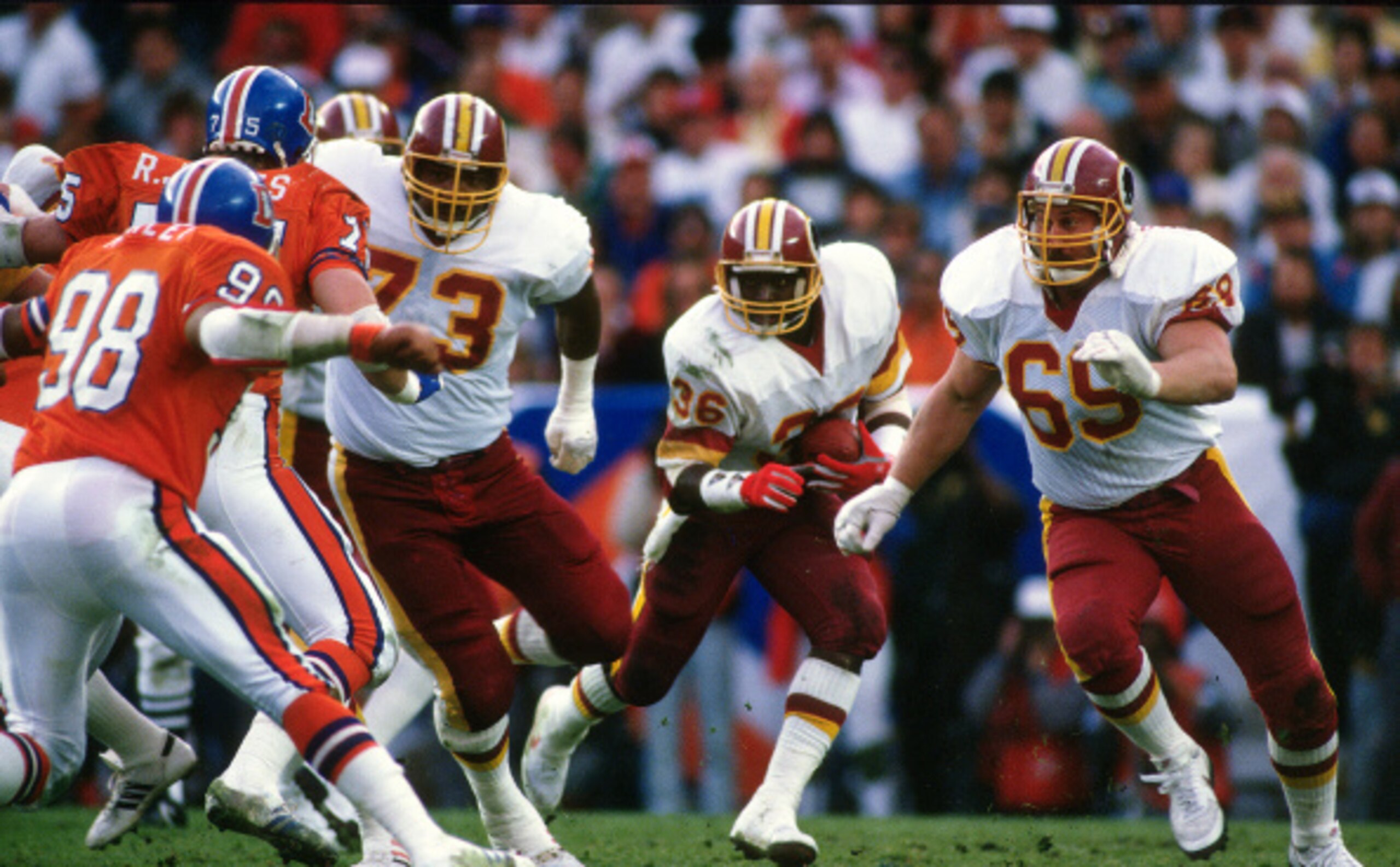
Led by quarterback John Elway, the Denver Broncos needed a fumble instead of a drive to get back to the Super Bowl for the second straight year.
And in this showdown with the Washington Redskins, the Broncos opened up a 10-0 lead in the first quarter and looked firmly in control. And keep in mind that in previous 21 Super Bowls, no team had overcome such a deficit in The Big Game.
Until this day in San Diego. The Redskins put together one of the most impressive quarters of football in NFL annals. Led by quarterback and eventual MVP Doug Williams, Washington rolled up 35 unanswered points thanks to four Williams touchdown passes (an 80-yarder to Ricky Sanders started the scoring) and one 58-yard scoring run by Timmy Smith.
Washington amassed 356 total yards in the second quarter alone; Denver gained 327 yards in the entire game. Joe Gibbs’ club racked up a Super Bowl-record 602 offensive yards and pulled away for the comfortable win.
29. Super Bowl XXIV: San Francisco 49ers 55, Denver Broncos 10
21 of 49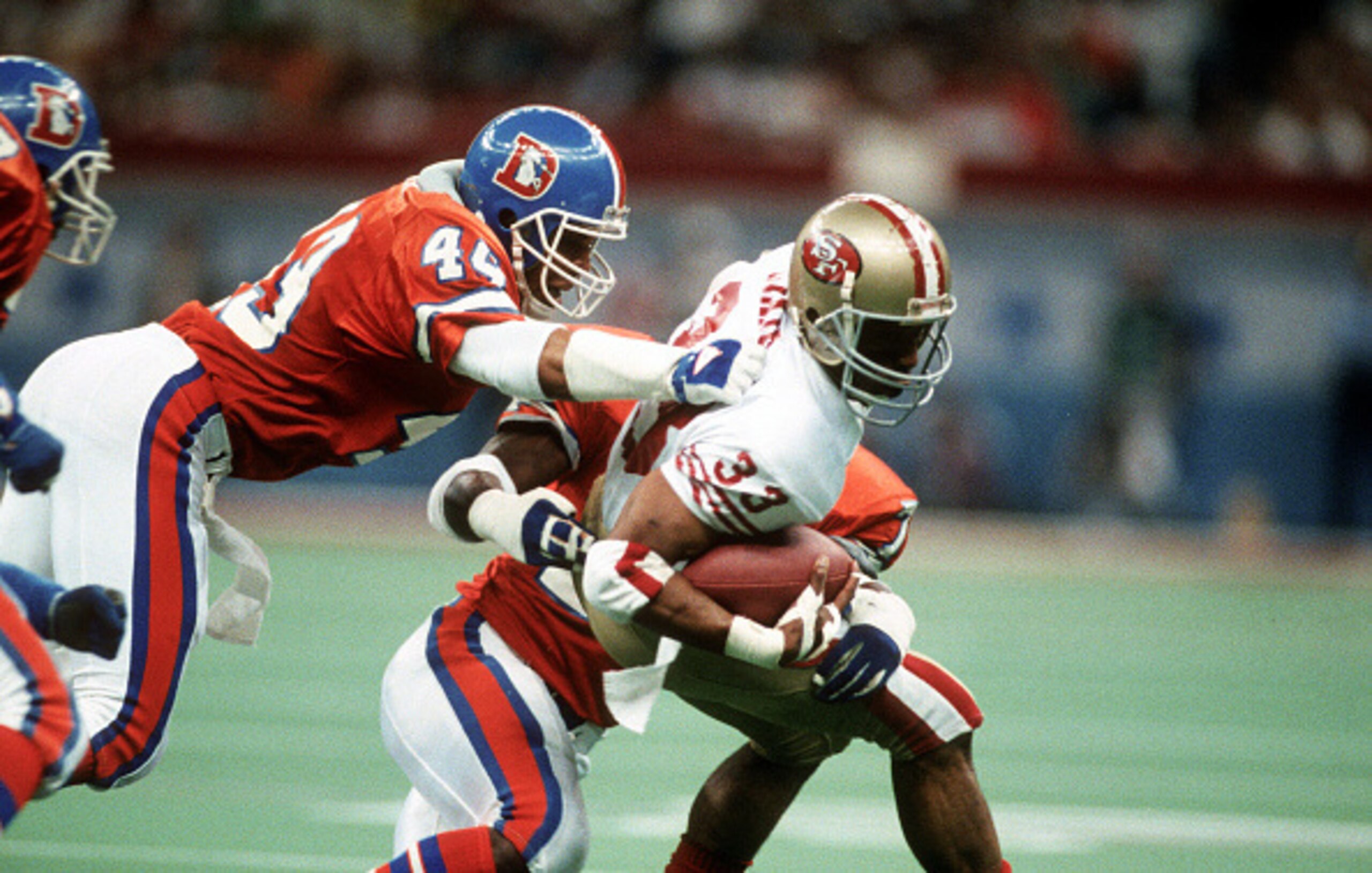
The San Francisco 49ers were back in the Super Bowl for the second straight year (this time with head coach George Seifert in place of Bill Walsh) and the fourth time in nine years. The franchise was seeking its fourth Lombardi Trophy, which would tie the record owned by the Pittsburgh Steelers at the time.
The Denver Broncos were in this game for the third time in four seasons, and it had not gone well to date.
It was about to get worse.
In what to date rates as the biggest blowout in Super Bowl history, the Niners scored two touchdowns in each quarter in their 55-10 victory at the Superdome. Quarterback Joe Montana captured Super Bowl MVP honors for the third time, hitting on 22 of his 29 throws for 297 yards and five touchdowns without an interception.
Three of those scores went to wideout Jerry Rice, as the then-defending Super Bowl champions rolled up 461 total yards and 55 points against a Broncos team that had allowed the fewest points in the league that season. Only a missed point-after attempt by Mike Cofer made this a less-than-perfect performance…but perfectly miserable for Elway and Co.
28. Super Bowl XVIII: Los Angeles Raiders 38, Washington Redskins 9
22 of 49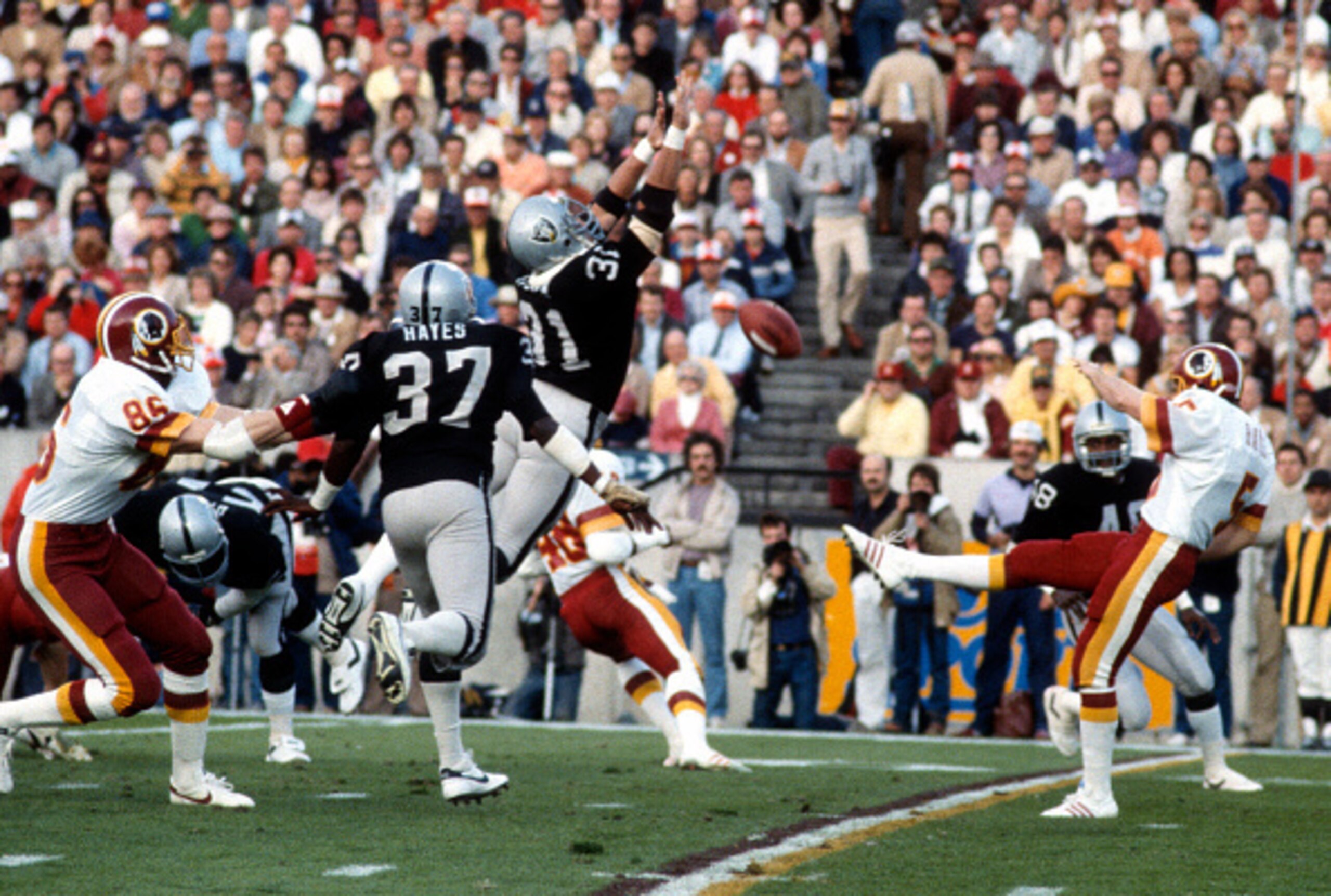
You could make a strong case (and so could the Seattle Seahawks in Super Bowl XLVIII) that the Los Angeles Raiders played the most complete game in Super Bowl history when they rolled the Washington Redskins, 38-9, in Tampa.
Tom Flores’ talented club got 191 yards and two touchdowns from game MVP Marcus Allen, 172 yards passing and a score from quarterback Marcus Allen, a blocked punt return for a touchdown by Derrick Jensen and linebacker Jack Squirek’s pick-six of Joe Theismann just before halftime.
Yes, Allen’s magnificent 74-yard scoring jaunt through the Washington defense is one of the great plays in NFL history. But even that couldn’t save this game, which saw a Redskins team that had scored a then-NFL record 583 points that season reduced to single digits.
27. Super Bowl V: Baltimore Colts 16, Dallas Cowboys 13
23 of 49It’s one of the most important stats when it comes to Super Bowl history. And the Baltimore Colts would wind up defying the numbers.
Yes, football in the 1970s was a bit different than it is today. Turnovers came more frequently, offenses were run-oriented, and the game was far more physical.
In the first Super Bowl between the AFC and NFC (courtesy of the 1970 merger), the Colts and Dallas Cowboys combined for 11 turnovers—seven of those by the eventual winning team from Baltimore. Keep in mind that the other 48 Super Bowl champions have combined for only 47 turnovers.
This was not a thing of beauty, and you could make a case that this was one of the worst games in the 49-year history of this series. But it had its share of strange plays (John Mackey’s 75-yard touchdown catch) and drama, most notably thanks to rookie Jim O’Brien’s 32-yard field goal with five seconds to play that gave the Colts the victory.
26. Super Bowl IX: Pittsburgh Steelers 16, Minnesota Vikings 6
24 of 49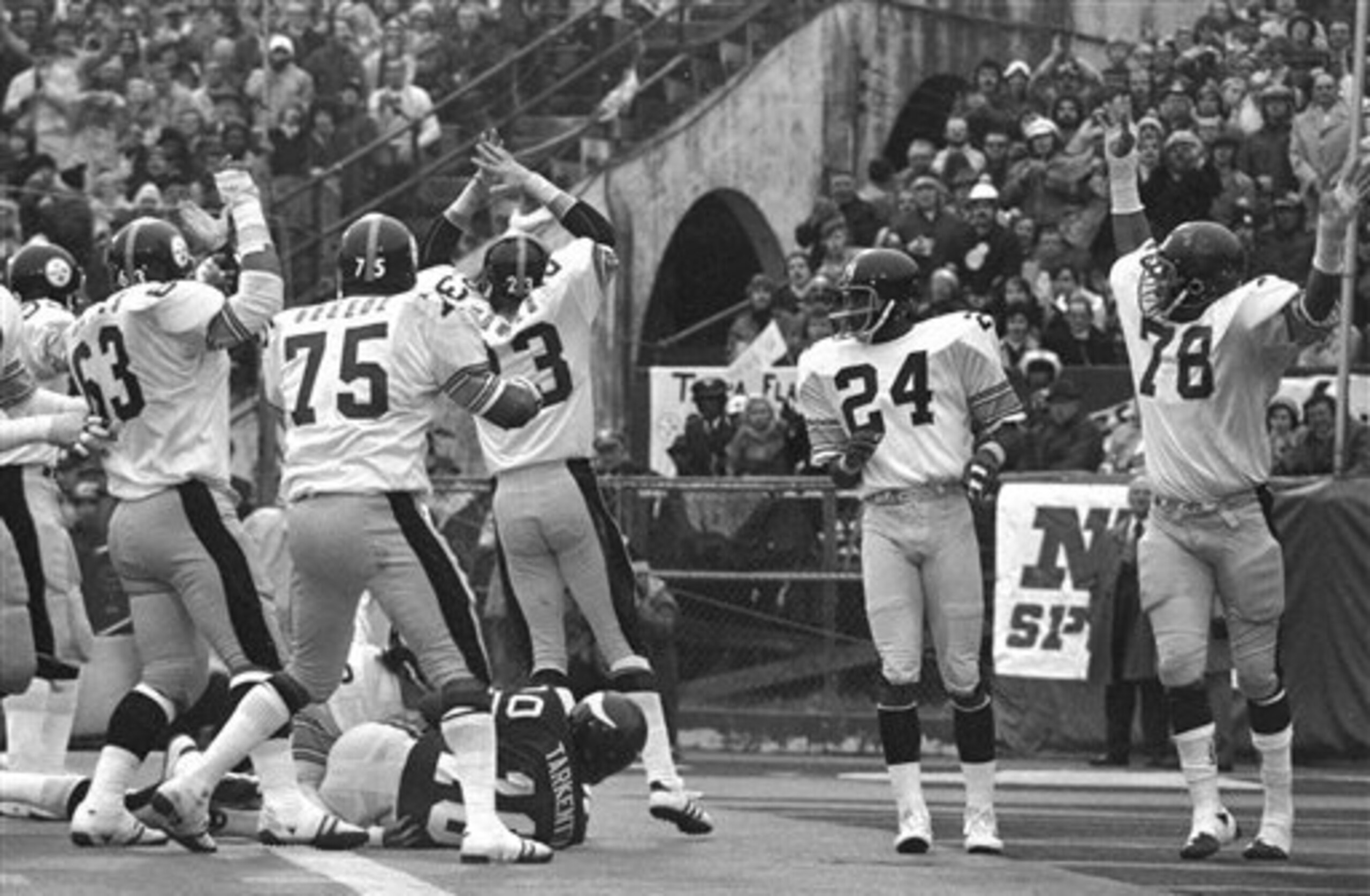
It would be the first of four Super Bowl victories in a six-year span for the 1970s Pittsburgh Steelers.
It would also be a somewhat dreary day at Tulane Stadium for Super Bowl IX, especially when it came to the Minnesota Vikings and their future Hall of Fame quarterback.
The Purple Gang was limited to a Super Bowl record-low 119 total yards (Steelers running back Franco Harris ran for 158 yards by himself) and committed five turnovers. Strange as it may sound, the Steelers never sacked Fran Tarkenton in the game. However, Pittsburgh's defensive front chased him all over the field, L.C. Greenwood did his best Karch Kiraly impression with Sir Francis' passes, and the Black and Gold picked off the Vikings signal-caller three times.
It was a statement performance by the Steelers that left the Vikings and their followers speechless.
25. Super Bowl III: New York Jets 16, Baltimore Colts 7
25 of 49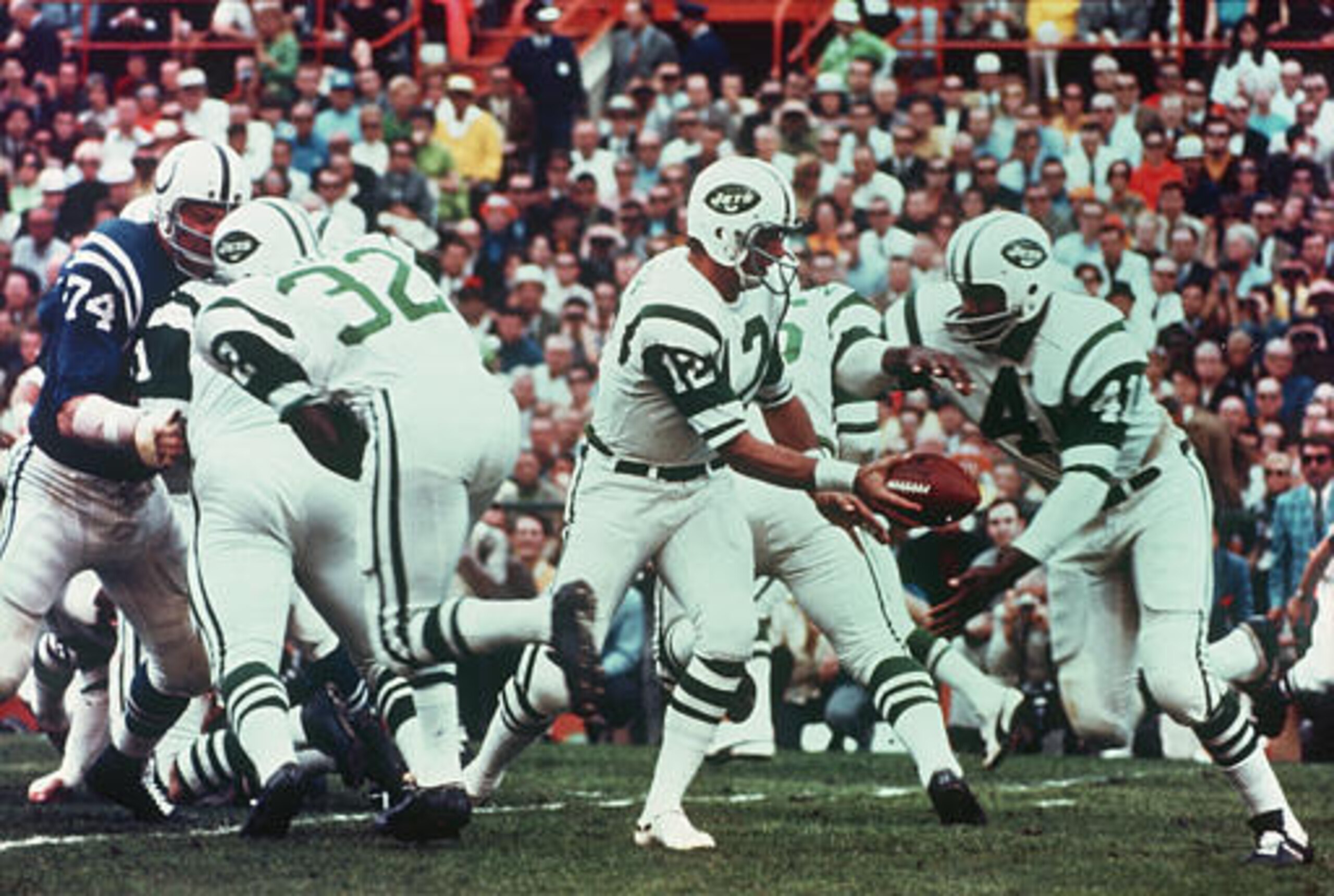
We guarantee that some readers of this piece feel that this game should be higher. But it’s the contest that we are ranking here, not the long-term ramifications of one of the football’s biggest upsets.
The Baltimore Colts had lost one game all season entering Super Bowl III and headed to Miami’s Orange Bowl off a 34-0 manhandling of the Cleveland Browns in their league’s championship game. Combine that with the fact that the NFL’s Green Bay Packers had disposed of the AFL’s Kansas City Chiefs and Oakland Raiders in the first two Super Bowls, and the elder league figured to roll once again.
But Don Shula’s Colts stumbled their way through this title game (with an assist from the New York Jets defense), turning over the football five times and continually squandering early opportunities. The well-schooled Jets simply seized the moment, shut out Baltimore for the first 56-plus minutes of the game and put the other league on the map.
24. Super Bowl VII: Miami Dolphins 14, Washington Redskins 7
26 of 49
While the Miami Dolphins capped off a 17-0 season with a 14-7 victory over the Washington Redskins, this was not a performance of the ages for either club.
Although the Dolphins prevailed, their offense gained a mere 253 total yards against George Allen’s defense. Of course, the Redskins fared far worse on this Sunday afternoon at the Los Angeles Coliseum.
Washington’s offensive unit gained only 228 total yards and failed to reach the end zone. Starting quarterback Billy Kilmer was sacked twice and picked off three times.
So how did the Redskins avoid being shut out on Super Sunday? It remains one of the most fabled plays of all time.
23. Super Bowl XLI: Indianapolis Colts 29, Chicago Bears 17
27 of 49
For both the Indianapolis Bears and the Chicago Bears, Super Bowl XLI had its share of interesting moments. That included Devin Hester’s 92-yard return of the opening kickoff for a touchdown—the first (and still only) in Super Bowl history. In fact, Lovie Smith’s Bears owned a 14-6 lead after the first quarter of play thanks to quarterback Rex Grossman’s four-yard touchdown pass to Muhsin Muhammad.
The Bears (five) and Colts (three) would combine for eight turnovers, with Grossman coughing up the ball three times by himself. One of his two interceptions was returned 56 yards for a score by Indianapolis cornerback Kelvin Hayden, capping a 23-3 scoring stretch from the second quarter on.
While Peyton Manning garnered MVP honors thanks to 247 yards passing and a touchdown (one interception), you may have made a better case for the team’s running back combination of Dominic Rhodes and Joseph Addai. The latter caught 10 passes for 66 yards and added 77 yards rushing on 19 carries.
Rhodes ran for a game-high 113 yards and a score on 21 carries. He also caught an eight-yard pass.
Although Tony Dungy’s Indianapolis Colts wound up prevailing in Super Bowl XLI by double digits, this was a far more competitive game than some may like to admit. And the rainy conditions added to the drama.
22. Super Bowl XXI: New York Giants 39, Denver Broncos 20
28 of 49New York Giants quarterback Phil Simms was obviously not the first NFL player who decided to go to Disney World after the season. But at least he got paid for it.
By game’s end, the Super Bowl XXI MVP had completed an astounding 22 of 25 passes for 268 yards and three touchdowns without an interception in the 39-20 comeback win over the Denver Broncos.
It really turned into a game of two halves. Broncos quarterback John Elway sliced and diced the New York defense for 187 yards in the first half. But his efforts resulted in only a 10-9 lead at intermission for his team, thanks mainly to a pair of short missed field goals (23 and 34 yards) by Denver’s Rich Karlis.
The second half was all New York, as Simms put on a passing clinic, hitting on all 10 attempts for 165 yards and two touchdowns—although he and the team got quite the break when a pass for Mark Bavaro would carom off his shoulder pads and win up in the hands of wideout Phil McConkey for a six-yard touchdown.
All told, Bill Parcells’ talented club outscored the Broncos 30-10 in the second half.
21. Super Bowl XVI: San Francisco 49ers 26, Cincinnati Bengals 21
29 of 49
While this year’s Carolina Panthers are the first team since their ’03 squad to reach the Super Bowl after a losing season, Super Bowl XVI at the Pontiac Silverdome remains the only game in the 49-year history of the series in which both clubs were coming off sub-.500 campaigns.
Both the San Francisco 49ers and Cincinnati Bengals were seeking their first Super Bowl title. The teams had met during the regular season in Cincinnati, and Joe Montana and Co. came away with a 21-3 win. In Super Bowl XVI, it was the Bengals who came away with 21 points this time around, but it wasn’t enough to secure the victory.
While Montana was named MVP, it was the Niners defense that made the crucial plays, despite allowing 356 total yards. San Francisco forced four turnovers, sacked Cincinnati’s Ken Anderson five times and came up with a crucial goal-line stand in the second half, despite having just 10 players on the field at times.
20. Super Bowl XXX: Dallas Cowboys 27, Pittsburgh Steelers 17
30 of 49
Talk about a case of the jitters?
For those of you who like to cruise YouTube, go back and look at how the Pittsburgh Steelers performed in the early stages of their Super Bowl XXX clash with the Dallas Cowboys.
Before you could say “Here We Go, Steelers…Here We Go!” Bill Cowher’s disheveled club was down 13-0 in the second quarter and looked like a nervous wreck. But by intermission, Pittsburgh had somehow kept Dallas under wraps and trailed only 13-7 at intermission.
The Cowboys would go ahead 20-7, but with 6:36 to play, this was a 20-17 game and the Steelers had the ball and a lot of momentum. But it was Dallas cornerback Larry Brown who picked off quarterback Neil O’Donnell in the fourth quarter, his second interception of the game, and Emmitt Smith wrapped up the scoring with his second touchdown of the contest.
As for Brown, he was twice in the right place at the right time. And as documented by Vito Stellino of the Baltimore Sun nearly two decades ago, there was perhaps a reason that good fortune came the way of the 1991 12th-round draft choice.
19. Super Bowl XXXIX: New England Patriots 24, Philadelphia Eagles 21
31 of 49
While the game was quite competitive (what else is new when it comes to the New England Patriots and Super Bowls?), the final minutes of the contest left you with a bit of an odd feeling.
For the third time in four years, Bill Belichick’s club walked away with a championship courtesy of a three-point Super Bowl win. This time the victim was the Philadelphia Eagles, who owned a 7-0 lead in the second quarter but found themselves tied with the defending Super Bowl champions after both the second (7-7) and third (14-14) quarters.
Eventually, New England owned a 24-14 lead with 8:40 left in the fourth quarter. But with plenty of time remaining, there seemed to be a lack of urgency by Eagles head coach Andy Reid and quarterback Donovan McNabb. The latter threw for 357 yards and three touchdowns but was also picked off three times—two of those in the final quarter as the Pats once again held on for a win.
18. Super Bowl XLV: Green Bay Packers 31, Pittsburgh Steelers 25
32 of 49It was a game of ebbs and flows, and the ebbs managed to eke out a victory.
Green Bay Packers quarterback Aaron Rodgers was making his first Super Bowl appearance, while Pittsburgh’s Ben Roethlisberger was in this game for the third time in six years. But it was the Steelers’ signal-caller who struggled early on, while the Pack was back in a big way.
Green Bay jumped out to a 21-3 second-quarter lead as Rodgers hit on a pair of touchdown passes, while Nick Collins took back a Roethlisberger interception (one of two in the first half) 37 yards for a score.
Still, the Steelers would narrow the gap to four points (21-17) midway through the third quarter and appeared to have gained the momentum. But a long failed field-goal attempt and a fumble by Steelers running back Rashard Mendenhall in the fourth quarter cooled off Mike Tomlin’s team.
Rodgers would find wide receiver Greg Jennings from eight yards out for the latter’s second score of the day, but Pittsburgh closed the gap to 28-25 with 7:34 left to play. Rodgers and his teammates would tack on a late field goal and hold on for a win in a contest highlighted by those Steelers turnovers and a lot of dropped Rodgers’ passes.
17. Super Bowl XXIII: San Francisco 49ers 20, Cincinnati Bengals 16
33 of 49
While the ending of Super Bowl XXIII between may have rated a berth in the top 10 on many lists, the game overall was a battle of ineptitude between two clubs that struggled to get out of their own way.
The San Francisco 49ers and Cincinnati Bengals were tied 3-3 at halftime and through three quarters, as neither team had scored an offensive touchdown. But Sam Wyche’s squad owned a 13-6 lead entering the fourth quarter thanks to a 93-yard kickoff return for a score by Bengals running back Stanford Jennings.
Then, 49ers quarterback Joe Montana got busy, with 195 of his 357 passing yards coming in the fourth quarter and his two touchdown passes sandwiching another Bengals field goal. The Niners’ 92-yard drive, which began with 3:20 to play and culminated with a Montana-to-John Taylor touchdown pass from 10 yards out with 34 seconds to play, is the moment most remembered.
But for the most part, actor/comedian John Candy (who Montana spotted in the stands during the game-winning march) saw a somewhat lackluster performance by both clubs.
16. Super Bowl X: Pittsburgh Steelers 21, Dallas Cowboys 17
34 of 49
For quite a spell, this was as good as it got on Super Bowl Sunday.
The defending Super Bowl champion Pittsburgh Steelers figured to dispose of the wild card Dallas Cowboys. But it was a game-long struggle for Chuck Noll’s powerful club, as the Black and Gold trailed 10-7 heading into the fourth quarter.
Then, the Steelers turned it on with their special teams, defense and Terry Bradshaw to Lynn Swann, who in the second quarter connected for a memorable 53-yard pass.
And let’s not forget that Cowboys safety Cliff Harris stoked the Pittsburgh furnace by tapping Steelers kicker Roy Gerela on the head following a missed field goal. It added up to a bad career move, especially when it happened to occur in front of Steelers second-year linebacker Jack Lambert.
The Steelers came up with four scores in an eight-minute span via a blocked punt for a safety, two field goals and Bradshaw’s 64-yard scoring strike to Swann—staking Pittsburgh to a 21-10 lead. Cowboys quarterback Roger Staubach, sacked seven times on the day, got seven points back quickly but couldn’t close the deal in the final seconds via three long pass attempts into the end zone.
15. Super Bowl XXXI: Green Bay Packers 35, New England Patriots 21
35 of 49After four years as the head coach of the New England Patriots, it appeared that Bill Parcells was getting ready to shop for the groceries somewhere else in 1997.
The future Hall of Fame head coach’s future in Foxborough was the topic of a lot of discussion leading up to this clash between his Pats and the Green Bay Packers in New Orleans. Could The Tuna deliver in the city famous for its oysters, crawfish and shrimp?
It didn’t look that way early after Brett Favre and the Packers took a 10-0 lead less than seven minutes into the game. But Drew Bledsoe threw a pair of touchdown passes and owned a 14-10 first-quarter edge.
It was all Green Bay in the second quarter as Mike Holmgren’s squad took a 27-14 halftime lead, but the stubborn Patriots (despite four interceptions by Bledsoe), with an 18-yard touchdown run late in the third quarter, put Parcells team in striking range…until game MVP Desmond Howard took back the kickoff 99 yards to paydirt.
The score put Green Bay ahead to stay, and Reggie White’s three sacks of Bledsoe put the hot sauce on the jambalaya.
14. Super Bowl XLIV: New Orleans Saints 31, Indianapolis Colts 17
36 of 49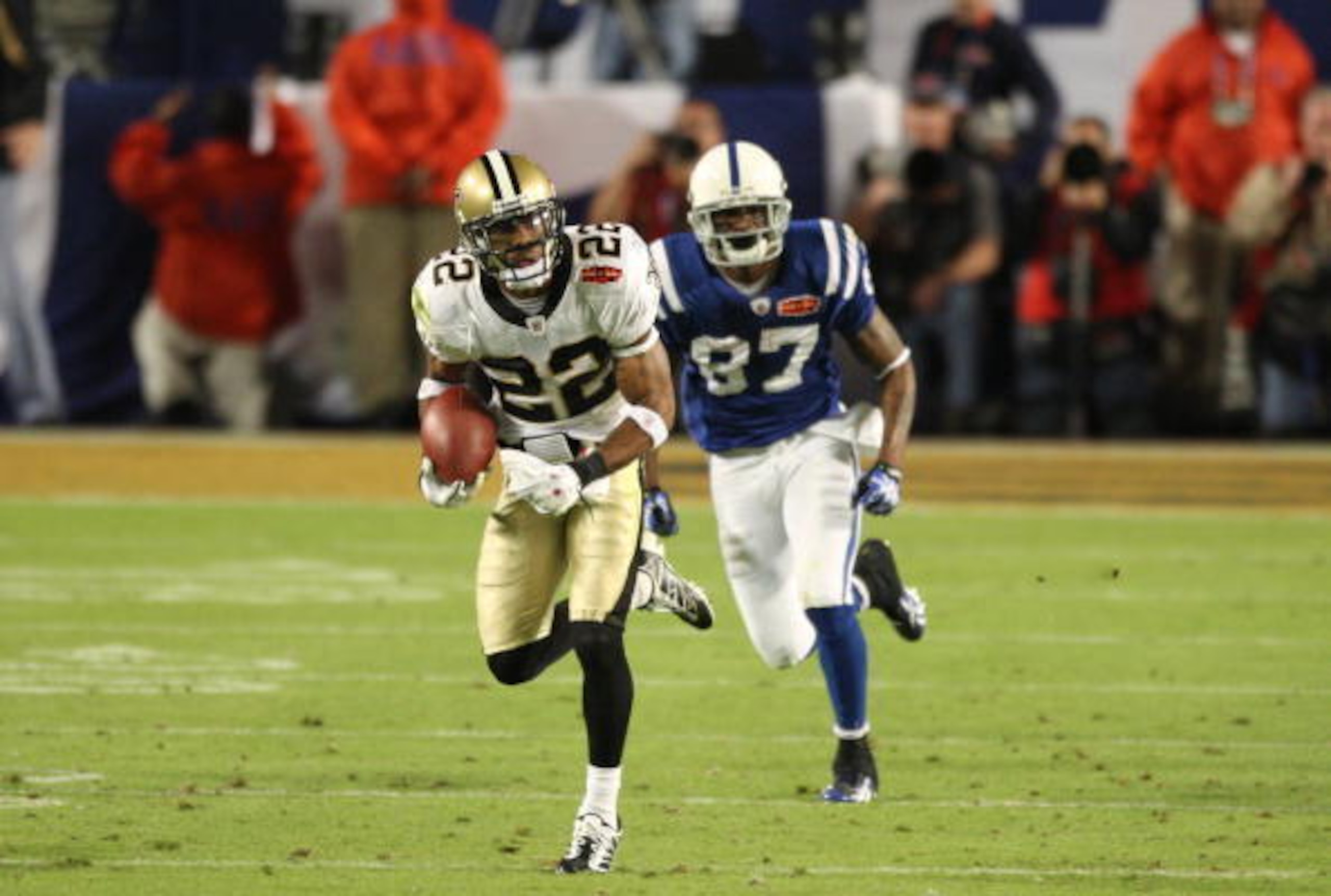
A lot of the talk leading up to Super Bowl XLIV revolved around Indianapolis Colts quarterback Peyton Manning’s legacy.
That certainly has a familiar ring to it this week.
Six years ago, some people asked whether Manning was the game’s greatest quarterback ever.
Apparently, no one told the New Orleans Saints that there was a possibility they may actually win the game. And that’s exactly what they did, erasing a 10-0 first-quarter deficit on the way to a 31-17 win over the Colts in South Florida.
It was a well-played game by both clubs as the teams combined for one turnover (Manning’s lone interception was returned 74 yards for a score by New Orleans cornerback Tracy Porter).
There were no fumbles, and the Colts had the lone sack of the game. But for the most part, Saints quarterback Drew Brees remained upright and accurate. He would hit on 32 of 39 passes for 288 yards and two touchdowns, and he also completed a two-point conversion toss to wideout Lance Moore.
But the moment that may stand out the most (along with Porter’s return) was New Orleans head coach Sean Payton’s decision to attempt an onside kick at the start of the second half. The Saints recovered, and the feel of the game changed instantly.
13. Super Bowl XXXIV: St. Louis Rams 23, Tennessee Titans 16
37 of 49
The St. Louis Rams entered the 1999 season tied for the worst win-loss record in the league in the first nine years of the decade.
They would cap off the 1990s with 13 regular-season victories behind their second-string quarterback and eventually stun the football world with a victory over the surprising Tennessee Titans in Super Bowl XXXIV at the Georgia Dome.
Rams quarterback Kurt Warner (who replaced an injured Trent Green in the preseason) threw for a Super Bowl-record 414 yards and two touchdowns. That included a 73-yard scoring pass to wide receiver Isaac Bruce with 1:54 to play and just 21 seconds after the Titans had rallied from a 16-0 third-quarter deficit to tie the score.
Yes, the game wasn’t over until Rams linebacker Mike Jones tackled a lunging Kevin Dyson at the 1-yard line at the gun. But thanks to quarterback Steve McNair’s amazing effort, the Titans were in position to tie or win the game in the closing seconds.
12. Super Bowl XLVI: New York Giants 21, New England Patriots 17
38 of 49
Do you think that the New York Giants had the New England Patriots number?
For the second time in five years, the teams would meet in the Super Bowl—this time at Indianapolis.
It was an odd game in terms of flow. New York scored the first nine points of the contest, New England went on a 17-point run to grab an eight-point advantage, and the Giants closed the game with 12 unanswered points to win a second Super Bowl during the Eli Manning/Tom Coughlin Era.
Down 17-15 with 3:46 to play, the Giants began their game-winning march with an awe-inspiring 38-yard pass play from Manning to Mario Manningham (say that three times fast). New York would culminate a nine-play, 88-yard drive with a six-yard touchdown run (or was it a fall?) by running back Ahmad Bradshaw and held on for the 21-17 win after Tom Brady’s failed “Hail Mary” throw on the final play of the game.
It was an amazing year for the Giants, who became the first 9-7 team to win a Super Bowl and managed to do after giving up more points than they scored in 2011.
11. Super Bowl XXXVI: New England Patriots 20, St. Louis Rams 17
39 of 49
A closer look at the 2001 New England Patriots shows you just how amazing and opportunistic that team was.
The club opened 0-2, and in that second loss, starting quarterback Drew Bledsoe was severely injured and gave way to 2000 sixth-round pick Tom Brady.
By season’s end, the Pats had finished 11-5 and captured the AFC East. The team then went on an amazing playoff run that saw it capture Super Bowl XXXVI on the final play of the season.
Just two years after winning Super Bowl XXXIV, the St. Louis Rams were back in The Big Game and were heavy favorites to win another Lombardi Trophy. However, the physical Patriots pushed around Kurt Warner and his receivers. By the fourth quarter, New England owned a 17-3 lead.
But with just 1:30 to play, St. Louis had rallied to tie the game as Warner overcame a pair of interceptions and led his team to a pair of touchdowns.
Then, along came Brady, who guided his club 53 yards in 74 seconds, setting up Adam Vinatieri’s 48-yard field goal at the gun and giving Bill Belichick’s club the win.
It remains one of best finishes in Super Bowl history and capped off a complete effort by the resourceful Patriots, who were introduced as a team before the start of Super Bowl XXXVI.
New England scored a total of three offensive touchdowns and three defensive/special teams touchdowns in the 2001 postseason and walked away with a championship.
10. Super Bowl XVII: Washington Redskins 27, Miami Dolphins 17
40 of 49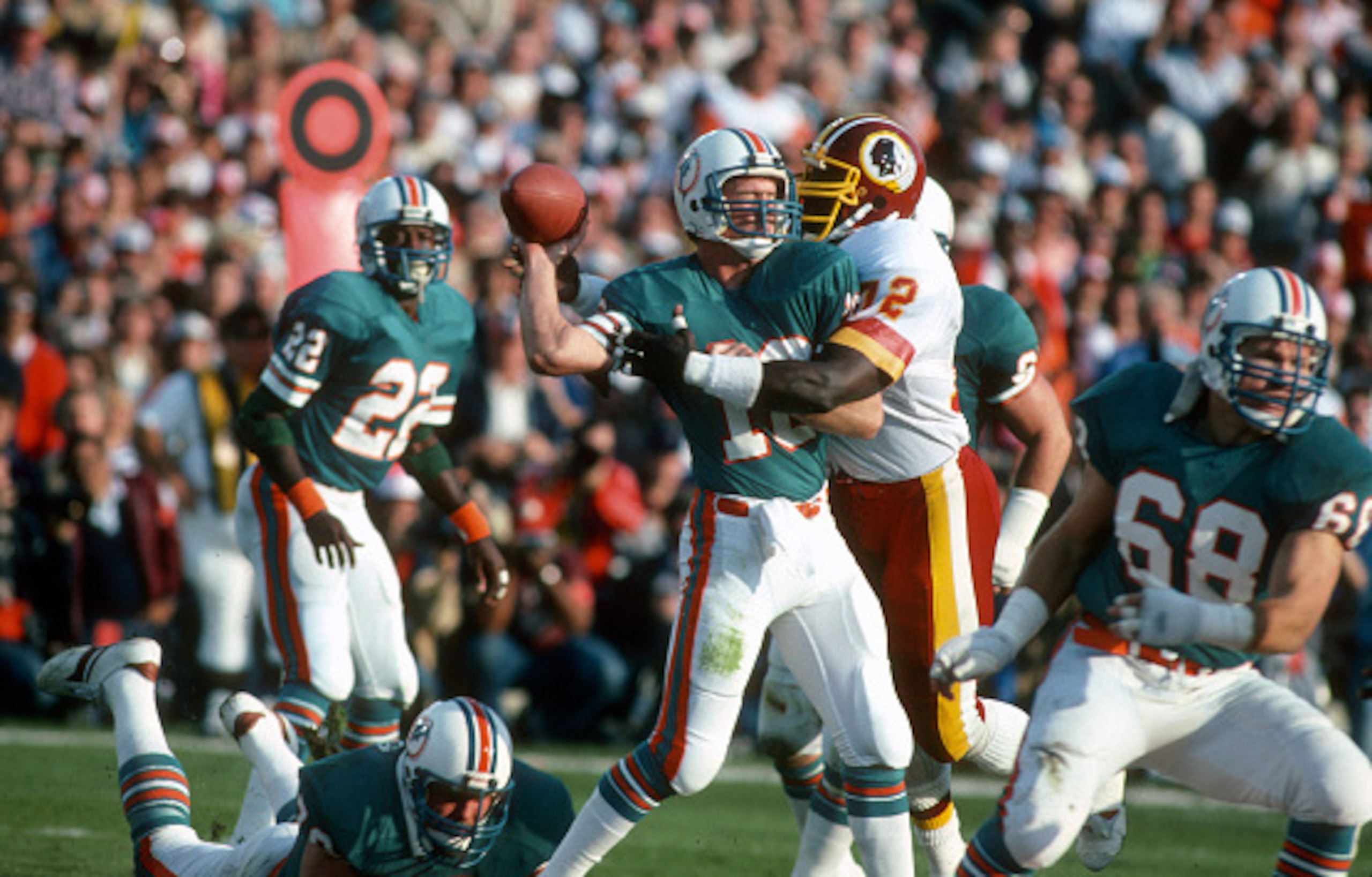
We didn’t get to see a lot of football during the 1982 NFL season.
Due to a players’ strike, the chase for Super Bowl XVII was limited to nine regular-season games and eventually a 16-team postseason tournament.
The Washington Redskins lost just one game that year and would avenge that setback to the Dallas Cowboys in the NFC title game. The Miami Dolphins shut out the New York Jets, 14-0, in a muddy conference title game at the Orange Bowl.
Super Bowl XVII would prove to be entertaining and had its share of memorable touchdowns, from Dolphins wideout Jimmy Cefalo’s 76-yard catch and run to teammate Fulton Walker’s 98-yard kickoff return to MVP John Riggins' 43-yard jaunt on 4th-and-1 early in the fourth quarter.
Washington tacked on a late touchdown to win by double digits but this was a nip-and-tuck affair throughout.
9. Super Bowl XLII: New York Giants 17, New England Patriots 14
41 of 49So much for that pursuit of perfection.
In Week 17 of the 2007 regular season, the New England Patriots held off the New York Giants, 38-35, on a Saturday night at Giants Stadium to wrap up an unprecedented 16-0 mark. The Pats’ 589 points that season was an NFL record at the time, but when they ran their record to 18-0 after playoff wins over the Jaguars and Chargers, the opportunity to be the first 19-0 team in NFL annals was right there in front of them.
But these upstart Giants would have the final say. The defense would sack Tom Brady five times and forced a crucial fumble just before halftime. Eli Manning and the offense mounted a pair of fourth-quarter touchdown drives, the second highlighted by an amazing play by both the quarterback and wide receiver David Tyree, who used his head when he needed it most.
Manning’s 13-yard score to wide receiver Plaxico Burress with 35 seconds to play was the difference in one of the biggest surprises in Super Bowl history.
8. Super Bowl XXXVIII: New England Patriots 32, Carolina Panthers 29
42 of 49
For the second time in three years, here were the New England Patriots.
For the first time in their brief nine-year history, here were the Carolina Panthers.
Despite a total of 62 points being scored, none of those came in either the first or third quarters. It also featured a memorable halftime show highlighted by a “nasty” wardrobe malfunction.
The real fun came in the game’s final 15 minutes. The Patriots would extend their lead to 21-10 but would soon fall behind 22-21 thanks to a 33-yard touchdown run by Carolina’s DeShaun Foster and quarterback Jake Delhomme’s Super Bowl-record 85-yard scoring strike to Muhsin Muhammad.
The clubs then traded touchdowns, and Delhomme’s 12-yard score to Ricky Proehl with 1:08 left made some think we were headed to overtime. But the Panthers left too much time for MVP Tom Brady, who got a short field when John Kasay booted the ball out of bounds on the ensuing kickoff. Moments later, Adam Vinatieri’s 41-yard field goal with only four seconds to play gave New England the win.
7. Super Bowl XLIII: Pittsburgh Steelers 27, Arizona Cardinals 23
43 of 49For the second consecutive season, the game-winning touchdown in the Super Bowl came via a wide receiver drafted by the Pittsburgh Steelers in the first round and occurred with 35 seconds to play.
One year after Plaxico Burress broke the New England Patriots heart in Super Bowl XLII, Steelers quarterback Ben Roethlisberger marched his club 78 yards down the stretch, and wideout Santonio Holmes’ sensational six-yard tiptoe in the upper right corner of the end zone proved to the difference in Pittsburgh’s 27-23 win.
The Steelers squandered a 20-7 lead in the final quarter and fell behind 23-20 with just over two minutes to play thanks to the combination of Cardinals quarterback Kurt Warner and wide receiver Larry Fitzgerald.
And who could forget the final play of the first half, when Steelers linebacker James Harrison intercepted Warner at the goal line and made his way through plenty of traffic 100 yards for a touchdown?
For sheer thrills, this rates as one of the best games in Super Bowl history.
6. Super Bowl XLVII: Baltimore Ravens 34, San Francisco 49ers 31
44 of 49Talk about two weeks of angst in the Harbaugh households?
For the first time, it would be brother versus brother as head coaches in a Super Bowl. And this exciting tilt between the Baltimore Ravens and San Francisco 49ers proved to be a lights-out affair in more ways than one.
John Harbaugh’s Ravens and Jim Harbaugh’s Niners got to this game by winning on the road in the conference championship round. And it was Baltimore that struck first at the Superdome, as quarterback Joe Flacco threw a 13-yard touchdown pass to Anquan Boldin. The eventual MVP of Super Bowl XLVII would connect on two more scores (one yard to Dennis Pitta, 56 yards to Jacoby Jones), and the Baltimore defense limited the 49ers to field goals in the first half.
Jones returned the second-half kickoff 108 yards, the longest play in Super Bowl history, and the rout was on. Then, the unthinkable happened in the form of a power outage that lasted roughly 34 minutes. However, it was the 49ers who finally saw the light once play resumed. Led by quarterback Colin Kaepernick, the San Francisco attack produced 17 consecutive points and narrowed the Ravens’ lead to 28-23.
A pair of fourth-quarter field goals would eventually ensure Baltimore’s victory but not without some more heroics and near-heroics by Kaepernick. Flacco would be named the game’s MVP, and the Ravens sent fabled middle linebacker Ray Lewis out in style.
5. Super Bowl XIV: Pittsburgh Steelers 31, Los Angeles Rams 19
45 of 49
Here is a little-known fact as the 12-4 Pittsburgh Steelers prepared to face the 9-7 Los Angeles Rams in Super Bowl XIV at Pasadena’s Rose Bowl: Chuck Noll’s three-time champions had defeated every other team in the league at least once during the decade of the 1970s but went 0-3 against the Rams.
In the fourth quarter, the Black and Gold looked like they might be headed to another loss. In a contest that featured a total of six lead changes, the Rams owned a 19-17 early in the fourth quarter.
For the second straight year, Steelers quarterback Terry Bradshaw was named the game’s MVP. This time around, he threw for 309 yards and two scores but was picked off three times. Still, his 73-yard touchdown connection to wide receiver John Stallworth put Pittsburgh ahead to stay.
Steelers middle linebacker Jack Lambert (who finished the game with 14 tackles) picked off Rams quarterback Vince Ferragamo on Los Angeles’ next drive, and some more Bradshaw-to-Stallworth magic paved the way for Franco Harris’ insurance touchdown.
4. Super Bowl XXV: New York Giants 20, Buffalo Bills 19
46 of 49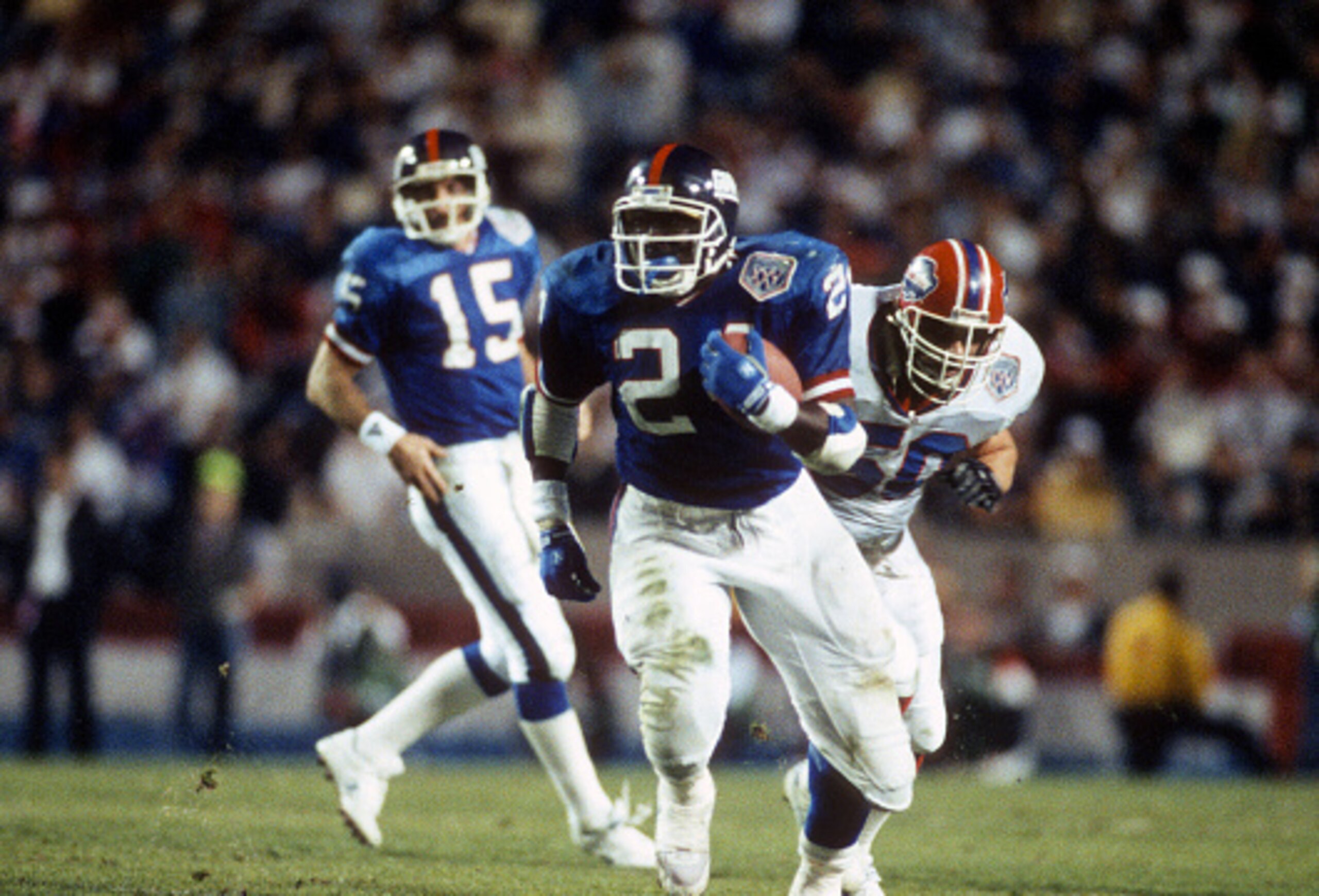
With the backdrop of the Gulf War surrounding the 25th anniversary of the Super Bowl, the Buffalo Bills and New York Giants squared off in what proved to be a memorable affair for a lot of different reasons.
To this day, Whitney Houston’s stirring rendition of the national anthem resonates with many, given the circumstances of the times. Bobby Olivier of NJ.com has the fascinating backstory.
But the onus here is on the game, and how would Bill Parcells’ Giants—who failed to score a touchdown a week earlier at San Francisco but managed to dethrone the two-time defending champions 49ers (15-13)—slow down Jim Kelly, Thurman Thomas, Andre Reed and Buffalo’s explosive attack?
It proved to be simple math combined with New York’s physical play on both sides of the ball. The Giants owned the football 40-plus minutes and scored 20 points, while Buffalo had the football 19 minutes and totaled (you guessed it) 19 points.
It certainly didn’t look like the Giants would pull this off after they behind 12-3 in the second quarter, this after Parcells’ squad kicked off the scoring.
While running back Ottis Anderson captured MVP honors, you could have made a case for not only the Giants offensive line but Thomas, who totaled 190 yards from scrimmage and scored on the first play of the fourth quarter to give the Bills a brief lead.
Yes, the ending came down to a missed 47-yard field goal by Buffalo’s Scott Norwood. But credit goes to the game plan by Parcells and his staff and the execution by quarterback Jeff Hostetler and his teammates. Neither the Bills nor the Giants turned over the football in this classic chess match (a first in Super Bowl history and done just once since), and unfortunately for Marv Levy’s talented club, someone had to lose.
3. Super Bowl XLIX: New England Patriots 28, Seattle Seahawks 24
47 of 49
The week or so leading up to the game was overshadowed by the accusations of deflated footballs. By the end of Super Bowl Sunday, the thriller between the New England Patriots and Seattle Seahawks proved to be uplifting.
Bill Belichick’s team and Pete Carroll’s defending Super Bowl champions twice traded touchdowns in the first half, and the clubs stood even at 14-all at intermission.
Led by third-year quarterback Russell Wilson, the Seahawks carried a 24-14 lead into the fourth quarter. But Tom Brady led his team to a pair of fourth-quarter touchdowns, connecting with wideouts Julian Edelman and Danny Amendola to give New England a 28-24 advantage with 2:02 to play.
Then came two of the more memorable plays of this or any season. Wilson “connected” with Jermaine Kearse for an amazing 33-yard gain thanks to a remarkable catch you have to see several times. But soon afterward and with the ball at New England’s 1-yard line, Patriots cornerback Malcolm Butler stepped in front of an ill-advised pass (hello Marshawn Lynch?) to wide receiver Ricardo Lockette, and New England had dethroned the champs.
2. Super Bowl XIII: Pittsburgh Steelers 35, Dallas Cowboys 31
48 of 49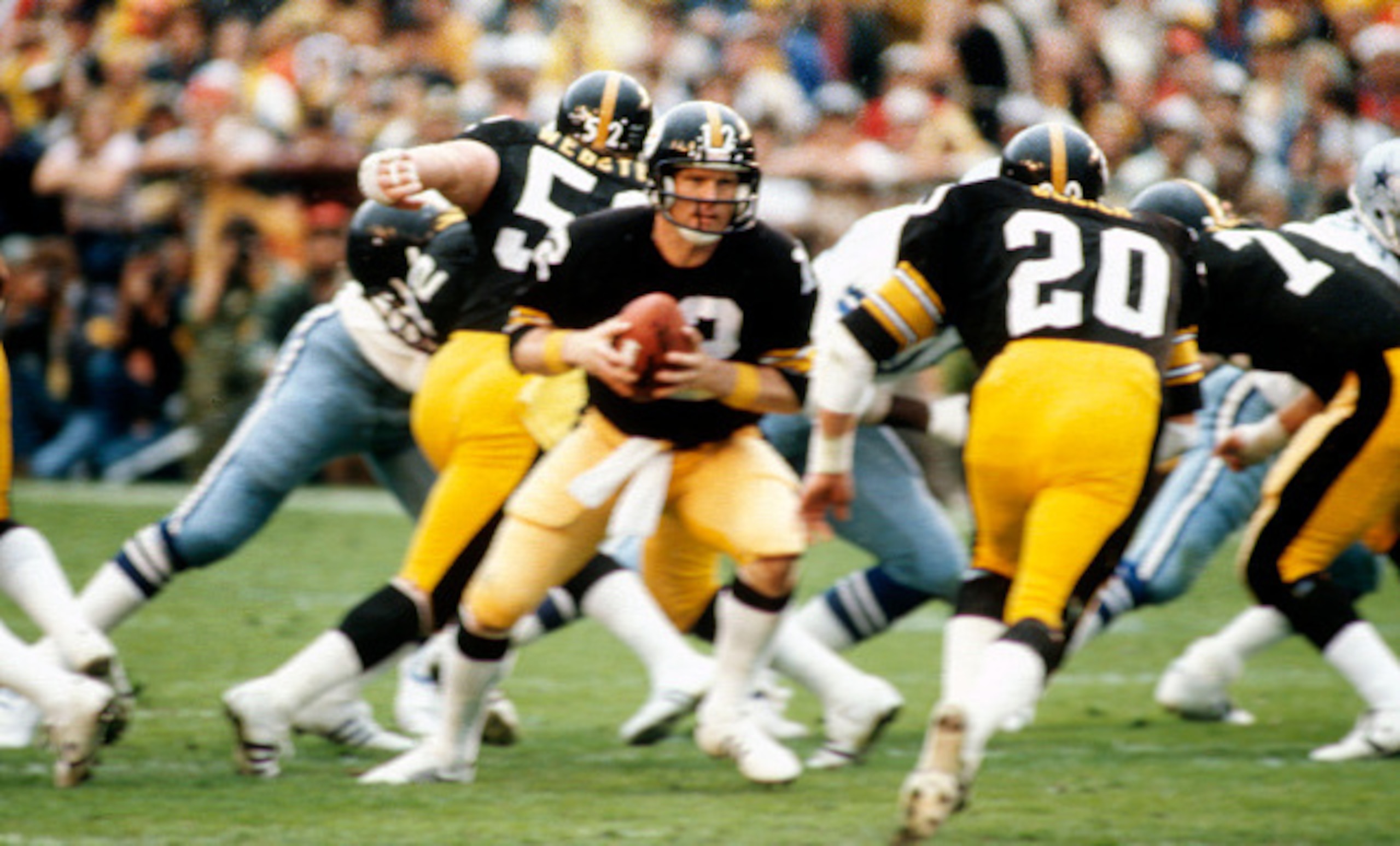
It was the first rematch in the brief history of the Super Bowl, and the winner of this clash between the 14-2 Pittsburgh Steelers and the defending NFL champion Dallas Cowboys had a lot of everything.
Start with the legends. Both head coaches (Chuck Noll and Tom Landry) would be Canton-bound, as would future fellow Hall of Fame performers such as Terry Bradshaw, Roger Staubach, Franco Harris, Tony Dorsett, Lynn Swann, John Stallworth, Rayfield Wright, Jack Ham, Randy White, Jack Lambert, Mike Webster, Mel Blount…
You get the picture.
Bradshaw would throw for a career-high 318 yards as well as four touchdowns. Stallworth and Swann, who combined for three scores, became the first teammates to total 100-plus receiving yards in a Super Bowl. Stallworth’s 75-yard touchdown in the second quarter helped tie the game at 14-all and remains one of the great catch and runs in the history of the Super Bowl.
Later, there would be another moment by a future Hall of Famer. Down 21-14 in the third quarter, the Cowboys settled for a field goal after tight end Jackie Smith dropped a pass in the end zone. The Steelers would open up a 35-17 lead in the fourth quarter before Dallas made it close.
This was a classic loaded with football legends.
1. Super Bowl XXXII: Denver Broncos 31, Green Bay Packers 24
49 of 49
It remains the only game in the Super Bowl’s 49 installments that both teams scored a touchdown on their opening possession. Before you knew it, the underdog Denver Broncos and quarterback John Elway owned a 17-7 second-quarter lead over the then-defending Super Bowl champion Green Bay Packers.
Mike Holmgren’s team would eventually tie the score, and later the teams would trade touchdowns once again. Eventual game MVP Terrell Davis ran for 157 yards, and his third touchdown of the game late in the fourth quarter (a controversial score due to the fact that Holmgren let Davis score in order to get the ball back) proved to be the difference.
Denver’s seven-point victory was the franchise’s first league championship, and it snapped a 13-game winning streak by the NFC in the Super Bowl. But it was the Broncos’ veteran quarterback who flew through the sky to get a vital first down. Owner Pat Bowlen put it best when he said, “This one’s for John.”
Unless otherwise noted, all player and team statistics come from Pro-Football-Reference, ESPN.com and the official play-by-plays from the National Football League.
.jpg?w=2560 "Titans Giants Football")
.jpg?w=2560 "Dolphins Bills Football")